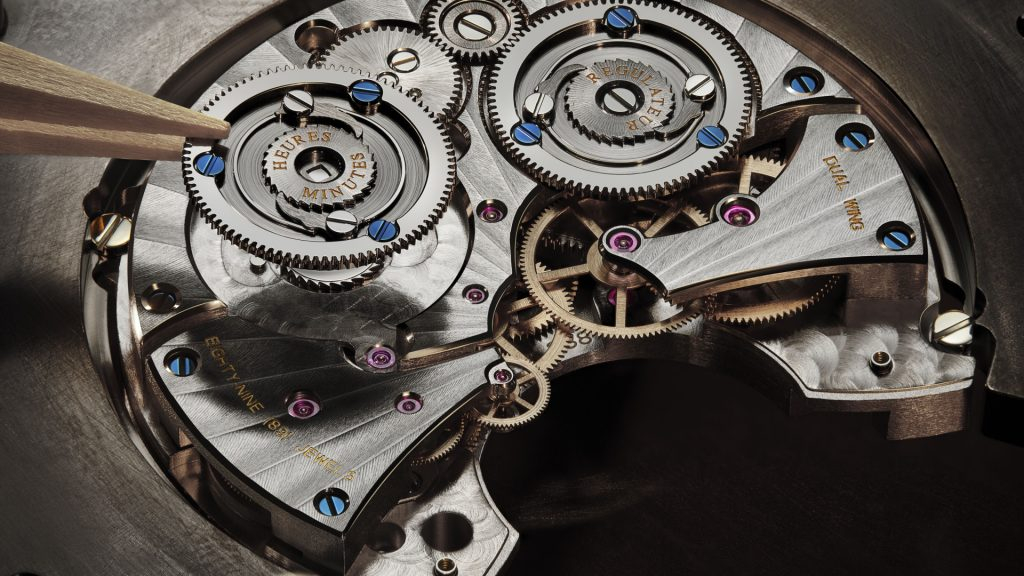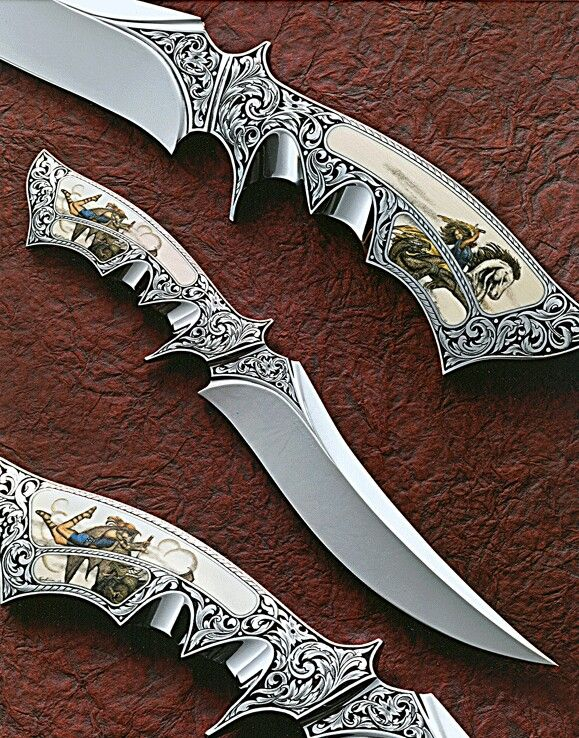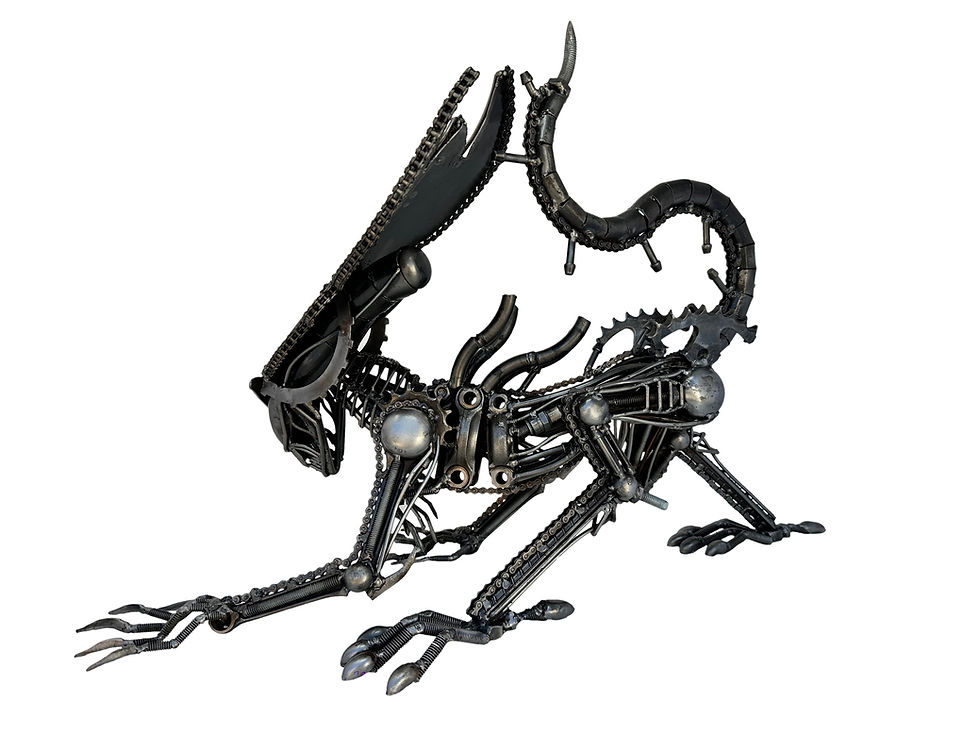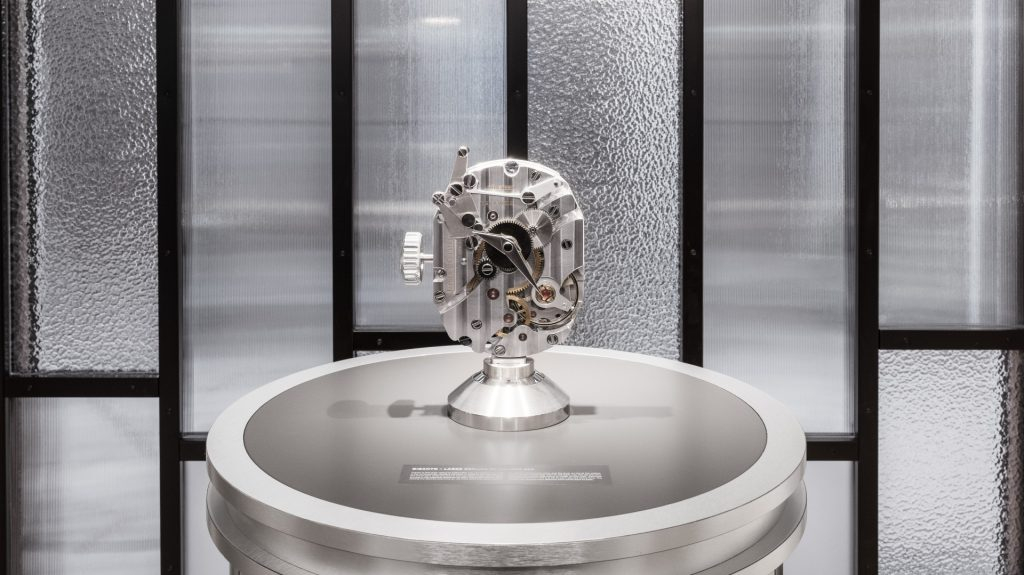
The air in the studio smells faintly of burnt flux, ozone, and cooling machine oil. Outside, the modern world accelerates on digital rails, but inside this quiet workspace, time stretches. A pair of heavy, titanium-coated jeweler’s pliers curls a strand of 0.5-millimeter annealed copper wire into a curve so tight it requires a 10x stereo microscope just to inspect. There is no room for haste here. A sudden twitch of the wrist, a micro-second over-exposure to an electric arc, and hours of patient filing turn to slag.
Most people associate welding with the deafening roar of shipyards, heavy structural steel fabrication, and industrial manufacturing plants. Yet, a quiet parallel universe exists at the opposite end of the size spectrum. Miniature metal sculpture scales down monumental industrial techniques—TIG welding, silver soldering, micro-forging, and plasma cutting—into the palm of a hand. It is an exacting discipline that demands the physical stamina of a surgeon and the aesthetic sensibility of a classical sculptor, proving that brute-force manufacturing methods can be coaxed into creating astonishingly delicate, living forms.
The lineage of welded metal art stretches back through mid-century modernism, evolving from large-scale industrial scrap assemblages to the hyper-detailed, life-like organic miniatures produced by contemporary masters today. Artists working in miniature must master thermal dynamics on a microscopic scale, where standard welding intuition goes out the window. Heat builds up instantly in small components, warping delicate armatures in the blink of an eye. Understanding this tension between raw, industrial strength and microscopic fragility defines the entire discipline of miniature metal artistry.
Why Scale Alters Everything in Micro-Welding and Metal Sculpture
Working at a miniature scale completely rewrites the laws of thermodynamics and material science. When a structural welder joins two thick steel plates, the surrounding mass acts as a natural heat sink, absorbing excess thermal energy and preventing immediate distortion. Scale that process down to a sculpture measuring mere centimeters, and that thermal buffer vanishes entirely. A standard micro-TIG torch or jewelry laser welder dumps immense localized energy into a pinprick area, turning delicate wire ribs or brass insect wings into molten puddles if amperage is miscalculated by even half an amp.
Material selection shifts dramatically when moving from architectural ironwork to miniature fabrication. While structural artists rely heavily on hot-rolled structural steel, structural tubing, and heavy-gauge scrap, miniature artists lean into materials with predictable crystalline structures and high ductility. Annealed brass, nickel silver, beryllium copper, and surgical-grade stainless steel wire become the primary vocabulary. These metals allow for intricate cold-working, bending, and filing before a single drop of filler metal is introduced or an electric arc is struck.
The choice of joining technique dictates the aesthetic outcome and structural integrity of the piece. Micro-TIG (Tungsten Inert Gas) welding offers absolute fusion strength, creating a seamless bond of base metals without relying on foreign filler alloys. However, it requires an intensely stable hand, high-frequency arc starts, and razor-sharp tungsten electrodes ground to a microscopic needle point. Conversely, silver brazing and resistance soldering provide lower melting temperatures, allowing complex multi-component armatures to be assembled sequentially without melting previously joined joints just inches away.
The Evolution of Contemporary Miniature Metal Artistry
The contemporary landscape of miniature metalwork has been radically transformed by advancements in high-precision tools originally designed for the dental and jewelry industries. Where pioneering metal sculptors of the twentieth century relied on heavy oxy-acetylene torches and crude arc welders to cobble together discarded automotive parts, today’s practitioners employ microscopic optical systems, programmable pulse-arc welders, and fiber laser welding units. These technological leaps allow creators to achieve unprecedented levels of biological realism and geometric complexity in metallic form.
Beyond technology, the philosophy of the craft remains aggressively analog and intensely slow. In an era dominated by instant 3D printing and automated digital fabrication, hand-welded miniature art derives its profound value from visible human labor and embrace of imperfection. Every filed notch, every heat-tinted gradient of straw-gold and purple oxide on a stainless steel carapace, tells a story of physical interaction between maker and material. Collectors and connoisseurs seek out these pieces precisely because they cannot be replicated by an algorithm or mass-produced on a factory floor.
The thematic focus of miniature metal artistry often bridges the mechanical and the organic. Practitioners frequently construct hyper-detailed arthropods, mammalian skeletons, fantasy mechanisms, and architectural facades that mimic the structural efficiency found in nature. By utilizing the inherent tensile strength of metals like spring steel and titanium, artists build structures that appear impossibly weightless, defying our innate psychological association of metal with heaviness and bulk.
Masterclass Methodology for Fabricating Miniature Metal Sculptures
Building a miniature metal masterpiece requires a rigorous, step-by-step methodology that prioritizes structural planning, thermal management, and meticulous surface preparation. Skipping a foundational step inevitably leads to catastrophic failure during the final welding or finishing stages.
- Step 1 (Armature Design & Scale Mapping): Draft precise technical drawings or digital 3D models at a 1:1 scale to establish the load-bearing skeleton and balance points before cutting any raw stock.
- Step 2 (Material Preparation & Cleaning): Degrease all wires, sheets, and tubes using acetone or isopropyl alcohol, followed by mechanical scrubbing with brass bristle brushes to eliminate microscopic oxides that cause weld porosity.
- Step 3 (Cold Forming & Mechanical Interlocking): Bend, twist, and shape individual components using jeweler’s pliers, micro-forming blocks, and miniature rolling mills to create tight mechanical fits prior to heat application.
- Step 4 (Sequential Micro-Joining): Execute the welding or brazing process from the inside out, starting with structural core joints and progressing to delicate exterior appendages using heat sinks or wet-pack heat dams to protect nearby delicate areas.
- Step 5 (Post-Processing & Chemical Patination): Clean up flux residues, file down excess weld crowns under magnification, and apply controlled chemical patinas, thermal heat-coloring, or micro-polishing to achieve the final surface finish.
Navigating Common Pitfalls and Field-Tested Workarounds
Even experienced metalworkers stumble when transitioning to miniature scales, as macroscopic habits often spell disaster for tiny sculptures. Recognizing these common traps and adopting proven workarounds separates frustrating failures from museum-quality creations.
- Pitfall 1 (Thermal Distortion and Warping): Applying continuous heat to a delicate frame causes it to warp out of alignment instantly. Workaround: Utilize pulse settings on a TIG or laser welder, limit weld duration to milliseconds, and fabricate copper or brass heat-sink blocks to draw excess thermal energy away from vulnerable sections.
- Pitfall 2 (Weld Contamination and Porosity): Tiny parts accumulate skin oils and microscopic debris rapidly, resulting in porous, brittle welds. Workaround: Wear lint-free finger cots or nitrile gloves during handling, and dip all components in an ultrasonic cleaner immediately before assembly.
- Pitfall 3 (Accidental Reflowing of Prior Joints): When adding a new component via brazing or soldering, adjacent joints melt and fall apart. Workaround: Employ a hierarchy of filler metals with distinct melting points (e.g., hard silver solder first, medium second, soft third) or apply heat-blocking paste to protect completed areas.
- Pitfall 4 (Loss of Components During Filing): Standard filing techniques launch microscopic metal bits and pieces across the room. Workaround: Work inside a dedicated jeweler’s catch skin, secure pieces in a pin vise or vacuum-held ball vise, and anchor small parts with removable shellac or thermal-setting thermoplastic fixatives.
- Pitfall 5 (Oxide Discoloration and Scale Buildup): Heavy scaling ruins fine surface textures and obscures delicate joint lines. Workaround: Weld under a pure argon shielding gas cover, use protective anti-flux coatings during torch heating, and pickle components in a warm citric or sparex acid bath to strip oxides cleanly.
The Economic Value, Sustainability, and Future of Slow Metal Art
The economics of miniature metal sculpture run completely counter to modern fast-consumption models. Because a single complex piece can require forty, eighty, or over a hundred hours of hyper-focused labor, these works occupy a rarified tier in the fine art and collector markets. Value is derived not from raw material weight—often measured in mere grams of precious or semi-precious metals—but from the extreme rarity of the specialized skill set required to execute them. Collectors view these pieces as lifetime investments in human mastery.
Sustainability within the medium is naturally inherent. Many miniature artists source their raw materials from scrap yards, discarded electronics, old watch movements, and industrial off-cuts. Transforming industrial waste into high-art miniatures closes the loop between heavy manufacturing and delicate craftsmanship. Instead of feeding the landfill, discarded copper wire windings from electric motors and stainless steel surgical needles find new life as the intricate legs and antennae of mechanical insects or abstract botanical forms.
Looking forward, the integration of advanced optics and precision micro-manufacturing tools suggests that the boundaries of what is physically possible in miniature metalwork will continue to expand. Yet, the heart of the medium remains stubbornly human. No machine can replicate the intuitive feel of copper yielding to a pair of pliers, nor the split-second aesthetic judgment required to shape an untamed electric arc into a masterpiece of delicate grace.
Essential Frameworks for Aspiring Miniature Metal Sculptors
Developing true proficiency in miniature metal sculpture requires a structured approach to skill acquisition, tool investment, and workshop ergonomics. Beginners often fail by trying to tackle hyper-complex organic forms before mastering the fundamental physics of micro-joining.
- Invest in Optics First: Never compromise on vision. A high-quality binocular stereo microscope or articulated jeweler’s loupe setup is far more important than owning the most expensive welder on the market. If you cannot see the micro-pool, you cannot control it.
- Master One Material Completely: Choose one forgiving metal—such as half-hard brass wire or standard copper tubing—and spend months learning its specific thermal expansion rates, melting behaviors, and filing characteristics before experimenting with exotic titanium or spring steels.
- Prioritize Ergonomic Stability: Micro-welding requires absolute physical stillness. Train yourself in proper bench posture, utilize armrests to eliminate hand tremors, and control your breathing during the exact micro-second of arc initiation or torch application.
- Build a Dedicated Fixture Library: Improvise and construct custom holding fixtures, mini-vises, magnetic positioning blocks, and third-hand clamps. Trying to hold miniature components with fingers while welding is a recipe for burns and misaligned assemblies.
The slow artistry of bending and welding miniature metal masterpieces serves as a vital counterweight to an increasingly automated, virtualized world. In a reality where so much of what we interact with is intangible, pixelated, or instantly generated by software, the tactile resistance of metal offers grounding authenticity. Every filed edge, every minuscule bead of weld metal, and every intentional curve stands as physical proof of sustained human attention and patient endurance.
For those drawn to this demanding craft, the path forward is clear: embrace the friction of slowness, respect the unforgiving laws of thermodynamics, and treat every millimeter of metal as a canvas for absolute precision. The world of miniature metal sculpture rewards those who refuse to rush, transforming raw, cold industrial elements into breathing, brilliant monuments of the miniature.