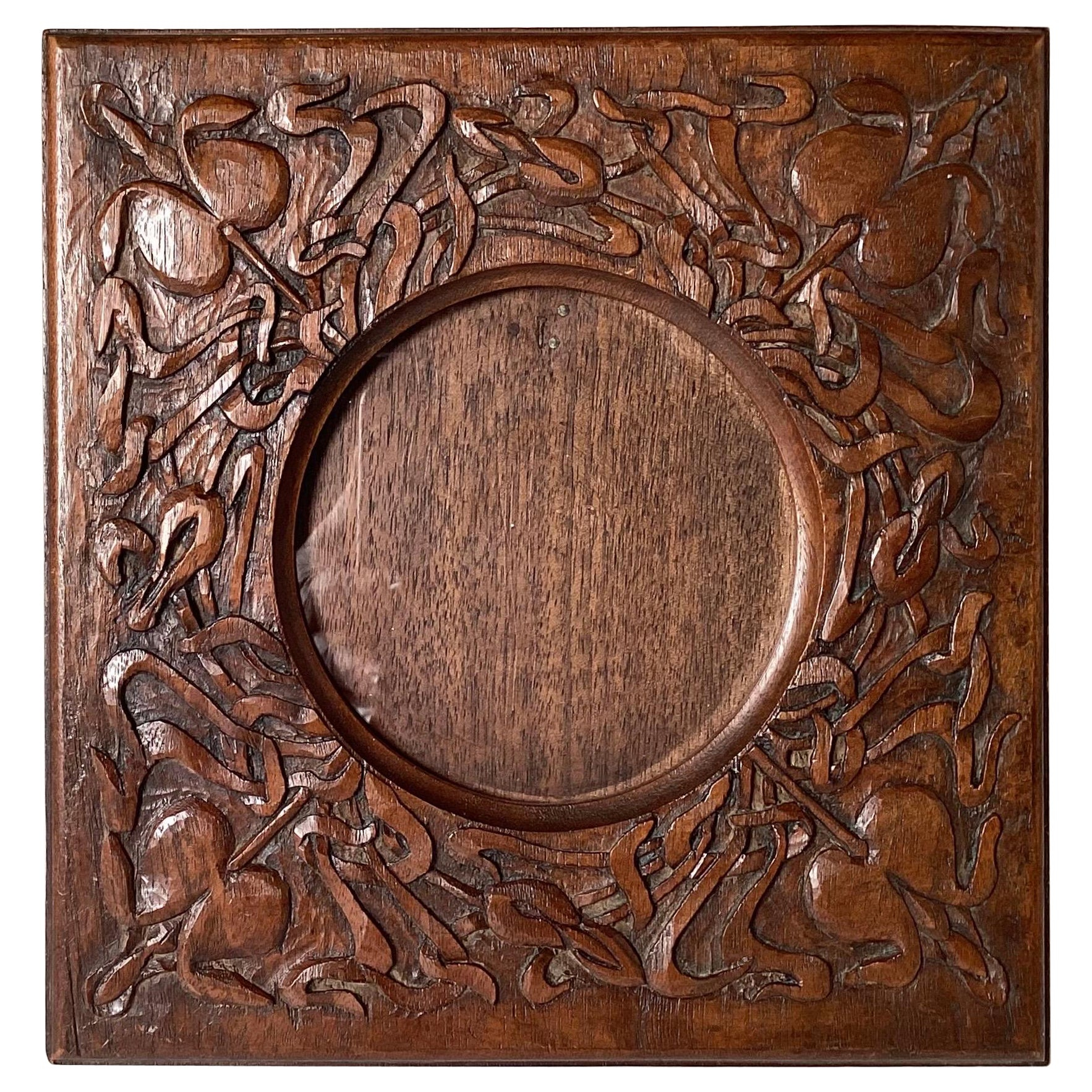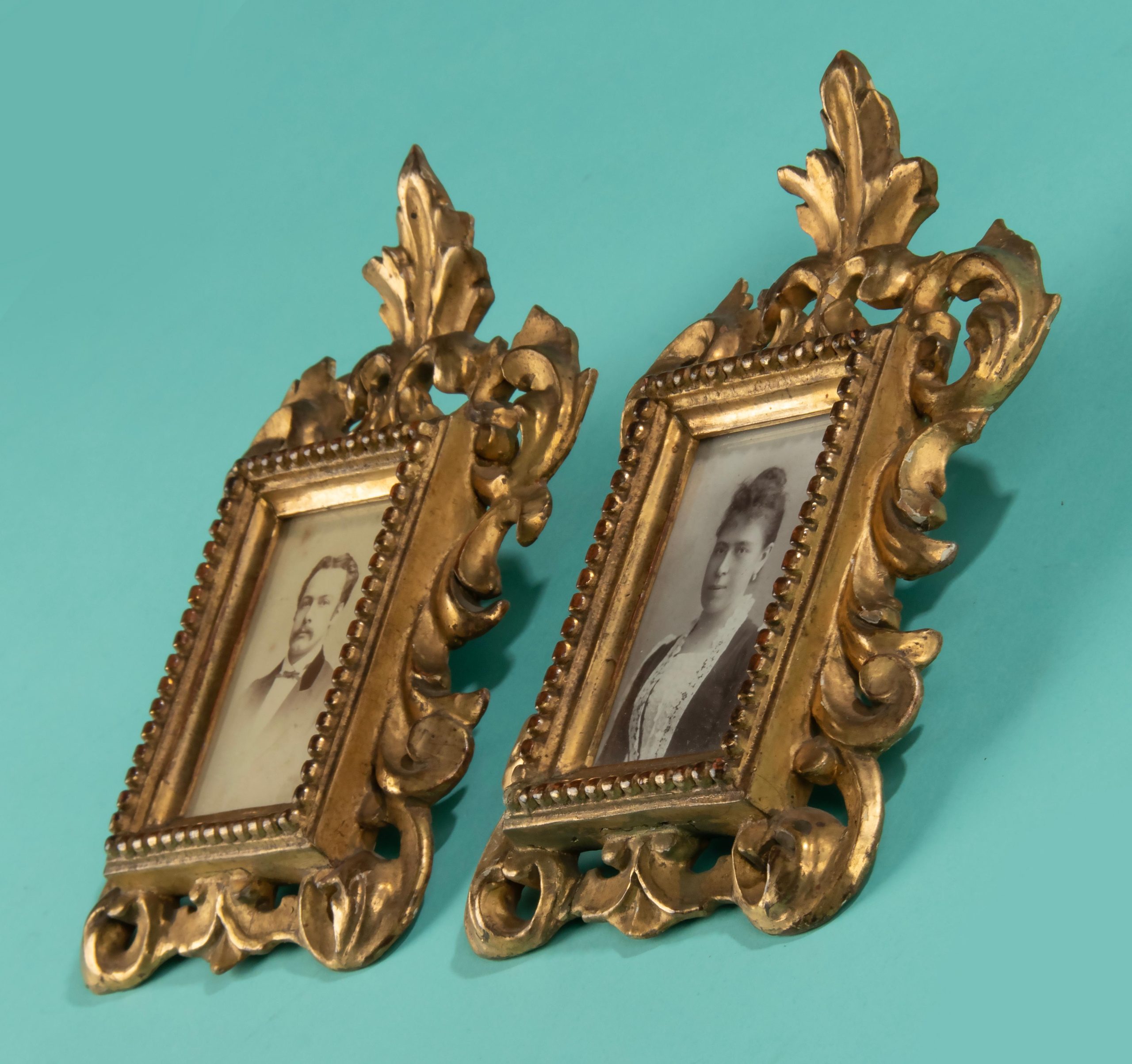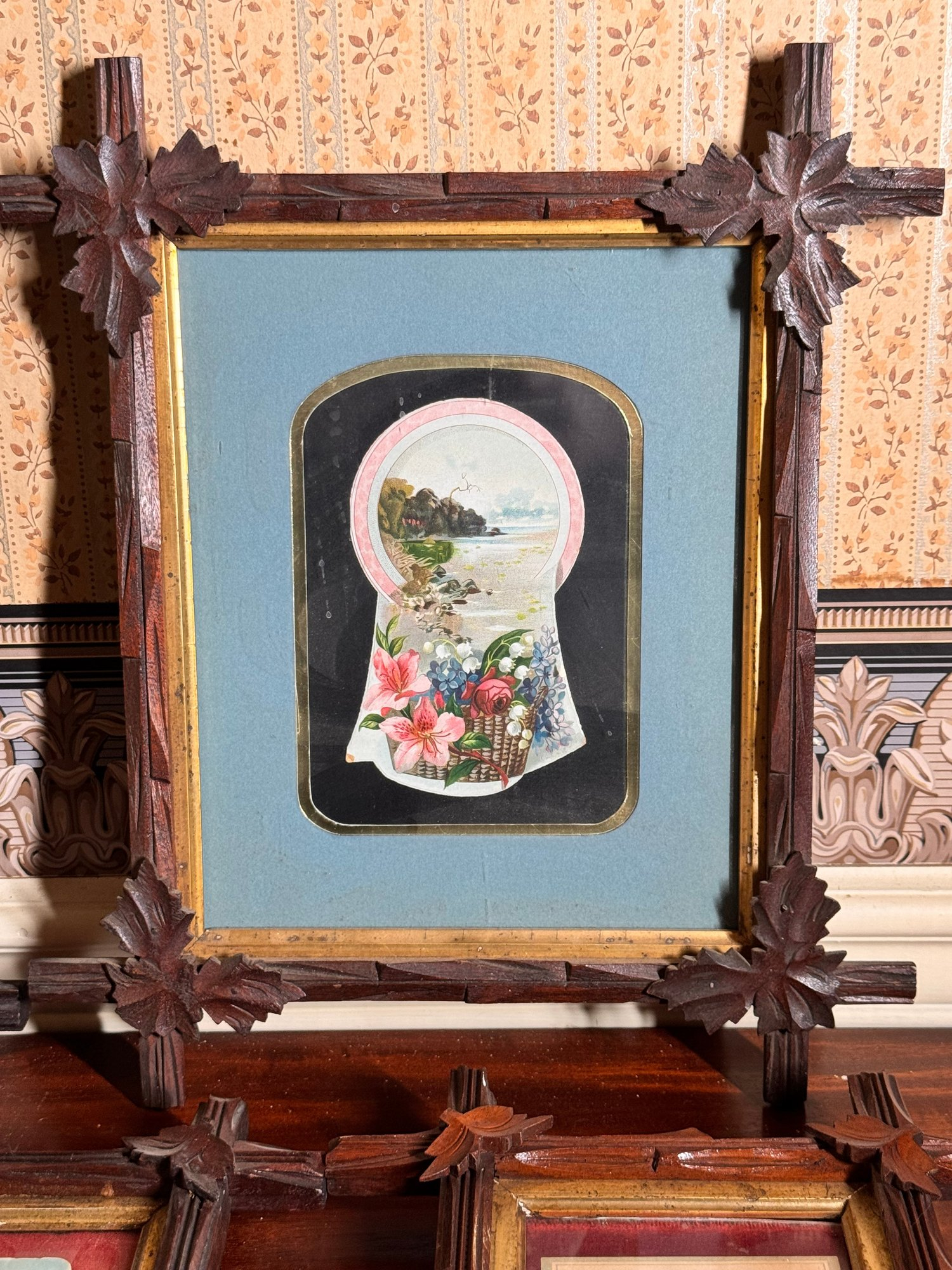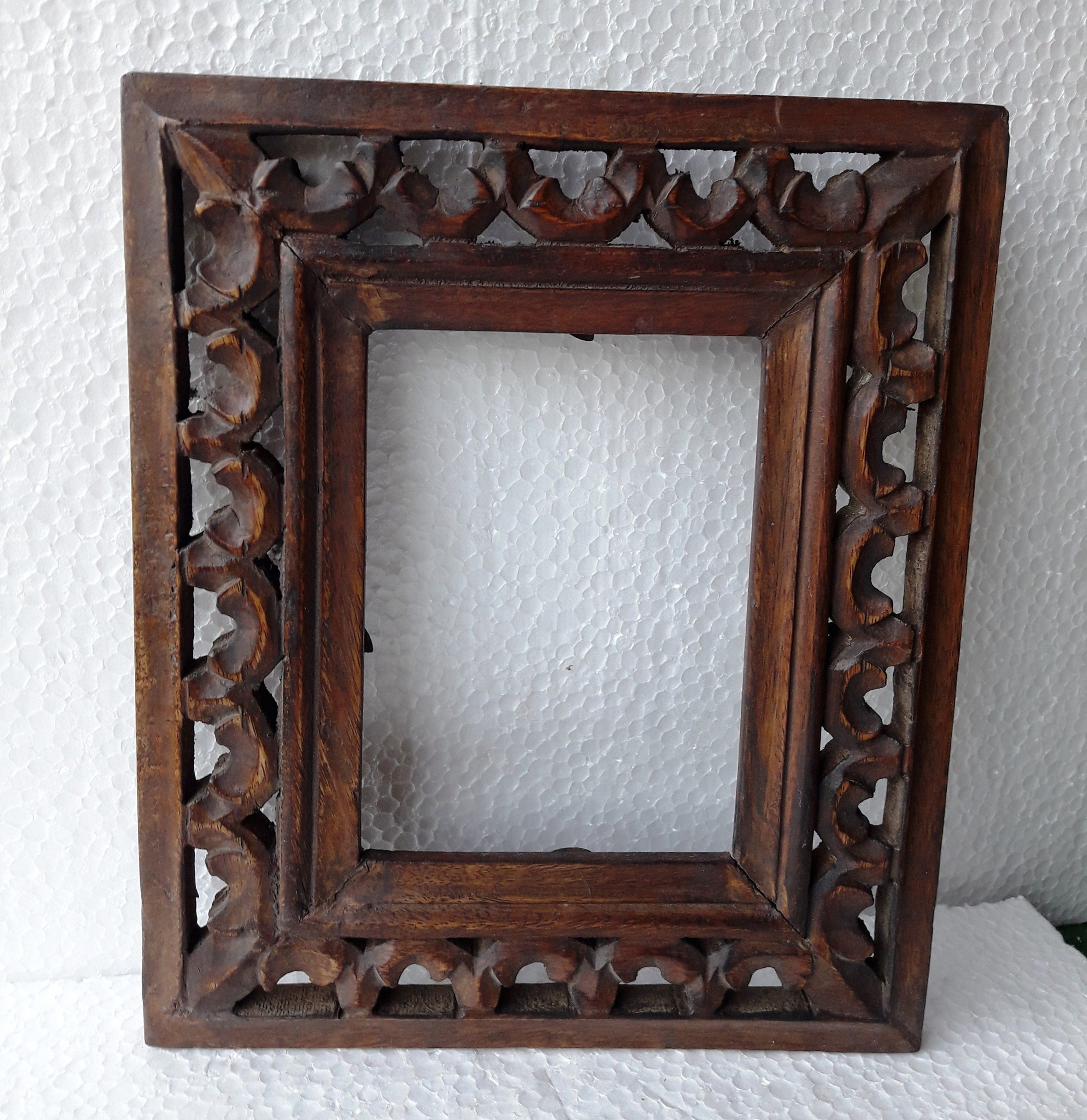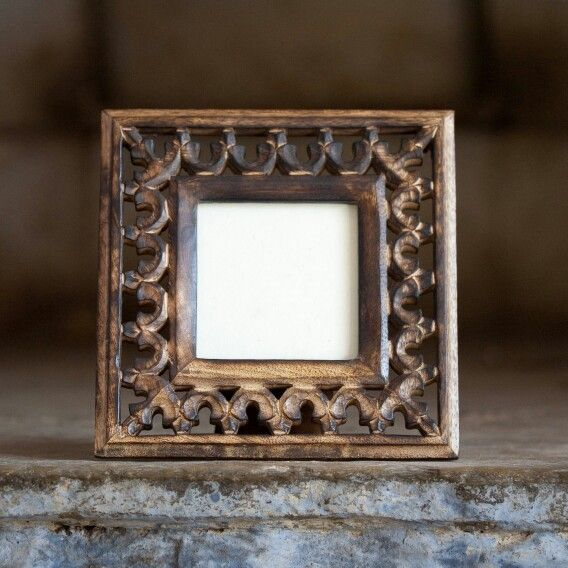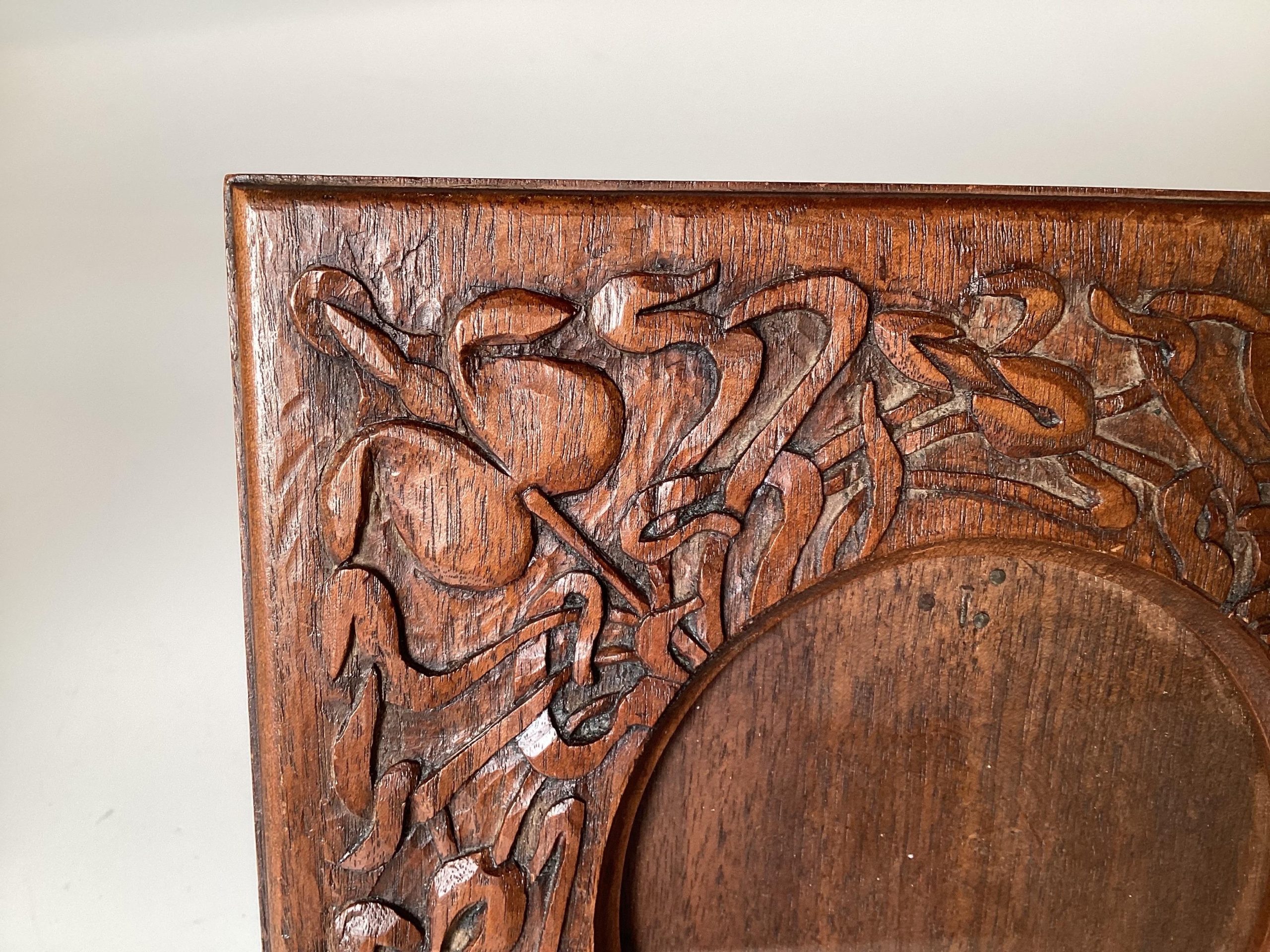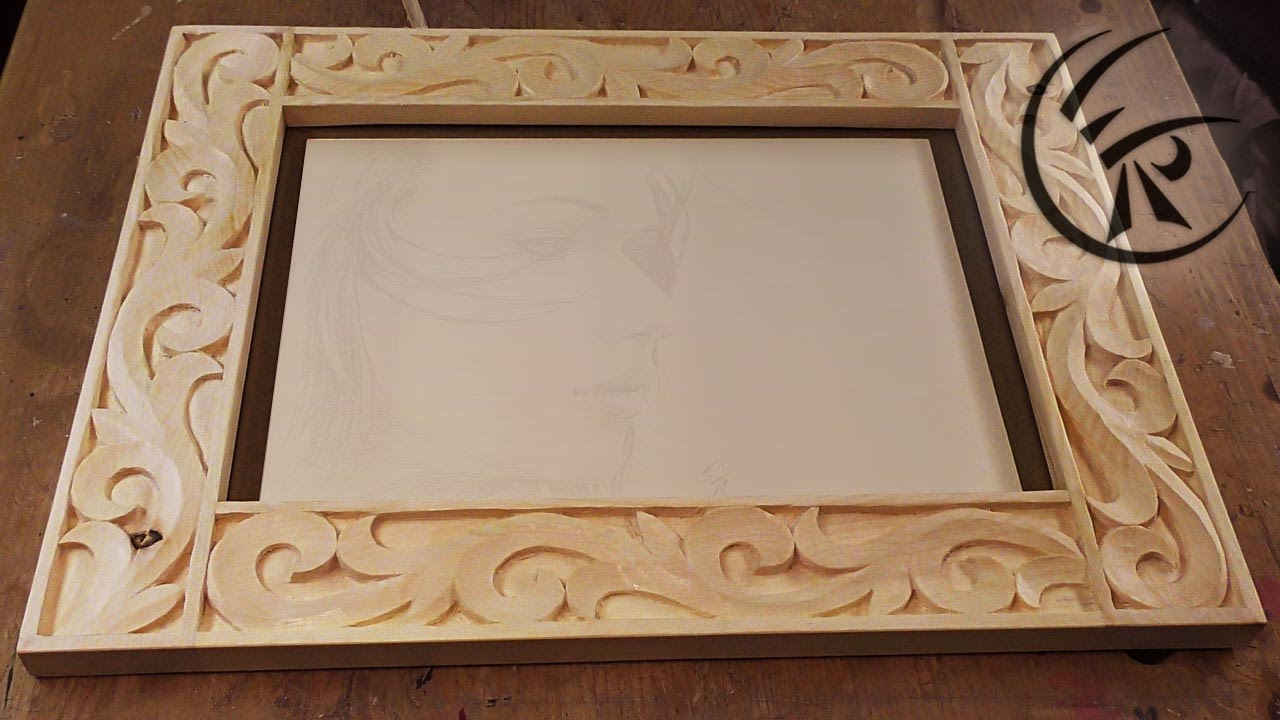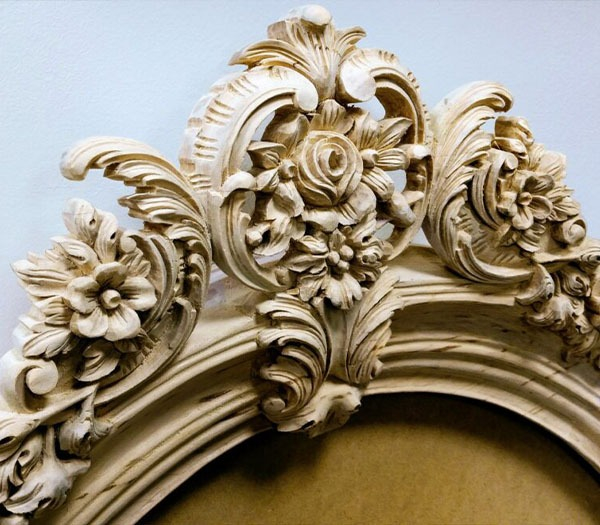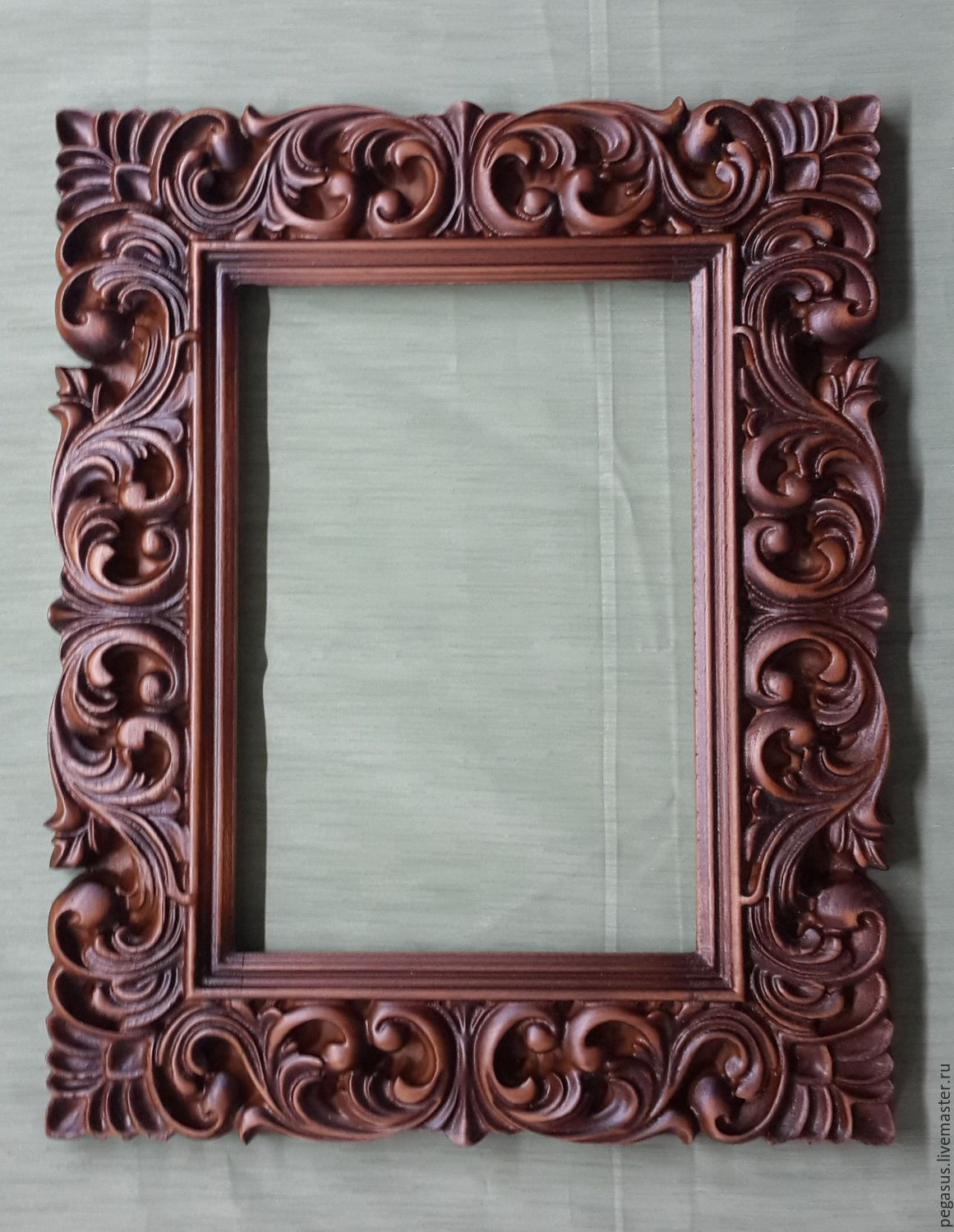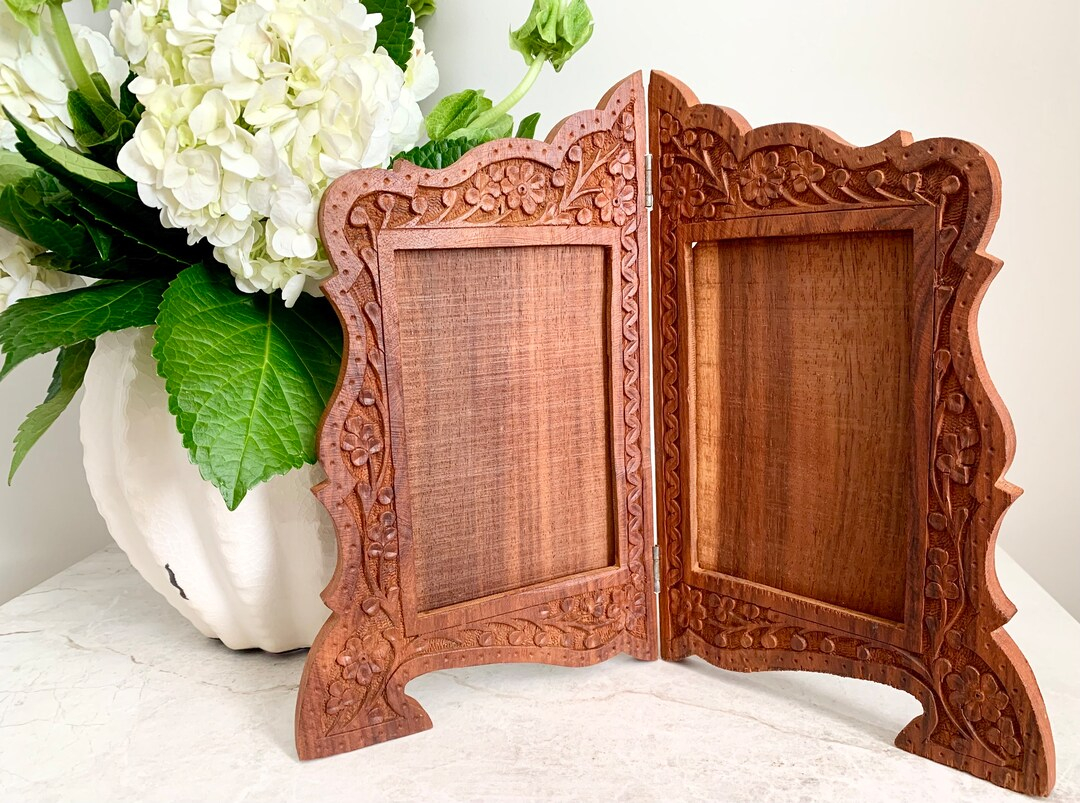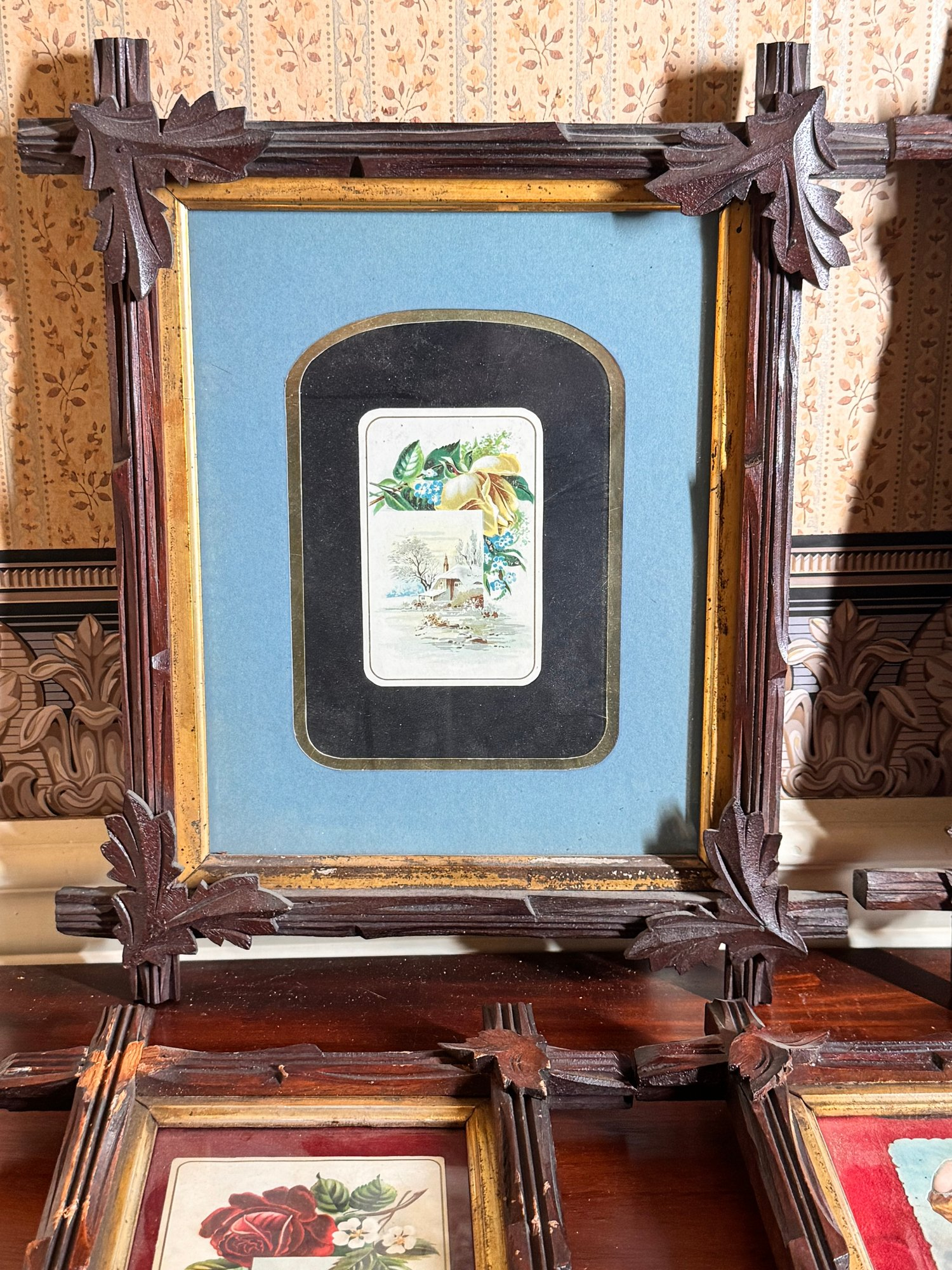
Hand-carved picture frames bring depth to a gallery wall before the pictures themselves are considered. A ridge, repeated notch or unevenly cut leaf can catch side light and make an ordinary print feel more substantial. That same depth can become distracting when every frame competes for attention. Choosing carved frames is therefore an exercise in balance rather than simply adding more decoration.
A current reference point is British Vogue’s September 28, 2026 UK interiors roundup. Its discussion of folk-inspired craft includes paintings of animals, birds and flowers displayed in decorative hand-carved frames. This is fresh editorial coverage of a design direction, not proof of rising search demand or a reason to replace frames you already like. The practical question is how a carved surround can support your own artwork and room.
Let the artwork determine how much carving it needs
Begin with the picture’s scale, detail and mood. A small, quiet drawing may benefit from a restrained carved border and generous visual space. A busy print placed inside a deeply patterned frame can become difficult to read because the eye has no obvious place to rest. Neither combination is inherently wrong, but it should be a deliberate choice.
Place candidate frames around paper copies or temporary mock-ups of the images. View them from the distance at which the wall will normally be seen. Details that look attractive in your hands may merge into a dark band across the room. Conversely, a simple image can hold its own beside strong carving when the size and surrounding space are considered.
Think of one or two frames as accents rather than making every frame equally elaborate. A mix of carved and plain profiles can create a rhythm while letting important pictures remain the focus. Repetition can come from colour, shape or a small recurring motif; it does not require identical ornament on every item.
Check the frame profile as well as its front view
Depth changes how a frame sits beside another frame and how shadows fall on the wall. Look at the side profile, the projection from the wall and the space available behind the glazing. A decorative outer shape does not by itself tell you whether the frame can accommodate a mount, backing and the artwork safely.
Check the actual picture opening and the frame’s overall dimensions. Product photographs often make a broad surround look smaller than it is. A deep, wide frame around a small image can be attractive, but it may occupy much more of the planned gallery wall than the print size suggests.
For fragile, valuable or sentimental work, ask a framer about appropriate glazing, backing, spacing and mounting materials. A decorative frame is not automatically a conservation frame. Avoid putting artwork directly against unsuitable materials or altering an original piece simply because an inexpensive surround has an appealing carved edge.
Build a material palette without forcing a perfect match
Frames can relate to a room through timber colour, painted finish or repeated shapes. A dark carved frame may connect with a table or cabinet; a lighter unfinished-looking frame may echo another natural material. You do not need to match every wood exactly. A limited set of related tones often looks more considered than either complete uniformity or unlimited variation.
View finishes in the room’s own light. A frame that appears neutral in a shop can look orange, grey or very dark beside existing furniture. Metallic accents and glossy coatings can also behave differently near a window or lamp. Test the combination before assembling a large group.
Do not assume an irregular surface proves that an object is handmade. Ask the maker or seller about materials and production if craftsmanship is part of the purchase decision. Descriptions such as rustic, artisan-style or carved-look can refer to different processes. Buy based on an accurate description rather than a story suggested only by appearance.
Use paper templates to plan the wall
Trace the outside dimensions of each frame onto paper and label it with the corresponding artwork. Arrange the templates on the floor first, then test the layout on the wall with a method appropriate for the wall finish. This makes it easier to compare spacing and overall balance without repeatedly installing hardware.
Include nearby furniture, switches, doors and the view from the room entrance. A gallery that appears centred on an empty wall may look unbalanced above a sofa or console. Leave enough space for the carved edges to be understood individually. There is no single spacing rule that suits every frame profile and wall size.
Try changing only one variable at a time. Move a large frame, simplify a corner or replace one ornate surround with a plain one. Photograph the paper arrangement to compare versions. A layout that feels collected should still have a clear relationship between the pieces, rather than depending on the word eclectic to excuse awkward placement.
Choose mounting hardware for the actual frame and wall
A carved frame can be heavier or more uneven than a slim frame of the same picture size. Check the weight, the condition of its joints and the mounting points provided by the maker. Do not assume decorative carving is a suitable place to attach hardware or that the backing board can carry the whole assembly.
Use fixings appropriate to the wall construction and the complete framed weight, following the hardware instructions. If you do not know what is behind the wall or whether a fixing is suitable, obtain help before drilling. Consider the consequences of a fall, especially above seating, beds, children’s areas or frequently used routes.
After hanging, check that each frame is properly engaged and stable. Decorative objects should not obstruct access to switches or force people to brush past projecting edges. The arrangement needs to work as part of an occupied room, not only as a photograph.
Care for carved details without removing their character
Dust can collect in recesses, but aggressive cleaning can damage a delicate finish. Follow the maker’s advice and begin with a gentle method suitable for the material. Avoid spraying liquid directly onto a frame or letting cleaner run behind the glazing. A painted, gilded, waxed or unfinished surface may require different treatment.
Keep framed artwork away from conditions it cannot tolerate, such as persistent damp or intense direct light, and seek specialist advice for valuable pieces. Do not sand, repaint or polish an antique frame solely to make it match the rest of the wall without considering its condition and significance.
The appeal of a carved frame lies in the relationship between handwork, image and surroundings. Start with a few suitable pieces, plan their scale and spacing, and mount them carefully. A gallery wall can gain texture and personality without becoming a display of competing ornaments or a shopping exercise driven by a seasonal headline.