Step inside a home in the heart of Seattle, and you might expect the usual: cozy flannel vibes, lots of rich woodwork, and windows framing a rainy gray sky. But one recently renovated residence in the Emerald City is flipping the script for 2026. It manages to feel incredibly calm and stripped-back while simultaneously exploding with vibrant, unapologetic color.
How do you keep a space feeling peaceful without making it look like a boring, sterile hospital room? It’s a question a lot of design lovers struggle with. The secret, as it turns out, lies in a delicate dance between architectural restraint and curated visual volume.
The Power of the Quiet Backdrop
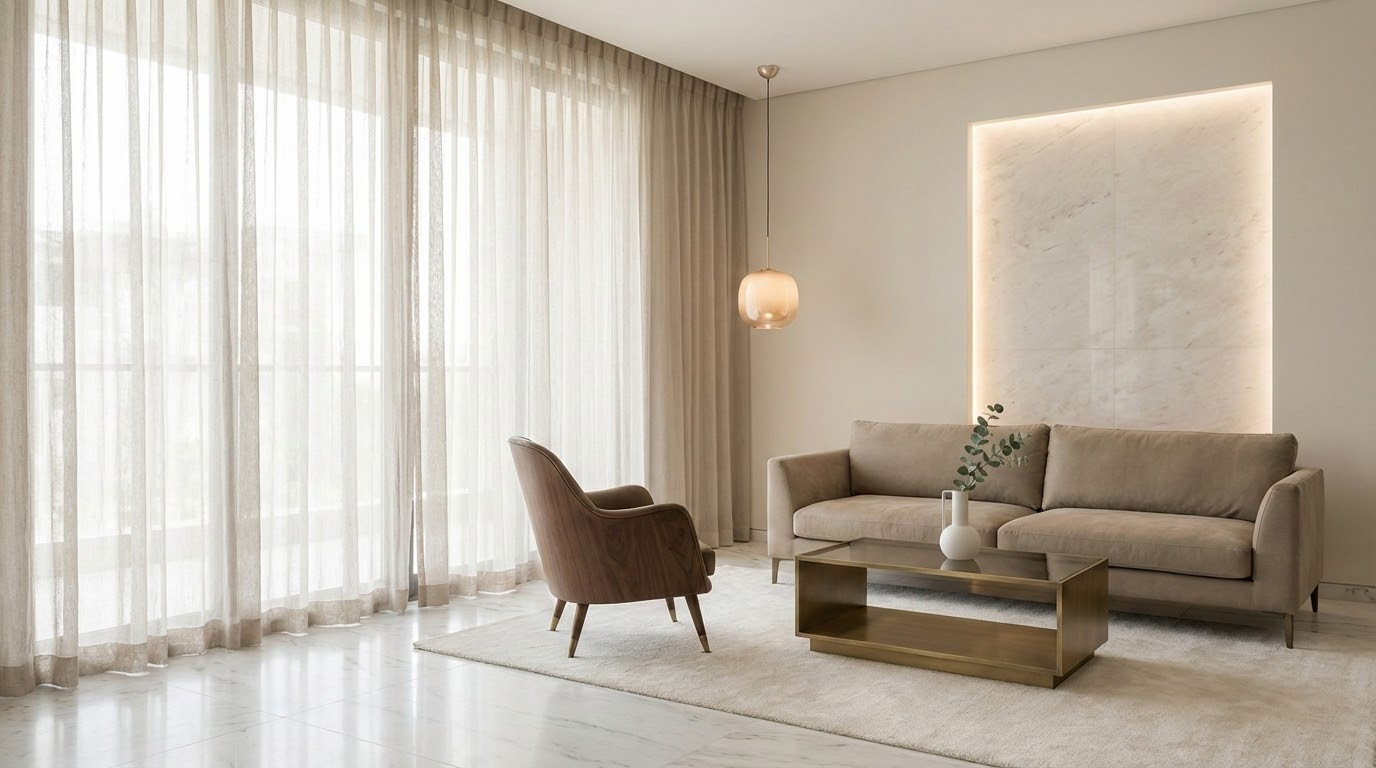
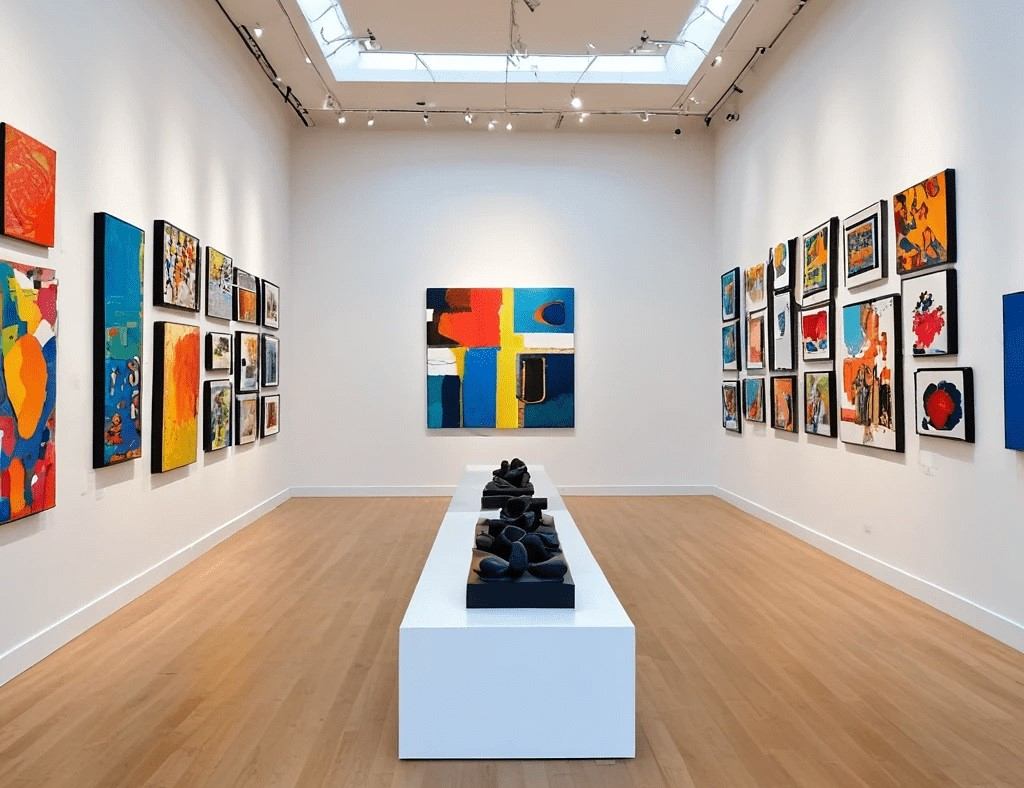
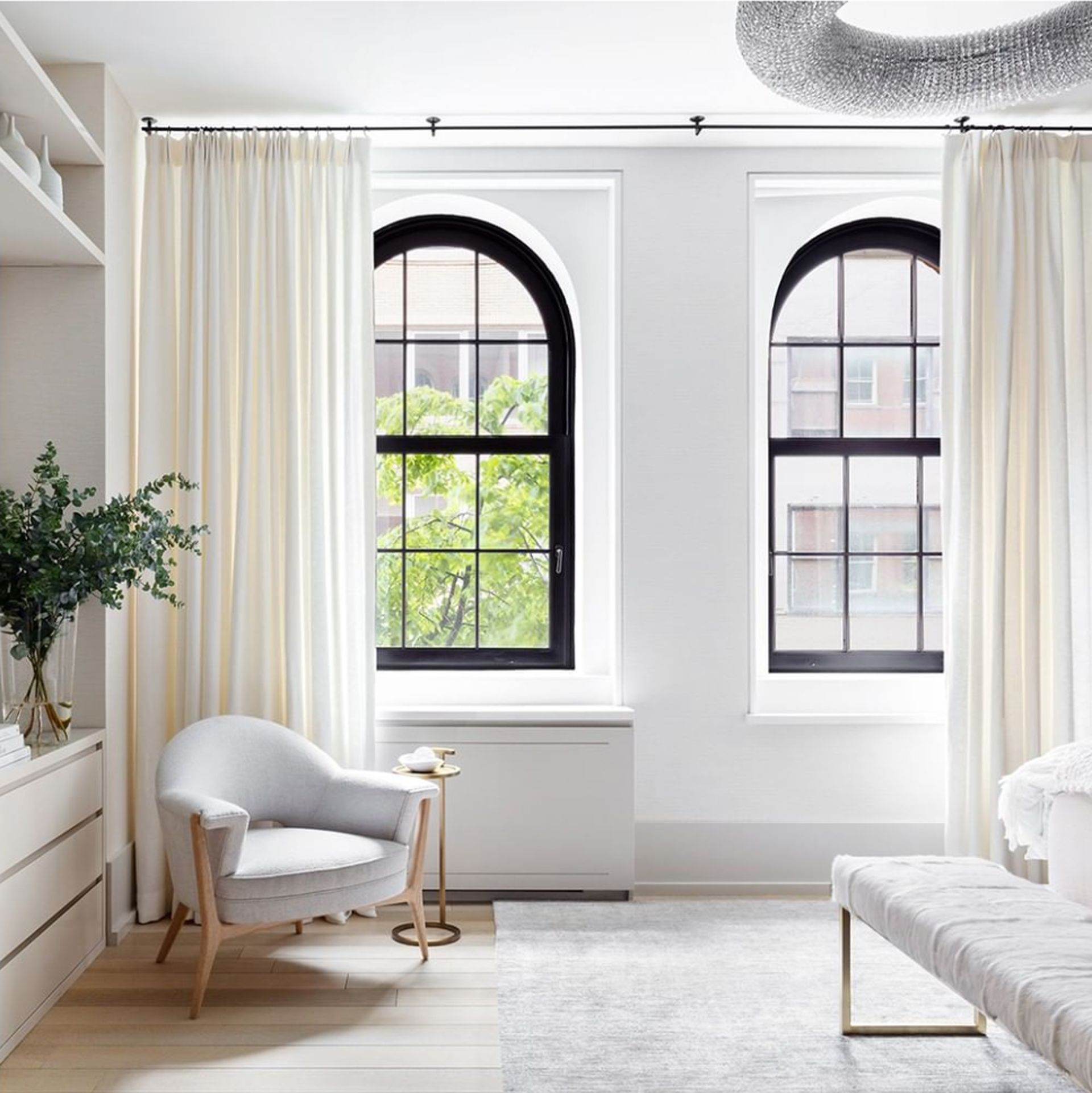
To make massive, colorful paintings pop, the house itself needs to take a backseat. In this Seattle home, the walls aren’t just plain white; they are painted a specific, soft misty hue that absorbs the changing Pacific Northwest light. The floors are a light, matte oak that keeps things grounded without adding heavy visual weight.
By stripping away busy crown molding, loud baseboards, and extra clutter, the rooms give your eyes a chance to breathe. It creates a gallery-like setting, but it still feels like a real, livable house. The minimalism here isn’t about emptying the rooms, but about making room for what truly matters.
Letting Art Dictate the Room’s Energy
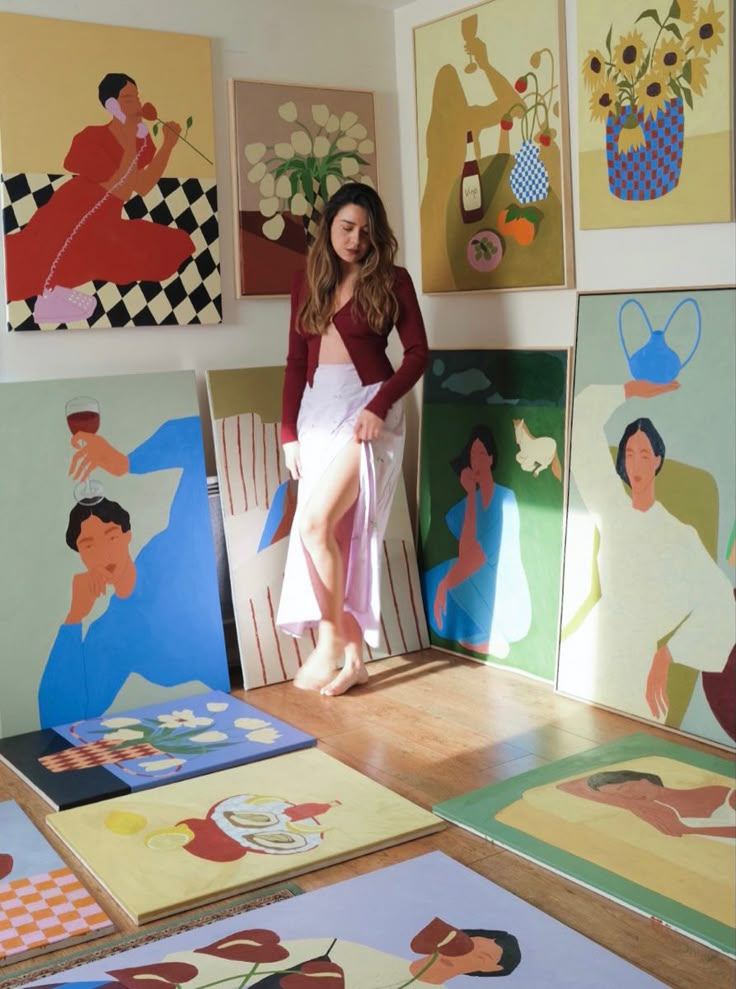
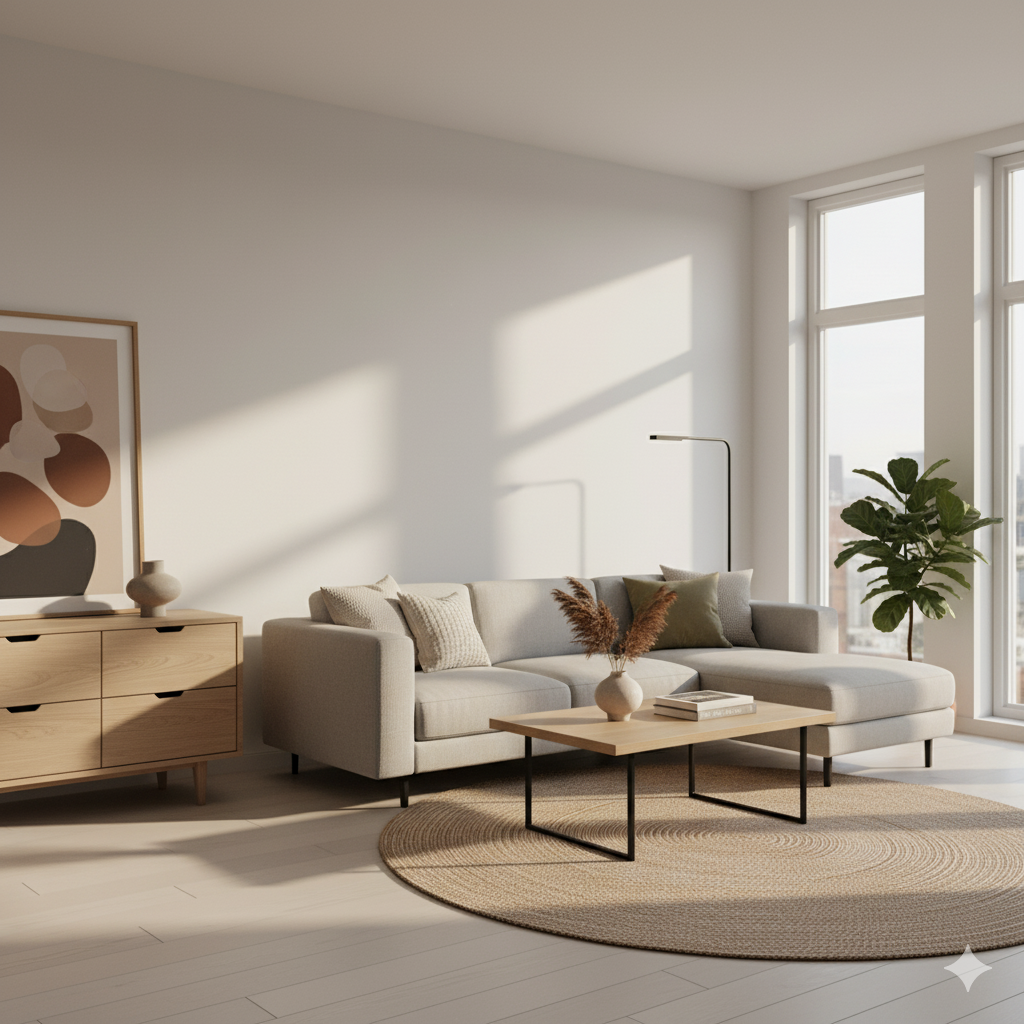
Most people buy a couch and then look for a painting that "matches" the fabric. Here, the process was completely reversed. The homeowners fell in love with large-scale, expressive canvases first, and then chose simple, low-profile furniture that wouldn’t compete with the art.
In the living room, a massive abstract piece filled with fiery oranges and deep blues takes center stage. Instead of buying a bright orange chair to match, the designers chose a simple, charcoal-gray sofa. The sofa acts like a frame, drawing your eyes straight to the masterpiece on the wall.
Mixing Textures Instead of Colors
When you limit your color palette on the furniture, you have to use texture to keep the rooms from looking flat. The home uses tactile materials to create warmth. Think nubby boucle fabrics, smooth honed concrete, and brushed brass fixtures that catch the dim afternoon light.
These subtle textures add depth to the minimalist spaces. They make you want to reach out and touch things, creating a cozy feeling that stands up against the cool, rainy Seattle weather. It proves that a room can feel warm and inviting even if it only has three main colors in it.
Lighting as the Invisible Bridge
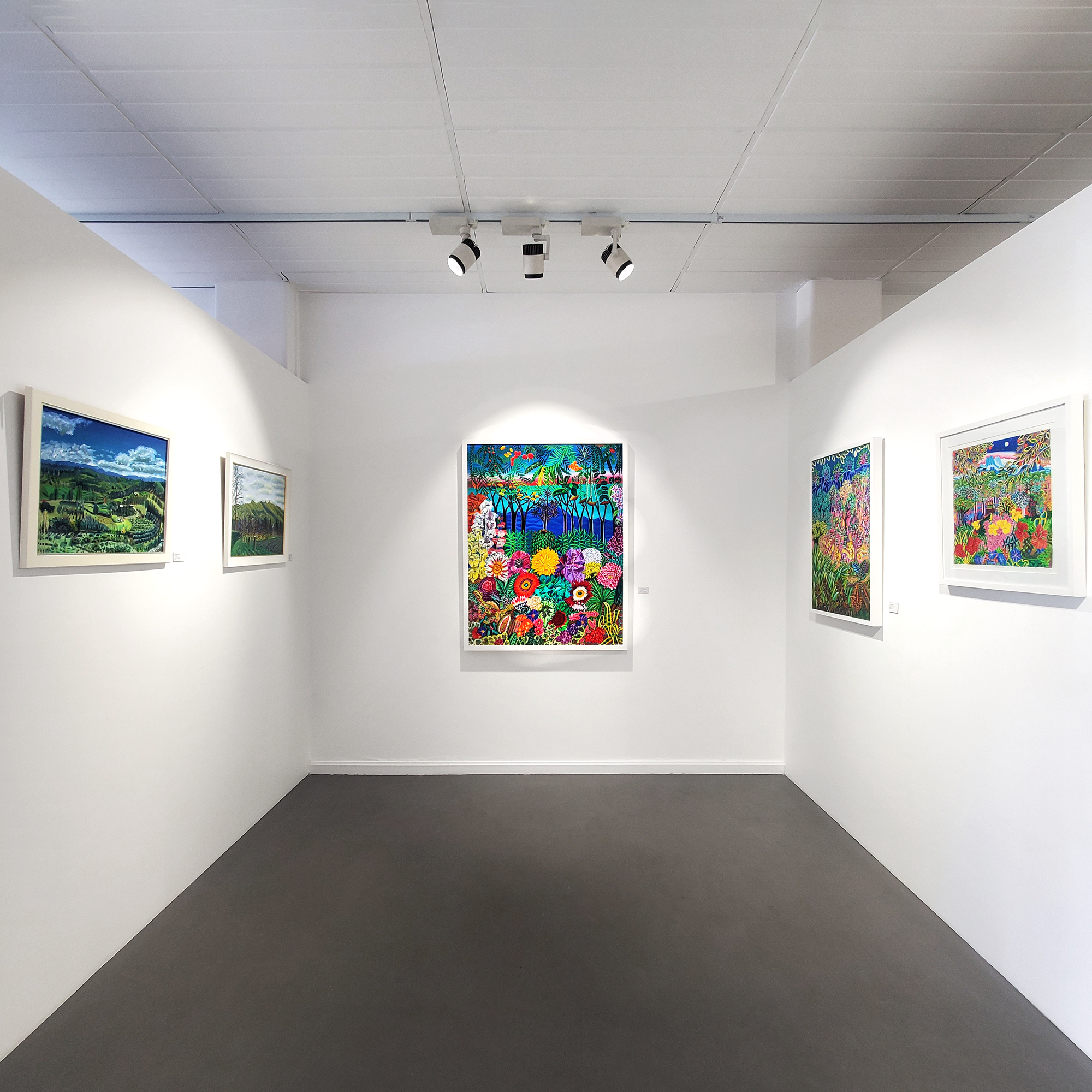
Proper lighting is the unsung hero of this entire setup. Seattle is famous for its overcast days, which can make interiors look gloomy. To fight this, the home uses a mix of warm, recessed ceiling lights and specialized art spotlights that make the canvases glow.
Because the art is so bold, the lighting has to be carefully balanced. Dimmer switches are installed in every single room, allowing the vibe to shift from bright and energetic during the day to moody and intimate at night. The light bounces off the colorful paintings, casting a soft, colored warmth throughout the hallways.
Curating with Intention and Patience
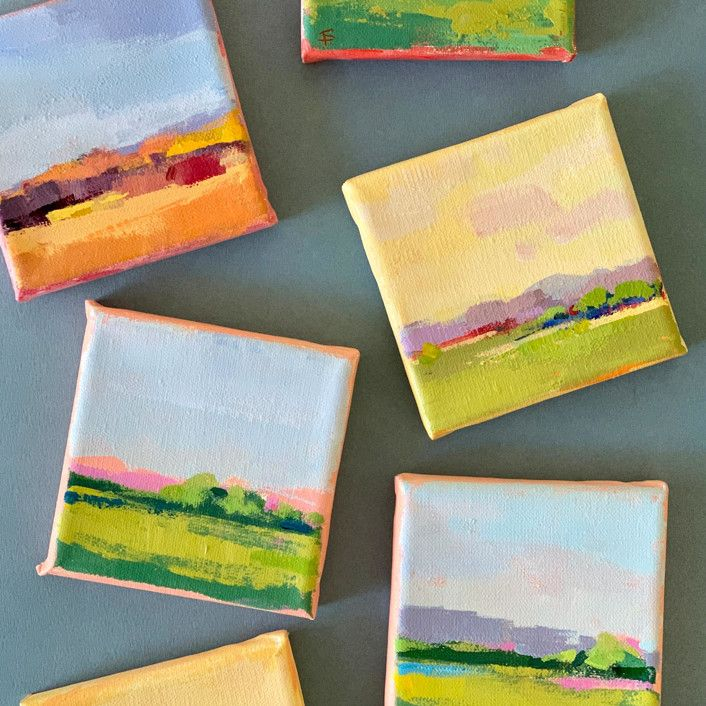
One of the biggest mistakes people make when trying to copy this look is rushing out to buy cheap, mass-produced prints just to fill up empty walls. The owners of this Seattle gem took years to collect their pieces, finding artists whose work genuinely spoke to them.
Every single painting, sculpture, and ceramic bowl has a story. By leaving several walls completely blank, the art they do display gets the attention it deserves. It teaches us that empty space isn’t "wasted" space—it is actually an active part of the design.
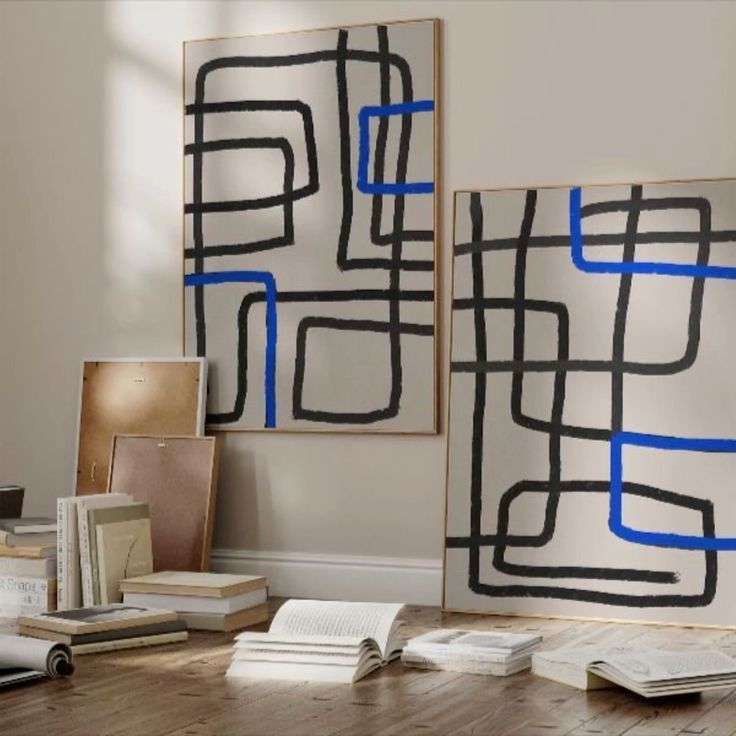
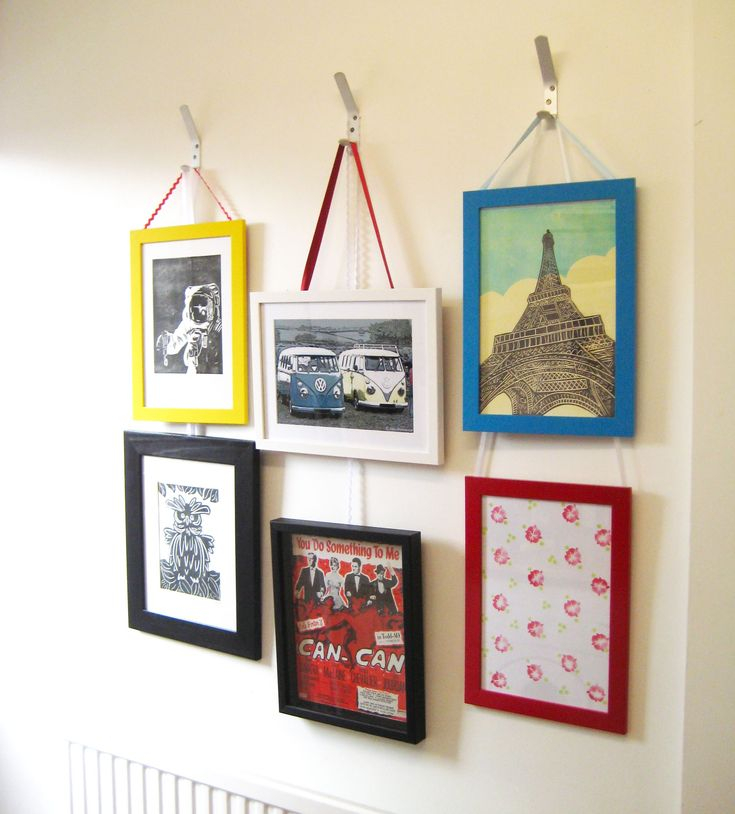
Instead of hanging a bunch of small, framed photos—which can quickly look cluttered and messy—this home relies on giant, oversized art. A single, six-foot-tall canvas creates a powerful focal point that actually makes the room feel much larger than it is.
This trick works incredibly well in smaller urban homes. One large, dramatic piece of art creates a sense of luxury and grand scale. It simplifies the visual landscape of the room, leaving you feeling calm instead of overwhelmed by a dozen tiny things to look at.
Ultimately, balancing minimalism with bold art isn’t about following strict rules. It is about trusting your instincts and knowing when to edit. This Seattle home shows us that we don’t have to choose between a serene, clutter-free life and a home filled with expressive, joyful color.
By keeping the foundation simple, investing in pieces you truly love, and letting your walls breathe, you can create a sanctuary that feels both deeply peaceful and wonderfully alive. It’s a design lesson that will feel fresh long after 2026 has come and gone.