Ever walk through a bustling city and notice the stark lines of a skyscraper against the sky, or the vivid block of color on a building’s facade? Perhaps you’ve never thought about it quite this way, but there’s a good chance you’re seeing echoes of a revolutionary artist: Piet Mondrian. His distinctive style, with its bold primary colors, sharp black lines, and pure geometric forms, wasn’t just confined to canvases. It’s seeped into the very fabric of our urban environments, often in ways we don’t even consciously realize.
Piet Mondrian, a Dutch painter, was a titan of 20th-century art. He was a leading figure in the De Stijl movement, a group that believed in the power of pure abstraction and universal harmony. Forget fussy details or soft curves; Mondrian’s world was about straight lines, right angles, and the fundamental colors: red, blue, and yellow, alongside black and white. His work, often called ‘Neoplasticism,’ aimed to distill art down to its most essential elements, creating a kind of visual language that was both simple and profoundly impactful. But how did these seemingly abstract principles jump from a gallery wall to the concrete and glass of our cities? It’s a fascinating journey, and one that reveals how art can truly shape our lived experiences.
The Core Principles of Mondrian’s Art
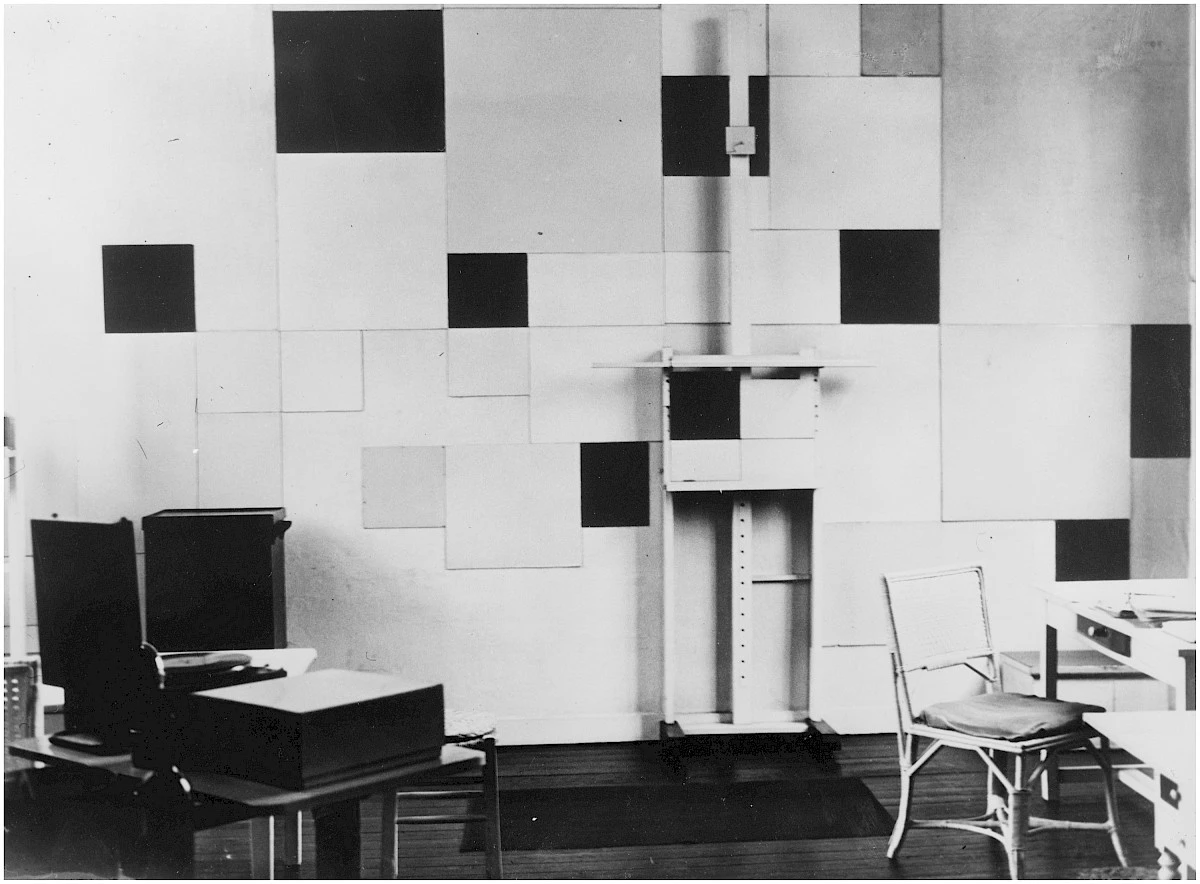
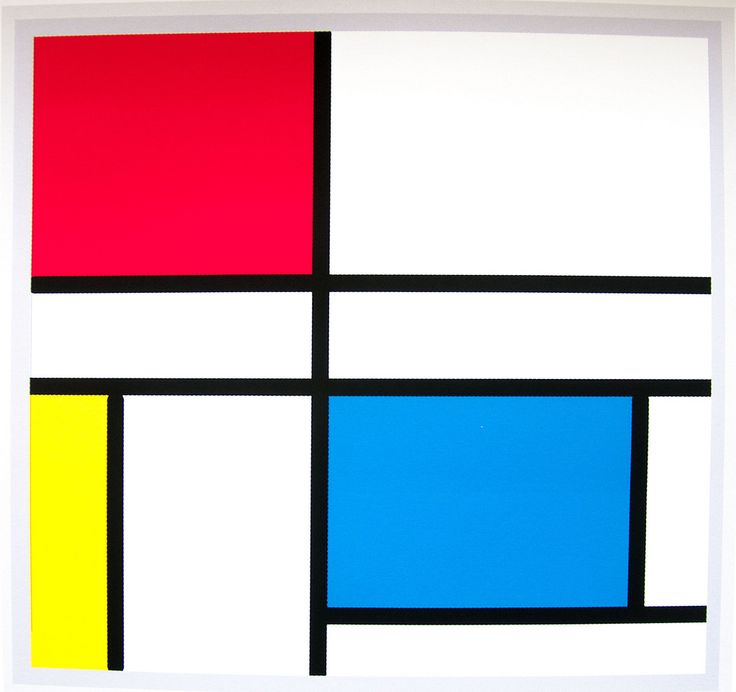
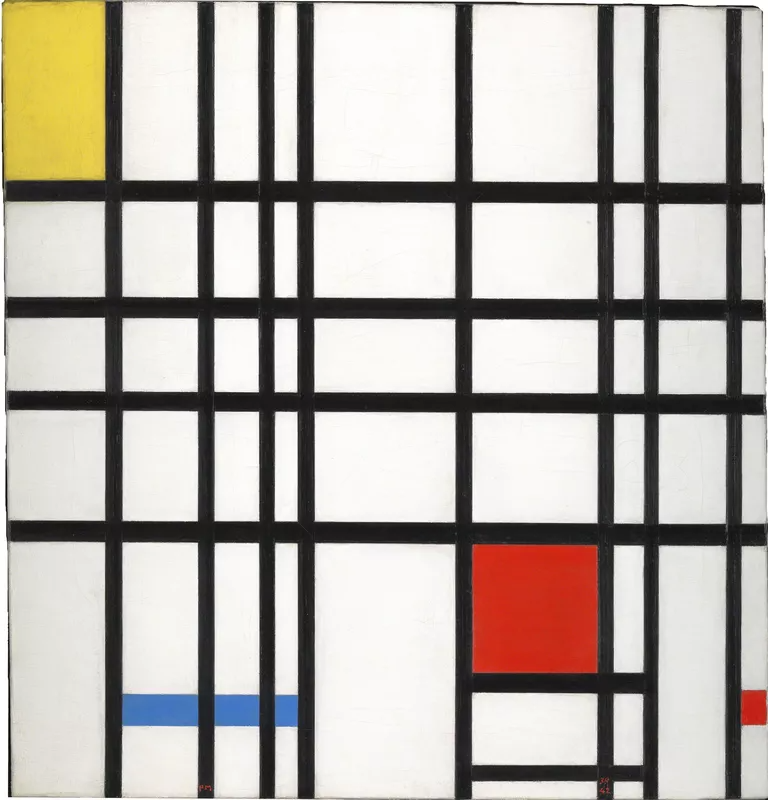
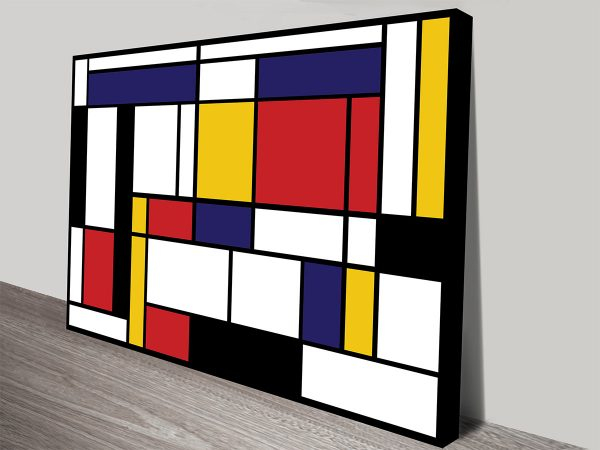
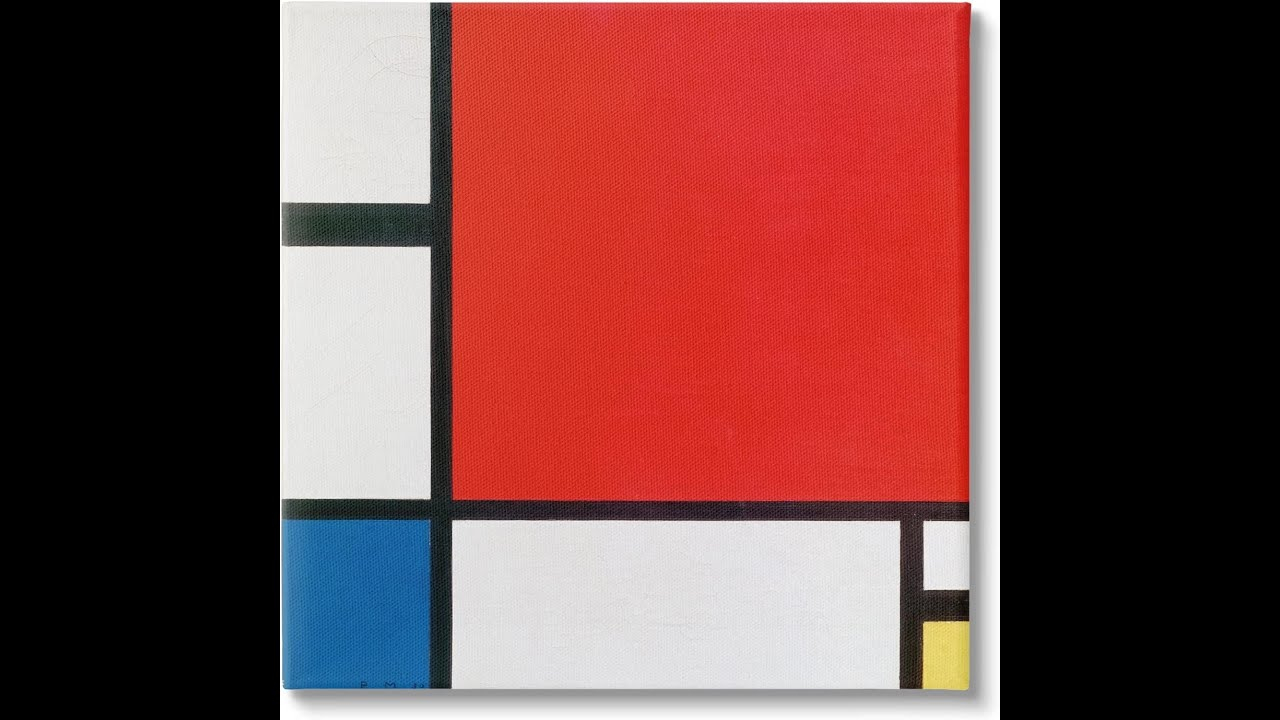
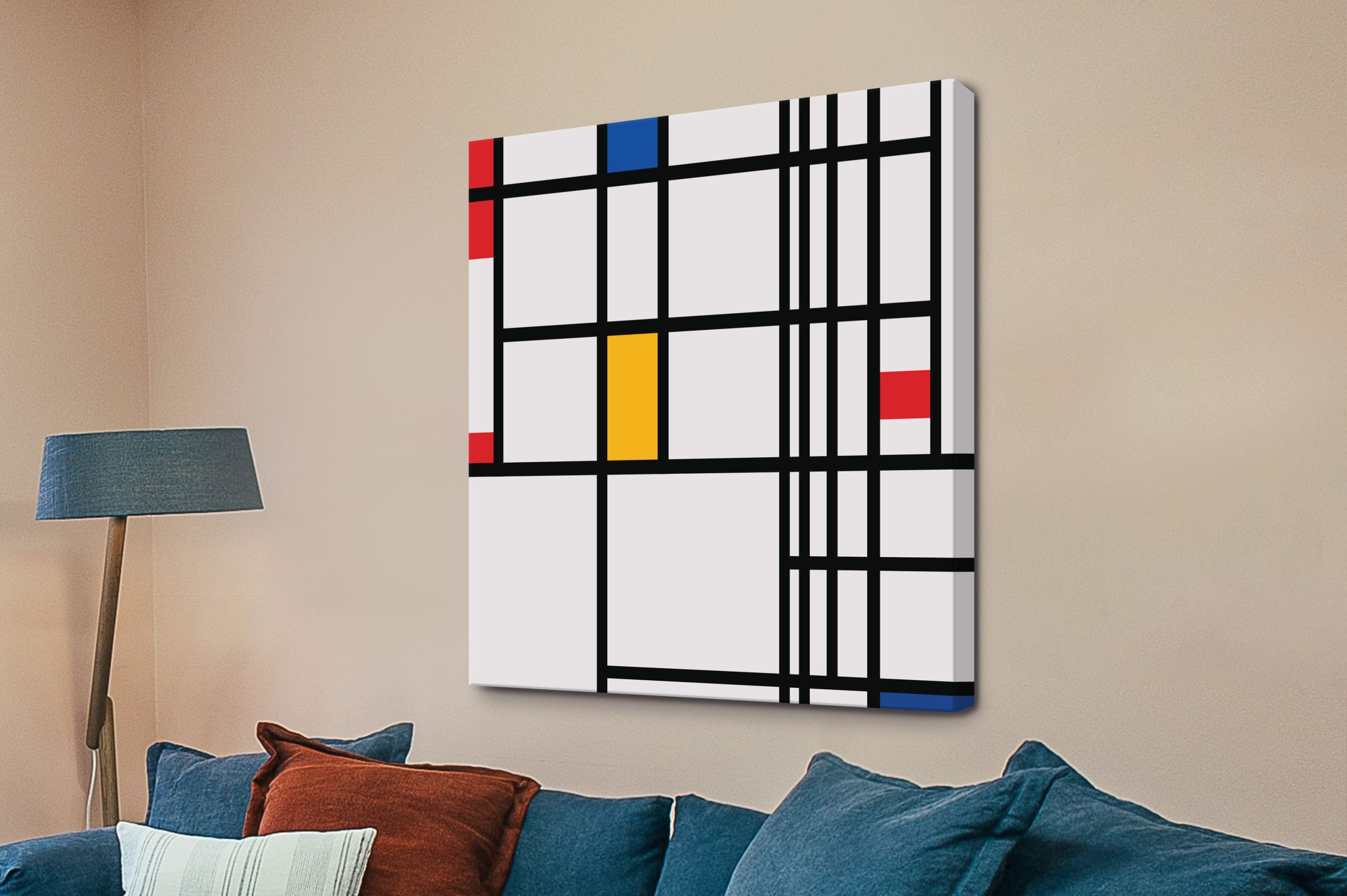
To really grasp how Mondrian’s vision plays out in urban spaces, we need a quick refresher on his artistic tenets. Think about it: what immediately comes to mind when you picture a Mondrian painting? Chances are, it’s those unmistakable black grids, dividing the canvas into rectangles and squares, some filled with those vibrant primary hues, others left pristine white.
- Geometric Purity: No circles, no organic shapes. It’s all about straight lines and right angles. This simplicity was about finding a universal order, something that transcended individual expression.
- Primary Colors and Neutrals: Red, blue, and yellow. That’s it for color, alongside black and white. This limited palette wasn’t about restriction but about focusing on the most fundamental elements of color.
- Asymmetrical Balance: While the forms are strict, the compositions are often surprisingly dynamic. Mondrian achieved balance not through symmetry, but through the careful placement and proportion of his elements. It’s like a finely tuned machine, where every piece has its perfect spot.
These principles weren’t just aesthetic choices; they were philosophical statements. Mondrian believed that by reducing art to its most essential forms, he could reveal a deeper, universal harmony. And this quest for order and clarity, it turns out, was something modern architects and urban planners found incredibly compelling.
From Canvas to Concrete: Early Architectural Influences
It wasn’t long before Mondrian’s ideas started to resonate beyond the art world. Architects of the early 20th century, particularly those associated with the International Style, were seeking a new language for building. They wanted to break free from historical ornamentation and create structures that reflected the industrial age – functional, efficient, and clean. And guess what? Mondrian’s aesthetic fit right in.
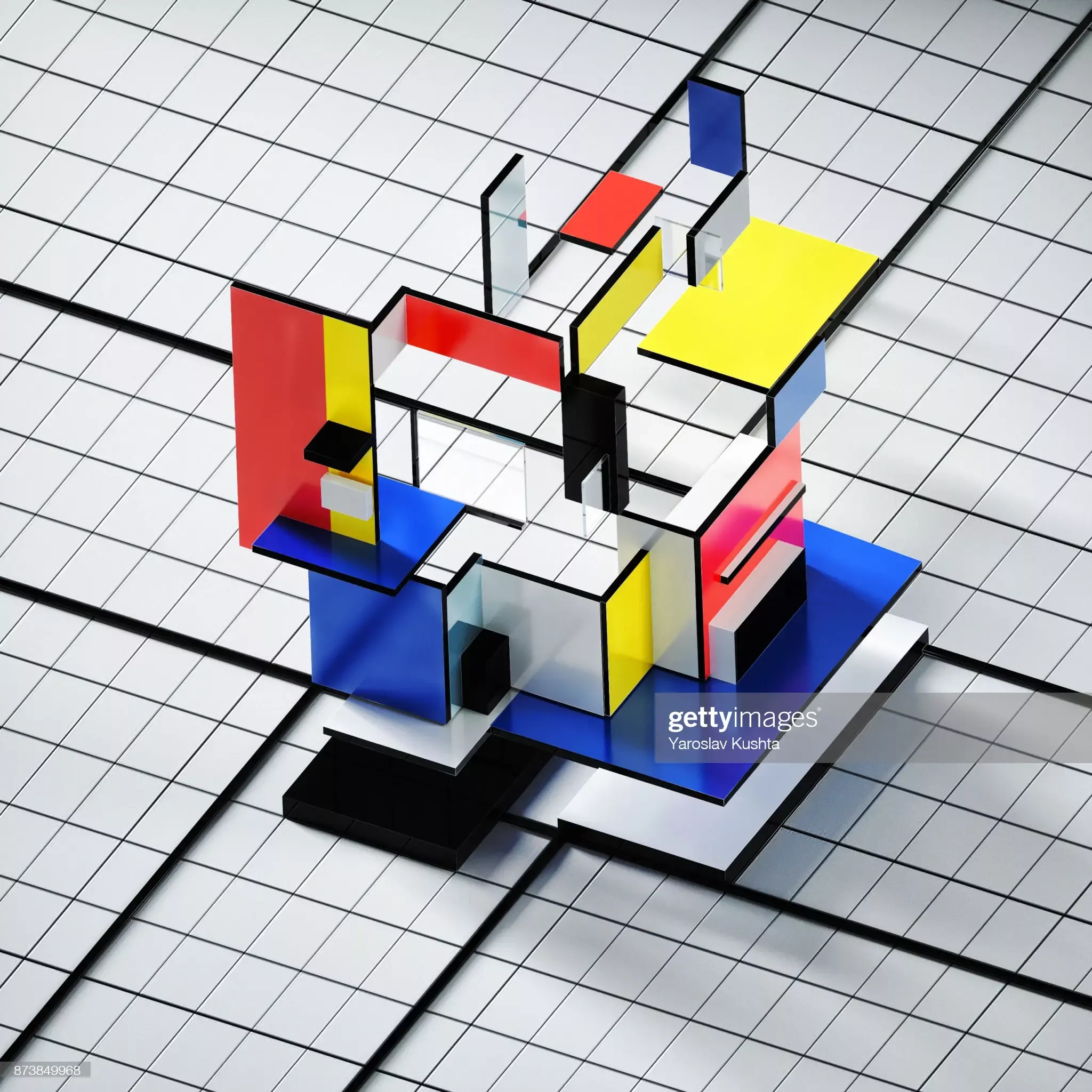
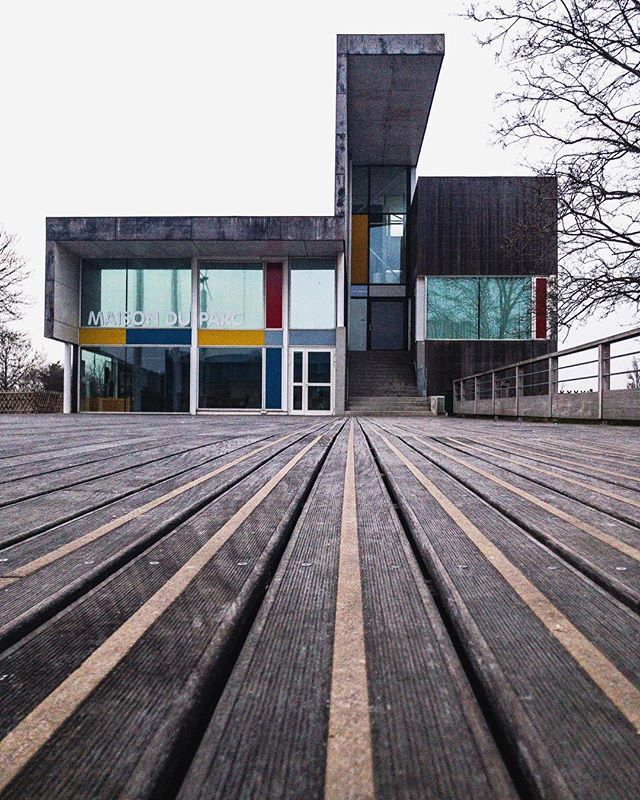
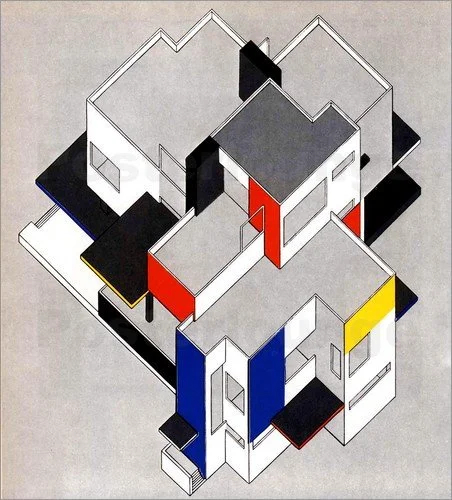
Take, for instance, the Rietveld Schröder House in Utrecht, designed by Gerrit Rietveld in 1924. This building is often cited as a direct architectural translation of De Stijl principles. Its movable walls, open spaces, and those quintessential intersecting planes of color and white surfaces scream Mondrian. It’s a house that feels like a three-dimensional Mondrian painting you can actually live in!
This wasn’t just a one-off. The Bauhaus school in Germany, another hugely influential movement in art and design, also embraced similar ideas of functionalism and geometric purity. While not a direct copy, the underlying philosophy of stripping away the unnecessary and focusing on clear forms certainly shared a lineage with Mondrian’s pursuit of essentialism. It was all part of a broader cultural shift towards modernism, and Mondrian was definitely a key player in shaping that visual vocabulary.
Mondrian in the Metropolis: Skyscrapers and Facades
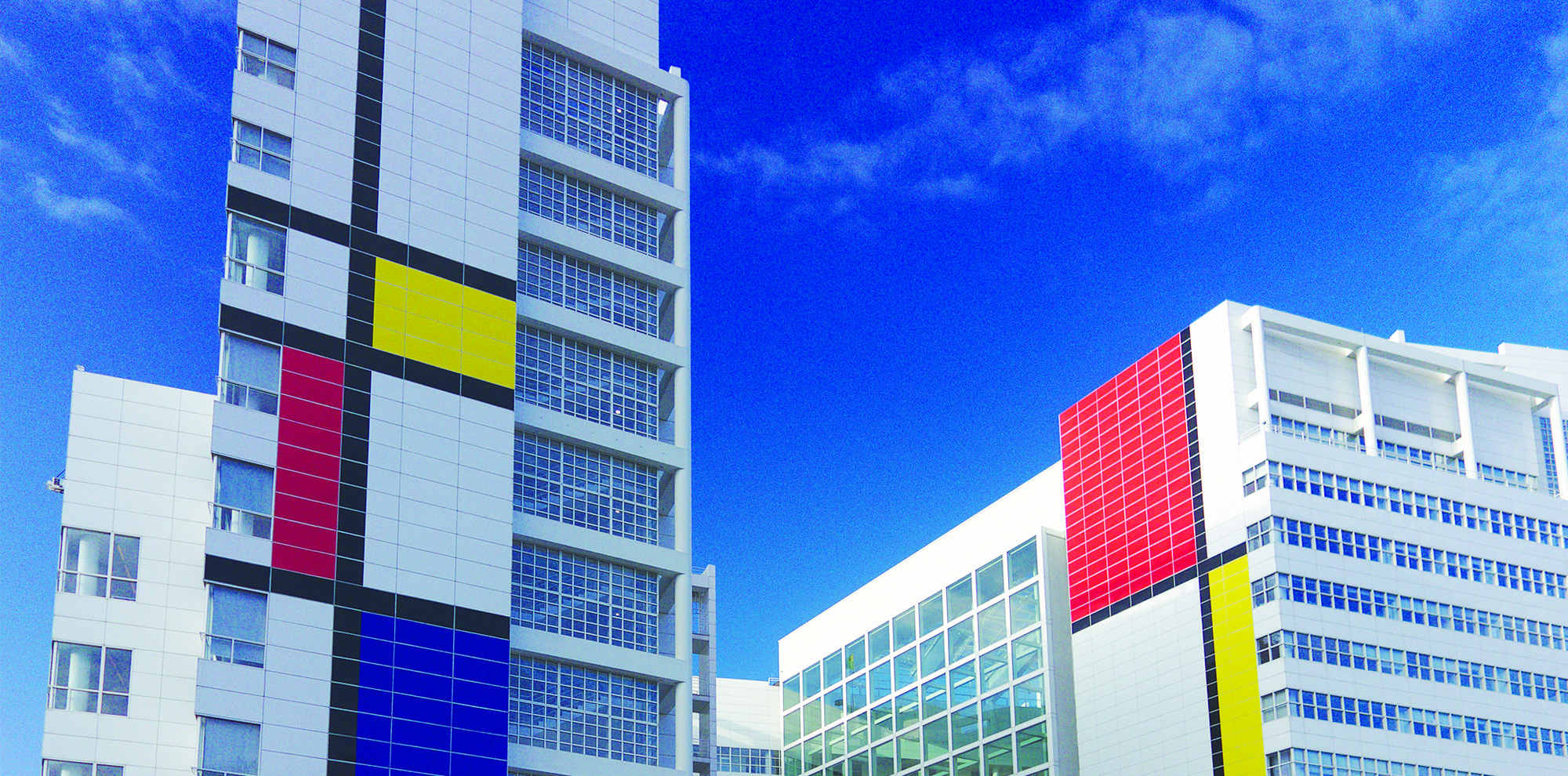
Fast forward to today, and you can see Mondrian’s ghost in countless cityscapes. Think about the towering glass and steel structures that dominate our urban centers. Many of them, especially those built from the mid-20th century onwards, exhibit a clear preference for straight lines, rectangular windows, and a grid-like organization.
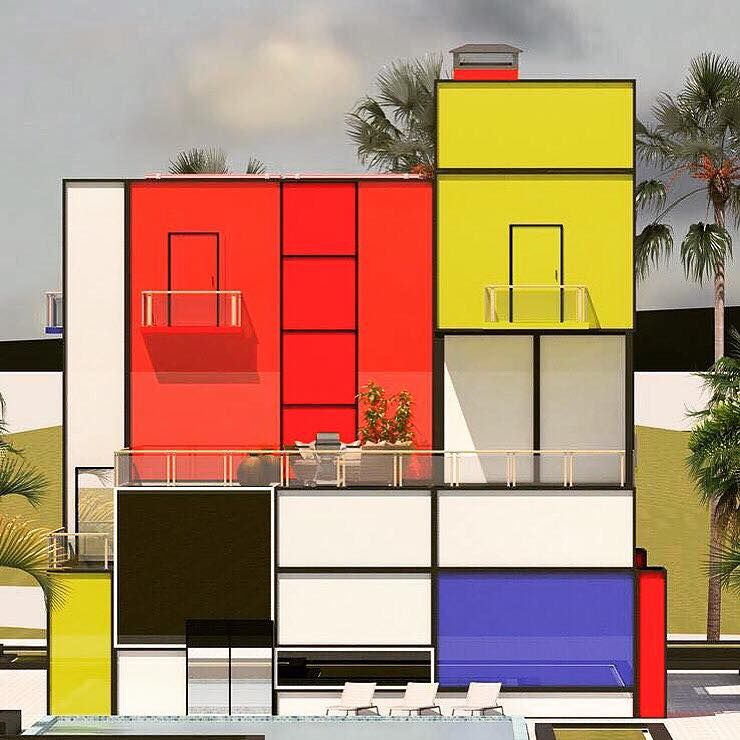
Consider the way many modern office buildings use different shades of glass or panels of varying textures to create a pattern across their facades. Often, these patterns are distinctly rectilinear, breaking up the immense surface area into smaller, defined sections. It’s like a giant, vertical Mondrian grid, isn’t it? Sometimes you’ll even see deliberate splashes of color – a vibrant red panel here, a deep blue accent there – punctuating an otherwise neutral building, drawing the eye and adding a dynamic element.
Even in residential architecture, particularly in contemporary designs, you’ll find homes that play with intersecting planes and distinct material blocks, creating a visual rhythm that feels very ‘Mondrian-esque.’ It’s not always about explicit primary colors; sometimes it’s the underlying structural logic, the emphasis on discrete, defined sections, that truly echoes his vision.
Beyond Buildings: Public Spaces and Urban Planning
But it’s not just buildings that carry Mondrian’s influence. His principles of order and clarity have also permeated urban planning and the design of public spaces. Think about the layout of modern parks, plazas, or even traffic intersections.
Many contemporary city parks, for instance, utilize geometric pathways, defined planting beds, and distinct zones for different activities, creating a sense of organized space within the natural world. It’s a structured approach to landscape design that prioritizes clear delineation and functional separation.
Even things like street art or public installations sometimes pick up on these themes. A mural featuring bold, blocky shapes and limited colors can instantly bring to mind Mondrian’s aesthetic. And what about urban furniture? Benches, planters, and kiosks often feature clean lines and simple forms, designed to be functional yet visually appealing within the larger urban grid. It’s all about creating a sense of order and visual coherence in what could otherwise be a chaotic environment.
The Subtlety of Influence: Why We Don’t Always See It
So, if Mondrian’s influence is so pervasive, why isn’t everyone pointing it out? Well, part of it is the sheer ubiquity of his aesthetic. It’s become so integrated into our visual language for modernity that we often take it for granted. It’s like the air we breathe – always there, but rarely consciously acknowledged.
Also, architects and designers aren’t necessarily sitting down with a Mondrian painting and saying, ‘Right, let’s build this.’ Instead, his principles have become part of the foundational vocabulary of modern design. They represent ideas about efficiency, clarity, and universal appeal that transcend a single artist’s work. They’re about a certain way of thinking about space and form that has proven incredibly durable and adaptable.
Sometimes, the influence is very subtle. It might be the way a window frame is designed, or the choice of materials in a specific section of a building. It’s not always a vibrant red square, but perhaps a carefully proportioned grey panel next to a white one, creating a similar visual tension and balance that Mondrian mastered. It’s a design language that speaks to logic and clean aesthetics, a language that’s become second nature to those who shape our built environment.
The Lasting Legacy: Order in Our Bustling Lives
Why does this particular aesthetic continue to resonate so strongly in our urban landscapes? Perhaps it’s because Mondrian’s vision, with its emphasis on order and simplicity, offers a visual antidote to the often-overwhelming complexity of modern life. In a world of constant information and sensory overload, the clean lines and clear forms of a Mondrian-inspired structure can feel grounding. They offer a sense of calm and clarity amidst the hustle and bustle.
His work, which sought to reveal universal harmony through pure abstraction, found an unexpected home in the very concrete and steel of our cities. It’s a testament to the enduring power of art to not just reflect the world, but to actively shape it. So, the next time you’re walking through a city, take a moment to really look around. You might just spot a little bit of Mondrian peeking out from a skyscraper, a public park, or even a bus stop. You’ll never see the city quite the same way again, will you?
Piet Mondrian’s artistic vision, characterized by its strict geometry, primary colors, and pursuit of universal harmony, was far from confined to the art gallery. It provided a powerful blueprint for architects and urban planners, shaping the very aesthetic of our modern cities. From the iconic glass facades of skyscrapers to the organized layouts of public parks, his principles of clarity, balance, and essentialism are deeply embedded in the built environment. It’s a fascinating example of how artistic theories can transcend their original medium and become fundamental elements of our everyday visual experience. So, next time you’re out and about, remember that the city itself might just be the largest, most dynamic Mondrian canvas of all. What a thought!
[sps_html tag=”img” src=”https://cdn.theartssection.com/wp-content/uploads/2025/07/mondrians-legacy-youtube-inside.jpg” alt=”Mondrian's Legacy - Youtube inside” style=”width: 100%; height: auto;”]
[sps_html tag=”img” src=”https://cdn.theartssection.com/wp-content/uploads/2025/07/line-shape-color-the-enduring-art-of-mondrian-whipple-russell-intended-for-mondrians-legacy-how-it-shapes-todays-architectural-visions.png” alt=”Line | Shape | Color : The Enduring Art Of Mondrian | Whipple Russell … intended for Mondrian's Legacy How it Shapes Today's Architectural Visions” style=”width: 100%; height: auto;”]
[sps_html tag=”img” src=”https://cdn.theartssection.com/wp-content/uploads/2025/07/mondrian-repeated-shapes-mondrian-piet-mondrian-art-with-mondrians-legacy-how-it-shapes-todays-architectural-visions.jpg” alt=”Mondrian Repeated Shapes | Mondrian, Piet Mondrian, Art with Mondrian's Legacy How it Shapes Today's Architectural Visions” style=”width: 100%; height: auto;”]
[sps_html tag=”img” src=”https://cdn.theartssection.com/wp-content/uploads/2025/07/line-shape-color-the-enduring-art-of-mondrian-whipple-russell-pertaining-to.png” alt=”Line | Shape | Color : The Enduring Art Of Mondrian | Whipple Russell … pertaining to” style=”width: 100%; height: auto;”]
[sps_html tag=”img” src=”https://cdn.theartssection.com/wp-content/uploads/2025/07/why-are-architects-so-obsessed-with-piet-mondrian-piet-mondrian-throughout-mondrians-legacy-how-it-shapes-todays-architectural-visions.jpg” alt=”Why Are Architects So Obsessed With Piet Mondrian? | Piet Mondrian … throughout Mondrian's Legacy How it Shapes Today's Architectural Visions” style=”width: 100%; height: auto;”]