Every day, we walk through spaces designed by architects who shape more than just walls and windows. These designers create experiences that affect our moods, our interactions, and even our health. From the way light filters through a building’s facade to how we navigate through a city’s streets, modern architecture silently guides us through our lives.
Think about the last time you walked through a new neighborhood or entered a modern office building. What did you notice? Was it the way the space made you feel? The way you moved through it? That’s the invisible work of architecture happening all around us. We often take for granted how the buildings we live, work, and play in influence our daily routines and emotional states. This isn’t just about aesthetics or pretty facades. It’s about how design decisions create the backdrop for our everyday moments.
The Psychology Behind Space
Architecture doesn’t just provide shelter—it creates psychological experiences. The size of rooms, the height of ceilings, and even the colors used in buildings all have measurable effects on our mental well-being. Tall ceilings can make us feel more creative and expansive, while smaller, cozy spaces might encourage intimacy and conversation. Open floor plans in homes and offices promote collaboration and communication, whereas closed-off spaces might foster concentration and privacy. Consider how different architectural elements make you feel when you enter a space. Do you feel energized by bright, open areas? Or do you prefer the comfort of enclosed, warm spaces? These reactions aren’t random—they’re deeply rooted in how our brains process visual information and spatial relationships. Research shows that people spend most of their time indoors, making the quality of these environments crucial to our overall happiness and productivity.
Light, Air, and the Human Body
One of the most important aspects of modern architecture is its relationship with natural elements like sunlight and airflow. Buildings that incorporate large windows, skylights, and open courtyards allow natural light to flood interior spaces. This isn’t just visually pleasing—it affects our circadian rhythms, energy levels, and even our mood. Sunlight exposure helps regulate sleep patterns and can reduce symptoms of seasonal depression. Similarly, good ventilation systems ensure fresh air circulation, which directly impacts cognitive function and physical health. Think about how much better you feel after spending time outdoors versus being trapped inside a stuffy room. Modern architects now understand that creating spaces that work with natural elements rather than against them leads to healthier, more vibrant communities. Many new developments feature green roofs and living walls not just for beauty, but because they improve air quality and temperature regulation.
Movement Through Urban Spaces
How we move through cities tells us a lot about architectural planning. Well-designed streets, pedestrian pathways, and public transportation systems make our daily commutes easier and more enjoyable. When buildings are designed with clear sightlines and logical pathways, they guide us naturally toward destinations. This is why some neighborhoods feel welcoming and easy to navigate, while others can feel confusing and intimidating. Urban planners and architects consider factors like street width, lighting, and the placement of benches and trees to create spaces where people want to linger. Take a look at any successful city square or public park. These places are usually designed with movement in mind, encouraging people to walk, sit, and interact. The difference between a space that feels inviting and one that feels sterile often comes down to how well the design supports human behavior and movement patterns.
Community and Social Interaction
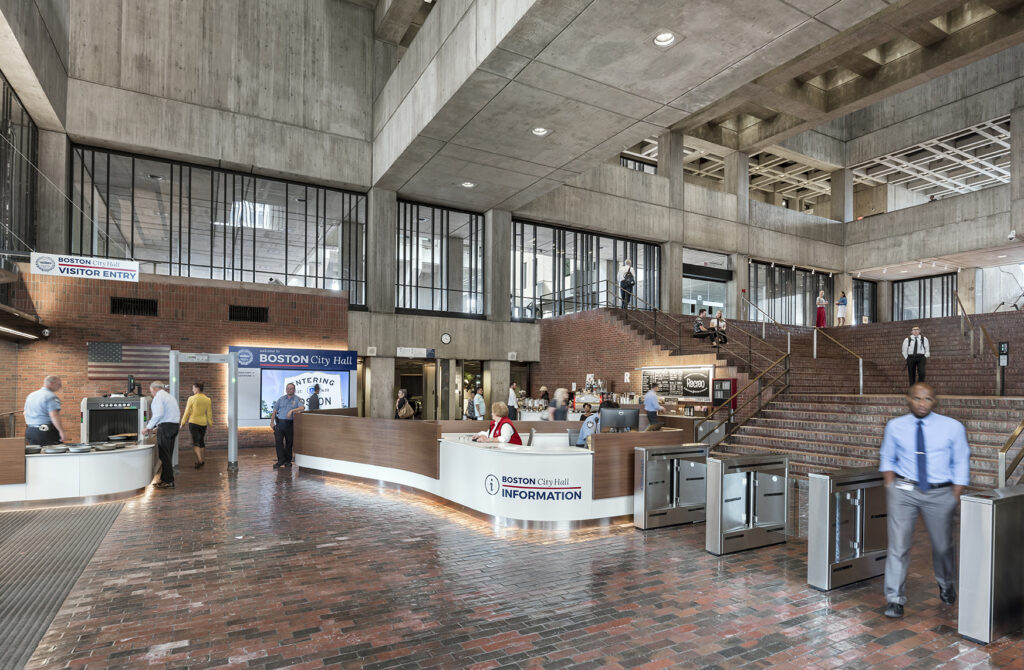
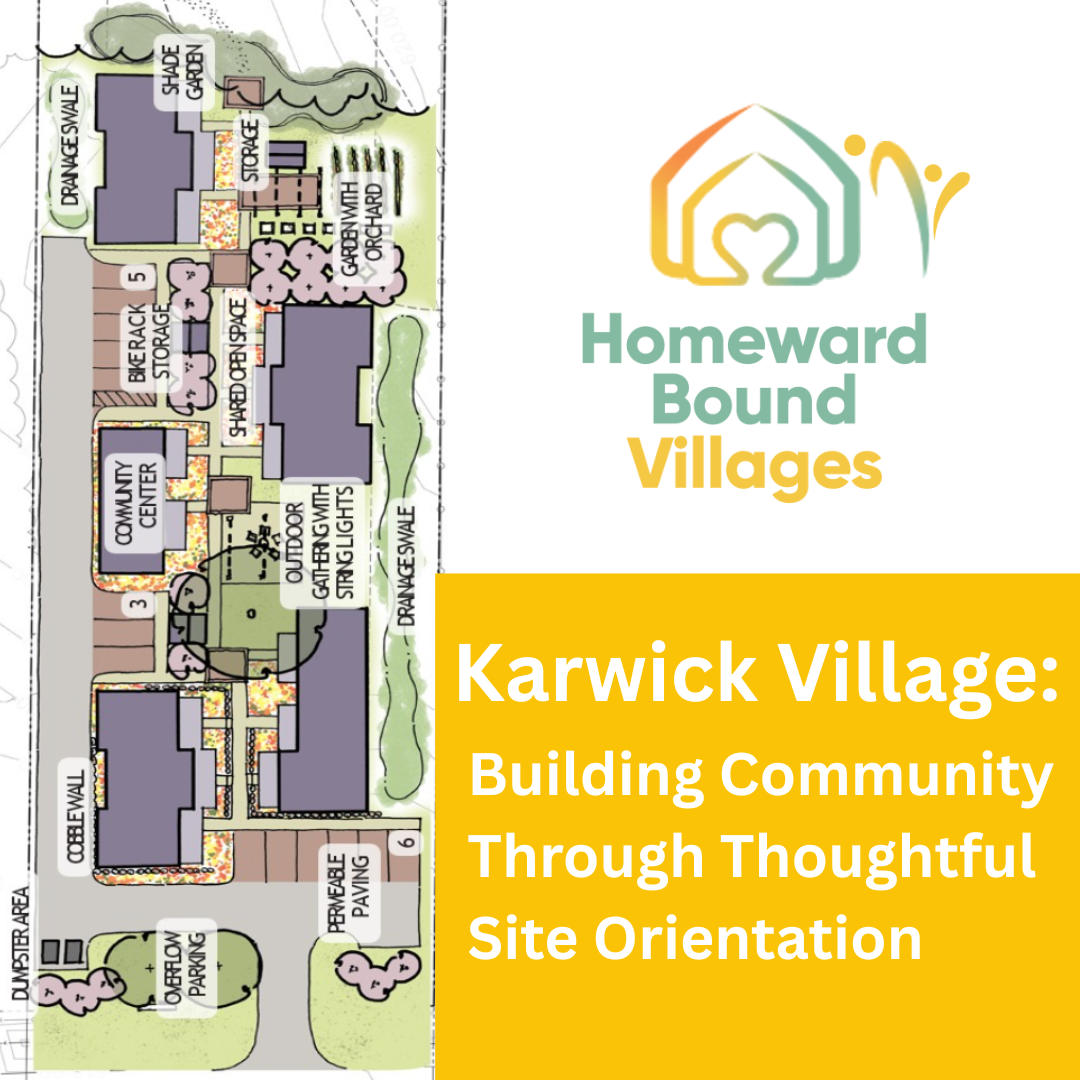
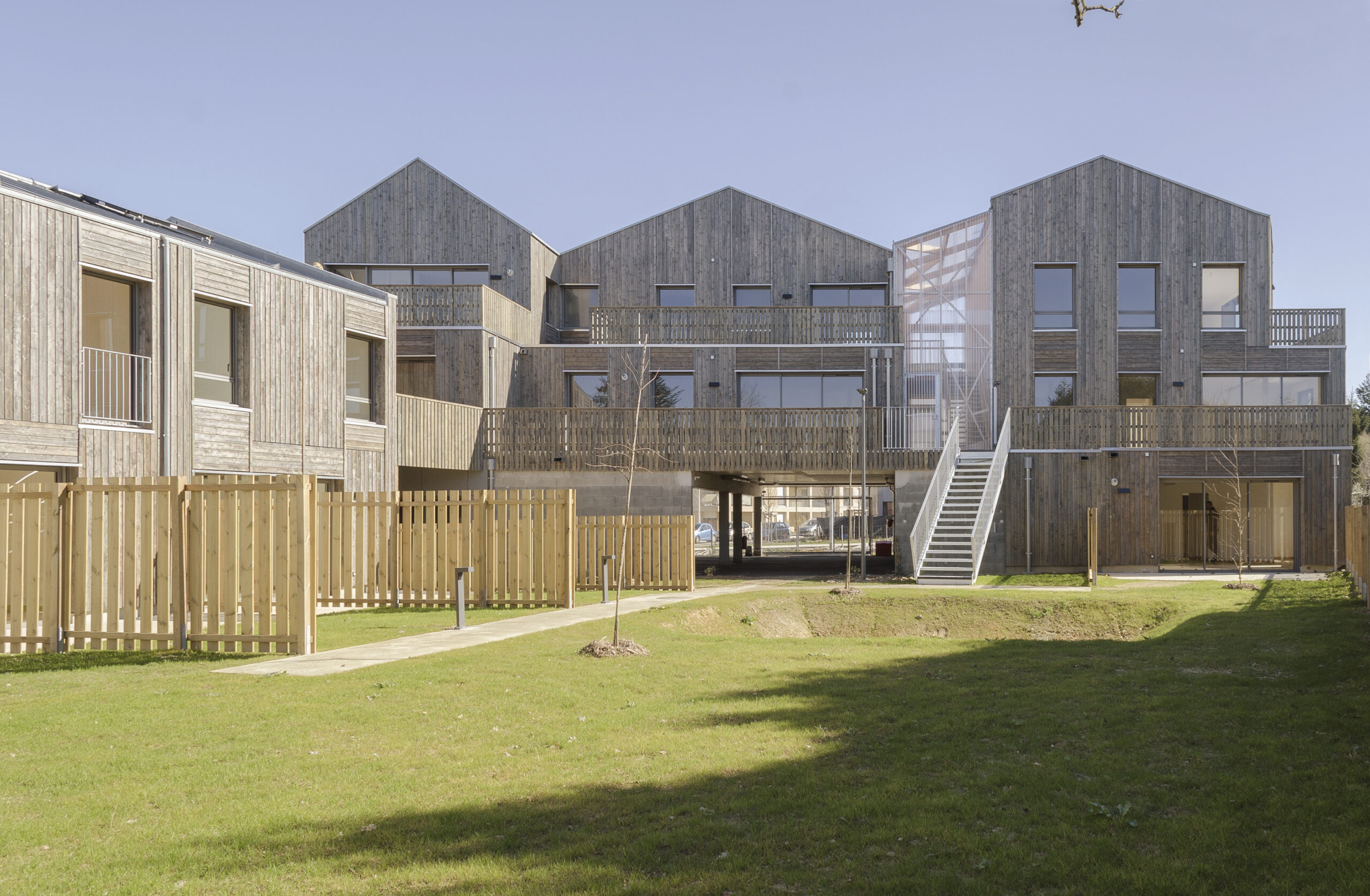
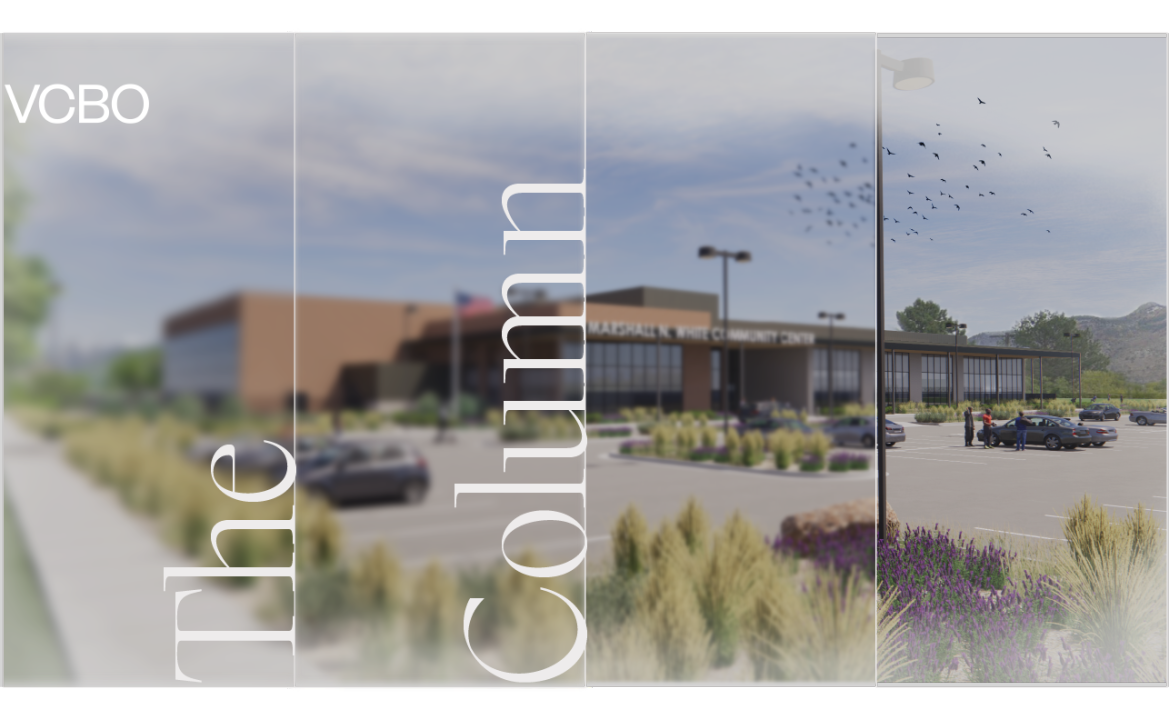
Modern architecture plays a major role in how communities form and function. Buildings that encourage social interaction, like community centers, shared courtyards, and co-working spaces, help foster connections between neighbors. These spaces become gathering places where people meet, collaborate, and build relationships. When architects design buildings with shared amenities, they’re creating opportunities for spontaneous encounters and community building. For instance, residential complexes with rooftop gardens or communal kitchens often see higher levels of resident engagement and satisfaction. The layout of these shared spaces matters enormously. They need to be accessible, comfortable, and flexible enough to accommodate different types of activities. Sometimes, the most successful designs are those that balance private and public areas, allowing people to choose how much social interaction they want. This approach recognizes that different people have different needs when it comes to community engagement.
Technology Integration in Modern Design
Today’s architecture increasingly incorporates smart technologies that respond to our needs and behaviors. From automated lighting systems that adjust based on natural light levels to climate control that learns our preferences, these innovations make buildings more responsive and efficient. Smart buildings can monitor occupancy and adjust heating, cooling, and lighting accordingly. This not only saves energy but also improves comfort for occupants. Some newer developments even include apps that help residents navigate building spaces, find parking, or access services. The integration of technology in architecture isn’t about making buildings seem futuristic—it’s about making them more intuitive and user-friendly. Imagine walking into a building where the temperature automatically adjusts to your comfort level, or where the lighting changes to match the time of day. These small conveniences can make a big difference in our daily experience of spaces.
Sustainability and Long-term Impact
Contemporary architects are increasingly focused on creating buildings that are sustainable and environmentally responsible. This means designing structures that minimize environmental impact, use renewable energy sources, and are built with eco-friendly materials. Green buildings can reduce energy consumption by up to 50% compared to traditional structures. They also tend to provide better indoor air quality, which benefits occupant health. Sustainability in architecture goes beyond just using solar panels or rainwater harvesting systems. It includes thoughtful site selection, consideration of local climate conditions, and design strategies that reduce waste and maximize efficiency. Cities around the world are implementing building codes that require new constructions to meet certain sustainability standards. This shift toward environmentally conscious design reflects a growing understanding that our buildings should support both human well-being and planetary health. The long-term benefits of sustainable architecture extend far beyond individual buildings to entire communities and ecosystems.
Modern architecture shapes our urban experiences in ways that are both subtle and profound. Every design decision—from the way a building faces the sun to how it channels foot traffic—creates ripple effects in our daily lives. These spaces influence how we feel, how we move, and how we connect with others. As cities continue to grow and evolve, the importance of thoughtful architectural design becomes even more critical. We’re not just building structures; we’re creating the environments where we live, work, and thrive. The future of urban living depends on our ability to design spaces that truly serve human needs. Understanding this connection empowers us to appreciate the thoughtful design around us and to advocate for spaces that enhance rather than diminish our quality of life. The next time you step into a new building or walk through a neighborhood, take a moment to notice how the architecture makes you feel. You might be surprised by how much these invisible forces shape your everyday experience.
[sps_html tag=”img” src=”https://cdn.theartssection.com/wp-content/uploads/2025/10/crowdsourced-design-building-communities-through-participation-and-intended-for-seamless-modern-city-canvas-print.jpg” alt=”Crowdsourced Design: Building Communities Through Participation And … intended for "Seamless Modern City" Canvas Print” style=”width: 100%; height: auto;”]
[sps_html tag=”img” src=”https://cdn.theartssection.com/wp-content/uploads/2025/10/pavilion-jardins-redefines-community-connection-through-thoughtful-pertaining-to-building-communities-through-thoughtful-design.jpg” alt=”Pavilion Jardins Redefines Community Connection Through Thoughtful … pertaining to Building Communities Through Thoughtful Design” style=”width: 100%; height: auto;”]
[sps_html tag=”img” src=”https://cdn.theartssection.com/wp-content/uploads/2025/10/how-to-foster-vibrant-communities-through-thoughtful-recreation-center-within-seamless-modern-city-canvas-print.png” alt=”How To Foster Vibrant Communities Through Thoughtful Recreation Center … within "Seamless Modern City" Canvas Print” style=”width: 100%; height: auto;”]
[sps_html tag=”img” src=”https://cdn.theartssection.com/wp-content/uploads/2025/10/crowdsourced-design-building-communities-through-participation-and-throughout-seamless-modern-city-canvas-print.jpg” alt=”Crowdsourced Design: Building Communities Through Participation And … throughout "Seamless Modern City" Canvas Print” style=”width: 100%; height: auto;”]
[sps_html tag=”img” src=”https://cdn.theartssection.com/wp-content/uploads/2025/10/karwick-village-building-community-through-thoughtful-site-orientation-intended-for-seamless-modern-city-canvas-print.png” alt=”Karwick Village: Building Community Through Thoughtful Site Orientation … intended for "Seamless Modern City" Canvas Print” style=”width: 100%; height: auto;”]