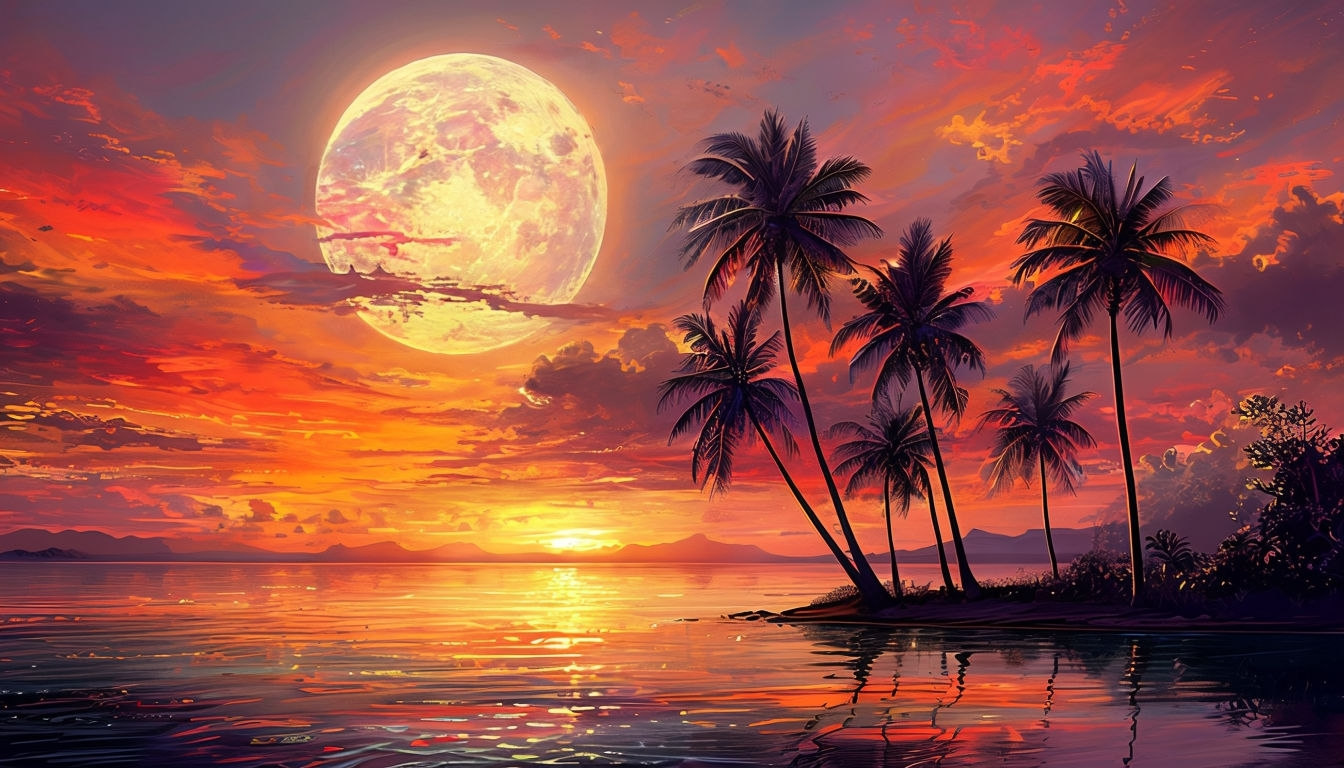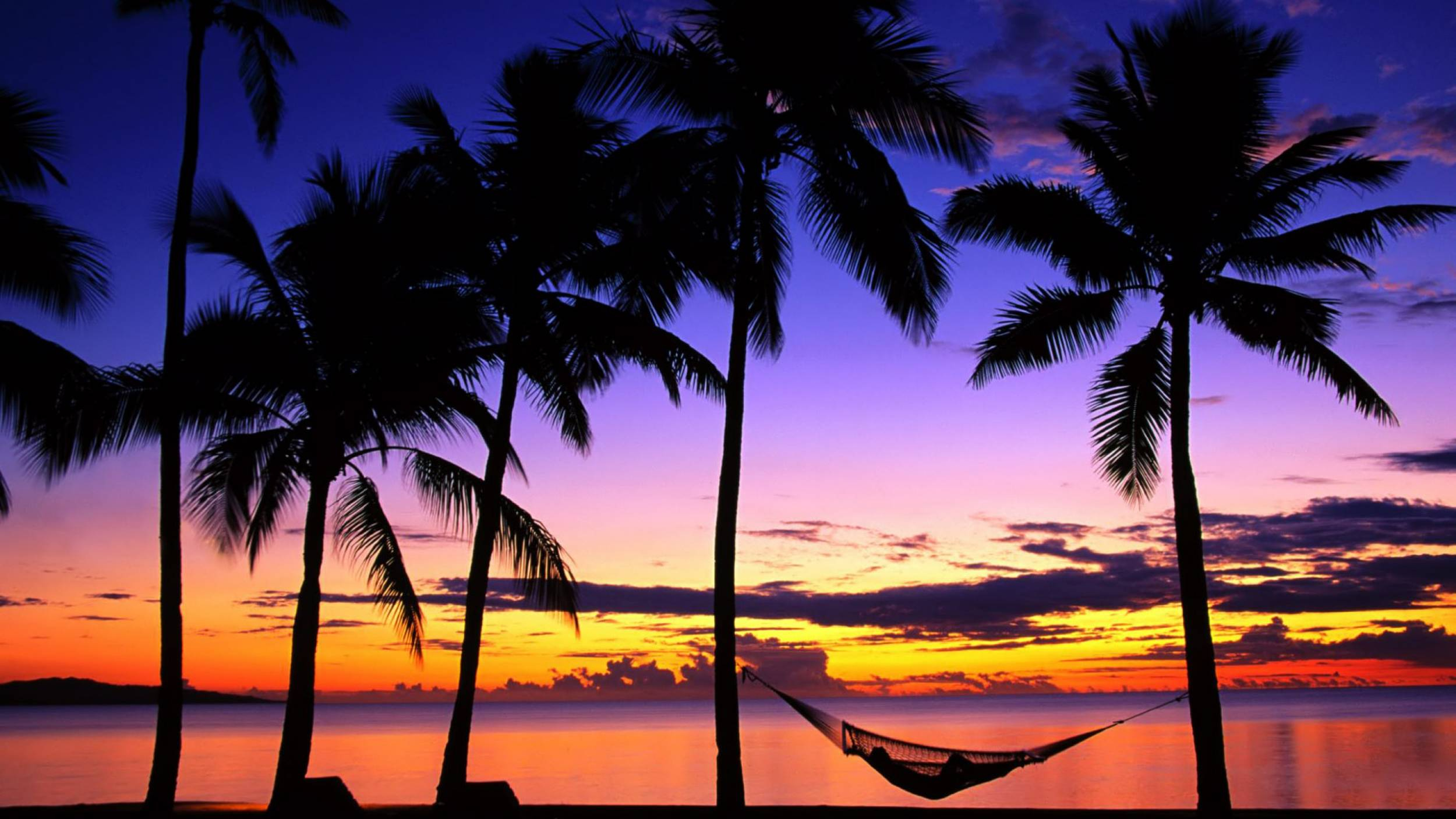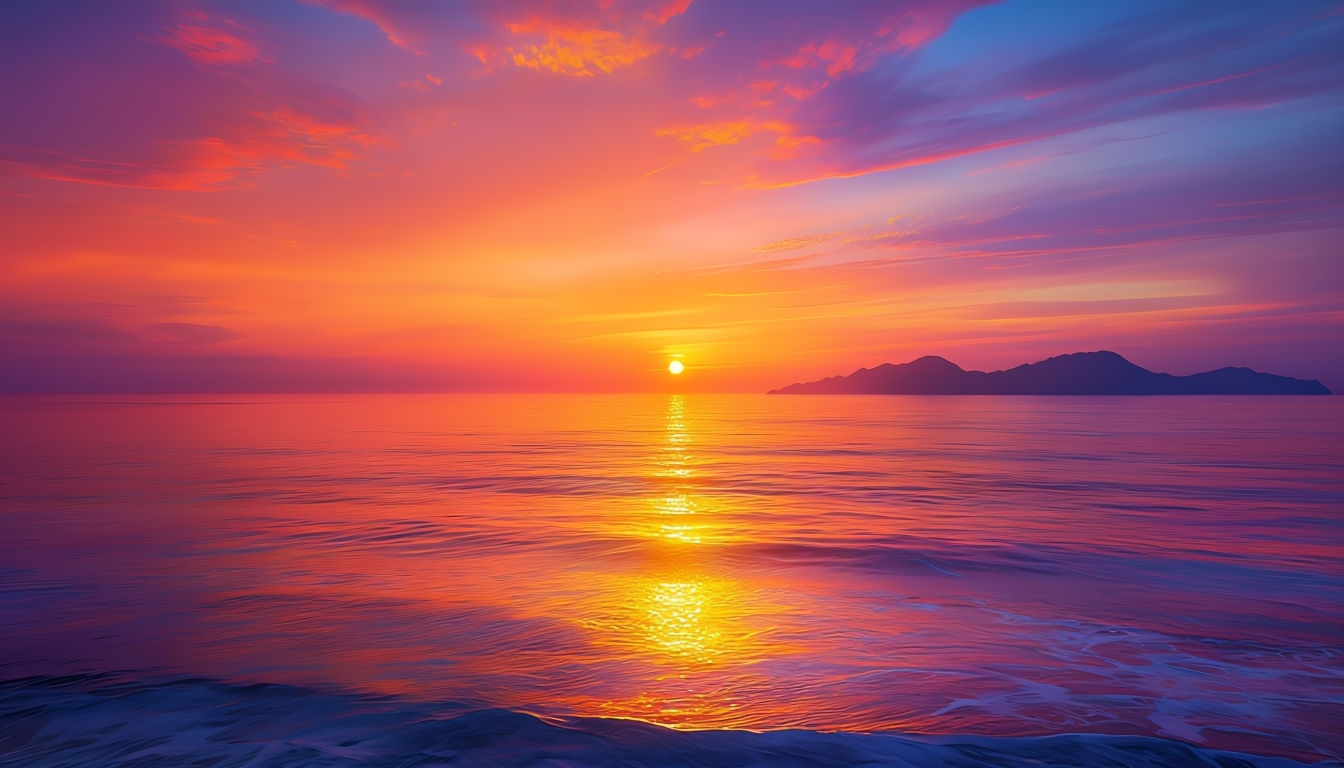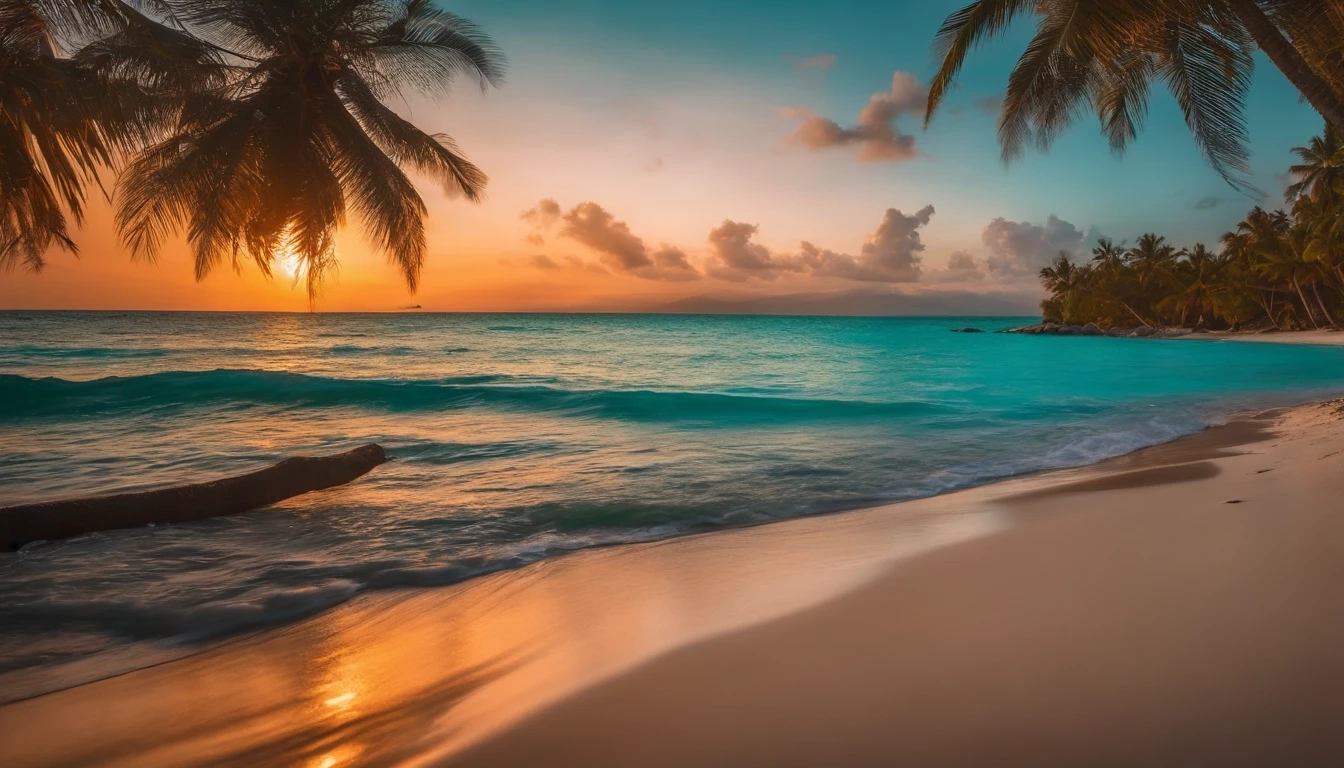
There’s something magical about how the sky transforms during tropical evenings. The air feels different, the colors seem more intense, and there’s this incredible sense of anticipation as day gives way to night. Whether you’re on a beach in Bali, a mountain retreat in Costa Rica, or simply watching from your backyard, tropical sunsets offer a unique visual feast that’s both calming and awe-inspiring.
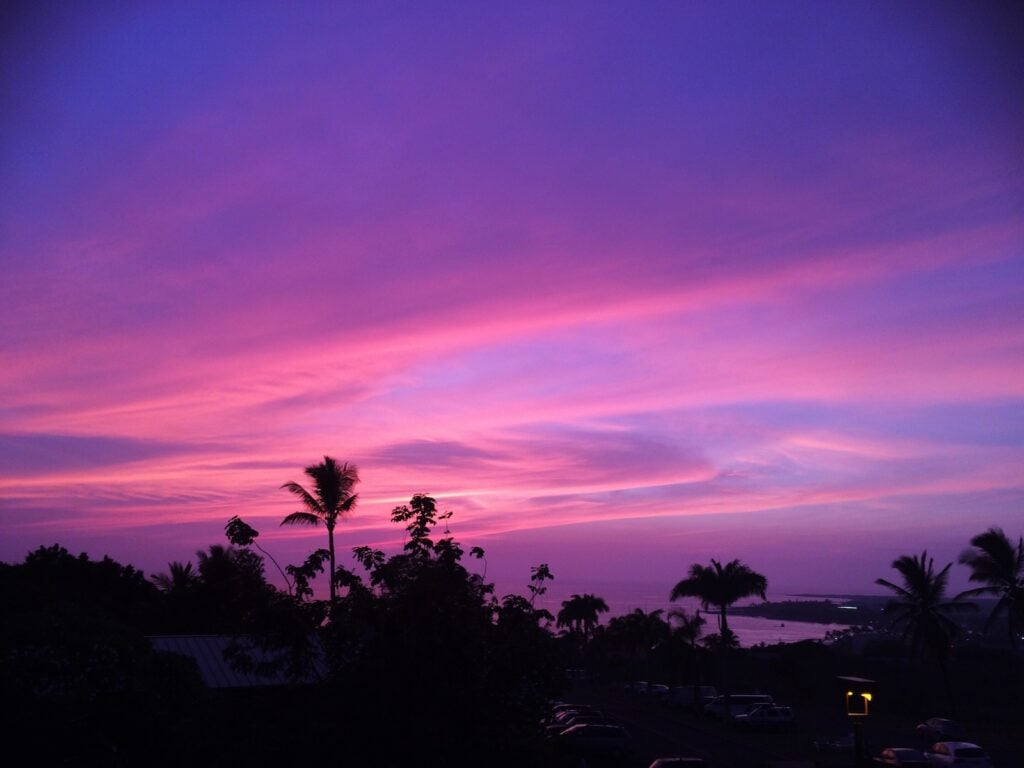
Tropical evening skies represent one of nature’s most spectacular displays. Unlike the more muted transitions we see in temperate regions, these skies burst with vibrant hues and dramatic shifts that seem almost too vivid to be real. The combination of high humidity, abundant cloud cover, and the sun’s low angle creates conditions that amplify light refraction in ways that make every sunset a unique masterpiece. What makes tropical sunsets particularly special isn’t just their intensity, but the way they seem to tell stories of weather patterns, atmospheric conditions, and even the seasons themselves. These aren’t just pretty pictures – they’re complex atmospheric phenomena that reveal the intricate dance between our planet’s climate systems and the sun’s daily journey.
The Science Behind the Colors
The dazzling array of colors we witness during tropical sunsets comes from a fascinating interplay of physics and atmosphere. When sunlight enters Earth’s atmosphere, it encounters molecules and particles that scatter light differently based on wavelength. Shorter blue wavelengths scatter more easily, which is why the sky appears blue during the day. But at sunset, the light travels through much more atmosphere to reach our eyes, causing the blue light to scatter away completely. This leaves the longer red, orange, and yellow wavelengths to dominate what we see. In tropical regions, the higher humidity and abundance of water vapor create even more opportunities for light to interact with particles, intensifying these effects. The result is often more saturated colors than what we might see in drier climates. Think of it like a giant filter that amplifies the warm tones while diminishing the cooler blues and greens. Some scientists suggest that the mineral dust and salt particles common in tropical coastal areas might contribute additional color variations, creating that distinctive tropical sunset palette.
Unique Atmospheric Conditions
Tropical regions experience several atmospheric factors that make their evening skies particularly striking. High humidity levels mean more water vapor available to interact with light, creating those soft, ethereal edges that seem to glow. The warm temperatures also create stronger convection currents, leading to more dynamic cloud formations. These clouds often appear more dramatic because they’re formed in environments where moisture is abundant and temperature differences are significant. Additionally, tropical areas frequently experience seasonal weather patterns that affect cloud cover and atmospheric clarity. During rainy seasons, you might see more dramatic storm clouds building, while dry periods can produce clearer skies with more defined color bands. The proximity to large bodies of water also plays a role, as ocean breezes can carry moisture inland and influence cloud formation patterns. These conditions create a kind of natural laboratory where atmospheric science becomes visible and tangible.
Cultural Significance and Traditions
Throughout tropical cultures around the world, evening skies have played important roles in local traditions and daily life. In many island communities, sunset times mark the beginning of evening activities and social gatherings. The changing colors and patterns of the sky often serve as informal calendars, helping people track seasonal changes and weather patterns. Some cultures have developed specific rituals around sunset viewing, such as the traditional Japanese practice of ‘tsukimi’ or the Hawaiian tradition of watching the sun set over the ocean as a form of meditation. In some parts of Southeast Asia, families gather to watch the sky transform, using it as a time for storytelling and connecting with nature. These cultural practices highlight how the natural spectacle of tropical skies has become woven into the fabric of daily life, serving not just as entertainment but as a way of understanding and respecting the environment.
Seasonal Variations and Patterns
Tropical skies don’t remain static throughout the year – they shift with the seasons in predictable yet beautiful ways. During wet seasons, you’ll notice more dramatic cloud formations and sometimes even lightning displays that add to the visual drama. The increased moisture in the air means more opportunities for spectacular color variations. Conversely, during dry seasons, the skies often display more subtle gradients and cleaner air that allows for sharper, more defined color transitions. Some regions experience distinct monsoon patterns that create predictable sequences of sky transformations. For example, in parts of India, the pre-monsoon period often brings particularly vivid sunsets due to the accumulation of dust and particulates in the atmosphere. These seasonal changes provide a kind of natural rhythm to the tropical sky experience, with each season offering its own unique character and visual storytelling.
Photography Tips for Capturing Beauty
If you want to capture the magic of tropical evening skies, timing and technique matter enormously. The golden hour – that brief window just before sunset – offers the best lighting conditions for photography. During this time, the sun is low enough to create long shadows and warm light, but still bright enough to illuminate subjects effectively. For the best results, position yourself so that the sun is behind your subject, creating a natural rim light effect. Consider the foreground elements that will frame your shot – whether it’s palm trees, buildings, or ocean waves. The key is to balance the brightness of the sky with the darker foreground elements. Many photographers find success using graduated neutral density filters to manage the exposure difference. Also, don’t overlook the importance of patience – sometimes the most stunning moments happen just after the sun sets, when the sky is still glowing with residual light. The colors can shift rapidly, so being ready to capture spontaneous changes is essential.
Weather Indicators in Sky Patterns
Observant viewers can learn a lot about upcoming weather by studying tropical evening skies. Certain cloud formations and color patterns often precede weather changes. For instance, high-altitude cirrus clouds that appear as delicate white wisps may indicate that a weather system is approaching within the next 24 hours. Reddish-orange sunsets can sometimes signal that the atmosphere contains more particulate matter, which might suggest approaching storms or changes in wind patterns. The presence of cumulonimbus clouds, those towering storm clouds, often indicates unstable atmospheric conditions. However, it’s important to note that while these patterns can be helpful indicators, they shouldn’t be relied upon exclusively for weather prediction. The complexity of tropical weather systems means that multiple factors are usually at play. Still, paying attention to these visual cues can add an extra layer of appreciation for the natural world around us, turning every sunset into a potential weather forecast and a chance to connect more deeply with the environment.
Tropical evening skies offer more than just visual pleasure – they’re windows into complex atmospheric processes, cultural traditions, and natural rhythms that connect us to the planet we call home. Whether you’re a casual observer or someone who studies atmospheric science, there’s something profound about watching these daily performances unfold. The way light interacts with moisture, how clouds form and dissipate, and how entire ecosystems respond to these daily changes all contribute to a deeper understanding of our natural world. These skies remind us that beauty and science aren’t separate – they’re intertwined in the most spectacular way possible. So the next time you find yourself in a tropical location, take a moment to really look up. Watch how the colors change, how the clouds move, and how the whole scene seems to breathe with life. You’re witnessing something truly extraordinary that happens every single day, yet remains endlessly fascinating and ever-changing.
[sps_html tag=”img” src=”https://cdn.theartssection.com/wp-content/uploads/2025/10/vibrant-tropical-sunset-with-palm-trees-and-golden-hour-text-poster-intended-for-tropical-colorful-sunset.jpeg” alt=”Vibrant Tropical Sunset With Palm Trees And Golden Hour Text Poster … intended for "Tropical Colorful Sunset” style=”width: 100%; height: auto;”]
[sps_html tag=”img” src=”https://cdn.theartssection.com/wp-content/uploads/2025/10/why-is-the-sky-purple-the-science-behind-purple-skies-color-meanings-for-tropical-colorful-sunset.jpeg” alt=”Why Is The Sky Purple? The Science Behind Purple Skies | Color Meanings for "Tropical Colorful Sunset” style=”width: 100%; height: auto;”]
[sps_html tag=”img” src=”https://cdn.theartssection.com/wp-content/uploads/2025/10/a-vibrant-tropical-beach-setting-with-lush-palm-trees-crystal-clear-inside-why-tropical-sunsets-appear-more-vibrant-than-others.webp” alt=”A Vibrant, Tropical Beach Setting With Lush Palm Trees, Crystal-Clear … inside Why Tropical Sunsets Appear More Vibrant Than Others” style=”width: 100%; height: auto;”]
[sps_html tag=”img” src=”https://cdn.theartssection.com/wp-content/uploads/2025/10/vibrant-tropical-sunset-with-silhouetted-palm-trees-mobile-wallpaper-pertaining-to-why-tropical-sunsets-appear-more-vibrant-than-others.jpeg” alt=”Vibrant Tropical Sunset With Silhouetted Palm Trees Mobile Wallpaper … pertaining to Why Tropical Sunsets Appear More Vibrant Than Others” style=”width: 100%; height: auto;”]
[sps_html tag=”img” src=”https://cdn.theartssection.com/wp-content/uploads/2025/10/tropical-sunset-wallpapers-top-free-tropical-sunset-backgrounds-intended-for-tropical-colorful-sunset.jpg” alt=”Tropical Sunset Wallpapers - Top Free Tropical Sunset Backgrounds … intended for "Tropical Colorful Sunset” style=”width: 100%; height: auto;”]