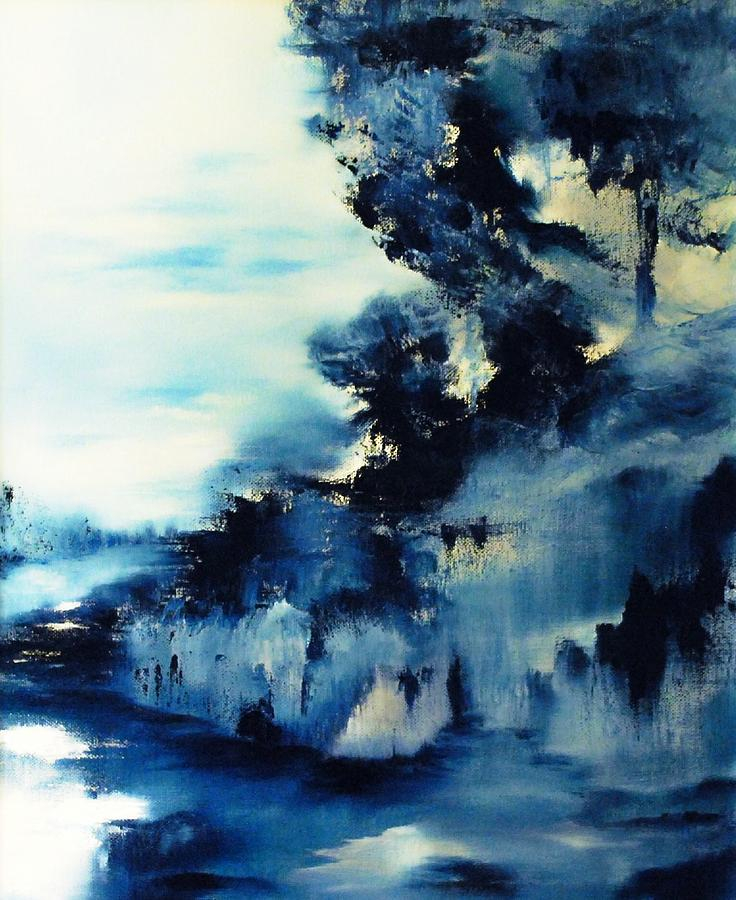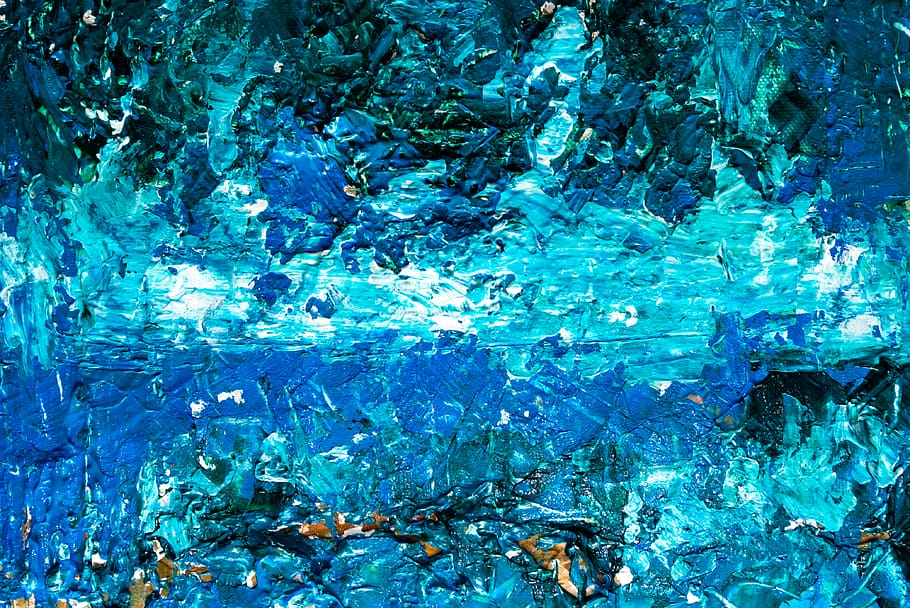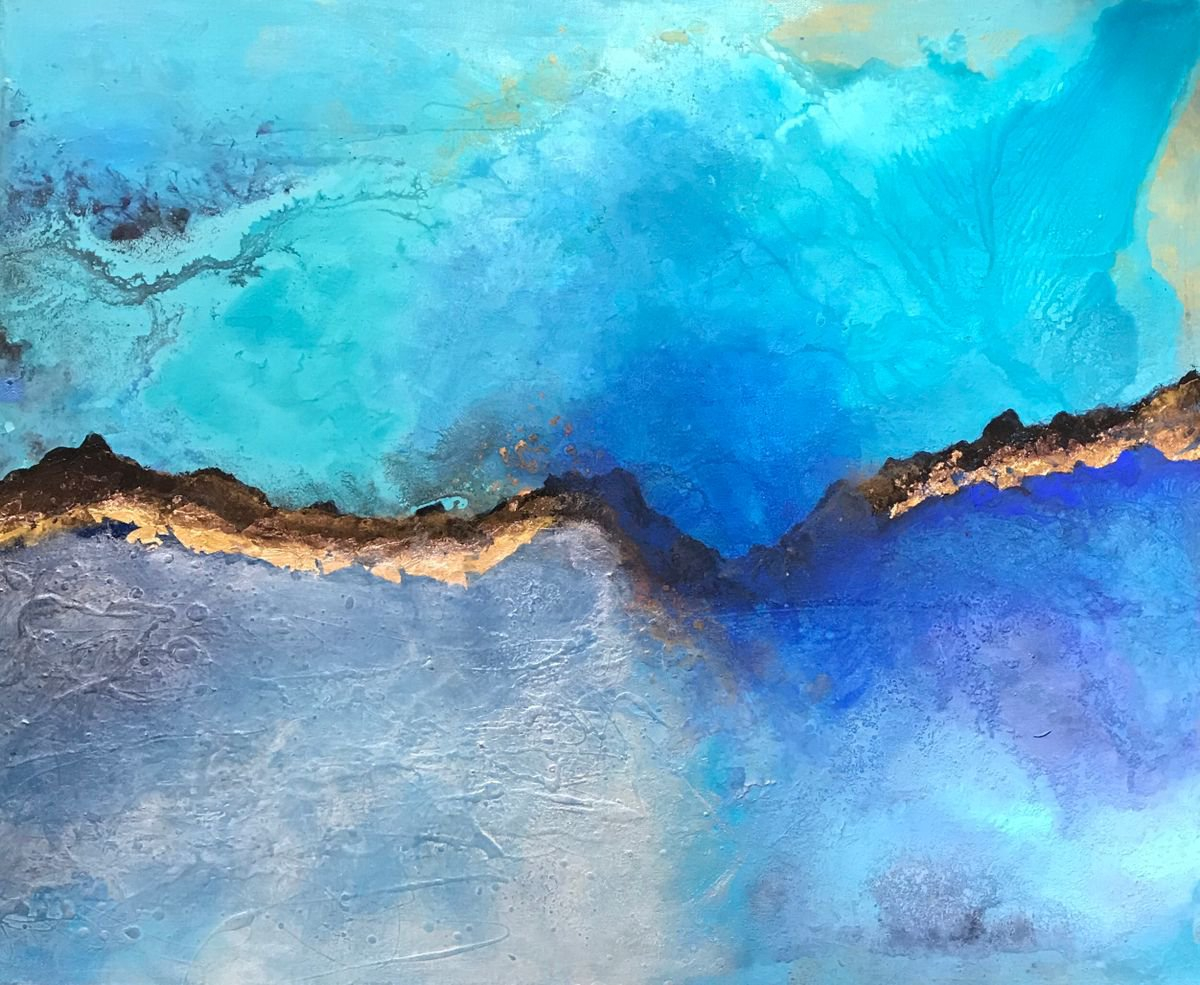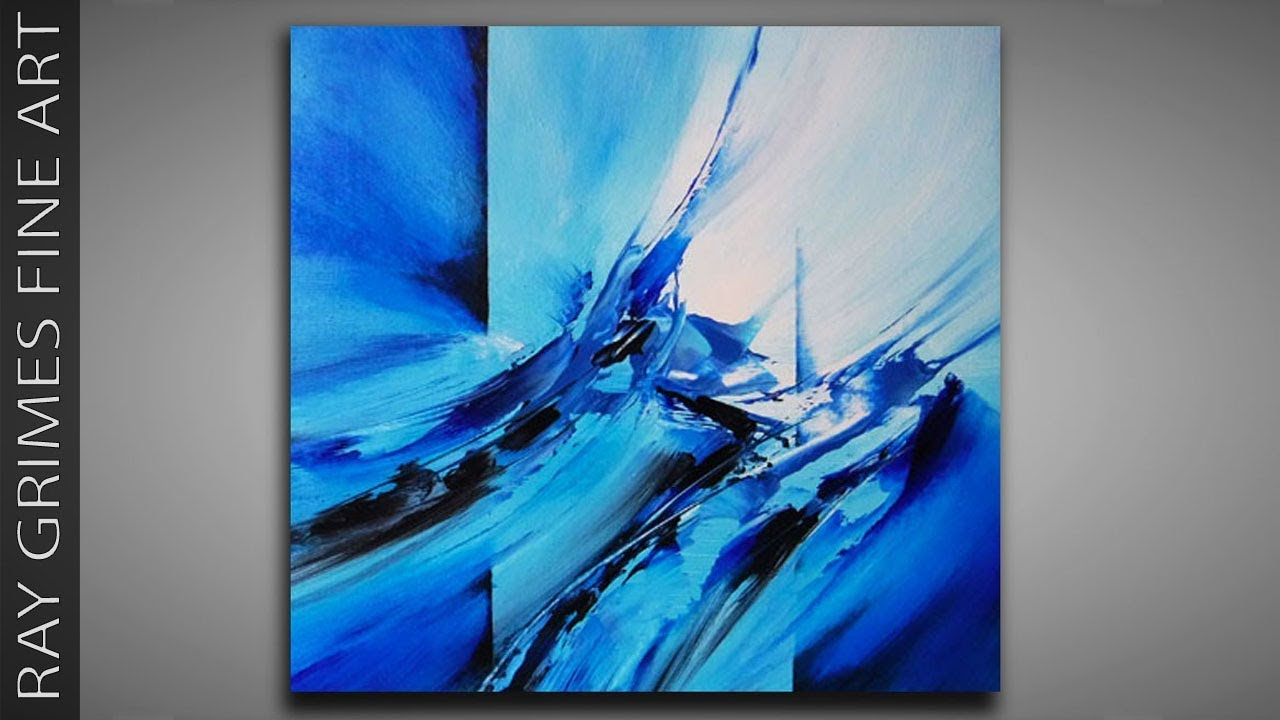
The canvas that once carried the weight of classical painting now bears the bold strokes of modern storytelling. What started as a simple technique for creating depth and texture has evolved into a medium that speaks volumes about our current cultural moment.
Think back to those early art classes where you learned to mix paint and apply it with purpose. Now imagine taking that same fundamental approach and applying it to something entirely different – a canvas that’s been treated with blue stain. It might sound simple, but the art world is experiencing a renaissance around this very concept. What was once considered a basic artistic technique is now being redefined by contemporary creators who see potential beyond the traditional boundaries. These artists aren’t just painting on canvas – they’re redefining what canvas can be.
Breaking Free from Traditional Boundaries
Contemporary artists are no longer bound by the rules that once governed canvas usage. They’re experimenting with blue stain techniques in ways that would have seemed impossible just decades ago. Consider how artists like Maria Santos have transformed her studio practice by layering blue stain over existing paintings, creating unexpected depth and visual interest. This isn’t just about adding color – it’s about creating dialogue between old and new, past and present.
The shift represents more than aesthetic changes. It’s about challenging assumptions about what constitutes serious art. When an artist applies blue stain to a canvas that’s already been painted, they’re making a statement about process, transformation, and the layered nature of experience itself. The stain becomes a metaphor for memory, for the stories we carry beneath our surface.
What happens when you take something familiar and give it a completely new context? That’s exactly what these artists are doing. They’re asking viewers to reconsider their relationship with the materials they’ve always known.
Embracing Imperfection and Natural Flaws
One of the most striking aspects of this movement is the embrace of imperfection. Traditional approaches to canvas preparation often emphasized smoothness and uniformity. But contemporary artists are finding beauty in irregularities, in the way blue stain spreads unpredictably across surfaces.
Take the work of James Chen, who deliberately allows his blue stain to pool in certain areas and run in others. His canvases look like weathered landscapes, each brushstroke telling a story of chance encounters and natural forces. The imperfections become intentional elements that add authenticity to his pieces.
This approach reflects broader cultural shifts toward appreciating organic qualities over artificial perfection. In a world obsessed with digital perfection, these artists remind us that there’s profound beauty in the handmade, in the accidental, in the slightly askew. The blue stain becomes a kind of artistic philosophy – one that values honesty over polish.
Consider how many of us relate to this concept in our daily lives. We’re all imperfect, all flawed in some way, yet that’s what makes us human. Contemporary artists are simply bringing that truth to their canvas work.
Cultural Storytelling Through Color and Texture
Blue stain canvas art has become a powerful vehicle for cultural narratives. Artists are using this technique to tell stories that might otherwise go untold. The color blue itself carries deep symbolic meaning across cultures – from serenity and trust to melancholy and depth. When artists layer blue stain over different backgrounds, they’re creating visual conversations about identity, heritage, and belonging.
Sarah Martinez’s series "Tides of Memory" uses blue stain to represent the emotional undercurrents of immigrant experiences. Each canvas shows how the blue penetrates differently depending on the underlying surface, much like how memories can shift and change over time. Her work demonstrates how technical choices can become deeply personal expressions.
The texture created by blue stain adds another dimension to storytelling. Rather than just looking at what’s painted, viewers must feel the canvas. The raised areas, the smooth transitions, the way light catches different sections – all contribute to the narrative. This tactile quality makes the artwork more immersive and emotionally resonant.
What’s fascinating is how these artists are creating universals out of personal experiences. Their blue stain canvases speak to broader themes of human connection while remaining rooted in individual stories.
Techniques That Push Creative Limits
Modern artists are developing new methods that push the boundaries of blue stain application. Some are combining traditional staining with digital elements, creating hybrid works that blur the line between analog and digital. Others are experimenting with different types of blue stains, from industrial to natural dyes, each producing unique effects.
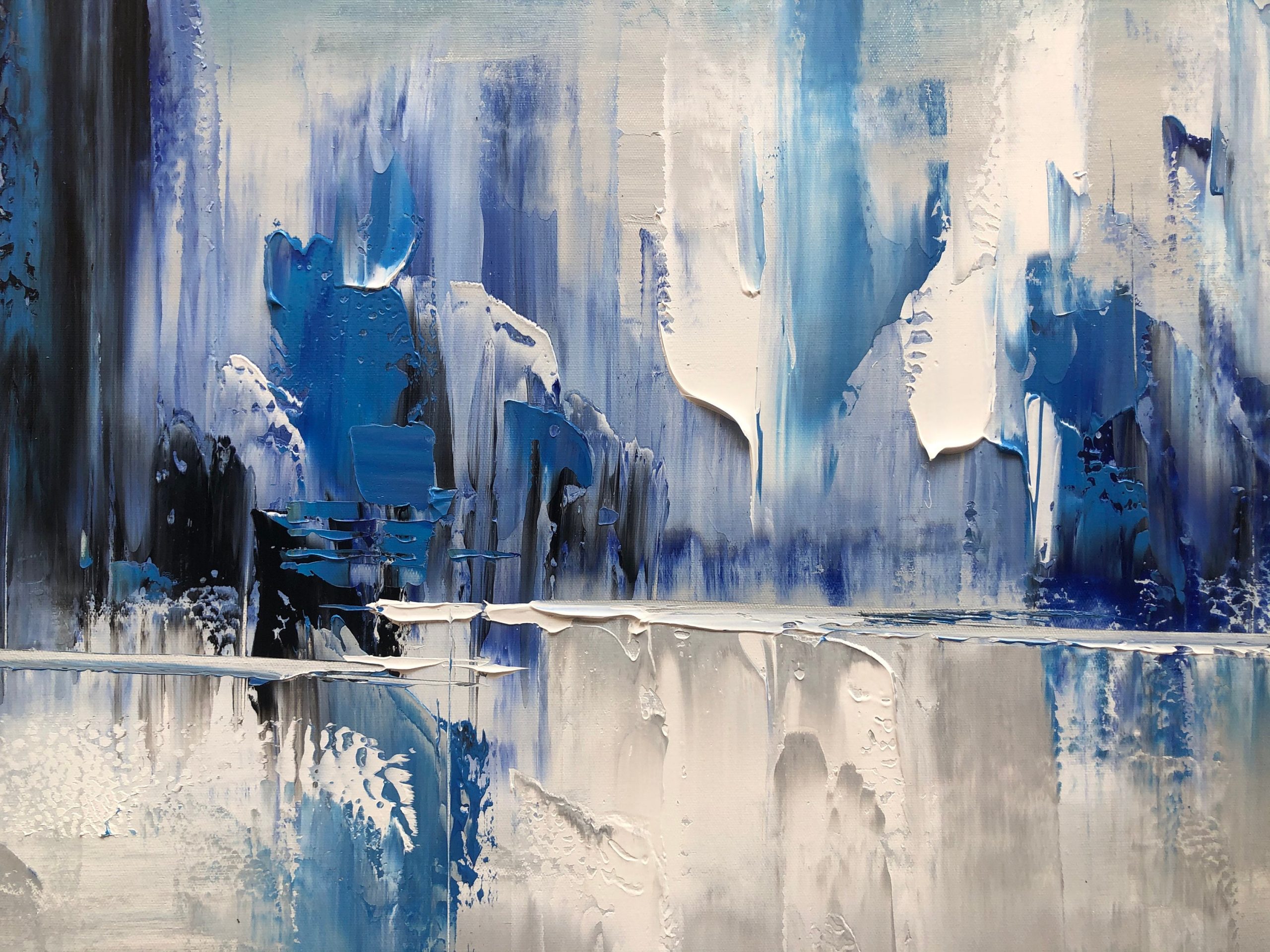
David Park’s "Urban Resilience" series uses multiple layers of blue stain to create a sense of urban density and movement. He starts with a base layer of diluted blue, then adds concentrated stains in strategic spots, allowing them to interact naturally. The result looks like cityscapes viewed through rain-streaked windows, capturing both chaos and order simultaneously.
The experimental nature of these techniques means that each piece becomes a unique experiment. Artists can’t predict exactly how the blue will behave, which creates an element of surprise even for the creator. This uncertainty adds excitement to the creative process and results in truly one-of-a-kind artworks.
Some artists are also incorporating found objects and mixed media into their blue stain work. A torn piece of fabric might be embedded within a blue stain canvas, creating unexpected contrasts and meanings. The blue stain becomes a bridge between different materials and concepts, showing how contemporary art can be both unified and diverse.
Environmental Consciousness in Art Making
Many contemporary artists are also addressing environmental concerns through their blue stain practices. They’re choosing eco-friendly alternatives to traditional chemical-based stains, experimenting with natural dyes made from plants and minerals. This shift reflects growing awareness about the impact of art materials on the planet.
Emma Thompson’s "Sustainable Narratives" collection uses organic blue stains derived from indigo plants and other natural sources. Her work not only creates beautiful visual effects but also sends a message about responsible creativity. The blue stain flows differently with natural ingredients, creating organic patterns that mirror natural processes.
This environmental consciousness extends beyond materials to the entire creative process. Artists are considering how their blue stain techniques affect waste, energy consumption, and long-term sustainability. They’re asking questions like: How can I minimize water usage? What can I do with leftover stain? How can I create lasting art without harming the environment?
The result is a new generation of artists who are thinking about their ecological footprint even as they create beautiful, meaningful work. Their blue stain canvases become statements about environmental responsibility as well as artistic innovation.
Community Engagement and Collaborative Creation
Perhaps one of the most exciting developments is how contemporary blue stain artists are involving communities in their creative processes. Instead of working in isolation, many artists are inviting participation from local residents, students, and even strangers. This collaborative approach transforms the act of creating art into a shared experience.
In Portland, Oregon, artist group "Stained Stories" organizes community workshops where participants contribute their own blue stain techniques to large-scale canvases. Each person adds their unique touch, creating a collective artwork that represents the diversity of the community. The blue stain becomes a way of bringing people together through creative expression.
These collaborative projects demonstrate how blue stain canvas art can serve as a bridge between individuals and groups. The technique’s accessibility makes it easy for people of all skill levels to participate. The blue stain’s forgiving nature means that mistakes don’t ruin the entire piece – instead, they become part of the story.
What’s particularly compelling is how these projects often address social issues. Community members might use blue stain to express their hopes, fears, or experiences with housing, education, or healthcare. The resulting canvases become powerful testimonials that combine individual voices into a larger narrative about shared experiences.
The evolution of blue stain canvas art represents more than a simple technique shift – it’s a complete reimagining of what art can be. Contemporary artists are taking a familiar material and transforming it into something that speaks directly to our modern moment. They’re embracing imperfection, telling important stories, pushing technical boundaries, and creating work that’s both environmentally conscious and socially engaged.
What strikes me most is how these artists are making the canvas a living, breathing entity rather than just a static surface. The blue stain doesn’t just sit on top of the canvas – it becomes part of its soul. Each piece tells a story about transformation, about finding beauty in unexpected places, about the power of simple materials to create profound meaning.
As we move forward, we’ll likely see even more innovative approaches to blue stain canvas art. The possibilities seem endless, limited only by the imagination of the artists who continue to push boundaries and challenge expectations. Whether you’re a seasoned art enthusiast or someone who’s never really paid attention to canvas techniques before, there’s something to appreciate in this remarkable evolution of artistic expression.
[sps_html tag=”img” src=”https://cdn.theartssection.com/wp-content/uploads/2025/11/abstract-painting-blue-top-painting-ideas-intended-for-blue-stain-abstract-canvas-print.jpg” alt=”Abstract Painting Blue - Top Painting Ideas intended for "Blue Stain" Abstract Canvas Print” style=”width: 100%; height: auto;”]
[sps_html tag=”img” src=”https://cdn.theartssection.com/wp-content/uploads/2025/11/large-blue-abstract-canvas-art-at-kevin-davidson-blog-within-blue-stain-abstract-canvas-print-scaled.jpg” alt=”Large Blue Abstract Canvas Art At Kevin Davidson Blog within "Blue Stain" Abstract Canvas Print” style=”width: 100%; height: auto;”]
[sps_html tag=”img” src=”https://cdn.theartssection.com/wp-content/uploads/2025/11/blue-abstract-painting-tutorial-at-lois-horning-blog-intended-for-understanding-the-artistic-journey-behind-blue-stain-abstract-canvas-prints.jpg” alt=”Blue Abstract Painting Tutorial At Lois Horning Blog intended for Understanding the Artistic Journey Behind Blue Stain Abstract Canvas Prints” style=”width: 100%; height: auto;”]
[sps_html tag=”img” src=”https://cdn.theartssection.com/wp-content/uploads/2025/11/blue-abstract-art-paintings-for-understanding-the-artistic-journey-behind-blue-stain-abstract-canvas-prints.jpg” alt=”Blue Abstract Art Paintings for Understanding the Artistic Journey Behind Blue Stain Abstract Canvas Prints” style=”width: 100%; height: auto;”]
[sps_html tag=”img” src=”https://cdn.theartssection.com/wp-content/uploads/2025/11/turquoise-blue-abstract-painting-atmospheric-oce-artfinder-with-regard-to-blue-stain-abstract-canvas-print.jpg” alt=”Turquoise Blue Abstract Painting Atmospheric Oce | Artfinder with regard to "Blue Stain" Abstract Canvas Print” style=”width: 100%; height: auto;”]