There’s something magical about capturing a bridge during a storm, when rain streaks down the lens and fog swirls around steel and stone. The elements don’t just challenge photographers—they transform ordinary scenes into dramatic masterpieces. Every drop of rain becomes a compositional element, every gust of wind adds movement to static structures, and every cloud brings new drama to familiar landscapes. But mastering these conditions requires more than just technical know-how. It demands understanding how weather shapes our visual storytelling.
Bridge photography isn’t just about capturing steel and concrete. It’s about telling stories of human ingenuity, natural forces, and the interplay between architecture and environment. When weather joins the scene, everything changes. The same bridge that looks solid and permanent under clear skies transforms into a living, breathing element when rain, fog, or snow takes hold. What starts as a simple architectural shot becomes a study in contrast, motion, and atmosphere. The key lies not in avoiding the elements, but in embracing them as creative partners rather than obstacles.
Understanding How Weather Affects Light and Contrast
Weather fundamentally alters how light behaves, creating opportunities that simply don’t exist on sunny days. In overcast conditions, the sky acts as a giant diffuser, eliminating harsh shadows and creating even illumination across the bridge surface. This soft lighting can be incredibly flattering for architectural details, especially when you’re trying to capture texture in concrete or metalwork. But it also means you’ll need to pay attention to contrast ratios. The bridge itself might appear flat, so finding ways to add dimension becomes crucial.
Rain changes everything. Water droplets act like tiny lenses, creating reflections and refractions that can turn a simple shot into something extraordinary. You might find yourself looking for the perfect moment when a droplet catches a streetlight, or when rain creates a mirror effect on wet pavement. The challenge is knowing when to wait for that perfect drop versus when to move quickly before conditions change too dramatically.
Fog creates a completely different set of challenges and opportunities. It can soften harsh lines and create mystery, turning a familiar bridge into something almost ethereal. But fog also reduces visibility and contrast, requiring you to think differently about composition. You might need to focus on the bridge’s silhouette against a distant light source, or look for the subtle hints that tell viewers where the structure exists in space.
Using Movement to Create Dynamic Compositions
Adverse weather introduces movement into static scenes in ways that can elevate your photography from merely good to truly memorable. Rain creates a constant stream of motion, each drop adding its own rhythm to the frame. When you’re shooting a bridge in rain, consider how those droplets interact with the structure. Do they run down the metal in streams? Do they splash off the concrete? Do they create a pattern that leads the eye?
Wind can be equally powerful in composition. It might bend trees near the bridge, creating leading lines that draw attention to the structure. It could cause flags to flutter or create ripples in water if the bridge spans a river. These elements of motion add energy to otherwise still compositions.
Consider the difference between a calm day and a windy one when photographing the same bridge. On a calm day, you might capture the bridge’s solid presence. On a windy day, you might capture its relationship with the forces that shape our world. The key is learning to anticipate these movements and timing your shots accordingly.
Storms bring their own unique challenges. Lightning can provide dramatic highlights that make the entire scene pop. But it also means you have to work quickly and be ready to react to changing conditions. The unpredictability of storms makes them both exciting and demanding for photographers.
Creating Depth Through Atmospheric Effects
One of the most beautiful aspects of adverse weather photography is how it naturally creates depth in your images. Fog, mist, and heavy rain all act as atmospheric elements that separate foreground, middle ground, and background. This natural separation helps guide the viewer’s eye through the frame, creating a sense of journey and discovery.
In foggy conditions, you might see the bridge appear to emerge from mist, like a ghostly apparition. The closer parts of the scene remain visible while distant elements fade away. This creates layers of mystery that can be incredibly compelling. Think about how a bridge might appear partially obscured in morning fog, with only the top portions visible, creating intrigue about what lies beneath.
Rain adds another dimension to depth perception. Each raindrop becomes a small element that can suggest distance. A single droplet on a bridge rail might seem close, while a cluster of drops on a distant part of the structure might appear tiny and far away. This micro-scale perspective can create fascinating contrasts.
Cloud cover also affects depth by changing the quality of light. Overcast skies create a soft, diffused light that tends to flatten scenes. But this very flattening can be used to create interesting compositions. If you’re photographing a bridge with a bright sky behind it, the contrast between light and shadow can create strong visual interest despite the overall softness of the lighting.
Choosing the Right Perspective and Angle
The weather often forces you to reconsider your usual approach to perspective and angle. Rain might mean you’re looking down from above, or maybe you need to get low to avoid getting soaked while still capturing the bridge’s full height. Wind might push you to shoot from different positions to avoid being blown off course.
Fog creates unique opportunities for low-angle shots. When you’re looking up at a bridge through thick mist, you might capture the structure as a series of silhouettes against a darkened sky. The fog acts as a natural frame, emphasizing the verticality of the bridge and creating a sense of scale that’s hard to achieve otherwise.
Consider shooting through raindrops rather than directly at them. Sometimes the best shots come from a slightly oblique angle that allows you to see the rain as a series of lines and dots rather than a uniform wash of water. This can create abstract qualities in your bridge photographs.
During storms, the positioning becomes even more critical. You might find yourself needing to position yourself in a way that protects you from the weather while still getting the shot you want. This could mean choosing a spot where the bridge is partially sheltered from wind and rain, or positioning yourself to take advantage of the storm’s movement patterns.
Don’t forget about the reflection possibilities. When rain hits a bridge deck, it can create temporary reflections that change constantly. These fleeting moments require quick thinking and good timing. The right angle and timing can turn a simple shot into something that captures the bridge’s interaction with water in a way that’s both practical and artistic.
Working with Limited Visibility and Contrast
When visibility drops due to fog, rain, or heavy clouds, you’re forced to rely on different elements to create compelling compositions. Instead of relying on sharp detail, you might focus on form and silhouette. A bridge in fog might lose its precise details, but gain a mysterious quality that draws viewers in.
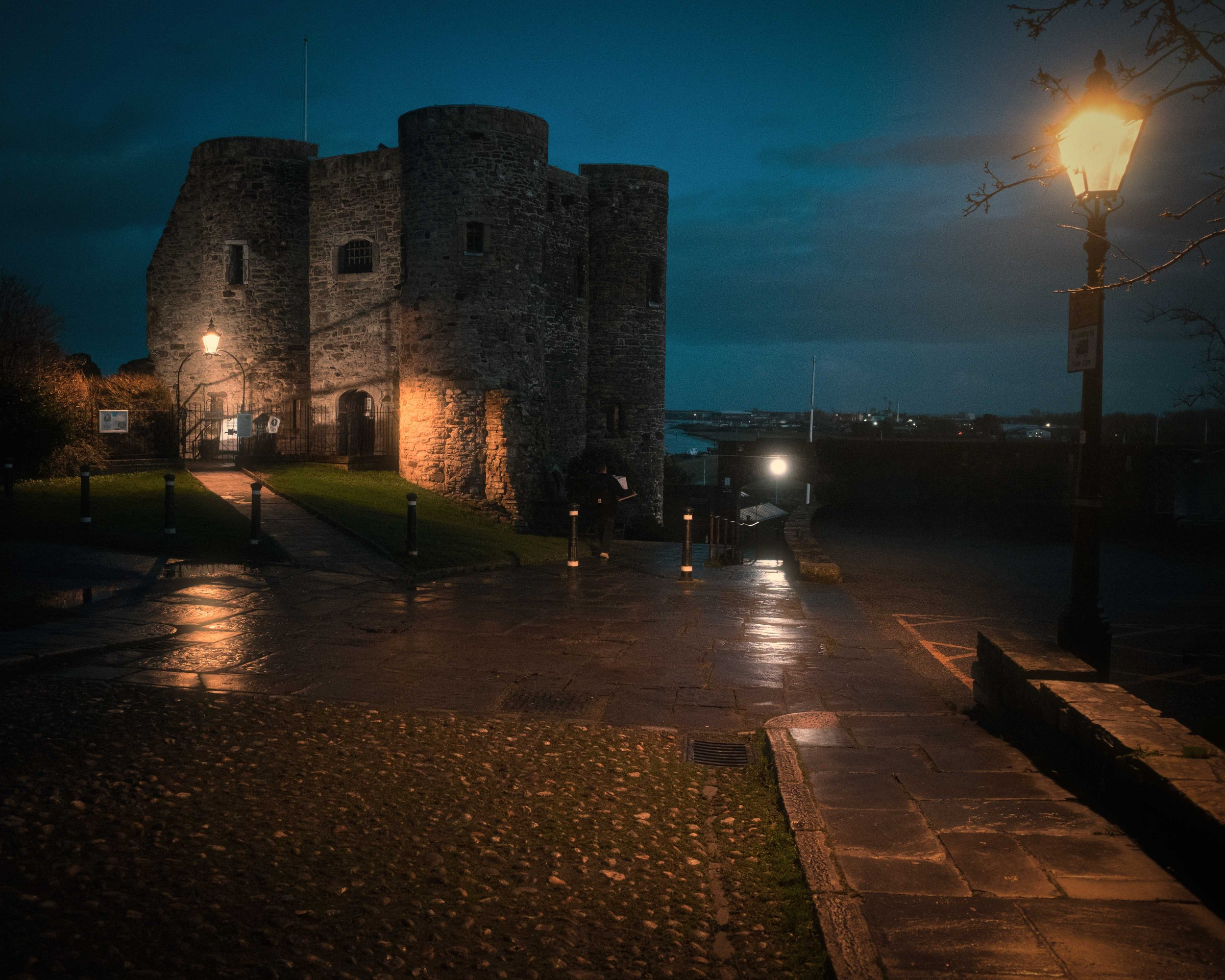
Contrast becomes more important when visibility is limited. Look for ways to create contrast within the scene using light sources. Street lamps, car headlights, or even the glow of buildings can provide the highlights needed to make a bridge visible in low-contrast conditions.
Sometimes the best approach is to embrace the blur rather than fight it. Heavy rain or fog can create a dreamlike quality that’s perfect for certain types of storytelling. The challenge is finding the balance between clarity and atmosphere.
When working with limited visibility, consider using a wider aperture to let in more light. This can help you capture more of the scene, even if it’s not perfectly sharp. Sometimes the slight softness of the image adds to the mood rather than detracting from it.
Another technique is to use the weather to create negative space. When fog obscures part of the bridge, the empty areas can become powerful compositional elements. They suggest mystery and allow the viewer’s imagination to fill in the gaps.
Protecting Equipment While Capturing Weather Conditions
Let’s be honest—weather photography means getting wet, dirty, and potentially damaging your equipment. But with proper preparation, you can protect your gear while still getting the shots you want. Waterproof camera covers and lens hoods are essential investments. They won’t stop everything, but they’ll help keep moisture out of critical areas.
Consider using a rain cover specifically designed for your camera system. These can be expensive, but they’re invaluable when you’re shooting in heavy rain or high winds. Some photographers even invest in waterproof cases for their entire setup, especially when they know they’ll be working in particularly challenging conditions.
Battery life becomes a bigger concern in cold weather. Cold temperatures drain batteries faster, so always carry spare batteries and keep them warm in your pocket until you’re ready to use them. This is especially important when you’re waiting for the perfect moment that might last several minutes.
Don’t overlook lens cleaning supplies. Rain, snow, and even fog can leave residue on your glass that affects image quality. Carry a microfiber cloth and lens cleaner for quick touch-ups between shots.
Storage is another consideration. Keep your camera bag in a dry place when not in use. If you’re working in a location where weather conditions change rapidly, having a backup camera body or lens can save you from missing the perfect shot due to equipment failure.
Finally, remember that sometimes the best weather shots come from taking risks. Don’t let fear of damage prevent you from capturing something truly special. Just make sure you’re prepared for the conditions you’re entering.
Photographing bridges in adverse weather conditions isn’t just about surviving the elements—it’s about working with them to create something more than what you’d see on a clear day. The rain, fog, and wind don’t just make things harder; they add layers of drama and emotion that can transform a simple architectural shot into a story about human resilience and nature’s power. Every drop of rain, every gust of wind, and every shift in visibility offers a new opportunity to see the familiar in fresh ways. The key isn’t to avoid the weather but to understand how it changes the rules of composition. When you learn to work with these conditions rather than against them, you’ll find that the most challenging weather days often produce your most memorable images. The bridge becomes more than a structure; it becomes a character in the story that weather tells us about our world.
[sps_html tag=”img” src=”https://cdn.theartssection.com/wp-content/uploads/2025/12/mastering-the-art-of-urban-night-photography-joe-redski-in-storm-over-tower-bridge-at-night-cityscape-photo-wall-art-4-panels.jpg” alt=”Mastering The Art Of Urban Night Photography — Joe Redski in "Storm Over Tower Bridge At Night" Cityscape Photo Wall Art, 4 Panels” style=”width: 100%; height: auto;”]
[sps_html tag=”img” src=”https://cdn.theartssection.com/wp-content/uploads/2025/12/how-to-choose-the-best-iso-for-night-street-photography-artofit-throughout-storm-over-tower-bridge-at-night-cityscape-photo-wall-art-4-panels.png” alt=”How To Choose The Best Iso For Night Street Photography – Artofit throughout "Storm Over Tower Bridge At Night" Cityscape Photo Wall Art, 4 Panels” style=”width: 100%; height: auto;”]
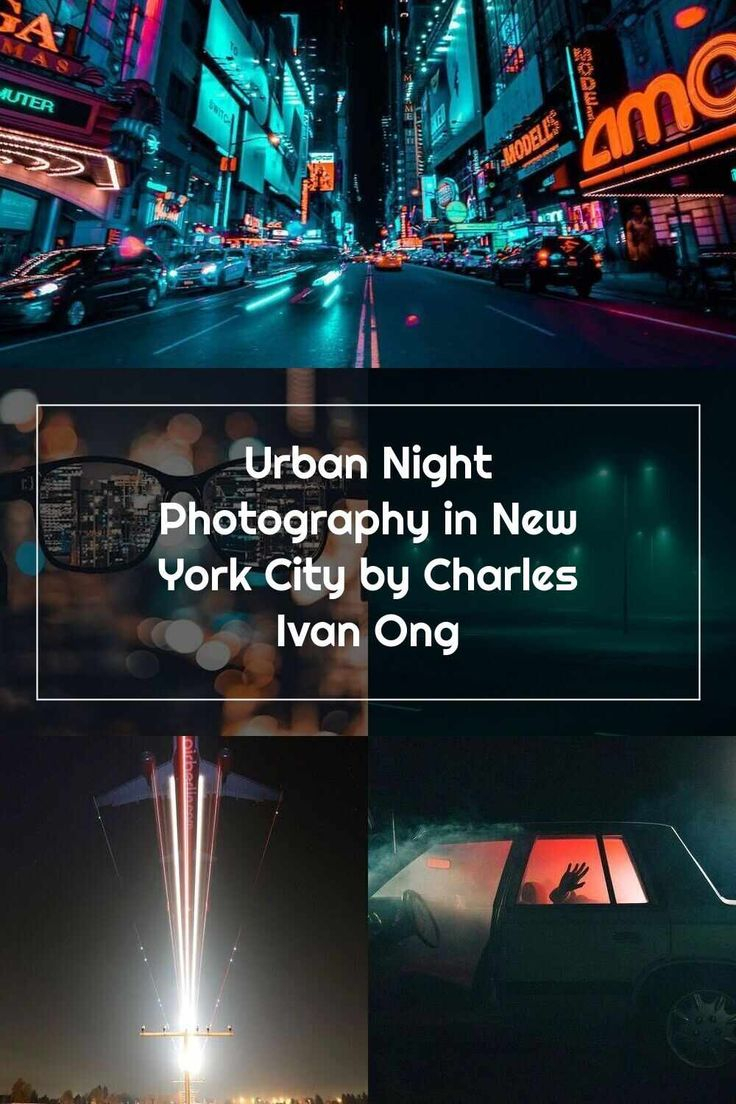
[sps_html tag=”img” src=”https://cdn.theartssection.com/wp-content/uploads/2025/12/night-photography-urban-night-photography-in-new-york-city-by-charles-throughout-storm-over-tower-bridge-at-night-cityscape-photo-wall-art-4-panels.jpg” alt=”Night Photography Urban Night Photography In New York City By Charles … throughout "Storm Over Tower Bridge At Night" Cityscape Photo Wall Art, 4 Panels” style=”width: 100%; height: auto;”]
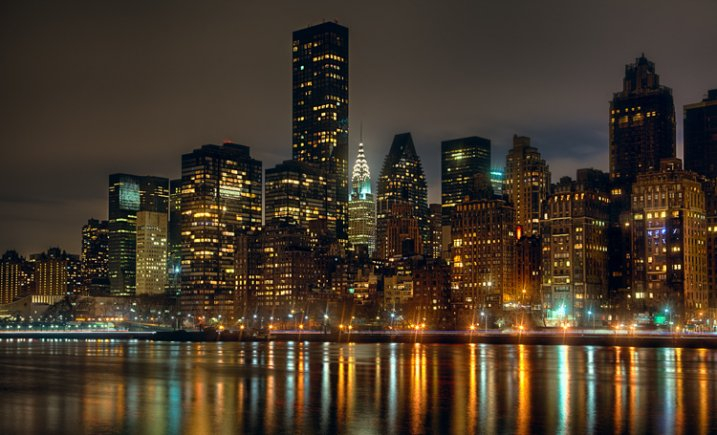
[sps_html tag=”img” src=”https://cdn.theartssection.com/wp-content/uploads/2025/12/13-great-subjects-for-urban-night-photography-throughout-storm-over-tower-bridge-at-night-cityscape-photo-wall-art-4-panels.jpg” alt=”13 Great Subjects For Urban Night Photography throughout "Storm Over Tower Bridge At Night" Cityscape Photo Wall Art, 4 Panels” style=”width: 100%; height: auto;”]
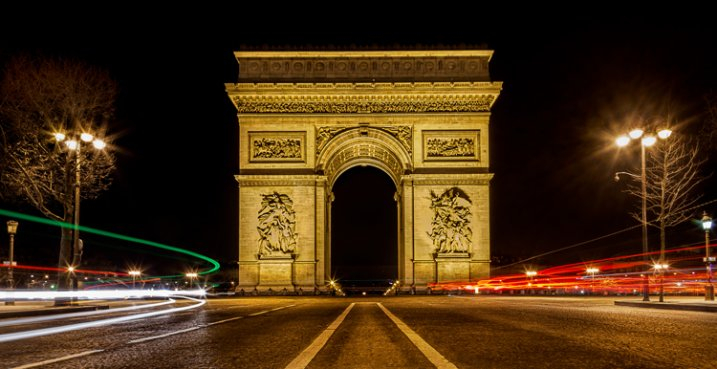
[sps_html tag=”img” src=”https://cdn.theartssection.com/wp-content/uploads/2025/12/13-great-subjects-for-urban-night-photography-for-storm-over-tower-bridge-at-night-cityscape-photo-wall-art-4-panels.jpg” alt=”13 Great Subjects For Urban Night Photography for "Storm Over Tower Bridge At Night" Cityscape Photo Wall Art, 4 Panels” style=”width: 100%; height: auto;”]