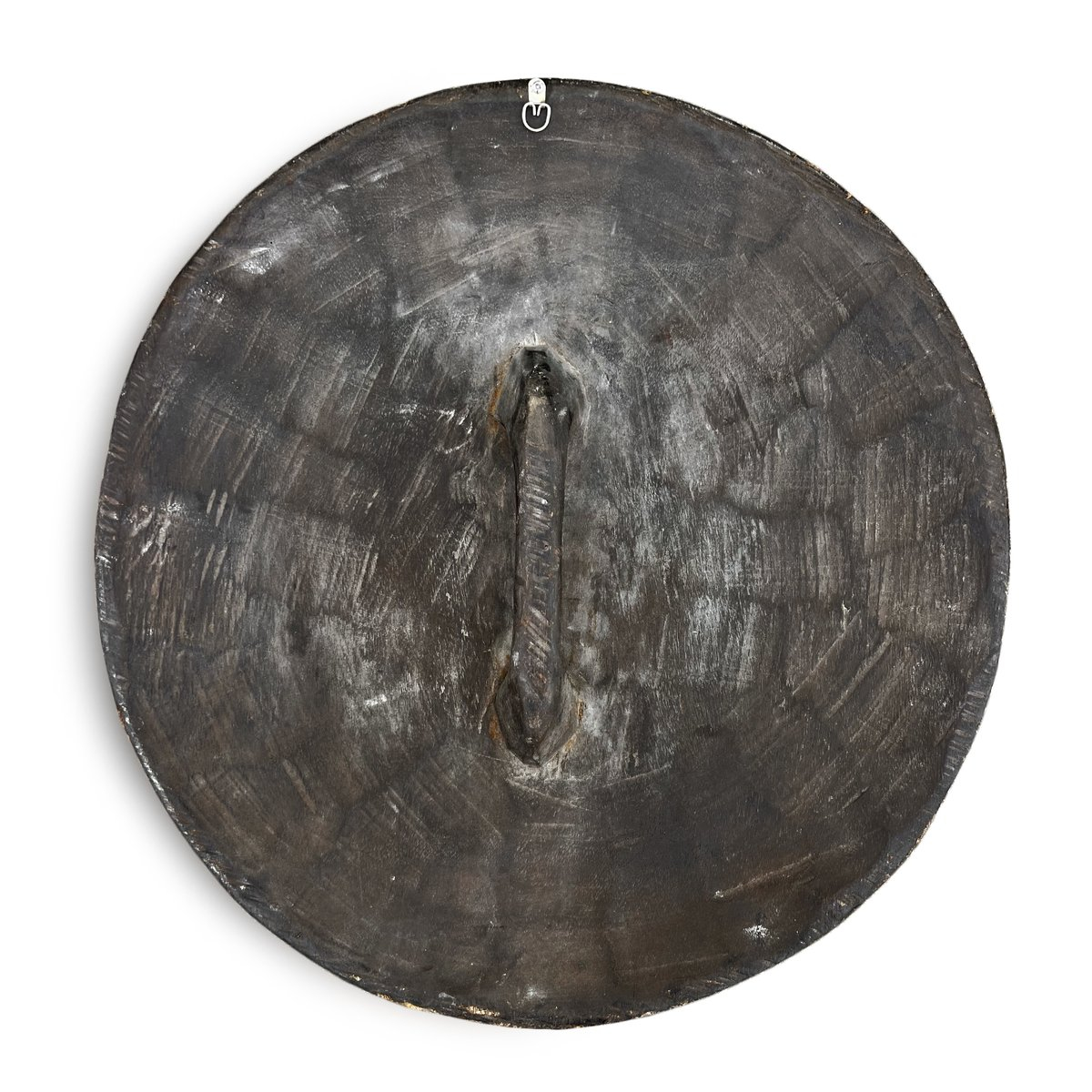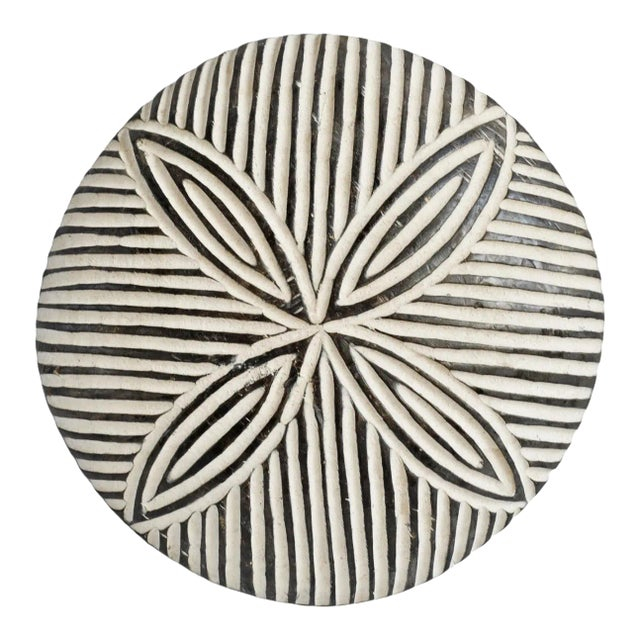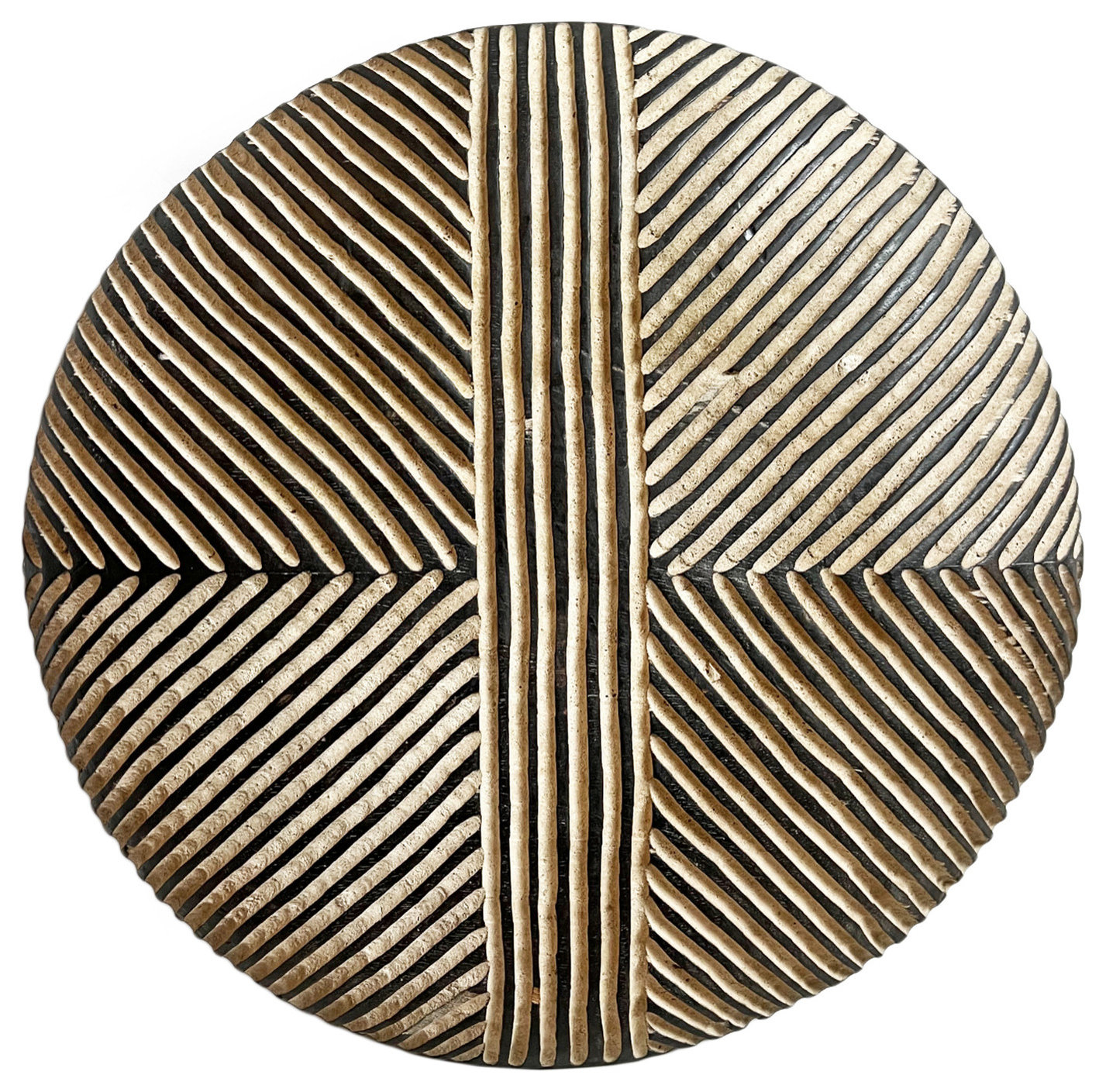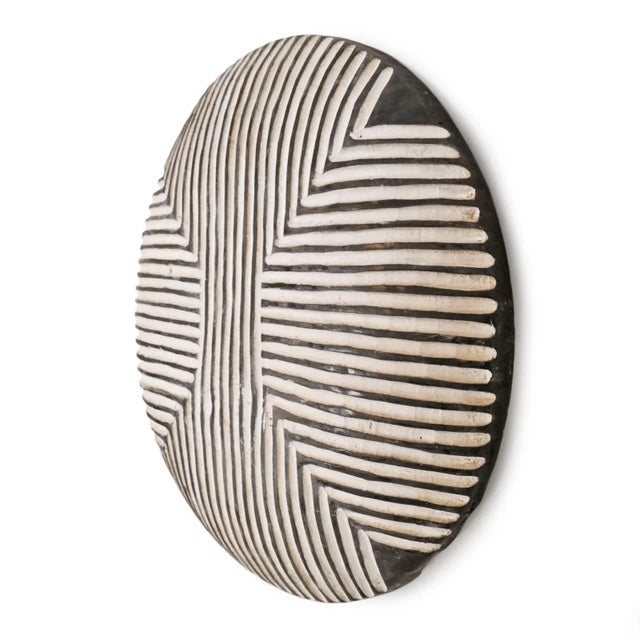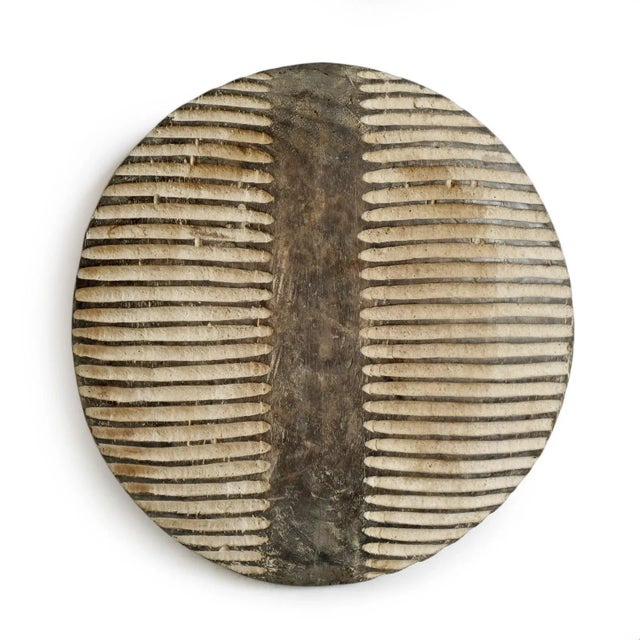
When you think of traditional Zulu shields, you might picture something simple – a curved wooden barrier used for defense. But beneath that surface lies centuries of history, symbolism, and cultural identity. These aren’t just tools of war – they’re living artifacts that tell stories of ancestors, spiritual beliefs, and community values. Every curve, every pattern, every color carries weight that extends far beyond physical protection.
In the rolling hills of KwaZulu-Natal, South Africa, there exists a tradition that spans generations – the crafting and use of traditional Zulu shields. These remarkable pieces aren’t merely defensive equipment; they represent the very essence of Zulu culture. To truly understand these shields is to understand the warrior spirit, the connection between the physical and spiritual worlds, and the intricate social fabric that binds communities together. When you hold a traditional Zulu shield, you’re holding a piece of history that continues to speak to modern audiences about identity, courage, and belonging. The story of these shields goes deeper than most people realize – it’s about how one object can embody an entire worldview.
Historical Origins and Evolution
The roots of Zulu shields stretch back hundreds of years, with their development tied directly to the rise of the Zulu kingdom under Shaka Zulu in the early 1800s. Before this period, warriors used simpler forms of protection, often made from animal hide or basic wood. However, Shaka revolutionized warfare and, by extension, shield design. He introduced the concept of the ‘isiYaji’ – a large, curved shield that could provide better coverage while maintaining mobility. This wasn’t just about military advantage; it was about creating a unified identity for the growing Zulu nation. The evolution of these shields reflects the changing needs of society, from individual survival to collective strength. Even today, many traditional shield makers still follow the fundamental principles established during this transformative period. The craftsmanship involved isn’t just technical skill – it’s about preserving cultural memory through each cut and curve.
Symbolism and Spiritual Meaning
Every aspect of a Zulu shield carries symbolic weight. The circular shape represents the cycle of life and death, the eternal nature of existence. The colors used – particularly red, black, and white – have specific meanings within Zulu cosmology. Red often symbolizes bravery and the blood shed in battle, while black represents the protective forces of the ancestors. White signifies purity and peace, often appearing in ceremonial contexts. Some shields feature intricate patterns that tell stories of specific battles, heroes, or family lineages. These aren’t random designs – they’re visual narratives that connect the wearer to their heritage. The spiritual dimension is crucial; many warriors believed their shields were extensions of their souls, capable of receiving divine guidance. During important ceremonies, the shield becomes a conduit between the earthly realm and ancestral wisdom. It’s not uncommon for elders to say that a well-crafted shield can "speak" to those who know how to listen.
Craftsmanship and Materials
Creating a traditional Zulu shield requires both skill and respect for ancient methods. The primary material is usually hardwood, typically from trees like the acacia or baobab, chosen not just for durability but for their spiritual properties. The wood must be seasoned properly, sometimes for months or even years, before construction begins. The process involves several stages: selecting the right tree, carving the base shape, adding decorative elements, and applying natural pigments. Many craftspeople work in isolation, dedicating months to a single shield. The tools themselves are often passed down through generations, some dating back centuries. Each craftsman brings their own interpretation to the traditional methods, yet they all adhere to core principles. There’s a saying among artisans that says "the shield is not made by the hands alone, but by the heart and spirit." The quality of materials affects not just function but also the shield’s spiritual power. Poorly made shields are considered ineffective, both physically and spiritually.
Social Functions and Community Roles
Zulu shields serve purposes beyond warfare. They’re central to coming-of-age ceremonies, where young men receive their first shield as a rite of passage. The ceremony itself is elaborate, involving the entire community in celebration and blessing. In many cases, the shield becomes a family heirloom, passed down through generations. The shield’s presence at weddings, funerals, and other significant events reinforces social bonds and cultural continuity. Certain shields are reserved for specific roles within the community – warriors, leaders, or spiritual figures. The act of presenting a shield to someone is more than gift-giving; it’s a declaration of trust and recognition of status. Some families have specific shields that are never used in combat but serve as symbols of their lineage and achievements. The social implications extend to gender roles too – while men typically carry shields, women may have their own protective symbols that honor different aspects of Zulu tradition.
Modern Relevance and Preservation Efforts
Today, traditional Zulu shields face challenges from modernization and globalization. Many young people are disconnected from these traditions, leading to concerns about cultural loss. However, there are passionate efforts to preserve and promote these practices. Museums across South Africa showcase collections that demonstrate the historical significance of these shields. Educational programs teach both the technical skills and cultural meaning behind their creation. Some contemporary artists incorporate traditional shield elements into modern art, bridging old and new. The government has recognized the importance of these cultural artifacts, providing support for preservation initiatives. There’s also a growing interest from international collectors and scholars, which brings both opportunities and risks. The challenge lies in maintaining authenticity while ensuring these traditions remain alive for future generations. Some communities have established workshops where visitors can learn about shield-making firsthand, creating a bridge between past and present.
Misconceptions and Cultural Respect
Many people misunderstand what traditional Zulu shields represent. Some view them simply as weapons or decorative items, missing the deeper cultural significance. Others assume all Zulu shields look identical, when in fact there are dozens of variations based on region, time period, and intended use. There’s also a common misconception that these objects are primitive or outdated. In reality, they represent sophisticated understanding of materials, engineering, and symbolism. The idea that these are merely ‘antique curiosities’ ignores their ongoing role in Zulu communities. Cultural appropriation is another concern – taking elements without understanding their meaning or context. The proper way to engage with these traditions is through respectful learning and collaboration with Zulu communities. Many artisans now work with museums and educational institutions to ensure accurate representation. Understanding the context behind each shield helps appreciate why certain designs and techniques persist through centuries.
Traditional Zulu shields offer us a window into a rich cultural world that’s often overlooked or misunderstood. They’re more than functional objects – they’re repositories of knowledge, identity, and spiritual belief. Through their study, we gain insight into how communities maintain continuity while adapting to change. The lessons learned from these shields extend beyond South Africa’s borders, offering universal truths about human connection to heritage, courage, and community. Whether you’re a scholar, artist, or simply curious observer, these shields remind us that objects can carry profound meaning. Their continued relevance shows that authentic cultural traditions have lasting power. As we move forward, preserving these connections becomes our responsibility. The next time you encounter a Zulu shield, remember that you’re looking at something much deeper than it appears on the surface. It’s a conversation between past and present, between individual and community, between the seen and unseen aspects of human experience.
[sps_html tag=”img” src=”https://cdn.theartssection.com/wp-content/uploads/2025/11/round-zulu-black-white-shield-for-sale-at-pamono-within-consigned-vintage-round-zulu-shield-2.jpg” alt=”Round Zulu Black & White Shield For Sale At Pamono within Consigned Vintage Round Zulu Shield 2″ style=”width: 100%; height: auto;”]
[sps_html tag=”img” src=”https://cdn.theartssection.com/wp-content/uploads/2025/11/vintage-zulu-round-shield-chairish-in-preserving-history-through-consigned-vintage-round-zulu-shield-2.jpg” alt=”Vintage Zulu Round Shield | Chairish in Preserving History Through Consigned Vintage Round Zulu Shield 2″ style=”width: 100%; height: auto;”]
[sps_html tag=”img” src=”https://cdn.theartssection.com/wp-content/uploads/2025/11/consigned-sifiso-zulu-round-shield-southwestern-wall-accents-by-with-regard-to-consigned-vintage-round-zulu-shield-2.jpg” alt=”Consigned Sifiso Zulu Round Shield - Southwestern - Wall Accents - By … with regard to Consigned Vintage Round Zulu Shield 2″ style=”width: 100%; height: auto;”]
[sps_html tag=”img” src=”https://cdn.theartssection.com/wp-content/uploads/2025/11/vintage-round-zulu-shield-chairish-inside-preserving-history-through-consigned-vintage-round-zulu-shield-2-1.jpg” alt=”Vintage Round Zulu Shield | Chairish inside Preserving History Through Consigned Vintage Round Zulu Shield 2″ style=”width: 100%; height: auto;”]
[sps_html tag=”img” src=”https://cdn.theartssection.com/wp-content/uploads/2025/11/vintage-round-zulu-shield-chairish-inside-preserving-history-through-consigned-vintage-round-zulu-shield-2.jpg” alt=”Vintage Round Zulu Shield | Chairish inside Preserving History Through Consigned Vintage Round Zulu Shield 2″ style=”width: 100%; height: auto;”]