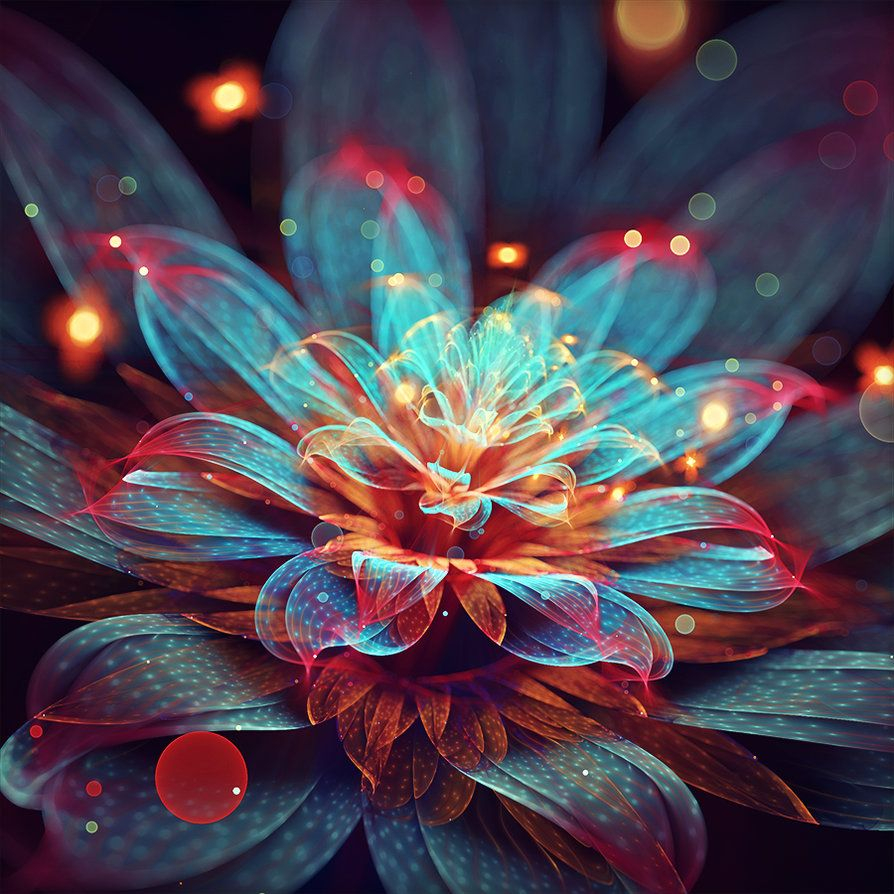
Have you ever watched smoke curl and dance through the air, mesmerized by its organic complexity? What if I told you that behind those swirling patterns lies the elegant mathematics of fractals? This isn’t just artistic expression – it’s a beautiful intersection of science, nature, and human creativity. Smoke artistry, when done with understanding of fractal principles, transforms simple vapor into breathtaking visual poetry.
Smoke artistry has captivated audiences for decades, but few realize the deep mathematical foundation that makes these displays possible. When smoke rises and forms those intricate, self-similar patterns, it’s following rules that mathematicians have been studying for generations. These aren’t random movements – they’re governed by complex systems that repeat at different scales, creating what we call fractal patterns. Think of it like looking at a coastline from space versus standing right next to it. The shape looks remarkably similar no matter what scale you observe it. That’s fractal geometry in action, and it’s exactly what happens when smoke particles interact with air currents and temperature changes.
What Makes Smoke a Fractal Medium?
Smoke behaves like a fractal because of how its particles move and interact with their environment. Unlike solid objects that follow predictable paths, smoke particles are constantly influenced by tiny air movements, temperature differences, and pressure changes. Each small swirl contains smaller swirls within it, creating infinite complexity. The particles themselves might be tiny, but the overall pattern they form follows mathematical rules that repeat across scales. This is what makes smoke art so dynamic and visually stunning. It’s not just about the smoke itself – it’s about the relationship between the smoke and the invisible forces around it. The fractal nature means that even with simple initial conditions, the outcomes become infinitely varied. A single puff of smoke can create thousands of unique patterns depending on environmental factors. Scientists study this behavior because it mirrors how many natural phenomena work – from cloud formations to river deltas to mountain ranges. You could say smoke art is nature’s way of demonstrating mathematics in motion.
The Physics Behind Smoke Movement
The movement of smoke involves several physical principles working together. Buoyancy causes hot smoke to rise while cooler air flows in underneath, creating convection currents. These currents don’t move in straight lines – they twist and turn, forming the characteristic spiral patterns we see. Temperature gradients play a huge role too. As smoke cools, it becomes denser and falls, creating a complex dance of rising and falling air. The viscosity of the air also affects how smoke spreads and mixes. Understanding these forces helps artists predict and manipulate patterns. For instance, a slight change in room temperature can completely alter how smoke flows. This is why experienced artists often work in controlled environments. They know that humidity levels, air pressure, and even the time of day can affect their creations. The physics is fascinating because it shows how simple principles create incredibly complex behaviors. It’s almost like watching a living system respond to its environment.
Fractal Geometry in Action
Fractal geometry explains why smoke patterns look so similar at different scales. When you examine a large smoke formation, you’ll notice smaller versions of the same shapes appearing throughout. This self-similarity is the hallmark of fractals. It’s not just aesthetically pleasing – it’s scientifically significant. The mathematical equations describing fractals show us how small changes in initial conditions can lead to vastly different outcomes. This is what makes smoke art both predictable and surprising. Artists can learn to guide the fractal patterns to some degree, but there’s always an element of unpredictability that keeps things interesting. Real-world examples include the branching patterns of trees, the jagged edges of coastlines, and even the structure of lungs. Smoke art brings these natural fractals into human-made spaces. The beauty lies in recognizing these universal patterns in something as ephemeral as vapor. When you watch a smoke ring form and expand, you’re witnessing a mathematical principle made visible.
Techniques for Creating Fractal Patterns
Creating intentional fractal smoke patterns requires practice and understanding of basic principles. One popular method uses multiple smoke sources at different heights and angles. This creates interference patterns that naturally form fractal structures. The timing of releases matters enormously – a quick burst followed by a slower release can create different effects. Some artists use specialized equipment like smoke machines with variable flow rates and temperature controls. Others rely on traditional methods like incense or candles, but with careful positioning and environmental control. The key is understanding that fractals develop over time. You can’t rush them – they need space to evolve. Many practitioners spend hours observing patterns before attempting to influence them. The most successful artists develop an intuitive sense of how to manipulate variables like airflow, temperature, and timing. They learn to read the patterns as they form, adjusting their approach accordingly. It’s almost like conducting an orchestra where each element plays its part in creating the final composition.
The Role of Environmental Factors
Everything around smoke art affects the final result. Air currents, whether from fans, open windows, or natural drafts, dramatically change how patterns form. Humidity levels impact particle size and how quickly smoke dissipates. Even the smallest temperature variations can shift the entire character of the display. Some artists prefer quiet, controlled environments where they can predict and reproduce results. Others embrace the challenge of working with unpredictable conditions. The beauty of fractal smoke art is that even imperfect conditions can create stunning results. Nature itself provides endless variation – wind patterns, atmospheric pressure changes, and thermal layers all contribute to the final artwork. Professional artists often monitor weather conditions and adjust their techniques accordingly. They understand that the environment isn’t just background noise – it’s an active participant in the creative process. The challenge is learning to work WITH the environment rather than against it.
Applications Beyond Artistic Expression
The principles behind fractal smoke art extend far beyond galleries and performances. Scientists use similar concepts to study fluid dynamics and turbulence. Engineers apply fractal thinking to optimize airflow in buildings and aircraft design. Medical researchers study smoke patterns to understand respiratory systems and drug delivery. Even computer scientists find inspiration in how smoke creates complex patterns from simple rules. The mathematical relationships involved have applications in everything from weather prediction to financial modeling. This demonstrates how artistic exploration can lead to scientific breakthroughs. The same patterns that make smoke art beautiful also help us understand how complex systems work in nature. It’s remarkable how something as simple as smoke can reveal such deep truths about our universe. Researchers continue to discover new connections between fractal patterns and various fields of study. The interdisciplinary nature of this field makes it particularly exciting for those interested in both art and science.
Fractal smoke texture artistry represents more than just a pretty display – it’s a window into the mathematical beauty that governs our world. Whether you’re watching a performance or creating your own patterns, you’re witnessing the same principles that shape mountains, rivers, and even your own breathing. The interplay between physics, mathematics, and creativity creates something truly special. There’s something deeply satisfying about understanding that the swirling patterns in smoke follow the same rules as galaxies and lightning storms. This connection reminds us that art and science aren’t separate domains – they’re two ways of seeing the same underlying truth. The next time you see smoke curling in the air, take a moment to appreciate not just its beauty, but the elegant mathematics behind it. After all, we’re all made of the same fundamental building blocks, and understanding one aspect of that complexity helps us appreciate all of it. The art of fractal smoke continues to evolve, offering new insights and inspiration for everyone who encounters it.
[sps_html tag=”img” src=”https://cdn.theartssection.com/wp-content/uploads/2025/11/blooming-flame-fractal-art-by-fractist-on-deviantart-with-mastering-the-technique-of-creating-fractal-smoke-texture-in-digital-abstract-art-for-canvas-printing.jpg” alt=”Blooming Flame - Fractal Art By Fractist On Deviantart with Mastering the Technique of Creating Fractal Smoke Texture in Digital Abstract Art for Canvas Printing” style=”width: 100%; height: auto;”]
[sps_html tag=”img” src=”https://cdn.theartssection.com/wp-content/uploads/2025/11/abstract-oil-paint-texture-on-canvas-background-artistic-background-with-mastering-the-technique-of-creating-fractal-smoke-texture-in-digital-abstract-art-for-canvas-printing-scaled.jpg” alt=”Abstract Oil Paint Texture On Canvas, Background . Artistic Background … with Mastering the Technique of Creating Fractal Smoke Texture in Digital Abstract Art for Canvas Printing” style=”width: 100%; height: auto;”]
[sps_html tag=”img” src=”https://cdn.theartssection.com/wp-content/uploads/2025/11/beginner-abstract-art-textured-painting-tutorial-throughout-mastering-the-technique-of-creating-fractal-smoke-texture-in-digital-abstract-art-for-canvas-printing.jpg” alt=”Beginner Abstract Art: Textured Painting Tutorial throughout Mastering the Technique of Creating Fractal Smoke Texture in Digital Abstract Art for Canvas Printing” style=”width: 100%; height: auto;”]
[sps_html tag=”img” src=”https://cdn.theartssection.com/wp-content/uploads/2025/11/artistic-backgrounds-paint-intended-for-mastering-the-technique-of-creating-fractal-smoke-texture-in-digital-abstract-art-for-canvas-printing-scaled.jpg” alt=”Artistic Backgrounds Paint intended for Mastering the Technique of Creating Fractal Smoke Texture in Digital Abstract Art for Canvas Printing” style=”width: 100%; height: auto;”]
[sps_html tag=”img” src=”https://cdn.theartssection.com/wp-content/uploads/2025/11/custom-art-canvas-printing-singapore-art-photo-printing-within-mastering-the-technique-of-creating-fractal-smoke-texture-in-digital-abstract-art-for-canvas-printing.jpg” alt=”Custom Art Canvas Printing | Singapore Art & Photo Printing within Mastering the Technique of Creating Fractal Smoke Texture in Digital Abstract Art for Canvas Printing” style=”width: 100%; height: auto;”]