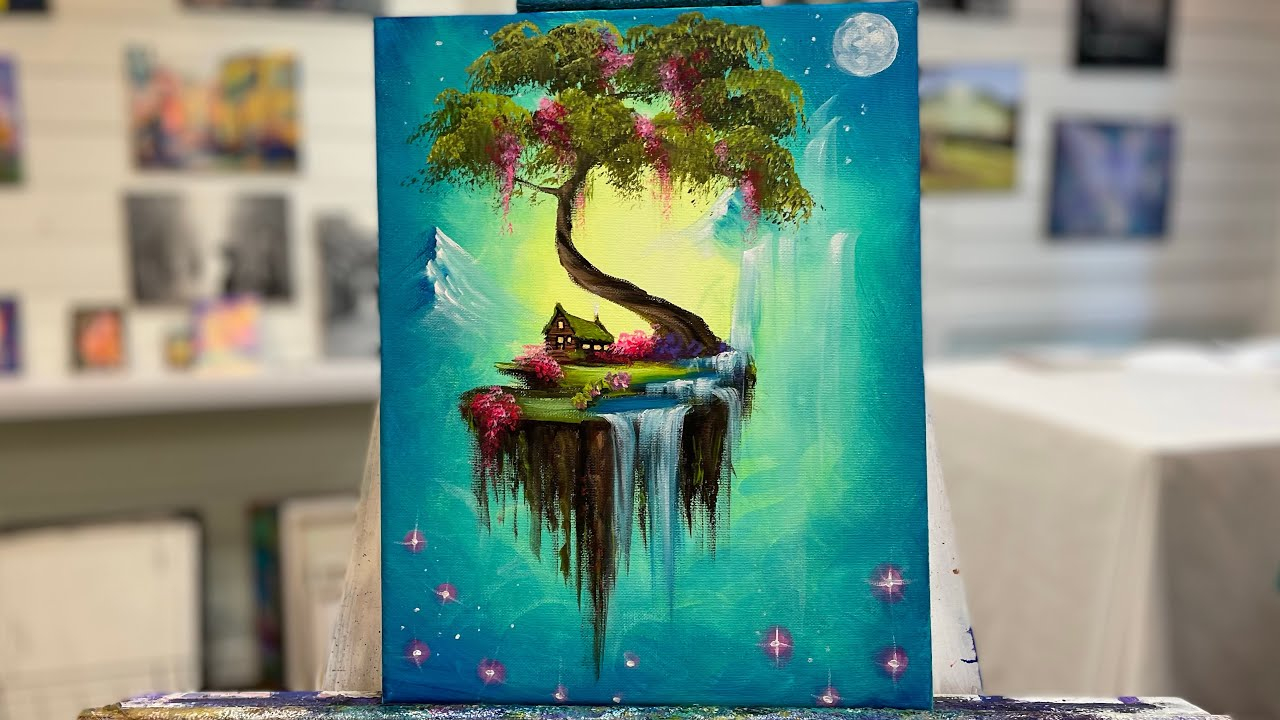
There’s something magical about watching colors shift and dance across a canvas, especially when those colors tell the story of changing seasons. Floating acrylic art has emerged as a powerful medium that captures not just the visual beauty of nature’s transitions, but the deep emotional resonance that comes with each passing season.
Imagine standing in a garden where the air hums with the promise of spring, or feeling the crisp bite of autumn wind against your face. These fleeting moments become permanent memories through the magic of floating acrylic art. This unique form of artistic expression doesn’t merely depict seasonal change – it embodies it, allowing viewers to experience the full spectrum of nature’s annual rhythm. Whether you’re a seasoned art lover or someone who simply appreciates the subtle beauty of shifting weather patterns, floating acrylic pieces offer a window into the profound connection between our environment and our emotions.
What Makes Floating Acrylics Different
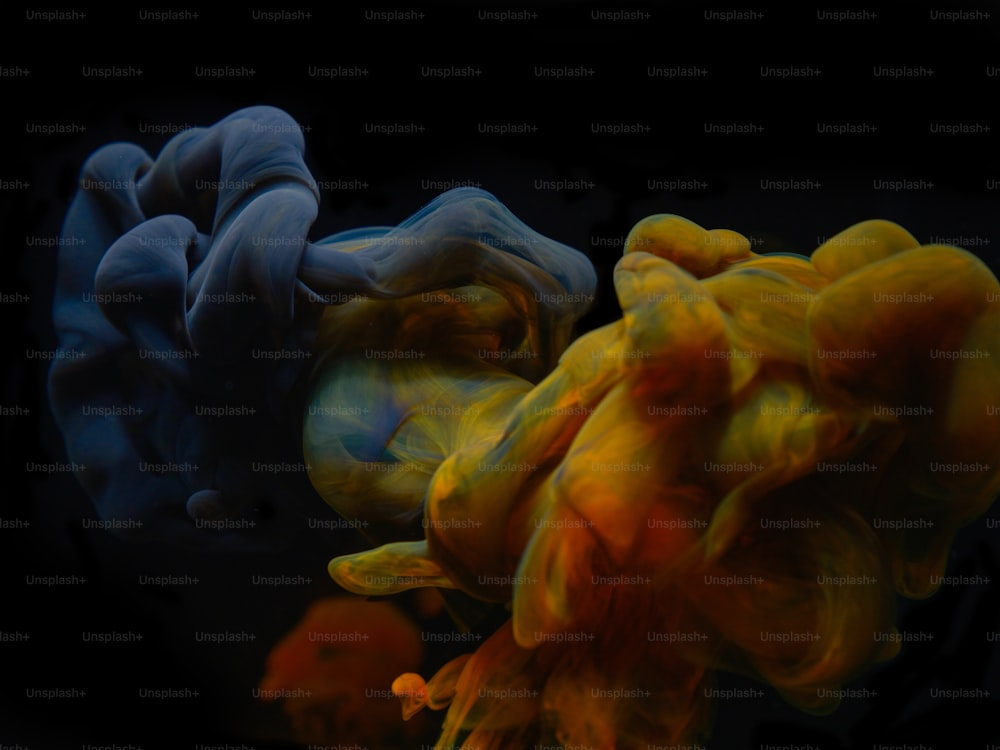
Floating acrylic art stands apart from traditional paintings because of its distinctive layering technique. Unlike conventional paintings where colors sit flat on the surface, floating acrylics use specialized mediums that allow pigments to appear as if they’re suspended in mid-air. This creates a three-dimensional quality that mirrors how we actually perceive seasonal changes – not as static images, but as dynamic processes happening around us.
The secret lies in the medium itself. Artists use acrylic polymers mixed with special additives that create a gel-like consistency. When applied to canvas, these substances allow colors to blend naturally while maintaining their individual vibrancy. It’s like watching paint dry, but with intention and purpose. The result? A painting that seems to pulse with life, much like the earth itself during seasonal transformations.
Seasonal Color Psychology in Action
Colors don’t just please our eyes – they speak directly to our souls. Each season brings its own emotional palette, and floating acrylic artists have mastered the art of translating these feelings into visual language.
Spring’s emergence is captured through delicate pastels that seem to float upward like new growth breaking through soil. Think soft greens that shimmer with hope, gentle pinks that suggest renewal, and yellows that radiate warmth after winter’s long slumber. These colors don’t merely represent spring – they embody its essence, creating an almost tangible sense of rebirth.
Summer’s boldness appears in floating acrylics through saturated blues and vibrant oranges that seem to leap off the canvas. The technique allows artists to create depth that mirrors the clarity and intensity of summer days, with colors that feel alive and energized.
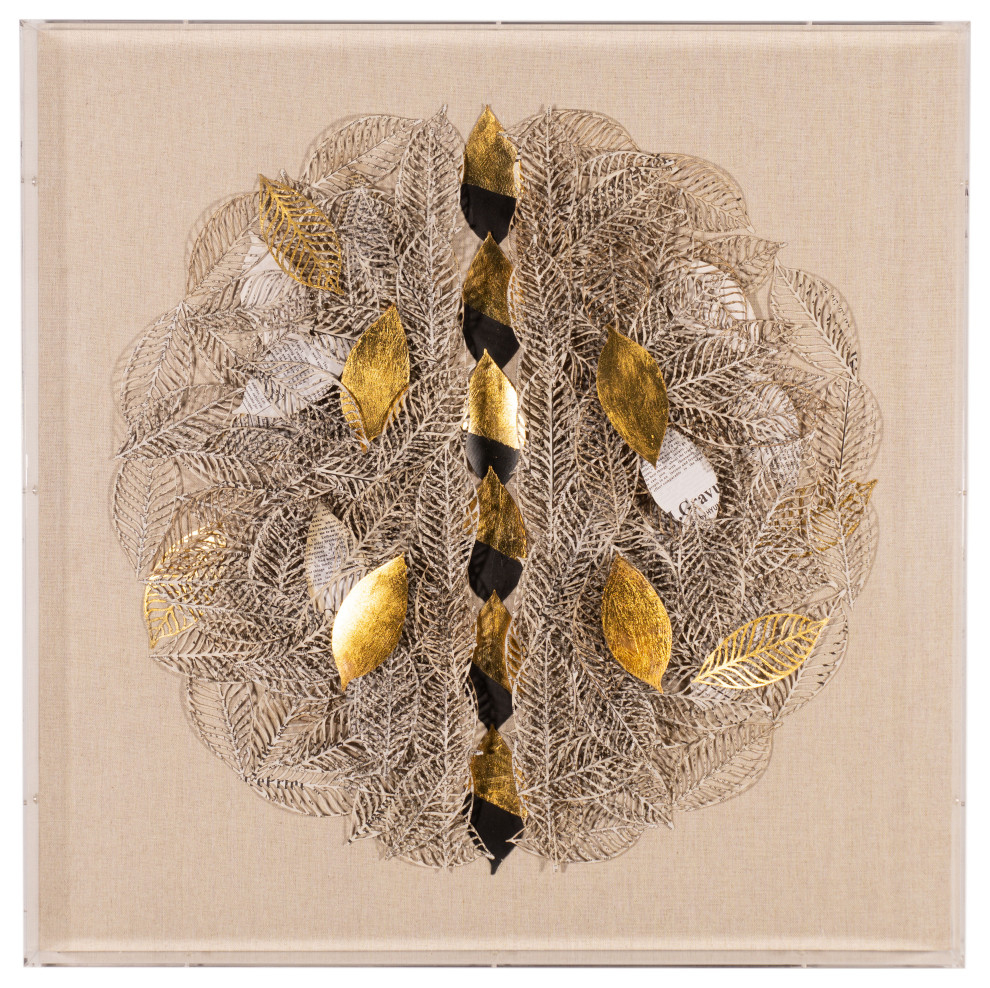
Autumn’s richness comes through in layered amber tones that appear to float and settle like leaves drifting to the ground. These pieces often show the interplay between warm and cool tones, creating a sense of transition that perfectly captures the melancholy beauty of falling leaves.
Winter’s stark simplicity is rendered through clean whites and deep blues that float with quiet elegance. The technique allows artists to create contrast that speaks to the stillness and clarity of snow-covered landscapes, making even the coldest season feel emotionally resonant.
The Science Behind the Technique
Creating floating acrylic art isn’t just about artistic vision – it requires understanding of materials science and chemistry. The key ingredient is the use of specialized acrylic mediums that modify the paint’s viscosity and drying properties.
These mediums contain polymers that create a gelatinous texture, allowing artists to manipulate color flow in ways impossible with standard acrylics. The result is a surface that feels almost liquid, yet maintains structure and definition. This property enables artists to create the illusion of floating elements within their compositions.
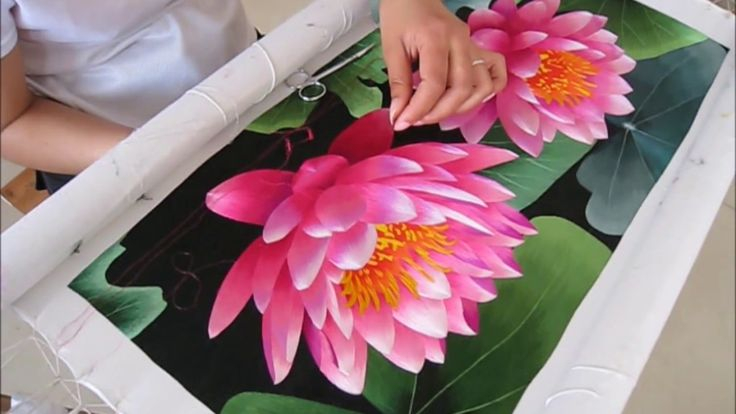
The process involves multiple layers of carefully timed applications. Artists must consider how different pigments will interact as they dry, ensuring that each color maintains its integrity while contributing to the overall floating effect. It’s a delicate balance that requires both technical skill and artistic intuition.
Temperature and humidity also play crucial roles. Artists often adjust their techniques based on environmental conditions, understanding that these factors can dramatically affect how colors behave and interact on the canvas.
Capturing the Transient Nature of Seasons
One of the most remarkable aspects of floating acrylic art is its ability to capture moments that last only a few weeks or months. A single piece might represent the brief flowering of cherry blossoms, the sudden arrival of migrating birds, or the exact moment when leaves begin to change color.
This temporal quality makes the art deeply personal and emotionally resonant. Viewers often find themselves drawn back to the same piece repeatedly, noticing new details with each viewing. The floating effect adds another dimension to this experience, as if the artwork is breathing and evolving with the seasons it represents.
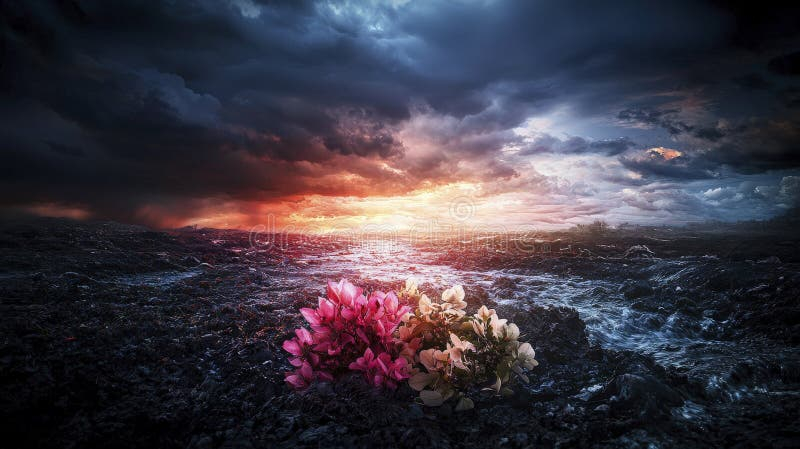
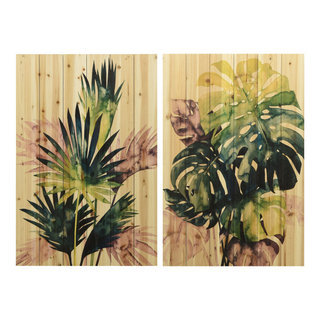
Consider a piece showing early summer flowers – the way the yellow petals seem to float above the green background mirrors how we remember that first glimpse of blooming plants after a long winter. The technique captures not just the visual beauty, but the anticipation and joy that accompany seasonal returns.
Artists Who Master This Technique
Several contemporary artists have made floating acrylics their signature style, each bringing unique perspectives to seasonal themes. Some focus on the dramatic transformations of landscapes, while others concentrate on the subtle shifts in light and atmosphere.
Among the pioneers is Maria Santos, whose work has been featured in galleries across Europe and North America. Her floating autumn series captures the precise moment when trees begin their transformation, using layers of amber and gold that seem to shimmer with the changing light. She describes her process as being ‘in conversation with nature’ rather than simply depicting it.
Another notable artist is James Chen, who specializes in spring scenes. His floating watercolor-acrylic hybrids create a dreamlike quality that perfectly captures the ethereal nature of new growth. His work demonstrates how the technique can be adapted to various artistic styles while maintaining its core characteristics.
Many emerging artists are discovering that floating acrylics offer a unique way to express their relationship with the natural world, particularly in our current climate-conscious era.
Practical Applications and Benefits
Beyond their aesthetic appeal, floating acrylic artworks offer several practical advantages. The technique’s durability means these pieces can withstand normal environmental conditions without fading or deteriorating significantly. This makes them ideal for both residential and commercial spaces where longevity matters.
The versatility of the medium also allows for large-scale installations that can transform entire rooms. In corporate settings, floating acrylic pieces representing seasonal themes can help employees connect with natural rhythms while providing visual interest. Many wellness centers use these artworks to create calming environments that reflect seasonal changes.
For collectors, floating acrylics offer excellent investment potential. Their unique qualities and limited production numbers make them attractive to serious art enthusiasts. The technique’s relative novelty also means there’s still room for discovery and appreciation of new artists working in this field.
The medium’s adaptability extends to digital applications as well. Some artists now combine traditional floating acrylic techniques with digital enhancements, creating hybrid works that bridge physical and virtual art worlds.
Floating acrylic art represents more than just a new painting technique – it’s a profound way of connecting with the natural world’s most intimate rhythms. Through careful attention to color, texture, and timing, artists using this method create works that don’t simply show seasonal change, but embody it. Each piece becomes a meditation on time, transformation, and the beautiful impermanence of natural cycles.
Whether you’re considering purchasing a floating acrylic piece for your home, exploring this technique yourself, or simply appreciating the artistry involved, there’s something deeply satisfying about how these works capture not just what we see in nature, but what we feel when seasons shift. They remind us that beauty often lies not in permanence, but in the graceful dance of change itself. The next time you see a floating acrylic piece, take a moment to appreciate how it holds a season in its very essence.
[sps_html tag=”img” src=”https://cdn.theartssection.com/wp-content/uploads/2025/10/how-to-make-a-floating-acrylic-frame-youtube-pertaining-to-how-floating-acrylic-techniques-bring-seasonal-stories-to-life.jpg” alt=”How To Make A Floating Acrylic Frame - Youtube pertaining to How Floating Acrylic Techniques Bring Seasonal Stories to Life” style=”width: 100%; height: auto;”]
[sps_html tag=”img” src=”https://cdn.theartssection.com/wp-content/uploads/2025/10/209-fire-ice-floating-bloom-acrylic-pour-painting-abstract-within-how-floating-acrylic-techniques-bring-seasonal-stories-to-life.jpg” alt=”#209 Fire & Ice Floating Bloom | Acrylic Pour Painting | Abstract … within How Floating Acrylic Techniques Bring Seasonal Stories to Life” style=”width: 100%; height: auto;”]
[sps_html tag=”img” src=”https://cdn.theartssection.com/wp-content/uploads/2025/10/216-dark-dramatic-floating-bloom-acrylic-pour-painting-abstract-throughout-how-floating-acrylic-techniques-bring-seasonal-stories-to-life.jpg” alt=”#216 Dark & Dramatic Floating Bloom | Acrylic Pour Painting | Abstract … throughout How Floating Acrylic Techniques Bring Seasonal Stories to Life” style=”width: 100%; height: auto;”]
[sps_html tag=”img” src=”https://cdn.theartssection.com/wp-content/uploads/2025/10/how-to-paint-a-floating-world-step-by-step-acrylic-painting-tutorial-throughout-autumn-vibes-floating-acrylic-art-by-apricot-and-birch-assorted.jpg” alt=”How To Paint A Floating World | Step By Step Acrylic Painting Tutorial … throughout Autumn Vibes Floating Acrylic Art By Apricot And Birch, Assorted” style=”width: 100%; height: auto;”]
[sps_html tag=”img” src=”https://cdn.theartssection.com/wp-content/uploads/2025/10/how-to-paint-floating-islands-acrylic-painting-timelapse-demo-f09f8ea8-youtube-in-autumn-vibes-floating-acrylic-art-by-apricot-and-birch-assorted.jpg” alt=”How To Paint Floating Islands | Acrylic Painting Timelapse Demo 🎨 - Youtube in Autumn Vibes Floating Acrylic Art By Apricot And Birch, Assorted” style=”width: 100%; height: auto;”]