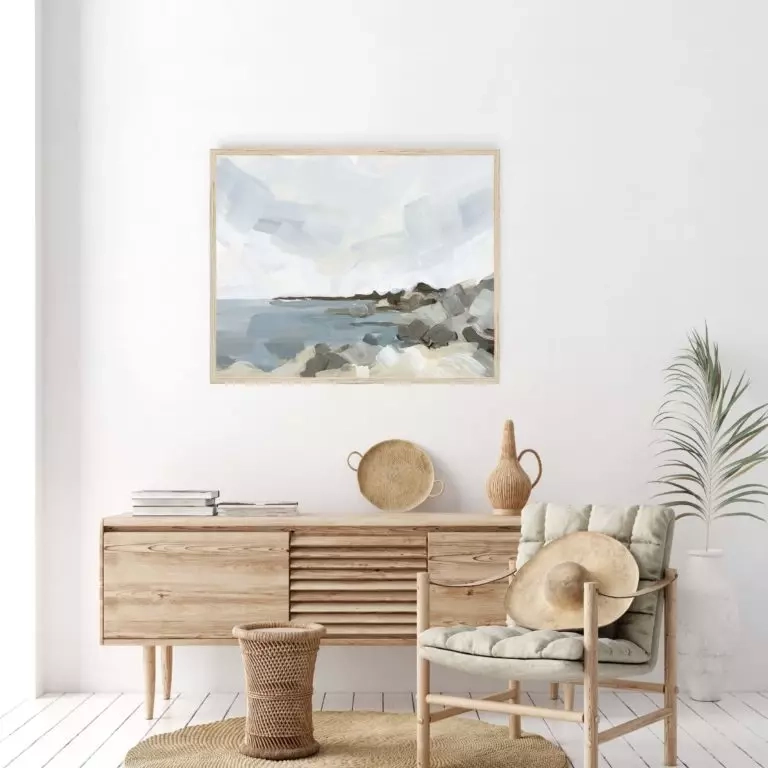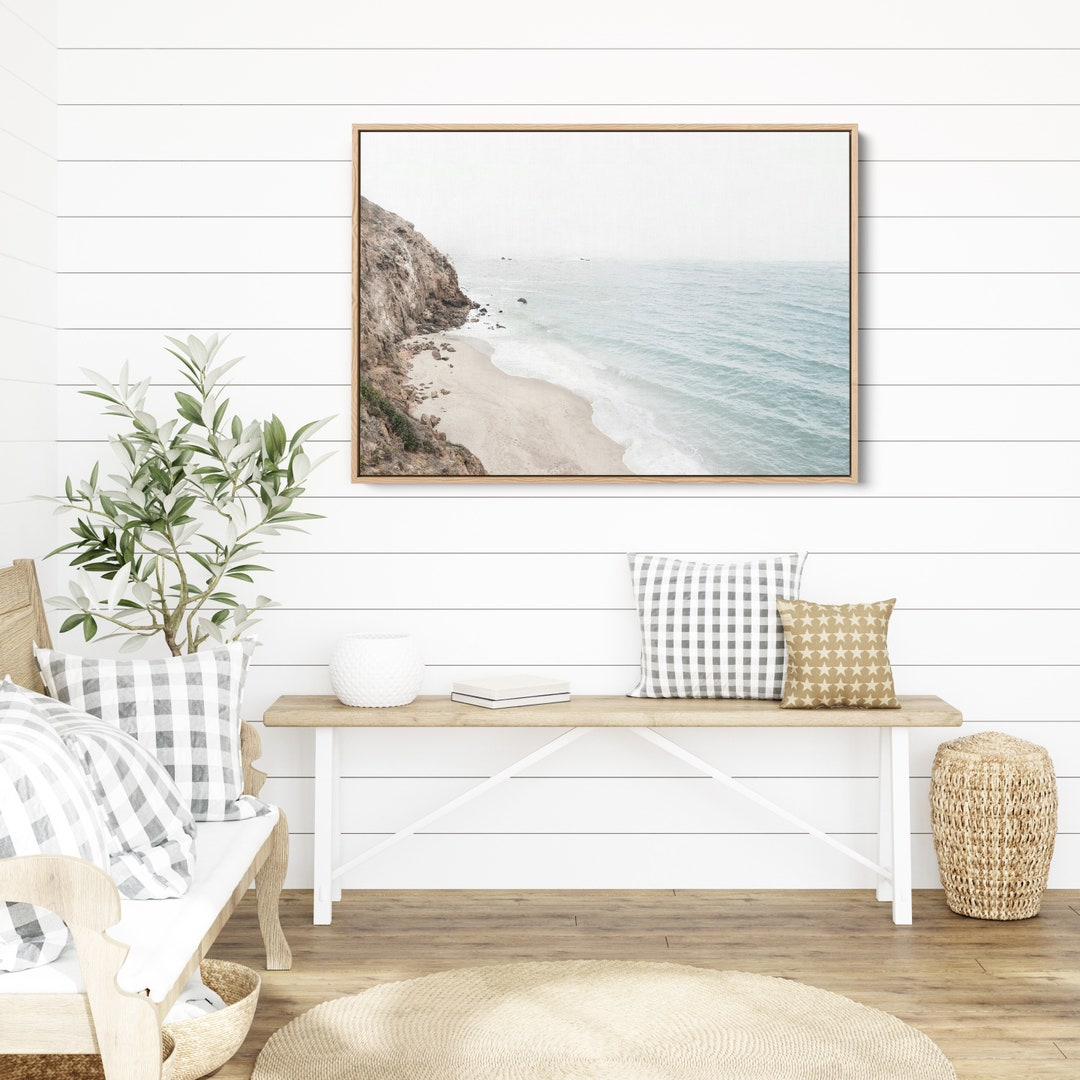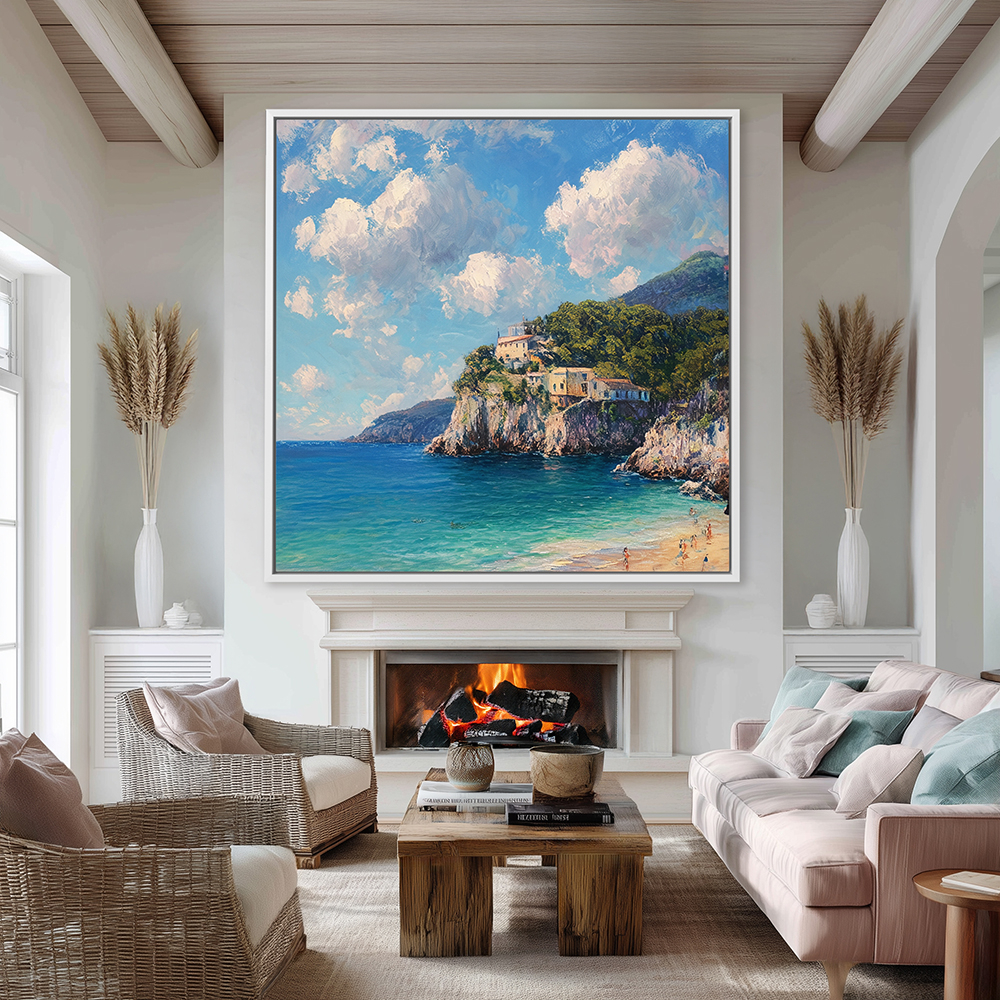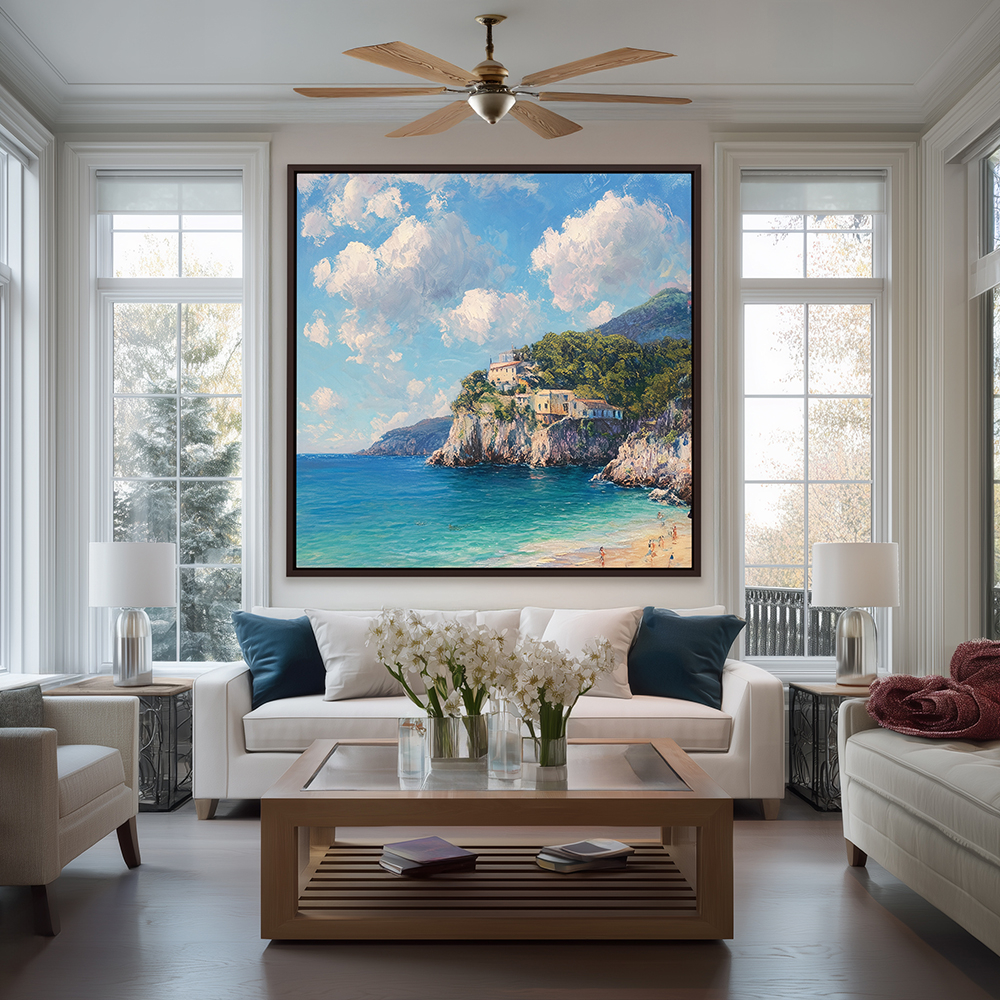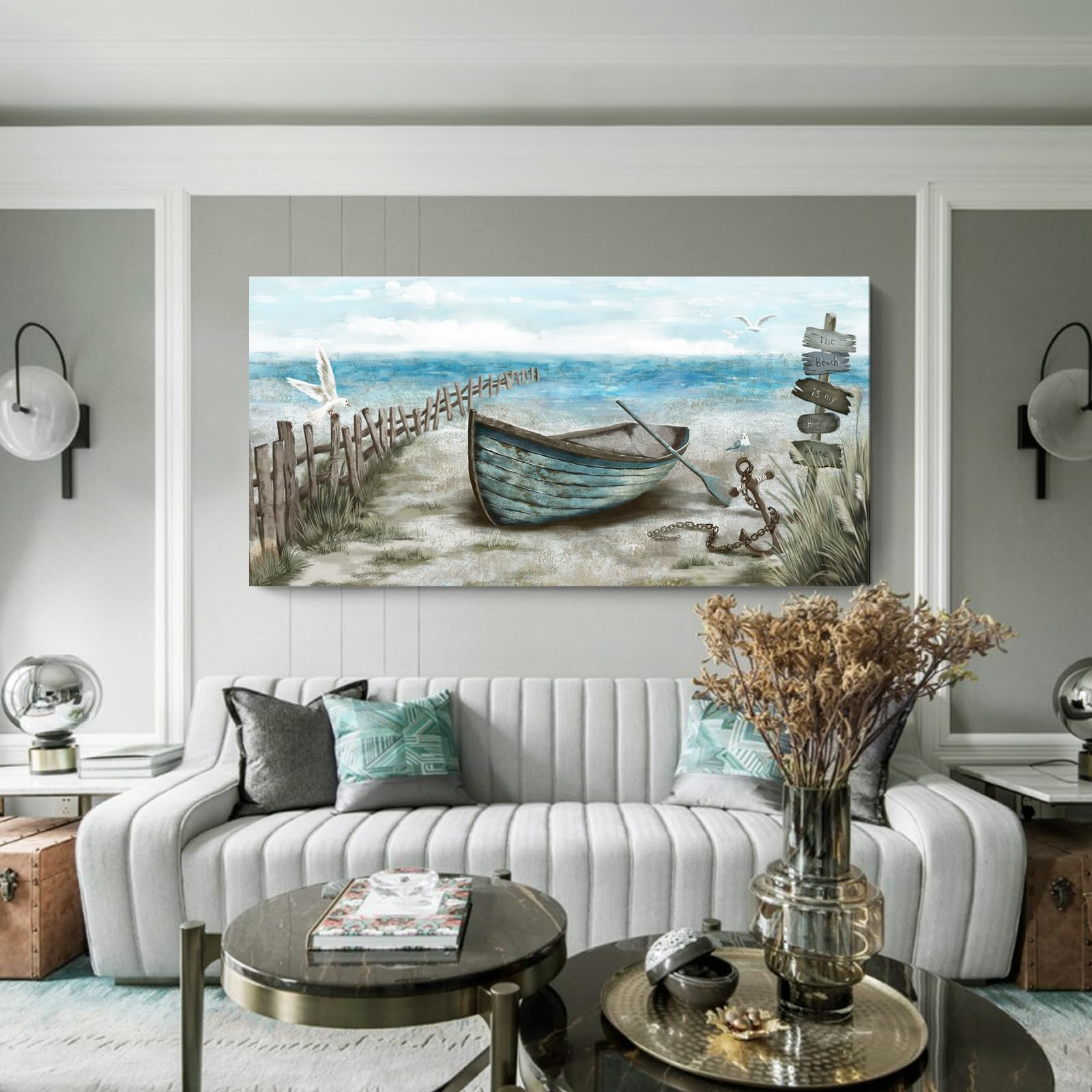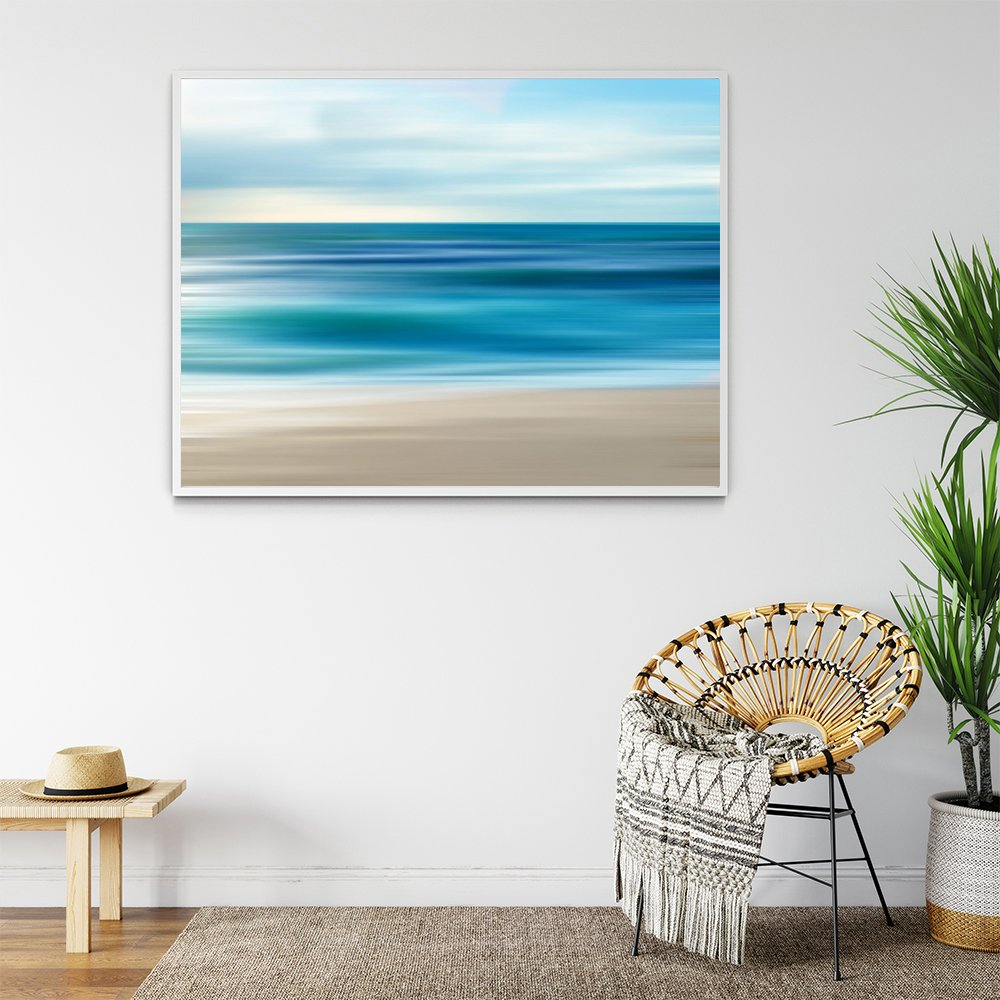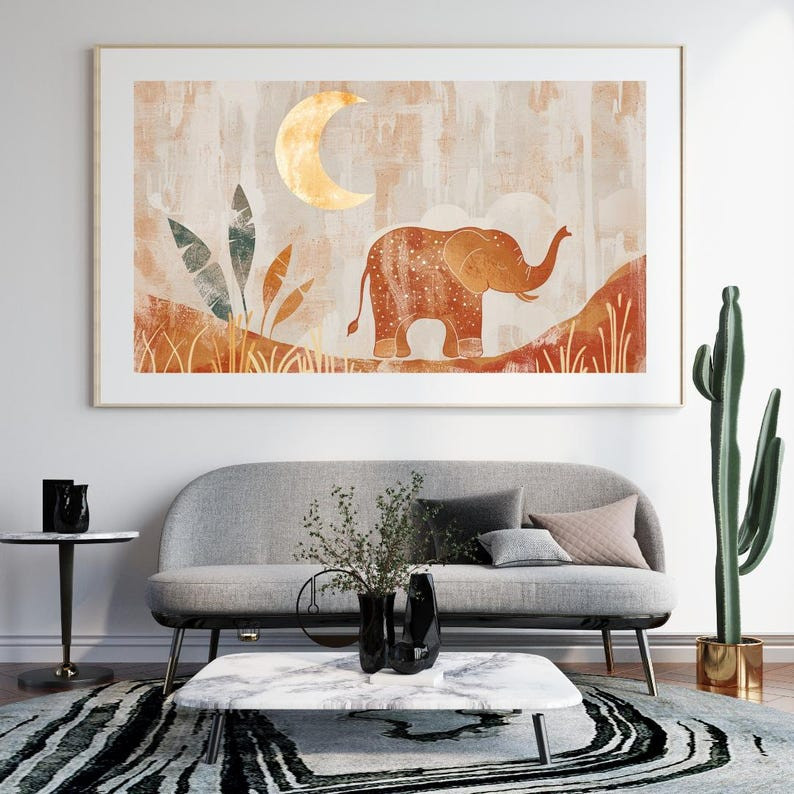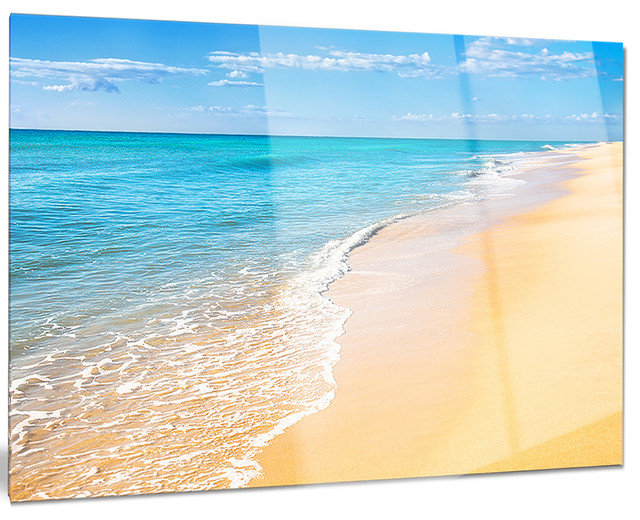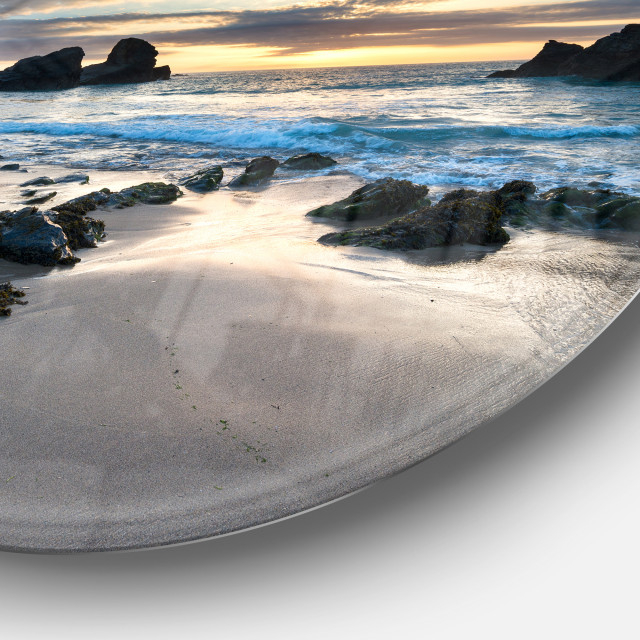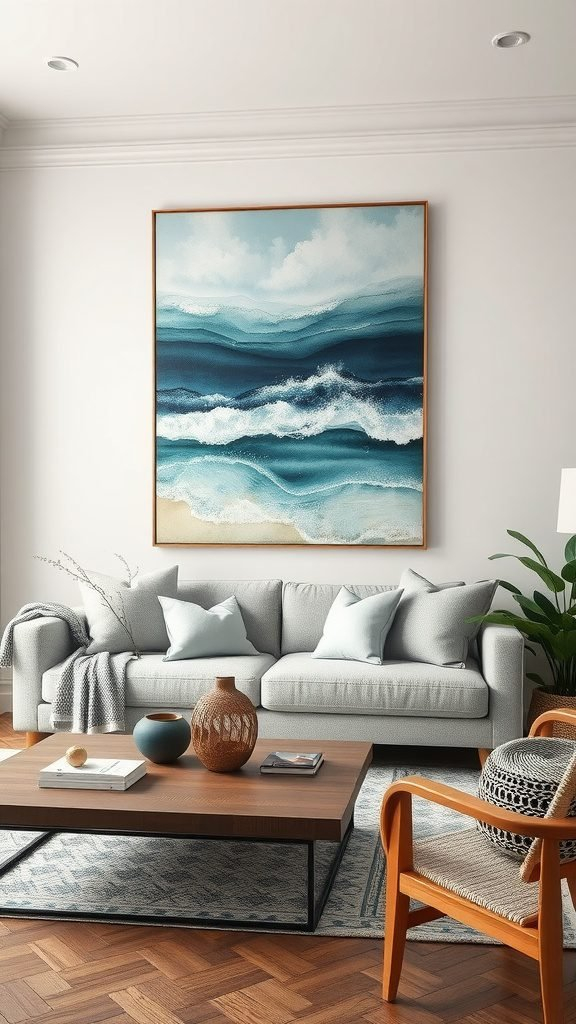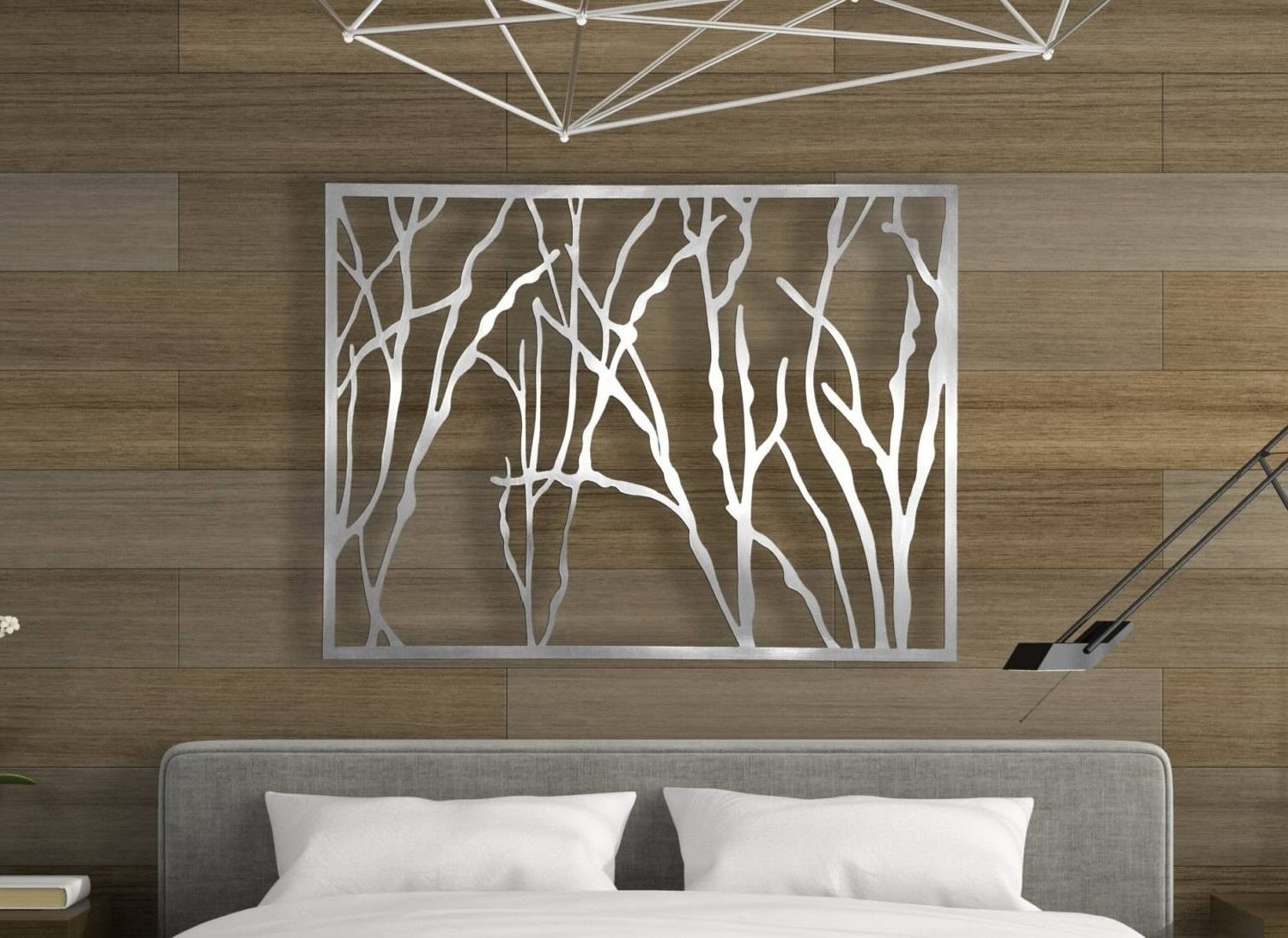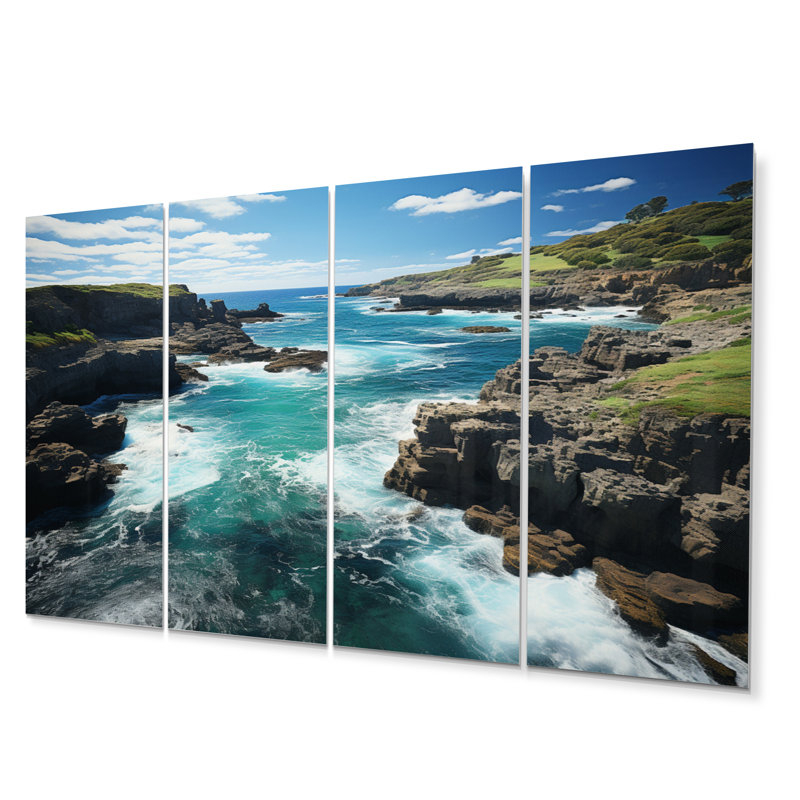
Look around your living room. What do you see. If your home is anything like the typical modern space, you are likely surrounded by rectangles. The boxy sofa, the sharp-edged coffee table, the grid of windows, and the square TV. For years, interior design has been obsessed with these clean, rigid lines. It felt sleek, but lately, it also feels a little cold.
But a shift is happening right now in 2026. Walk into any freshly styled home today, and you will notice that the sharp edges are disappearing. A massive wave of contemporary abstraction and circular geometry is taking over modern home decor, and honestly, it feels like a breath of fresh air. People are trading the strict rules of perfect lines for something much softer, warmer, and a whole lot more human.
The Psychological Power of the Orb
Why are we suddenly obsessed with the circle? Geometrically speaking, circles hold a unique kind of power in our minds. Unlike a square or a triangle, which have sharp corners that signal boundaries and caution to our brains, a round shape feels safe. It symbolizes unity, eternity, and a sense of universal balance that ancient mandala makers understood centuries ago.
In a world that feels increasingly fast and stressful, coming home to soft shapes feels like a giant hug. Textural circles, layered dimensional art, and abstract round canvas layouts are booming because they bring emotional warmth. They break the harshness of standard room geometry, making small rooms feel larger and big rooms feel infinitely more inviting.
Soft Geometry and Retro Warmth
This movement is not entirely brand new, but rather a beautiful evolution of mid-century soft geometry. Back in the day, post-war designers loved overlapping circles, gentle arcs, and rounded rectangles. They paired these mathematical yet soft shapes with earthy color palettes to evoke a sense of optimism.
Today, we are seeing that retro warmth come back with a very modern twist. Contemporary artists are playing with these same concepts but using updated color stories—think rich ochres, deep terracottas, and muted sages. It is a nod to the past that fits perfectly into the minimal, clean spaces of 2026, giving us the perfect mix of order and comfort.
Geometric Abstraction in 2026 Interiors
So, what does this actually look like on your walls? Geometric abstraction art is completely reshaping how we think about gallery spaces. Instead of traditional landscapes or portraits, homeowners are choosing pieces that focus on the interaction of pure shapes and tones.
The beauty of abstract geometric art is that it leaves room for interpretation. A simple print featuring a large orb overlapping a few earth-toned blocks can anchor an entire room. It acts as a focal point that brings precision and structure to a space without making it feel cluttered or busy.
Layered Textures and Three-Dimensional Orbs
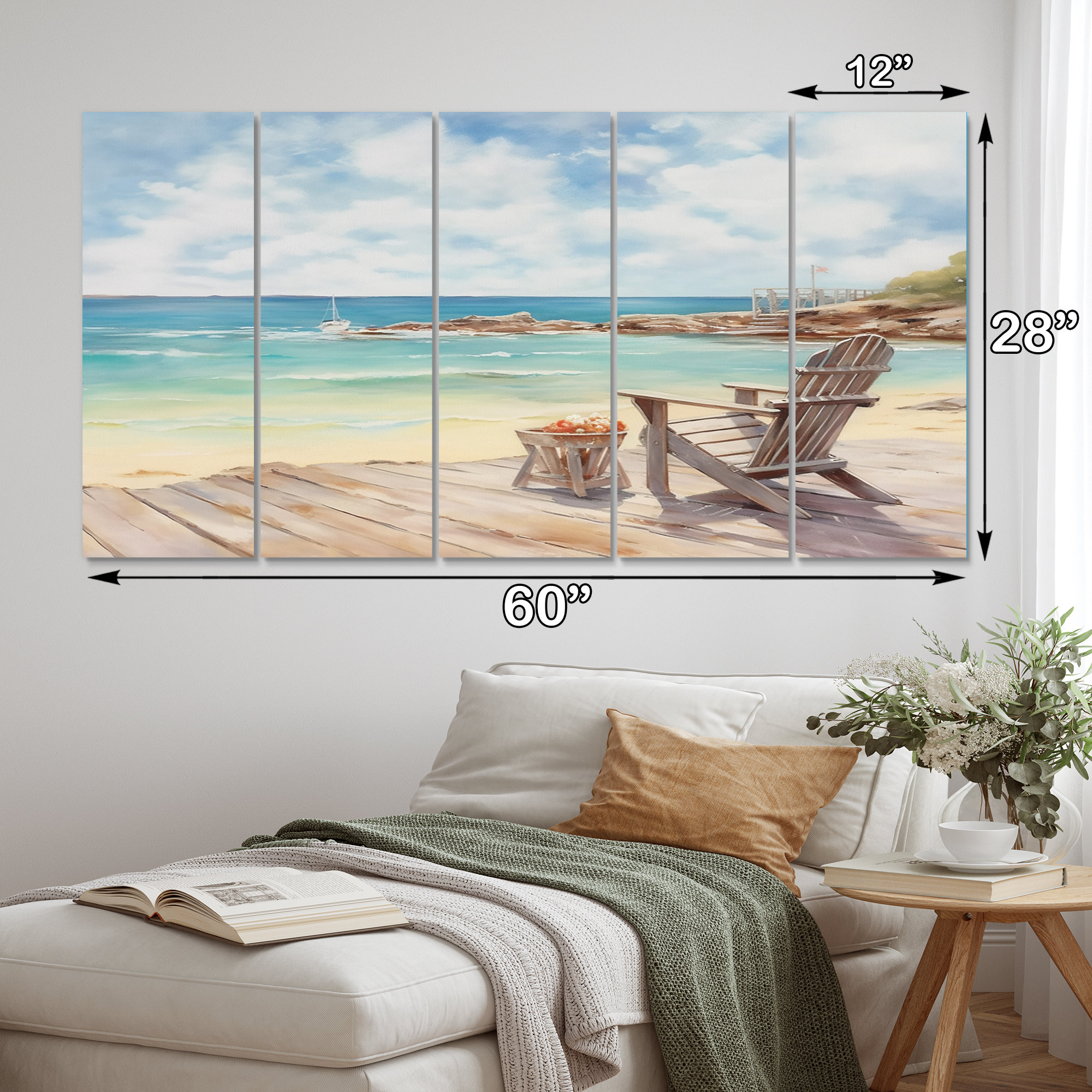
One of the coolest developments recently is the rise of sculptural, layered dimensional art. People are no longer satisfied with flat prints; they want texture. Circular wall art is taking the form of multi-panel canvases arranged in round patterns, or heavy plaster pieces that protrude right off the drywall.
These textural circles catch the light differently throughout the day. In the morning, a plaster orb might look subtle and quiet, but by sunset, the changing shadows create an entirely new visual experience. It adds a layer of depth that keeps your walls looking alive and dynamic.
Zone Creation and Visual Pathways
It is not just about what hangs on the wall, though. Circular geometry is moving onto the floor and into the furniture layout. Patterned rugs with geometric definition—like chevrons, diamonds, and intersecting arcs—are being used to organize open-plan layouts.
When you place a large, patterned rug under key furniture pieces, you instantly establish distinct zones. These designs create natural visual pathways that help the eye flow through a house. A subtle color palette allows the geometric shapes to do the heavy lifting, organizing your space without overpowering the rest of your decor.
If you want to bring this look into your own house, you do not need to replace all your furniture. Start small. Try swapping out a square mirror for a large, frameless round one, or hang a single minimalist orb painting above your bed to evoke serenity and focus.
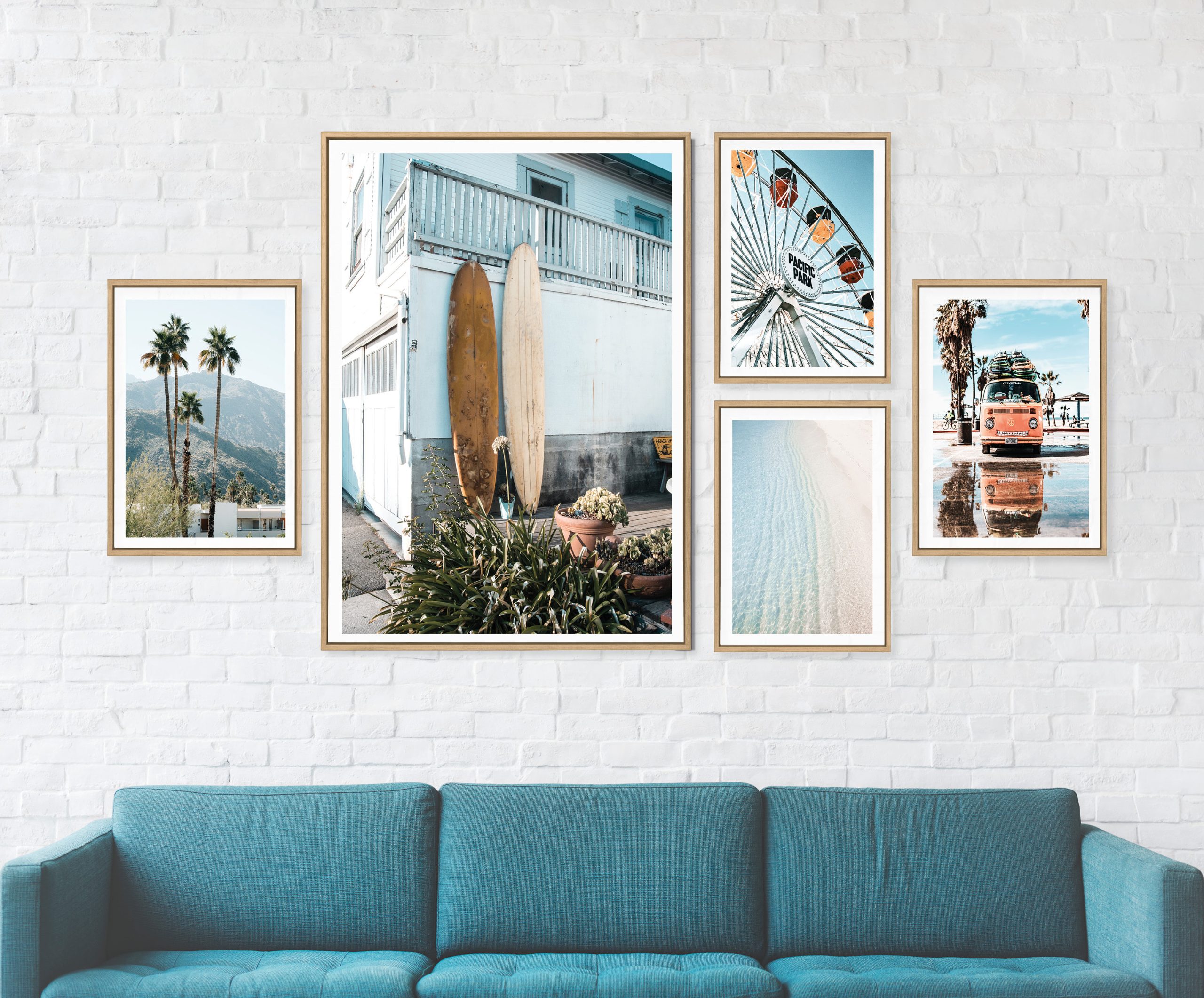
When building a geometric gallery wall, mix and match a few different frames but keep the artwork focused on soft geometry. You can also toss a few spherical cushions onto a boxy modern sofa. This simple contrast breaks up the sharp lines instantly, making your seating area look instantly cozier and more stylish.
Ultimately, the rise of contemporary abstraction and circular geometry proves that we are ready for homes that feel less like sterile museums and more like sanctuarys. By inviting the circle back into our living spaces, we are choosing balance over sharp perfection. It is a design shift that feels good, looks gorgeous, and reminds us that sometimes, it is okay to round off the sharp edges of life.