Ever walked into a tiny spare bedroom or a cramped city apartment and instantly felt a bit trapped. It is a common feeling. We try all sorts of tricks to make our small spaces feel bigger—painting walls white, buying multi-functional furniture, or hanging giant mirrors. But there is a simpler, much more beautiful psychological trick that most people completely overlook.
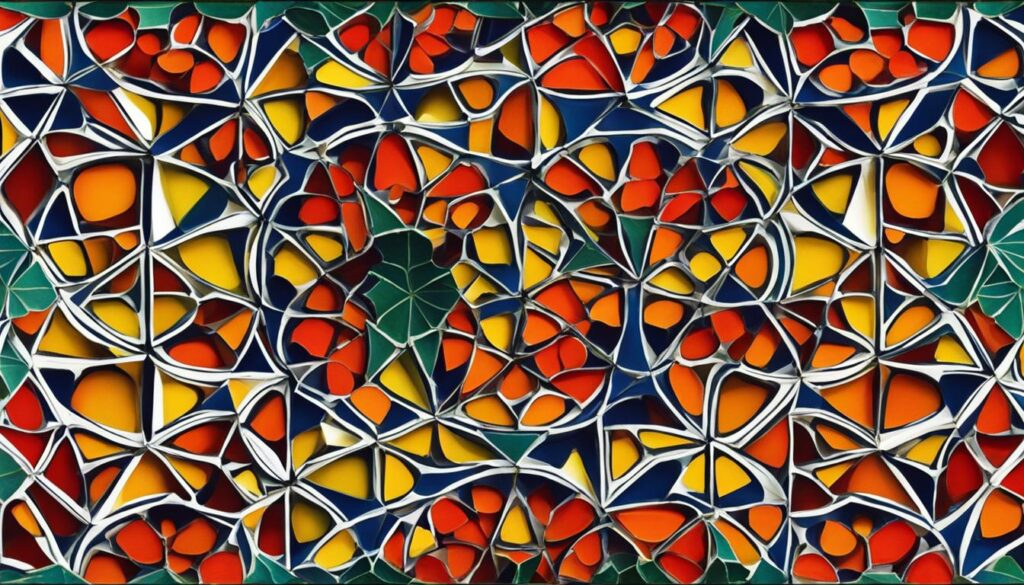
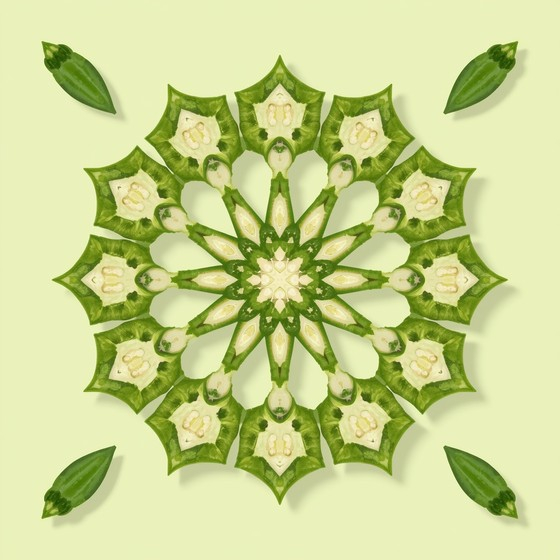
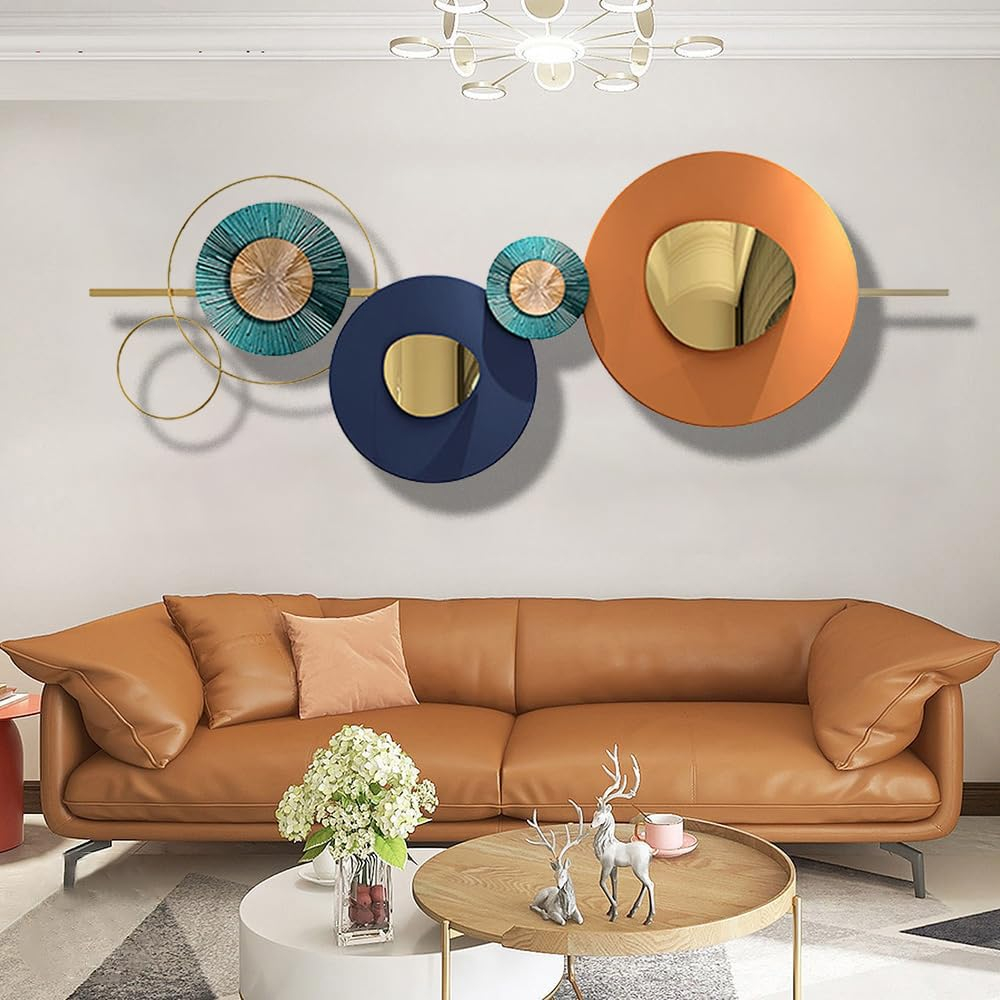
It turns out that hanging a round piece of art featuring turquoise flowers can completely change how your brain perceives a cramped room. It sounds specific, right. But there is actual science and psychology behind why this exact combination of color, shape, and subject matter works like magic in tight quarters. Let’s dive into why this happens and how you can use it to rescue your own cozy spaces in 2026.
The Calming Chemistry of Turquoise
Turquoise is not just a pretty color; it is a mental deep breath. Color psychologists have known for a long time that blue-green shades have a unique impact on the human mind. Blue brings a sense of peace and trust, while green connects us to nature and growth. When you fuse them into turquoise, you get a hue that actively lowers your heart rate and reduces stress.
In a compact room, walls can feel like they are closing in on you. Bright red or heavy dark colors make the walls feel closer than they actually are. Turquoise does the exact opposite. It is what designers call a "receding" color. Because our brains associate it with the endless sky and the deep ocean, it tricks our eyes into thinking the wall is further away than it really is. It gives your eyes a place to rest and wander.
Why Circles Beat Squares Every Time
Have you ever noticed how many sharp angles are in a small room. You have the corners of the walls, the edges of the desk, the square bookshelf, and the rectangular bed. Too many straight lines and sharp corners make a space feel rigid, boxed-in, and stressful.
That is where round wall art comes to the rescue. Circles are naturally organic and gentle. In psychology, round shapes represent unity, wholeness, and movement. By placing a circular frame or canvas on a flat wall, you instantly break up the harsh geometry of the room. It softens the entire space, making it feel less like a box and more like a cozy sanctuary.
The Healing Magic of Biophilic Design
Biophilia is a fancy word for a very simple concept: humans have an deeply ingrained need to connect with nature. When we are cut off from the outdoors, we get anxious and tired. Since we can’t always have a massive garden in a tiny apartment, we have to bring the outdoors in.
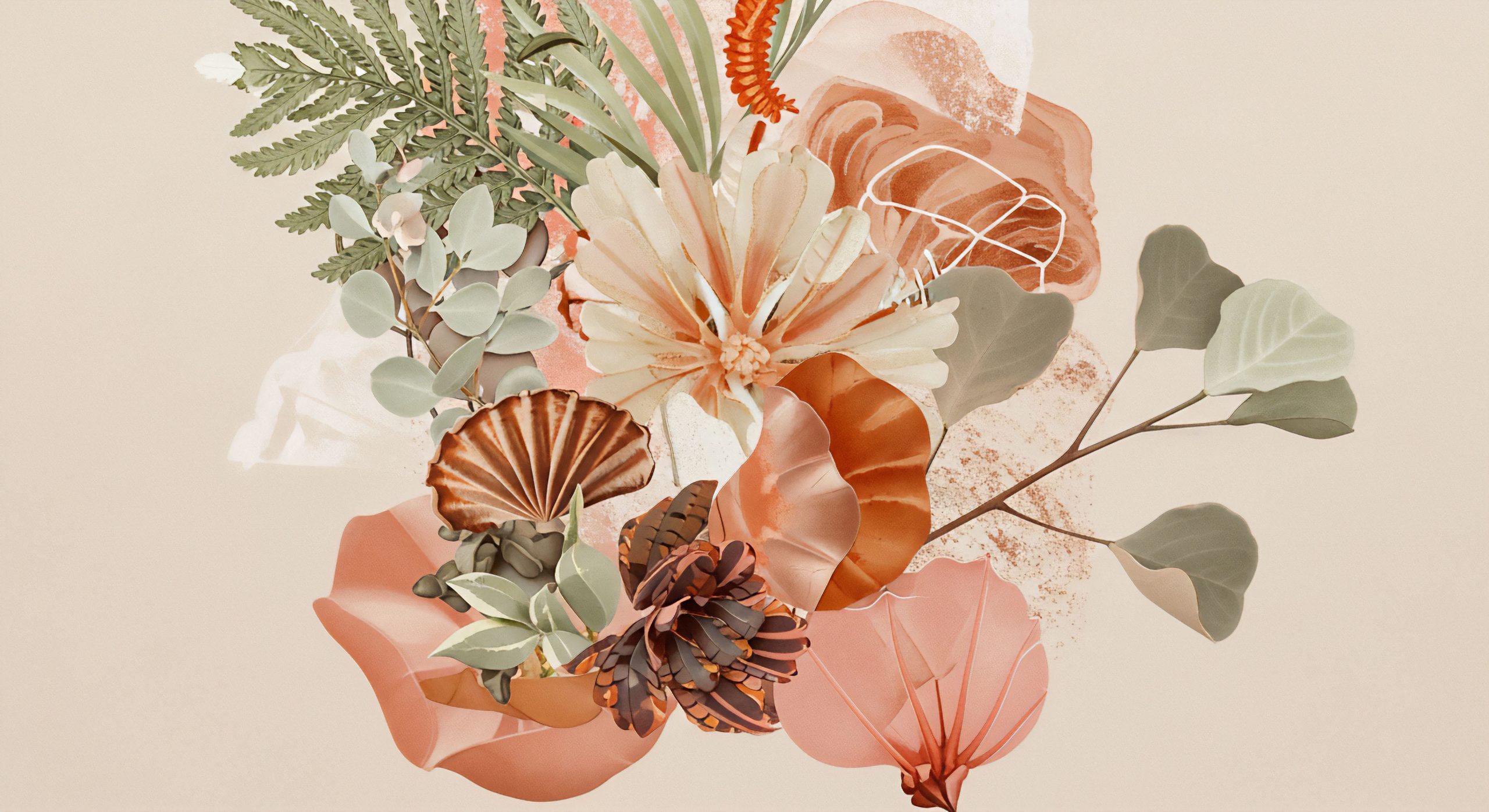
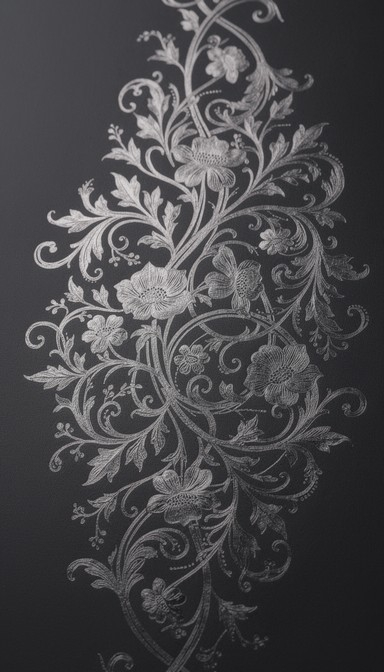
Floral art acts as a psychological bridge to the natural world. Even though your brain knows the flowers on the wall aren’t real, just looking at floral patterns triggers the same relaxation pathways as looking at a real garden. It lowers cortisol levels and boosts creativity. In a small home office or a tight bedroom, a touch of nature on the wall keeps you feeling grounded.
Creating a Focal Point to Distract the Eye
When a room is small, your eyes tend to bounce around, noticing the clutter, the tight corners, and the lack of space. You need a visual anchor—something so interesting that your eyes naturally flock to it and stay there.
A round turquoise floral print serves as the perfect focal point. Because it is vibrant yet calming, it commands attention without overwhelming the senses. Instead of noticing how small the room is, guests (and you) will focus on the art. It creates a "visual destination," giving the illusion that the room has more depth and purpose than it actually does.
So, how do you actually make this work in your own home. First, pay attention to the size. You don’t want a piece so massive that it swallows the wall, but going too small will make it look cluttered. Aim for a piece that takes up about two-thirds of the wall space above your bed or desk.
Secondly, keep the surrounding area simple. Let the artwork do the heavy lifting. Hang it at eye level—which is usually about 57 to 60 inches from the floor—so your eyes naturally land on it when you walk into the room. Pair it with light-colored curtains and maybe