Every woodblock tells a story. These humble tools of craftsmanship have carried the dreams, traditions, and aesthetic sensibilities of countless cultures for centuries. From the intricate patterns of Japanese woodblocks to the bold geometric designs of African artisanal pieces, these carved treasures represent far more than mere decoration. They are repositories of collective memory, vessels of cultural identity, and windows into the soul of humanity’s creative spirit.
Imagine holding a piece of wood that has been shaped by generations of artisans, each carving a small part of its story. That’s what traditional decorative wooden blocks are all about. These aren’t just tools or decorative elements – they’re historical artifacts that speak volumes about the societies that created them. Whether it’s the delicate floral motifs found in Chinese block printing or the powerful animal symbols etched into African wooden surfaces, these blocks carry within their grain the essence of human creativity and cultural expression. Every pattern, every line, every carved detail represents a connection between past and present, between individual craftspersons and their communities.
Historical Roots and Cultural Significance
The practice of creating decorative wooden blocks spans millennia across virtually every continent. In Japan, the tradition of woodblock printing dates back to the 8th century, with master craftsmen developing techniques that would influence art worldwide. These blocks weren’t just used for printing – they were considered works of art themselves. The Japanese term "mokuhanga" literally means "wood picture," highlighting how these blocks were treated as artistic expressions rather than mere functional items.
In China, the tradition of carved wooden blocks for textile printing goes back over two thousand years. The famous Song Dynasty woodblock prints showcase the sophistication of these crafts, with artists carefully carving intricate patterns that could produce beautiful textiles and scrolls. Each region developed its own distinctive styles, from the detailed landscapes of the Jiangnan area to the bold, energetic designs of northern Chinese workshops.
African wooden blocks tell stories that are perhaps even more powerful. In West Africa, particularly among the Yoruba people, carved wooden blocks served multiple purposes beyond simple decoration. They were used for divination, as teaching tools for children, and as symbols of social status. The geometric patterns often represented spiritual concepts, while the materials chosen reflected local beliefs about nature and the supernatural.
Techniques and Craftsmanship
Creating these beautiful wooden blocks requires patience, skill, and deep understanding of both the material and the desired outcome. The process begins with selecting the right wood – typically hardwoods like oak, maple, or cherry for their durability and fine grain structure. The choice of wood can significantly impact the final appearance and longevity of the block.
Traditional carving methods involve using hand tools such as chisels, knives, and rasps. Master craftspeople develop their skills through years of apprenticeship, learning not just the technical aspects but also the cultural significance behind each design. The carving process itself is meditative, requiring focus and respect for the material.
One fascinating aspect is the difference between relief carving and intaglio techniques. Relief carving creates raised designs that can be inked and printed, while intaglio involves carving into the surface to create recessed patterns. Both methods require different approaches and result in distinct visual effects.
Modern artisans often combine traditional methods with contemporary aesthetics, creating pieces that honor the past while speaking to modern sensibilities. This blend of old and new keeps the tradition alive and relevant.
Regional Styles and Distinctive Characteristics
Different regions developed unique characteristics that distinguish their wooden block traditions. Japanese woodblocks, for instance, are renowned for their clean lines and attention to detail. The precision required in these works reflects the Japanese aesthetic principle of finding beauty in simplicity and naturalness.
Indian wooden blocks showcase vibrant colors and complex patterns, often incorporating religious and mythological themes. The Mysore region is famous for its intricate floral designs, while Rajasthan blocks feature bold geometric patterns influenced by the region’s architectural heritage.
European traditions vary dramatically by country. German wooden blocks often display folkloric themes and fairy tale imagery, while Italian pieces tend toward classical motifs and Renaissance influences. The Scandinavian countries developed their own distinctive style, emphasizing clean forms and natural elements.
Each regional style reflects local materials, climate conditions, and cultural values. The availability of certain woods, the influence of trade routes, and the presence of particular artistic movements all contribute to creating these unique regional identities.
Symbolism and Meaning in Patterns
The patterns carved into wooden blocks are rarely random – they carry deep symbolic meaning that varies across cultures. In many Asian traditions, flowers represent different virtues and qualities. The peony symbolizes wealth and honor in Chinese culture, while the lotus represents purity and enlightenment in Buddhist contexts.
Animal motifs also hold significant meaning. In Native American traditions, the bear might represent strength and protection, while the eagle symbolizes vision and freedom. African wooden blocks often feature animals that embody specific moral lessons or tribal characteristics.
Geometric patterns frequently represent concepts of balance, harmony, and cosmic order. The repetition of shapes can symbolize eternity or the cyclical nature of life. Some patterns are purely decorative, but even these often have underlying meanings related to fertility, prosperity, or spiritual protection.
Understanding these symbolic meanings adds layers of appreciation for the work, transforming simple observation into deeper cultural engagement. It’s like reading a secret code that connects viewers to the creator’s intent and cultural background.
Preservation Challenges and Modern Revival
Despite their cultural importance, many traditional wooden block-making techniques face serious threats. Urbanization, industrialization, and changing lifestyle preferences have led to declining interest in these crafts among younger generations. The time-intensive nature of wooden block creation makes it difficult to compete with mass-produced alternatives.
Environmental factors also pose challenges. Climate changes affect wood availability and quality, while pollution can damage existing collections. Many historic pieces are deteriorating due to improper storage conditions and lack of conservation efforts.
However, there’s been a notable revival in recent decades. Museums worldwide are investing in collecting and preserving these pieces, while educational programs are teaching traditional techniques to new generations. Digital documentation projects are helping to preserve both the physical pieces and the knowledge associated with their creation.
Artisans are also adapting traditional methods for contemporary markets, creating hybrid pieces that appeal to modern tastes while maintaining cultural authenticity. This evolution helps ensure these traditions continue to thrive rather than become museum pieces.
Contemporary Applications and Innovation
Today’s wooden block artists are finding new ways to incorporate traditional techniques into modern contexts. Interior designers use carved wooden blocks as statement pieces, while fashion designers incorporate block-printing techniques into textile production. The resurgence of interest in handmade goods has created new markets for these traditional crafts.
Technology has also played a role in preservation and innovation. Computer modeling allows artists to plan complex patterns before carving, while digital scanning helps document and preserve existing pieces. However, many artists still prefer traditional hand-carving methods for their tactile connection to the material.
Educational institutions are now offering courses specifically focused on traditional woodworking and block carving, ensuring that these skills don’t disappear. Workshops and festivals celebrating these crafts attract both locals and tourists, creating economic opportunities for artisans while raising awareness of their cultural significance.
The future looks promising as younger generations discover the satisfaction and beauty of working with their hands, creating pieces that connect them to ancient traditions while expressing contemporary creativity.
Traditional decorative wooden blocks are more than mere objects – they’re living connections to our shared human heritage. Through their patterns, symbols, and craftsmanship, these blocks tell stories that transcend time and geography. Whether you’re a collector, artist, or simply someone who appreciates beautiful handmade objects, understanding the history and meaning behind these pieces enriches your experience and appreciation. As we move forward, it’s crucial that we support and preserve these traditions, ensuring that future generations can also discover the magic that happens when skilled hands meet carefully selected wood. The legacy of wooden block art continues to grow, evolving while maintaining its essential character. Each carved detail, each carefully planned pattern, and each masterfully executed technique represents a commitment to preserving human creativity for posterity.
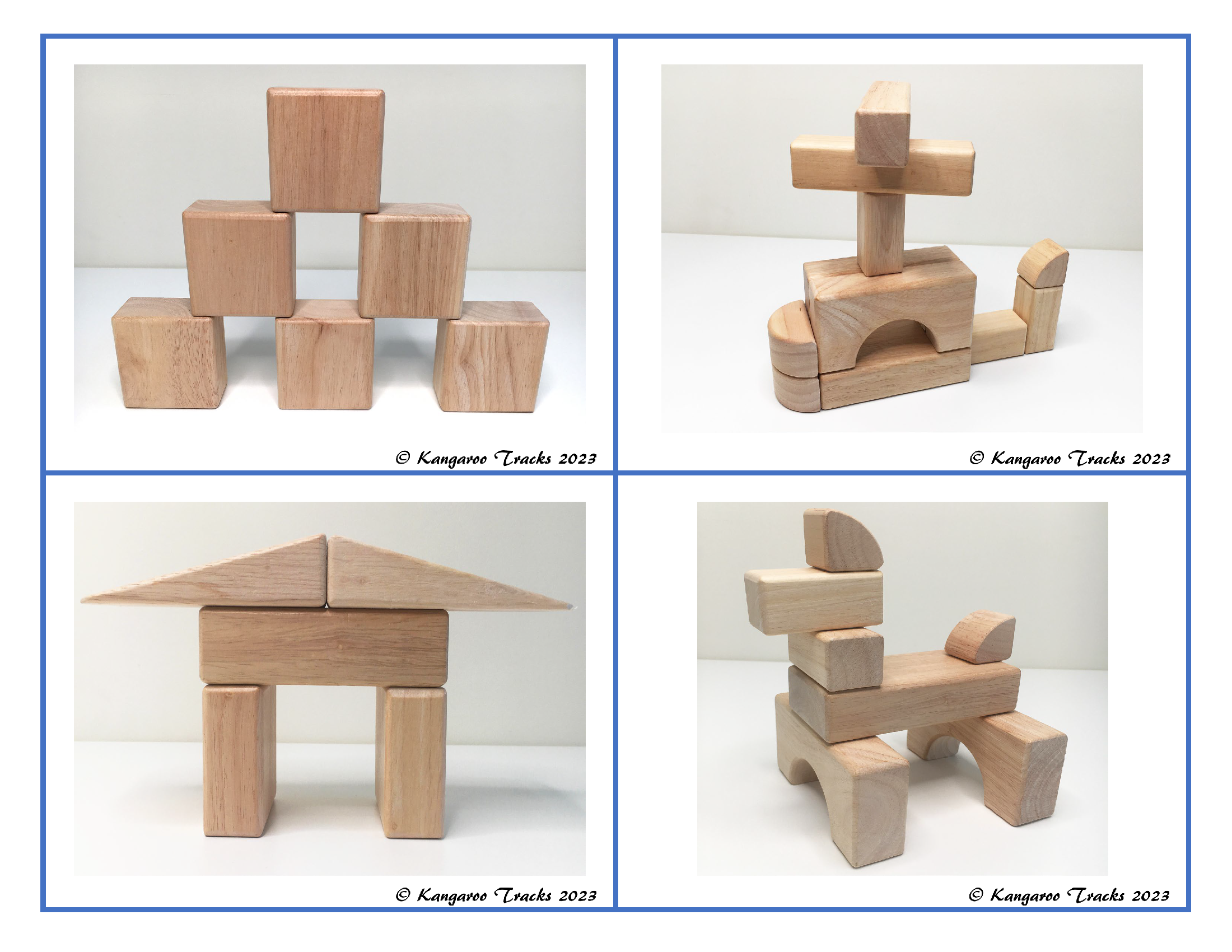
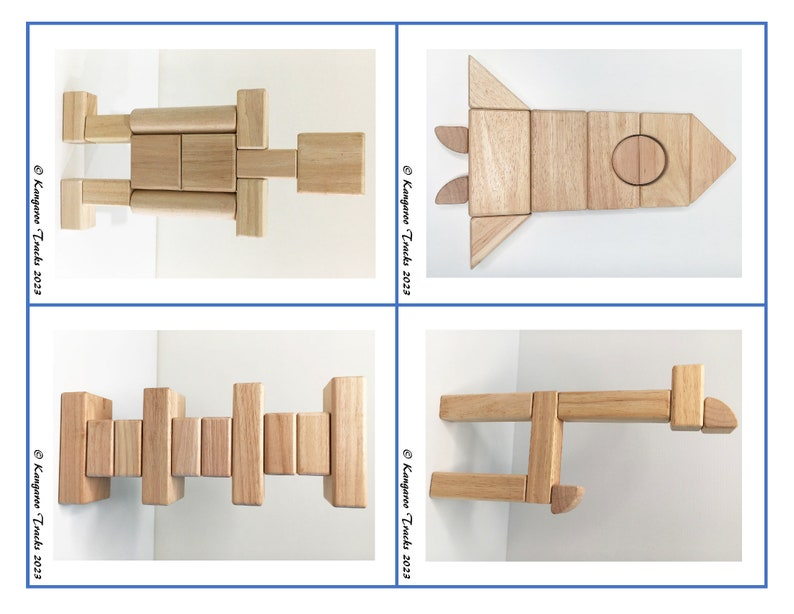
[sps_html tag=”img” src=”https://cdn.theartssection.com/wp-content/uploads/2025/10/wooden-block-building-challenge-cards-for-kindergarten-children-set-1-inside-decorative-pattern-wooden-block.jpg” alt=”Wooden Block Building Challenge Cards For Kindergarten Children (Set 1 … inside Decorative Pattern Wooden Block” style=”width: 100%; height: auto;”]
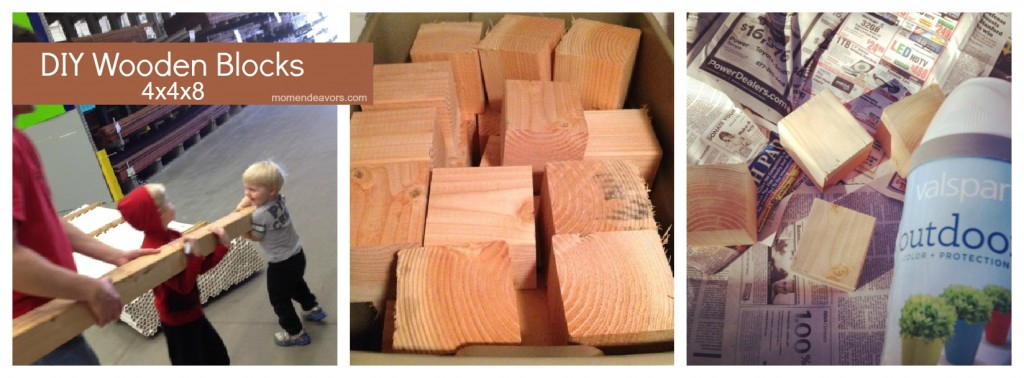
[sps_html tag=”img” src=”https://cdn.theartssection.com/wp-content/uploads/2025/10/making-wooden-blocks-pdf-woodworking-in-decorative-pattern-wooden-block.jpg” alt=”Making Wooden Blocks Pdf Woodworking in Decorative Pattern Wooden Block” style=”width: 100%; height: auto;”]
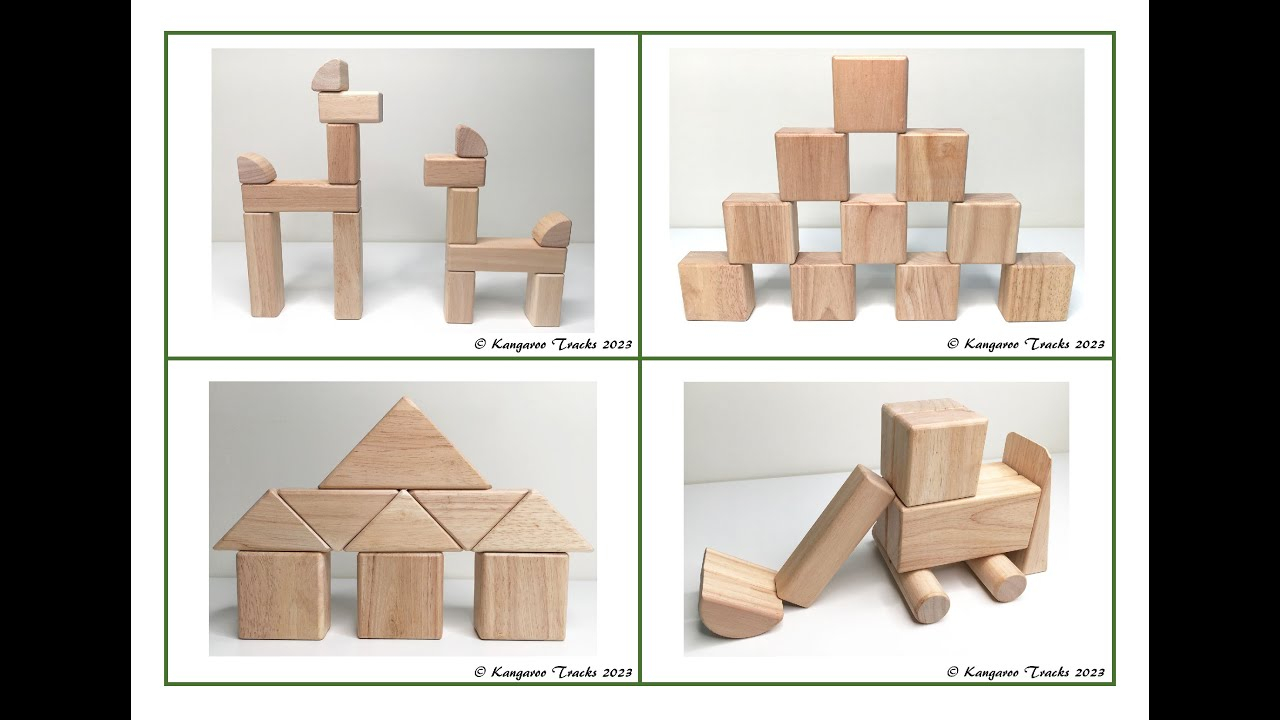
[sps_html tag=”img” src=”https://cdn.theartssection.com/wp-content/uploads/2025/10/wooden-block-building-cards-for-reception-eyfs-set-1-basic-intended-for-decorative-pattern-wooden-block.png” alt=”Wooden Block Building Cards For Reception Eyfs (Set 1: Basic … intended for Decorative Pattern Wooden Block” style=”width: 100%; height: auto;”]
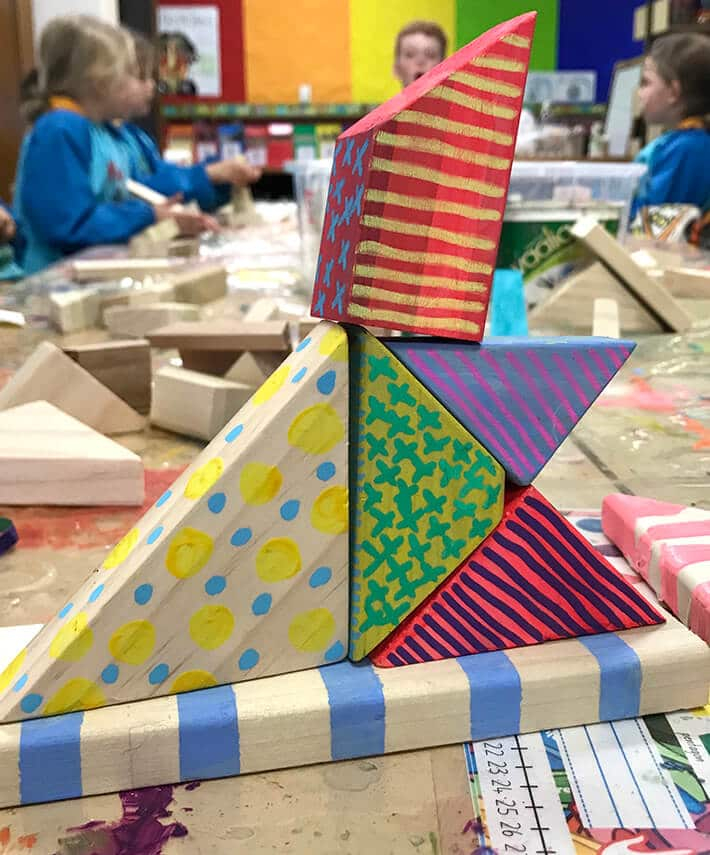
[sps_html tag=”img” src=”https://cdn.theartssection.com/wp-content/uploads/2025/10/how-to-make-painted-wood-blocks-sculptures-for-kids-regarding-decorative-pattern-wooden-block.jpg” alt=”How To Make Painted Wood Blocks & Sculptures For Kids regarding Decorative Pattern Wooden Block” style=”width: 100%; height: auto;”]
[sps_html tag=”img” src=”https://cdn.theartssection.com/wp-content/uploads/2025/10/wooden-block-building-challenge-cards-for-children-set-2-intermediate-pertaining-to-understanding-the-techniques-that-make-wooden-blocks-truly-special.jpg” alt=”Wooden Block Building Challenge Cards For Children Set 2: Intermediate … pertaining to Understanding the Techniques That Make Wooden Blocks Truly Special” style=”width: 100%; height: auto;”]