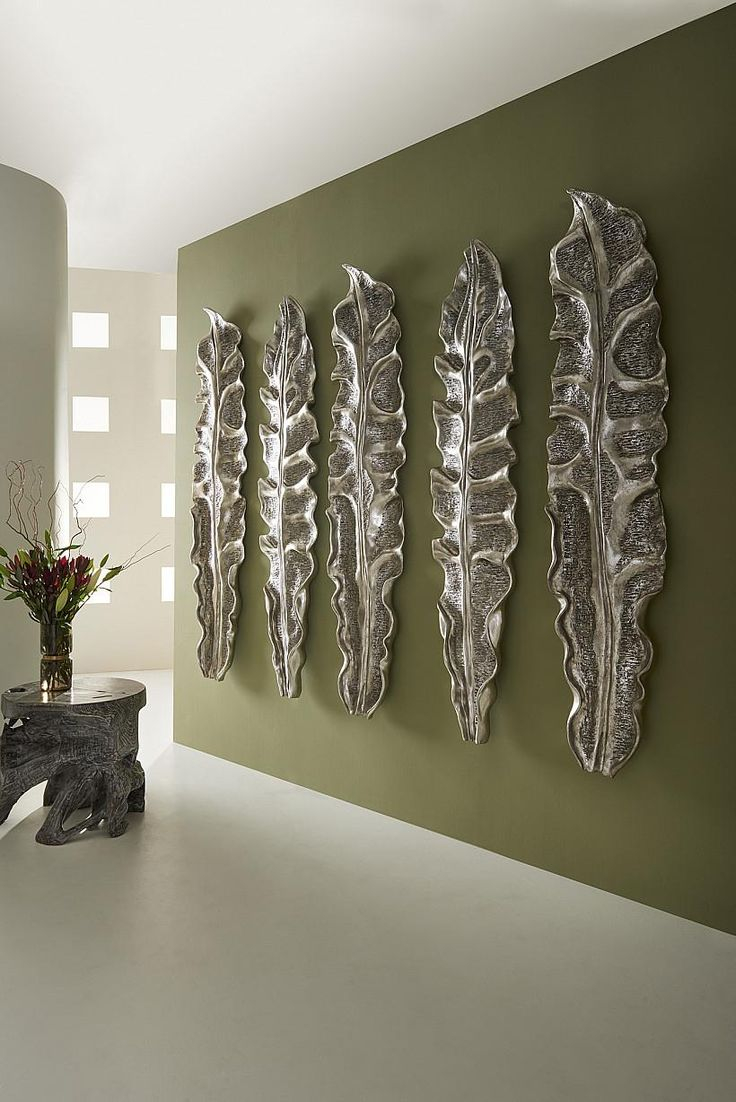
Have you ever looked at a wall covered in organic textures and wondered how it was made? What if I told you that some of the most stunning art you’ve seen might have been created using nothing more than leaves, bark, and other elements straight from Mother Earth? This isn’t just about rustic decor – it’s about understanding the deep connection between natural materials and artistic expression.
When we think about wall art, we often picture painted canvases or framed photographs hanging on our living room walls. But there’s an entire universe of creativity waiting to be explored when we look toward nature itself for inspiration. Natural materials bring a unique energy to interior spaces that simply cannot be replicated with synthetic alternatives. Whether you’re drawn to the delicate veins of a leaf or the bold texture of tree bark, these organic elements offer endless possibilities for creating truly one-of-a-kind wall art pieces.
Understanding Natural Materials in Artistic Context
Natural materials encompass everything from wood and stone to leaves, bark, and even soil. In the realm of wall art, these elements provide something that mass-produced alternatives simply cannot match: authenticity. When you hang a piece made from actual petioles – those leaf stems that connect leaves to branches – you’re not just displaying art, you’re showcasing the very essence of growth and transformation.
Consider how different materials respond to light, shadow, and touch. A smooth piece of driftwood catches the sunlight differently than a rough-hewn stone. These subtle variations are what give natural art its soul. Think about the way a leaf’s color changes as it ages, or how the texture of bark creates natural patterns that seem almost like abstract art. These are elements that no digital printer could ever truly replicate.
The Science Behind Petiole Leaves in Art
Petiole leaves aren’t just visually interesting – they possess fascinating structural properties that make them perfect for artistic applications. The petiole itself is the stalk that connects a leaf blade to the stem. In many plants, these petioles are thick, strong, and often colorful, making them excellent candidates for wall art.
What makes petioles particularly special is their cellular structure. They’re filled with vascular bundles that transport water and nutrients throughout the plant. This creates a natural pattern that can be quite striking when preserved and displayed. The way these fibers run through the material gives them both strength and flexibility, allowing artists to create curved shapes or maintain flat surfaces depending on their vision.
Different plant species produce petioles with varying characteristics. For instance, the petioles of some tropical plants are incredibly thick and succulent, while others are thin and delicate. This diversity allows artists to choose materials that best suit their design goals, whether they want bold statements or subtle accents.
Design Principles for Natural Material Integration
Creating effective wall art using natural materials requires understanding fundamental design principles that work with nature rather than against it. One key concept is balance – natural materials often have irregular shapes and textures, so the overall composition must account for this inherent asymmetry. The eye naturally seeks harmony, even when dealing with chaotic elements.
Consider how you want the materials to interact with each other. A collection of different-sized leaves might create visual interest, but too much variation can feel overwhelming. Sometimes less is more, especially when working with such inherently dramatic elements. The interplay between light and shadow becomes crucial when using natural materials, as these elements often cast interesting patterns on surrounding surfaces.
Color coordination also plays a vital role. Natural materials tend to have earth tones, but they can also feature surprising bursts of green, gold, or even purple. Understanding how these colors complement or contrast with your existing space helps create cohesive designs that feel intentional rather than random.
Practical Applications and Techniques
There are several approaches to incorporating natural materials into wall art. One popular method involves layering different types of leaves, petioles, and other organic elements to create depth and dimension. Artists often begin by sketching their vision, then gather materials that will support their concept.
Preservation techniques vary depending on the desired outcome. Some artists prefer to use dried leaves that retain their original shape and color, while others might opt for more dramatic treatments that change the material’s appearance significantly. The process of preparing these materials can be as meditative as the final creation itself.
Mounting methods are equally important. Simple adhesion works well for lightweight materials, but heavier items may require more secure attachment systems. Many artists use natural elements like twigs or small stones to create additional visual interest while providing stability.
Environmental Considerations and Sustainability
Working with natural materials brings with it a responsibility to consider environmental impact. Sustainable practices in natural art creation focus on using materials that are abundant and renewable. This means avoiding endangered species or over-harvested resources whenever possible.
Many artists now practice ethical sourcing, taking only what they need and leaving enough behind to support the ecosystem. This approach ensures that future generations can enjoy the same beauty that inspired today’s creations. Some artists even collect fallen leaves and branches, respecting the natural cycle of growth and decay.
The longevity of natural materials in wall art also matters. Proper preparation and preservation techniques extend the life of these pieces significantly. Some artists treat their materials with natural sealers that protect against moisture and insects while maintaining their organic appearance.
Creative Inspiration and Modern Trends
Today’s natural art movement draws heavily from various cultural traditions, including Japanese minimalism and Scandinavian design philosophies. These approaches emphasize clean lines and respect for natural materials, creating spaces that feel both modern and grounded.
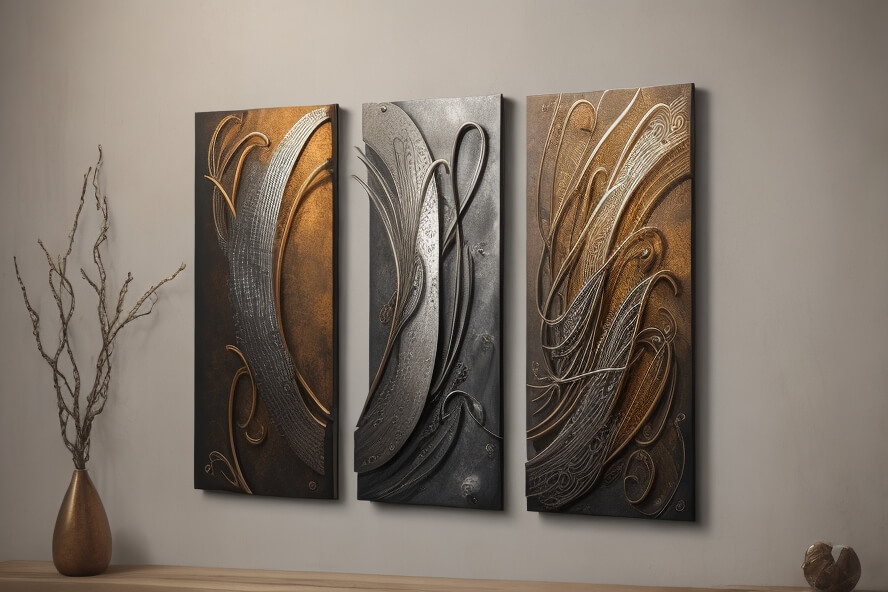
Contemporary artists are pushing boundaries by combining traditional natural materials with unexpected elements. Some incorporate metal accents, while others blend natural textures with digital components. The key is finding the right balance that honors the organic nature of the materials while meeting contemporary aesthetic expectations.
Social media has played a significant role in popularizing natural wall art, with countless influencers sharing their projects and inspiring others to try similar approaches. This community-driven movement has led to increased availability of natural materials and educational resources for beginners.
The marriage of natural materials and artistic vision opens up an entirely new world of creative possibilities for anyone interested in wall art. Whether you’re drawn to the elegant curves of petiole leaves or the rugged texture of natural wood, these organic elements bring a warmth and authenticity that synthetic alternatives simply cannot match. The beauty of working with natural materials lies not just in the final product, but in the journey of discovery that comes with understanding the relationship between art and nature.
As you explore this field, remember that patience and observation are your greatest tools. Spend time in nature, notice how light interacts with different materials, and let your creativity guide you toward solutions that feel both innovative and respectful of the natural world. The results can transform not just your walls, but your entire perspective on what art can be.
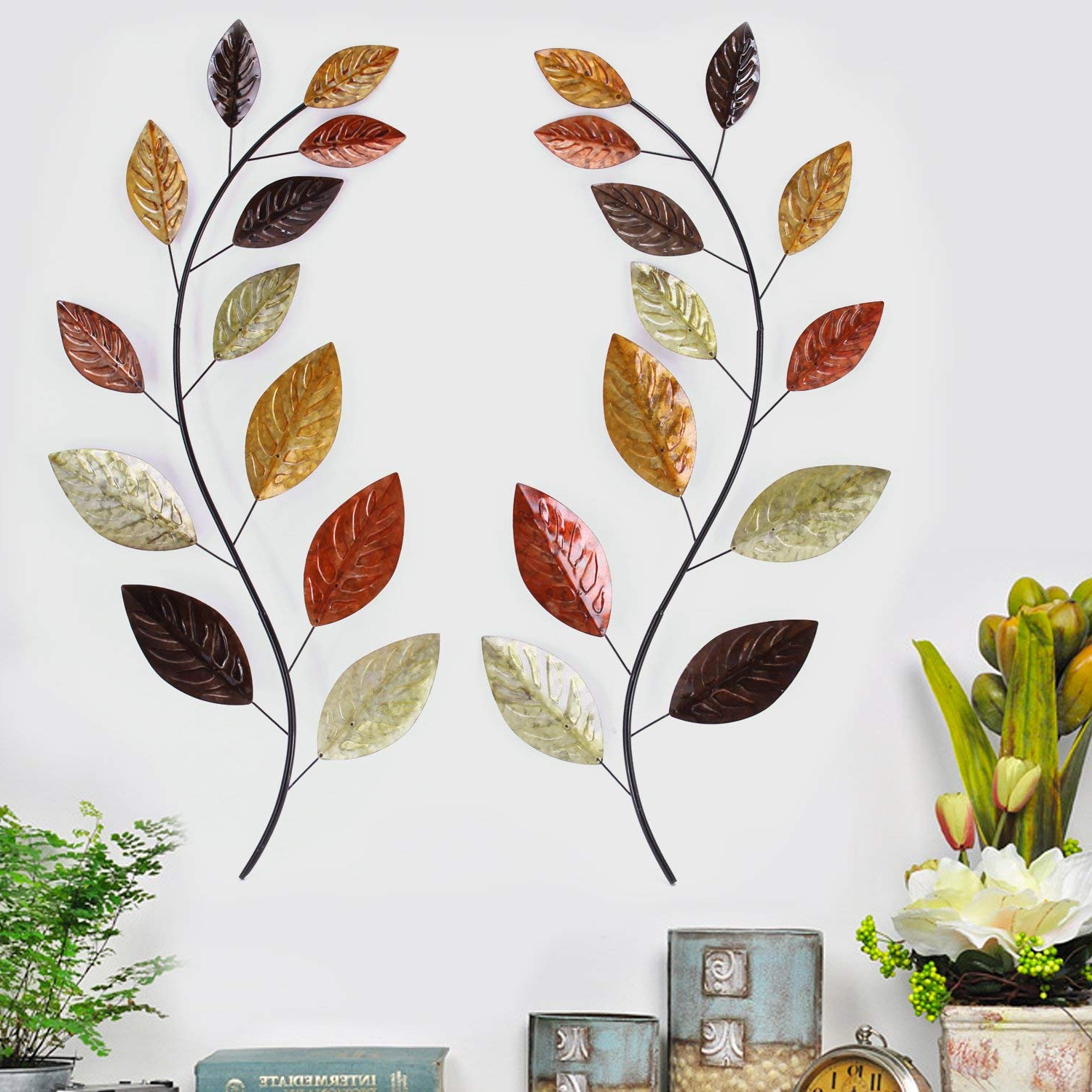
[sps_html tag=”img” src=”https://cdn.theartssection.com/wp-content/uploads/2025/10/metal-leaf-artwork-for-petiole-leaf-wall-art.jpg” alt=”Metal Leaf Artwork for Petiole Leaf Wall Art” style=”width: 100%; height: auto;”]
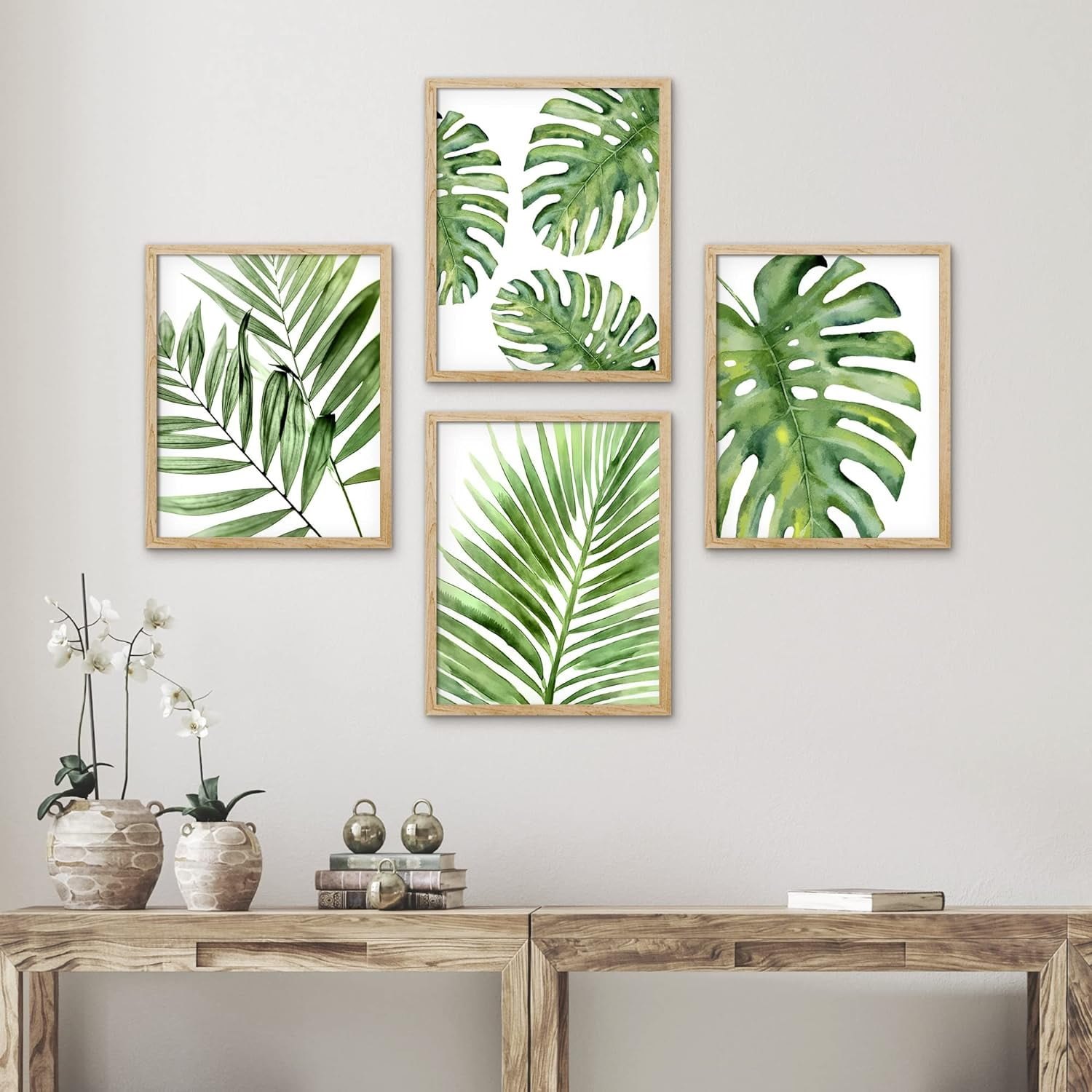
[sps_html tag=”img” src=”https://cdn.theartssection.com/wp-content/uploads/2025/10/pixonsign-set-of-4-framed-wall-art-tropical-green-island-palm-leaf-with-petiole-leaf-wall-art.jpeg” alt=”Pixonsign Set Of 4 Framed Wall Art, Tropical Green Island Palm Leaf … with Petiole Leaf Wall Art” style=”width: 100%; height: auto;”]
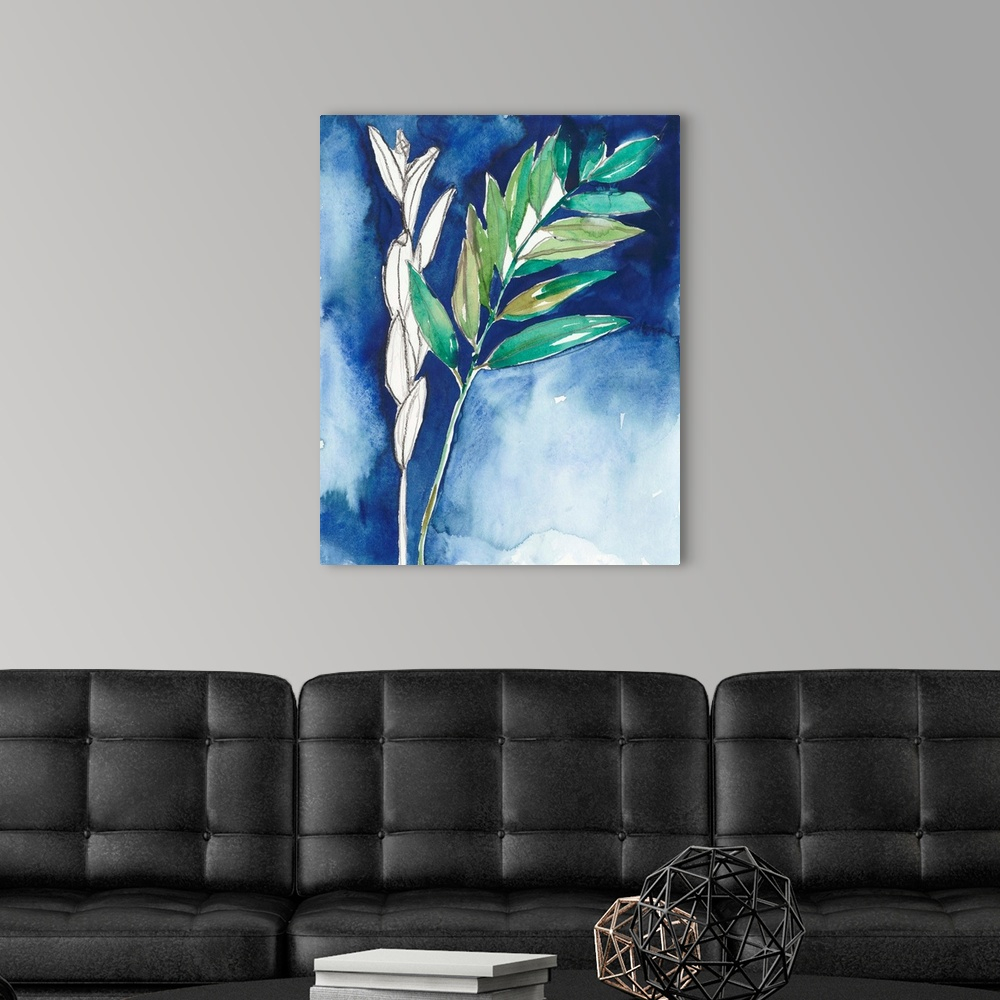
[sps_html tag=”img” src=”https://cdn.theartssection.com/wp-content/uploads/2025/10/petiole-on-indigo-i-wall-art-canvas-prints-framed-prints-wall-peels-with-petiole-leaf-wall-art.jpg” alt=”Petiole On Indigo I Wall Art, Canvas Prints, Framed Prints, Wall Peels … with Petiole Leaf Wall Art” style=”width: 100%; height: auto;”]
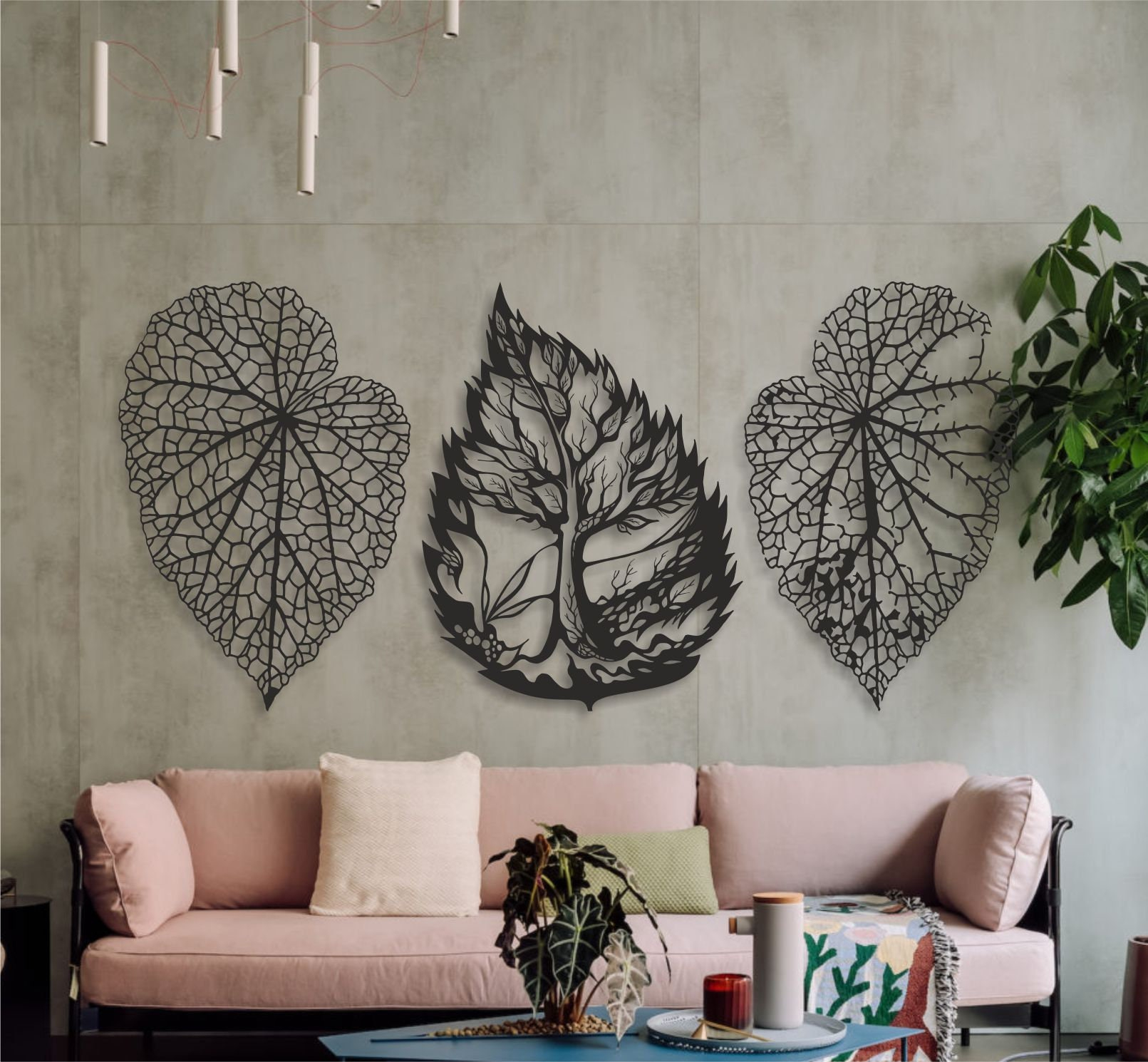
[sps_html tag=”img” src=”https://cdn.theartssection.com/wp-content/uploads/2025/10/petiole-wall-leaf-silver-lg-version-a-dimensional-wall-decor-metal-inside-understanding-the-artistic-appeal-of-petiole-leaf-wall-art-in-modern-decor.jpg” alt=”Petiole Wall Leaf Silver, Lg, Version A | Dimensional Wall Decor, Metal … inside Understanding the Artistic Appeal of Petiole Leaf Wall Art in Modern Decor” style=”width: 100%; height: auto;”]
[sps_html tag=”img” src=”https://cdn.theartssection.com/wp-content/uploads/2025/10/20-inspirations-leaves-metal-sculpture-wall-decor-for-understanding-the-artistic-appeal-of-petiole-leaf-wall-art-in-modern-decor.jpg” alt=”20 Inspirations Leaves Metal Sculpture Wall Decor for Understanding the Artistic Appeal of Petiole Leaf Wall Art in Modern Decor” style=”width: 100%; height: auto;”]