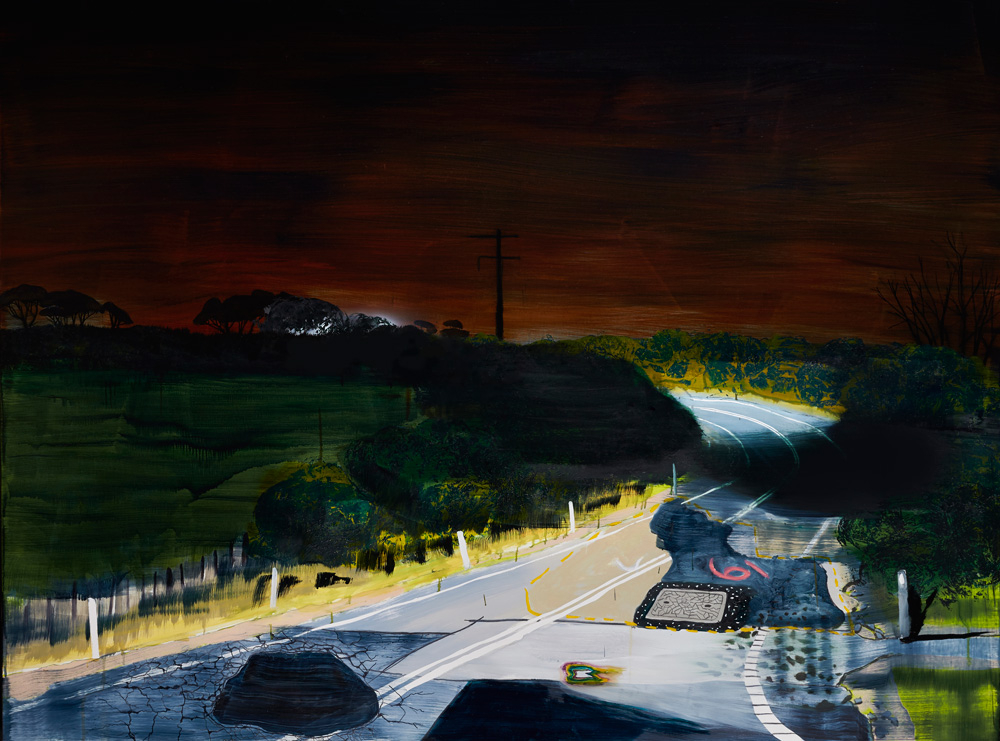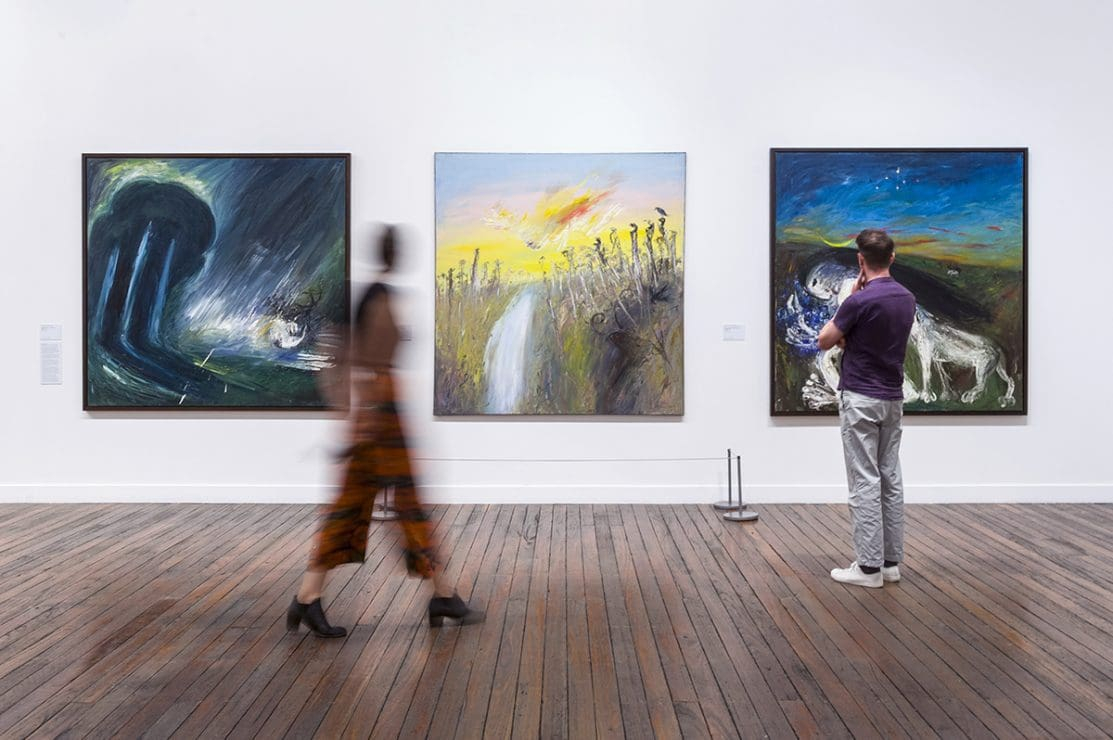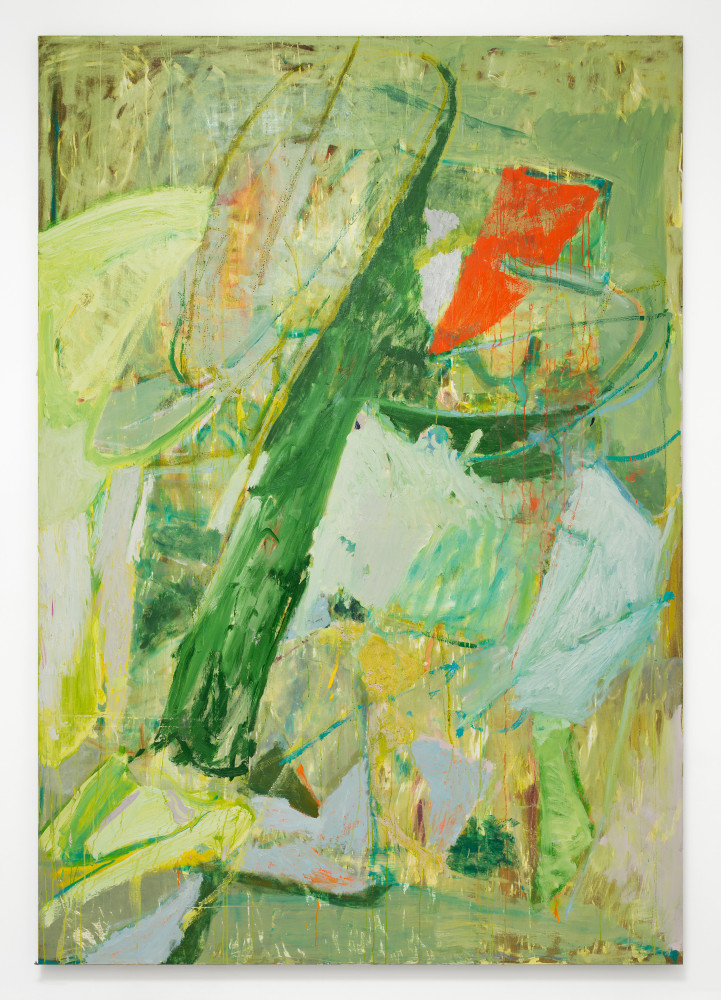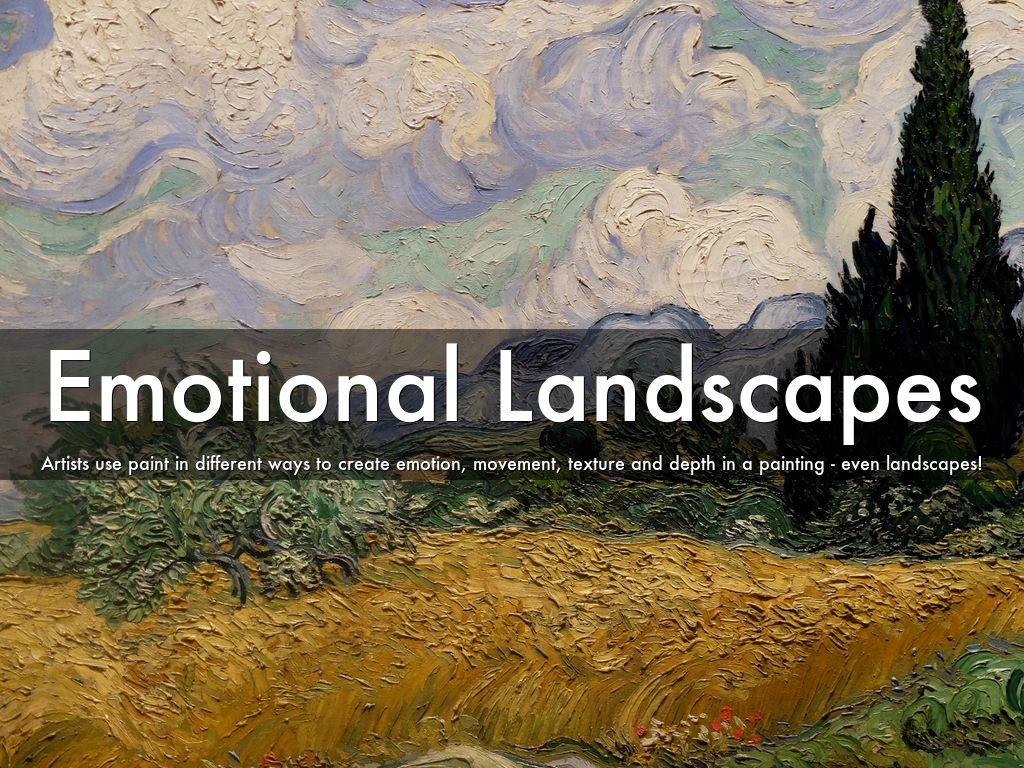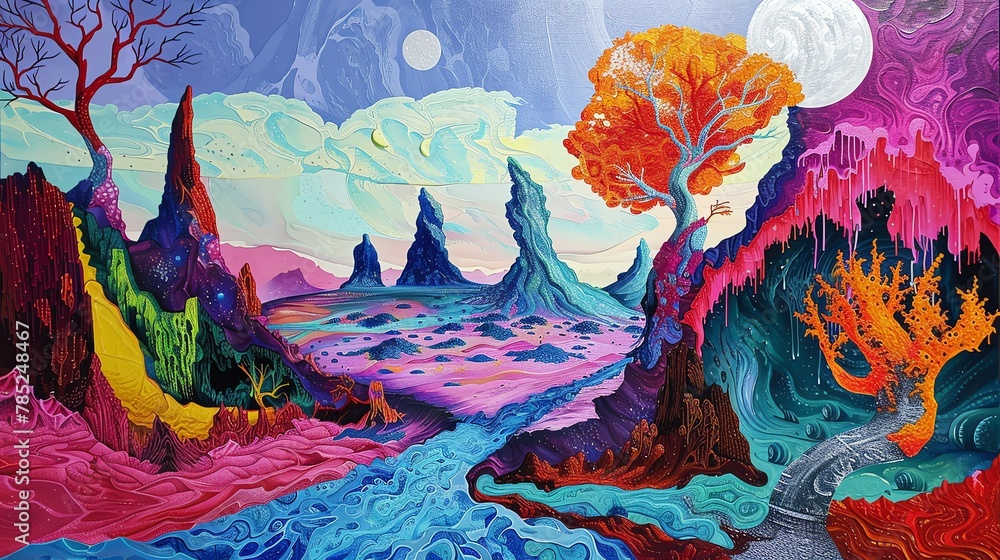
Shatha Al Dafai’s work isn’t just about colors and shapes. It’s about capturing the raw essence of human feeling and translating it into something tangible. Her paintings don’t just decorate walls—they speak to souls. What makes her art so special? It’s not just technique, but a deep understanding of emotion that she channels through her creative process.
When you look at Shatha Al Dafai’s artwork, you feel something. Maybe it’s a wave of nostalgia, or perhaps a sudden rush of joy. Her pieces have this incredible ability to connect with viewers on a deeply personal level. But how does she do it? What goes on behind the scenes when she creates these emotional masterpieces? Let’s take a closer look at her artistic process and discover what makes her work so profoundly moving.
The Foundation of Emotional Expression
At the heart of Shatha’s work lies a profound understanding of human emotions. She doesn’t paint what she sees—she paints what she feels. Her creative foundation rests on years of observing life’s subtle moments. Every brushstroke carries weight because she’s learned to translate complex feelings into visual form. This approach sets her apart from many artists who focus purely on technical skill. She believes that true art must touch the soul, and that requires vulnerability. When she starts a new piece, she often begins with a specific emotion or memory. It might be a childhood experience, a moment of loss, or even pure happiness. From there, she builds her entire composition around that feeling. The colors, the textures, even the subject matter—all serve to amplify the original emotion. This method means her work never feels forced or artificial. It’s always genuine, because it comes from her own lived experiences.
Research and Emotional Preparation
Before she even touches a canvas, Shatha spends considerable time preparing mentally and emotionally. She doesn’t rush into creation. Instead, she immerses herself in research related to her chosen theme. This might involve reading poetry, watching documentaries, or simply spending time in nature. Sometimes she’ll revisit old memories, allowing them to surface naturally. The preparation phase is crucial because it helps her tap into authentic feelings rather than trying to manufacture emotion. She keeps a journal filled with observations and sketches. These notes become the building blocks of her future work. She also finds inspiration in other artists, though she’s careful not to copy their style. Rather, she learns from their techniques while maintaining her unique voice. One interesting practice she has is creating small mood boards. These visual collections help her visualize the overall feeling she wants to convey. They’re like mental anchors that keep her focused during the actual painting process.
The Physical Creation Process
When Shatha begins painting, she moves with intention. Her studio becomes a sacred space where she can fully express herself. She typically starts with a rough sketch, mapping out the basic composition. But unlike traditional approaches, she doesn’t stick rigidly to the initial plan. As she works, the piece evolves organically. She might add unexpected elements or change color choices based on how the emotion develops. The physical act of painting itself is therapeutic for her. She describes it as a conversation between her mind and hand. Sometimes she’ll paint for hours without stopping, completely absorbed in the process. Other times, she’ll step back frequently to assess whether she’s capturing the right feeling. Her palette choices are deliberate and symbolic. Warm colors often represent joy or passion, while cooler tones might signify sadness or reflection. She uses texture deliberately too, sometimes adding thick impasto to create movement or smooth glazes for calmness. The physicality of her work mirrors the emotional intensity of her subjects. You can almost feel the energy in her brushstrokes.
Techniques That Speak to the Soul
What makes Shatha’s work particularly powerful is her mastery of several key techniques. She’s especially skilled at layering paint to create depth and complexity. This allows her to show multiple emotions within a single piece. For example, a landscape might simultaneously express both melancholy and hope. She also uses contrast effectively, placing light and dark areas next to each other to create visual tension. This mirrors the way emotions often exist together in our lives. Her use of negative space is another hallmark technique. Rather than filling every inch of canvas, she leaves room for the viewer’s imagination to fill in gaps. This creates intimacy between the artwork and observer. She often employs mixed media elements too, incorporating found materials or text into her paintings. These additions add layers of meaning and create unexpected connections. Her brushwork varies dramatically depending on the emotion she wants to express. Sometimes bold strokes convey strength, while delicate touches suggest fragility. Each technique serves a purpose in her larger artistic vision.
Emotional Honesty in Every Stroke
Perhaps most importantly, Shatha maintains complete honesty throughout her creative process. She doesn’t hide her personal experiences or feelings. This vulnerability makes her work incredibly relatable. Viewers often comment that they see themselves reflected in her paintings. She’s learned that authenticity is more important than perfection. Her early works were more experimental, but over time, she’s developed a signature style that feels both personal and universal. She’s not afraid to explore difficult emotions like grief or anger. In fact, she finds that working through painful experiences through art helps her heal. Some of her most moving pieces come directly from her own struggles. She doesn’t try to sugarcoat reality in her work. Instead, she presents it honestly, which makes the beauty in her art all the more powerful. Her willingness to be vulnerable has earned her a devoted following of people who appreciate her raw honesty. People often tell her that her work gives them permission to feel their own emotions more freely.
The Journey From Idea to Finished Piece
The path from concept to completed artwork takes time for Shatha. She doesn’t rush her creations, understanding that meaningful art needs space to breathe. A typical piece might take weeks or even months to complete. During this time, she revisits and reworks sections multiple times. Sometimes she’ll abandon an entire section and start over if it doesn’t feel right. She’s learned that patience pays off in the end. Her process involves several stages: initial concept, emotional preparation, rough sketching, full painting, and final refinements. Each stage brings her closer to her intended emotional impact. She also values feedback from trusted friends and fellow artists. These perspectives help her see her work through different lenses. She’s not above changing direction if someone points out a flaw in her emotional expression. The finished piece represents not just her vision, but also her growth as an artist. She often says that each painting teaches her something new about herself and the world around her. This continuous learning keeps her work fresh and evolving. Her studio is filled with pieces in various stages of completion, each one telling part of her ongoing story.
Shatha Al Dafai’s emotional masterpieces aren’t accidents or mere technical displays. They’re carefully crafted expressions of deep human feeling. Through her research, preparation, and honest approach to creativity, she’s developed a process that consistently produces art that speaks to people’s hearts. Her work reminds us that the most powerful art comes from vulnerability and truth. Whether you’re an artist yourself or simply someone who appreciates beautiful work, her process offers valuable lessons about the connection between emotion and creativity. The next time you encounter one of her paintings, remember that behind every brushstroke is a story of emotional discovery and artistic courage. Her journey shows us that when we’re brave enough to express our truest feelings, we can create something that resonates far beyond ourselves. Her work proves that great art doesn’t just decorate spaces—it transforms lives.
[sps_html tag=”img” src=”https://cdn.theartssection.com/wp-content/uploads/2025/10/psychological-landscapes-art-guide-australia-for-inner-battle-floating-acrylic-art-by-shatha-al-dafai-assorted.jpg” alt=”Psychological Landscapes — Art Guide Australia for Inner Battle Floating Acrylic Art By Shatha Al Dafai, Assorted” style=”width: 100%; height: auto;”]
[sps_html tag=”img” src=”https://cdn.theartssection.com/wp-content/uploads/2025/10/psychological-landscapes-jan-murphy-gallery-throughout-inner-battle-floating-acrylic-art-by-shatha-al-dafai-assorted.jpg” alt=”Psychological Landscapes - Jan Murphy Gallery throughout Inner Battle Floating Acrylic Art By Shatha Al Dafai, Assorted” style=”width: 100%; height: auto;”]
[sps_html tag=”img” src=”https://cdn.theartssection.com/wp-content/uploads/2025/10/emotional-landscapes-by-winsome-jobling-within-understanding-the-psychological-landscape-in-contemporary-acrylic-painting.jpg” alt=”Emotional Landscapes By Winsome.jobling within Understanding the Psychological Landscape in Contemporary Acrylic Painting” style=”width: 100%; height: auto;”]
[sps_html tag=”img” src=”https://cdn.theartssection.com/wp-content/uploads/2025/10/pam-evelyns-psychological-landscape-features-independent-art-fair-inside-understanding-the-psychological-landscape-in-contemporary-acrylic-painting.jpeg” alt=”Pam Evelyn’s Psychological Landscape - Features - Independent Art Fair inside Understanding the Psychological Landscape in Contemporary Acrylic Painting” style=”width: 100%; height: auto;”]
[sps_html tag=”img” src=”https://cdn.theartssection.com/wp-content/uploads/2025/10/dive-into-a-surrealistic-landscape-where-dreams-meet-reality-using-in-inner-battle-floating-acrylic-art-by-shatha-al-dafai-assorted.jpg” alt=”Dive Into A Surrealistic Landscape Where Dreams Meet Reality, Using … in Inner Battle Floating Acrylic Art By Shatha Al Dafai, Assorted” style=”width: 100%; height: auto;”]