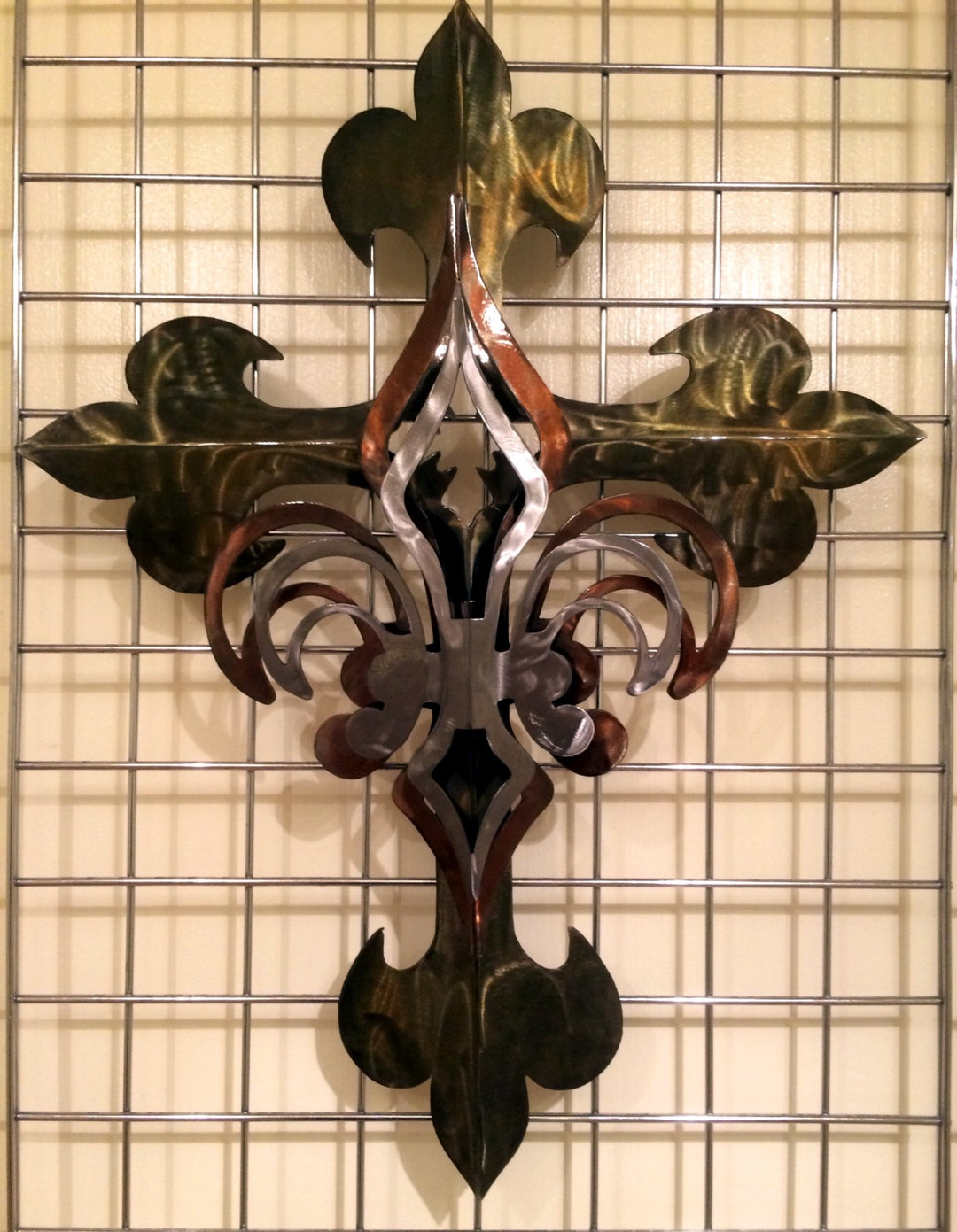
When you first see a cross adorned with fleur-de-lis motifs, it might appear to be just another decorative pattern. But beneath the surface lies a rich tapestry of meanings that span centuries and continents. These symbols weren’t placed there by accident – they tell stories of faith, heritage, power, and identity. Let’s take a closer look at what these ancient markings really meant in the context of historical textiles.
Textile arts have always been more than mere decoration. They’ve served as silent storytellers, carrying messages from one generation to the next. Among the most intriguing patterns found in historical fabrics are those featuring crosses intertwined with fleur-de-lis designs. You might have seen them in old tapestries, ceremonial garments, or family heirlooms, but what do they actually represent? These symbols speak volumes about the cultures that created them, their beliefs, and their aspirations. What we’re dealing with here is far more complex than simple aesthetics. The cross-fleur-de-lis combination holds layers of meaning that can only be understood through careful study of their historical context and cultural origins.
Origins and Early Development
The cross-fleur-de-lis motif finds its roots in ancient symbolism, but it gained particular prominence during medieval times. The fleur-de-lis itself was originally a stylized lily, representing purity and divine grace. When combined with the cross, which symbolizes sacrifice and salvation, the result creates a powerful visual narrative. In early Christian art, these elements were often used together to emphasize spiritual themes. The cross served as the foundation, while the fleur-de-lis added an element of sacred beauty. Many historians believe this combination emerged in France around the 10th century, though similar patterns appeared independently in various cultures. The design became especially popular in religious textiles and royal garments. It wasn’t just decorative – it was a statement of faith and authority. Consider how a simple pattern on a medieval robe could communicate both devotion and nobility to anyone who saw it. The marriage of these two symbols created something greater than the sum of its parts.
Cultural Significance Across Regions
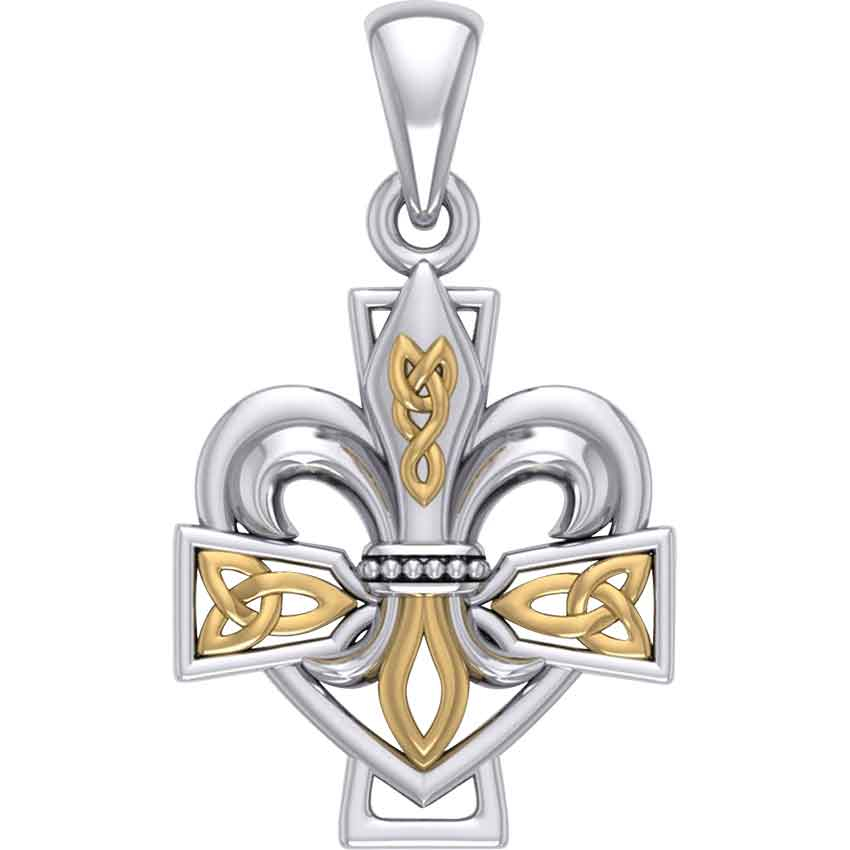
While the cross-fleur-de-lis motif is most commonly associated with French culture, its presence extends far beyond the borders of France. In fact, variations of this design appear in textiles from Ireland, Scotland, and even some Native American traditions. Each region gave the symbol its own interpretation. In Irish textiles, the combination often represented the Trinity and the earth’s fertility. Scottish versions sometimes included additional elements like Celtic knots, creating hybrid symbols that spoke to both Christianity and ancestral traditions. Native American tribes incorporated similar motifs into their ceremonial clothing, using them to connect with spiritual concepts of balance and harmony. What’s fascinating is how different societies adapted the same basic design to fit their own belief systems. The fleur-de-lis, when paired with a cross, became a universal language of sorts. It allowed people from vastly different backgrounds to share common symbolic meanings. This adaptability speaks to the fundamental human desire to find connections between seemingly disparate concepts.
Religious and Spiritual Meanings
In religious contexts, the cross-fleur-de-lis combination carries profound theological weight. The cross represents Christ’s sacrifice and the path to redemption, while the fleur-de-lis embodies the purity of the Virgin Mary and the Holy Spirit. Together, they form a complete spiritual narrative. Medieval monks and nuns often used these patterns in their liturgical garments and manuscripts. The symbolism was so important that entire communities would gather to discuss the meaning behind each design element. Some religious scholars argue that the fleur-de-lis also represented the threefold nature of God in Christian theology. Others suggest it symbolized the three stages of life: birth, life, and death. The cross, meanwhile, provided the framework for understanding salvation. In many cases, the placement of these motifs mattered as much as the motifs themselves. A cross-fleur-de-lis in the center of a garment might indicate high rank or special spiritual status. These patterns weren’t chosen lightly – every element had purpose and meaning.
Political and Royal Associations
Beyond spirituality, the cross-fleur-de-lis motif carried significant political weight. French royalty adopted this symbol extensively, particularly during the reigns of Louis IX and Louis XIV. The fleur-de-lis became synonymous with the French monarchy, appearing on royal banners, coats of arms, and even coinage. When these symbols appeared on textiles worn by nobles or royalty, they communicated wealth, status, and divine right to rule. The cross added a layer of legitimacy, suggesting that earthly power was sanctioned by heaven. This combination was especially prevalent in ceremonial robes and wedding garments. It’s interesting to note that other European monarchies began adopting similar patterns to establish their own legitimacy. The cross-fleur-de-lis wasn’t just decorative – it was a tool of political propaganda. Think about how a simple textile pattern could serve as a statement of national identity and royal authority. These designs helped create a visual language that transcended words and literacy.
Craftsmanship and Technical Details
The creation of cross-fleur-de-lis textiles required exceptional skill and patience. Artisans had to master complex weaving techniques to ensure the patterns remained clear and symmetrical. Different materials called for different approaches – silk demanded delicate work, while wool could handle more robust construction. The process often involved multiple stages, with the cross being woven first, followed by the fleur-de-lis elements. Some patterns featured intricate interweaving that made the symbols appear almost three-dimensional. Master craftspeople developed specialized tools and methods over generations. The quality of execution often indicated the social status of the wearer. A poorly executed cross-fleur-de-lis might be dismissed as amateurish, while a perfectly crafted version could command high prices. Many textile workshops kept detailed records of their designs, passing down secrets of pattern creation through apprenticeships. These artisans were not just craftsmen – they were guardians of cultural knowledge.
Modern Interpretations and Preservation
Today, these historical cross-fleur-de-lis textiles continue to fascinate collectors and historians alike. Museums worldwide display remarkable examples that showcase the evolution of these designs. Modern artisans are also reviving these traditional techniques, creating new works that honor the past while speaking to contemporary audiences. Some contemporary designers incorporate cross-fleur-de-lis motifs into fashion and home decor, giving ancient symbols new relevance. The challenge for preservationists is maintaining authenticity while making these artifacts accessible. Digital scanning technology now allows researchers to examine minute details that were previously invisible. Conservation efforts focus on preventing deterioration while respecting the original craftsmanship. Many families treasure these textiles as heirloom pieces, understanding that they represent more than fabric and thread. The continued interest in these patterns suggests that their deeper meanings resonate with people today. Perhaps we’re drawn to them because they connect us to something timeless and universal.
The cross-fleur-de-lis motif in historical textiles offers a window into the complex web of human beliefs, cultural exchanges, and artistic expression. These patterns reveal how societies used visual symbols to communicate profound truths about faith, power, and identity. From their humble beginnings in medieval monasteries to their adoption by royal courts, these designs have traveled through centuries, carrying layers of meaning with them. Understanding their significance helps us appreciate not just the beauty of the textiles themselves, but also the stories they tell about the people who created and wore them. Whether you encounter these patterns in museum collections or family heirlooms, remember that each cross and fleur-de-lis represents a connection to our shared human heritage. The mystery isn’t just in the symbols themselves, but in the countless hands that have preserved and interpreted these meanings across generations. The legacy lives on, not just in the fabric, but in the stories it continues to tell.
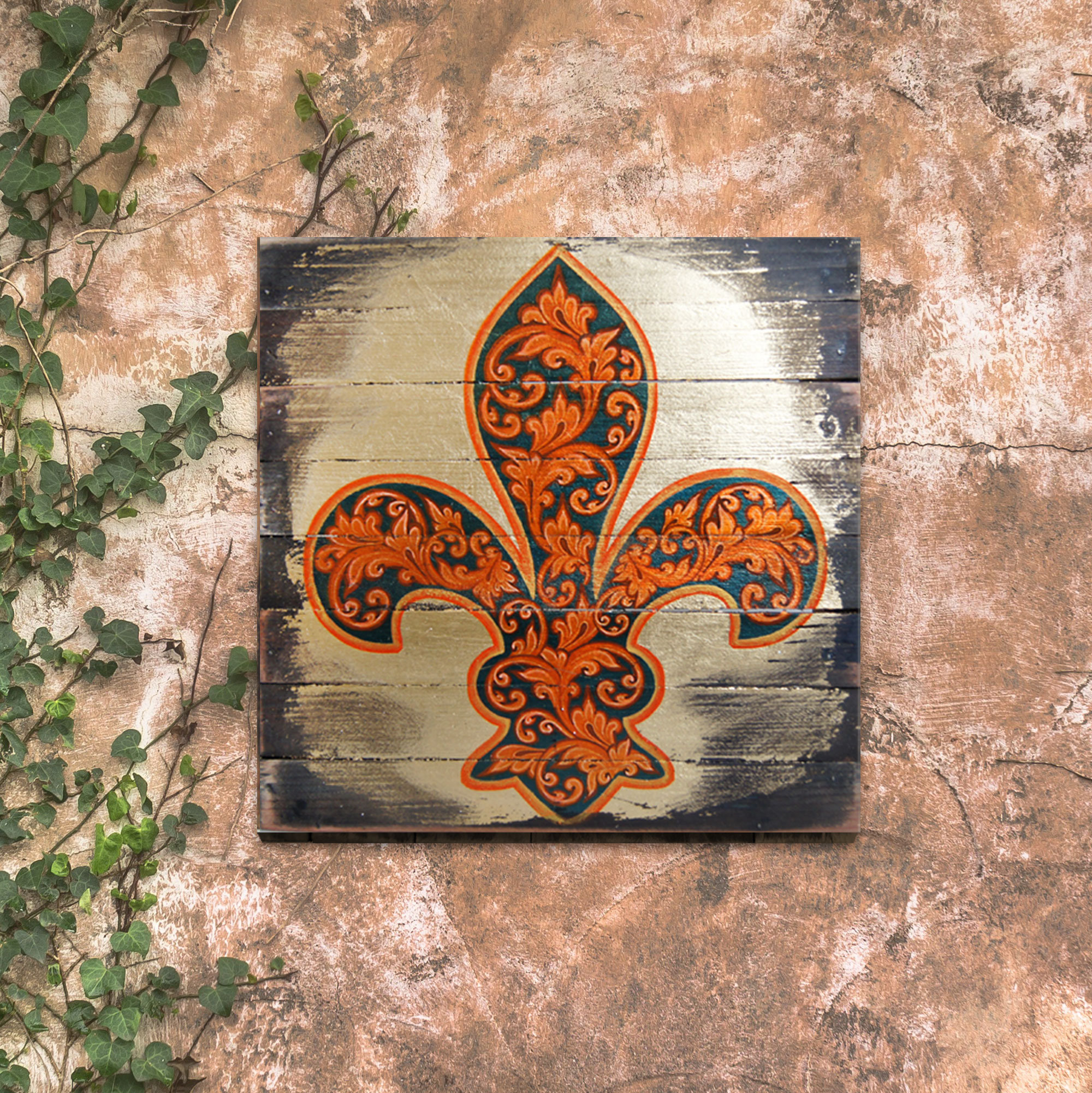
[sps_html tag=”img” src=”https://cdn.theartssection.com/wp-content/uploads/2025/11/fleur-de-lis-living-cross-fleur-de-lis-on-wood-painting-wayfair-pertaining-to-cross-fleur-de-lis-as-a-bridge-between-ancient-wisdom-and-modern-practice.jpg” alt=”Fleur De Lis Living Cross Fleur-De-Lis On Wood Painting | Wayfair pertaining to Cross Fleur-De-Lis as a Bridge Between Ancient Wisdom and Modern Practice” style=”width: 100%; height: auto;”]
[sps_html tag=”img” src=”https://cdn.theartssection.com/wp-content/uploads/2025/11/cross-fleur-de-lis-etsy-intended-for-cross-fleur-de-lis.jpg” alt=”Cross Fleur De Lis - Etsy intended for Cross Fleur-De-Lis” style=”width: 100%; height: auto;”]
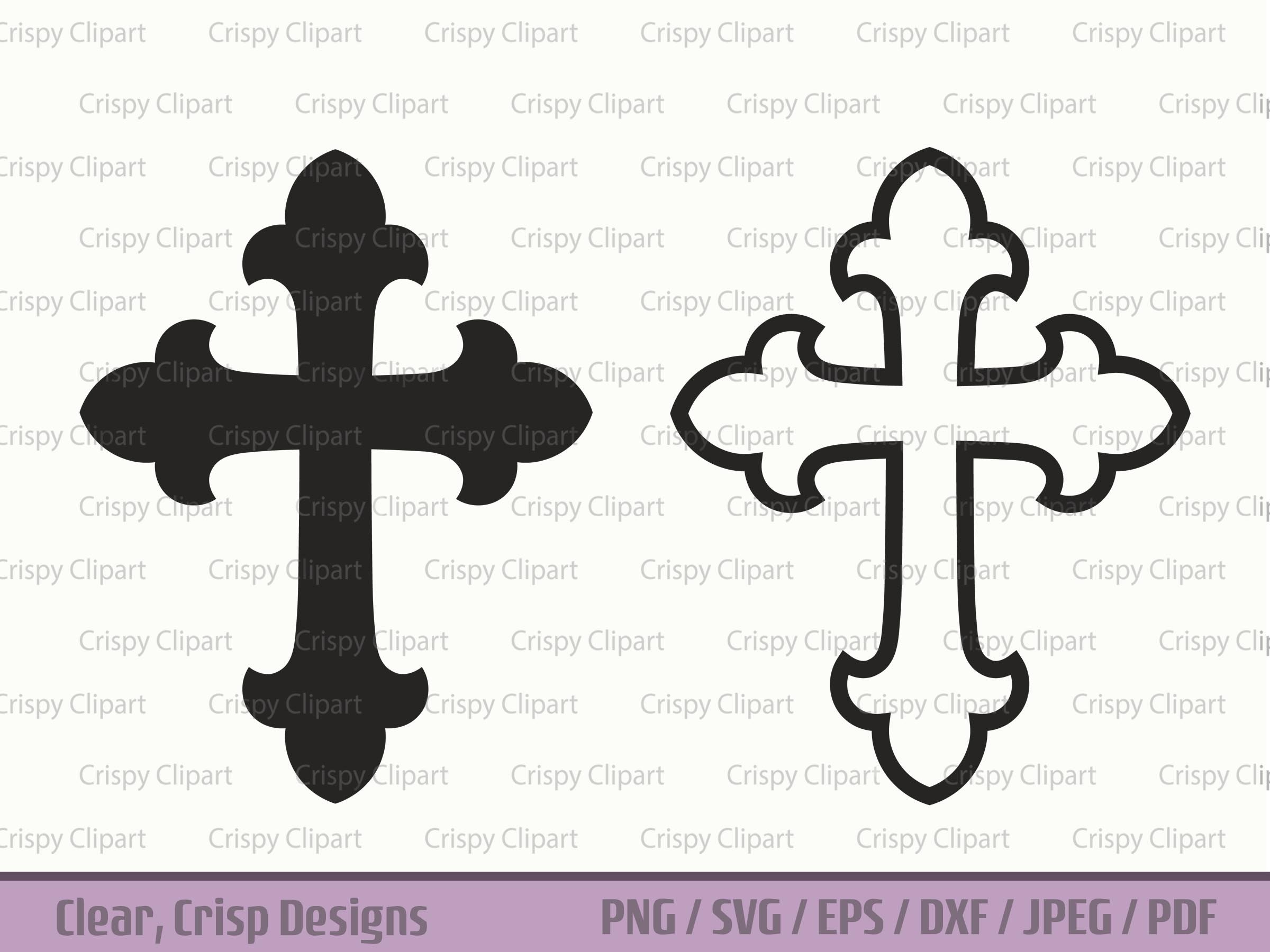
[sps_html tag=”img” src=”https://cdn.theartssection.com/wp-content/uploads/2025/11/fleur-de-lis-cross-clipart-svg-cross-silhouette-cut-file-catholic-with-cross-fleur-de-lis.jpg” alt=”Fleur De Lis Cross Clipart Svg, Cross Silhouette Cut File, Catholic … with Cross Fleur-De-Lis” style=”width: 100%; height: auto;”]
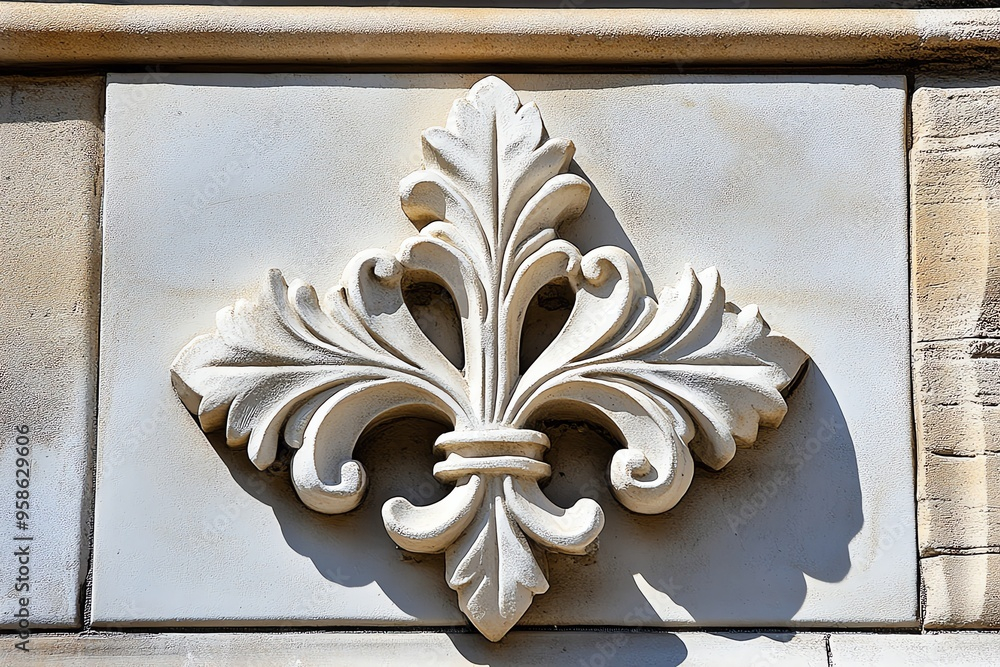
[sps_html tag=”img” src=”https://cdn.theartssection.com/wp-content/uploads/2025/11/photo-art-print-heraldic-design-cross-patterns-fleur-de-lis-add-pertaining-to-cross-fleur-de-lis.jpg” alt=”Photo & Art Print Heraldic Design, Cross Patterns, Fleur-De-Lis Add … pertaining to Cross Fleur-De-Lis” style=”width: 100%; height: auto;”]
[sps_html tag=”img” src=”https://cdn.theartssection.com/wp-content/uploads/2025/11/celtic-cross-fleur-de-lis-gold-and-silver-pendant-with-cross-fleur-de-lis.jpg” alt=”Celtic Cross Fleur-De-Lis Gold And Silver Pendant with Cross Fleur-De-Lis” style=”width: 100%; height: auto;”]