When most people think of Portugal’s coastline, they picture golden sands and azure waters. But there’s another side to this coastal landscape that’s equally captivating – the rugged brown rock formations that define much of Portugal’s dramatic shoreline. These aren’t just random stones scattered along the beach; they tell a story of ancient geological forces, climate changes, and the patient work of wind and water over millions of years.
Portugal’s coastline stretches over 800 kilometers, but not all of it looks the same. While some areas showcase the familiar golden beaches and turquoise seas, others present a different kind of beauty – one dominated by brown and gray rock formations that rise from the ocean like ancient sentinels. This distinctive brown coastal geography isn’t just visually striking; it’s the result of unique geological conditions that have shaped this part of Europe for eons. From the rugged cliffs of the Algarve to the dramatic promontories of the north, these brown rocks hold secrets about the Earth’s history and the forces that continue to mold our planet today.
The Geological Foundation
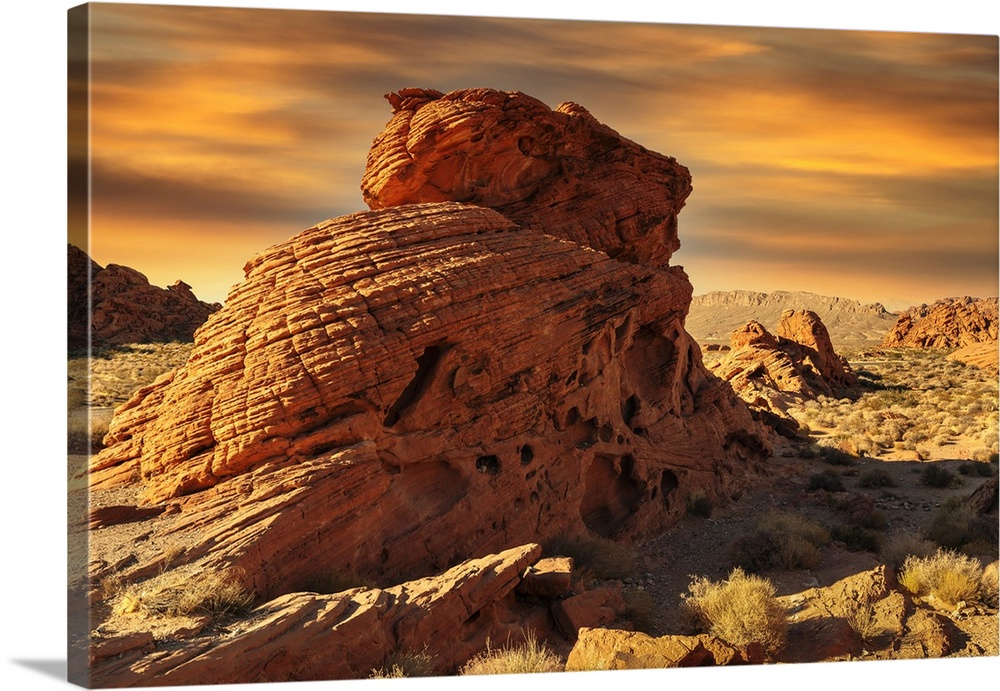
What makes Portugal’s coastal rocks brown? It’s all about mineral composition and age. The brown color comes primarily from iron oxide minerals that have been exposed to weathering over millions of years. These aren’t young formations either – many of the coastal rocks date back hundreds of millions of years to the Paleozoic era. Imagine standing on a cliff and feeling the weight of geological time pressing down on you. The rocks beneath your feet were once part of vast mountain ranges that have been worn away by erosion. The brown hue is actually a sign of maturity in these formations – they’ve had enough time to develop their characteristic coloration through oxidation processes. When you look closely at these rocks, you’ll notice how the layers tell stories of ancient seas, volcanic activity, and shifting continents.
Why the Brown Color Matters
The brown color isn’t just aesthetic – it’s functional too. Brown rocks tend to be more resistant to erosion than lighter-colored alternatives because of their mineral content. They form natural barriers against wave action and storms, protecting inland areas from the full force of ocean swells. This resistance creates unique coastal features like sea stacks, arches, and caves that have become iconic landmarks. Think about the famous Ponta da Piedade in the Algarve – those towering brown rock formations wouldn’t exist if the underlying geology were more susceptible to weathering. The brown color also helps these rocks blend into the landscape during certain lighting conditions, creating an almost mystical quality during dawn and dusk hours. The color reflects differently under various atmospheric conditions, sometimes appearing almost black in shadowed areas and rich chocolate brown in direct sunlight.
Coastal Landforms Shaped by Brown Rocks
The interaction between brown coastal rocks and ocean forces creates spectacular landforms. Sea caves form when waves gradually erode softer sections of rock, leaving behind dramatic arches and pillars. The famous Praia da Marinha near Lagos showcases how these processes work in real-time. You can see the ongoing battle between the sea and the rock, with new formations constantly being created and destroyed. The brown limestone and sandstone formations create different erosion patterns compared to other rock types. Some areas feature vertical cliffs that drop directly into the ocean, while others display gentle slopes that gradually lead to the water’s edge. These variations in topography affect everything from local weather patterns to the types of marine life that can thrive in nearby waters. The unique rock formations also influence the way waves break and interact with the shore, creating different surf conditions and beach characteristics.
Unique Ecosystems Supported by Brown Coasts
These brown coastal environments support specialized ecosystems that have adapted to the harsh conditions. The rocky surfaces provide habitat for various plants that can survive in thin soil pockets and extreme weather conditions. Seaweed communities often flourish on the brown rocks, creating underwater forests that serve as nurseries for fish and other marine creatures. The mineral-rich environment supports unique algae species that give certain areas a subtle green or purple tinge during certain seasons. Birds like the Audouin’s gull and various shearwater species nest on the ledges of these brown formations, taking advantage of the protection they offer from predators. The intertidal zones around these rocks create a fascinating ecosystem where land and sea meet, supporting organisms that can tolerate both saltwater and air exposure. These areas often have higher biodiversity than sandy beaches due to the complexity of microhabitats available.
Human Impact and Conservation Challenges
Human activities pose significant threats to these delicate brown coastal ecosystems. Tourism, while beneficial economically, can damage fragile rock formations through excessive foot traffic and improper waste disposal. Coastal development projects often fail to account for the unique geological requirements of brown rock areas, leading to erosion problems and habitat destruction. Climate change brings additional challenges, as rising sea levels and increased storm intensity accelerate erosion processes that normally take centuries to occur. Local communities have developed traditional practices to protect these formations, such as limiting access to sensitive areas and using sustainable fishing methods. Conservation efforts focus on balancing tourism needs with environmental protection, ensuring future generations can experience these unique landscapes. Many areas now implement visitor management strategies to reduce impact while still allowing public access to these natural wonders.
Seasonal Changes and Weather Patterns
Brown coastal areas experience distinct seasonal variations that affect both their appearance and accessibility. During winter months, the constant wave action and storm conditions can dramatically alter the coastline, revealing new rock faces and changing the shape of existing formations. Summer brings calmer seas and more stable conditions, making these areas more accessible for exploration and photography. The brown rocks reflect heat differently than sandy beaches, creating microclimates that can be significantly cooler in the shade. Fog and mist often roll in from the ocean, adding an ethereal quality to the brown rock formations that makes them appear almost magical. The changing light throughout the day affects how the brown color appears, with early morning and late afternoon providing the most dramatic contrast between the rocks and the sky. Weather patterns also influence the types of vegetation that can grow on these coastal areas, with some species thriving in the harsh conditions while others struggle to survive.
Portugal’s brown rocky coasts represent more than just beautiful scenery – they’re windows into Earth’s deep history and ongoing geological processes. These formations tell stories of ancient oceans, massive climate shifts, and the patient work of natural forces over millions of years. Understanding their unique characteristics helps us appreciate not just their visual appeal, but their ecological importance and scientific value. Whether you’re a casual visitor or someone studying geology, these brown coastal landscapes offer endless opportunities for discovery and wonder. They remind us that beauty isn’t always found in the obvious – sometimes it’s hidden in the subtle details of rock formation, the way light plays across weathered surfaces, and the complex relationships between land, sea, and life. The next time you find yourself on Portugal’s coast, take a moment to observe the brown rocks around you – they’re not just geological features, they’re living records of our planet’s incredible story.
[sps_html tag=”img” src=”https://cdn.theartssection.com/wp-content/uploads/2025/11/coastal-geology-exploration-psd-high-quality-free-psd-templates-for-for-capturing-the-essence-of-portugals-coastal-geology-through-fine-art.jpg” alt=”Coastal Geology Exploration Psd, High Quality Free Psd Templates For … for Capturing the essence of Portugal's coastal geology through fine art” style=”width: 100%; height: auto;”]
[sps_html tag=”img” src=”https://cdn.theartssection.com/wp-content/uploads/2025/11/premium-ai-image-the-essence-of-coastal-with-regard-to-brown-rocky-coast-portugal-canvas-print-4-panels.jpg” alt=”Premium Ai Image | The Essence Of Coastal with regard to "Brown Rocky Coast Portugal" Canvas Print, 4 Panels” style=”width: 100%; height: auto;”]
[sps_html tag=”img” src=”https://cdn.theartssection.com/wp-content/uploads/2025/11/coastal-reflections-peninsula-essence-intended-for-brown-rocky-coast-portugal-canvas-print-4-panels.jpg” alt=”Coastal Reflections - Peninsula Essence intended for "Brown Rocky Coast Portugal" Canvas Print, 4 Panels” style=”width: 100%; height: auto;”]
[sps_html tag=”img” src=”https://cdn.theartssection.com/wp-content/uploads/2025/11/coastal-elegance-enchanting-nature-in-high-speed-monochrome-stock-with-brown-rocky-coast-portugal-canvas-print-4-panels.jpg” alt=”Coastal Elegance Enchanting Nature In High-Speed Monochrome Stock … with "Brown Rocky Coast Portugal" Canvas Print, 4 Panels” style=”width: 100%; height: auto;”]
[sps_html tag=”img” src=”https://cdn.theartssection.com/wp-content/uploads/2025/11/capturing-the-essence-of-ocean-waves-coastal-paint-pour-art-stock-pertaining-to-brown-rocky-coast-portugal-canvas-print-4-panels.jpg” alt=”Capturing The Essence Of Ocean Waves: Coastal Paint Pour Art Stock … pertaining to "Brown Rocky Coast Portugal" Canvas Print, 4 Panels” style=”width: 100%; height: auto;”]