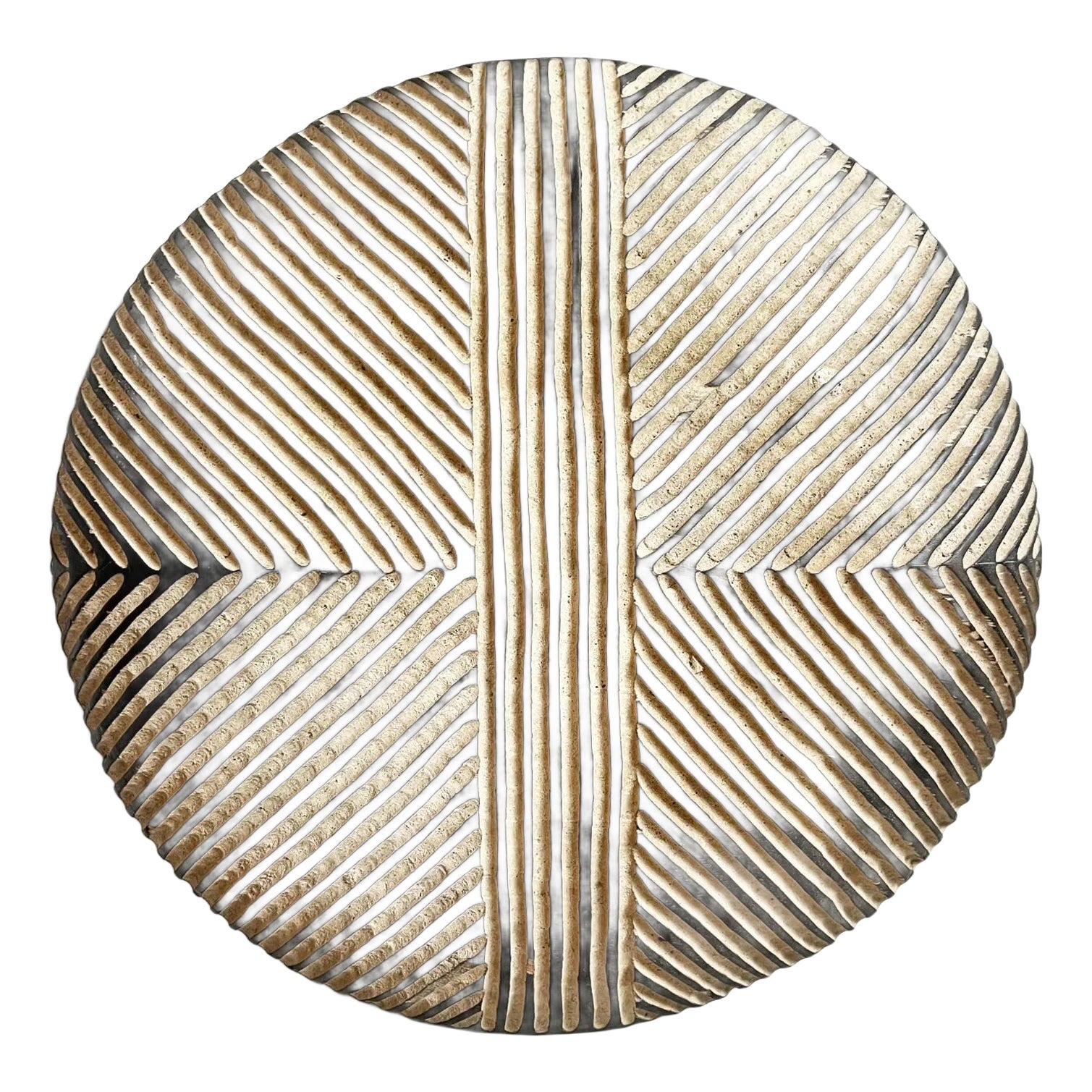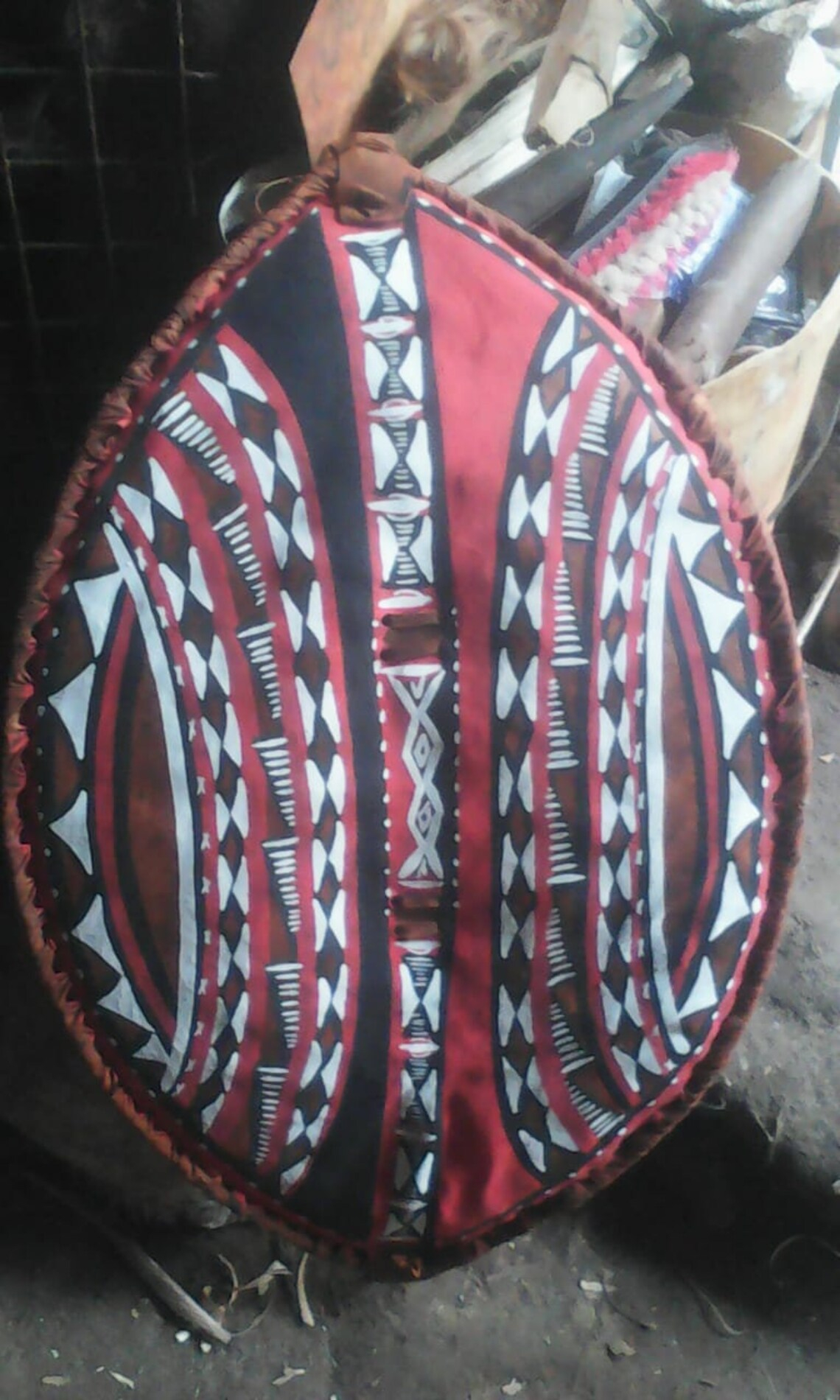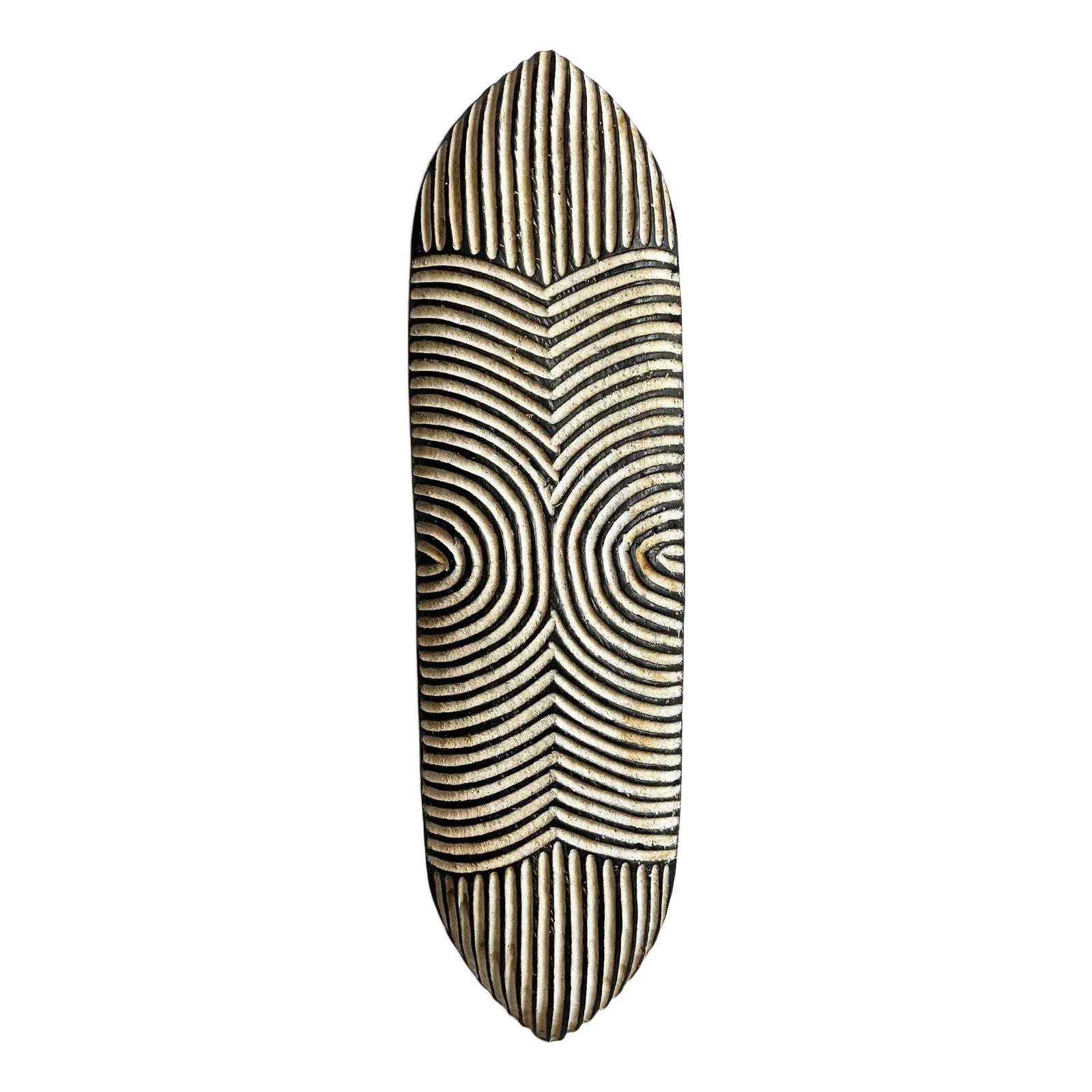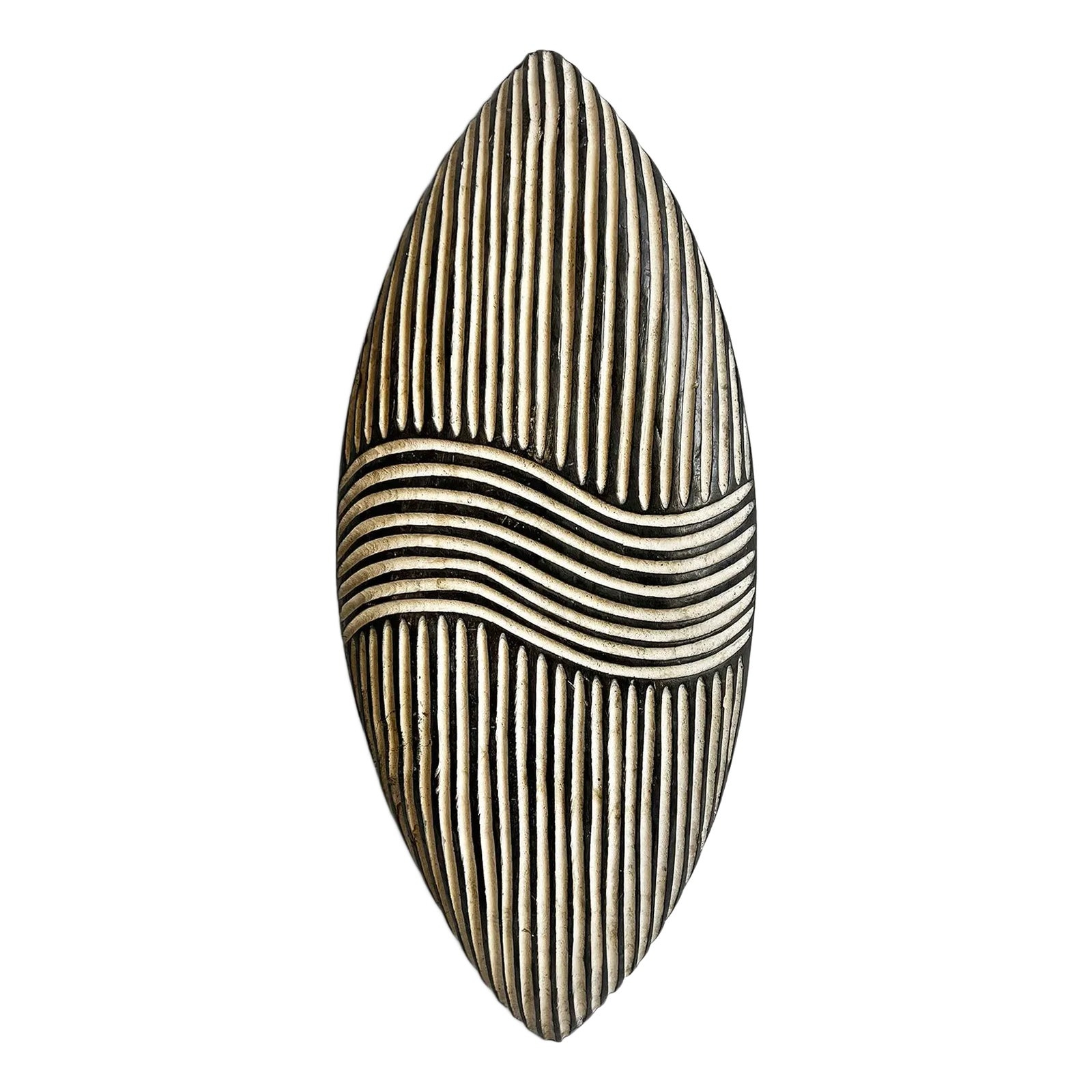
In the heart of Southern Africa, where ancient traditions still pulse with life, lies a remarkable artifact that speaks volumes about heritage, identity, and community. These aren’t just decorative items – they’re living stories carved in wood and painted with meaning. Welcome to the world of Consigned Kabelo traditional shields.
Picture this: You’re standing in a small village in South Africa, surrounded by the gentle hum of daily life. In front of you sits an elderly man, his weathered hands carefully handling what appears to be a wooden shield. But this isn’t just any ordinary shield. It’s a Kabelo, a traditional shield that carries centuries of cultural wisdom and ancestral knowledge. These remarkable artifacts have been passed down through generations, each one telling its own unique story. The journey of these shields is far more than a simple tale of craftsmanship. It’s a narrative woven through time, connecting past and present in ways that modern society often overlooks. Every groove, every color, every design element holds significance that goes beyond the surface. When we talk about Consigned Kabelo traditional shields, we’re discussing more than objects – we’re exploring cultural identity, community bonds, and the enduring power of tradition.
Origins and Cultural Significance
The Kabelo shield finds its roots deep within the cultural fabric of southern African communities. These shields weren’t merely defensive tools – they were symbols of status, protection, and spiritual connection. The word ‘Kabelo’ itself comes from the Sotho language, where it means ‘to protect’ or ‘to defend’. This naming reflects the fundamental role these shields played in traditional societies. Historically, different groups had their own variations, but the core purpose remained consistent across cultures. The shield represented more than physical protection – it was a guardian against negative forces and a protector of family honor. In many communities, only certain individuals could possess these shields, typically warriors, elders, or those who had proven themselves worthy through various trials. The construction process itself was sacred, often involving rituals and ceremonies that connected the maker to ancestral spirits. Each shield was crafted with specific materials and techniques that had been perfected over countless generations. The wood chosen wasn’t random either – different types of trees carried different meanings and properties. Some communities believed that certain woods possessed protective qualities that would transfer to the shield wearer. The process of creating these shields was so important that it often took several months to complete, with each step carrying spiritual weight. Today, while the practical use has diminished, the cultural significance remains paramount, serving as powerful reminders of ancestral wisdom and community values.
Craftsmanship and Materials
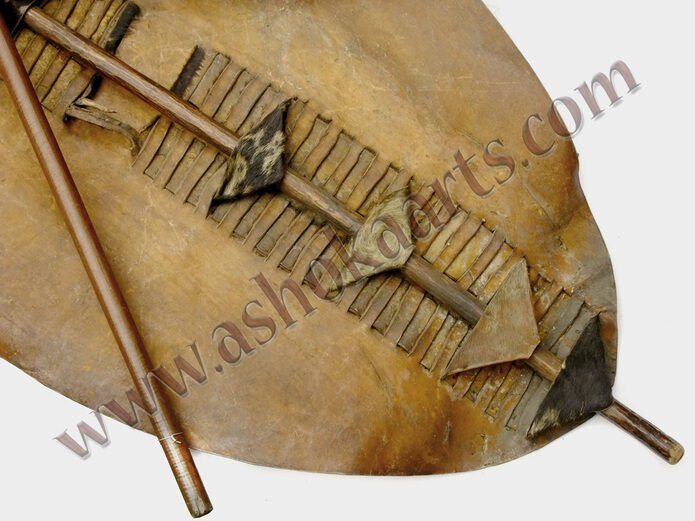
The artistry behind Kabelo shields is nothing short of extraordinary. Master craftspeople spend years perfecting their skills, learning not just the technical aspects but the deeper meanings behind each design element. The primary material used is usually hardwood, often from acacia or baobab trees, prized for their durability and symbolic properties. What makes these shields truly special isn’t just the wood – it’s how the artisans work with it. The process begins with selecting the perfect timber, a skill that requires deep understanding of wood characteristics and seasonal factors. Once the wood is chosen, the carving begins, and this is where the true magic happens. Skilled craftsmen use traditional tools passed down through generations, sometimes even using stone implements that mirror ancient techniques. The carvings themselves tell stories – geometric patterns might represent strength, while organic designs could symbolize growth or fertility. Many shields feature intricate patterns that seem almost impossible to replicate with modern tools. The paint used is equally significant, often made from natural pigments derived from plants, minerals, and earth. Red ochre might represent blood and life force, while white could symbolize purity or spiritual clarity. The combination of these elements creates shields that are not just functional but also deeply meaningful. Some shields are so intricately decorated that they appear almost like works of art, with patterns that shift and change depending on the angle of light. The finished product represents not just the individual artisan’s skill but the collective wisdom of an entire community.
Symbolism and Design Elements
Every aspect of a Kabelo shield design carries profound meaning, making each piece a visual encyclopedia of cultural knowledge. The patterns aren’t merely decorative – they’re coded messages that communicate specific messages to those who understand the symbolism. Geometric shapes often represent concepts like balance, strength, or unity. Triangles might symbolize the three realms of existence – earth, sky, and underworld. Circles frequently denote completeness or eternal cycles. More complex designs combine multiple elements to create layered meanings that can take years to fully decode. Animal motifs are particularly common, each creature carrying its own spiritual significance. The leopard might represent courage and stealth, while the elephant could symbolize wisdom and memory. Bird designs often signify freedom or communication with the spirit world. Some shields incorporate human figures, though these are less common and usually reserved for ceremonial purposes. The colors themselves hold importance – black might represent the unknown or mystery, while gold could indicate royalty or divine connection. The arrangement of these elements follows specific rules that vary between different cultural groups. Some communities believe that the positioning of certain symbols affects the shield’s protective properties. The overall aesthetic balance is crucial, with each element contributing to the shield’s spiritual power rather than just visual appeal. Modern collectors and scholars often find themselves trying to decipher these ancient languages of design, spending months or even years studying individual pieces to understand their deeper meanings.
Traditional Usage and Ceremonial Roles
In their historical context, Kabelo shields served far more than defensive purposes. They were integral to the social fabric of traditional communities, playing key roles in ceremonies, rituals, and important life events. During coming-of-age ceremonies, young people would receive their first shields as symbols of their transition to adulthood. The ceremony itself was elaborate, involving the entire community and often lasting several days. Warriors would carry their shields during battles, but they also used them in peace-time ceremonies to demonstrate their prowess and readiness to protect the community. The shields were sometimes used as offerings to ancestors, placed in sacred spaces during important religious observances. In some communities, specific shields were designated for different occasions – one might be used for agricultural celebrations, another for hunting rituals, and yet another for healing ceremonies. The act of carrying a shield was considered a privilege that came with responsibilities. Those who bore these shields were expected to embody the values they represented – courage, wisdom, protection, and community loyalty. The ceremonial use extended beyond just the shields themselves. The way they were handled, displayed, and maintained was governed by strict protocols that ensured their continued spiritual effectiveness. Some shields were never touched by anyone except designated individuals, maintaining their sacred status throughout their lifetime. These ceremonial practices helped preserve not just the physical objects but also the cultural knowledge associated with them. The passing down of shield usage knowledge was as important as the physical inheritance of the objects themselves.
Modern Preservation and Commercialization
Today, the landscape surrounding Kabelo shields has shifted dramatically. While traditional uses continue in some communities, the broader world has taken notice of these remarkable artifacts. The commercial market has created new opportunities and challenges for both artisans and collectors. On one hand, increased global interest has provided economic incentives for traditional craftspeople, helping sustain their livelihoods and keep skills alive. Many artisans now create both traditional and contemporary versions, balancing respect for heritage with market demands. However, this commercialization has also raised concerns about authenticity and cultural appropriation. Some pieces sold as authentic Kabelo shields may not meet traditional standards or may lack proper cultural context. The challenge lies in maintaining the integrity of these cultural treasures while allowing them to reach wider audiences. Museums and cultural institutions play a vital role in preserving and educating about these artifacts. They work to ensure that the stories behind the shields are properly told and respected. Some communities have established programs to control the production and sale of traditional shields, ensuring that proceeds benefit local artisans and cultural preservation efforts. The digital age has also transformed how these shields are shared and appreciated. Online platforms allow collectors worldwide to learn about these artifacts, but they also raise questions about ownership and cultural rights. Finding the right balance between accessibility and respect for cultural origins remains an ongoing challenge. Some organizations focus specifically on fair trade practices, ensuring that artisans receive fair compensation for their work while maintaining cultural authenticity.
Cultural Impact and Contemporary Relevance
The legacy of Kabelo shields extends far beyond their physical presence. They represent a bridge between past and present, offering insights into how traditional societies functioned and what values they held dear. For many communities, these shields serve as powerful symbols of cultural continuity and resistance to cultural erasure. In times of social change, they provide a connection to ancestral wisdom and traditional knowledge systems. Modern artists and designers draw inspiration from Kabelo shield aesthetics, incorporating traditional patterns and concepts into contemporary works. This cross-cultural exchange can be positive when done respectfully and with proper acknowledgment of origins. Educational institutions increasingly recognize the value of including these artifacts in curricula, helping students understand the complexity of African cultural traditions. The shields also play a role in identity formation for younger generations, particularly those who may feel disconnected from their heritage. Many find that engaging with traditional artifacts helps them reconnect with their roots and understand their place in broader cultural narratives. Some communities use shield imagery in modern contexts, such as branding or political symbolism, demonstrating how traditional concepts can adapt to contemporary needs. The ongoing relevance of these artifacts shows that cultural traditions aren’t relics of the past but living elements that continue to shape identity and community values.
The story of Consigned Kabelo traditional shields is ultimately about human connection – to our ancestors, to our communities, and to ourselves. These remarkable artifacts remind us that culture isn’t static, but rather a dynamic force that evolves while maintaining core values. Whether you’re a collector, student, or simply someone curious about cultural heritage, these shields offer profound insights into the human experience. Their legacy continues to grow, finding new ways to speak to contemporary audiences while honoring their ancient origins. As we move forward, the responsibility falls on all of us to ensure that these cultural treasures are preserved, respected, and understood in their proper context. The Kabelo shield isn’t just a historical curiosity – it’s a living testament to the resilience and creativity of human culture. Every time someone handles one of these shields, they become part of that continuing story, carrying forward the wisdom and traditions that make them so meaningful. The journey of these shields from ancient crafting to modern appreciation is a reminder that the best traditions aren’t forgotten – they’re adapted, celebrated, and passed on to inspire future generations. What started as simple protective tools has evolved into powerful symbols of cultural identity that continue to resonate across time and space. Perhaps that’s the most beautiful aspect of these remarkable objects – they show us that the past isn’t something to look back on with nostalgia, but rather something to actively engage with and build upon.
[sps_html tag=”img” src=”https://cdn.theartssection.com/wp-content/uploads/2025/11/original-60x24in-zulu-warriors-shield-fully-functional-black-etsy-new-regarding-vintage-zulu-shield-traditions-and-their-modern-conservation.jpg” alt=”Original 60X24In Zulu Warriors Shield Fully Functional Black - Etsy New … regarding Vintage Zulu Shield Traditions and Their Modern Conservation” style=”width: 100%; height: auto;”]
[sps_html tag=”img” src=”https://cdn.theartssection.com/wp-content/uploads/2025/11/vintage-zulu-round-shield-wall-art-chairish-for-consigned-kabelo-vintage-round-zulu-shield.jpg” alt=”Vintage Zulu Round Shield Wall Art | Chairish for Consigned Kabelo Vintage Round Zulu Shield” style=”width: 100%; height: auto;”]
[sps_html tag=”img” src=”https://cdn.theartssection.com/wp-content/uploads/2025/11/large-antique-zulu-shield-with-original-stick-and-knobkerrie-display-with-regard-to-vintage-zulu-shield-traditions-and-their-modern-conservation.jpg” alt=”Large Antique Zulu Shield With Original Stick And Knobkerrie Display … with regard to Vintage Zulu Shield Traditions and Their Modern Conservation” style=”width: 100%; height: auto;”]
[sps_html tag=”img” src=”https://cdn.theartssection.com/wp-content/uploads/2025/11/vintage-zulu-tribal-elongated-shield-chairish-with-regard-to-vintage-zulu-shield-traditions-and-their-modern-conservation.jpg” alt=”Vintage Zulu Tribal Elongated Shield | Chairish with regard to Vintage Zulu Shield Traditions and Their Modern Conservation” style=”width: 100%; height: auto;”]
[sps_html tag=”img” src=”https://cdn.theartssection.com/wp-content/uploads/2025/11/vintage-black-white-zulu-elongated-shield-chairish-within-vintage-zulu-shield-traditions-and-their-modern-conservation.jpg” alt=”Vintage Black & White Zulu Elongated Shield | Chairish within Vintage Zulu Shield Traditions and Their Modern Conservation” style=”width: 100%; height: auto;”]