Imagine walking through a historic cabin and seeing the perfect fit of wooden beams that have held strong for decades. That’s the magic of square wood joinery. This ancient craft combines precision, skill, and patience to create joints that are both functional and artistic. What makes this technique so special isn’t just its strength, but the way it transforms simple wood pieces into something magnificent.
Square wood joinery stands as one of humanity’s oldest and most respected woodworking techniques. It’s the method where two pieces of wood meet at right angles, creating clean, strong connections that have been used for centuries in everything from fine furniture to massive timber framing. This approach to joining wood requires careful planning, precise measurements, and a deep understanding of wood properties. The beauty lies in its simplicity – just two pieces meeting perfectly at ninety degrees, yet achieving incredible durability and stability. Whether you’re a seasoned craftsman or someone curious about woodworking, understanding square joinery opens doors to appreciating some of history’s most enduring structures and furniture pieces.
The Foundation of Square Joinery
At its heart, square wood joinery relies on basic geometric principles. When wood pieces meet at right angles, they create natural stress distribution patterns that make the joint incredibly strong. Think about how a bookshelf holds books without sagging – that’s square joinery working in action. The key is ensuring that the mating surfaces are perfectly perpendicular and that the wood grain runs in the right direction. This creates compression forces that naturally hold the pieces together. Traditional joiners often say that good square joinery starts with good wood selection. Hardwoods like oak, maple, and ash work best because they’re dense and stable. The grain structure matters too – straight grain provides better strength than curly or wavy grain patterns.
Essential Tools and Equipment
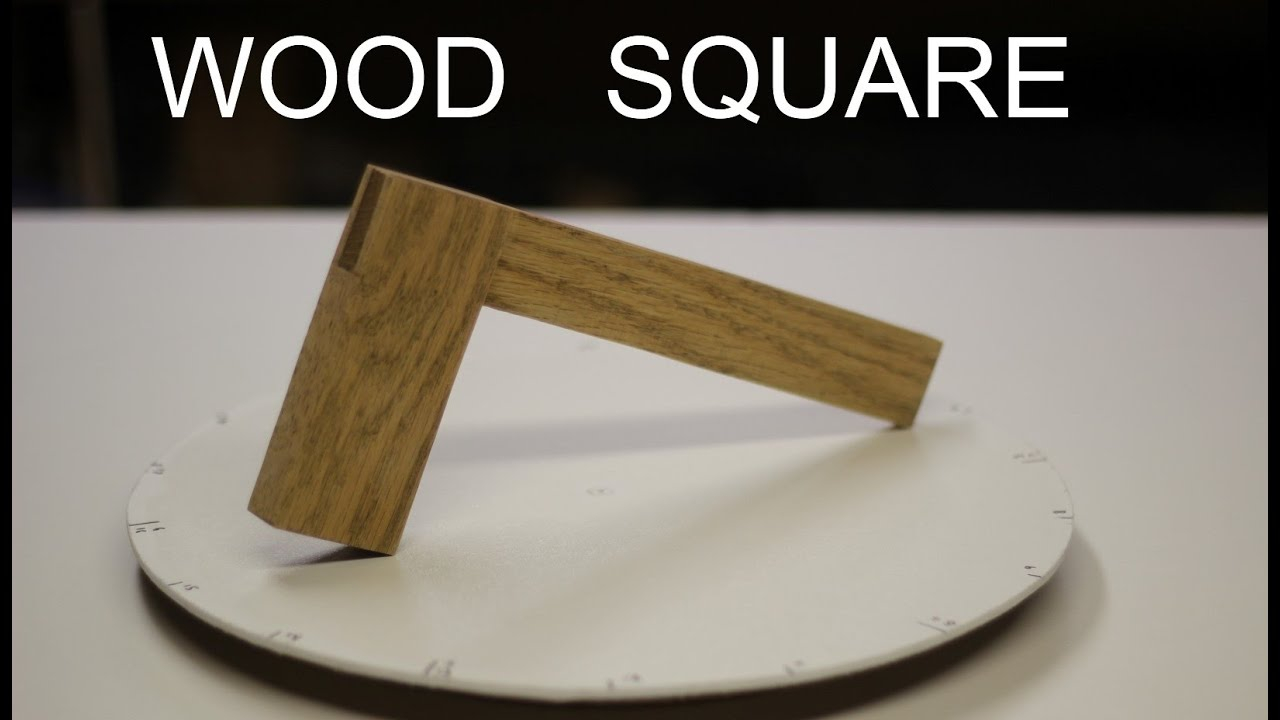
You don’t need fancy machinery to start square wood joinery. A few basic tools will get you far. A sharp chisel is essential for cutting precise grooves and shoulders. A mallet helps with controlled tapping during fitting. A combination square ensures accurate measurements and marking. For larger projects, a table saw or router can speed things up, but even hand tools work beautifully when you’re learning. Many traditional craftsmen still prefer hand tools because they offer more control and feedback. The key is having tools that are well-maintained and sharp. Dull tools create rough cuts and poor fits. A good quality block plane can make all the difference in achieving clean, smooth surfaces. Some joiners swear by their favorite hand plane, passed down through generations, that they’ve used for decades.
Common Types of Square Joints
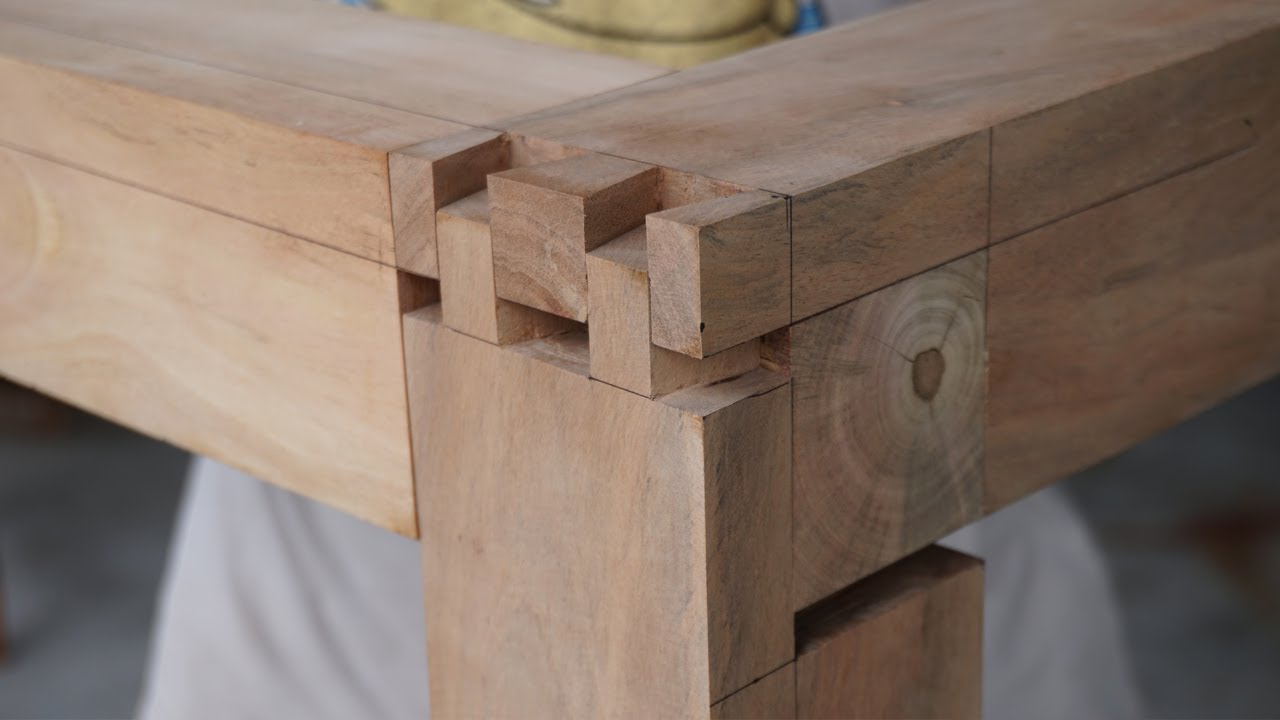
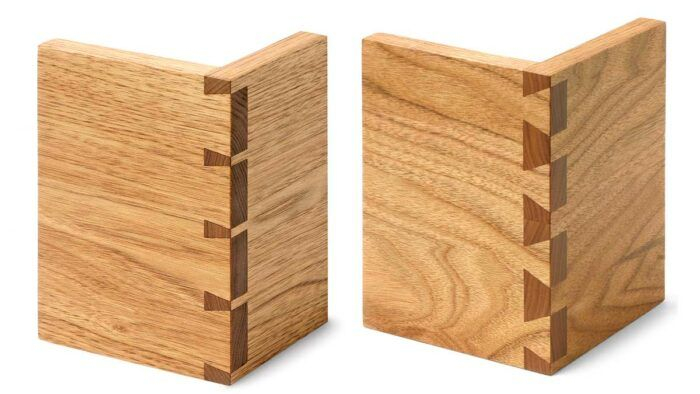
Square wood joinery includes several classic types that each serve different purposes. The simplest is the butt joint, where one piece simply meets another. While basic, it works well when properly reinforced. The lap joint involves one piece extending into another, creating a stronger connection. The mortise and tenon joint is perhaps the most famous – a rectangular hole (mortise) that receives a projecting piece (tenon). This type can be made loose or tight, depending on the application. The dovetail joint, though typically associated with corners, can also work in square configurations. Each type offers unique advantages. The mortise and tenon is excellent for load-bearing applications, while the lap joint works well for decorative elements. Understanding when to use each type helps create better, more durable projects.
Precision and Measurement Techniques
Accuracy defines square wood joinery. Even a fraction of an inch out of square can cause problems. Start with good measuring techniques. Always double-check your measurements before cutting. Use a good ruler or tape measure, and take measurements multiple times. Mark clearly with pencil lines that won’t fade. When cutting, try to cut slightly oversized and then fit carefully rather than trying to get perfect cuts the first time. This approach prevents frustration and costly mistakes. Many experienced joiners recommend cutting everything a little big and then carefully removing material. It’s much easier to remove wood than to add it back. The process of fitting pieces together is called ‘fettling’ – a term that describes the careful adjustment work that makes everything fit perfectly. Patience pays off here, as rushing leads to mistakes that can be hard to fix later.
Wood Selection and Preparation
Choosing the right wood makes a huge difference in joinery success. Look for wood that’s well-seasoned, meaning it has dried properly to reduce moisture content. Green wood is too wet and will shrink as it dries, potentially breaking joints. Dry wood, however, can be too brittle. Aim for wood with 6-8% moisture content. Consider the wood’s grain pattern too – straight grain is generally preferred over irregular patterns. Before cutting, always check that your wood is straight and true. You can do this by placing pieces against a flat surface or using a straight edge. Any warping or twisting needs to be addressed before starting your joinery work. Some woodworkers even air-dry their wood for months before beginning projects, especially for important structural pieces. Proper preparation saves hours of frustration later in the process.
Traditional Methods and Modern Applications
Traditional square wood joinery methods were developed over hundreds of years by master craftsmen who understood wood behavior intimately. These techniques were refined through trial and error, passed down through generations. Today, modern joiners still use these methods but may incorporate new tools and materials. The fundamental principles remain unchanged – wood is shaped to fit precisely, and joints are designed to distribute loads effectively. You’ll find square joinery in everything from traditional barns to modern furniture designs. Contemporary designers often appreciate the clean lines and honest construction of square joints. Some even combine traditional joinery with modern manufacturing techniques. The key is respecting the original principles while adapting to current needs. Many artisans today create custom furniture using traditional square joinery methods, proving that these ancient skills remain highly relevant.
Square wood joinery represents more than just a way to connect wood pieces – it embodies centuries of accumulated wisdom about materials, craftsmanship, and design. The satisfaction of creating a perfect joint that fits precisely is unmatched in woodworking. Whether you’re building a simple shelf or a complex architectural element, understanding square joinery gives you powerful tools for creating lasting, beautiful work. The journey to mastering this skill takes time, patience, and practice, but the results are worth every moment invested. Every successful joint tells a story of careful planning, skilled execution, and respect for the material. As you develop your own techniques and preferences, remember that the best joiners combine traditional knowledge with personal innovation. The art of square wood joinery continues to evolve while maintaining its core principles, offering endless opportunities for creativity and craftsmanship.
[sps_html tag=”img” src=”https://cdn.theartssection.com/wp-content/uploads/2025/11/traditional-japanese-wood-joints-regarding-how-traditional-square-wood-techniques-shape-modern-construction.jpg” alt=”Traditional Japanese Wood Joints regarding How Traditional Square Wood Techniques Shape Modern Construction” style=”width: 100%; height: auto;”]
[sps_html tag=”img” src=”https://cdn.theartssection.com/wp-content/uploads/2025/11/woodcraft-squares-at-tawana-tibbs-blog-pertaining-to-how-traditional-square-wood-techniques-shape-modern-construction.jpg” alt=”Woodcraft Squares At Tawana Tibbs Blog pertaining to How Traditional Square Wood Techniques Shape Modern Construction” style=”width: 100%; height: auto;”]
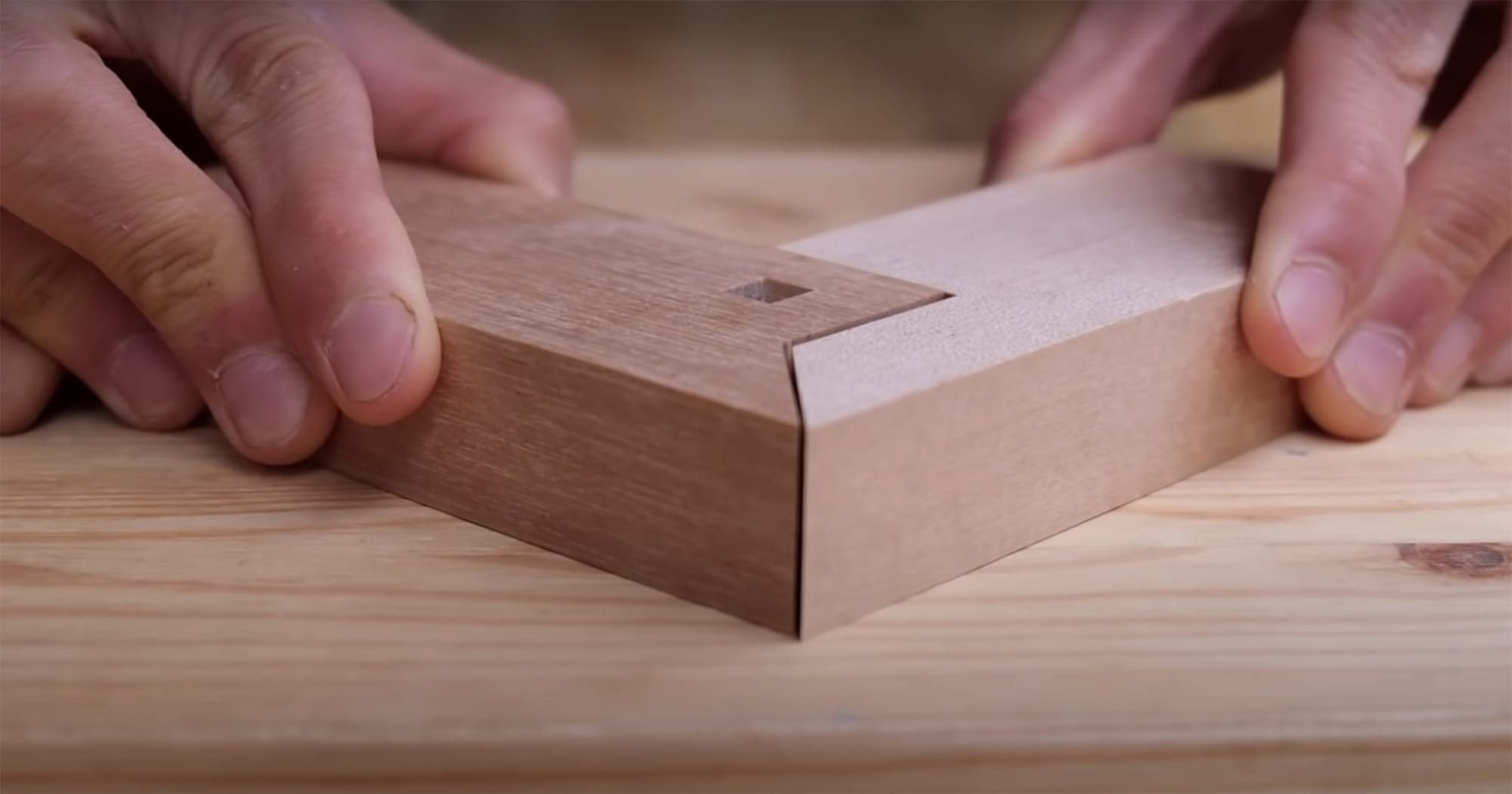
[sps_html tag=”img” src=”https://cdn.theartssection.com/wp-content/uploads/2025/11/the-art-of-joinery-exploring-traditional-and-modern-techniques-for-with-how-traditional-square-wood-techniques-shape-modern-construction.jpg” alt=”The Art Of Joinery: Exploring Traditional And Modern Techniques For … with How Traditional Square Wood Techniques Shape Modern Construction” style=”width: 100%; height: auto;”]
[sps_html tag=”img” src=”https://cdn.theartssection.com/wp-content/uploads/2025/11/dive-into-the-incredibly-satisfying-art-of-japanese-wood-joinery-colossal-within-square-wood.jpg” alt=”Dive Into The Incredibly Satisfying Art Of Japanese Wood Joinery — Colossal within Square Wood” style=”width: 100%; height: auto;”]
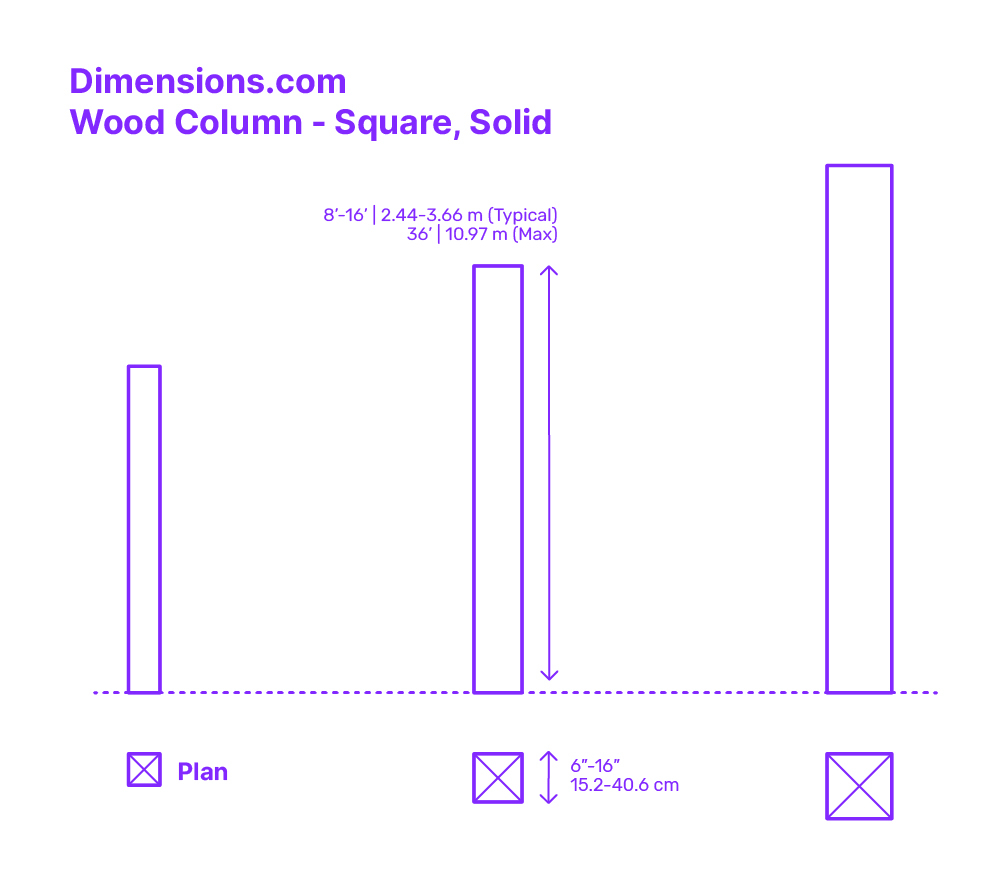
[sps_html tag=”img” src=”https://cdn.theartssection.com/wp-content/uploads/2025/11/wood-columns-dimensions-drawings-dimensions-com-within-square-wood.jpg” alt=”Wood Columns Dimensions & Drawings | Dimensions.com within Square Wood” style=”width: 100%; height: auto;”]