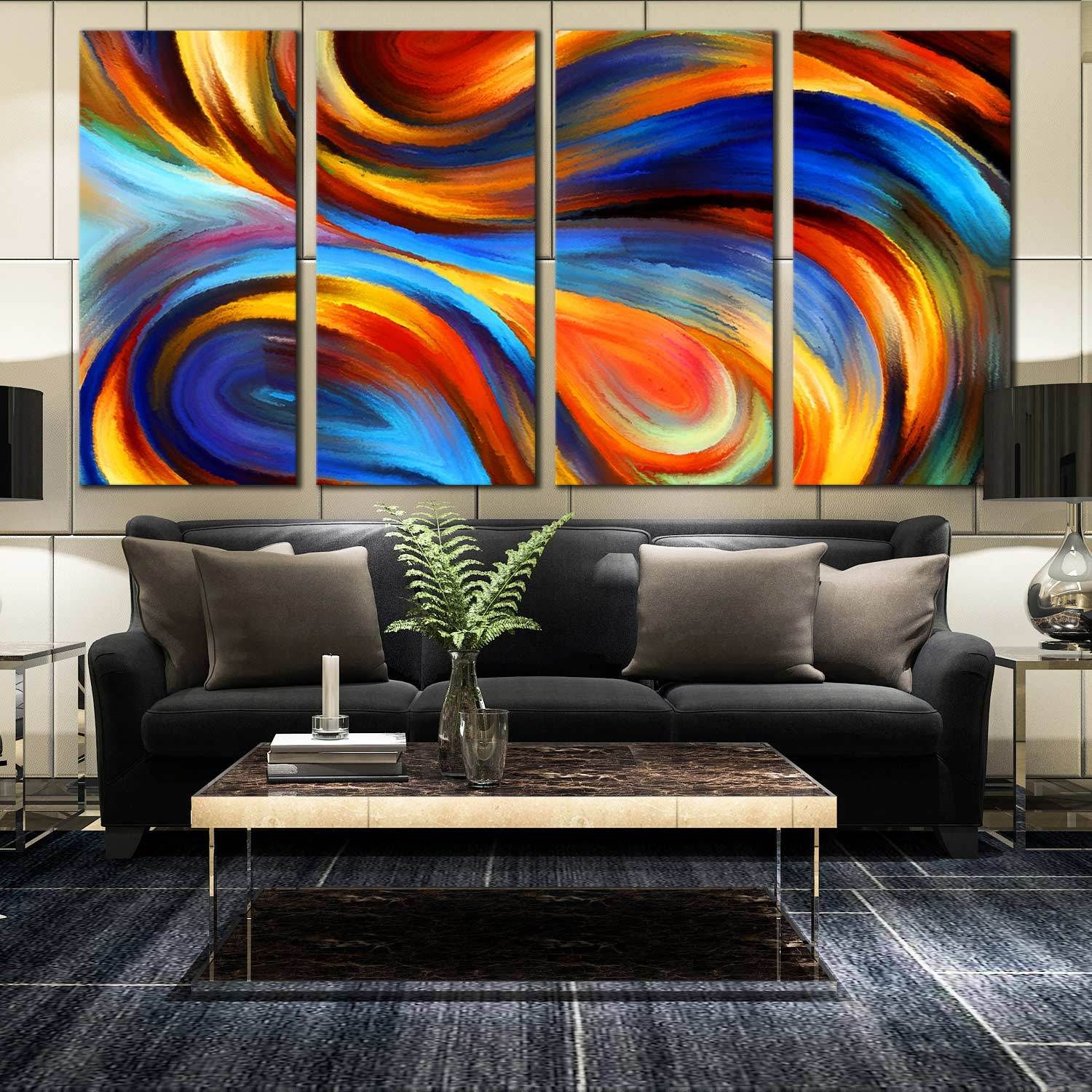
Olivia Rose’s canvases don’t just hang on walls—they carry stories that speak to our shared experiences, struggles, and hopes. Her work invites viewers to look deeper than surface beauty, into the rich layers of meaning that define our modern world. What makes her art so compelling isn’t just its visual impact, but how it weaves together cultural threads that resonate with people across different backgrounds.
In a world where visual media dominates our daily lives, artists like Olivia Rose are using their canvas as a stage for cultural commentary. Her series of paintings doesn’t simply decorate spaces; it transforms them into conversations. Each brushstroke carries intention, each color choice speaks volumes about identity, belonging, and social change. When we examine Rose’s work, we’re not just looking at art—we’re witnessing how contemporary artists are documenting and shaping the stories that define our time.
The Power of Representation in Modern Art
Rose’s work stands out because she approaches representation with both honesty and heart. Her paintings often feature people from diverse backgrounds, capturing moments of connection, struggle, and triumph that might otherwise go unnoticed. She doesn’t shy away from showing complexity—her subjects aren’t simplified stereotypes but fully realized individuals with rich inner lives.
Consider one of her most celebrated pieces: a canvas depicting a young mother and child sharing a quiet moment in a bustling city. The way she captures the mother’s tired but loving expression speaks to countless mothers who’ve faced similar challenges. This kind of representation matters because it validates experiences that many feel invisible in mainstream media.
What makes her approach particularly effective is her ability to show universal truths through specific stories. When someone sees her work, they don’t just see a painting—they see themselves reflected back in ways that feel authentic and empowering.
Color as Cultural Language
One of the most striking aspects of Rose’s artistic vocabulary is how she uses color to communicate cultural narratives. Her palette isn’t arbitrary—it’s carefully chosen to reflect emotional states and cultural associations that transcend language barriers.
Take her series exploring urban life, where she employs deep blues and grays to convey the weight of city living, but then introduces bursts of warm orange and yellow that suggest hope and community. These colors don’t just make the paintings visually appealing; they guide viewers through emotional journeys that mirror real-life experiences.
The artist herself has mentioned that she draws inspiration from the way different communities use color in their traditions. In one interview, she described how she incorporated the earth tones found in Native American pottery into her urban landscapes, creating a visual bridge between historical and contemporary experiences. This layering of cultural references shows how art can serve as a translator between different worlds.
Her use of complementary colors also speaks to the idea of balance in cultural narratives. Where one color might represent a particular experience or identity, its opposite creates tension and dialogue that reflects the complexity of lived reality.
Narratives of Belonging and Displacement
A recurring theme throughout Rose’s series is the concept of belonging—both finding it and feeling displaced from it. Her canvases often show people caught between worlds: immigrants navigating new environments, young adults discovering their identities, or communities trying to maintain traditions while adapting to change.
One particularly powerful piece shows a family gathering where multiple generations sit around a table, each engaged in different activities but connected by shared space and history. The composition suggests how families maintain bonds even when physical or cultural distances grow between members. It’s a subtle but profound statement about resilience and continuity.
These narratives resonate because they touch on fundamental human experiences. We’ve all felt like outsiders somewhere, or struggled to find our place in a changing world. Rose’s work validates those feelings while offering something more—a reminder that displacement doesn’t mean disappearance, and that belonging can take many forms.
Her technique of layering textures and details creates depth that mirrors how memories and relationships build over time. Each element in her paintings tells part of a larger story about how we construct meaning from our experiences.
Intergenerational Stories Through Visual Language
Rose’s exploration of generational differences and connections runs deep in her artistic practice. She doesn’t just paint people; she paints the passing of knowledge, values, and traditions from one generation to the next. Her paintings often capture these moments of transmission—grandparents teaching grandchildren, parents sharing wisdom, or siblings learning from each other.
One memorable series features elderly women teaching younger girls traditional crafts. The careful attention to hand movements and facial expressions reveals how knowledge transfers not just through instruction but through presence and care. There’s something deeply moving about watching these exchanges unfold on canvas, showing how wisdom is preserved and passed forward through intimate moments.
This focus on intergenerational relationships reflects broader cultural shifts. As societies become more mobile and fast-paced, these traditional forms of knowledge transfer are increasingly rare. Rose’s work preserves them, giving them visual permanence that allows future viewers to understand what was once common practice.
She also explores how technology and tradition can coexist. In some paintings, older family members teach younger ones digital skills, showing how adaptation happens within families. These works demonstrate that cultural evolution doesn’t require complete abandonment of the past.
Urban Landscapes as Cultural Stage
Rose’s treatment of urban environments goes beyond mere scenery—it becomes a character in her narratives. Cities appear in her work not just as settings but as active participants in the stories she tells. The architecture, street life, and daily rhythms of urban spaces all contribute to the cultural context of her paintings.
Her urban series often focuses on public spaces—parks, community centers, and neighborhood streets—because these areas serve as democratic stages where diverse groups intersect. A painting might show children playing in a park while their parents chat nearby, or show how a community garden becomes a gathering place for neighbors from different backgrounds.
These scenes reveal how cities function as melting pots of culture, where individual stories merge into collective experiences. The artist’s attention to small details—like the way light falls on a building wall or how shadows form on pavement—creates a sense of lived reality that makes viewers feel present in these spaces.
What’s particularly interesting is how she balances the chaos and energy of city life with moments of peace and connection. Her paintings capture both the noise and the quiet, the crowded and the solitary, reflecting the full spectrum of urban existence.
Community Voices in Contemporary Art
Perhaps what sets Rose apart most is her commitment to amplifying community voices rather than speaking for them. Her process often involves collaboration with local residents, community leaders, and cultural experts to ensure her representations are authentic and respectful.
She has worked extensively with immigrant communities, helping them tell their own stories through visual art. Rather than imposing her own interpretations, she creates spaces for others to express their experiences directly. This collaborative approach means that her final artworks are not just her vision but a synthesis of multiple perspectives.
One project involved working with refugee families in a local community center. The resulting paintings showed the journey of migration, the challenges of starting over, and the hope for the future—all told through the eyes of those who lived these experiences. The authenticity of these works comes precisely from the fact that they were created with deep community input.
This methodology reflects a broader shift in contemporary art toward more inclusive practices. Rose’s work demonstrates that powerful cultural narratives don’t have to come from a single voice but can emerge from collective storytelling. Her success lies in her ability to facilitate these conversations while maintaining artistic integrity.
Olivia Rose’s canvas art series offers us a window into the complex tapestry of contemporary cultural life. Through her thoughtful use of color, careful attention to representation, and genuine respect for community voices, she creates works that do more than decorate spaces—they transform how we see ourselves and each other. Her paintings remind us that art can be both deeply personal and universally relatable, both beautiful and politically charged.
What makes her work especially significant today is her ability to find common ground in diversity. In a time when cultural divisions seem to grow wider, her canvases offer bridges rather than barriers. They show us that despite our differences, we share fundamental human experiences of love, loss, hope, and resilience.
As we continue to navigate an increasingly interconnected yet fragmented world, Rose’s approach provides a model for how art can foster understanding rather than division. Her work doesn’t just document culture—it actively participates in shaping it. Through her paintings, we see not just what is, but what could be. That’s the true power of cultural narrative in contemporary art.
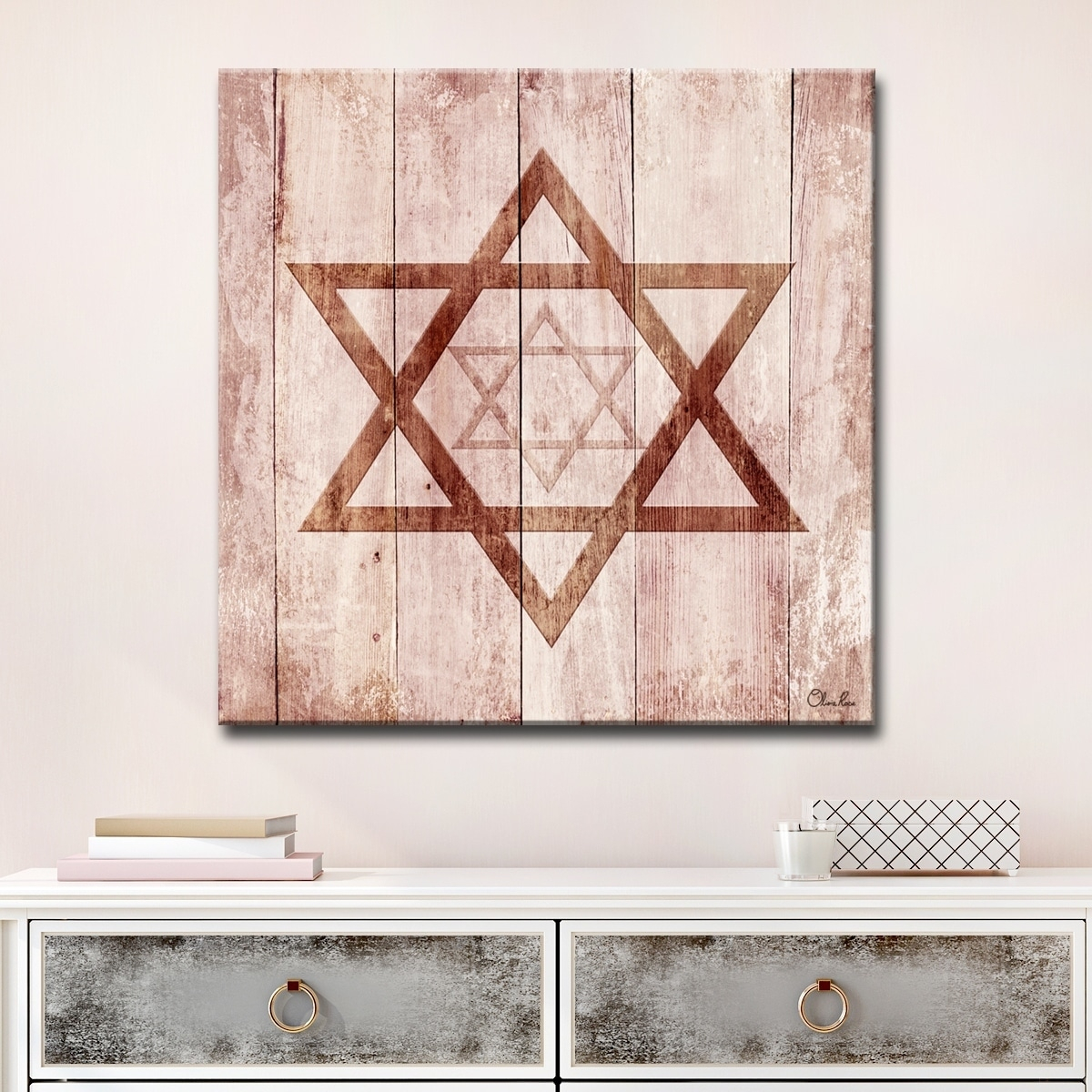
[sps_html tag=”img” src=”https://cdn.theartssection.com/wp-content/uploads/2025/12/olivia-rose-inspirational-star-of-david-x-wrapped-canvas-judaica-wall-pertaining-to-understanding-the-cultural-significance-of-olivia-roses-royal-canvas-art.jpg” alt=”Olivia Rose Inspirational 'Star Of David X' Wrapped Canvas Judaica Wall … pertaining to Understanding the Cultural Significance of Olivia Rose's Royal Canvas Art” style=”width: 100%; height: auto;”]
[sps_html tag=”img” src=”https://cdn.theartssection.com/wp-content/uploads/2025/12/david-austin-rose-olivia-rose-austin-pbr-garden-express-regarding-understanding-the-cultural-significance-of-olivia-roses-royal-canvas-art.jpg” alt=”David Austin Rose Olivia Rose Austin (Pbr) - Garden Express regarding Understanding the Cultural Significance of Olivia Rose's Royal Canvas Art” style=”width: 100%; height: auto;”]
[sps_html tag=”img” src=”https://cdn.theartssection.com/wp-content/uploads/2025/12/amazon-com-olivia-rose-books-biography-latest-update-intended-for-ready2hangart-her-king-his-queen-by-olivia-rose-2-pc-canvas-art-set-2-piece-set.jpg” alt=”Amazon.com: Olivia Rose: Books, Biography, Latest Update intended for Ready2Hangart Her King His Queen By Olivia Rose 2-Pc Canvas Art Set, 2-Piece Set” style=”width: 100%; height: auto;”]
[sps_html tag=”img” src=”https://cdn.theartssection.com/wp-content/uploads/2025/12/olivia-rose-david-austin-english-shrub-rose-royalty-free-stock-image-with-understanding-the-cultural-significance-of-olivia-roses-royal-canvas-art.jpg” alt=”Olivia Rose David Austin English Shrub Rose Royalty-Free Stock Image … with Understanding the Cultural Significance of Olivia Rose's Royal Canvas Art” style=”width: 100%; height: auto;”]
[sps_html tag=”img” src=”https://cdn.theartssection.com/wp-content/uploads/2025/12/roses-abc-rose-olivia-rose-austin-intended-for-understanding-the-cultural-significance-of-olivia-roses-royal-canvas-art.webp” alt=”Roses Abc - Rose Olivia Rose Austin intended for Understanding the Cultural Significance of Olivia Rose's Royal Canvas Art” style=”width: 100%; height: auto;”]