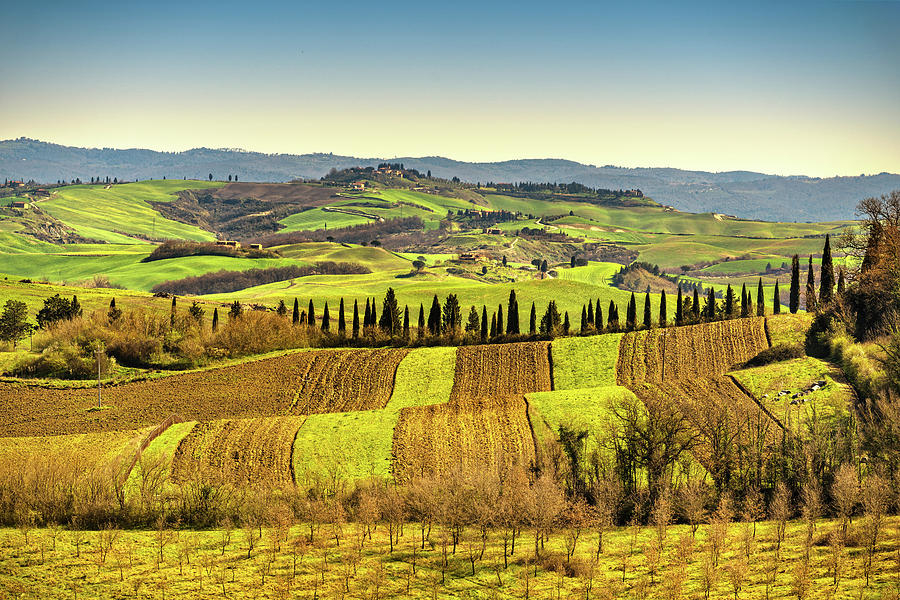
The rolling hills of Provence, with their golden fields and ancient olive groves, have inspired artists for centuries. What makes these landscapes so compelling to creative minds? It’s not just the visual beauty—it’s the way light dances across stone villages, how the scent of lavender fills the air, and how history seems to breathe through every vineyard and cypress-lined road.
When you think of southern France, what comes to mind? For many, it’s the shimmering heat waves rising from sun-baked stone, the deep purple of lavender fields stretching to the horizon, or perhaps the dramatic cliffs of the Côte d’Azur. These iconic scenes aren’t just pretty pictures—they’re deeply embedded in our collective imagination. But what happens when artists try to capture these moments on canvas or through their lens? The answer reveals something profound about how we see and feel the world around us.
The Timeless Appeal of Provence’s Visual Language
Southern France’s landscapes speak a visual language that transcends time. The region’s distinctive palette—burnt sienna, ochre, and that particular shade of blue that seems to hold the Mediterranean sun—has become almost synonymous with the area’s identity. Artists working in this space often rely on what they call ‘the Provencal color theory.’
This isn’t just about matching colors perfectly. It’s about capturing the way light changes throughout the day, how shadows shift in ancient stone buildings, and how the landscape itself seems to pulse with life. The famous Mont Ventoux, for instance, appears differently depending on whether you view it during morning mist or under the harsh noon sun.
Consider how Paul Cézanne painted the same mountain repeatedly—each version showing him understanding how perspective and emotion blend together. He wasn’t just painting a mountain; he was painting the feeling of standing before one. That’s what makes southern French landscapes so rich for artistic interpretation.
Cultural Stories Embedded in Every Brushstroke
What makes southern France’s landscapes particularly fascinating to artists isn’t just their visual appeal, but the stories they carry. Every village square, every ancient wall, every olive tree holds layers of history.
Local artists often incorporate elements like traditional architecture, agricultural practices, and even folklore into their work. The iconic Provençal village of Gordes, with its terraced vineyards and whitewashed houses, becomes more than a scenic backdrop. It becomes a character in the artist’s narrative.
Photographers like Henri Cartier-Bresson captured the essence of these places through their ability to find the extraordinary within the ordinary. His famous street photography shows how everyday moments in Provence—like a child playing in a courtyard or an elderly woman carrying her groceries—reveal deeper truths about the region’s soul.
Artists often say that they’re not just painting the landscape, but the spirit of the place. The way the wind moves through the olive branches, the sound of church bells echoing through valleys, or even the taste of fresh bread from local bakeries all contribute to the artistic representation.
Seasonal Transformations and Their Artistic Significance
One of the most captivating aspects of southern French landscapes is how dramatically they change throughout the year. Spring brings fresh greenery and blooming wildflowers, while summer offers the intense golden hues that define the region. Autumn provides a rich tapestry of amber and rust, and winter reveals the stark beauty of bare stone and olive trees.
These seasonal shifts offer artists endless opportunities for creative expression. A landscape that looks completely different in December compared to July isn’t just changing colors—it’s telling a different story. Spring might represent renewal and hope, while autumn could symbolize maturity and reflection.
Many artists spend years creating series of works that document these transformations. The famous painter André Derain, for example, painted the same scene multiple times throughout different seasons, capturing how the interplay of light, shadow, and vegetation creates entirely new moods and meanings.
Understanding these seasonal rhythms helps artists connect with the deeper pulse of the land. It’s not just about capturing what’s there—it’s about showing how time affects everything, from the growth of crops to the behavior of local wildlife.
Light and Shadow: The Heart of Southern French Art
No discussion of southern French landscapes would be complete without addressing the role of light. The Mediterranean climate provides artists with an extraordinary range of lighting conditions that can completely transform a scene.
In the early morning, soft golden light filters through the hills, casting long shadows that emphasize the contours of the terrain. By midday, the harsher sun creates sharp contrasts between light and dark areas, giving paintings a more dramatic quality. As evening approaches, the light takes on a warmer tone, often turning entire landscapes into pools of amber and rose.
This constant dance of illumination means that artists must be ready to capture moments when the light hits just right. Some painters will wait hours for the perfect moment when the sun’s angle creates the ideal shadow pattern across a stone building or vineyard. This attention to light is what gives southern French art its characteristic glow.
Modern digital artists have embraced this tradition, using software to enhance lighting effects and create images that might never occur naturally. But even with technology, the fundamental principles remain the same: light shapes perception, and perception shapes artistic vision.
Contemporary Interpretations of Classic Landscapes
While traditional depictions of southern France remain popular, contemporary artists bring fresh perspectives to these familiar scenes. Modern techniques and materials allow for new ways of representing classic landscapes.
Some artists choose to exaggerate certain elements—perhaps making the blues more intense or the yellows more vibrant—to create emotional impact. Others might use abstract forms to suggest rather than depict, focusing on the feeling of being in Provence rather than its exact appearance.
Street artists and muralists have taken the tradition of public art to new heights, transforming entire neighborhoods into living galleries. In cities like Marseille and Nice, you’ll find large-scale works that reinterpret classic Provencal scenes through modern urban lenses.
Digital artists also play a significant role in reimagining these landscapes. Through virtual reality and interactive installations, they’re creating immersive experiences that let viewers walk through landscapes that exist only in artistic imagination. These innovations show how old themes can be explored in completely new ways.
Preserving the Landscape Through Artistic Vision
Artistic representations of southern France serve a crucial role beyond mere aesthetics—they act as historical records of how these landscapes have changed over time. Many artists document not just the beauty of a location, but also its evolution.
Consider how photographs and paintings from the 19th century show different levels of development along the coast. The same areas that today feature luxury resorts and hotels were once quiet farming communities. Artists help preserve this memory for future generations.
Some contemporary artists specifically focus on documenting endangered landscapes—those threatened by development or environmental change. Their work becomes both a celebration and a warning. Through their lens, viewers see not just the beauty of the current landscape but also its vulnerability.
This preservation function extends beyond visual documentation. Artists often become advocates for conservation efforts, using their work to raise awareness about protecting these irreplaceable spaces. They remind us that some landscapes are worth preserving not just for their beauty, but for the stories they tell and the lives they’ve shaped.
The artistic representation of southern France’s most iconic landscapes reveals far more than simple visual appreciation. It shows how deeply connected humans are to the places they inhabit and observe. Whether through oil paints, camera lenses, or digital screens, artists continue to find new ways to express what makes these regions so special.
What strikes me most about this ongoing conversation between creativity and landscape is how it reminds us that beauty isn’t just something we see—it’s something we experience. The way light falls on ancient walls, the sound of wind through olive branches, the smell of herbs after rain—all of these elements combine to create a rich artistic vocabulary that speaks to universal human experiences.
As we continue to encounter these landscapes, whether in person or through artistic interpretations, we’re reminded that some places transcend their physical boundaries. They become part of our collective memory, our shared understanding of what it means to live in harmony with nature. The enduring popularity of southern French art proves that these connections matter, that they’re worth preserving, and that they deserve to be shared with everyone.
[sps_html tag=”img” src=”https://cdn.theartssection.com/wp-content/uploads/2025/12/lavender-fields-of-provence-picture-this-framing-gallery-in-how-provences-lavender-fields-inspire-contemporary-artistic-expression.jpg” alt=”Lavender Fields Of Provence - Picture This Framing & Gallery in How Provence's Lavender Fields Inspire Contemporary Artistic Expression” style=”width: 100%; height: auto;”]
[sps_html tag=”img” src=”https://cdn.theartssection.com/wp-content/uploads/2025/12/best-lavender-fields-of-provence-france-2025-guide-regarding-lavender-field-in-provence-france-landscape-wall-art-print-1-panel.jpg” alt=”Best Lavender Fields Of Provence, France - 2025 Guide! regarding "Lavender Field In Provence France" Landscape Wall Art Print, 1 Panel” style=”width: 100%; height: auto;”]
[sps_html tag=”img” src=”https://cdn.theartssection.com/wp-content/uploads/2025/12/lavender-fields-provence-throughout-lavender-field-in-provence-france-landscape-wall-art-print-1-panel.jpg” alt=”Lavender Fields Provence throughout "Lavender Field In Provence France" Landscape Wall Art Print, 1 Panel” style=”width: 100%; height: auto;”]
[sps_html tag=”img” src=”https://cdn.theartssection.com/wp-content/uploads/2025/12/discovering-the-lavender-fields-in-provence-france-inspirations-valley-for-how-provences-lavender-fields-inspire-contemporary-artistic-expression.webp” alt=”Discovering The Lavender Fields In Provence, France - Inspirations Valley for How Provence's Lavender Fields Inspire Contemporary Artistic Expression” style=”width: 100%; height: auto;”]
[sps_html tag=”img” src=”https://cdn.theartssection.com/wp-content/uploads/2025/12/oil-painting-lavender-fields-in-provence-by-jean-marc-janiaczyk-with-lavender-field-in-provence-france-landscape-wall-art-print-1-panel.jpg” alt=”Oil Painting - Lavender Fields In Provence By Jean-Marc Janiaczyk … with "Lavender Field In Provence France" Landscape Wall Art Print, 1 Panel” style=”width: 100%; height: auto;”]