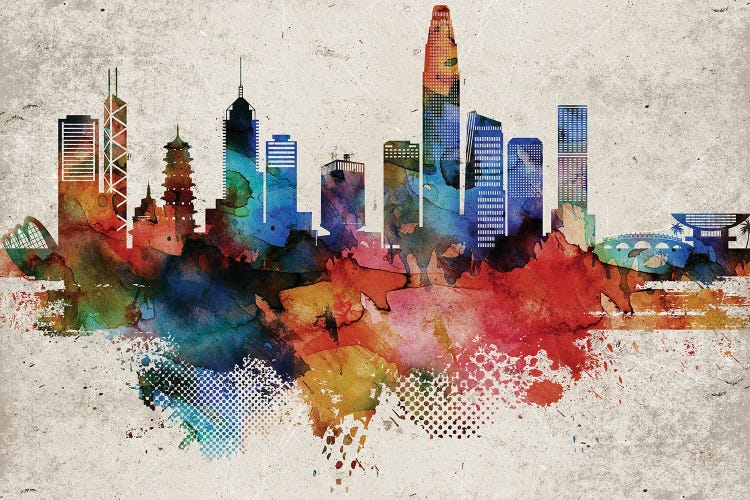
Imagine walking through a city and seeing vibrant murals covering entire buildings. This isn’t just decoration – it’s a revolution in how we think about art and public spaces. Street art has transformed from simple tags and graffiti to complex visual narratives that speak to our shared urban experiences.
When you think of street art, you probably picture colorful walls covered in elaborate designs. But behind every spray-painted masterpiece lies decades of cultural evolution, political resistance, and artistic innovation. What started as acts of defiance against traditional art institutions has grown into a legitimate art form that shapes how cities look and feel. Today, street art isn’t just found in the alleys of New York or the streets of Berlin – it’s become a global movement that influences everything from fashion to architecture. This journey from underground activity to mainstream acceptance tells us something profound about how communities express themselves in modern times.
Origins in Rebellion
Street art didn’t emerge from nowhere. It was born from a need to reclaim public space. In the late 1960s and early 1970s, young people in New York City began tagging subway cars and walls as a way to make their presence known. These weren’t just random marks – they were statements. The first wave of street artists like TAKI 183 and Space Invader created a language of visual communication that spoke directly to urban youth culture. They wanted to be seen, heard, and understood in a society that often ignored them. This early period was raw, aggressive, and filled with energy. Think of it as art’s version of a protest march, except instead of marching, these artists painted their messages directly onto the city itself. The rebellious spirit wasn’t just about defying authority – it was about creating a new form of expression that belonged to everyone who lived in the city.
Artistic Growth and Recognition
By the 1980s, street art had begun to mature. Artists started moving beyond simple tags to full-scale murals and installations. Jean-Michel Basquiat and Keith Haring became bridges between underground and mainstream art worlds. Their work showed that street art could be both politically charged and aesthetically powerful. This period marked a shift from rebellion to recognition. Galleries started showing street art, and museums began collecting it. The transformation wasn’t always smooth – many traditional art critics initially dismissed it as vandalism rather than legitimate art. But slowly, the public began to see the skill involved. Consider how a simple spray can can create intricate details that rival traditional painting techniques. The evolution shows us that art’s value isn’t determined by its location but by the creativity and vision behind it.
Global Expansion and Cultural Impact
Today, street art exists in nearly every major city worldwide. Berlin’s East Side Gallery showcases political murals that tell stories of division and reunification. Melbourne’s laneways are famous for their ever-changing displays of local and international artists. In São Paulo, street art has become a tool for social change, addressing issues like inequality and environmental concerns. Each city develops its own style, influenced by local culture, politics, and history. This globalization hasn’t meant homogenization – quite the opposite. Every location brings unique perspectives and techniques. For example, Japanese street artists often incorporate traditional elements with contemporary styles. The result is a rich tapestry of urban expression that reflects the diversity of human experience across different cultures and societies.
Technology and Modern Techniques
Modern street artists have access to tools that would have been impossible for earlier generations. Digital design programs allow artists to plan complex compositions before painting. LED lights and projection mapping add new dimensions to street installations. Some artists now use drones to paint large-scale murals from above. Social media platforms like Instagram have given street artists unprecedented visibility, allowing them to build global followings. However, technology hasn’t replaced traditional skills – it’s enhanced them. Many artists still prefer working with spray cans and brushes, understanding that the physical connection between artist and wall creates something special. The blend of old and new methods creates exciting possibilities for future development in the field.
Controversies and Legal Challenges
Despite growing acceptance, street art continues to face legal challenges. Many cities struggle with balancing artistic freedom with property rights. Unauthorized murals can lead to fines and even criminal charges. Some artists have faced prison time for their work. The debate isn’t simply about legality – it’s about who gets to decide what belongs in public spaces. In some cases, street art has been used to beautify neglected neighborhoods, while in others it’s been criticized for contributing to gentrification. Communities often find themselves divided over whether street art enhances or detracts from their area. These conflicts highlight the complex relationship between art, property, and community identity. The tension remains one of the most interesting aspects of street art’s ongoing evolution.
Future Directions and Sustainability
Looking ahead, street art is evolving toward more sustainable practices. Artists are using eco-friendly paints and materials that won’t harm buildings or the environment. Some are exploring temporary installations that can be easily removed, reducing potential damage to property owners. There’s also growing interest in collaborative projects that involve entire neighborhoods. These initiatives show street art’s ability to adapt and grow responsibly. As cities continue to expand and change, street art will likely remain a vital way for communities to express their identities. The future might see more integration with smart city technologies, creating interactive experiences that respond to viewers’ movements or environmental conditions. Whatever direction it takes, street art will continue to surprise us with its creativity and resilience.
Street art represents more than just pretty pictures on walls. It’s a living, breathing reflection of urban life that continues to evolve with each generation of artists and viewers. From its humble beginnings as rebellion against traditional institutions to its current status as a respected art form, street art has proven that creativity knows no boundaries. Whether you see it as vandalism or masterful expression, there’s no denying that street art has fundamentally changed how we interact with our cities. It reminds us that art doesn’t need galleries or museums to matter – sometimes the most powerful messages come from the walls that surround us every day. As we move forward, street art will undoubtedly continue pushing boundaries, challenging assumptions, and bringing communities together through visual storytelling.
[sps_html tag=”img” src=”https://cdn.theartssection.com/wp-content/uploads/2025/12/odilon-redone3808cblue-poppiese3808d-abstract-floral-paintings-flower-painting-throughout-courtside-market-poppies-over-blue-i-gallery-wrapped-canvas-wall-art.jpg” alt=”Odilon Redon「Blue Poppies」 | Abstract Floral Paintings, Flower Painting … throughout Courtside Market Poppies Over Blue I Gallery-Wrapped Canvas Wall Art” style=”width: 100%; height: auto;”]
[sps_html tag=”img” src=”https://cdn.theartssection.com/wp-content/uploads/2025/12/blue-joyful-poppies-ii-wall-art-canvas-prints-framed-prints-wall-with-how-poppies-over-blue-i-transforms-interior-spaces-through-canvas-art.jpg” alt=”Blue Joyful Poppies Ii Wall Art, Canvas Prints, Framed Prints, Wall … with How Poppies Over Blue I Transforms Interior Spaces Through Canvas Art” style=”width: 100%; height: auto;”]
[sps_html tag=”img” src=”https://cdn.theartssection.com/wp-content/uploads/2025/12/d0bad0b0d180d182d0b8d0bdd0bad0b8-d0bfd0be-d0b7d0b0d0bfd180d0bed181d183-poppies-watercolor-paint-by-number-watercolor-for-how-poppies-over-blue-i-transforms-int.jpg” alt=”Картинки По Запросу Poppies Watercolor | Paint By Number, Watercolor … for How Poppies Over Blue I Transforms Interior Spaces Through Canvas Art” style=”width: 100%; height: auto;”]
[sps_html tag=”img” src=”https://cdn.theartssection.com/wp-content/uploads/2025/12/blue-and-gold-poppy-flowers-eclectic-home-decor-in-how-poppies-over-blue-i-transforms-interior-spaces-through-canvas-art.jpg” alt=”Blue And Gold Poppy Flowers | Eclectic Home Decor in How Poppies Over Blue I Transforms Interior Spaces Through Canvas Art” style=”width: 100%; height: auto;”]
[sps_html tag=”img” src=”https://cdn.theartssection.com/wp-content/uploads/2025/12/blue-poppies-i-wall-art-canvas-prints-framed-prints-wall-peels-with-how-poppies-over-blue-i-transforms-interior-spaces-through-canvas-art.jpg” alt=”Blue Poppies I Wall Art, Canvas Prints, Framed Prints, Wall Peels … with How Poppies Over Blue I Transforms Interior Spaces Through Canvas Art” style=”width: 100%; height: auto;”]