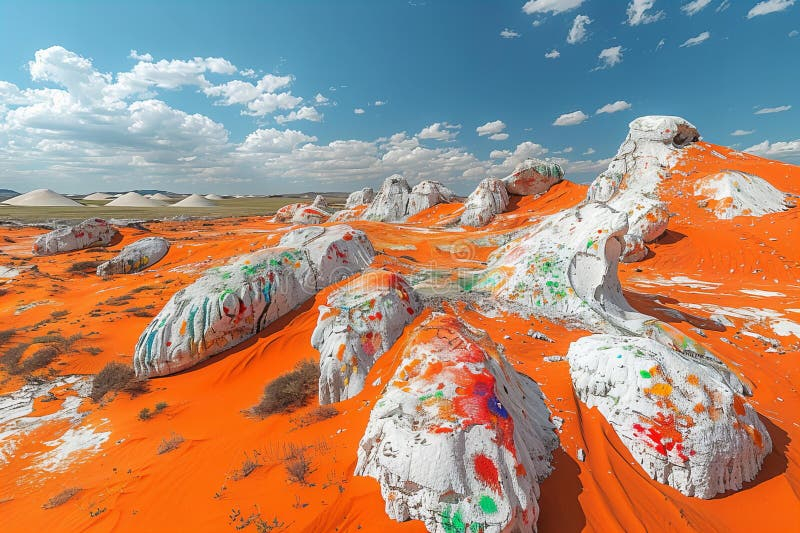
Desert paintings have always been more than mere representation. They’re emotional journeys wrapped in pigment and light. When you look at a modern desert landscape, what you see isn’t just sand and rock—it’s a carefully orchestrated symphony of color that speaks directly to your psyche. The way artists choose their hues, the relationships between warm and cool tones, and how they manipulate contrast all work together to create that unforgettable desert experience on canvas.
There’s something deeply primal about desert scenery that transcends simple visual appeal. It’s not just about the vastness or the harsh beauty of arid lands. What makes desert paintings so compelling is how artists harness the power of color to communicate feelings that words often fail to capture. Whether it’s the golden hour glow that transforms sand dunes into liquid gold, or the stark blues that speak to the loneliness of endless horizons, color becomes the storyteller in these masterpieces. Every brushstroke carries intention, every hue a purpose, and every composition a calculated decision about how we should feel when looking at the desert.
Warm Colors: The Heart of Desert Sunsets
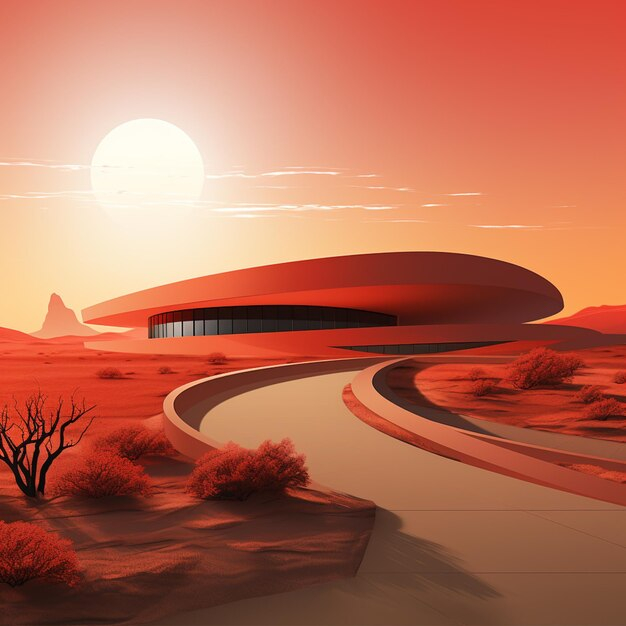
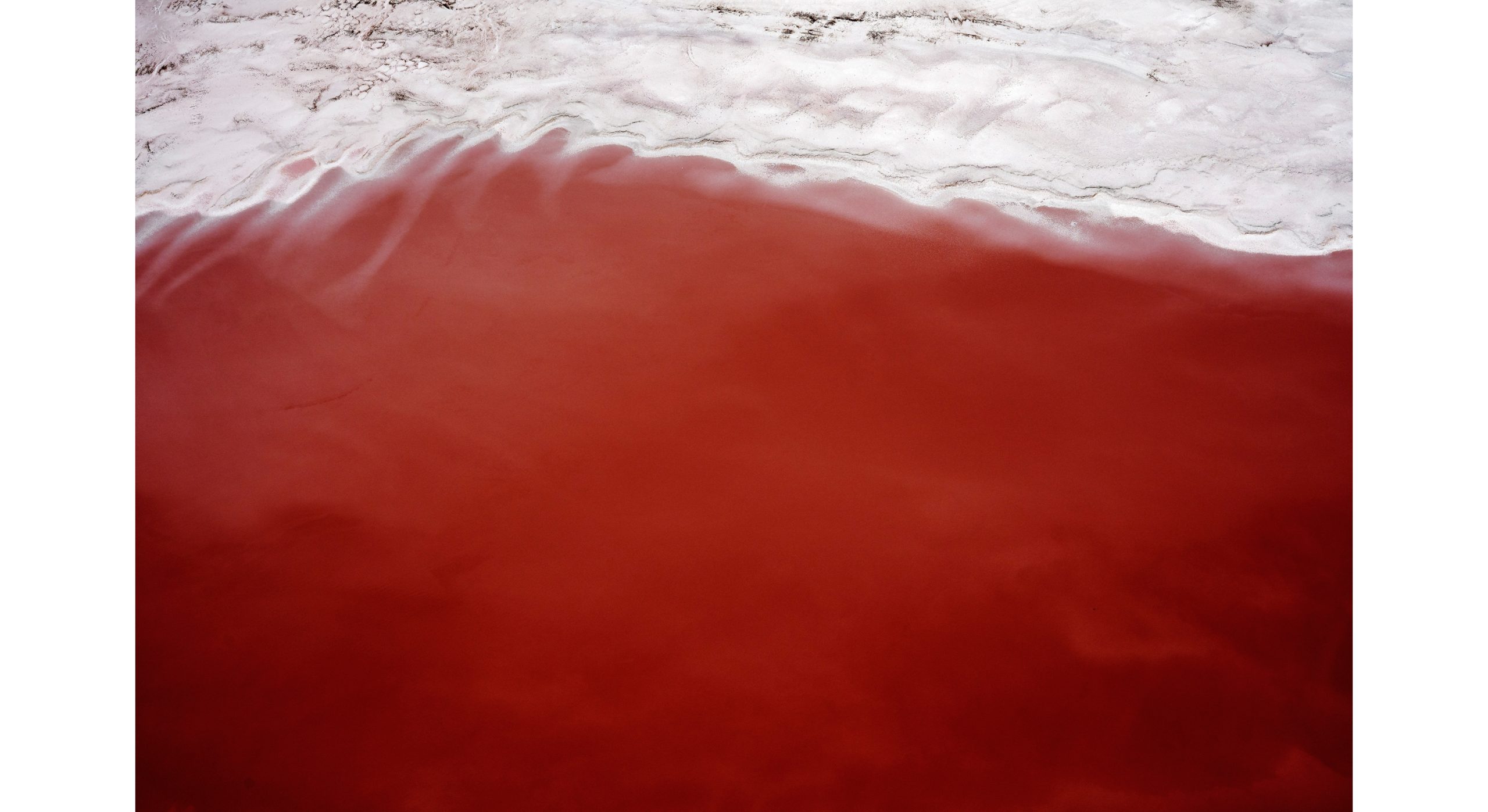
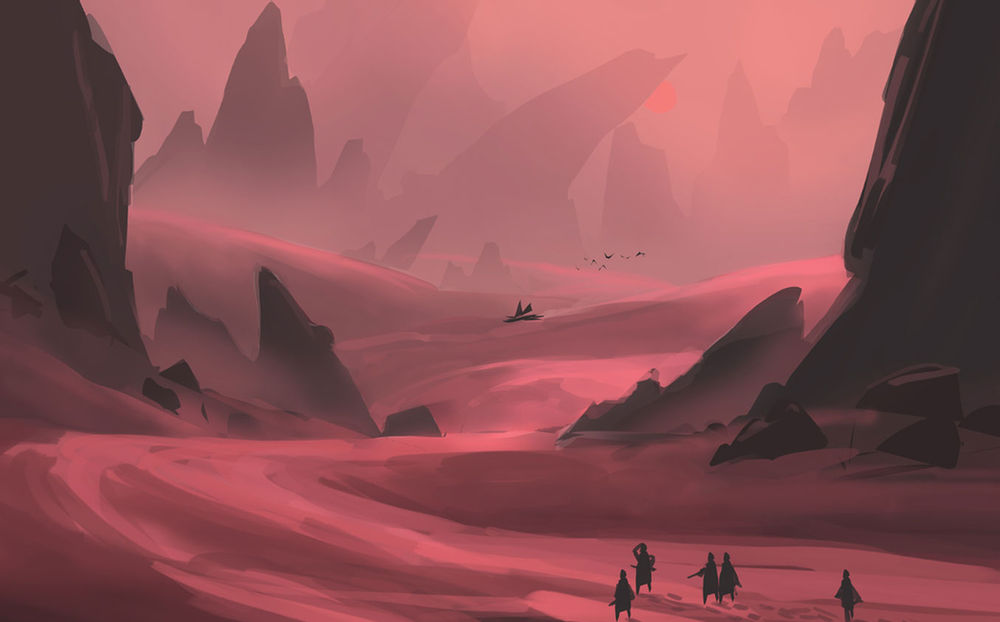
The desert sunsets are legendary, and artists have learned to channel that fire into their work. Warm colors like reds, oranges, and yellows dominate desert paintings because they mirror the natural phenomena we witness in these environments. When you see a painting with deep crimson shadows and glowing amber highlights, you’re experiencing the artist’s interpretation of how light behaves across desert terrain. These warm tones create a sense of energy and vitality, even in seemingly barren landscapes. The reason is simple: our brains associate warm colors with heat, light, and life itself. A painting dominated by ochres and burnt siennas doesn’t just show sand—it suggests warmth, endurance, and the fierce beauty of survival. Think of how artists like Georgia O’Keeffe captured the essence of New Mexico with her bold, warm palettes that seem to pulse with the desert’s inner fire.
Cool Tones: The Desert’s Hidden Emotion
While warm colors dominate the desert’s daytime appearance, it’s the cooler tones that often reveal the landscape’s deeper emotional layers. Blues and purples in desert paintings aren’t just about the sky—they’re about the contrast between day and night, between the harshness of daylight and the mystery of darkness. Artists frequently use cool colors to show the desert’s isolation and tranquility. These tones suggest stillness, contemplation, and sometimes even melancholy. When you see a desert painting where the horizon line is softly painted in cool blues, you’re witnessing the artist’s attempt to capture not just what the eye sees, but what the soul feels. The contrast between warm foreground elements and cool background creates depth and draws the viewer into the scene. This interplay helps create that feeling of being suspended between two worlds—the earth and the heavens.
Monochromatic Mastery: When One Color Speaks Volumes
Sometimes the most powerful desert paintings rely on a single color family to convey their message. Monochromatic schemes using varying shades of brown, tan, or even blue can create stunning effects that emphasize texture, form, and atmosphere. When artists choose to work in a limited palette, they force themselves to pay attention to subtle variations in tone and value. This approach can make even the most mundane desert scene feel profound. Consider how some contemporary painters use different levels of gray to show the shifting quality of light across desert rocks. The mastery lies not in having many colors, but in understanding how to manipulate one color to create infinite variations. These paintings often feel meditative, allowing viewers to focus entirely on the relationship between light and shadow, and how those elements interact with the landscape’s natural forms.
Color Temperature Balance: Creating Visual Harmony
The secret ingredient that makes desert paintings truly special is how artists balance warm and cool colors. This balance creates what art theorists call visual harmony. In desert landscapes, the sun provides the primary source of warm light, but the sky often introduces cool elements that create interesting contrasts. Artists must carefully consider where to place these temperature shifts to guide the viewer’s eye naturally through the painting. If a desert painting feels unbalanced, it’s often because the artist hasn’t properly considered how warm and cool colors relate to each other. A well-balanced desert scene might have warm sand and rocks in the foreground, transitioning to cooler skies and distant mountains. This progression mimics how we actually perceive desert landscapes and helps create a more believable, immersive experience for the viewer.
Complementary Colors: The Dynamic Duo of Desert Art
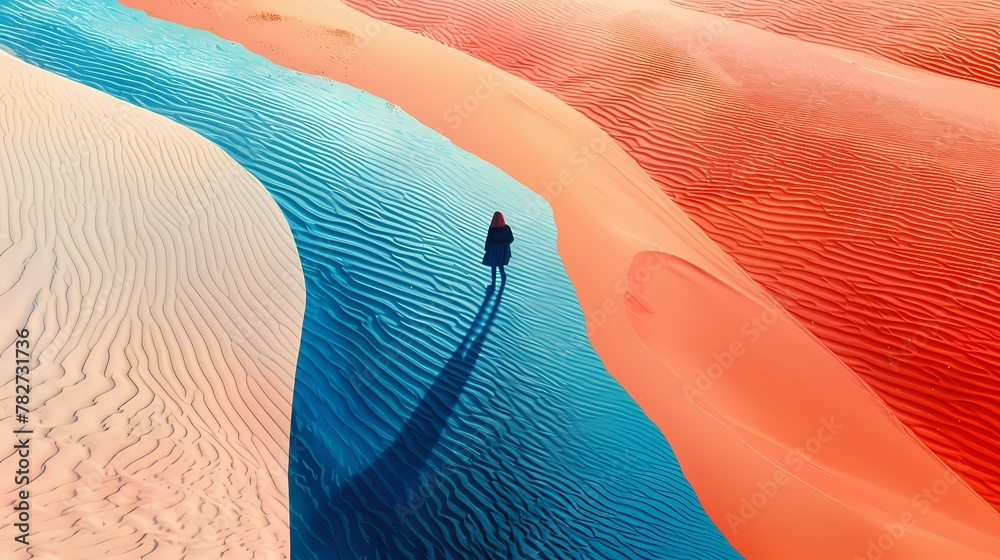
Desert paintings often employ complementary color relationships to create dramatic impact. These are pairs of colors that sit opposite each other on the color wheel—like blue and orange, or purple and yellow. In desert art, this technique is particularly effective because it mirrors how natural light affects our perception of landscapes. For instance, a desert sunset might feature orange and blue elements that create a striking visual tension. The artist uses these opposing colors to draw attention to specific areas of the painting, creating focal points that lead the eye around the composition. This technique works especially well when depicting desert flora like cacti against a backdrop of blue sky, or when showing the contrast between warm sand and cool shadows under desert trees. The interplay between complementary colors can make even a simple desert scene feel alive with energy and movement.
Cultural Influences: How Different Traditions Shape Desert Color Choices
Different cultural perspectives bring unique approaches to how desert landscapes are represented through color. Western artists might emphasize the drama of sunset colors and the stark contrasts between light and dark. Eastern artists, meanwhile, often focus on the spiritual qualities of desert environments, using more subtle color transitions and emphasizing the connection between landscape and inner peace. Indigenous artists might incorporate traditional colors associated with desert plants and animals, creating paintings that reflect both the physical environment and cultural significance. These diverse approaches show how color theory in desert art isn’t just about technical skill—it’s about understanding the emotional and cultural connections people have with these landscapes. The choice of colors can tell us not just about the artist’s technique, but about their relationship with the desert they’re depicting.
Modern Techniques: Digital vs. Traditional Color Application
Today’s artists have access to both traditional and digital mediums, each offering unique ways to apply color theory to desert scenes. Traditional oil paintings allow for rich, layered color application that can capture the complexity of desert light and shadow. The slow drying time gives artists room to blend and adjust colors until they achieve exactly the right effect. Digital art, on the other hand, offers instant experimentation with color combinations and allows for easy adjustments. Both methods can produce stunning desert paintings, but they require different approaches to color theory. Digital artists might use layering techniques to build up desert tones gradually, while traditional painters often rely on glazing to achieve the same effect. The fundamental principles remain the same, but the tools change how artists express their understanding of desert color relationships.
Desert paintings are more than just pretty pictures—they’re sophisticated explorations of how color influences our emotional responses to landscapes. From the warm embrace of desert sunsets to the cool serenity of distant horizons, every hue tells a story about the relationship between humanity and nature. The artists who masterfully navigate color theory in desert art create works that don’t just show us what the desert looks like, but help us understand how it feels to be there. Whether through the careful balance of warm and cool tones, the strategic use of complementary colors, or the thoughtful application of monochromatic schemes, these paintings remind us that the desert is not just a place to visit, but an experience to feel. Next time you stand before a desert landscape painting, take a moment to appreciate how the artist has used color not just to depict reality, but to create an entirely new kind of emotional truth.
[sps_html tag=”img” src=”https://cdn.theartssection.com/wp-content/uploads/2025/12/there-is-a-red-desert-scene-with-a-building-and-a-road-generative-ai-with-regard-to-red-desert-under-blue-cloudy-skies-modern-landscape-wall-art-canvas.jpg” alt=”There Is A Red Desert Scene With A Building And A Road Generative Ai … with regard to "Red Desert Under Blue Cloudy Skies" Modern Landscape Wall Art Canvas” style=”width: 100%; height: auto;”]
[sps_html tag=”img” src=”https://cdn.theartssection.com/wp-content/uploads/2025/12/exhibitions-denver-art-museum-with-regard-to-red-desert-under-blue-cloudy-skies-modern-landscape-wall-art-canvas-scaled.jpg” alt=”Exhibitions | Denver Art Museum with regard to "Red Desert Under Blue Cloudy Skies" Modern Landscape Wall Art Canvas” style=”width: 100%; height: auto;”]
[sps_html tag=”img” src=”https://cdn.theartssection.com/wp-content/uploads/2025/12/lore-spotlight-the-red-desert-within-the-psychology-of-viewing-red-desert-scenes-through-modern-art-lenses.png” alt=”Lore Spotlight: The Red Desert within The Psychology of Viewing Red Desert Scenes Through Modern Art Lenses” style=”width: 100%; height: auto;”]
[sps_html tag=”img” src=”https://cdn.theartssection.com/wp-content/uploads/2025/12/digital-blue-and-red-desert-scene-illustration-poster-ppt-background-within-the-psychology-of-viewing-red-desert-scenes-through-modern-art-lenses.jpg” alt=”Digital Blue And Red Desert Scene Illustration Poster Ppt Background … within The Psychology of Viewing Red Desert Scenes Through Modern Art Lenses” style=”width: 100%; height: auto;”]
[sps_html tag=”img” src=”https://cdn.theartssection.com/wp-content/uploads/2025/12/panoramic-photo-of-an-apocalyptic-red-desert-with-hills-and-mounds-within-red-desert-under-blue-cloudy-skies-modern-landscape-wall-art-canvas.jpg” alt=”Panoramic Photo Of An Apocalyptic Red Desert With Hills And Mounds … within "Red Desert Under Blue Cloudy Skies" Modern Landscape Wall Art Canvas” style=”width: 100%; height: auto;”]