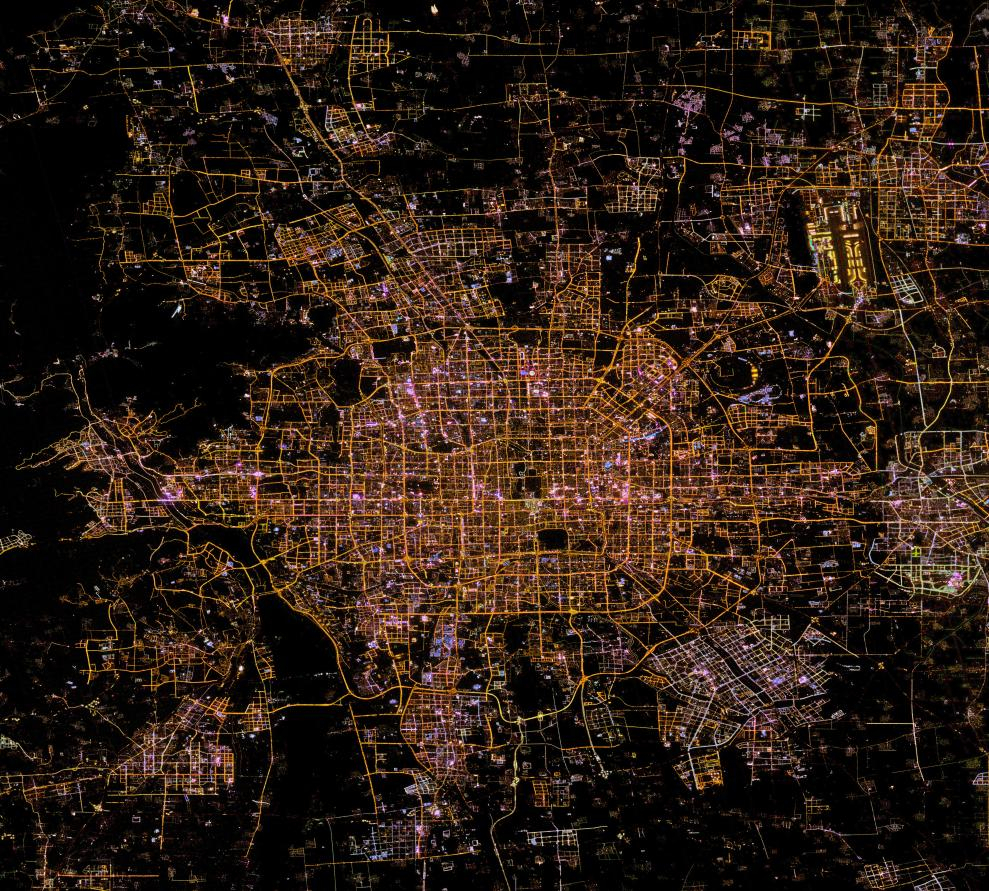
Nighttime urban photography isn’t just about capturing buildings and streets after dark. It’s about understanding how artificial light interacts with the environment, how shadows tell stories, and how the interplay between illumination and darkness creates dramatic compositions. Think of it like conducting an orchestra where every streetlamp, neon sign, and building window becomes a musical note in the symphony of urban night life.
When the sun sets and city lights begin to flicker on, something magical happens to our urban landscapes. The familiar streets transform into mysterious corridors of light and shadow. What once seemed like ordinary concrete and steel becomes a canvas for photographers to explore the artistic possibilities of nighttime photography. This isn’t just about turning on your camera and pointing it at the city. It’s about learning to see differently, to appreciate the subtle dance between illumination and darkness that occurs when the world shifts from day to night. The challenge lies in mastering how to work with light sources that are often unpredictable, and how shadows can either enhance or distract from your vision.
Understanding Urban Light Sources
Urban environments offer a diverse palette of light sources that can dramatically affect your photographs. Streetlights, building illumination, vehicle headlights, and neon signs all contribute to the visual story you’re trying to tell. Each source has its own characteristics and behavior.
Streetlights often provide the primary illumination in many neighborhoods. They tend to cast soft, diffused shadows that create a romantic atmosphere. These lights usually come in standard wattage and have predictable patterns across different areas of the city. But don’t assume they’ll always behave the same way – even within the same neighborhood, lighting conditions can vary significantly.
Neon signs create vibrant, saturated colors that pop against darker backgrounds. These colorful light sources can add energy and personality to your shots. However, they also require careful consideration of exposure settings since their intense brightness can easily overwhelm the rest of the scene.
Vehicle lights present unique challenges and opportunities. Headlights create sharp, focused beams that can emphasize architectural lines, while taillights leave glowing trails that add motion to static scenes. Understanding when and how vehicles will appear in your frame can help you plan better shots.
Building illumination offers the most creative possibilities. These lights often change throughout the evening, creating dynamic scenes where the same location looks completely different hour by hour. The key is to observe patterns and plan accordingly.
Mastering Shadow Play
Shadows aren’t just unwanted elements that need to be avoided in photography. In nighttime urban scenes, they become powerful storytelling tools that can guide viewers’ eyes, create depth, and add mystery to your images. The quality of shadows changes dramatically based on light sources and distances.
Hard shadows, created by small, focused light sources like individual streetlights or car headlights, produce sharp edges that can emphasize architectural features. These shadows often appear crisp and geometric, making them excellent for highlighting building facades or street patterns.
Soft shadows result from larger, diffused light sources such as wide-area street lighting or large building windows. These create gentle transitions from light to dark areas, adding a sense of warmth and atmosphere to your photographs.
The direction of shadows also matters enormously. Shadows falling toward the camera can create dramatic silhouettes, while those casting away might reveal interesting textures and details in the foreground. Understanding how to position yourself relative to light sources gives you control over which shadows appear in your final image.
Consider using shadows to frame subjects or create leading lines that draw attention to your main focus. Sometimes, the most compelling nighttime urban photos are those where shadows form natural compositions before the actual light sources even come into play.
Exposure Techniques for Urban Nights
Exposure in nighttime urban photography requires a different approach than daytime shooting. You’re dealing with multiple light sources of varying intensities, and the contrast between bright areas and dark spaces can be extreme.
One effective technique involves bracketing your exposures. Take several shots at different exposure levels to capture details in both bright and dark areas. Later, you can combine these images in post-processing to create a well-balanced final photograph.
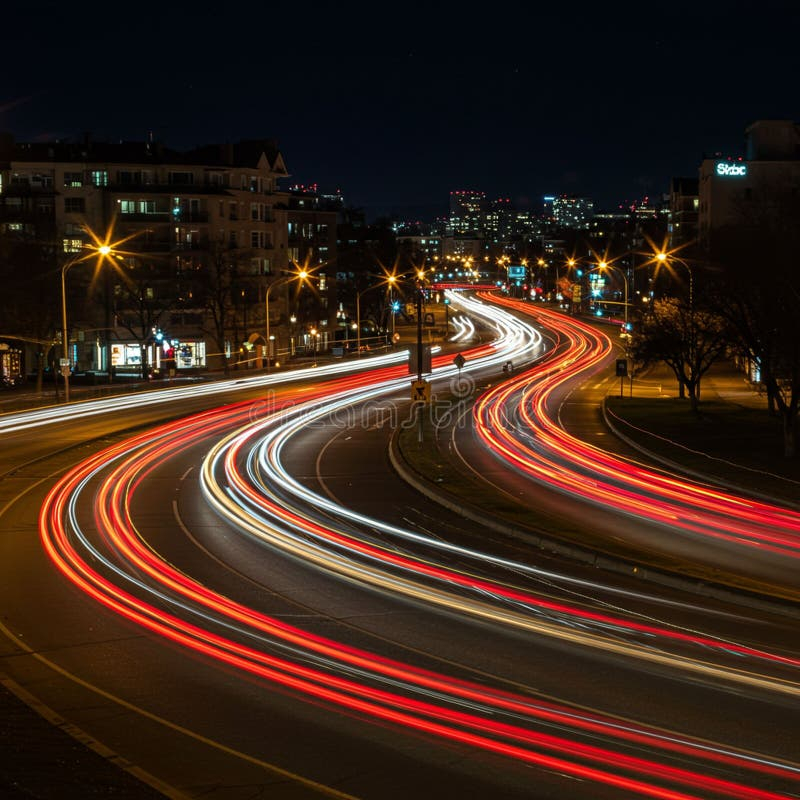
Long exposures can transform busy urban scenes into dreamlike compositions. Traffic lights become colorful streaks, moving vehicles leave glowing trails, and crowds appear as blurred masses of activity. However, be careful about motion blur – you want to capture movement that enhances rather than detracts from your image.
Metering modes matter significantly in these situations. Matrix metering often works well for urban scenes because it evaluates the entire frame, but spot metering can help if you need to ensure proper exposure for a specific element like a person or important architectural detail.
Keep in mind that automatic settings may struggle with the complexity of urban lighting. Manual controls give you the flexibility to adjust exposure parameters based on the specific needs of each scene. Don’t be afraid to experiment with different combinations of aperture, shutter speed, and ISO until you find what works best for your particular situation.
Color Temperature and Creative Effects
Urban lighting creates a fascinating array of color temperatures that can dramatically influence your image mood and aesthetic. Understanding these variations allows you to make intentional choices about how to present your urban subjects.
Warm tones dominate traditional street lighting, particularly older sodium vapor fixtures that produce yellowish hues. These create a nostalgic feel and can evoke feelings of comfort or familiarity. Many cities are transitioning to LED lighting, which often produces cooler, bluish-white light that can feel more modern and clinical.
Mixed lighting conditions are common in urban environments, creating complex color scenarios. A building might be lit by warm sodium vapor lights on one side and cool LED lights on another. This creates a natural color contrast that can add visual interest to your composition.
Some photographers deliberately seek out specific color temperature effects. For example, shooting during golden hour or blue hour can create dramatic color contrasts that make urban scenes more visually striking. The natural sky color combined with artificial lighting creates unique atmospheric conditions.
Consider how color temperature affects your overall image balance. Sometimes, a slightly warmer color cast can make a scene feel more inviting, while cooler tones might emphasize the starkness or isolation of urban life. Post-processing allows you to fine-tune these effects, but understanding the basic principles helps you make better decisions in-camera.
Compositional Strategies for Urban Night Scenes
Good composition in nighttime urban photography goes beyond simply framing a building or street. It’s about understanding how light and shadow interact with the architectural elements and spatial relationships in your scene.
Leading lines created by street lamps, illuminated pathways, or building edges can guide viewers’ eyes through your image. These lines often become more pronounced in low-light conditions, making them particularly effective for drawing attention to specific areas.
Foreground elements are crucial in urban night photography. They provide context and scale, helping viewers understand the relationship between the immediate environment and the larger urban landscape. A simple railing, a streetlight post, or even a puddle can serve as an anchor point that grounds your composition.
Rule of thirds still applies, but consider how light sources can help you apply this principle. Place a strong light source along one of the imaginary grid lines to create visual tension. Or position a building’s corner at the intersection of these lines to create a focal point that draws the eye naturally.
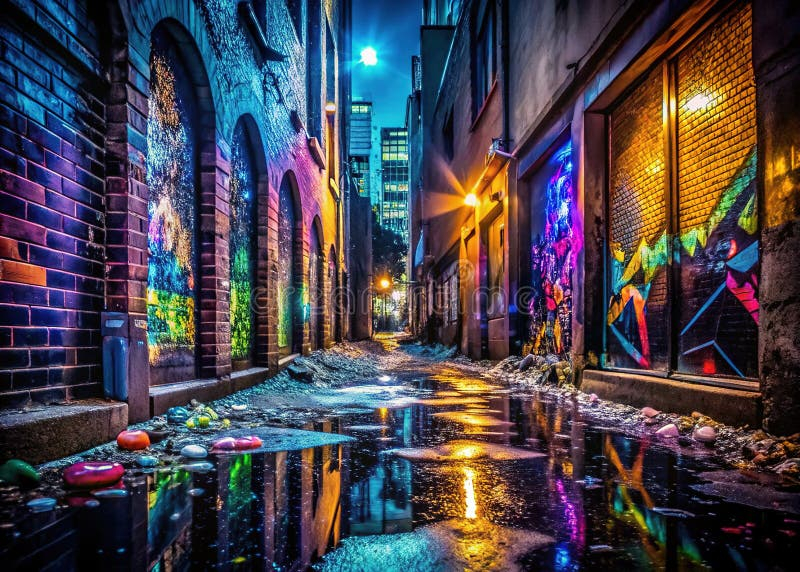
Reflections add another dimension to urban night compositions. Water surfaces, glass facades, and wet pavement can mirror the lighting above, creating double layers of visual interest. These reflections often show the same light sources from different angles, adding complexity to otherwise simple scenes.
Consider the negative space in your frame. Sometimes, empty areas filled with shadows can be as important as the illuminated elements. The contrast between light and dark areas defines the drama of the entire scene.
Practical Tips and Common Mistakes
Every photographer encounters challenges when working with urban night scenes. Here are some practical approaches to avoid common pitfalls:
• Overexposure: One of the most frequent mistakes is letting bright lights wash out the rest of the scene. Always check your histogram and be prepared to underexpose slightly to preserve detail in highlights.
• Camera shake: Long exposures in low light require stable equipment. Use a sturdy tripod and remote shutter release to eliminate camera movement. Even slight vibrations can ruin sharpness in night shots.
• Focusing issues: Manual focusing often works better than autofocus in low-light conditions. The contrast in urban scenes can confuse auto-focus systems. Consider using live view with magnification to ensure critical focus.
• Battery life: Night photography can drain batteries quickly, especially when using continuous lighting or high-resolution settings. Bring extra batteries and keep your camera warm in cold weather.
• Safety considerations: When photographing at night, especially in unfamiliar areas, prioritize your safety. Let someone know where you’re going, and don’t get so absorbed in taking photos that you neglect your surroundings.
• Equipment preparation: Clean your lens and check that your camera settings are appropriate for low-light conditions. Dust spots and lens flare can be more noticeable in challenging lighting situations.
• Weather impact: Rain, fog, or snow can dramatically alter urban lighting. These conditions might provide unexpected opportunities or create additional challenges for your shooting strategy.
Remember that practice makes progress. The more time you spend experimenting with different approaches, the better you’ll become at reading and responding to the unique lighting conditions urban environments present.
Nighttime urban photography opens up an entirely new world of creative possibilities that transform familiar cityscapes into compelling visual narratives. The key lies in developing an awareness of how light behaves in urban environments and learning to harness these elements rather than merely documenting them. Every streetlight, every neon sign, every shadow cast by buildings becomes part of a larger artistic conversation. As you continue exploring these techniques, remember that the most powerful images often come from patient observation and thoughtful experimentation. The city doesn’t change its lighting patterns because you’re there to photograph it – but you can learn to read these patterns and capture moments that speak to both the technical precision and emotional resonance of urban life. Whether you’re drawn to the romantic glow of vintage streetlights or the bold statements of modern LED displays, mastering the relationship between light and shadow in nighttime urban photography will elevate your work from simple documentation to meaningful artistic expression.
[sps_html tag=”img” src=”https://cdn.theartssection.com/wp-content/uploads/2025/12/first-atlas-of-urban-nighttime-light-remote-sensing-data-unveiled-cgtn-with-exploring-the-emotional-impact-of-nighttime-urban-landscapes.jpeg” alt=”First Atlas Of Urban Nighttime Light Remote-Sensing Data Unveiled - Cgtn with Exploring the Emotional Impact of Nighttime Urban Landscapes” style=”width: 100%; height: auto;”]
[sps_html tag=”img” src=”https://cdn.theartssection.com/wp-content/uploads/2025/12/nighttime-urban-scene-with-long-exposure-light-trails-from-passing-for-avenue-of-city-park-at-night-cityscape-photography-wall-art-4-panels.jpg” alt=”Nighttime Urban Scene With Long Exposure Light Trails From Passing … for "Avenue Of City Park At Night" Cityscape Photography Wall Art, 4 Panels” style=”width: 100%; height: auto;”]
[sps_html tag=”img” src=”https://cdn.theartssection.com/wp-content/uploads/2025/12/long-exposure-nighttime-street-scene-with-blurred-light-trails-from-within-exploring-the-emotional-impact-of-nighttime-urban-landscapes.jpg” alt=”Long Exposure Nighttime Street Scene With Blurred Light Trails From … within Exploring the Emotional Impact of Nighttime Urban Landscapes” style=”width: 100%; height: auto;”]
[sps_html tag=”img” src=”https://cdn.theartssection.com/wp-content/uploads/2025/12/mysterious-night-alley-graffiti-blooms-in-a-bokehblurred-urban-scene-of-regarding-exploring-the-emotional-impact-of-nighttime-urban-landscapes.jpg” alt=”Mysterious Night Alley Graffiti Blooms In A Bokehblurred Urban Scene Of … regarding Exploring the Emotional Impact of Nighttime Urban Landscapes” style=”width: 100%; height: auto;”]
[sps_html tag=”img” src=”https://cdn.theartssection.com/wp-content/uploads/2025/12/nighttime-urban-traffic-flows-through-a-vibrant-cityscape-with-colorful-pertaining-to-exploring-the-emotional-impact-of-nighttime-urban-landscapes.jpg” alt=”Nighttime Urban Traffic Flows Through A Vibrant Cityscape With Colorful … pertaining to Exploring the Emotional Impact of Nighttime Urban Landscapes” style=”width: 100%; height: auto;”]