There’s something deeply compelling about a figure standing against a bright sky, their shape defined only by the light that surrounds them. This simple yet profound technique has captivated photographers for decades, transforming ordinary moments into extraordinary visual narratives. What makes a silhouette photograph work so powerfully? It’s not just about darkness and light—it’s about composition, emotion, and the art of seeing beyond the obvious.
Silhouette photography might seem like a straightforward concept—capturing subjects as dark shapes against a bright background—but it’s actually a sophisticated art form that requires careful consideration of light, composition, and storytelling. When done right, a silhouette can be more evocative than a detailed portrait. It strips away the mundane details and focuses purely on form, movement, and emotional resonance. Think about those iconic images from the golden age of photography, or even modern street shots that capture the essence of a moment through pure shape and contrast. The magic happens when the photographer understands how to use the interplay between light and shadow to create a compelling narrative.
The Foundation: Understanding Light and Shadow
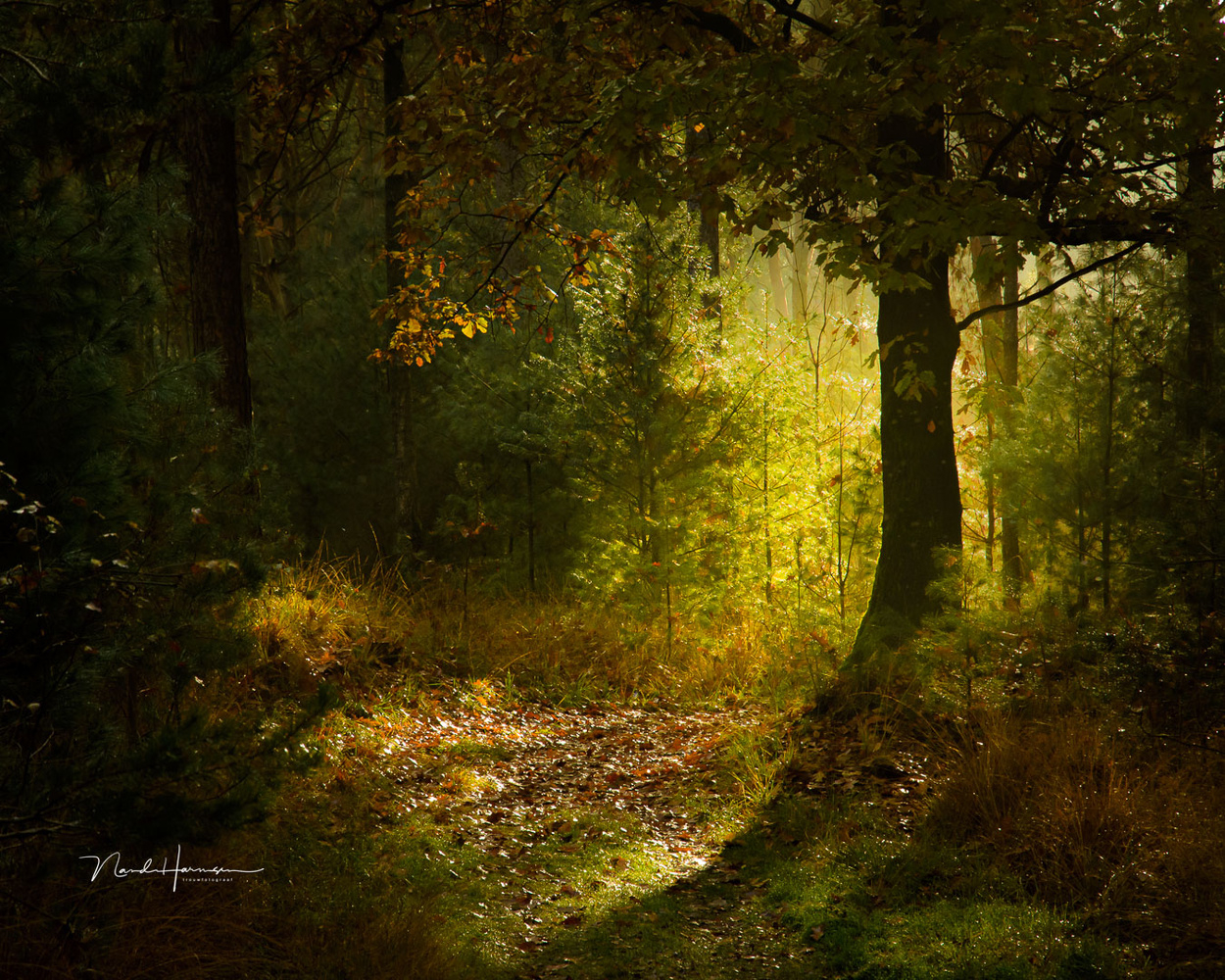
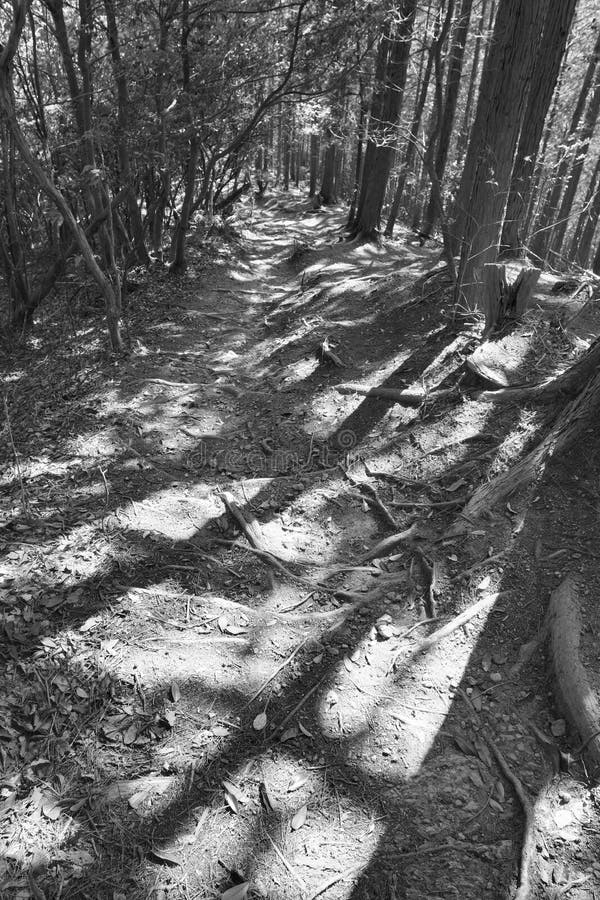
At its core, silhouette photography relies on a stark contrast between the subject and its background. The key is to position your subject so that they appear completely dark against a well-lit backdrop. This often means shooting into the light source, which can be the sun, a bright window, or artificial lighting. But it’s not just about having the right lighting setup—it’s about understanding how different light sources affect the final image.
Consider how harsh sunlight can create clean, sharp silhouettes, while softer lighting might produce more ethereal forms. The angle of the light matters enormously too. Shooting during golden hour gives you that warm glow that can add subtle color to your shadows, creating a more nuanced effect than pure black and white. The background itself becomes crucial—bright skies, white walls, or even lit windows all serve as excellent backdrops. Sometimes, the most dramatic silhouettes come from unexpected places, like a person standing against a colorful sunset or a glowing building at night.
Composition Principles That Make Silhouettes Work
Great silhouette photography isn’t just about getting the lighting right—it’s about thoughtful composition that guides the viewer’s eye and enhances the emotional impact. Here are some key principles:
• Leading Lines: Often, the most compelling silhouettes use natural lines that draw attention toward the subject. A winding road, the edge of a building, or even a fence can lead the viewer’s gaze directly to the main figure.
• Frame Within a Frame: Using elements like tree branches, architectural features, or even other people can create a natural border around your silhouette, adding depth and context.
• Negative Space: Silhouettes thrive on empty space. Don’t overcrowd the frame—let the subject breathe. The surrounding area should complement rather than compete with the dark figure.
• Symmetry and Balance: While asymmetrical compositions can be powerful, sometimes a perfectly balanced silhouette against a vast sky can create a sense of calm or drama depending on the mood you’re trying to convey.
These compositional choices transform a simple silhouette into a complete artistic statement.
Choosing the Right Subjects and Moments
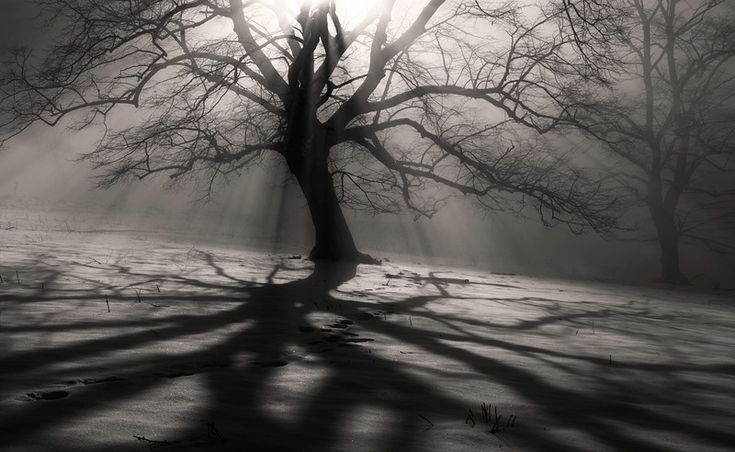
Not every subject works well in silhouette form, and timing plays a crucial role in capturing the perfect moment. People are perhaps the most common subjects, but they’re far from the only option. Consider how a lone tree against a stormy sky can tell a story of isolation or resilience. A bicycle rider against a sunset can suggest adventure or solitude. Even abstract shapes can create striking silhouettes—like the silhouette of a bird in flight against a cloud-filled sky.
The timing of your shot is equally important. The golden hour offers soft, warm light that can add dimension to your shadows. The blue hour, just after sunset, can provide a beautiful transition between day and night that adds mystery to your compositions. Sometimes the best silhouettes happen by accident—a child running across a field as the sun sets, or someone walking away from a bright building toward a darkening sky. These spontaneous moments often create the most emotionally resonant images.
Technical Tips for Perfect Silhouette Shots
Getting the technical aspects right can make or break your silhouette photos. Here are some practical tips:
• Metering: Most cameras will try to expose for the subject, which defeats the purpose of a silhouette. Use spot metering on the background or take a reading from a bright area and adjust your exposure accordingly. You might need to underexpose by one or two stops to get that dramatic dark form.
• Aperture Settings: A smaller aperture (higher f-number) helps ensure both foreground and background are in focus if you want to include elements in the scene. However, for pure silhouettes, you might want to prioritize shutter speed over depth of field.
• Focus Points: Manual focus is often helpful since automatic systems might struggle with the contrast. Focus on the background or use the camera’s focus lock feature to ensure your subject remains sharp against the light.
• Post-processing: While you want to keep silhouettes natural-looking, gentle adjustments in post-processing can enhance the contrast and bring out more detail in the edges of your figures. Be careful not to overdo it though—subtlety is key.
Emotional Storytelling Through Shape
What makes a silhouette truly powerful is how it communicates emotion and narrative without relying on facial features or clothing details. The human body, in particular, has a remarkable ability to express feelings through posture and movement. A silhouette of someone sitting alone on a bench can communicate loneliness or contemplation. A figure reaching toward the light might suggest hope or aspiration.
The power lies in what’s left unsaid. The viewer fills in the gaps with their own experiences and emotions. This is why silhouettes have such universal appeal—they speak to our shared human experience. Think about famous movie scenes where characters are shown as silhouettes to emphasize their vulnerability or strength. The same principle applies to photography—when you strip away the details, you often reveal the truth more clearly.
Different poses and positions create entirely different moods. A silhouette with arms raised might suggest celebration or surrender, while a bent-over figure could imply exhaustion or grief. The viewer’s interpretation becomes part of the creative process, making each silhouette unique to whoever sees it.
Modern Applications and Creative Approaches
Today’s photographers continue to push the boundaries of traditional silhouette photography, incorporating new techniques and creative approaches. Digital manipulation allows for more control over contrast and tonality, while HDR techniques can preserve details in both the bright background and dark subject. Some artists experiment with multiple exposures to create layered effects, combining silhouettes with other visual elements.
Street photographers often use silhouettes to capture urban life in a way that emphasizes movement and energy. A crowd of people walking toward a bright light source can become a single unified shape, representing community or chaos. Nature photographers might capture animals in silhouette against landscapes, highlighting the relationship between creature and environment.
Social media has also influenced how we think about silhouettes. Instagram posts featuring dramatic silhouettes have become incredibly popular, often used to create mood or atmosphere. These modern applications show how timeless the technique really is, adapting to new platforms and ways of sharing visual stories. The core principles remain unchanged, but the possibilities for creative expression continue to expand.
Silhouette photography represents more than just a technical challenge—it’s a form of artistic expression that captures the essence of a moment through the simplest of elements. By mastering the interplay between light and shadow, thoughtful composition, and emotional storytelling, photographers can create images that resonate long after the viewer has looked away. Whether you’re shooting a lone figure against a sunset or experimenting with modern digital techniques, the fundamental beauty of silhouette photography lies in its ability to say everything with almost nothing. The art lives in the contrast, the shape, and the story that unfolds when the light falls just right. It’s a reminder that sometimes the most powerful images are the ones that let us see beyond what’s visible to what’s truly meaningful.
[sps_html tag=”img” src=”https://cdn.theartssection.com/wp-content/uploads/2025/12/light-and-shadow-by-egon-kronschnabel-photography-digital-tree-throughout-silhouettes-of-morning-mountains-landscape-photo-wall-art-4-panels.jpg” alt=”Light And Shadow By Egon Kronschnabel, Photography, Digital | Tree … throughout "Silhouettes Of Morning Mountains" Landscape Photo Wall Art, 4 Panels” style=”width: 100%; height: auto;”]
[sps_html tag=”img” src=”https://cdn.theartssection.com/wp-content/uploads/2025/12/texture-of-shadow-and-light-in-the-mountain-as-monochrome-stock-image-with-regard-to-the-artistic-language-of-shadow-and-light-in-mountain-landscape-photography.jpg” alt=”Texture Of Shadow And Light In The Mountain As Monochrome Stock Image … with regard to The Artistic Language of Shadow and Light in Mountain Landscape Photography” style=”width: 100%; height: auto;”]
[sps_html tag=”img” src=”https://cdn.theartssection.com/wp-content/uploads/2025/12/showcase-of-beautiful-shadow-photography-smashing-magazine-regarding-silhouettes-of-morning-mountains-landscape-photo-wall-art-4-panels.jpg” alt=”Showcase Of Beautiful Shadow Photography — Smashing Magazine regarding "Silhouettes Of Morning Mountains" Landscape Photo Wall Art, 4 Panels” style=”width: 100%; height: auto;”]
[sps_html tag=”img” src=”https://cdn.theartssection.com/wp-content/uploads/2025/12/how-to-paint-light-and-shadow-in-a-landscape-youtube-regarding-silhouettes-of-morning-mountains-landscape-photo-wall-art-4-panels.jpg” alt=”How To Paint Light And Shadow In A Landscape. - Youtube regarding "Silhouettes Of Morning Mountains" Landscape Photo Wall Art, 4 Panels” style=”width: 100%; height: auto;”]
[sps_html tag=”img” src=”https://cdn.theartssection.com/wp-content/uploads/2025/12/things-to-look-out-for-when-using-light-and-shadow-in-a-landscape-photo-pertaining-to-the-artistic-language-of-shadow-and-light-in-mountain-landscape-photography.jpg” alt=”Things To Look Out For When Using Light And Shadow In A Landscape Photo … pertaining to The Artistic Language of Shadow and Light in Mountain Landscape Photography” style=”width: 100%; height: auto;”]