In the dynamic world of project management, one thing is certain: uncertainty. Projects, by their very nature, are ventures into the unknown. Unexpected challenges, unforeseen obstacles, and potential pitfalls lurk at every turn. This is where project risk management steps in – the art and science of identifying, assessing, and mitigating these potential problems before they derail your project. It’s not about predicting the future, but about preparing for it. Think of it as building a strong foundation for your project, one that can withstand the inevitable storms.
This article will delve deep into the world of project risk management, providing you with the tools, techniques, and insights needed to navigate the complexities of project execution with confidence. We’ll explore the essential steps involved, from identifying potential risks to developing response plans, and monitoring their effectiveness. Get prepared to transform from a reactive project manager to a proactive risk warrior. Let’s get started, shall we?
Project risk management is more than just a buzzword; it’s a critical process for ensuring project success. It involves recognizing potential risks, evaluating their likelihood and impact, and developing strategies to minimize their negative effects. Neglecting risk management can lead to project delays, budget overruns, and even complete failure. On the other hand, embracing it can significantly enhance your chances of delivering a project on time, within budget, and to the required specifications. It is a must-have skillset and should be at the forefront of every project manager’s mind.
Identifying the Threats: The Foundation of Risk Management
The first step in effective risk management is identifying potential risks. This involves brainstorming, analyzing past project data, and consulting with stakeholders. Consider everything that could go wrong and try to anticipate the unexpected.
Here are some methods to help you find possible risks:
- Brainstorming Sessions: Gather your team and use the power of collective thinking to create a list of potential risks. Encourage everyone to share their concerns and ideas.
- Checklists: Use a checklist of common project risks, such as scope creep, resource availability, and technological issues. These can be adapted to the specific project.
- Expert Opinion: Consult with experienced project managers and subject matter experts who have worked on similar projects. Their insights can be invaluable.
- Historical Data: Review past project documentation to identify risks that have occurred in previous projects. Learn from past mistakes.
- SWOT Analysis: Conduct a SWOT (Strengths, Weaknesses, Opportunities, and Threats) analysis to identify internal and external factors that could affect the project.
Remember, the goal is to be comprehensive. The more risks you identify upfront, the better prepared you’ll be.
Assessing the Damage: Evaluating Risk Probability and Impact
Once you’ve identified the risks, the next step is to assess them. This involves evaluating the probability of each risk occurring and the potential impact it would have on the project if it did. This assessment helps you prioritize your efforts.
Consider these factors:
- Probability: How likely is the risk to occur? Use a scale (e.g., low, medium, high) or assign a percentage.
- Impact: What would be the effect of the risk on the project’s objectives (time, cost, scope, and quality)? Use a scale (e.g., low, medium, high) or assign a monetary value.
Create a risk matrix, a simple tool that plots the probability of a risk against its impact. This helps you visualize the risks and prioritize those with the highest probability and impact. For example, a risk with a high probability and a high impact requires immediate attention.
Crafting a Plan: Developing Risk Response Strategies
After assessing the risks, you need to develop response strategies. These are the actions you’ll take to mitigate, avoid, transfer, or accept each risk. The best strategy depends on the nature of the risk and its potential impact.
Here are some common risk response strategies:
- Mitigate: Take steps to reduce the probability or impact of the risk. For example, if there’s a risk of resource unavailability, you could secure backup resources.
- Avoid: Eliminate the risk altogether by changing the project plan. For example, if a specific technology is too risky, you might choose an alternative.
- Transfer: Shift the risk to a third party, such as an insurance company or a subcontractor.
- Accept: Acknowledge the risk and its potential consequences, and create a contingency plan. This is often the case for low-impact risks.
Document your risk response strategies in a risk register, a central repository of all identified risks, their assessments, and the planned responses.
Putting Plans into Action: Implementing and Monitoring Risk Responses
The development of risk response strategies is just the beginning. You need to implement those strategies and monitor their effectiveness throughout the project’s life cycle. This involves assigning responsibility for each risk, setting triggers for action, and tracking the progress of the mitigation efforts.
- Assign Responsibility: Designate a person or team to be responsible for managing each risk and implementing the corresponding response strategy.
- Set Triggers: Define specific events or conditions that will trigger the implementation of a risk response plan. For example, if a key team member leaves the project, you’ll activate your plan for finding a replacement.
- Monitor and Control: Regularly monitor the identified risks, track their status, and assess the effectiveness of the implemented response strategies. Use metrics to measure the progress.
- Update the Risk Register: Keep the risk register up to date with the latest information. This is a living document that should be reviewed and revised periodically throughout the project.
Learning from Experience: Continuous Improvement in Risk Management
Project risk management is an iterative process. As you gain experience, you’ll learn from your successes and failures. Use this knowledge to improve your risk management practices for future projects.
Here are some ways to foster continuous improvement:
- Conduct Post-Project Reviews: At the end of each project, review the risk management process. What worked well? What could have been done better?
- Update Risk Management Templates: Use the lessons learned to refine your risk management templates and procedures.
- Share Knowledge: Share your experiences and insights with other project managers.
- Seek Feedback: Ask your team members and stakeholders for feedback on the risk management process.
- Stay Updated: Keep abreast of the latest trends and best practices in project risk management.
By continuously learning and improving, you can build a robust risk management system that protects your projects and increases your chances of success.
Tools of the Trade: Essential Risk Management Techniques and Software
Several tools and techniques can assist you in effectively managing project risks. Understanding and utilizing these tools can significantly improve your risk management capabilities.
- Risk Register: As mentioned earlier, this is the central repository for all identified risks, their assessments, and response plans. It’s essential for tracking and managing risks.
- Risk Matrix: A visual tool that plots the probability of a risk against its impact, helping you prioritize your efforts.
- SWOT Analysis: Identifies internal and external factors (Strengths, Weaknesses, Opportunities, and Threats) that could affect the project.
- Decision Tree Analysis: Helps you evaluate different project options and make informed decisions based on potential risks and rewards.
- Monte Carlo Simulation: A statistical technique that uses computer simulations to model the probability of different outcomes, allowing you to assess the overall project risk.
In addition to these techniques, there are also several software tools available that can help you manage project risks more effectively. These tools often include features for risk identification, assessment, response planning, and monitoring. Some popular options include Microsoft Project, Jira, and dedicated risk management software like Risk Register 365. The best choice for you will depend on the size and complexity of your projects, and your budget. But, there are many free options available.
Project risk management is not about eliminating risk altogether. It’s about understanding it, preparing for it, and responding effectively when it arises. By embracing a proactive approach to risk management, you can significantly increase your chances of project success. Remember that risk management is not a one-time event; it’s an ongoing process that requires constant vigilance and adaptation. By following the steps outlined in this article, you’ll be well-equipped to navigate the complexities of project execution and guide your projects toward a successful conclusion. Embrace the challenge, and turn potential threats into opportunities. Your projects, and your team, will thank you for it. Good luck, and happy managing.
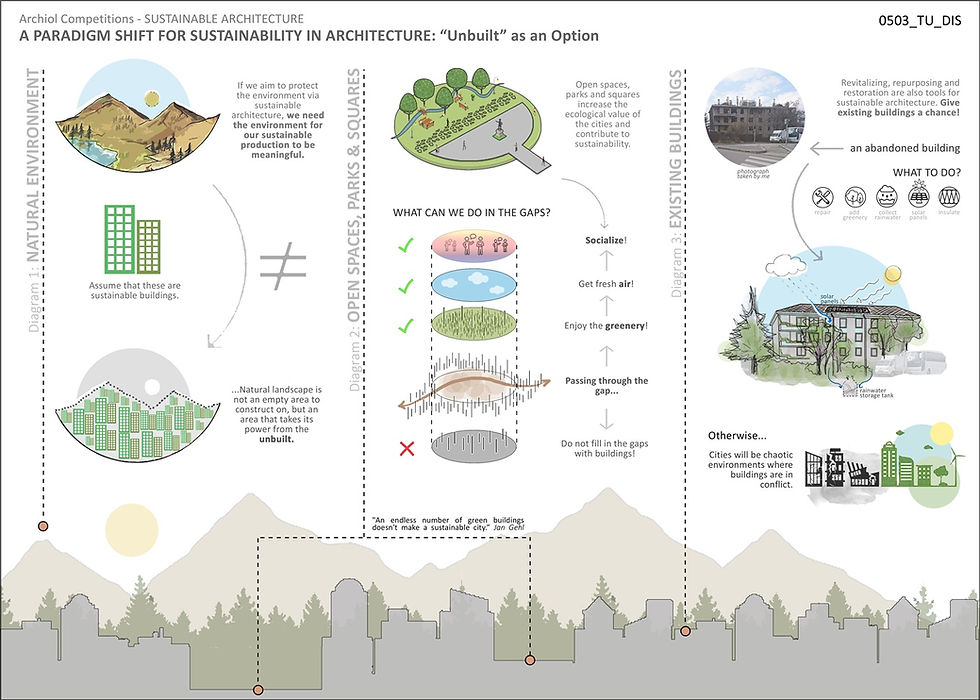
[sps_html tag=”img” src=”https://cdn.theartssection.com/wp-content/uploads/2025/06/a-paradigm-shift-for-sustainability-in-architecture-unbuilt-as-an-option-in-understanding-the-impact-of-on-sustainable-design.jpg” alt=”A Paradigm Shift For Sustainability In Architecture: “Unbuilt” As An Option in Understanding the Impact of on Sustainable Design” style=”width: 100%; height: auto;”]
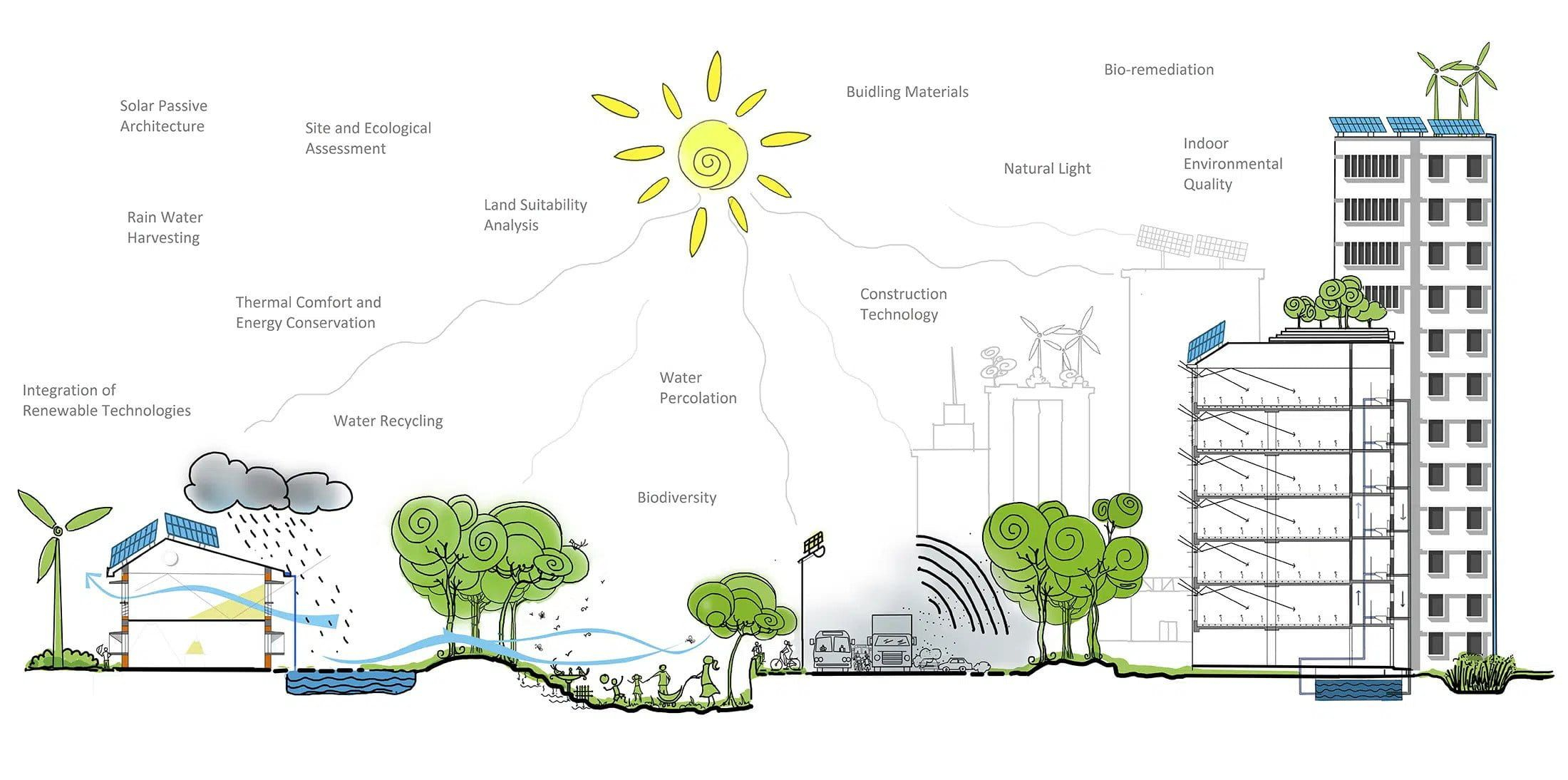
[sps_html tag=”img” src=”https://cdn.theartssection.com/wp-content/uploads/2025/06/sustainable-architecture-everything-you-need-to-know-for-understanding-the-impact-of-on-sustainable-design.jpg” alt=”Sustainable Architecture: Everything You Need To Know for Understanding the Impact of on Sustainable Design” style=”width: 100%; height: auto;”]
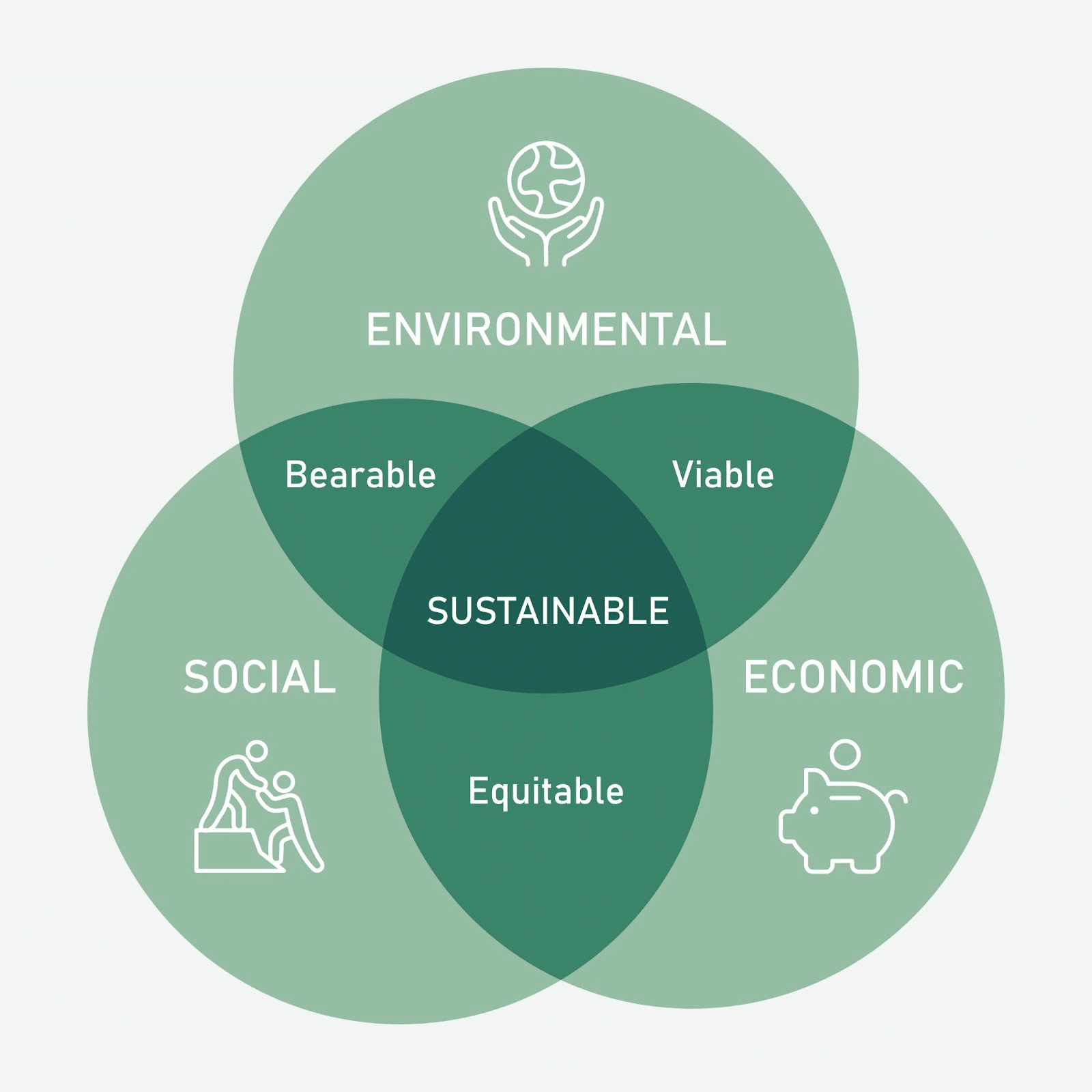
[sps_html tag=”img” src=”https://cdn.theartssection.com/wp-content/uploads/2025/06/the-3-pillars-of-sustainability-throughout.png” alt=”The 3 Pillars Of Sustainability throughout” style=”width: 100%; height: auto;”]
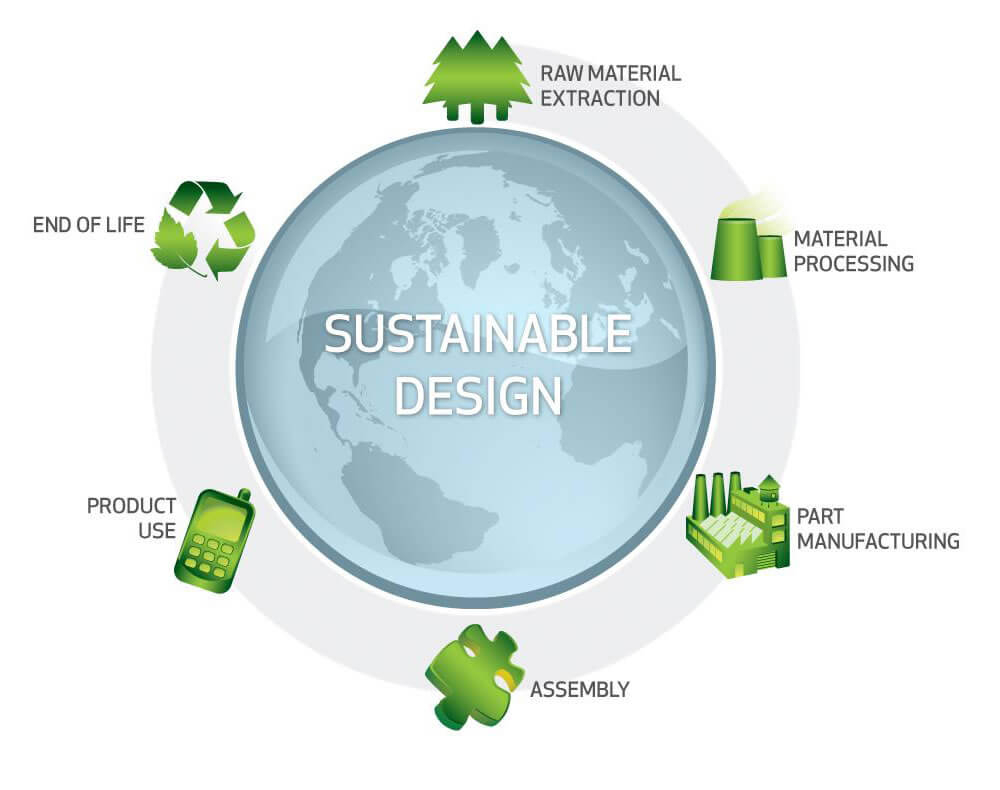
[sps_html tag=”img” src=”https://cdn.theartssection.com/wp-content/uploads/2025/06/designing-a-better-future-arch-college-of-design-amp-business-blog-with.jpg” alt=”Designing A Better Future - Arch College Of Design &Amp; Business Blog with” style=”width: 100%; height: auto;”]
[sps_html tag=”img” src=”https://cdn.theartssection.com/wp-content/uploads/2025/06/sustainable-construction-overview-everything-you-need-to-know-inside-understanding-the-impact-of-on-sustainable-design.jpg” alt=”Sustainable Construction Overview: Everything You Need To Know inside Understanding the Impact of on Sustainable Design” style=”width: 100%; height: auto;”]