Cloud computing has revolutionized how we store, access, and use data and applications. It’s no longer a futuristic concept; it’s the backbone of modern technology, powering everything from your social media feeds to global financial systems. This guide will demystify the cloud, breaking down its core components and exploring its vast potential. Let’s dive in and see how it works, and how you can use it.
Imagine having access to a virtually limitless pool of computer resources – servers, storage, databases, and software – all available over the internet. That, in a nutshell, is cloud computing. Instead of owning and maintaining physical hardware, you can rent these resources from a provider, paying only for what you use. This model offers incredible flexibility, scalability, and cost savings, making it a game-changer for businesses of all sizes and individuals alike. The shift to the cloud represents a fundamental change in how we think about and interact with technology. It’s a big deal, and it’s here to stay.
Understanding the Core Concepts: IaaS, PaaS, and SaaS
Cloud computing comes in several flavors, each offering a different level of control and management. Understanding these models is crucial for choosing the right cloud solution for your needs.
- IaaS (Infrastructure as a Service): This is the most basic model, providing access to fundamental computing resources like virtual machines, storage, and networks. Think of it as renting the raw building blocks of IT. You manage the operating systems, middleware, applications, and data. Examples include Amazon EC2, Microsoft Azure Virtual Machines, and Google Compute Engine.
- PaaS (Platform as a Service): PaaS offers a complete development and deployment environment in the cloud. It provides the hardware, software, and infrastructure needed for application development, without the burden of managing the underlying infrastructure. This allows developers to focus on coding and innovation. Examples include Google App Engine, AWS Elastic Beanstalk, and Microsoft Azure App Service.
- SaaS (Software as a Service): This is the most widely used cloud model. SaaS delivers software applications over the internet, on demand. Users access the software through a web browser or app, without needing to install or manage anything on their own devices. Think of it like renting a fully furnished apartment. Examples include Salesforce, Google Workspace, and Microsoft 365. And, you probably use SaaS every day!
The Benefits of Going Cloud: Why It’s Worth It
The allure of the cloud extends far beyond just buzzwords. There are tangible benefits that make it a compelling choice for individuals and organizations.
- Cost Savings: No need to invest in expensive hardware, or pay for IT teams. Cloud providers offer pay-as-you-go pricing models, which can significantly reduce capital expenditures and operational costs.
- Scalability and Flexibility: Easily scale your resources up or down to meet changing demands. This agility is invaluable for businesses experiencing growth or seasonal fluctuations. Need more storage? Add it with a click. Need less? Reduce it just as easily.
- Improved Collaboration: Cloud-based tools facilitate seamless collaboration among teams, regardless of their physical location. Share documents, work on projects in real-time, and communicate efficiently.
- Enhanced Security: Cloud providers invest heavily in security measures, often exceeding the capabilities of individual organizations. They offer robust security features, data encryption, and disaster recovery solutions.
- Increased Efficiency: Automate tasks, streamline workflows, and free up IT staff to focus on strategic initiatives instead of routine maintenance. Your IT teams can focus on what matters most.
- Accessibility: Access your data and applications from anywhere with an internet connection. The cloud enables remote work and supports a mobile workforce.
Cloud Deployment Models: Public, Private, and Hybrid
Choosing the right cloud deployment model is essential for meeting specific requirements. It is not a one-size-fits-all situation. Here’s a breakdown:
- Public Cloud: Resources are owned and operated by a third-party provider and made available over the internet. This is a cost-effective option for many businesses. Examples include AWS, Azure, and Google Cloud.
- Private Cloud: Resources are dedicated to a single organization. This offers greater control and security, but typically comes with higher costs and more management overhead. This is a good option for organizations with strict compliance requirements.
- Hybrid Cloud: A combination of public and private cloud environments, allowing organizations to leverage the benefits of both. Workloads can be moved between the two clouds based on changing needs and priorities. This provides maximum flexibility and control.
Real-World Examples: Cloud Computing in Action
Cloud computing is all around us, powering everyday experiences. Here are a few examples:
- Netflix: The streaming giant relies heavily on cloud infrastructure to deliver its content to millions of viewers globally. This ensures scalability, reliability, and a seamless viewing experience.
- Online Banking: Banks use the cloud to store customer data, process transactions, and provide online banking services. This improves security, and efficiency.
- E-commerce: Online retailers leverage the cloud to handle website traffic, manage inventory, and process payments. This allows them to scale their operations easily and provide a good customer experience.
- Social Media: Platforms like Facebook and Twitter use the cloud to store user data, manage content, and deliver social media feeds. The cloud is what allows these platforms to handle millions of users at once.
- Healthcare: Hospitals and clinics are using the cloud to store medical records, and improve collaboration between healthcare providers.
Security Concerns and Best Practices
While the cloud offers many security benefits, it’s crucial to address potential risks. Here are some important considerations:
- Data Encryption: Encrypt data both in transit and at rest to protect it from unauthorized access.
- Access Control: Implement strong authentication and authorization mechanisms to control who can access your resources.
- Regular Backups: Back up your data regularly to ensure business continuity in case of data loss.
- Security Audits: Conduct regular security audits to identify and address vulnerabilities.
- Compliance: Make sure you are complying with relevant industry regulations and standards.
- Vendor Selection: Choose a reputable cloud provider with a strong security track record.
Getting Started with Cloud Computing: Practical Steps
Ready to embrace the cloud? Here’s how to get started:
- Assess Your Needs: Determine your requirements, including storage, computing power, and software needs.
- Choose a Cloud Provider: Research and compare different providers, such as AWS, Azure, and Google Cloud, based on your needs and budget.
- Start Small: Begin with a pilot project or a non-critical workload to gain experience and build confidence.
- Migrate Gradually: Migrate your applications and data to the cloud in phases, rather than all at once.
- Train Your Team: Provide training to your IT staff on cloud technologies and best practices.
- Monitor Performance: Monitor your cloud resources and applications to optimize performance and identify potential issues.
- Stay Up-to-Date: The cloud landscape is constantly evolving. Stay informed about new technologies and best practices.
Cloud computing is no longer a trend; it’s a fundamental shift in how we use technology. From its flexible infrastructure to its cost-effectiveness, the cloud provides numerous advantages for businesses of all sizes. By understanding the different models, deployment options, and security considerations, you can harness the power of the cloud to drive innovation, improve efficiency, and achieve your business goals. The cloud is here, and it’s transforming the world, one application at a time, and it’s an exciting journey. So, embrace the cloud, and prepare for the future.
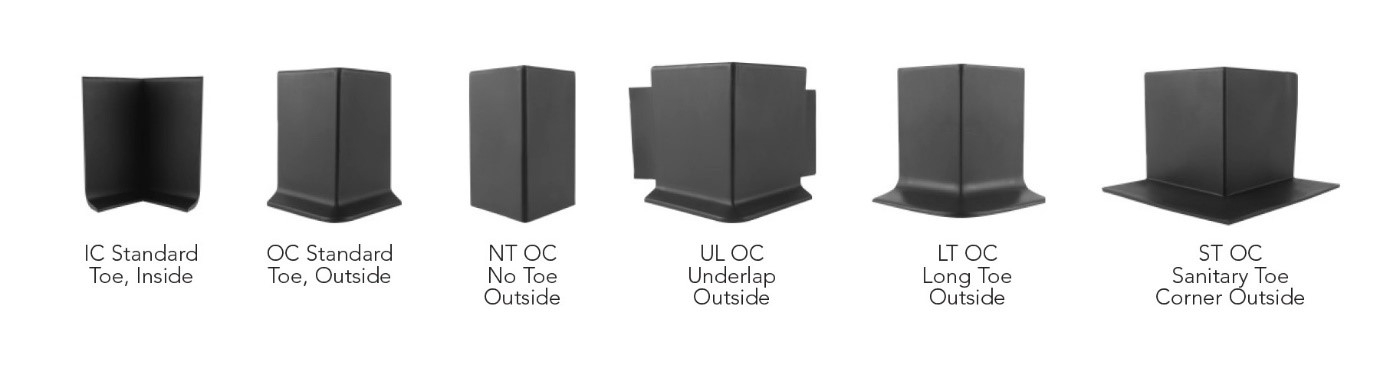
[sps_html tag=”img” src=”https://cdn.theartssection.com/wp-content/uploads/2025/06/wall-base-aamtac-intended-for.jpg” alt=”Wall Base | Aamtac intended for” style=”width: 100%; height: auto;”]
[sps_html tag=”img” src=”https://cdn.theartssection.com/wp-content/uploads/2025/06/artistic-finishes-3-5-wood-thick-x-0-44-wide-x-96-length-wall-base-intended-for-wall-base-design-evolution-a-look-at-trends-and-timeless-styles.jpg” alt=”Artistic Finishes 3.5" Wood Thick X 0.44" Wide X 96" Length Wall Base … intended for Wall Base Design Evolution A Look at Trends and Timeless Styles” style=”width: 100%; height: auto;”]
[sps_html tag=”img” src=”https://cdn.theartssection.com/wp-content/uploads/2025/06/7-crucial-elements-of-timeless-interior-design-design-to-reflect-in.jpg” alt=”7 Crucial Elements Of Timeless Interior Design | Design To Reflect in” style=”width: 100%; height: auto;”]
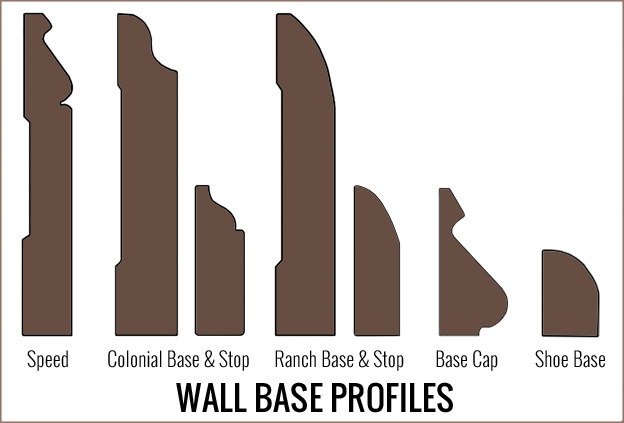
[sps_html tag=”img” src=”https://cdn.theartssection.com/wp-content/uploads/2025/06/blog-base-styles-builders-surplus-in-wall-base-design-evolution-a-look-at-trends-and-timeless-styles.jpg” alt=”Blog-Base-Styles - Builders Surplus in Wall Base Design Evolution A Look at Trends and Timeless Styles” style=”width: 100%; height: auto;”]
[sps_html tag=”img” src=”https://cdn.theartssection.com/wp-content/uploads/2025/06/top-10-timeless-interior-design-ideas-always-in-style-decorilla-throughout.jpeg” alt=”Top 10 Timeless Interior Design Ideas Always In-Style - Decorilla throughout” style=”width: 100%; height: auto;”]