
The internet is a vast and ever-changing space, a global town square, a library, a marketplace, and so much more. However, for many people, it’s not easily accessible. Web accessibility is the practice of designing and developing websites that can be used by everyone, regardless of their physical or cognitive abilities. This is a must, not just a choice. Let’s dive into the importance of web accessibility and how to make the digital world a more inclusive place for everyone.
Imagine trying to navigate a website with poor vision, or struggling to understand the navigation because the structure is confuzing, or being unable to use a mouse. These are just a few of the challenges people with disabilities face every day online. Web accessibility is the solution. It ensures that websites, applications, and digital content are usable by people with a wide range of disabilities, including visual, auditory, physical, speech, cognitive, and neurological differences. This article will break down the what, why, and how of web accessibility, providing you with the knowledge and tools to make a real difference.
Why Web Accessibility Matters: Beyond the Law
Web accessibility isn’t just about following rules; it’s about creating a more inclusive and equitable digital world. While many countries have laws mandating accessibility (like the Americans with Disabilities Act – ADA – in the United States), the benefits go far beyond legal compliance.
- Enhanced User Experience for Everyone: When you design for accessibility, you often improve the experience for all users. Clear navigation, well-organized content, and intuitive design benefit everyone, not just people with disabilities.
- Expanded Audience Reach: By making your website accessible, you open it up to a larger audience, including older adults and people with temporary disabilities (like a broken arm).
- Improved Search Engine Optimization (SEO): Accessibility best practices often align with SEO best practices. For instance, providing alt text for images helps search engines understand your content, boosting your search rankings.
- Positive Brand Image: Demonstrating a commitment to accessibility shows that your organization cares about inclusivity and social responsibility, which can strengthen your brand’s reputation and build trust with your audience.
Key Principles of Web Accessibility: The Cornerstone of Inclusive Design
The Web Content Accessibility Guidelines (WCAG) are the international standard for web accessibility. WCAG outlines four core principles, often remembered by the acronym POUR:
- Perceivable: Information and user interface components must be presented to users in ways they can perceive. This includes providing text alternatives for non-text content (images, videos), ensuring sufficient contrast between text and background colors, and offering captions and transcripts for multimedia.
- Operable: User interface components and navigation must be operable. This means all functionality must be available from a keyboard, users have enough time to read and use content, and websites do not contain content that causes seizures.
- Understandable: Information and the operation of the user interface must be understandable. This involves making the content readable and predictable, ensuring that the website operates in predictable ways, and providing help when needed.
- Robust: Content must be robust enough that it can be interpreted reliably by a wide variety of user agents, including assistive technologies. This includes using valid code (HTML, CSS, JavaScript) and ensuring compatibility with different browsers and devices.
Implementing these principles will create a more accessible and user-friendly experience for everyone.
Practical Tips for Implementing Web Accessibility
Making your website accessible doesn’t have to be daunting. Here are some actionable steps you can take:
- Use Semantic HTML: Use HTML tags (like
<header>,<nav>,<main>,<article>,<footer>, etc.) to structure your content logically. This helps assistive technologies understand the structure of your page. - Provide Alt Text for Images: Always include descriptive alt text for all images. This text is read by screen readers and provides context for users who can’t see the images.
- Ensure Sufficient Color Contrast: Use a color contrast checker to ensure there’s enough contrast between text and background colors. This makes it easier for people with visual impairments to read your content.
- Provide Captions and Transcripts for Videos: Captions and transcripts make video content accessible to people who are deaf or hard of hearing.
- Make Your Website Keyboard Accessible: Ensure that all interactive elements on your website can be accessed and used with a keyboard.
- Test, Test, Test: Regularly test your website with assistive technologies (like screen readers) and accessibility checkers to identify and fix any issues.
- Use Clear and Simple Language: Avoid jargon and technical terms. Write in plain language that everyone can understand.
Tools and Resources for Web Accessibility
Fortunately, many tools can help you implement web accessibility effectively:
- Accessibility Checkers: Tools like WAVE (Web Accessibility Evaluation Tool) and Lighthouse (built into Chrome DevTools) can automatically identify accessibility issues on your website.
- Screen Readers: Programs like NVDA (free and open-source) and JAWS simulate the experience of users with visual impairments.
- Color Contrast Checkers: Tools like WebAIM’s Color Contrast Checker help you ensure sufficient color contrast.
- WCAG Guidelines: The official WCAG guidelines provide detailed information about accessibility requirements.
- Accessibility Tutorials and Courses: Many online resources, such as WebAIM and W3C, offer tutorials, courses, and training materials on web accessibility.
Accessibility in Action: Real-World Examples
Let’s look at some real-world examples of accessible design:
- Government Websites: Many government websites prioritize accessibility to ensure that all citizens can access important information and services.
- E-commerce Sites: E-commerce platforms, like Amazon, have made significant strides in accessibility to reach a wider customer base. This includes providing alt text for product images, making navigation keyboard-friendly, and ensuring sufficient color contrast.
- Educational Institutions: Universities and colleges are increasingly focusing on accessibility to provide equal learning opportunities for all students. This includes providing captions for online lectures, making course materials accessible, and ensuring that websites are easy to navigate with assistive technologies.
These examples demonstrate that accessibility is not only possible but also beneficial for businesses, organizations, and individuals.
The Future of Web Accessibility: Continuous Evolution
Web accessibility is an ongoing process, not a one-time fix. As technology evolves, so too will the need to adapt and update accessibility practices. Here are some trends to watch:
- Artificial Intelligence (AI): AI is being used to automate some aspects of accessibility, such as generating alt text for images and providing real-time captions for videos.
- Voice User Interfaces (VUIs): With the rise of voice assistants, it’s essential to ensure that websites are accessible through voice commands.
- Mobile Accessibility: As more people access the internet on mobile devices, it’s crucial to ensure that websites are responsive and accessible on all screen sizes.
- Inclusive Design: The principles of inclusive design, which go beyond accessibility to consider the needs of all users, are gaining momentum.
By staying informed about these trends and continuously improving your accessibility practices, you can help shape a more inclusive digital future.
Web accessibility is not just a technical requirement; it’s a fundamental principle of inclusive design. By making your websites accessible, you’re not only complying with laws and improving SEO but, more importantly, you’re creating a more welcoming and equitable online experience for everyone. Embrace the principles of POUR, utilize the available tools and resources, and continuously strive to improve your accessibility practices. The internet should be a place where everyone can learn, connect, and participate, and by making web accessibility a priority, you’re helping to make that vision a reality. It’s time to build a web that works for all of us, a web that is truly inclusive. And remember, it’s an ongoing journey, so keep learning, experimenting, and striving for a more accessible internet.
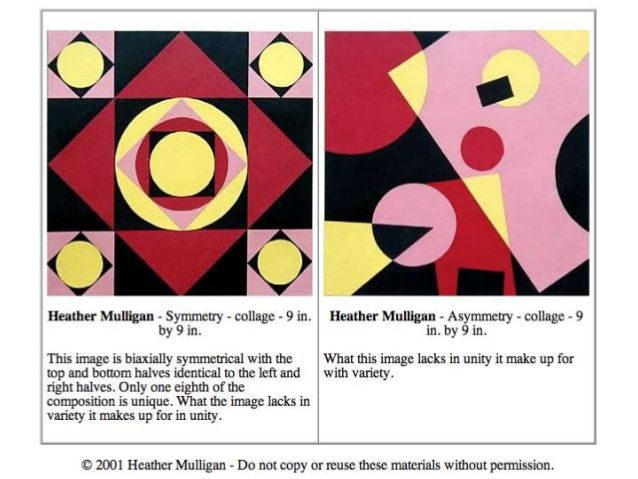
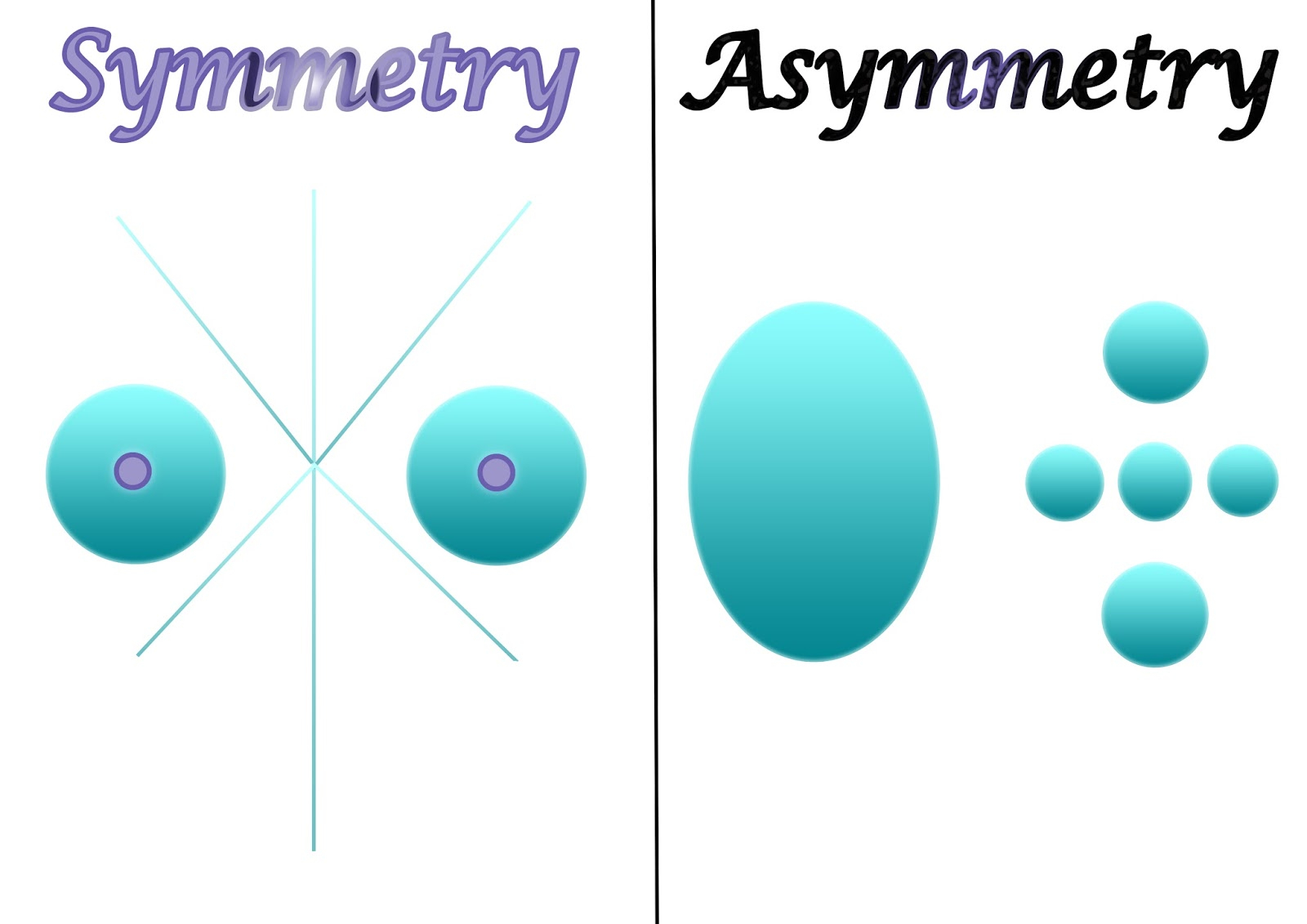
[sps_html tag=”img” src=”https://cdn.theartssection.com/wp-content/uploads/2025/06/asymmetrical-art-throughout.jpg” alt=”Asymmetrical Art throughout” style=”width: 100%; height: auto;”]
[sps_html tag=”img” src=”https://cdn.theartssection.com/wp-content/uploads/2025/06/in-the-art-studio-principles-of-art-unity-principles-of-design-for.jpg” alt=”In The Art Studio Principles Of Art Unity, Principles Of Design … for” style=”width: 100%; height: auto;”]
[sps_html tag=”img” src=”https://cdn.theartssection.com/wp-content/uploads/2025/06/examples-of-asymmetrical-balance-in-art-regarding-beyond-symmetry-exploring-the-power-of-asymmetrical-art-in-design.jpg” alt=”Examples Of Asymmetrical Balance In Art regarding Beyond Symmetry Exploring the Power of Asymmetrical Art in Design” style=”width: 100%; height: auto;”]
[sps_html tag=”img” src=”https://cdn.theartssection.com/wp-content/uploads/2025/06/asymmetry-in-art-in-beyond-symmetry-exploring-the-power-of-asymmetrical-art-in-design.jpg” alt=”Asymmetry In Art in Beyond Symmetry Exploring the Power of Asymmetrical Art in Design” style=”width: 100%; height: auto;”]
[sps_html tag=”img” src=”https://cdn.theartssection.com/wp-content/uploads/2025/06/pin-by-anna-workman-usu-on-symmetrical-and-asymmetrical-balance-art-throughout-beyond-symmetry-exploring-the-power-of-asymmetrical-art-in-design.jpg” alt=”Pin By Anna Workman Usu On Symmetrical And Asymmetrical | Balance Art … throughout Beyond Symmetry Exploring the Power of Asymmetrical Art in Design” style=”width: 100%; height: auto;”]