Have you ever walked into a house that looked exactly like a page from a furniture catalog. It is beautiful, sure, but it feels a bit cold. It lacks a soul. The spaces that truly stick with us are the ones that whisper—or sometimes shout—the stories of the people who live there. Your home should be a reflection of your journey, a visual diary of where you have been and what you love.
We spend so many years collecting memories, yet we often hide them away in dusty closets or old photo albums. Why not bring them out into the light. Weaving your personal history into your interior design is not about cluttering your shelves with junk. It is about curation. In 2026, the biggest design movement is all about authenticity and moving away from mass-produced minimalism toward spaces filled with genuine character.
The Power of Nostalgic Textiles
One of the easiest ways to bring your past into the present is through fabrics. Think about that old, worn-out band t-shirt from your very first concert, or the vibrant tablecloth your grandmother brought back from her travels. Instead of letting these items sit in a box, you can turn them into functional decor.
Quilting is an ancient art that works wonders here. You can patch together old cotton shirts or baby clothes to create a stunning throw blanket for your couch. If sewing isn’t your thing, framing a beautiful vintage scarf or a piece of traditional fabric from a memorable vacation can instantly become a focal point on your living room wall. It adds warmth and texture while acting as a great conversation starter.
Curating a Legacy Gallery Wall
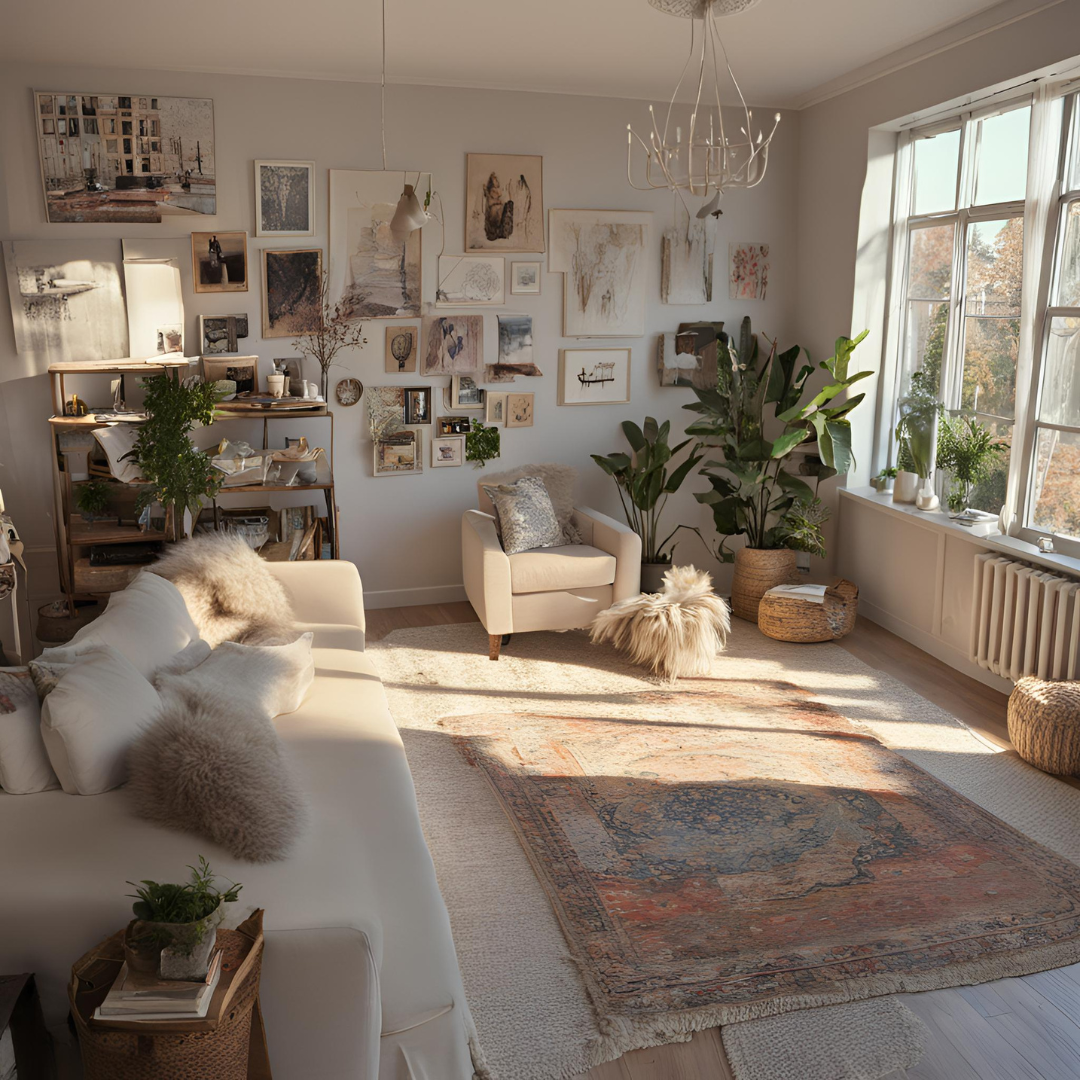
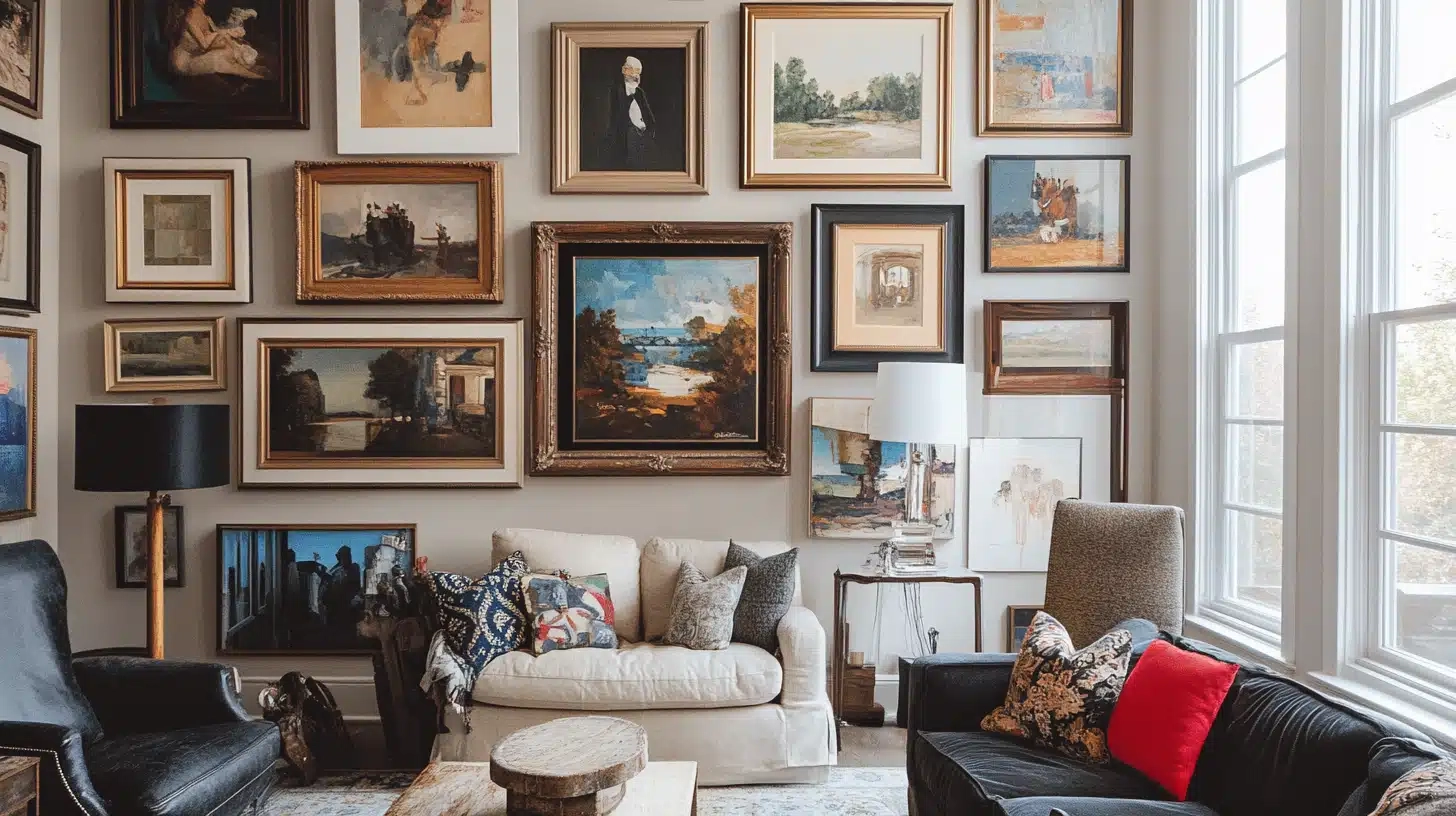
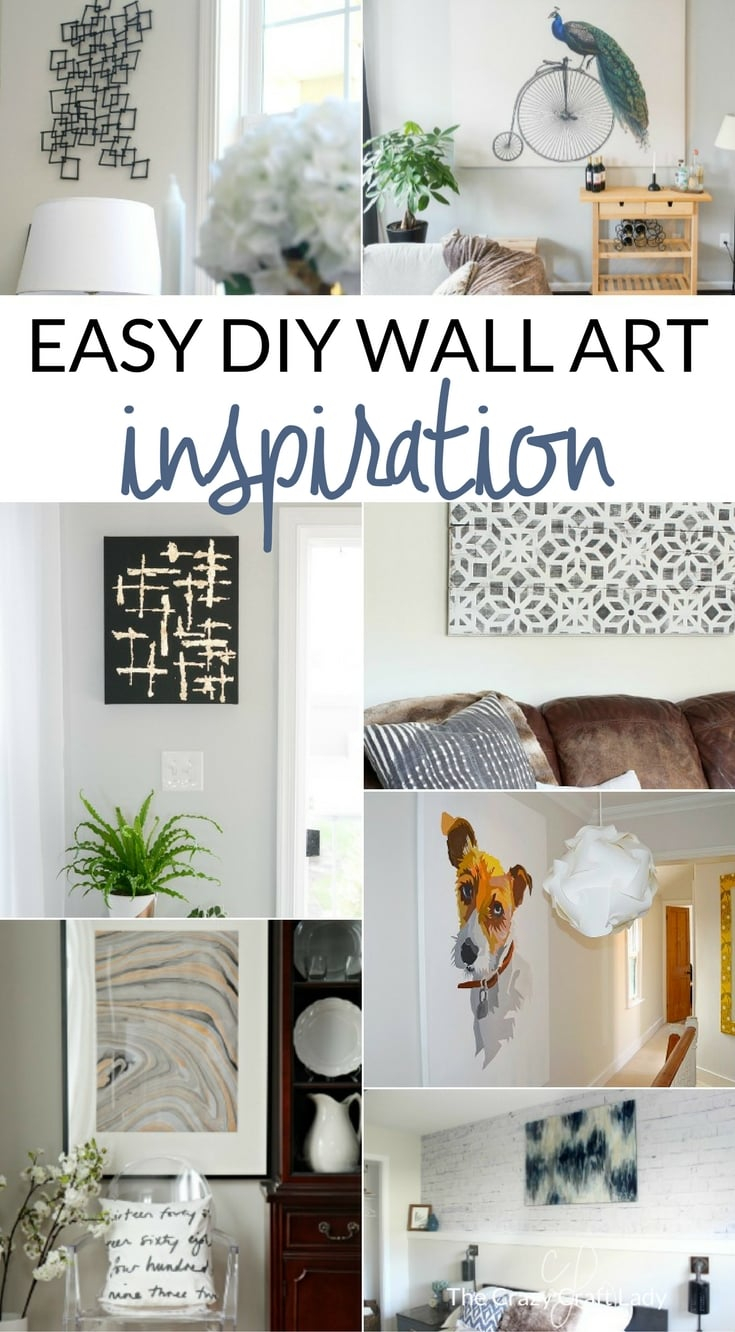
Gallery walls are still incredibly popular, but they don’t have to feature generic prints bought online. Instead, make it entirely about your timeline. Mix and match black-and-white family photographs from decades ago with recent snapshots from your last road trip.
- Use frames of different shapes and colors to keep it looking relaxed.
- Include non-photo items, like a framed handwritten recipe from your dad or a map of the city where you met your partner.
- Keep the arrangement dynamic by leaving room to add more pieces as life happens.
The trick to making this look intentional rather than messy is to find a common thread. Maybe all the frames share a similar tone, or perhaps there is a consistent color scheme running through the images. This keeps the wall looking unified while telling a deeply personal story.
Repurposing Furniture with a Past
We all have that one piece of furniture that has been passed down through generations. Maybe it is an old wooden dresser that has seen better days, or a sturdy trunk that used to sit at the foot of your grandparents’ bed. Instead of hiding these pieces because they don’t match your modern aesthetic, embrace the contrast.
A fresh coat of paint or some new brass hardware can completely transform an antique dresser while keeping its historic shape intact. An old leather suitcase can easily become a unique side table when stacked with a few large art books. These items add grit and history to a room, balancing out the sleek lines of modern furniture.
Displaying Artifacts and Souvenirs Creatively
When we travel, we often buy tiny trinkets that end up lost at the bottom of a drawer. To avoid this, dedicate specific zones in your home for your global adventures. A shadow box is a fantastic tool for this, allowing you to display ticket stubs, seashells, coins, and small post cards all in one neat package.
Instead of scattering souvenirs randomly across every surface, group them together on a single shelf or inside a glass cabinet. Clustering similar objects makes them look like a curated museum exhibit rather than accidental clutter. Every time you glance at that shelf, you will be instantly transported back to that sunny afternoon in Rome or that rainy day in Kyoto.
Mapping Out Your Milestones
Maps are beautiful graphic elements that naturally evoke a sense of adventure and nostalgia. You can use them to chart the geometry of your life. Find vintage maps of your hometown, the city where you went to college, or the place where you bought your first house.
For a modern twist, you can print out digital maps of these locations and crop them into uniform squares. Hang them in a neat grid in your hallway. It creates a striking, geometric art installation that double-checks as a geographic timeline of your major life events. Visitors will love trying to guess the significance behind each location.
Integrating Books and Written History
Books are a literal reflection of our minds and our history. The novels you read in high school, the art books you collected in your twenties, and the cookbooks you use every weekend all say something about who you are. Do not hide them behind closed doors.
- Organize books by color for a vibrant, modern look.
- Stack them horizontally to create pedestals for small ceramic pieces or plants.
- Display old diaries or letters under a glass dome on your coffee table.
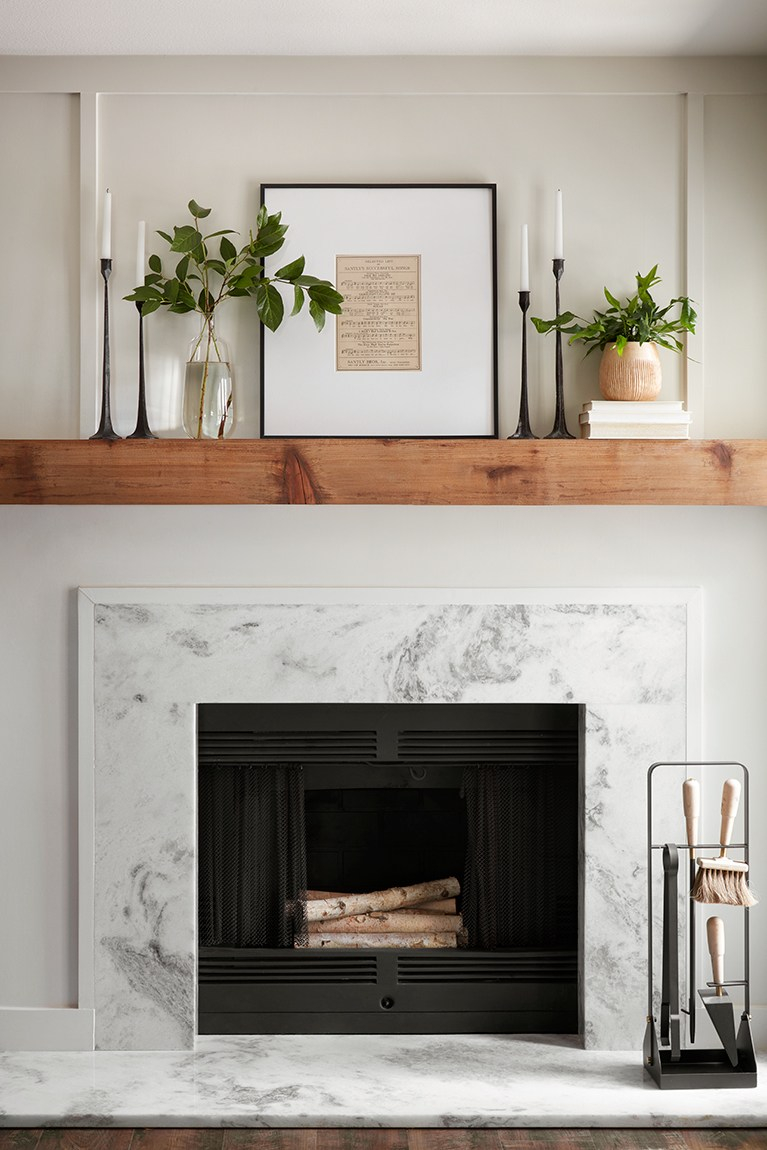
If you have old letters from family members or postcards sent from long-distance friends, consider framing them. The elegant cursive handwriting from the mid-20th century looks incredibly beautiful when matted properly, turning personal correspondence into fine art.
Designing a home that reflects your personal history does not happen overnight. It is a slow, evolutionary process that requires patience and a bit of editing. You do not need to display everything you own all at once. Rotate your items through the seasons to keep your space feeling fresh and inspired.
Ultimately, your home should make you feel grounded. By surrounding yourself with the textures, colors, and objects that define your past, you create a sanctuary that feels safe and entirely your own. It is a beautiful way to honor where you come from while building a life in the present.