Have you ever walked into a room and immediately felt a sudden shift in your energy. Maybe your shoulders dropped and you took a deep breath, or perhaps you suddenly felt alert and ready to focus. We often give credit to the lighting or the furniture, but the actual culprit is usually much bigger. It is the walls. As the largest visual canvas in any indoor space, what you put on your walls acts as a silent mood setter that constantly whispers to your brain.
Lately, researchers and interior designers have been looking closer at something called neuroaesthetics. This is just a fancy term for studying how our physical surroundings affect our minds and bodies. In 2026, we are finally realizing that picking a backdrop for your home isn’t just about what looks pretty or matches the sofa. It is about how that design makes you feel. Wallpaper, with its special mix of repetitive shapes, textures, and shades, is a surprisingly powerful tool for managing our emotional health.
The Repetition Response: Why Our Brains Love Patterns
Human brains are naturally hardwired to look for order in the world. Thousands of years ago, finding patterns in nature helped our ancestors survive by predicting the weather or spotting hidden animals. Today, that same survival trait means that seeing regular, repeating shapes in a room gives us a deep sense of safety and comfort. When your eyes trace a predictable design, it lowers your mental load because your brain does not have to work hard to figure out what comes next.
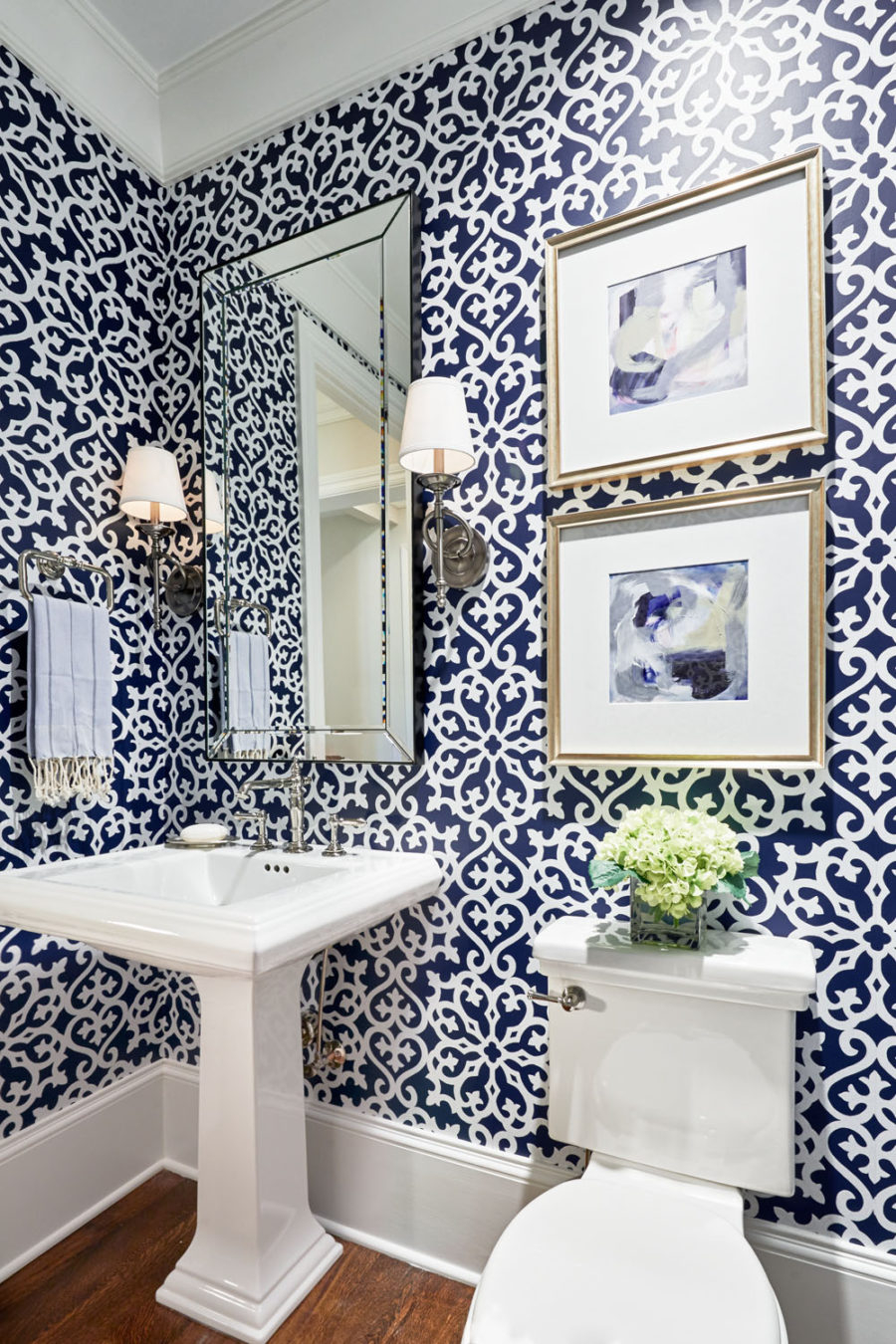
Because of this, wallpapers with rhythmic, repeating motifs act like a quiet anchor for a busy mind. Instead of feeling chaotic, a organized wall pattern provides a subtle sense of stability. It is the visual equivalent of a steady heartbeat or a soothing melody. For anyone dealing with the hectic pace of modern life, adding this kind of structure to a home can create a true sanctuary.
Soft Florals and Nature: Bringing the Outside In
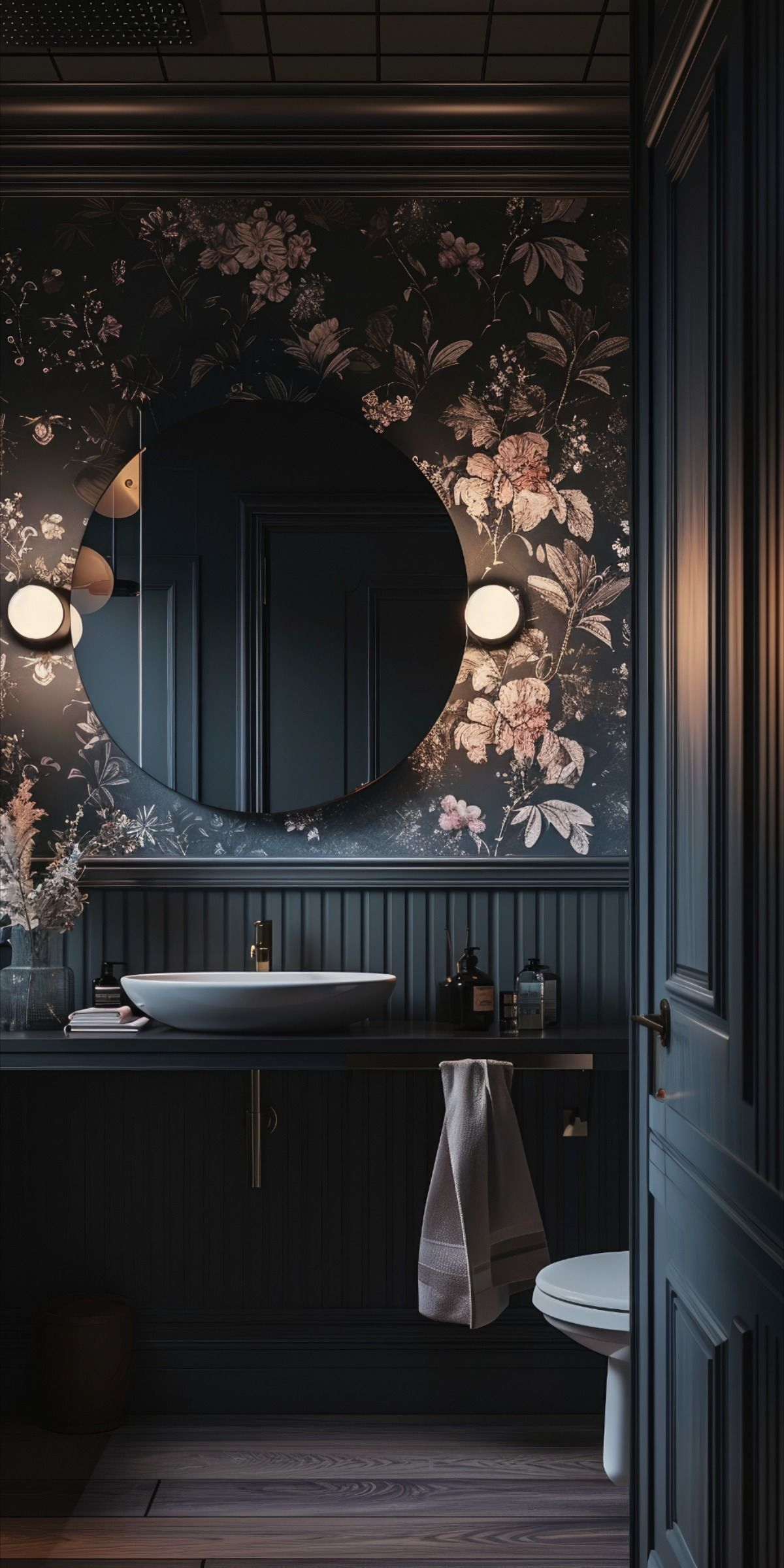
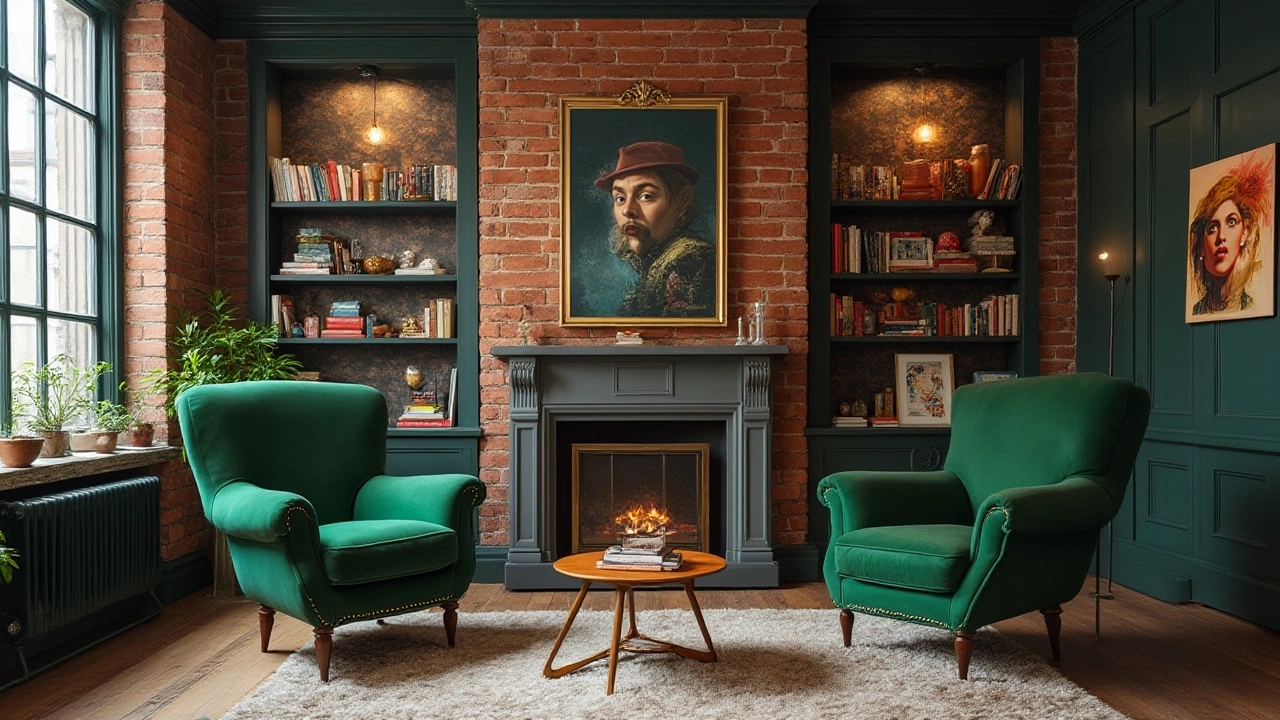
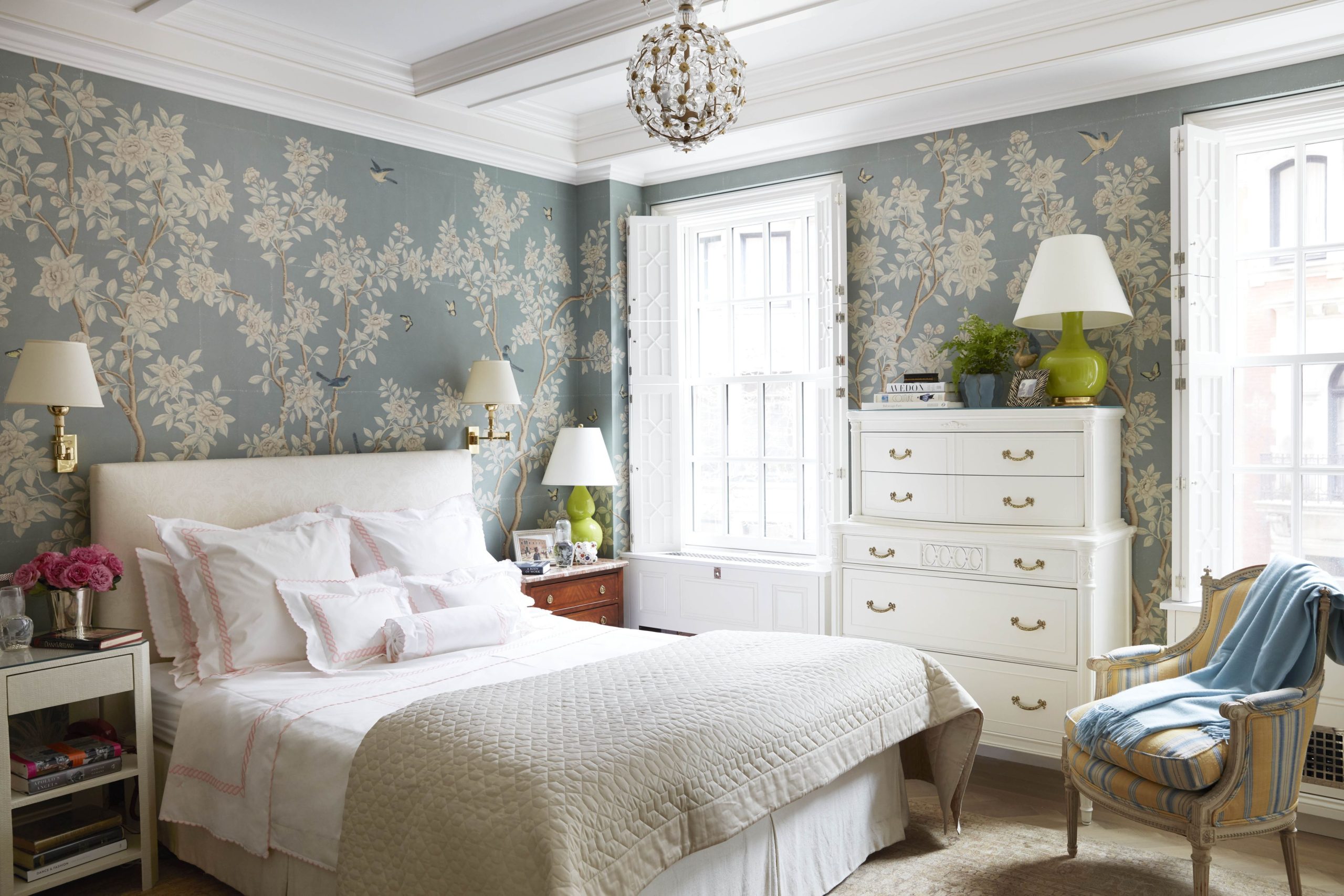
There is a huge reason why botanical prints and leafy designs remain so popular year after year. Biophilia is the natural human desire to connect with Mother Nature, and when we bring organic shapes inside, our bodies respond beautifully. Soft floral patterns with gentle curves and natural green or earthy tones have been shown to directly reduce stress levels and help lower blood pressure.
Think about how you feel walking through a quiet forest. You can mimic that exact feeling by using wallpaper that features flowing vines, soft petals, or tree silhouettes. These shapes lack the harsh angles of modern architecture, which tells our nervous system that it is safe to relax. It is an easy way to inject peace into a stressful bedroom or a chaotic living space.
Bold Geometrics: Igniting Energy and Focus
On the flip side, what happens when you want a room to wake you up rather than put you to sleep. That is where geometric patterns enter the picture. Sharp lines, triangles, and bold zig-zags demand attention from our visual cortex. They stimulate brain activity and can actually boost your focus and alertness, making them perfect for a home office or a creative studio.
However, balance is key here. Too many sharp, high-contrast shapes can start to feel aggressive or overwhelming if you stay around them for too long. But when used on a single accent wall, a crisp geometric print acts like a mental spark plug. It keeps your thoughts moving and prevents that mid-afternoon brain fog from slowing you down.
The Secret Language of Scale: Big vs Small Prints
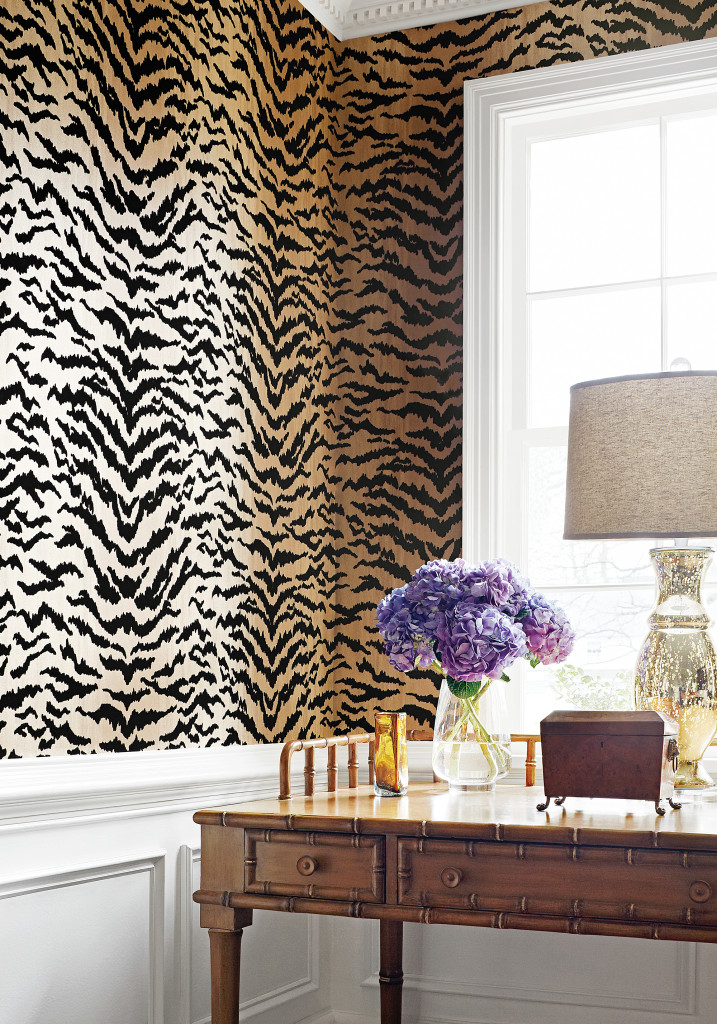
The size of the design matters just as much as the shape itself. Large-scale patterns—like giant oversized tropical leaves or massive abstract shapes—tend to make a bold statement. They pull the walls inward visually, which can make a giant, cold room feel incredibly cozy and intimate. It creates a sense of drama and personality that makes people want to gather and talk.
Small, delicate patterns do the exact opposite. Tiny dots, faint pinstripes, or miniature repeating emblems make the eyes move continuously across the wall. This trick of the mind makes small rooms feel much more spacious and airy than they actually are. If you have a cramped bathroom or a narrow hallway, a tiny, subtle pattern can give you the breathing room you crave.
Color Psychology: The Emotional Foundation
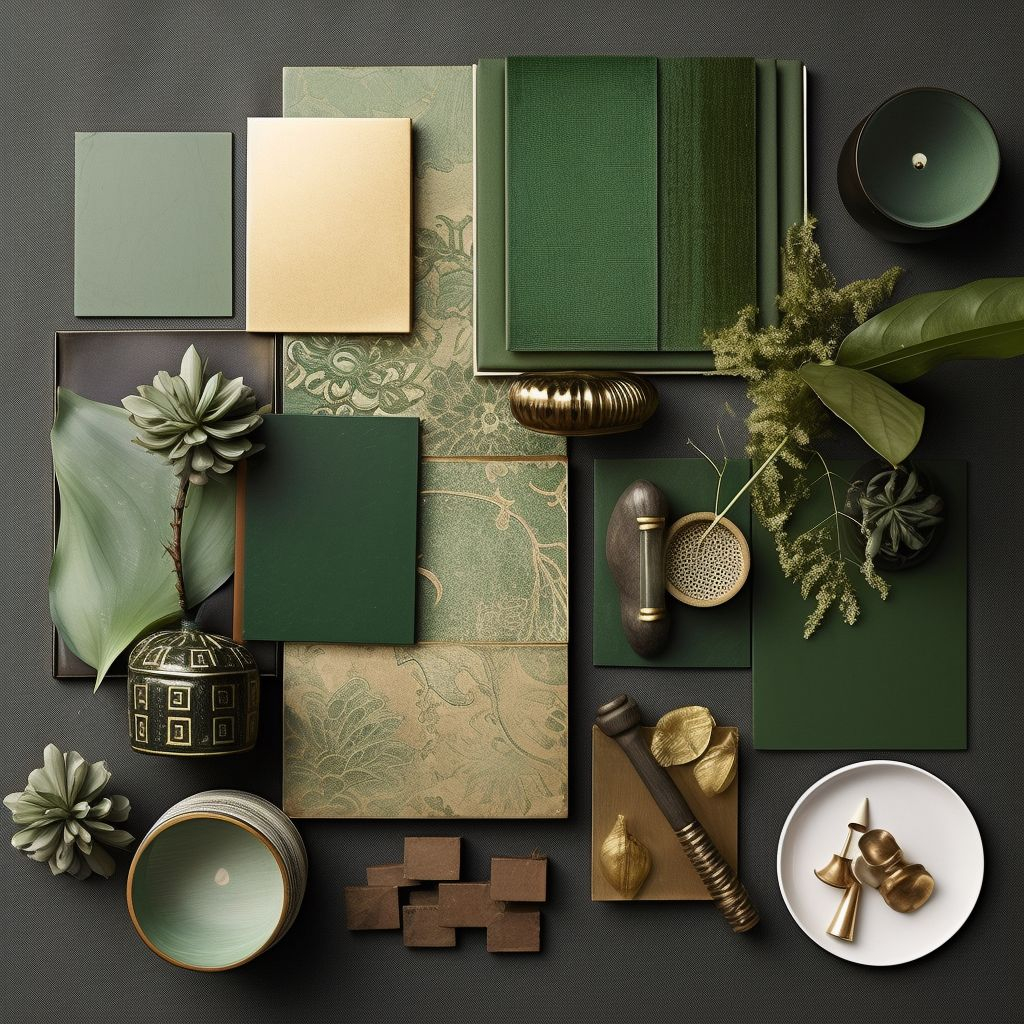
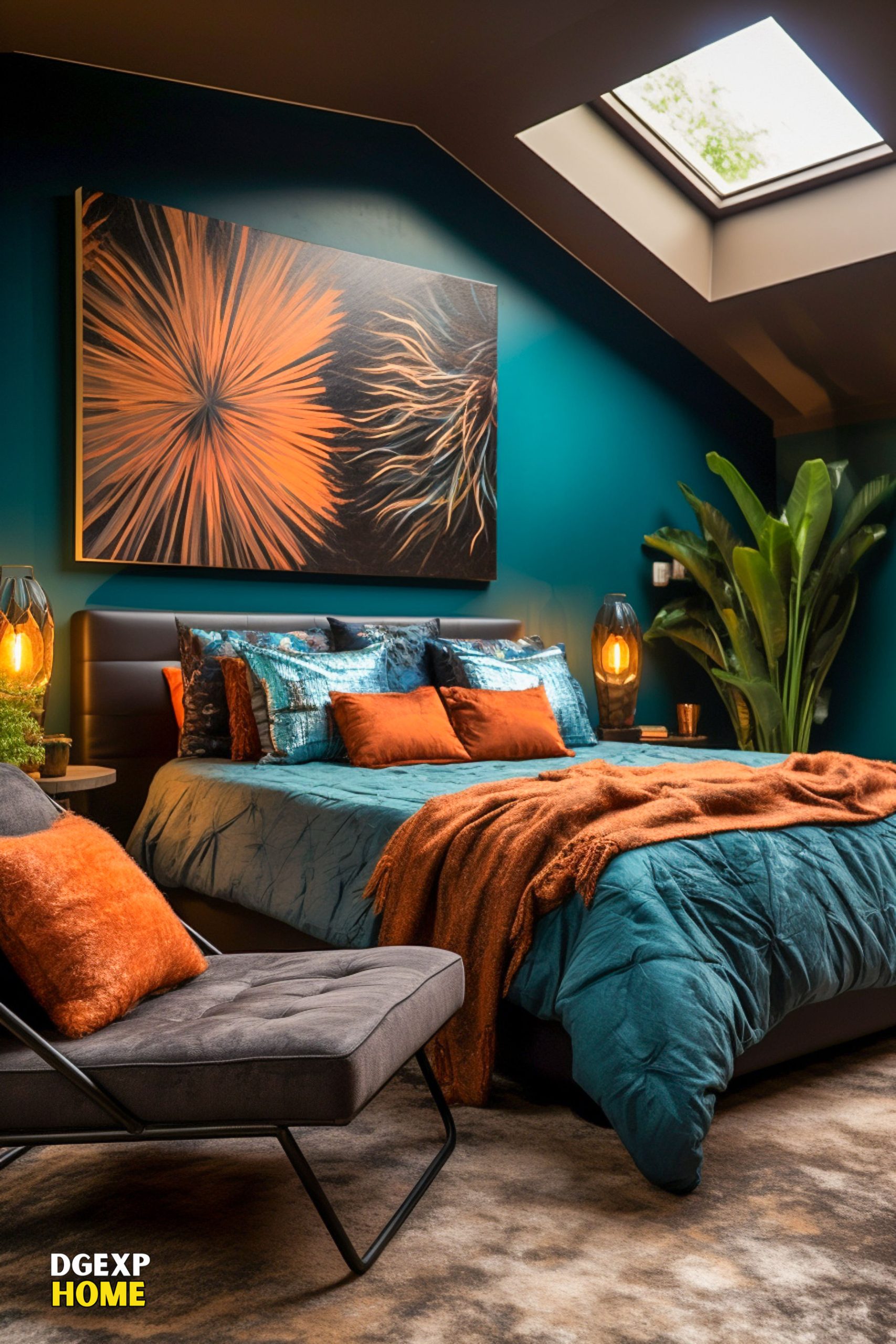
You cannot talk about patterns without talking about color, because they work hand-in-hand to trigger emotional responses. Cool tones like blues, soft grays, and muted teals are famous for their calming effects, making them ideal for spaces where you want to unwind. They slow things down. Meanwhile, warm shades like sunny yellows, terracottas, and soft peaches bring an instant wave of friendliness and hospitality.
When you mix these colors with specific patterns, the effects multiply. A geometric print in a bright yellow will be incredibly high-energy, while that same geometric print in a soft slate gray will feel modern and grounded. Understanding this combo allows you to customize the exact vibe you need for different areas of your home.
Textures and Depth: Stimulating the Tactile Mind
The science of wallpaper has evolved way beyond flat paper. Today, we have grasscloth, embossed fabrics, and metallic highlights that add a three-dimensional element to our walls. These textures give our eyes more to explore, creating visual depth that flat paint simply cannot match. When a wall catches the light differently throughout the day, it keeps our environment interesting.
This tactile quality is deeply comforting. Touching or even just looking at a rich texture satisfies our sensory needs, making our living spaces feel more substantial and real. In a digital world where we spend hours staring at flat glass screens, having rich, tangible textures on our walls helps ground us back in reality.
Designing a happy home isn’t about following the latest design trends or buying the most expensive materials. It is about understanding the relationship between your eyes and your brain. By choosing wall patterns that match what you want to do in a space, you can design an environment that actively supports your mental health.
Take a look around your house and ask yourself how each room currently feels. If your bedroom feels restless, maybe it needs the quiet rhythm of a soft, repeating print. If your workspace feels uninspiring, a sharp geometric design might be the spark you need. Ultimately, your walls are a powerful tool for wellness—all you have to do is use them wisely.