Have you ever sat at your desk, staring at a blank screen, feeling like your brain was completely fried. We’ve all been there. In today’s fast-paced world, most of us spend nearly 90% of our days stuck indoors, staring at small boxes—our phones, our laptops, & the four walls of our rooms. It is no wonder our brains feel tired, cluttered, and constantly on edge.
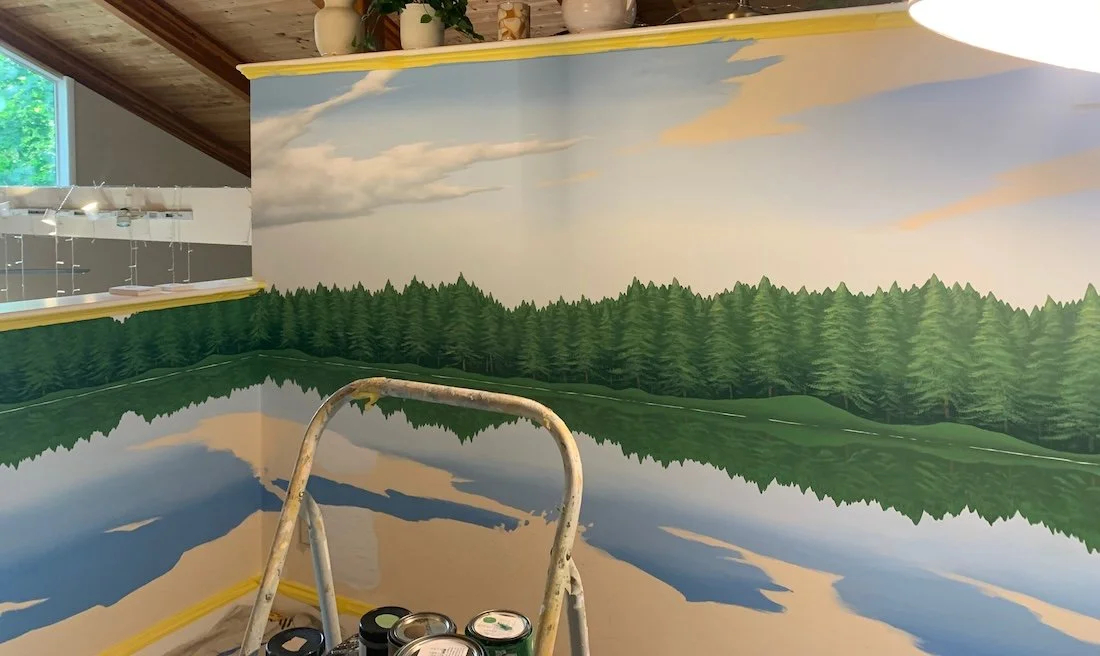
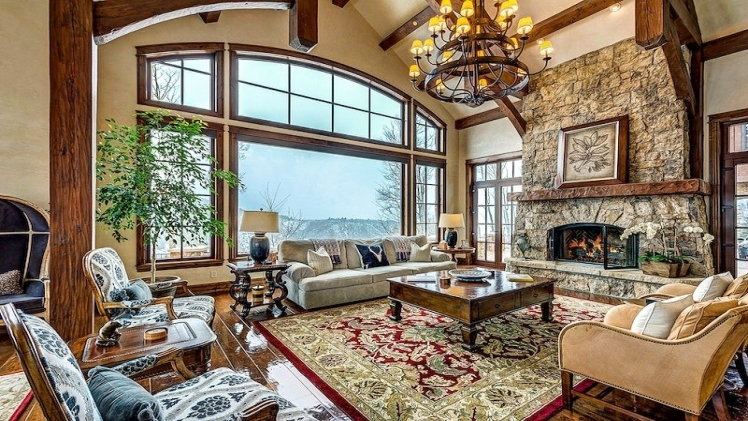
But what if the fix wasn’t about packing up and moving to the mountains, but simply changing what we look at while we work and live? It turns out that bringing wide, sweeping panoramic views of nature inside our homes can do wonders for our mental clarity. Let’s look at why our brains need the horizon, and how we can easily fake it till we make it.
Why Our Brains Crave the Horizon
For thousands of years, our ancestors lived & worked entirely outdoors. Our eyes and minds evolved to constantly scan wide-open spaces for food, water, and safety. When we stare at a wall just three feet in front of our faces, our brain subconsciously registers a lack of visual escape, which can subtly trigger our stress response.
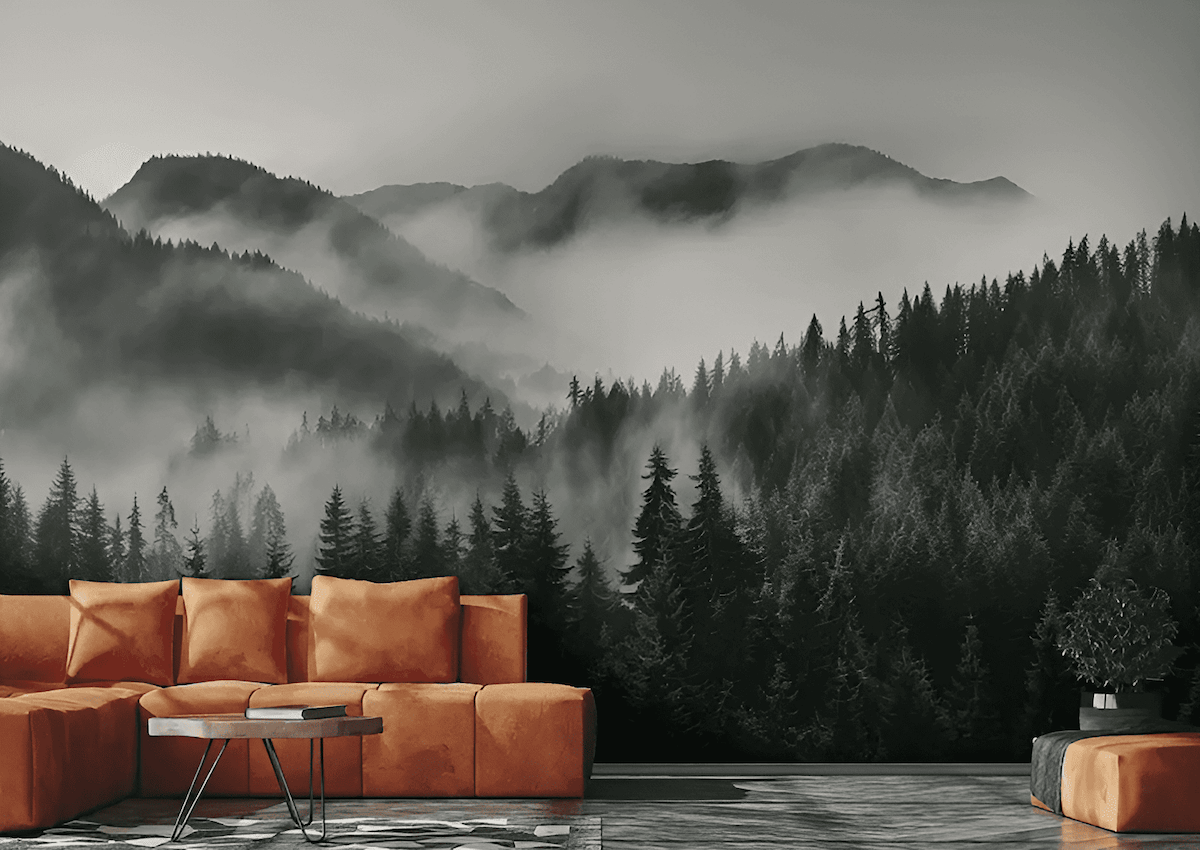
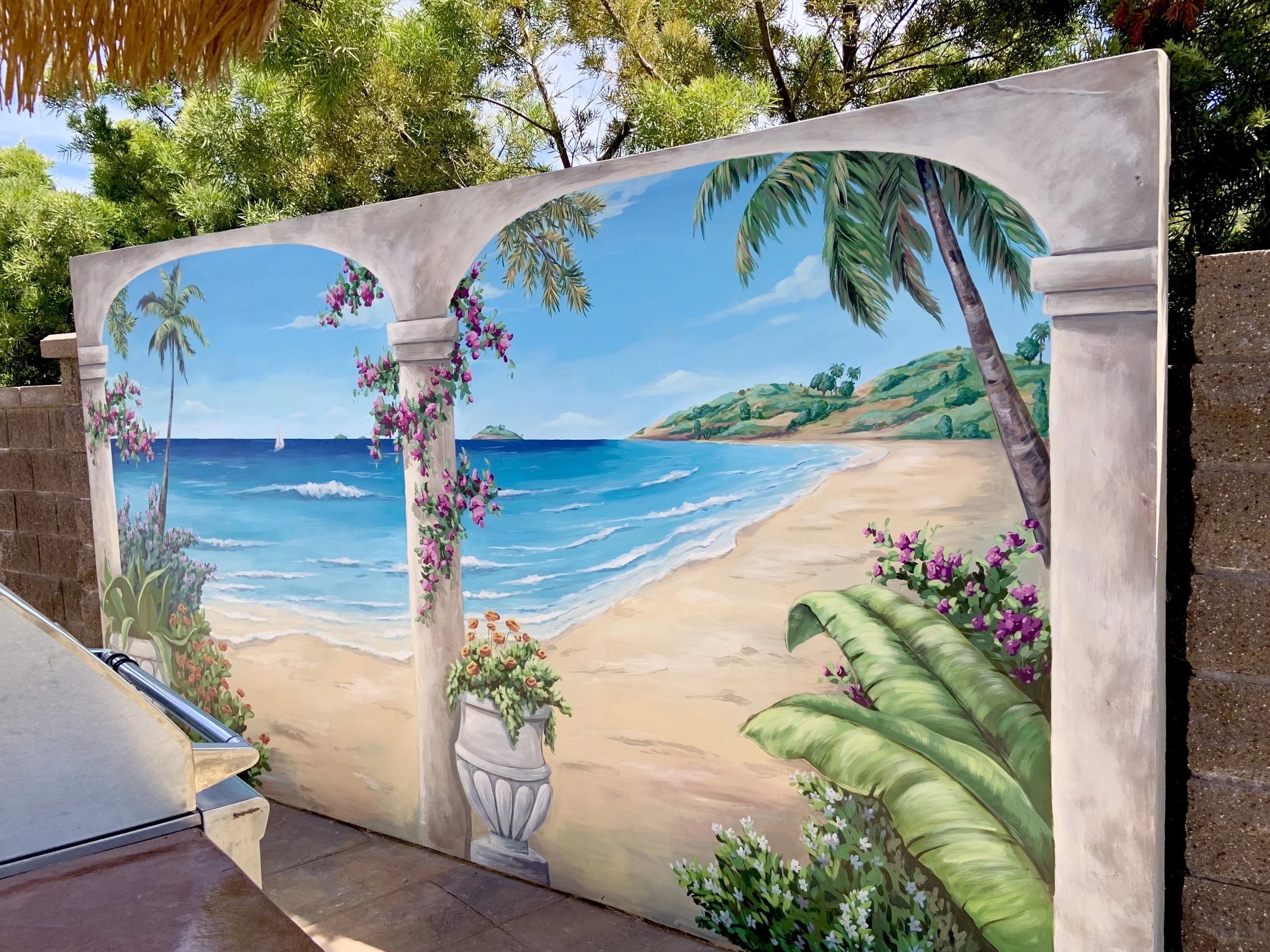
When you look at a panoramic view—like a deep forest path or a wide ocean shore—your brain instantly relaxes. It is called "long-distance viewing." Psychologists have found that looking at distant horizons relaxes the muscles in our eyes and tells our nervous system that we are safe. It gives us a sense of space that our cramped rooms simply cannot provide.
The Magic of Soft Fascination
There is a brilliant concept in environmental psychology called "soft fascination." Think about how you feel when you watch waves crashing on a beach or leaves gently blowing in the wind. You are paying attention, but it doesn’t take any hard mental effort.
"Natural environments are softly fascinating, allowing our highly focused, attention-heavy brain systems to rest and recover from daily burnout."
When we bring these panoramic scenes inside—whether through a massive framed print or a digital window display—we give our brains a visual break. Instead of forcing ourselves to focus on stressful tasks, these images let our minds drift just enough to reset. It is like hitting a gentle reboot button on your mental keyboard.
What Science Says About Indoor Nature Views
You might be thinking, "Sure, but does a picture of a forest really compare to actually standing in one?" Surprisingly, science says yes. Landmark studies have shown that patients in hospital rooms with a view of nature actually healed faster & needed less pain medication than those staring at a brick wall.
Even if we cannot step outside into a crisp morning, our brains are easily fooled by high-quality visual representations. Looking at a wide-open landscape photo on your wall can lower your heart rate and decrease cortisol levels. Researchers in 2026 continue to find that even digital representations of wide vistas can significantly boost our overall mood.
Why Wide and Deep Matter More Than You Think
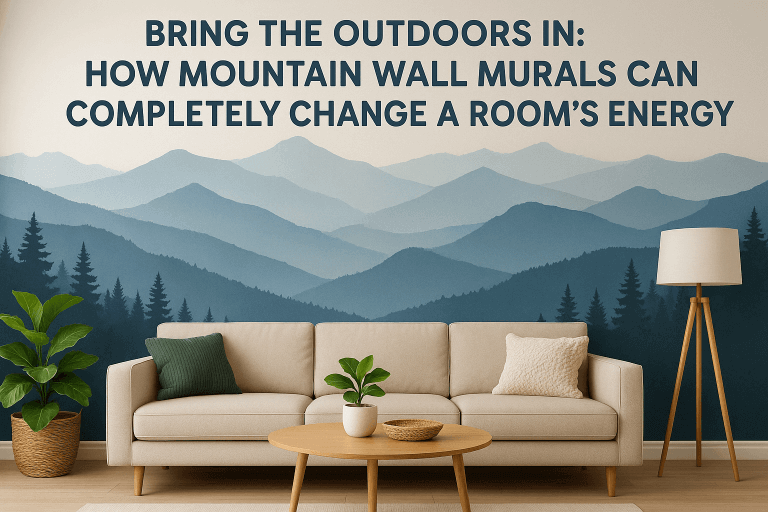
Not all nature views are created equal. A close-up picture of a single flower is beautiful, but it doesn’t give you the same headspace as a panoramic vista. The magic lies in the depth and scale of the image.
- Vastness: Wide shots give our minds a sense of freedom.
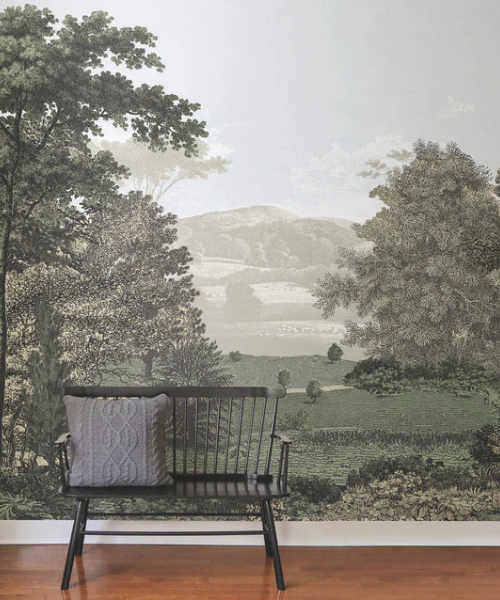
- Perspective: Images with a clear foreground, middle ground, & background trick the brain into experiencing actual physical depth.
- Freedom: Panoramic scenes encourage our eyes to wander, which naturally slows down our racing thoughts.
By choosing scenes that show a clear horizon line, we encourage our eyes to look "far away," which physically relaxes our ocular muscles & calms our mental chatter.
Simple Ways to Bring the Outside In
You do not need to knock down your walls to get a panoramic view. There are plenty of budget-friendly and creative ways to transform your indoor enviornment. Here is a quick guide on how to get started:
| Method | Best For | Mental Impact |
|---|---|---|
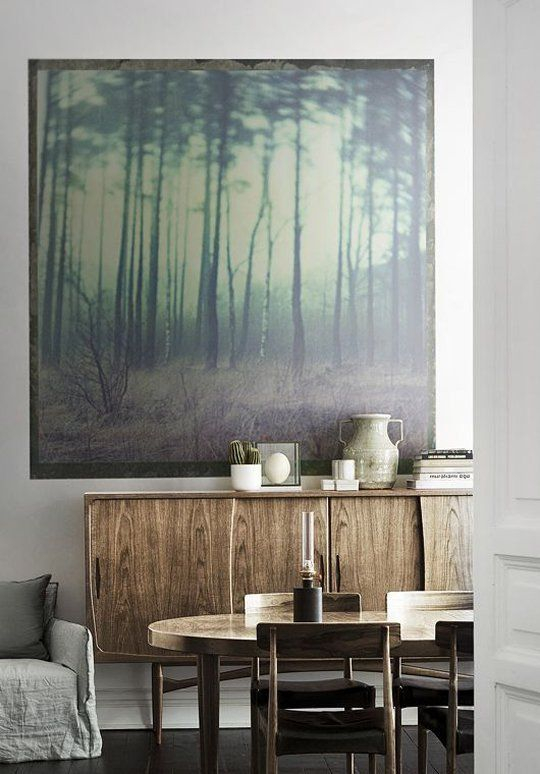
| Large Canvas Prints | Living rooms & offices | Permanent, grounding focal point |
| Digital Art Frames | Tech lovers | Dynamic, changing scenery & weather |
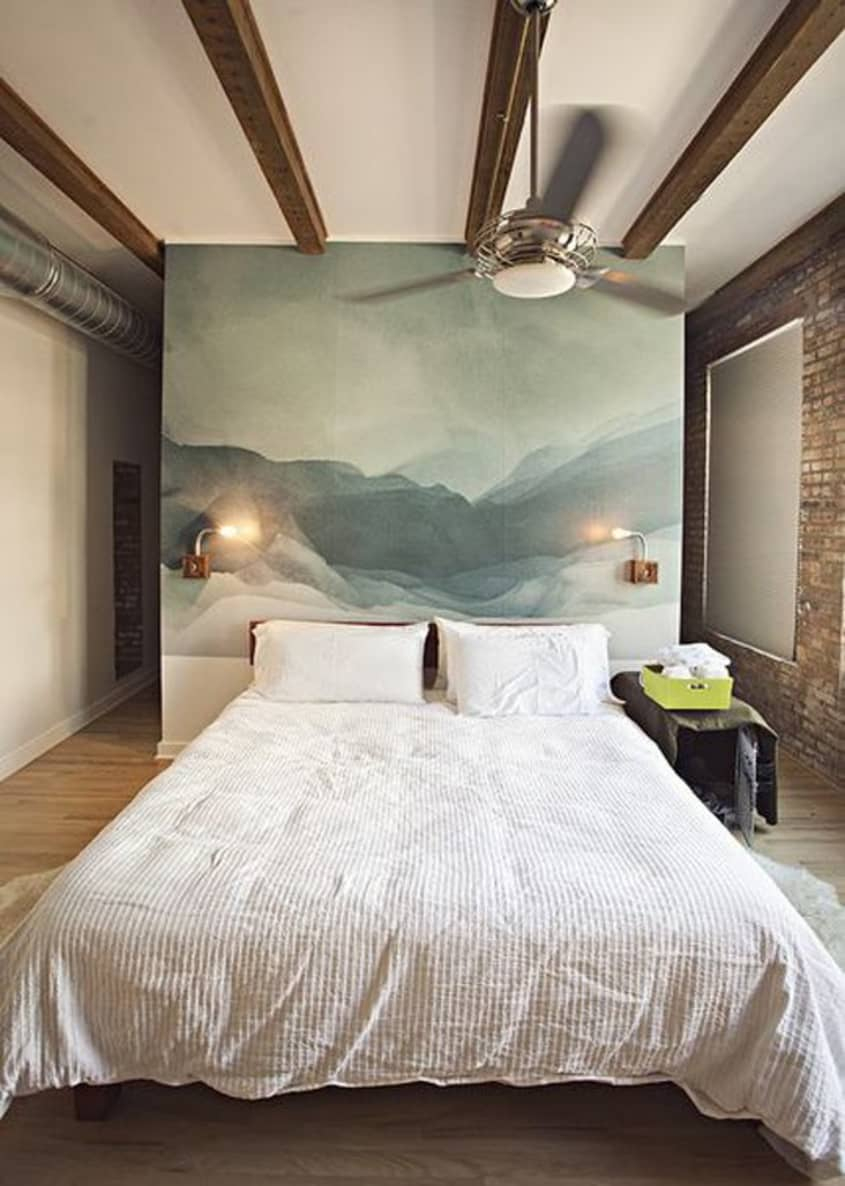
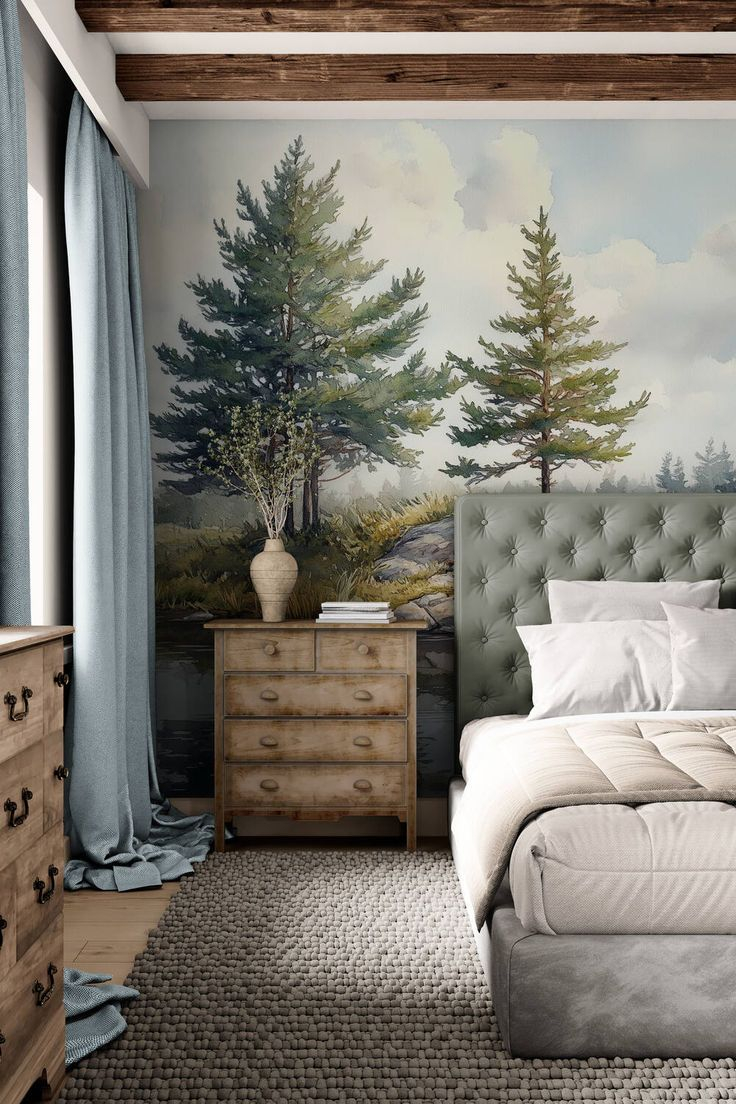
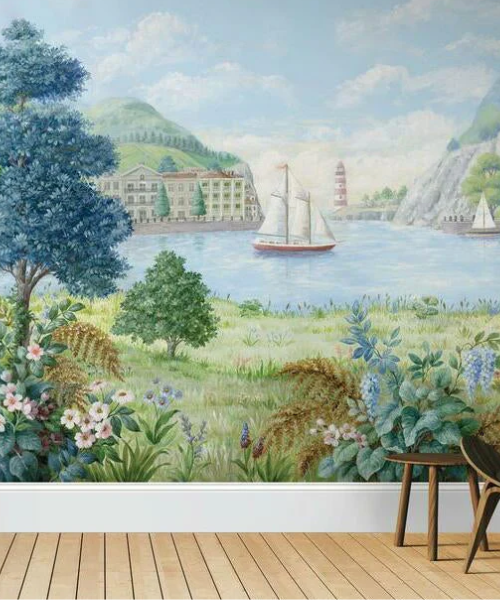
| Peel-and-Stick Murals | Renters | High visual impact without damage |
| Strategic Mirror Placement | Small rooms | Bounces natural light & doubles outdoor views |
Even something as simple as changing your computer desktop background to a high-resolution panoramic view can offer a quick micro-break during a stressful workday.
Making It Work in Tiny Spaces
If you live in a small apartment, you might worry that a huge landscape print will overwhelm your space. Actually, the opposite is true. A well-placed panoramic image can make a tiny room feel significantly larger.
Try putting a wide-angle landscape picture on the wall opposite your desk or bed. This creates a "visual escape route." When you look up from your screen, your eyes will travel into the distance of the picture, instantly making your room—and your headspace—feel less crowded. It definitly helps you breathe a little easier.
At the end of the day, we cannot spend all our time hiking through forests or lounging on beaches. Life happens indoors. But that doesn’t mean we have to sacrifice our peace of mind to our modern schedules.
By bringing panoramic outdoor scenes into our homes and workspaces, we bridge the gap between our busy modern lives & our ancient, nature-loving brains. It is a simple, beautiful way to take care of our mental health. So go ahead, find a view that makes you take a deep breath, and bring it inside. Your brain will thank you.