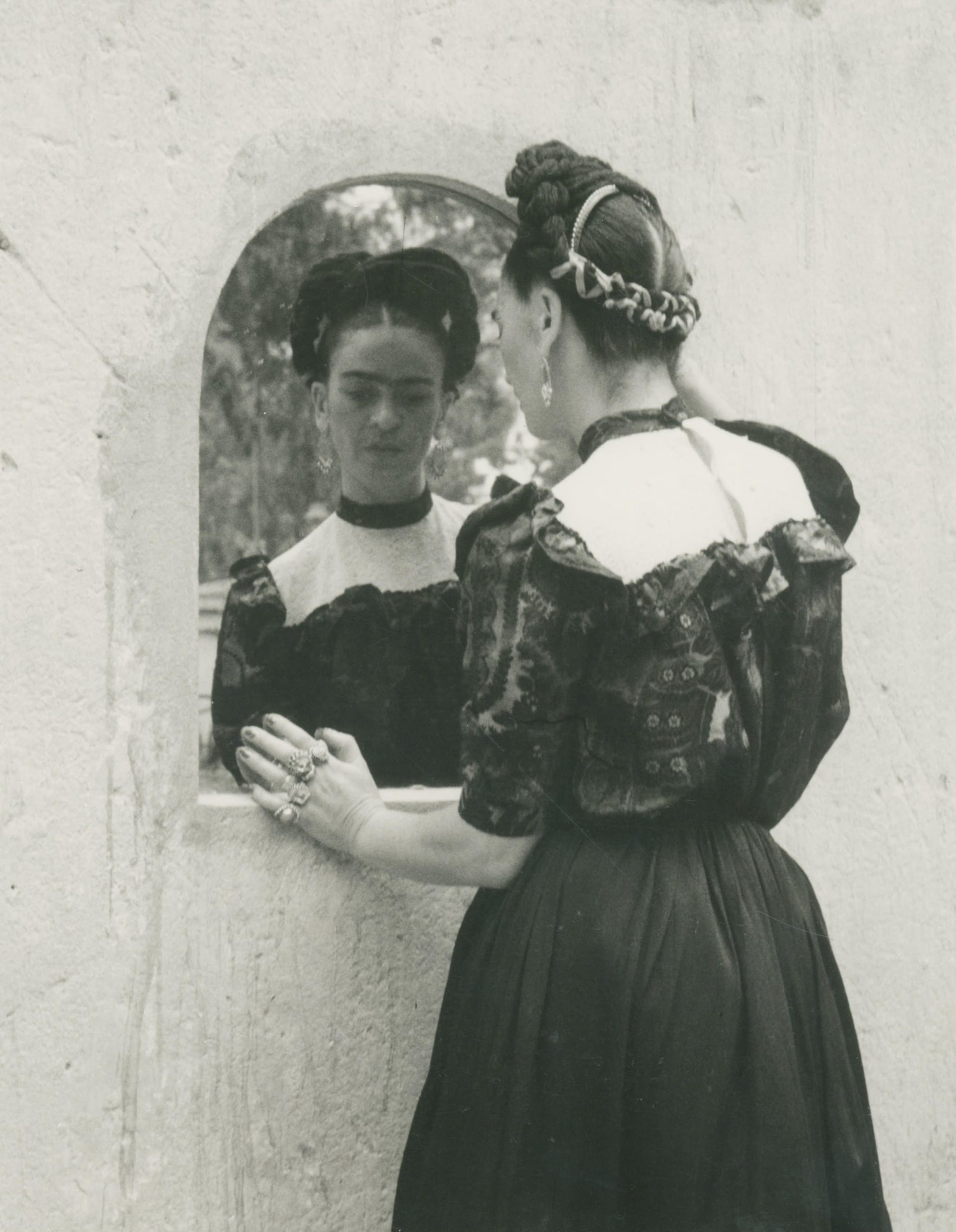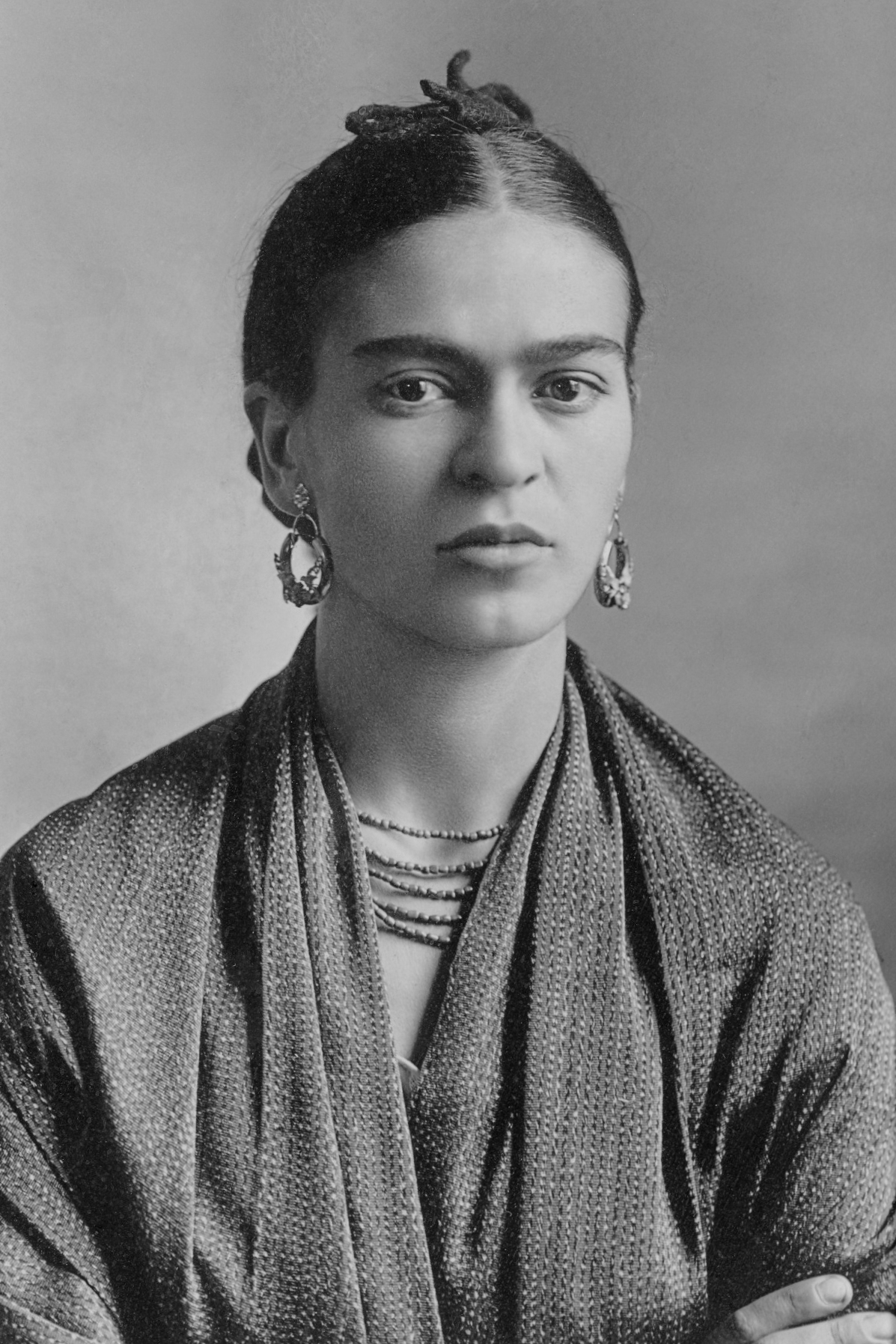
Frida Kahlo’s life was filled with pain, passion, and an unrelenting gaze at the self. But perhaps nowhere was this more evident than in her personal collection of mirrors. These reflective surfaces weren’t just decorative items – they were windows into her soul, her identity, and her artistic vision. When we look at the mirrors that surrounded her, we’re not just seeing objects, we’re witnessing a woman’s deep relationship with herself.
Imagine walking into Frida Kahlo’s home and finding yourself surrounded by mirrors. Not just any mirrors, but a carefully curated collection that filled every corner of her studio and living spaces. These weren’t ordinary household items. They were deeply personal artifacts that played a central role in how she saw herself and how she wanted others to see her. The mirrors in Frida’s life told a story far deeper than simple reflection – they were tools of self-examination, artistic inspiration, and emotional expression. This isn’t just about decorative objects; it’s about understanding the intimate relationship between art, identity, and the way we view ourselves.
The Mirrors as Self-Portraits
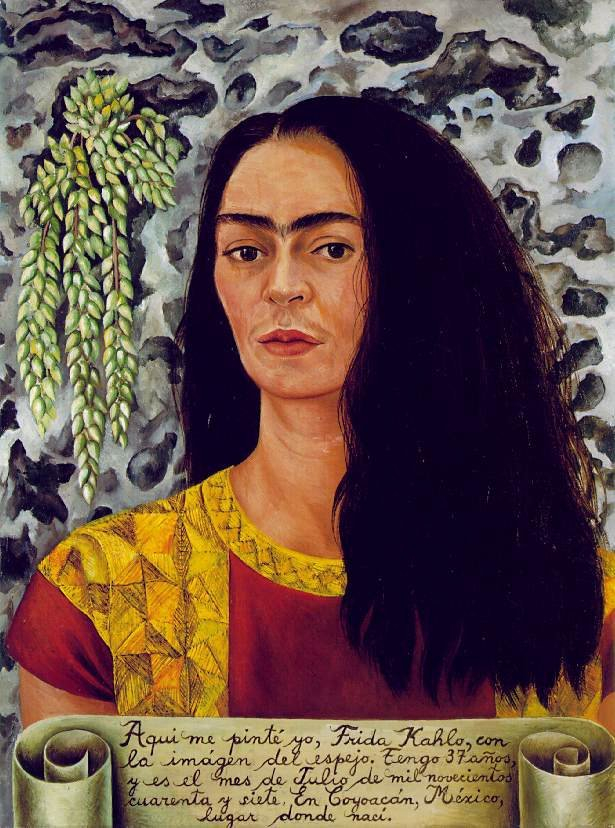
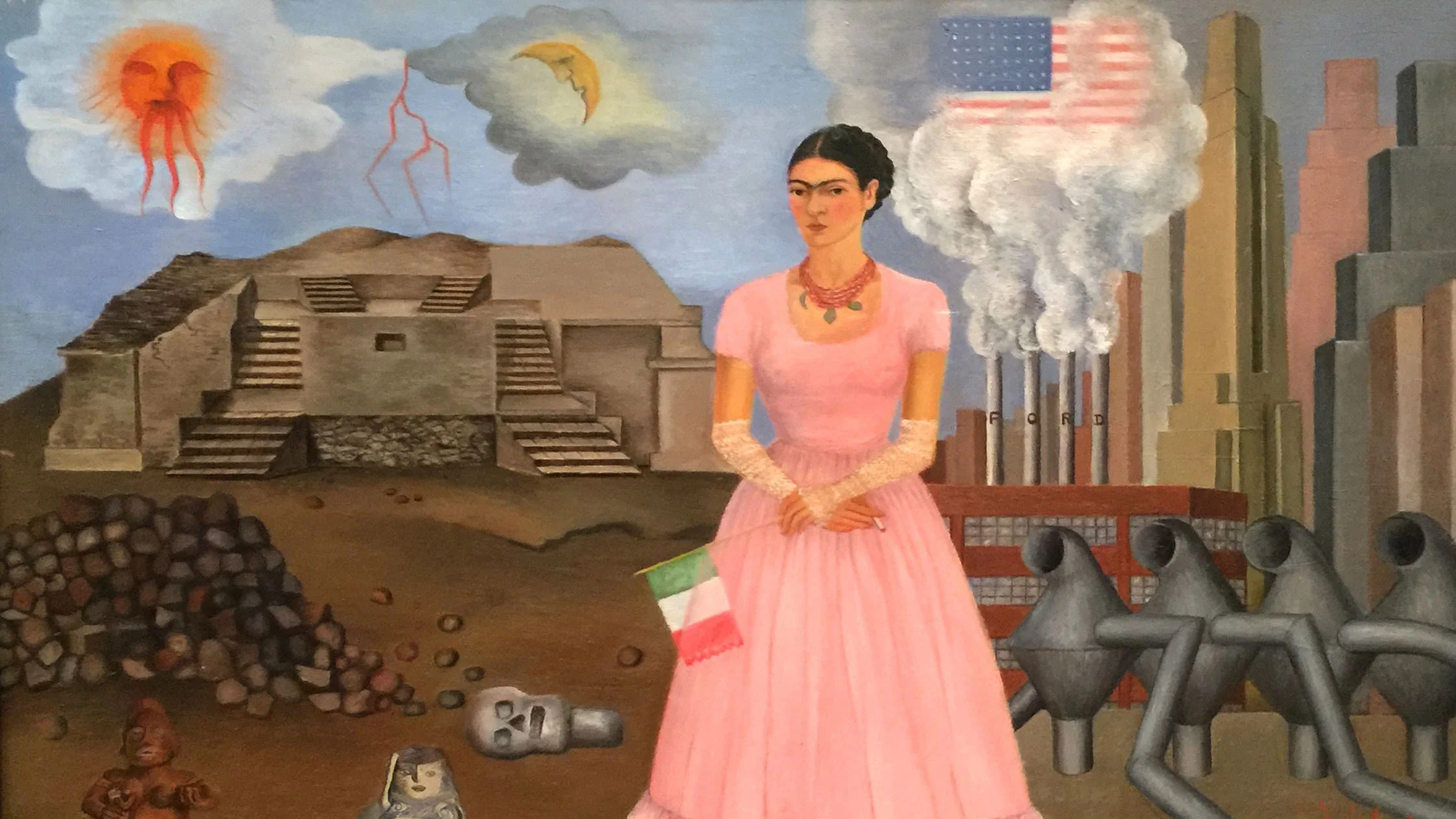
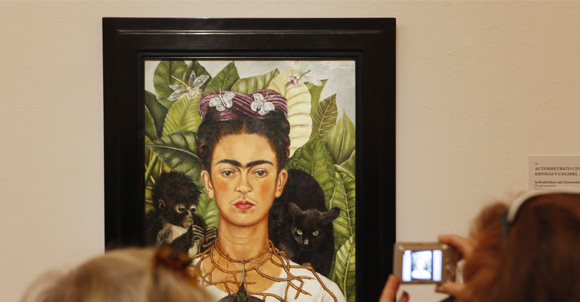
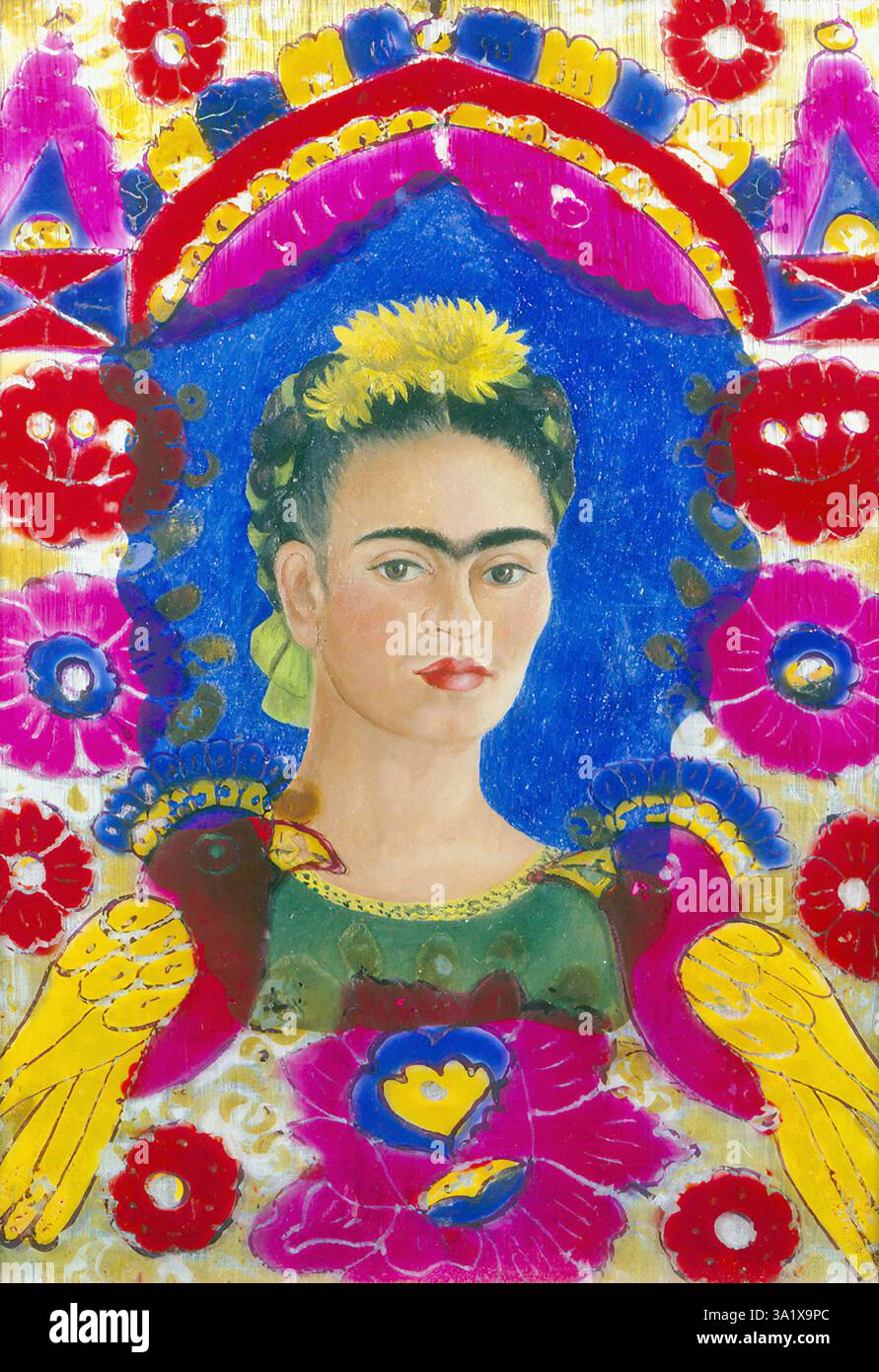
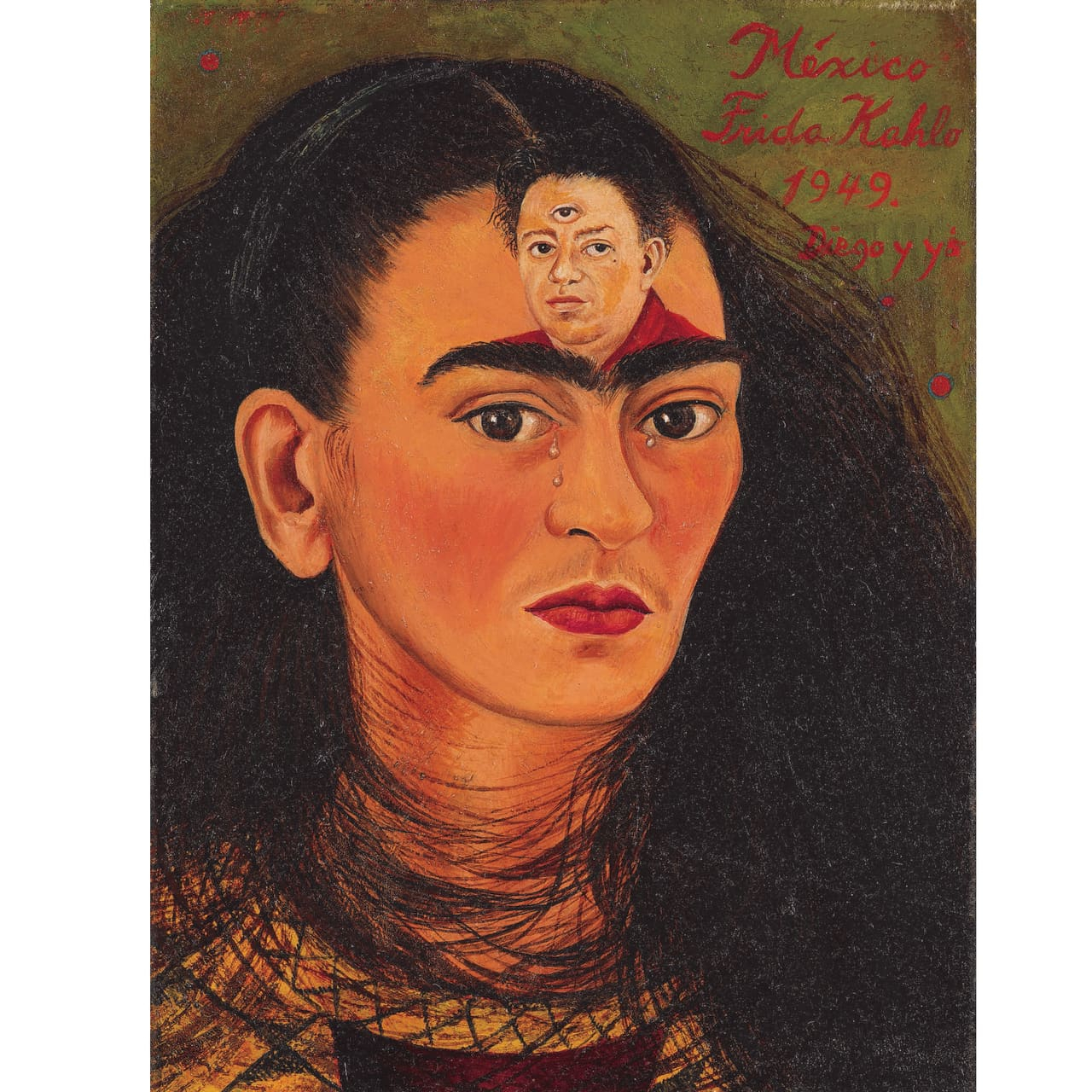
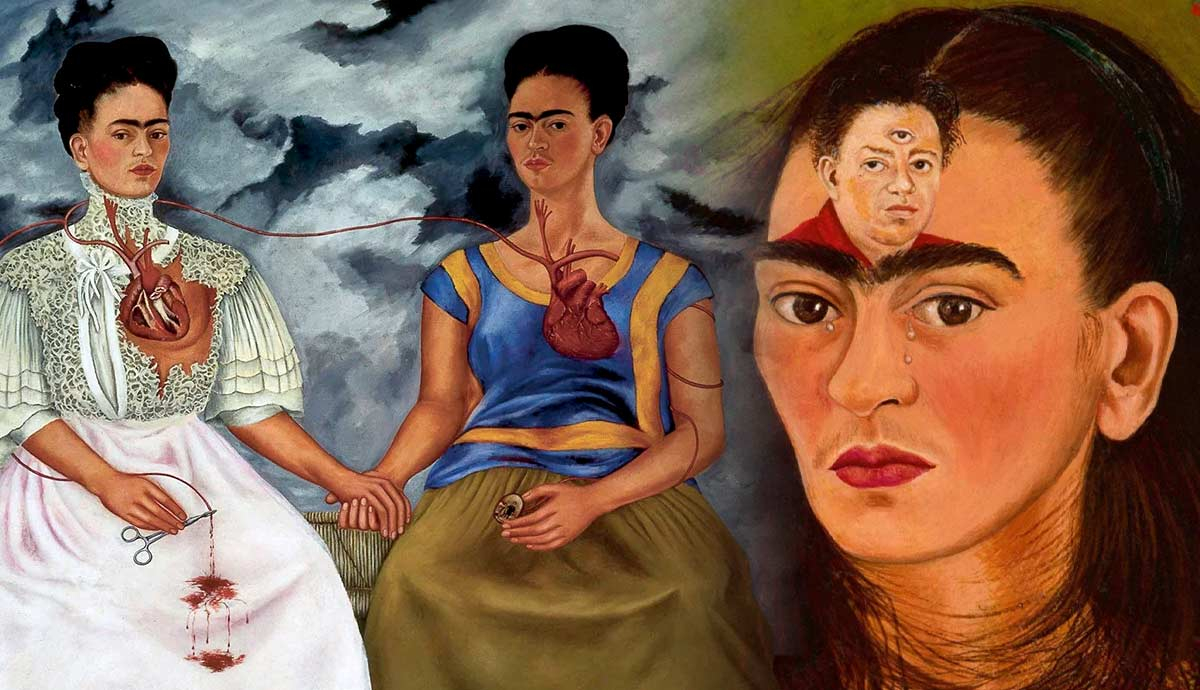
Frida’s fascination with mirrors extended far beyond their physical presence in her home. She saw them as extensions of her artistic practice, particularly in her numerous self-portraits. The mirrors in her paintings often served as more than mere props – they became symbols of her fractured psyche and her complex relationship with identity. Consider how she painted herself looking into mirrors, sometimes showing multiple reflections, sometimes depicting herself with different faces or bodies. This wasn’t just artistic technique; it was psychological exploration. The mirrors in her paintings reflected not just her physical appearance, but her internal struggles with pain, love, and cultural identity. Her famous work ‘Self-Portrait on the Borderline Between Mexico and the United States’ features a mirror that seems to show two different worlds, much like how she saw herself torn between cultures. These reflections were never simple – they were always layered with meaning, just like her own identity.
Cultural Identity and Nationalism
The mirrors in Frida’s collection also spoke to her deep connection to Mexican culture and her desire to assert her national identity. During her time, Mexico was undergoing significant cultural renaissance, and Frida embraced this movement wholeheartedly. Her mirrors weren’t just personal items – they were statements about who she was and where she came from. Many of her mirrors featured traditional Mexican designs or were placed in ways that highlighted her connection to her homeland. The reflective surfaces became canvases for her to explore what it meant to be Mexican, especially as a woman. When she looked into these mirrors, she wasn’t just seeing her own face – she was seeing the face of her country, her heritage, and her pride. The mirrors helped her navigate between her European education and her deep roots in Mexican traditions, creating a visual dialogue between past and present, tradition and modernity.
Physical Pain and Medical Reality
Perhaps most poignantly, Frida’s mirror collection reflected her constant battle with physical suffering. From her childhood polio to the devastating bus accident that changed her life forever, she lived with chronic pain and medical interventions that reshaped her body and her perception of herself. Her mirrors became essential tools for her daily routine and artistic practice. She needed to examine her body carefully, checking for injuries or changes after medical procedures. The mirrors in her studio were positioned strategically so she could observe her physical condition while working. But beyond the practical necessity, these mirrors also served as reminders of her vulnerability and strength. In many ways, she used them as a form of meditation – looking at herself, acknowledging her pain, and finding beauty even in her brokenness. Her mirrors didn’t hide her wounds; they made them visible, allowing her to confront and transform them through her art.
Artistic Process and Creative Expression
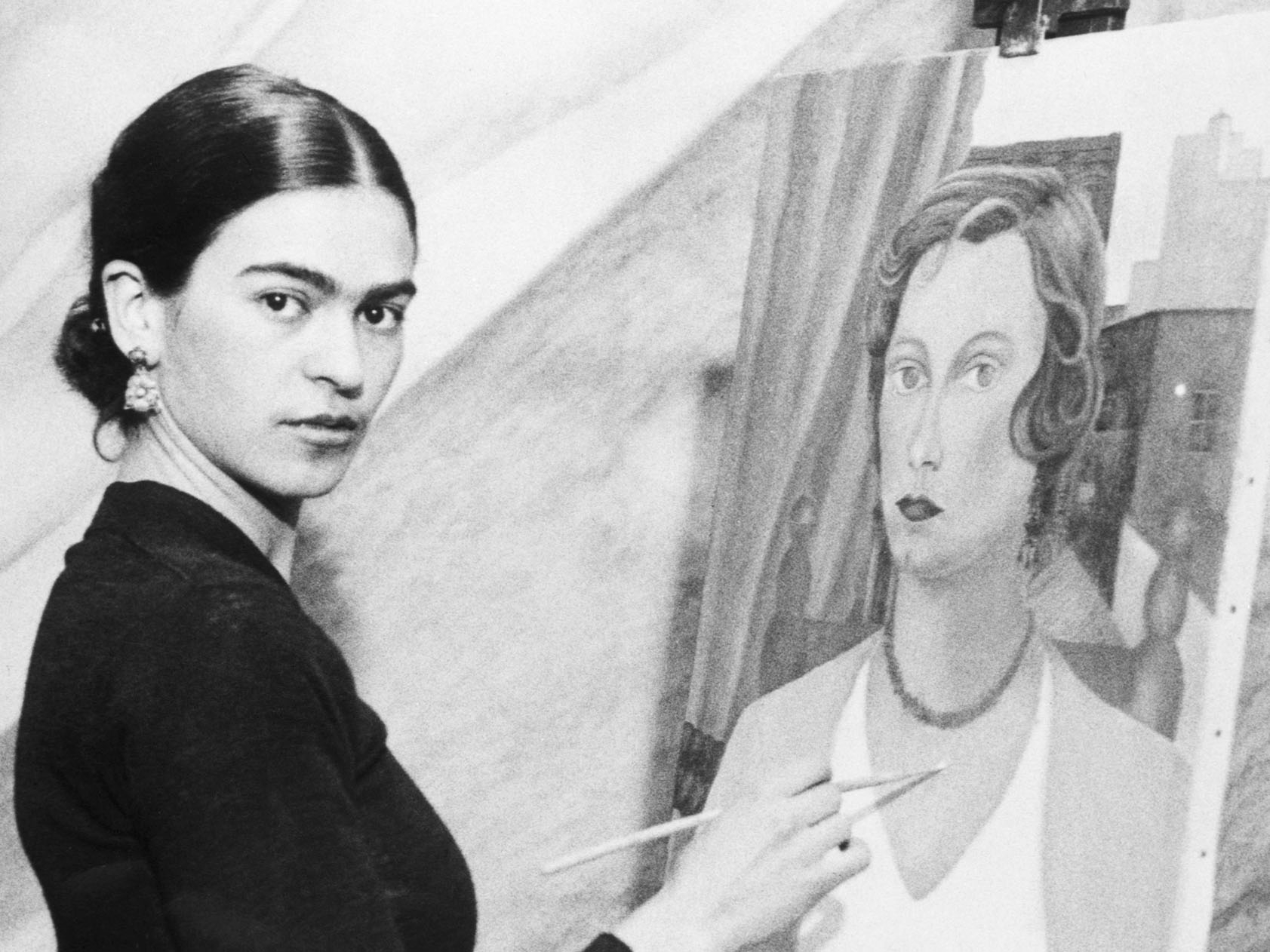
For Frida, mirrors were integral to her creative process. She often worked in front of mirrors, using them as reference points for her paintings. The reflective surfaces allowed her to see her own features from different angles, helping her capture subtle expressions and details that might otherwise be missed. But there’s more to this than mere observation. The mirrors also gave her a sense of control over her image – something that was crucial given how her life had been marked by medical trauma and physical limitations. She could choose how to present herself, how to frame her appearance, and how to express her inner world visually. The mirrors provided her with a unique perspective on her own artistic vision. They allowed her to study the interplay between her facial features, her clothing, and her emotional state all at once. This constant scrutiny and reexamination of herself through mirrors helped shape her distinctive artistic voice.
Personal Relationships and Intimacy
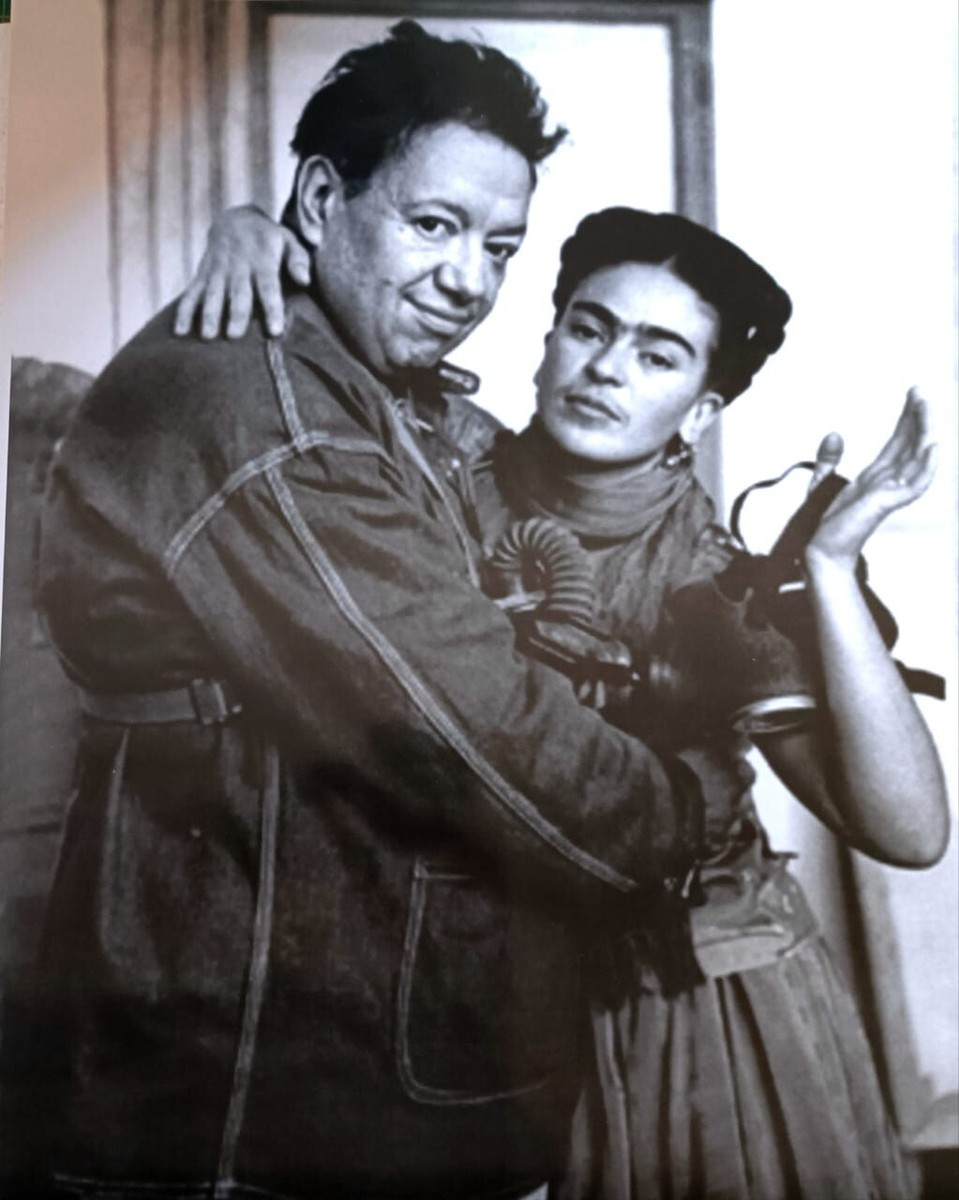
The mirrors in Frida’s life also revealed her complex relationships with others, particularly her tumultuous marriage to Diego Rivera. She was known for her intense emotional connections, and mirrors played a role in how she navigated these relationships. Sometimes she would place mirrors strategically in her home so that she could observe her partner’s reactions to her appearance or behavior. Other times, the mirrors served as a reminder of her independence and individuality within their shared space. The reflections became symbols of how she saw herself in relation to others – sometimes as a partner, sometimes as an individual with her own distinct identity. Her mirrors didn’t just reflect her physical appearance; they reflected her emotional landscape, her needs for connection, and her desire for autonomy. This duality of connection and independence was a constant theme in her life and art.
Legacy and Modern Interpretation
Today, Frida’s mirror collection continues to fascinate scholars and art lovers alike. The mirrors have become symbols of her broader legacy – not just as an artist, but as a woman who refused to be defined by society’s expectations. Modern interpretations suggest that her relationship with mirrors was revolutionary for its time, especially considering how women were typically expected to be passive subjects rather than active observers of themselves. The mirrors represented her agency and her refusal to accept predetermined roles. They showed her as both observer and observed, creator and created. Contemporary feminist art theorists often cite her mirror collection as evidence of her early embrace of self-determination and personal narrative. The mirrors remind us that Frida saw herself not as someone to be looked at, but as someone who looked at everything around her with fierce curiosity and honesty.
Frida Kahlo’s mirror collection tells us that her relationship with reflection went far beyond the surface level. These objects were not just decorative elements in her home – they were fundamental to her identity, her art, and her understanding of herself in the world. Through mirrors, she explored themes of pain and healing, identity and belonging, and personal autonomy and social expectation. Every glance into a mirror was an act of self-investigation, artistic creation, and emotional honesty. The mirrors became her companions in navigating a life marked by physical challenges and emotional complexity. They helped her see herself clearly, whether that meant confronting her pain, celebrating her heritage, or asserting her independence. In studying Frida’s mirrors, we’re not just looking at historical artifacts – we’re witnessing a woman who transformed her personal experiences into universal truths about human nature, identity, and the power of self-reflection. The mirror’s truth that Frida discovered and shared with the world continues to resonate today, reminding us all of our own complex relationships with identity, visibility, and the ways we choose to see ourselves.
[sps_html tag=”img” src=”https://cdn.theartssection.com/wp-content/uploads/2025/11/frida-kahlo-self-portrait-with-loose-hair-1947-with-the-inscription-regarding-understanding-frida-kahlos-relationship-with-self-reflection.jpg” alt=”Frida Kahlo, Self Portrait With Loose Hair, 1947 With The Inscription … regarding Understanding Frida Kahlo's Relationship with Self-Reflection” style=”width: 100%; height: auto;”]
[sps_html tag=”img” src=”https://cdn.theartssection.com/wp-content/uploads/2025/11/frida-kahlo-6-facts-about-her-life-art-legacy-thecollector-pertaining-to-understanding-frida-kahlos-relationship-with-self-reflection.jpg” alt=”Frida Kahlo: 6 Facts About Her Life, Art, & Legacy | Thecollector pertaining to Understanding Frida Kahlo's Relationship with Self-Reflection” style=”width: 100%; height: auto;”]
[sps_html tag=”img” src=”https://cdn.theartssection.com/wp-content/uploads/2025/11/why-frida-kahlo-was-best-photographed-by-women-another-within-understanding-frida-kahlos-relationship-with-self-reflection-scaled.jpg” alt=”Why Frida Kahlo Was Best Photographed By Women | Another within Understanding Frida Kahlo's Relationship with Self-Reflection” style=”width: 100%; height: auto;”]
[sps_html tag=”img” src=”https://cdn.theartssection.com/wp-content/uploads/2025/11/4-self-portraits-that-reveal-frida-kahlos-inner-life-legacy-com-for-understanding-frida-kahlos-relationship-with-self-reflection.jpg” alt=”4 Self-Portraits That Reveal Frida Kahlo’s Inner Life - Legacy.com for Understanding Frida Kahlo's Relationship with Self-Reflection” style=”width: 100%; height: auto;”]
[sps_html tag=”img” src=”https://cdn.theartssection.com/wp-content/uploads/2025/11/what-was-frida-kahlos-personality-type-sarah-ransome-art-for-understanding-frida-kahlos-relationship-with-self-reflection.jpg” alt=”What Was Frida Kahlo’s Personality Type? — Sarah Ransome Art for Understanding Frida Kahlo's Relationship with Self-Reflection” style=”width: 100%; height: auto;”]