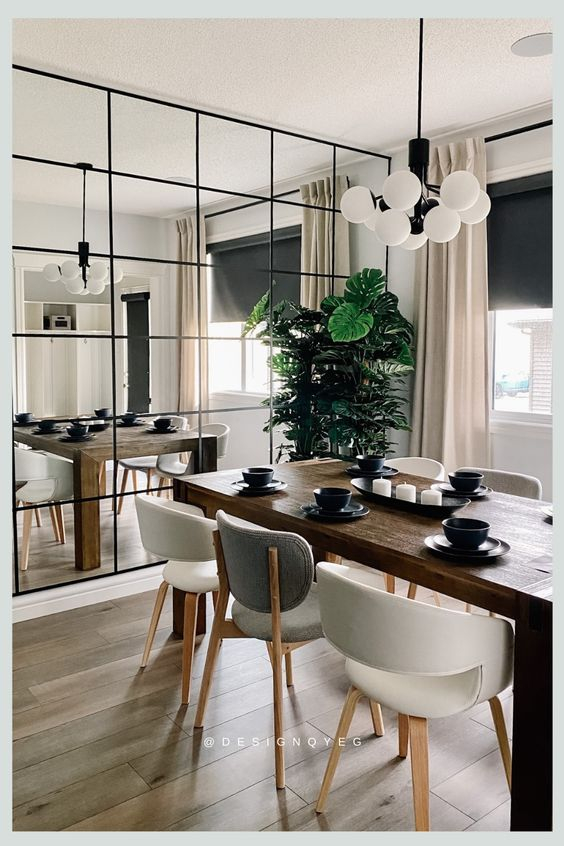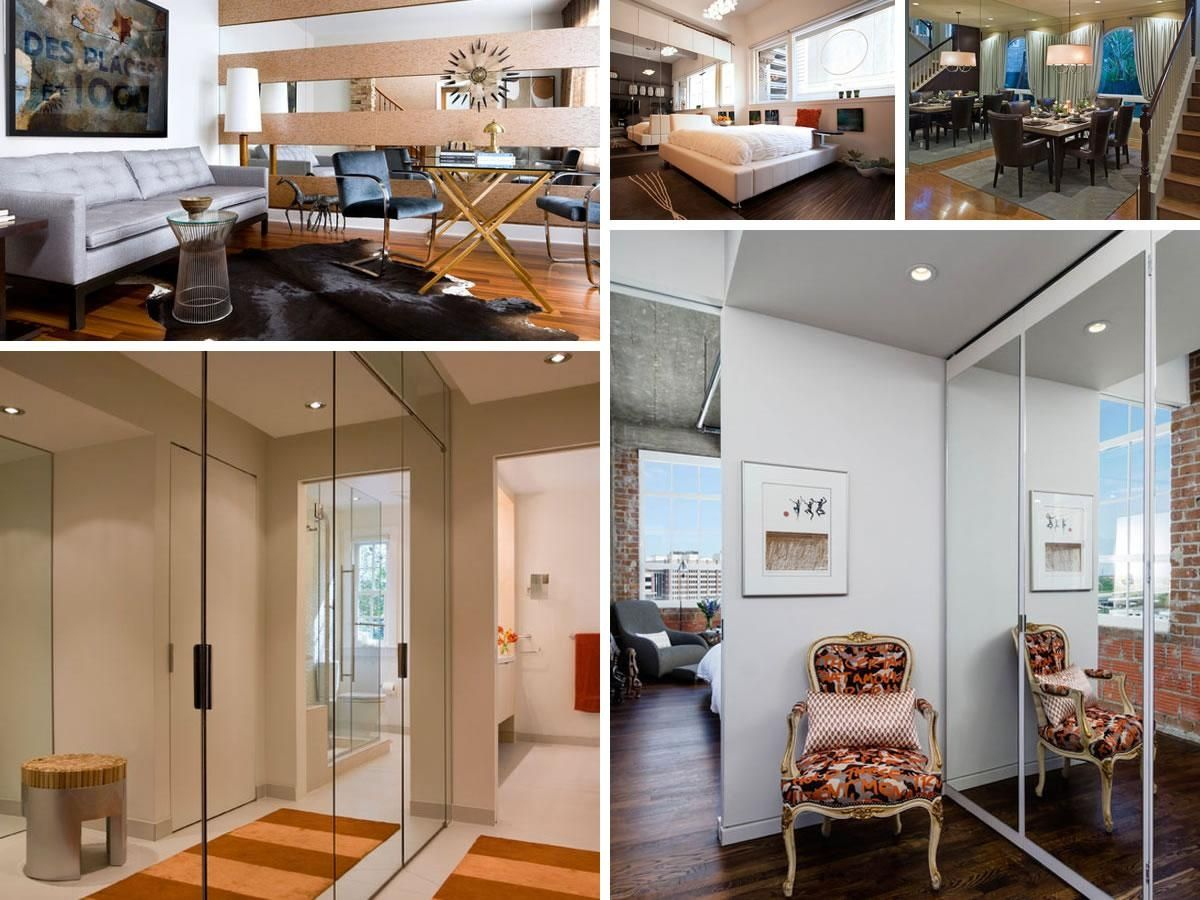
Think about it – when you walk into a room, what catches your eye first? Often, it’s that reflective surface that makes everything feel just right. A well-placed wall mirror isn’t just functional; it’s a powerful design element that can make a small space feel bigger, change the lighting in a room, and even alter how you see yourself. It’s like having a secret weapon in your decorating arsenal. Whether you’re looking to add some glamour to your bedroom or create an illusion of space in your tiny bathroom, the right mirror style can work wonders.
Wall mirrors have been transforming spaces since ancient times, but their role in modern interior design has evolved dramatically. What started as simple functional items has blossomed into artistic statements that can completely redefine a room’s character. Today’s mirrors aren’t just about reflection – they’re about expression, atmosphere, and personal style. The shape, frame, material, and placement all play crucial roles in how a mirror affects our perception of space and light. From minimalist designs that speak volumes to ornate frames that make bold statements, there’s a mirror style suited to every aesthetic preference and room size. Understanding how different mirror styles work can help you make decisions that enhance rather than overwhelm your living space.
The Power of Scale and Proportion
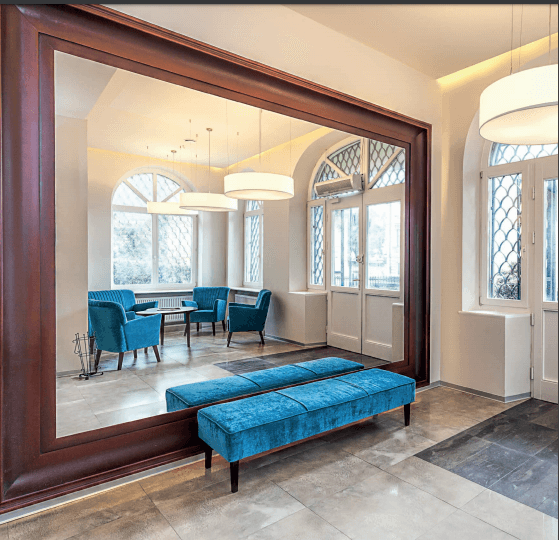
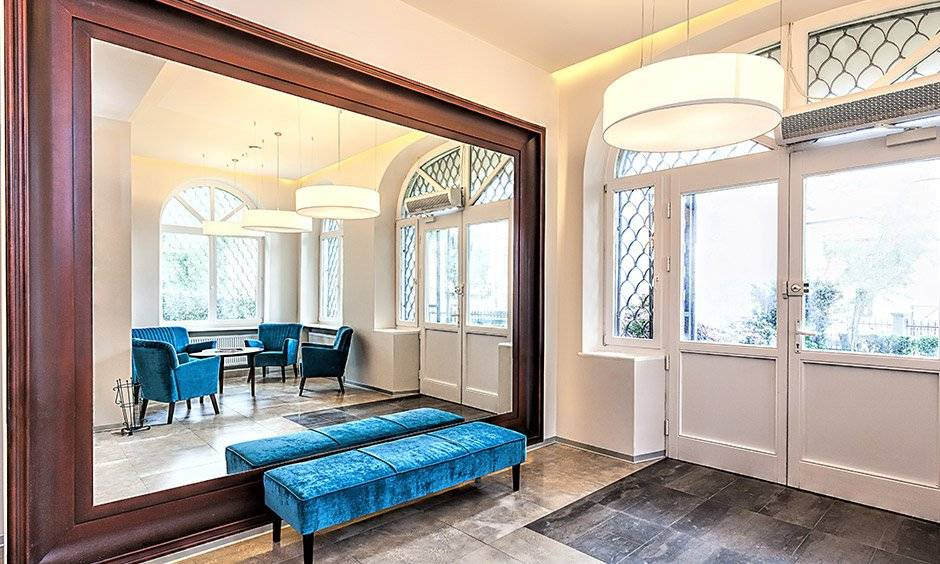
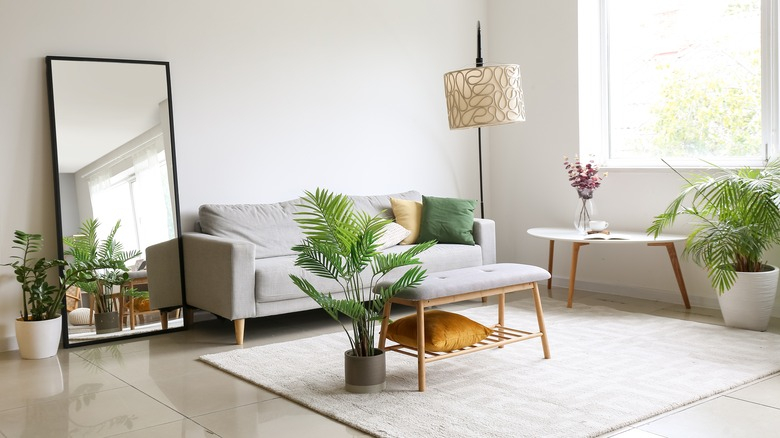
Size matters more than you might think when choosing a wall mirror. A large mirror can instantly make a small room feel more spacious, while a smaller one might be perfect for a narrow hallway. Think about the room’s proportions and how the mirror will interact with them. Consider the ceiling height, furniture placement, and overall flow of the space. A mirror that’s too small for its location can look lost, while one that’s too large might dominate the entire room. The golden rule is to match the mirror’s scale to the room’s scale. For example, a grand entryway might benefit from a large oval mirror, whereas a cozy reading nook might be better served by a smaller rectangular option. Don’t forget to consider how the mirror will look from different angles and distances. Sometimes, what looks perfect from one spot might appear awkward from another.
Frame Styles That Define Character
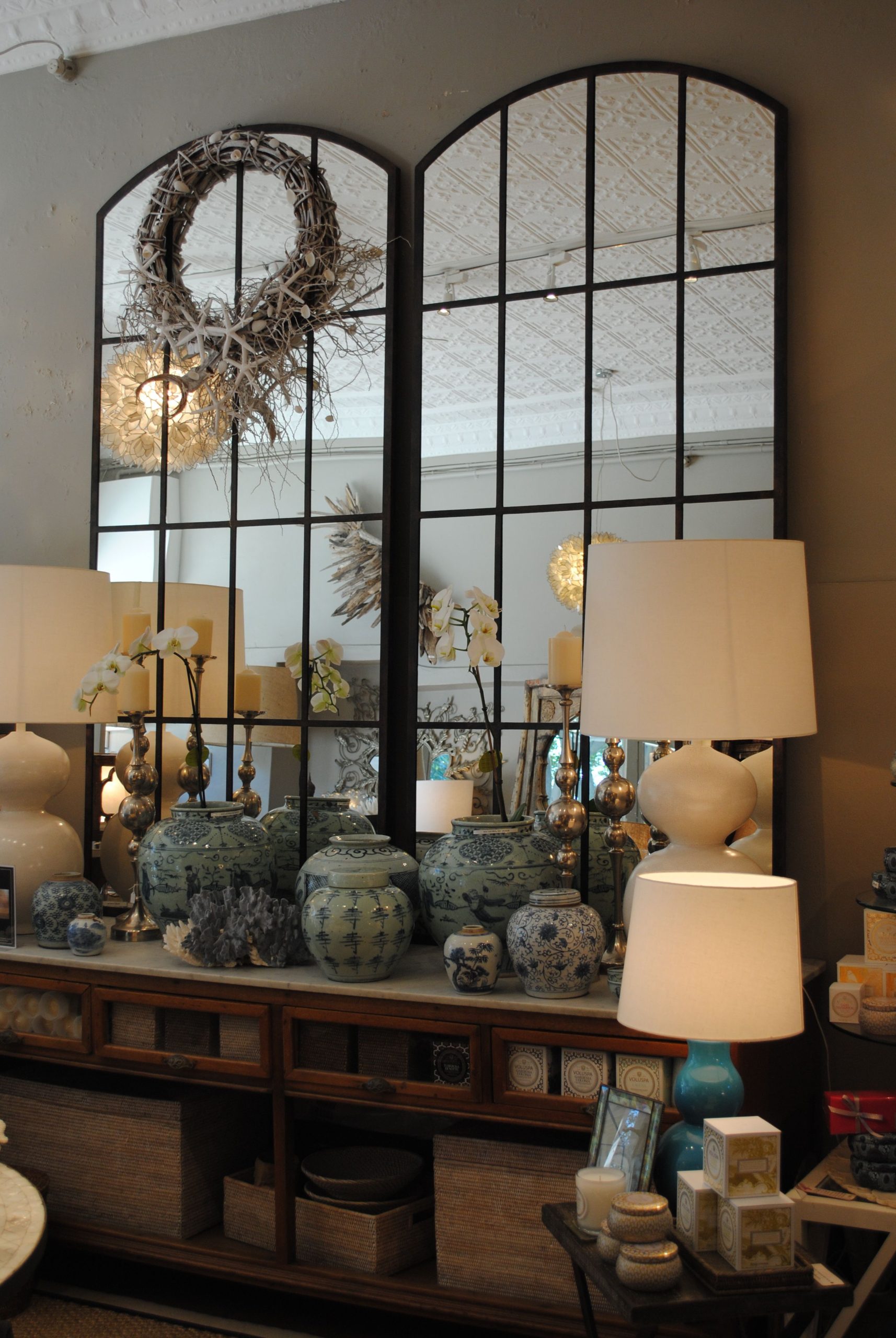
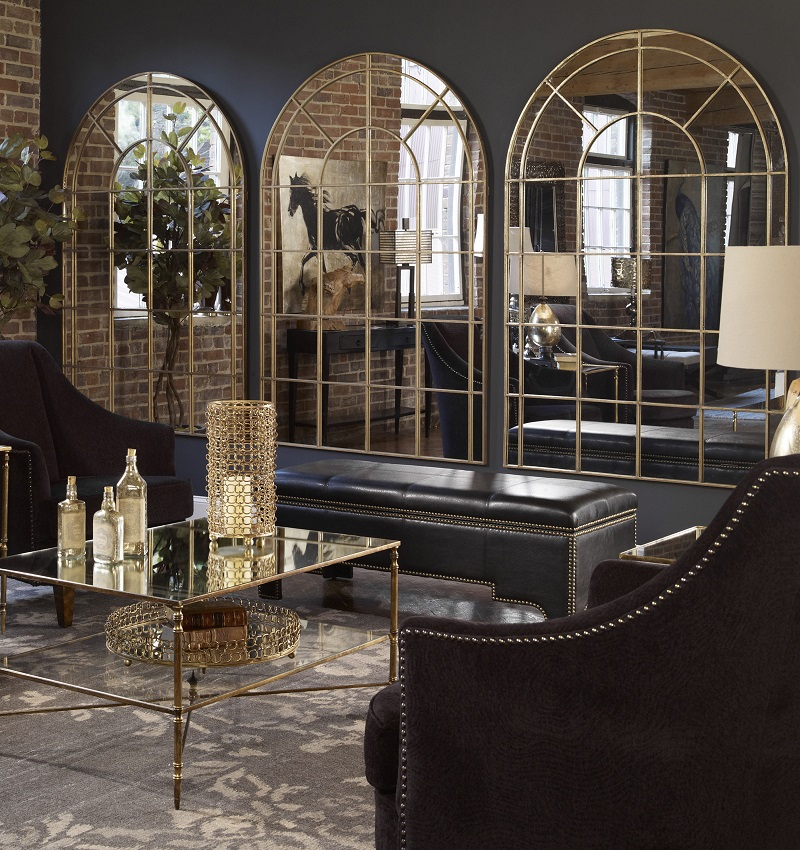
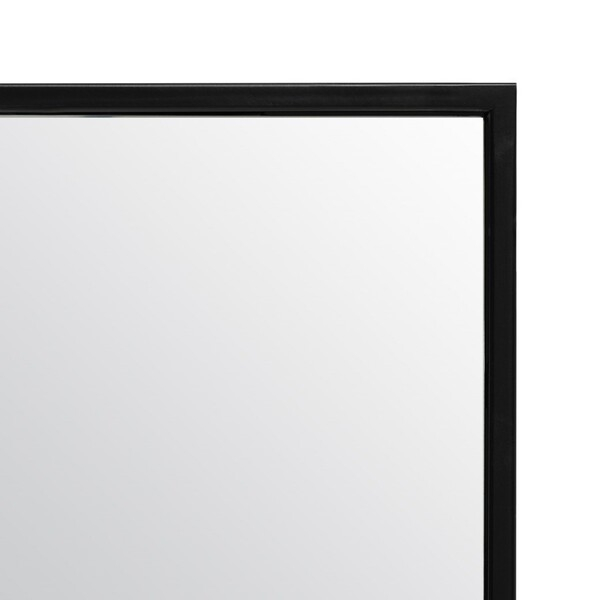
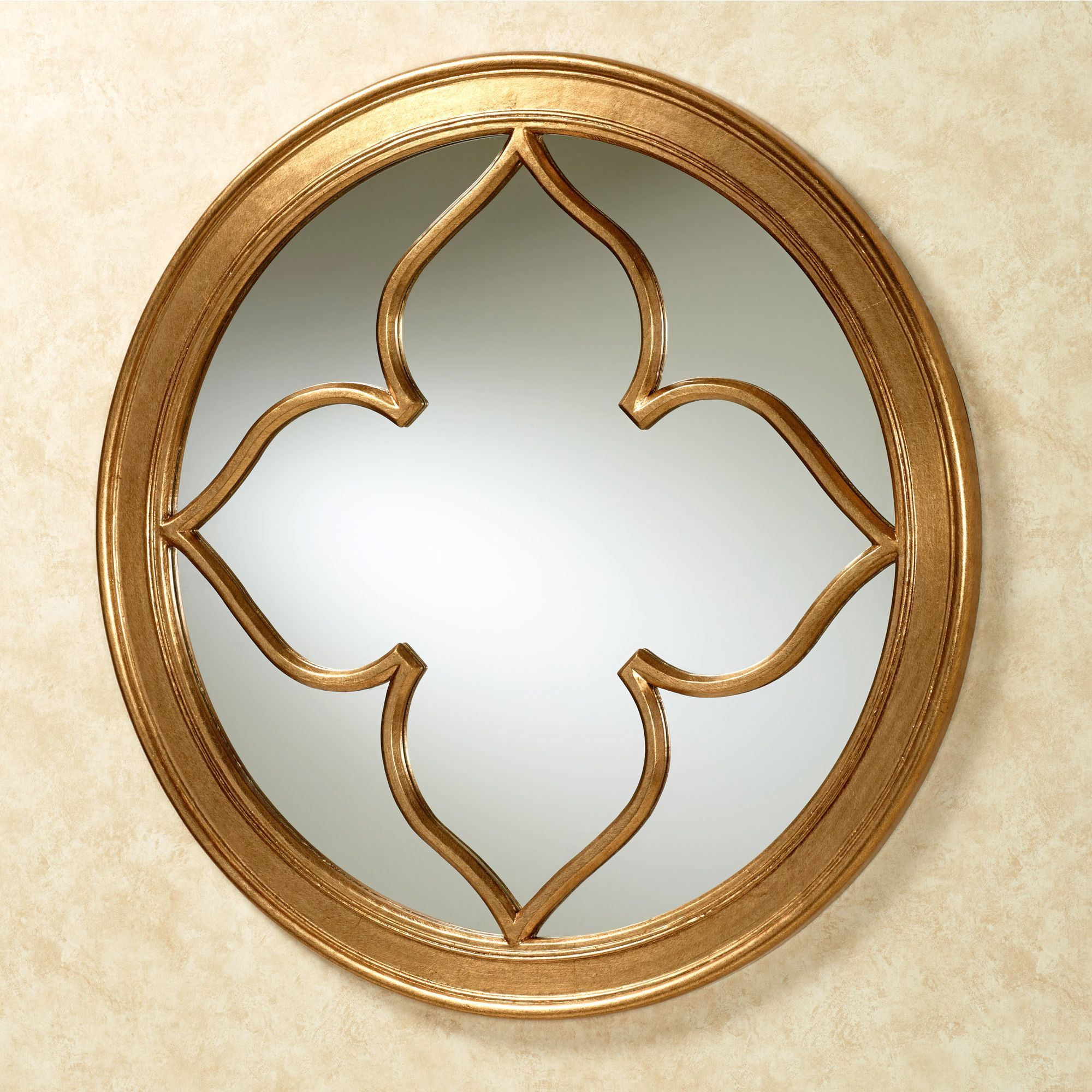
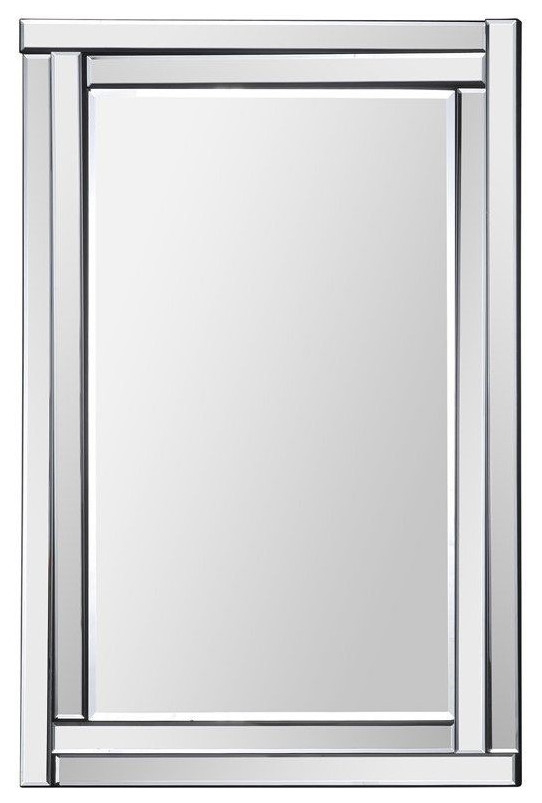
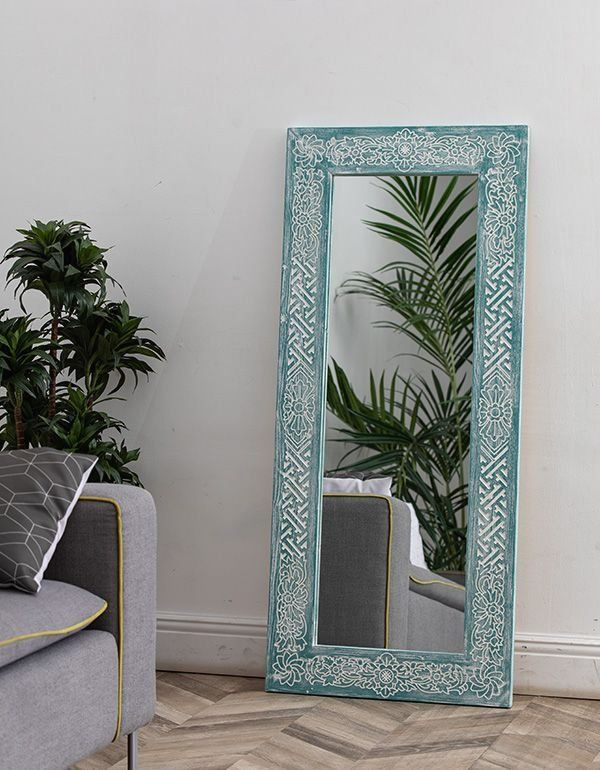
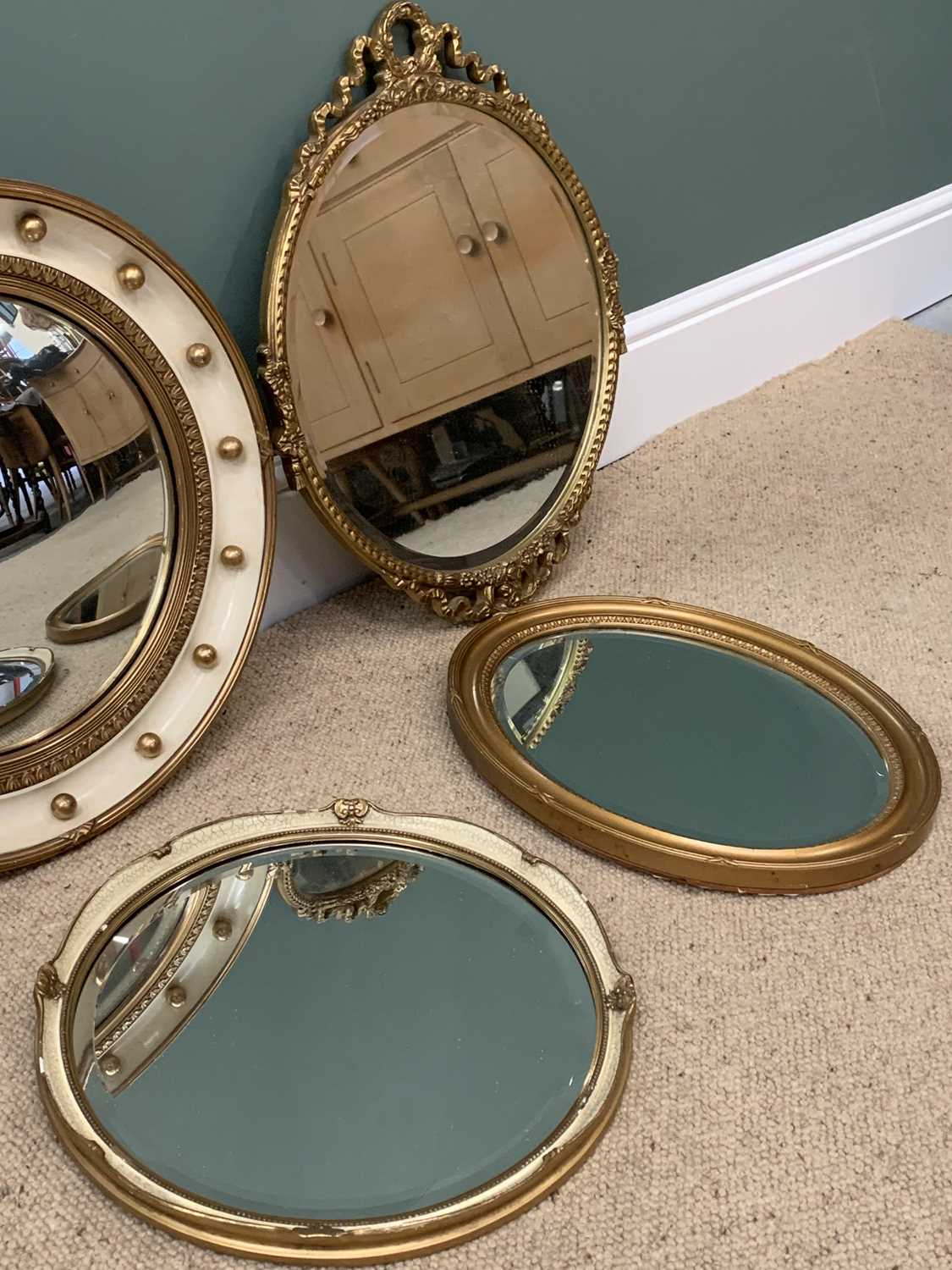
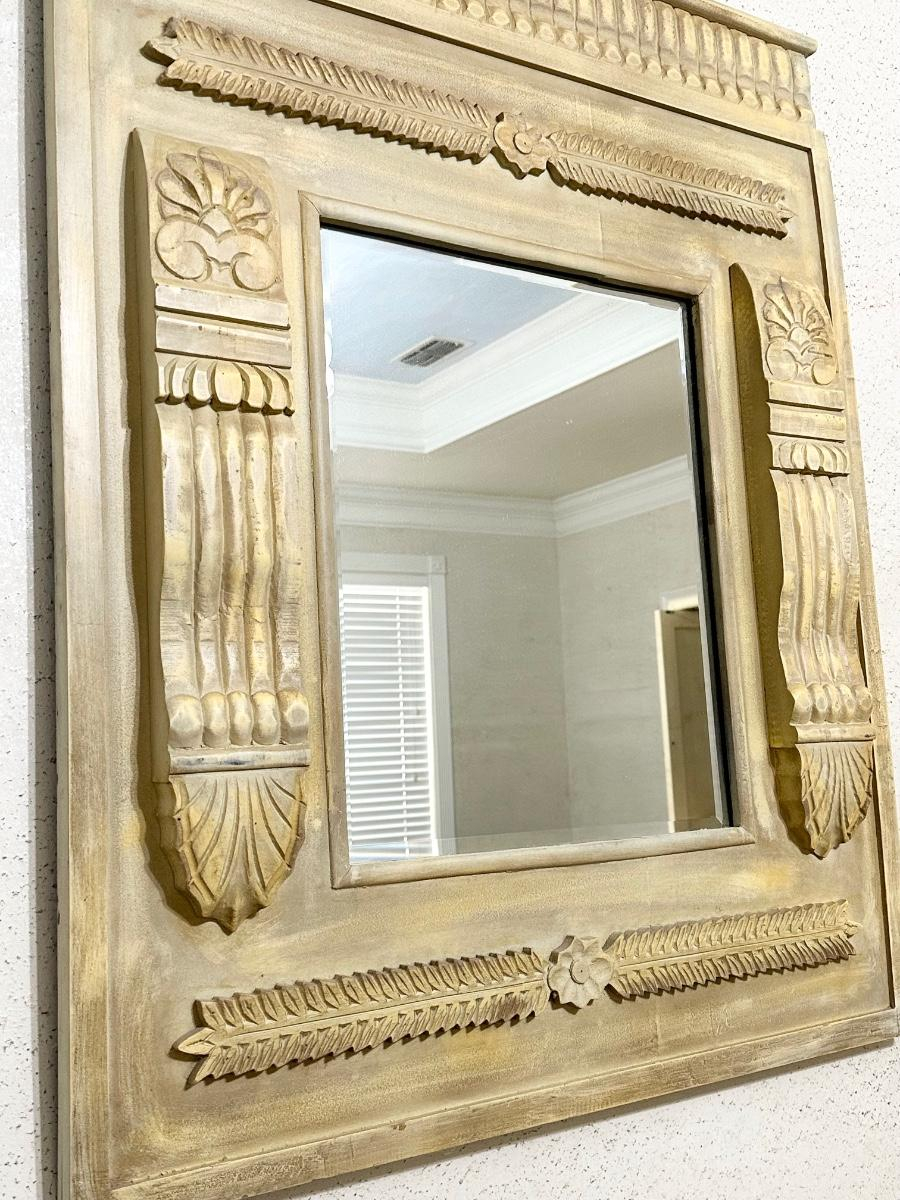
The frame is often what gives a mirror its personality. Classic frames with ornate details can add elegance to traditional spaces, while clean lines and simple frames work beautifully in contemporary settings. Wood frames bring warmth and natural textures to any room, creating a cozy feeling that’s hard to achieve otherwise. Metal frames offer a sleek, modern look that pairs well with industrial or minimalist interiors. Glass frames can create a sense of lightness and openness, making them ideal for smaller spaces. The choice of frame material and design can completely shift a room’s mood. A heavily carved wooden frame in a Victorian bedroom adds historical charm, while a brushed brass frame in a modern kitchen brings sophistication without being overwhelming. Remember, the frame should complement rather than compete with the existing decor. Sometimes, a frameless mirror can be more impactful than one with elaborate trim.
Shape Matters for Visual Impact
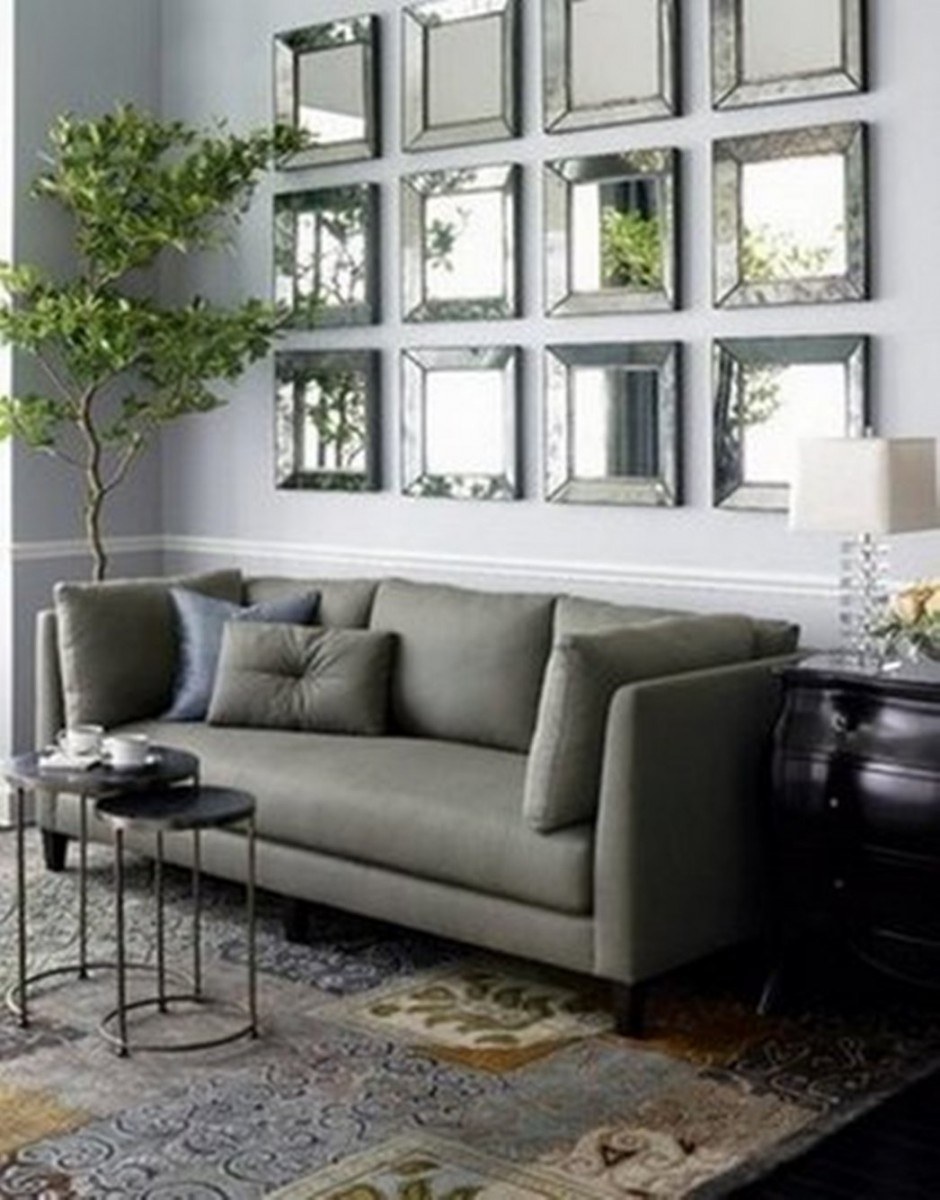
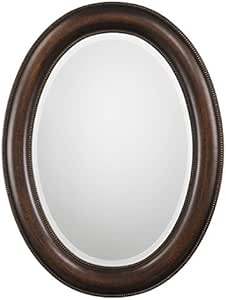
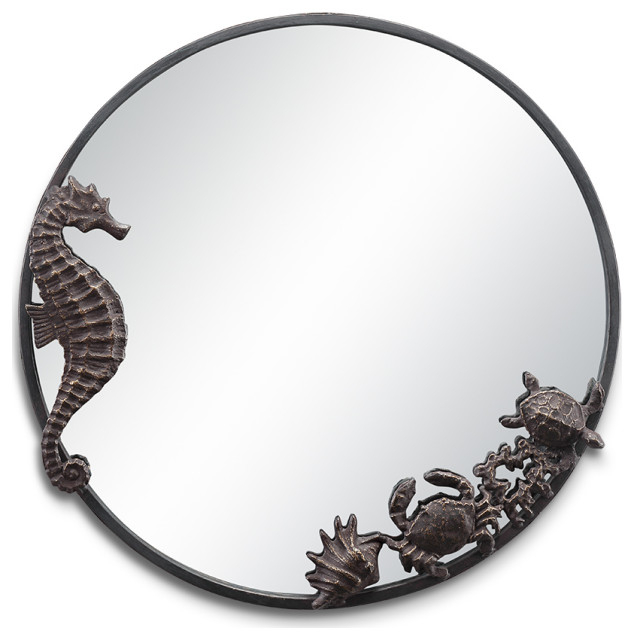
Shapes aren’t just about aesthetics – they create different visual effects and can subtly influence how we perceive a space. Round mirrors soften angular features and can make sharp corners feel more welcoming. They’re particularly effective in rooms with lots of straight lines or geometric furniture. Square and rectangular mirrors offer a classic, balanced look that works in almost any setting. They provide excellent coverage and are versatile enough to suit multiple design styles. Oval mirrors tend to draw attention upward and can make ceilings feel higher, which is especially helpful in low-ceilinged rooms. Unique shapes like hexagonal or irregular forms can become conversation starters and add personality to a space. The shape of your mirror should harmonize with the room’s existing architectural elements. If you have angular furniture, consider a round mirror to balance things out. If everything is rounded, a geometric mirror might provide the perfect contrast.
Material Choices That Affect Light and Mood
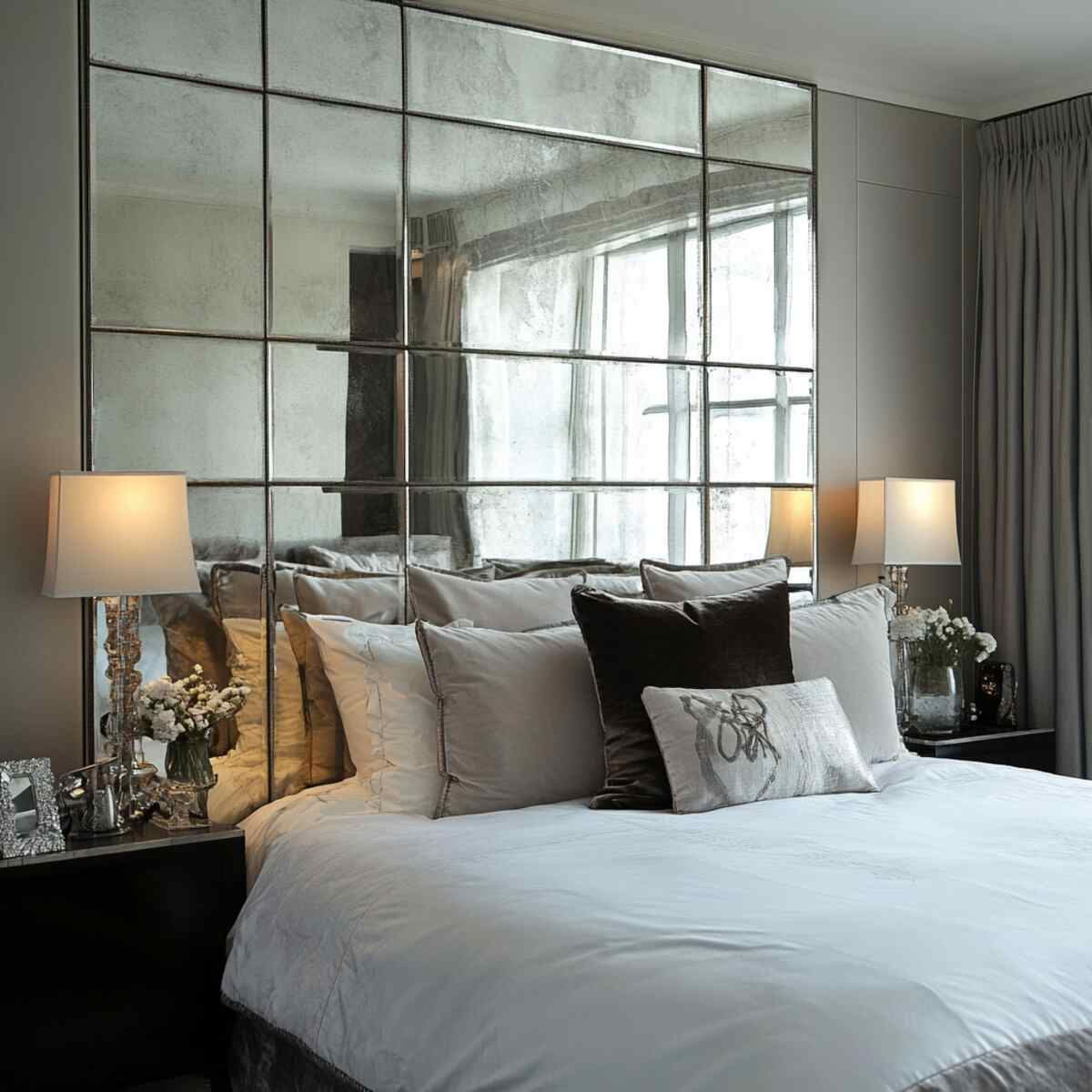
The materials used in mirrors affect both their appearance and function. Traditional mirrors with silver backing reflect light beautifully and provide crisp, clear images. These are great for bathrooms where clarity is essential. Frosted or textured glass creates privacy while still allowing light to pass through, making them ideal for bathrooms or powder rooms. Matte finishes can reduce glare and create a softer, more diffused light effect. This is particularly useful in bedrooms or living areas where harsh reflections might be distracting. The reflective quality of different materials can dramatically change how a room feels. Polished metal mirrors create a bright, airy atmosphere, while brushed finishes offer a more muted, sophisticated look. Some mirrors incorporate special coatings that filter light or create interesting visual effects. Consider how the mirror will interact with your room’s lighting – natural light, artificial light, or a combination of both. Different materials respond differently to various light sources, affecting the overall ambiance.
Placement Strategies for Maximum Effect
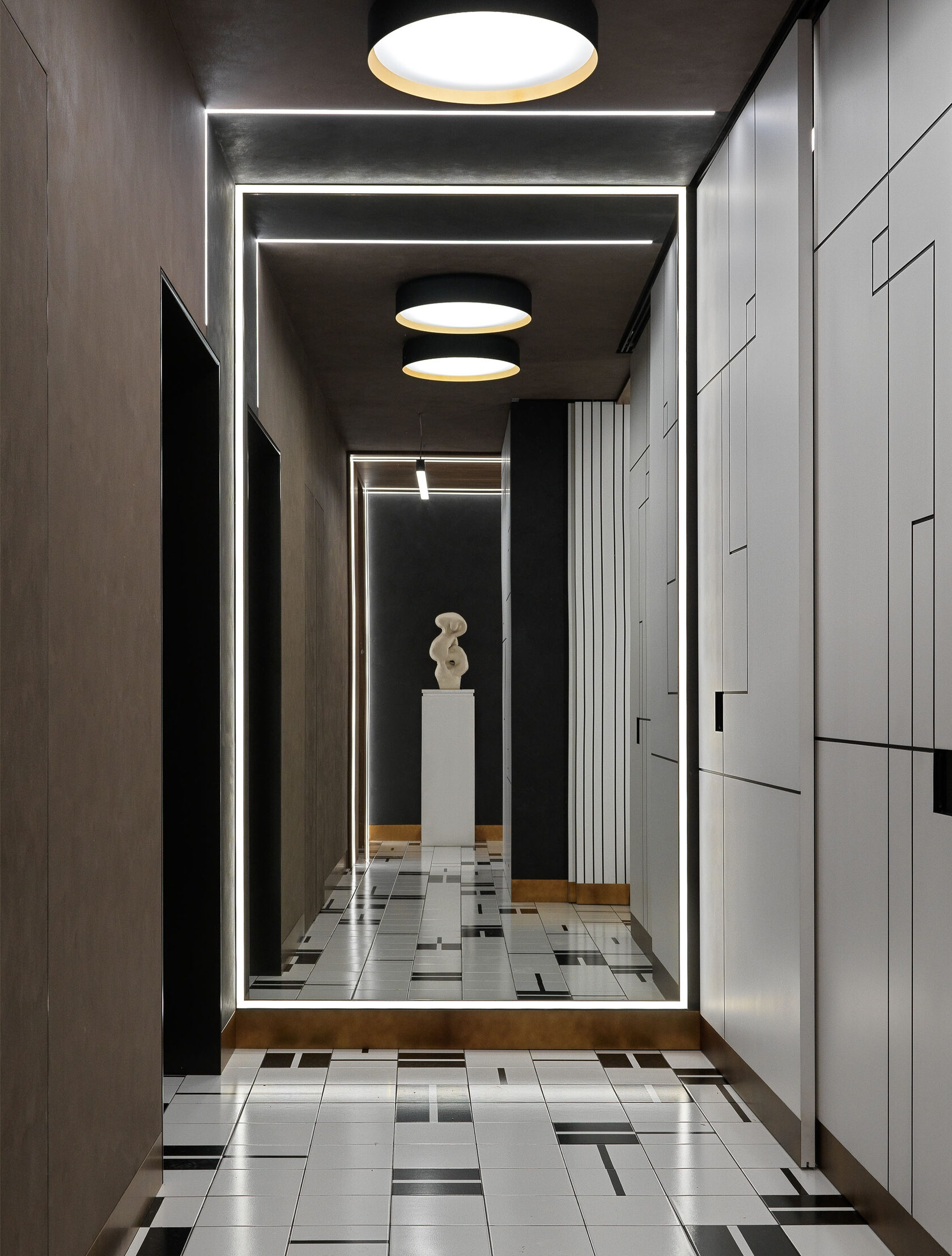
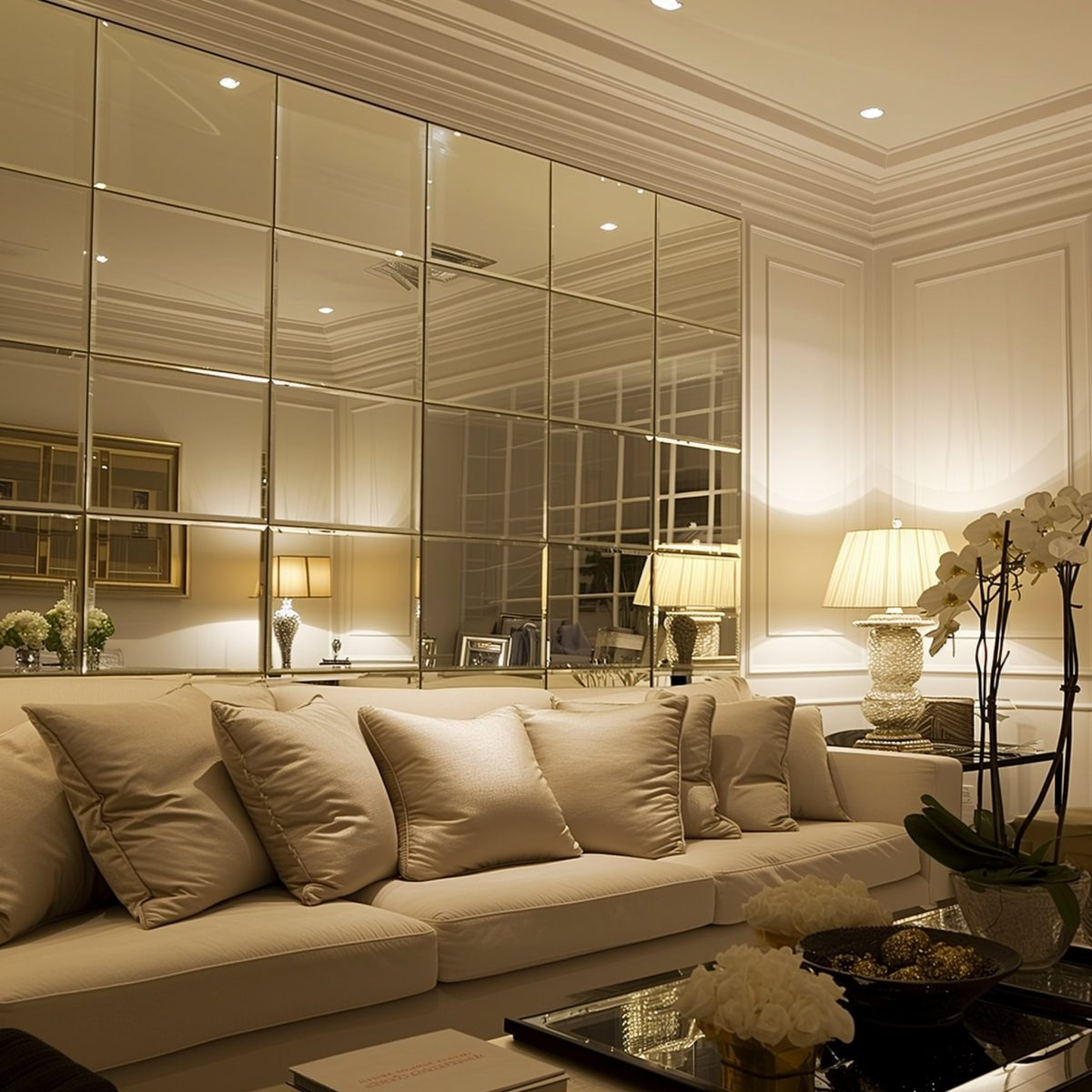
Where you hang a mirror can be just as important as what you choose to hang. The most common placement is above a vanity or console table, but that’s just the beginning. Mirrors placed strategically can enhance natural light flow, create depth, or even serve as focal points. In smaller rooms, hanging a mirror opposite a window can amplify natural light and make the space feel larger. Consider the mirror’s relationship to other elements in the room. It should complement rather than compete with nearby furniture or artwork. The height at which you mount a mirror also matters – typically, the center of the mirror should be at eye level, around five feet from the floor. This ensures comfortable viewing for most people. Don’t overlook the possibility of using mirrors to hide unsightly walls or awkward corners. Creative placement can transform boring spaces into visually interesting ones. Sometimes, placing a mirror slightly off-center can create an intriguing visual dynamic that draws the eye naturally.
Color and Finish Trends for Modern Spaces
Current trends show a move toward neutral tones and natural materials that blend seamlessly with various design schemes. Metallic finishes like brushed brass, matte black, and rose gold have gained popularity for their versatility and contemporary appeal. These finishes can tie together different elements in a room while adding a touch of luxury. Natural wood tones continue to be popular, offering warmth and organic appeal that many find comforting. The trend toward minimalism means that simple, clean lines are preferred over overly decorated options. However, there’s also growing appreciation for statement pieces that make bold design choices. Colorful or patterned mirrors, while not mainstream, can add excitement to spaces that might otherwise feel too restrained. The key is to choose colors and finishes that complement rather than clash with your existing color palette. Sometimes, a mirror with a finish that matches your hardware or accent pieces can create a cohesive, polished look throughout the room.
Choosing the right wall mirror is more than just picking something that reflects your face – it’s about understanding how design elements work together to create a harmonious environment. Every aspect from size and shape to frame style and placement plays a role in how a mirror impacts a room’s overall aesthetic. The best approach is to start with your room’s unique characteristics and then let those guide your mirror selection. Consider the lighting, existing furniture, and the mood you want to create. Remember, mirrors are powerful tools that can either enhance or distract from your space. When chosen thoughtfully, they become invisible elements that support your design vision rather than competing with it. The investment in finding the right mirror pays dividends in how much you enjoy and connect with your living space. Whether you’re starting fresh or updating existing decor, the right mirror can transform your room into something truly special.
[sps_html tag=”img” src=”https://cdn.theartssection.com/wp-content/uploads/2025/11/the-5-best-spots-to-install-a-mirror-in-your-home-pertaining-to-the-psychology-behind-wall-mirror-placement-in-interior-design.jpg” alt=”The 5 Best Spots To Install A Mirror In Your Home pertaining to The Psychology Behind Wall Mirror Placement in Interior Design” style=”width: 100%; height: auto;”]
[sps_html tag=”img” src=”https://cdn.theartssection.com/wp-content/uploads/2025/11/how-to-mount-mirrors-on-wall-at-arthur-dwyer-blog-for-designer-mirror-wall-mirrors.jpg” alt=”How To Mount Mirrors On Wall At Arthur Dwyer Blog for Designer Mirror, Wall Mirrors” style=”width: 100%; height: auto;”]
[sps_html tag=”img” src=”https://cdn.theartssection.com/wp-content/uploads/2025/11/are-mirrored-walls-out-of-style-within-the-psychology-behind-wall-mirror-placement-in-interior-design.jpg” alt=”Are Mirrored Walls Out Of Style? within The Psychology Behind Wall Mirror Placement in Interior Design” style=”width: 100%; height: auto;”]
[sps_html tag=”img” src=”https://cdn.theartssection.com/wp-content/uploads/2025/11/5-design-tips-to-use-mirrors-for-interior-design-inside-designer-mirror-wall-mirrors.png” alt=”5 Design Tips To Use Mirrors For Interior Design inside Designer Mirror, Wall Mirrors” style=”width: 100%; height: auto;”]
[sps_html tag=”img” src=”https://cdn.theartssection.com/wp-content/uploads/2025/11/how-to-use-mirrored-walls-in-your-interior-design-hommes-studio-with-regard-to-the-psychology-behind-wall-mirror-placement-in-interior-design.jpg” alt=”How To Use Mirrored Walls In Your Interior Design | Hommés Studio with regard to The Psychology Behind Wall Mirror Placement in Interior Design” style=”width: 100%; height: auto;”]