Have you ever gazed at a painting and felt like it was…moving? That’s the magic of apparent motion paintings. These artworks cleverly use visual tricks to make your eyes perceive movement where there is, in reality, none. It’s a testament to the power of the human brain to interpret and fill in the gaps, turning a still image into a dynamic experience. This article will delve into the techniques, the history, and the sheer artistry behind these captivating creations. Get ready to have your mind blown, and maybe even try your own hand at breathing life into a static canvas. And, most importantly, you’ll learn how to better see these works of art.
Apparent motion paintings aren’t just pretty pictures; they’re clever illusions. They play on how our brains process visual information, tricking us into believing something is moving when it’s not. This art form, which goes by many names – kinetic art, op art, or even just motion art – has a rich history and continues to captivate audiences today. We’re going to peel back the layers and explore the core principles, the methods employed by artists, and the amazing results they achieve. Prepare to be amazed by the artistry and the science that comes together in these stunning artworks. Think of it as a journey into the very core of how we see the world.
The Foundation: Understanding Perceptual Psychology
Before jumping into techniques, we need to talk about how our brains work. Apparent motion relies heavily on principles of perceptual psychology. One key concept is the phi phenomenon. This happens when the brain interprets a rapid sequence of slightly different images as a single, moving image. Think of a flipbook – each page is static, but when flipped quickly, they create the illusion of movement. Another crucial element is persistence of vision, our retinas hold onto an image for a fraction of a second after it disappears, which helps us perceive continuous motion. Artists exploit these quirks of our visual system to create their illusions. Understanding these principles is the gateway to appreciating the artistry involved. And, it’s a lot of fun.
Technique 1: Stroboscopic Motion – The Flipbook Effect
This is one of the most direct methods. It’s basically the flipbook principle brought to life. Artists create a series of images, each slightly altered from the previous one, and then arrange these images in a sequence, either physically or digitally. When viewed, especially if the changes are very minor and the spacing is right, the brain ‘connects the dots’ and interprets the progression as movement. A simple example is a series of pictures showing a ball bouncing; each image shows the ball a little further along in its arc. More complex examples involve multiple layers of images, subtle color changes, or even physical elements that shift slightly as the viewer moves. The key is the carefully planned progression of changes, and a lot of patience. And, it can be quite rewarding.
Technique 2: Kinetic Elements – Adding Real Movement
While many apparent motion paintings rely on the illusion of movement, others incorporate actual, physical movement. These are often called kinetic sculptures or kinetic art. The artist might use motors, magnets, air currents, or even the viewer’s interaction to create motion within the artwork itself. Imagine a mobile that slowly turns, or a sculpture that changes shape as you walk around it. This adds a whole new dimension to the experience, blending the visual with the physical. The work of Alexander Calder, with his iconic mobiles, is a perfect example. Kinetic art challenges our expectations of what art is, and what it can do. It’s truly a three-dimensional experience.
Technique 3: The Moiré Effect – Optical Interference
The Moiré effect is pure optical magic. It uses overlapping patterns, often grids or lines, to create the illusion of movement or shimmering. When the patterns are slightly misaligned or move relative to each other, the interference creates a sense of wave-like motion, or even a sense of depth. The effect is highly dependent on the viewer’s perspective; moving your head or walking around the artwork can dramatically alter the perceived motion. Think of those optical illusions where lines seem to bulge or ripple. This technique is a favorite in op art, often used to create dynamic, pulsating designs. It’s all about precise placement and an understanding of how light interacts with different patterns, and, sometimes, a bit of luck.
Technique 4: Color and Contrast – Playing with Perception
Color and contrast aren’t just aesthetic choices in apparent motion paintings; they’re powerful tools for creating illusion. Artists often use contrasting colors, particularly those that are visually jarring or have high vibration, to create a sense of movement. The eye struggles to focus on these colors, and this can lead to a feeling of instability or motion. Similarly, the interplay of light and shadow can be used to create the illusion of depth, which in turn can suggest movement. Think of how the shadows cast by a rotating object can give the impression of it spinning. The clever use of color and contrast can enhance other techniques, making the overall effect more compelling and, well, alive.
Technique 5: The Role of the Viewer – Interaction is Key
Many apparent motion paintings, especially kinetic art, are designed to be interactive. The viewer’s movement, perspective, or even their touch can trigger or alter the perceived motion. This turns the viewer from a passive observer into an active participant, enhancing their experience and creating a deeper connection with the artwork. For example, a sculpture might change shape as you walk around it, or a painting might reveal hidden images as you shift your gaze. This interaction makes the experience more personal and can be incredibly engaging. It’s a way for the artist to invite the viewer to collaborate in the act of creation, blurring the lines between art and audience. It’s a truly unique relationship.
Examples of Apparent Motion in Art: From Past to Present
The history of apparent motion art is rich and diverse. From the early experiments with optical illusions to the modern-day installations, artists have been pushing the boundaries of what’s possible. Bridget Riley, a leading figure in Op Art, is renowned for her precise use of geometric patterns to create the illusion of movement and vibration. Alexander Calder, as mentioned earlier, revolutionized sculpture with his mobiles. Contemporary artists continue to explore these techniques, using digital technology and new materials to create even more complex and interactive experiences. The field is constantly evolving, and there is always something new to discover. The legacy continues, and it is fascinating to see.
Practical Tips for Appreciating and Creating Apparent Motion Art
Want to appreciate apparent motion art more fully? Here are some tips:
- Take your time: Don’t rush through the artwork. Allow your eyes to adjust and explore the details.
- Move around: Change your perspective. Walk around the artwork, and see how the illusion changes.
- Focus on the details: Look for the subtle shifts and patterns that create the illusion.
- Consider the artist’s intent: What message or emotion is the artist trying to convey?
If you’re feeling adventurous and want to try creating your own apparent motion art:
- Start simple: Experiment with basic patterns and color combinations.
- Use readily available materials: Paper, pencils, and paint are a great starting point.
- Experiment with digital tools: Software makes it easier to create and manipulate images.
- Don’t be afraid to experiment: The most important thing is to have fun and explore the possibilities, and, of course, to make some mistakes.
Apparent motion paintings are a testament to the power of art to captivate, challenge, and delight. They are a fusion of science and creativity, using visual tricks to create a sense of dynamism and movement. From the subtle shifts in a Moiré pattern to the kinetic energy of a mobile, these artworks demonstrate the incredible ability of our brains to interpret and experience the world around us. By understanding the techniques and principles behind these illusions, we can deepen our appreciation for this fascinating art form and perhaps even try our own hand at creating the illusion of motion. Keep exploring, keep experimenting, and keep your eyes open – you never know what amazing illusions you might discover. The world of apparent motion art is vast, and it is waiting to be explored. And, it is a wonderful place to be.
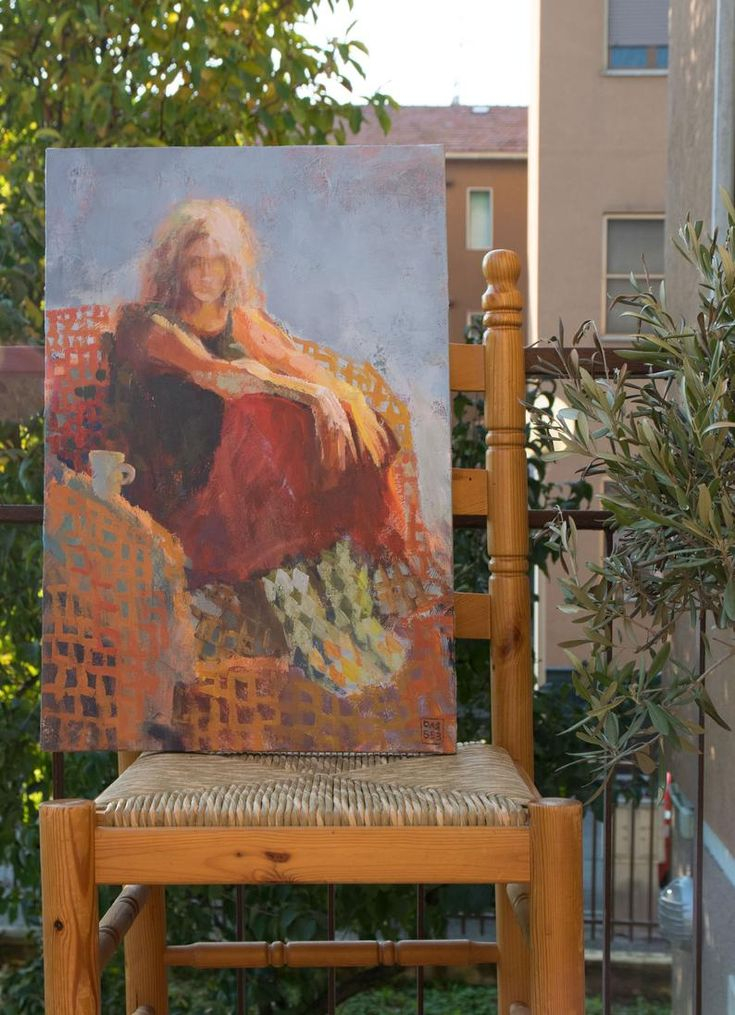
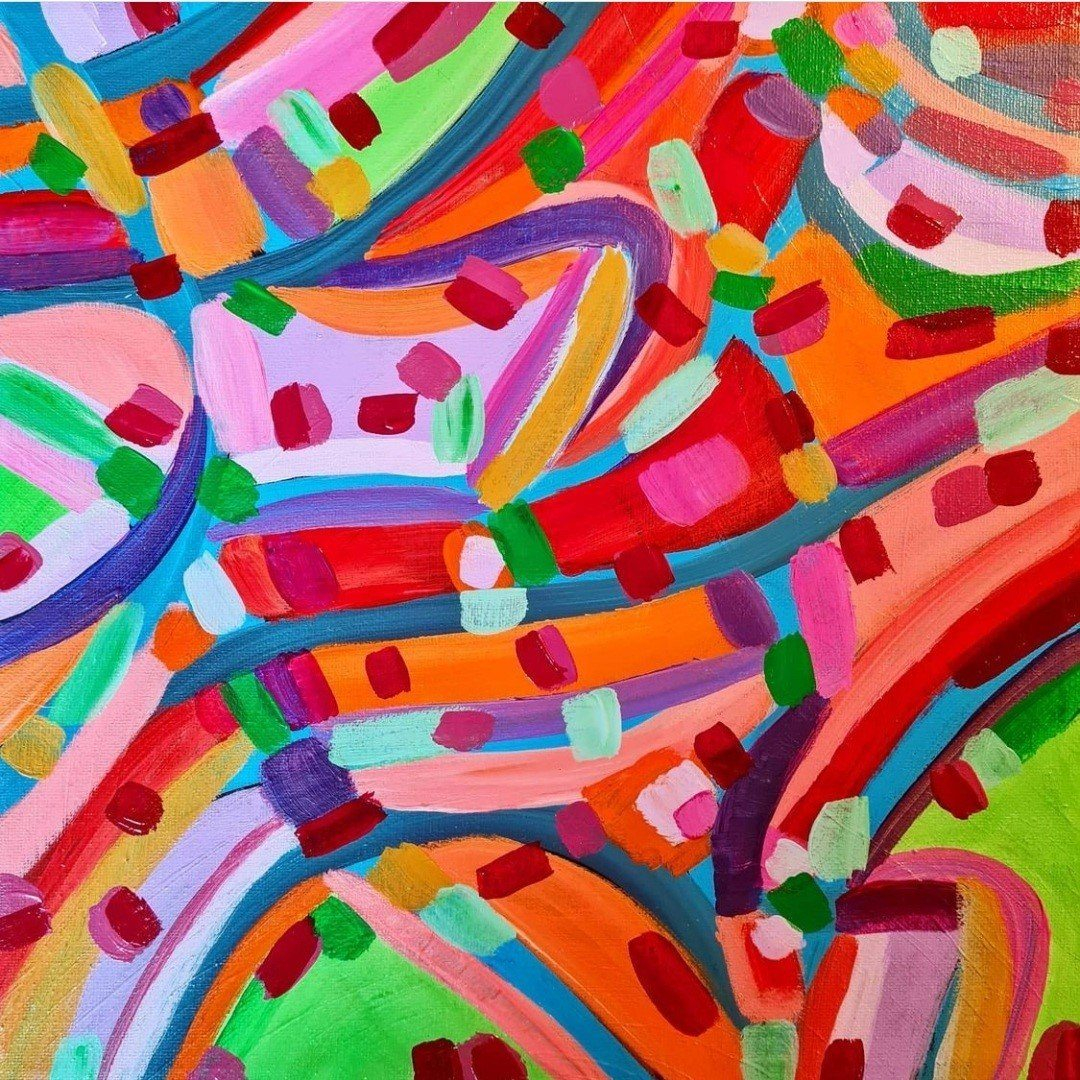
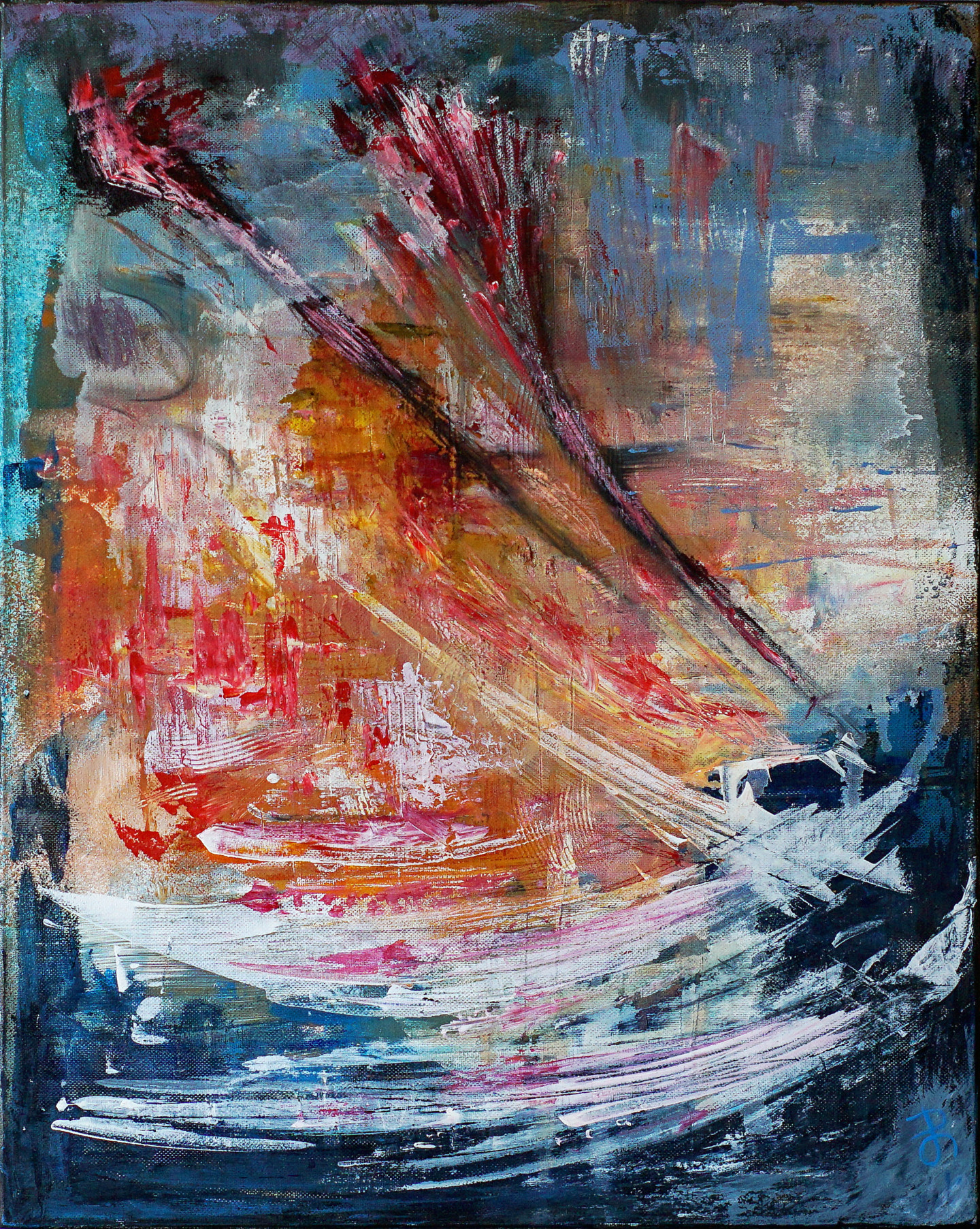
[sps_html tag=”img” src=”https://cdn.theartssection.com/wp-content/uploads/2025/05/original-art-on-canvas-original-art-acrylic-on-canvas-by-vladimir-in-apparent-motion-original-art-acrylic-on-canvas.jpg” alt=”Original Art On Canvas » Original Art Acrylic On Canvas By Vladimir … in "Apparent Motion" Original Art, Acrylic On Canvas” style=”width: 100%; height: auto;”]
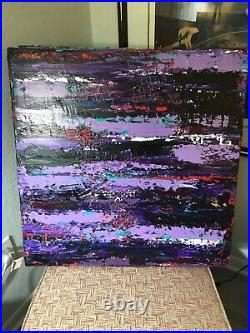
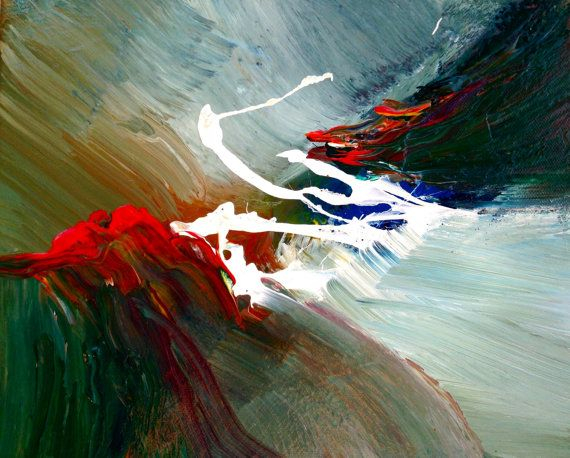
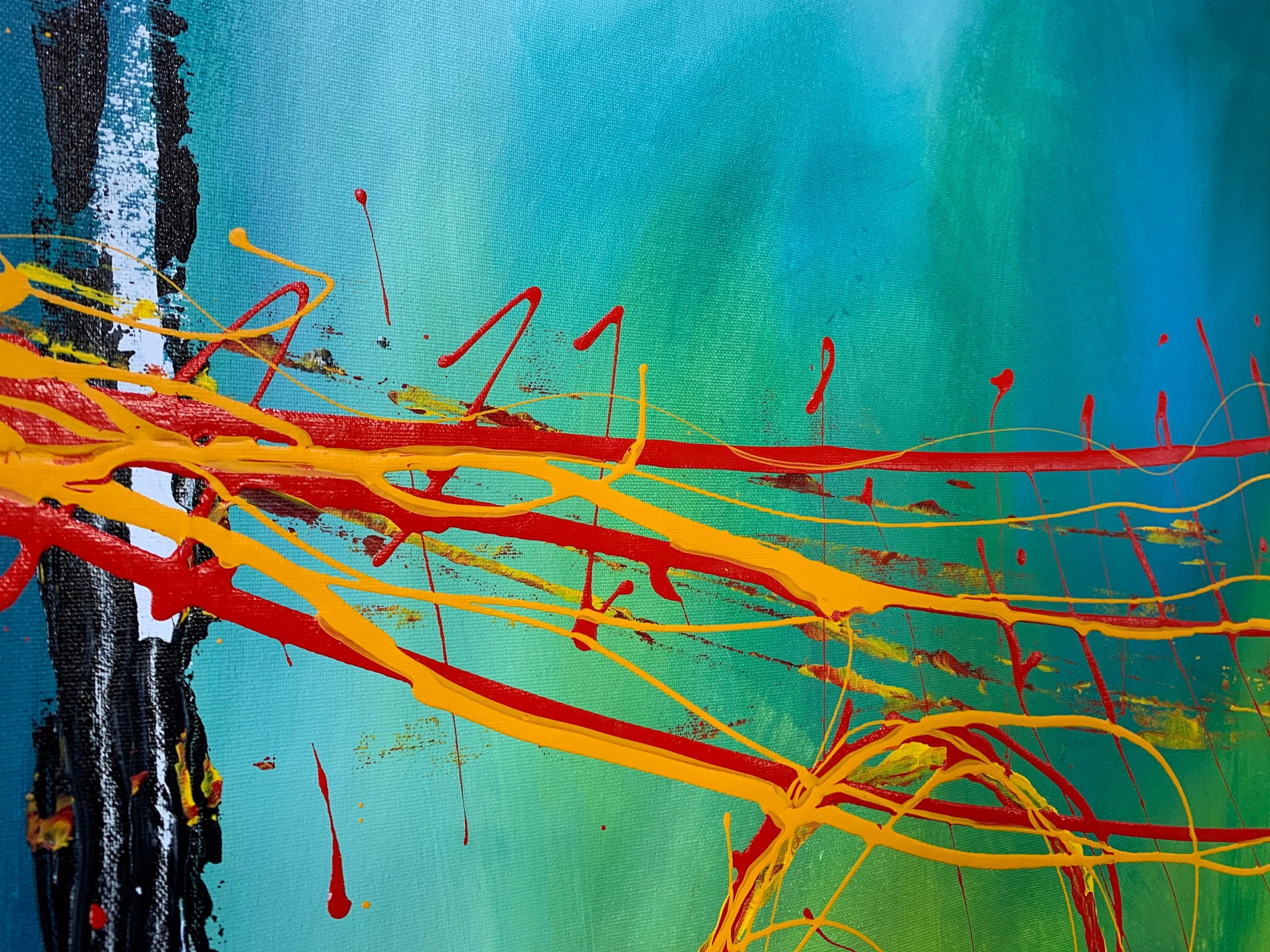
[sps_html tag=”img” src=”https://cdn.theartssection.com/wp-content/uploads/2025/05/original-art-acrylic-on-canvas-large-size-contemporary-etsy-throughout-apparent-motion-original-art-acrylic-on-canvas.jpg” alt=”Original Art Acrylic On Canvas Large Size Contemporary - Etsy throughout "Apparent Motion" Original Art, Acrylic On Canvas” style=”width: 100%; height: auto;”]
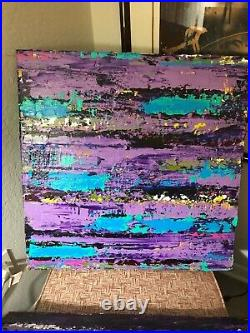
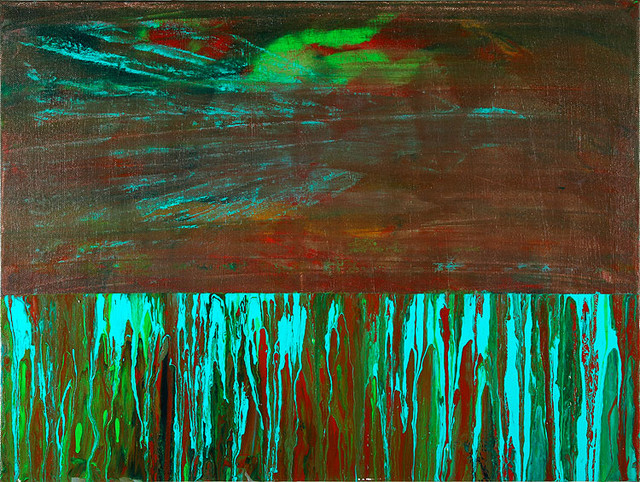
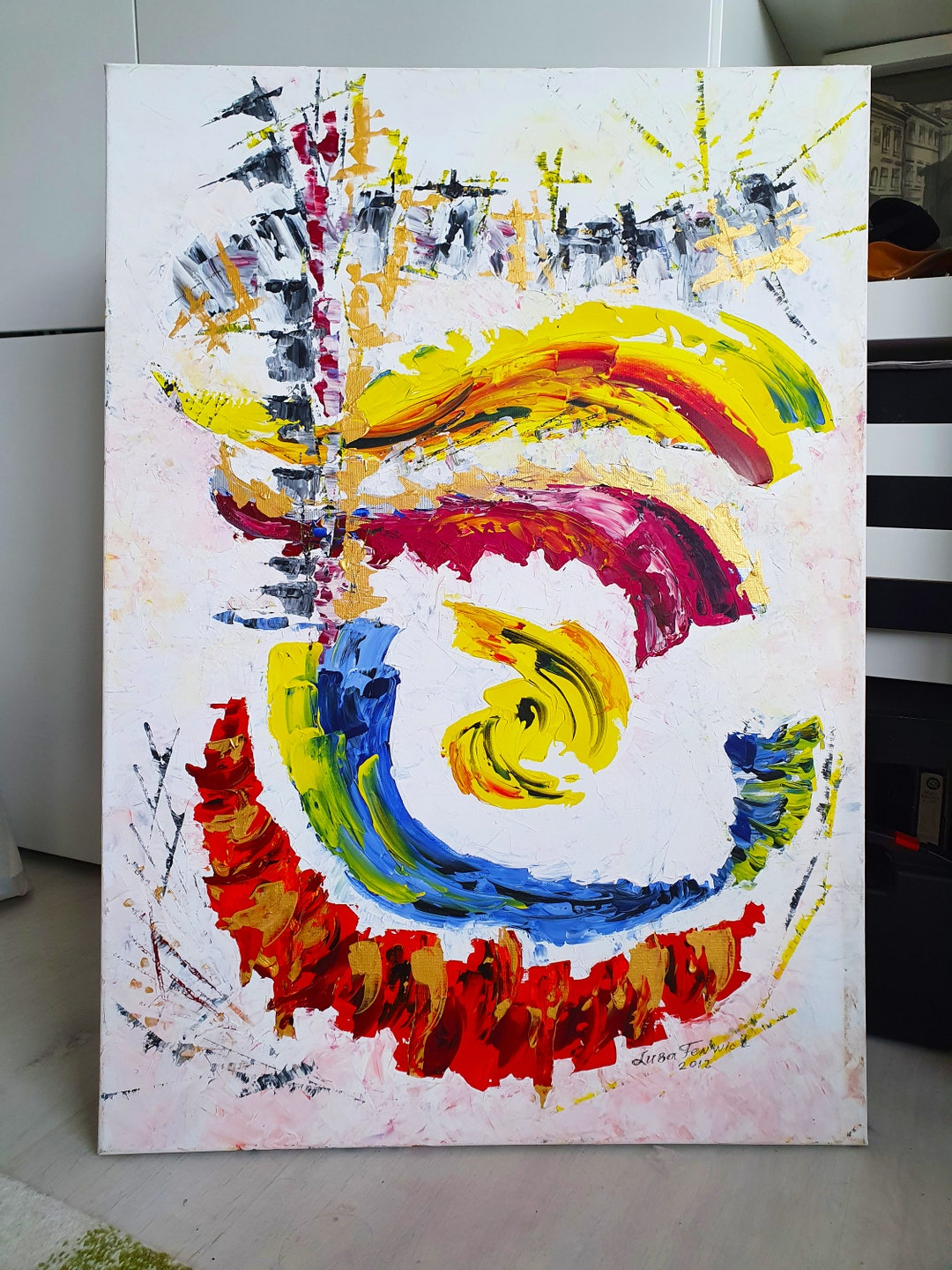
[sps_html tag=”img” src=”https://cdn.theartssection.com/wp-content/uploads/2025/05/viral-25-abstract-portraits-acrylic-paintings-photograph-pertaining-to-apparent-motion-original-art-acrylic-on-canvas-scaled.jpg” alt=”Viral 25+ Abstract Portraits Acrylic Paintings - Photograph pertaining to "Apparent Motion" Original Art, Acrylic On Canvas” style=”width: 100%; height: auto;”]
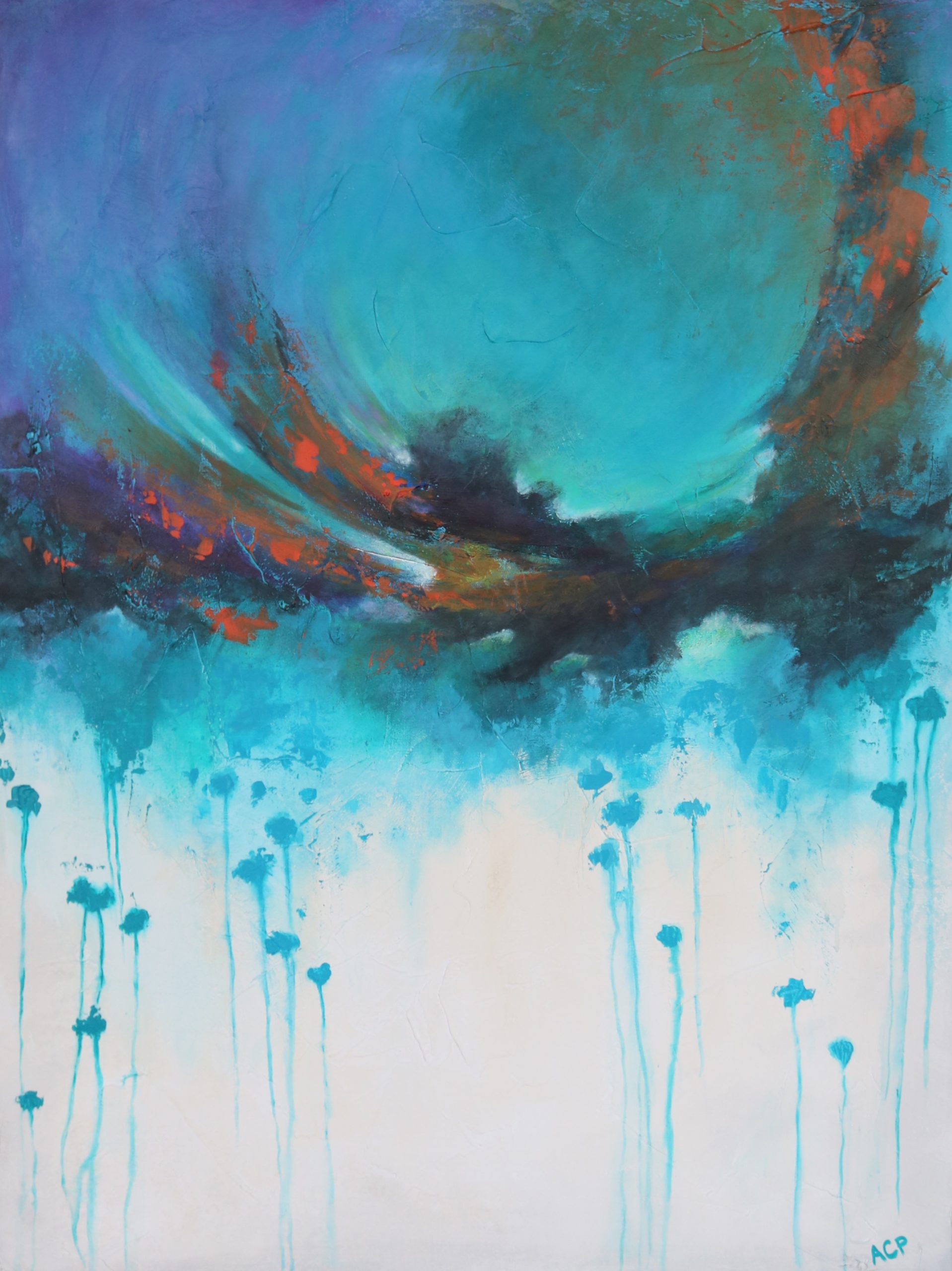
[sps_html tag=”img” src=”https://cdn.theartssection.com/wp-content/uploads/2025/05/the-everglades-ii-original-art-acrylic-on-canvas-contemporary-with-mastering-the-techniques-breathing-life-into-apparent-motion-paintings.jpg” alt=”"The Everglades Ii" Original Art, Acrylic On Canvas - Contemporary … with Mastering the Techniques Breathing Life into Apparent Motion Paintings” style=”width: 100%; height: auto;”]
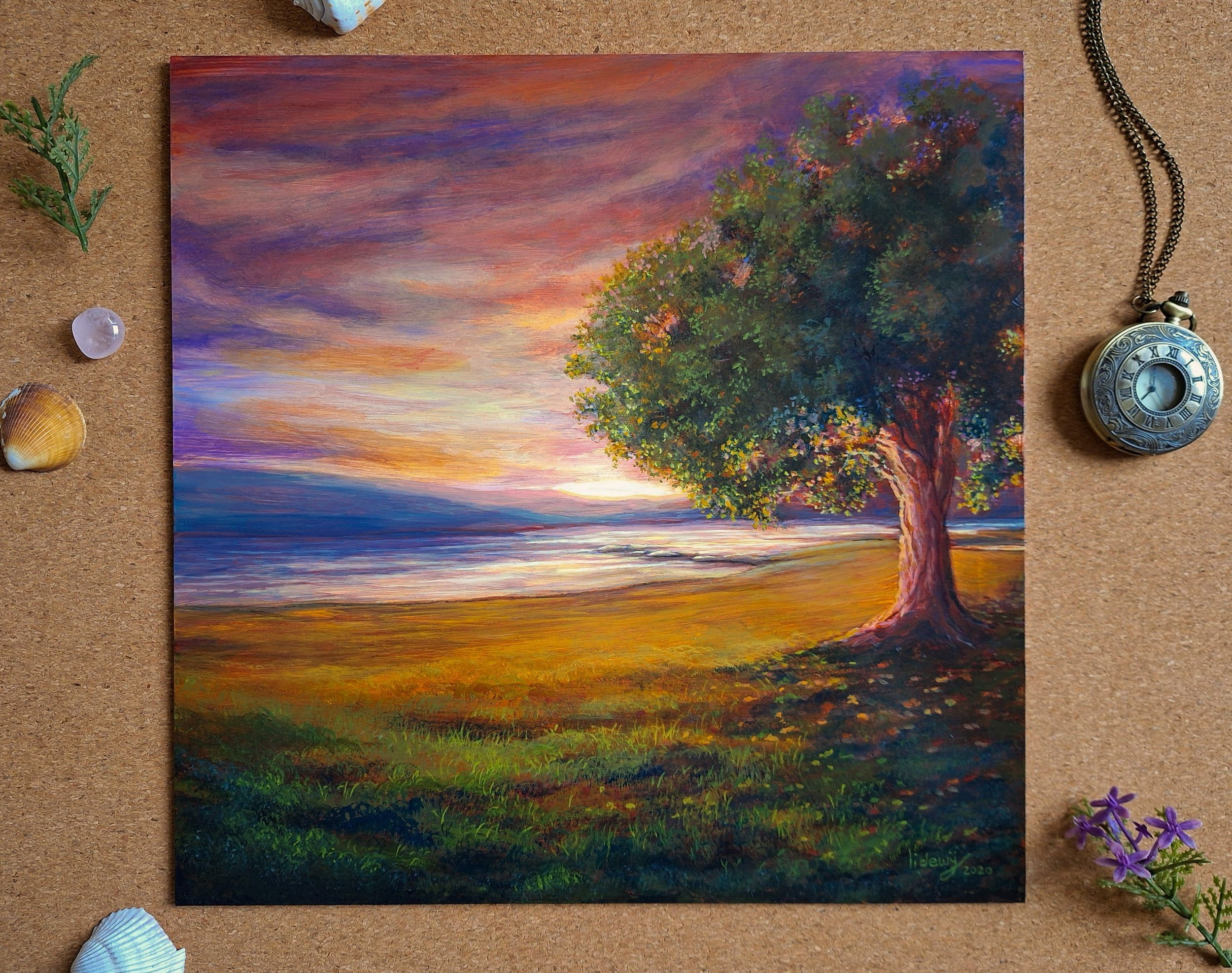
[sps_html tag=”img” src=”https://cdn.theartssection.com/wp-content/uploads/2025/05/stonehenge-painting-lidewij-de-vries-fine-art-shop-the-magical-in-mastering-the-techniques-breathing-life-into-apparent-motion-paintings.jpg” alt=”Stonehenge Painting Lidewij De Vries - Fine Art Shop The Magical … in Mastering the Techniques Breathing Life into Apparent Motion Paintings” style=”width: 100%; height: auto;”]