In a world filled with digital screens and fast-paced living, there’s something deeply grounding about the slow, deliberate strokes of Chinese calligraphy and ink painting. These ancient art forms aren’t just about making pretty characters or beautiful landscapes – they’re windows into the very soul of Chinese culture. Think about it: when you hold a brush in your hand and let ink flow across paper, you’re connecting with thousands of years of tradition, philosophy, and artistic expression.
Chinese calligraphy and ink painting represent some of humanity’s most refined artistic expressions. They’re not merely about creating beautiful images or letters – they embody a way of seeing the world, a philosophy of life, and a spiritual practice. When you look at a master’s work, you’re witnessing centuries of accumulated wisdom, emotional depth, and aesthetic understanding. These art forms have shaped Chinese identity for millennia, influencing everything from literature to architecture to daily life. What makes them so special? It’s not just technique, but the harmony between mind, body, and spirit that flows through every brushstroke.
The Foundation: Brush, Ink, Paper, and Stone
Before we dive into the artistry itself, it’s important to understand the tools that make it all possible. The four essential elements – the brush, ink, paper, and stone – aren’t just materials; they’re partners in the creative process. The brush itself comes in different shapes and sizes, each suited for specific strokes and effects. A soft brush creates delicate lines while a firm one produces bold, strong marks. The ink, traditionally made from soot and glue, must be properly prepared and mixed. The rice paper is thin yet resilient, allowing the ink to spread naturally. And the ink stone is where the ink is ground and mixed, often becoming a focal point of meditation before creating art. These tools require respect and understanding. A beginner might think that simply having the right brush will make them a master, but it’s really about learning how to use these tools in harmony with your intentions and movements.
Philosophy Behind the Strokes
Chinese calligraphy and ink painting aren’t just about making things look good – they’re deeply philosophical practices. Confucian values emphasize discipline, order, and proper conduct, which translates into the careful, methodical approach to brushwork. Taoist principles encourage natural flow and spontaneity, allowing for moments of pure creativity to emerge. Buddhist influences bring mindfulness and meditation into the process, turning each stroke into a form of moving meditation. The concept of ‘qi’ (energy) runs through everything. Artists believe that their inner energy affects the quality of their work. When you feel frustrated or angry, your brushstrokes become jerky and uneven. But when you’re calm and centered, the ink seems to move on its own. This isn’t just about technique – it’s about developing a deeper awareness of yourself and your place in the universe. The practice teaches patience, focus, and self-discipline in ways that extend far beyond the studio.
Calligraphy: The Dance of Characters
Calligraphy is more than just writing – it’s the art of transforming written language into visual poetry. Every character carries weight, history, and meaning. The famous Tang dynasty calligrapher Yan Zhenqing created his style by studying ancient texts while developing his unique approach to structure and balance. His work shows how calligraphy can express both strength and grace simultaneously. Different styles emerged over time – the elegant clerical script, the robust seal script, and the flowing cursive script. Each style reflects different aspects of Chinese culture and personal expression. Some artists spend years mastering just one style before attempting others. The process requires tremendous dedication because every stroke matters. A single misplaced character can change the entire feeling of a composition. Yet this challenge is precisely what makes calligraphy so rewarding. When you finally achieve that perfect balance between tension and release, it feels like a small victory over the chaos of everyday life.
Ink Painting: Where Silence Speaks Loudest
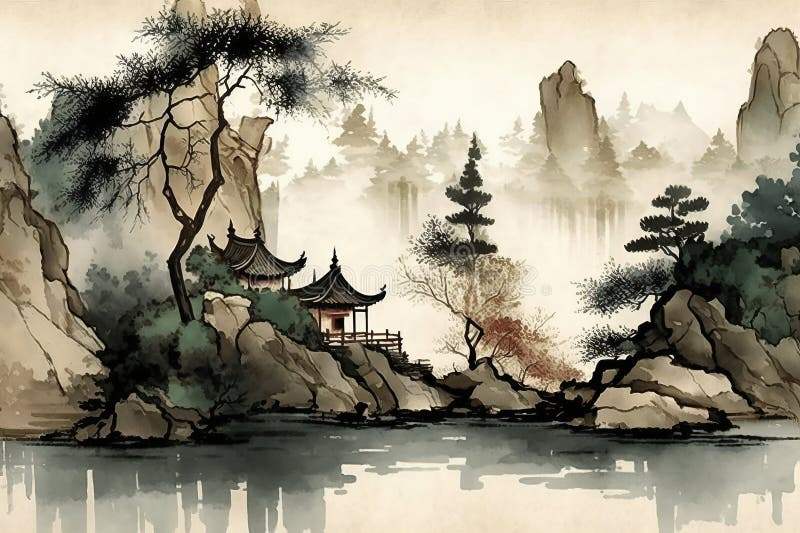
Ink painting, or ‘shui-mo,’ literally means ‘water墨’ (ink and water). This art form uses minimal elements to create maximum impact. Unlike Western painting with its emphasis on color and detailed representation, ink painting focuses on light, shadow, and the subtle interplay of dark and light. Master painters like Ni Zan used sparse brushstrokes to create landscapes that seemed to breathe with life. The technique relies heavily on the artist’s ability to control water and ink concentration. Too much water, and the ink bleeds and becomes weak. Too little, and it’s too harsh and rigid. Finding that perfect balance requires countless hours of practice. The beauty lies in what’s left unsaid. The empty spaces, the negative areas, often speak louder than the painted elements themselves. This approach mirrors Chinese thinking about balance – that true beauty comes from harmony between presence and absence, action and stillness.
Cultural Significance and Modern Relevance
These traditional arts continue to shape modern Chinese society in unexpected ways. Many business leaders still study calligraphy to improve focus and decision-making skills. Teachers use ink painting techniques to teach mindfulness to students. Even in digital age, many artists find that returning to these ancient methods helps them reconnect with their creative instincts. The principles behind these practices – attention to detail, respect for materials, patience, and reverence for tradition – translate beautifully into contemporary life. Consider how someone might apply these lessons to their workday. The discipline required to master a single stroke mirrors the commitment needed to complete a project successfully. The emphasis on quiet contemplation provides a counterbalance to our noisy world. These arts remind us that meaningful creation takes time and intentionality. They offer a way to slow down, reflect, and appreciate the simple act of making something beautiful with your own hands.
Learning the Fundamentals: A Beginner’s Journey
Starting your journey with Chinese calligraphy or ink painting doesn’t require expensive materials or formal training. You can begin with basic supplies and simple exercises. Start with the fundamental brushstrokes – the horizontal line, vertical line, dot, and hook. Practice these repeatedly until they become second nature. Focus on breathing deeply and staying relaxed. Tension in your hand will show up in your work. Many beginners get frustrated quickly, but remember that even masters spent years perfecting basic strokes. Consider joining a local class or finding online tutorials. Some people prefer to learn through books, others through video demonstrations. What matters most is consistent practice. Set aside time each day, even if it’s just ten minutes. The key is showing up regularly rather than trying to rush through learning. Like learning to play a musical instrument, these arts develop muscle memory and intuitive understanding over time. Don’t expect perfection immediately – embrace the process of gradual improvement.
Chinese calligraphy and ink painting offer more than just artistic skills – they provide a pathway to deeper understanding of oneself and the world around us. These traditions teach us that beauty emerges from discipline, that meaning can be found in simplicity, and that every moment of creation holds potential for growth and reflection. Whether you’re drawn to the precision of calligraphy or the fluidity of ink painting, these ancient practices invite you to slow down, pay attention, and create something meaningful. The journey isn’t always easy, but the rewards are profound. These arts remind us that in our fast-moving world, there’s still immense value in taking time to make something with intention, care, and respect. They’re not just historical curiosities but living practices that continue to inspire and transform lives today.
[sps_html tag=”img” src=”https://cdn.theartssection.com/wp-content/uploads/2025/10/ancient-chinese-art-wallpapers-top-free-ancient-chinese-art-within-preserving-ancient-chinese-art-forms-through-contemporary-wall-art-interpretations-scaled.jpg” alt=”Ancient Chinese Art Wallpapers - Top Free Ancient Chinese Art … within Preserving Ancient Chinese Art Forms Through Contemporary Wall Art Interpretations” style=”width: 100%; height: auto;”]
[sps_html tag=”img” src=”https://cdn.theartssection.com/wp-content/uploads/2025/10/120-ancient-chinese-art-ideas-ancient-chinese-art-drawings-sketches-with-preserving-ancient-chinese-art-forms-through-contemporary-wall-art-interpretations.jpg” alt=”120 Ancient Chinese Art Ideas | Ancient Chinese Art, Drawings, Sketches with Preserving Ancient Chinese Art Forms Through Contemporary Wall Art Interpretations” style=”width: 100%; height: auto;”]
[sps_html tag=”img” src=”https://cdn.theartssection.com/wp-content/uploads/2025/10/chinese-art-chinese-print-poster-ancient-chinese-art-chinese-prints-inside-preserving-ancient-chinese-art-forms-through-contemporary-wall-art-interpretations.jpg” alt=”Chinese Art Chinese Print Poster Ancient Chinese Art Chinese Prints … inside Preserving Ancient Chinese Art Forms Through Contemporary Wall Art Interpretations” style=”width: 100%; height: auto;”]
[sps_html tag=”img” src=”https://cdn.theartssection.com/wp-content/uploads/2025/10/ancient-china-art-ancient-civilizations-chinese-art-relic-artifacts-for-chinese-calligraphy-ink-writing-scroll-painting-wall-art-hws1986.jpg” alt=”Ancient China Art, Ancient Civilizations, Chinese Art, Relic, Artifacts … for Chinese Calligraphy Ink Writing Scroll Painting Wall Art Hws1986″ style=”width: 100%; height: auto;”]
[sps_html tag=”img” src=”https://cdn.theartssection.com/wp-content/uploads/2025/10/contemporary-chinese-landscape-painting-stock-illustration-in-chinese-calligraphy-ink-writing-scroll-painting-wall-art-hws1986.jpg” alt=”Contemporary Chinese Landscape Painting Stock Illustration … in Chinese Calligraphy Ink Writing Scroll Painting Wall Art Hws1986″ style=”width: 100%; height: auto;”]