Every corner of Manhattan holds stories, but many remain hidden from the typical tourist’s view. Through the careful study of panoramic urban photography, we’ve uncovered remarkable gems that tell the true story of this island city. These discoveries aren’t just pretty pictures – they’re windows into how Manhattan truly lives beyond its famous landmarks.
When most people think of Manhattan, they picture Times Square, Central Park, or the Statue of Liberty. But there’s so much more to this place than meets the eye. Panoramic urban exploration has revealed a different side of Manhattan – one that’s quiet, intimate, and full of character. These hidden spots offer a glimpse into the authentic life of the city. They’re the places where locals gather, where history quietly unfolds, and where the real magic of New York happens. What if I told you that some of the most beautiful and interesting parts of Manhattan are literally right in front of us, but we just haven’t been looking at them the right way?
The Art of Panoramic Urban Photography
Panoramic photography isn’t just about taking wide shots – it’s about capturing the full essence of a place. This technique reveals how spaces connect, how light moves through buildings, and what makes certain areas special. When photographers focus on Manhattan’s lesser-known districts, they often discover unexpected beauty. The technique allows viewers to see not just individual buildings, but the relationships between them. It shows how streets flow together, how shadows fall across facades, and how architecture creates community. Many of the most compelling shots come from exploring areas like the Lower East Side or the West Village, where the buildings tell stories through their windows and doorways. These images show how people actually live and work in these neighborhoods. They reveal the texture of daily life in ways that single photos never could.
Hidden Courtyards and Secret Gardens
Manhattan’s hidden courtyards are like little oases tucked away from the busy streets. These spaces often escape notice because they’re small and unmarked. One such gem is a tiny garden behind a row of brownstones in the East Village, where residents grow vegetables and flowers in small plots. Another example is a courtyard in SoHo where vintage clothing stores have created an unexpected green space. The panoramic view of these areas shows how urban planners and residents have found creative ways to bring nature into dense city environments. These spaces are important because they provide respite from the concrete jungle. They’re places where neighbors meet, where children play, and where people can relax while surrounded by the city’s energy. Many of these courtyards have been preserved through community efforts, showing how residents take pride in maintaining these peaceful retreats.
Architecture That Tells Stories
Every building in Manhattan has a story, but some tell theirs better than others. The panoramic view reveals how architectural details communicate with passersby. Take the old tenement buildings in the Lower East Side – their ornate facades speak to immigrant history. The way light hits these buildings creates dramatic shadows that change throughout the day. In the Financial District, you’ll find buildings that showcase different eras of construction. Some have classical columns, others modern glass facades. These visual narratives help us understand how the city evolved. The panoramic approach lets us see how these structures relate to their surroundings, creating a larger story about urban development. These buildings aren’t just walls and windows – they’re historical documents that change our understanding of the neighborhood’s past and present.
Local Markets and Community Spaces
Manhattan’s local markets are often overshadowed by bigger attractions, but they’re incredibly important to community life. The panoramic view captures the full scope of these gathering places. Consider the weekend farmers market in Washington Square Park – it’s not just about buying produce, it’s about social connection. The way vendors set up shop, how people move through the space, and how families interact all become visible in a wide-angle shot. Another example is the street market near Union Square, where food trucks and local artisans create a vibrant scene. These markets show how people come together around shared experiences. They’re democratic spaces where everyone can participate, regardless of economic status. The panoramic view emphasizes how these areas function as community anchors, bringing together diverse groups of people.
Street Art and Cultural Expression
Street art in Manhattan goes far beyond simple graffiti – it’s a form of cultural expression that deserves attention. Panoramic views reveal how murals and installations integrate with their surroundings. In the Bronx, you’ll find artists creating large-scale works that transform entire blocks. The way these artworks interact with building facades, street lighting, and pedestrian traffic creates a complete artistic experience. Some of the most striking examples are found in neighborhoods like Bushwick and the Lower East Side, where street art has become part of the community identity. These visual stories often reflect local issues, celebrate cultural heritage, or comment on current events. The panoramic perspective helps us appreciate how artists use the urban landscape as their canvas, turning ordinary streets into galleries.
Historical Preservation Efforts
Many of Manhattan’s hidden gems exist because of dedicated preservation efforts. These spaces often represent crucial moments in the city’s history. The panoramic view helps document how these areas have changed over time. Take the historic district in Greenwich Village – it’s a living museum where you can see how different architectural styles coexist. The way these buildings frame each other in panoramic shots shows how urban planning decisions affect community character. Preservationists have worked hard to protect these areas from demolition or inappropriate development. Their efforts ensure that future generations can experience these spaces. These photographs serve as evidence of what was lost in other parts of the city, highlighting why conservation matters. The visual record helps communities advocate for protecting similar spaces.
Through panoramic urban exploration, we’ve discovered that Manhattan’s hidden gems are everywhere – in forgotten courtyards, in the stories told by architecture, and in the daily lives of its residents. These spaces aren’t just pretty pictures; they’re vital parts of the city’s soul. They remind us that even in the busiest place on Earth, there’s always room for quiet beauty and authentic human connection. The next time you walk through Manhattan, take a moment to look beyond the obvious attractions. You might just find your own hidden gem, waiting to be discovered through the lens of panoramic vision. These places aren’t just worth visiting – they’re worth understanding, preserving, and celebrating as essential parts of what makes Manhattan unique.
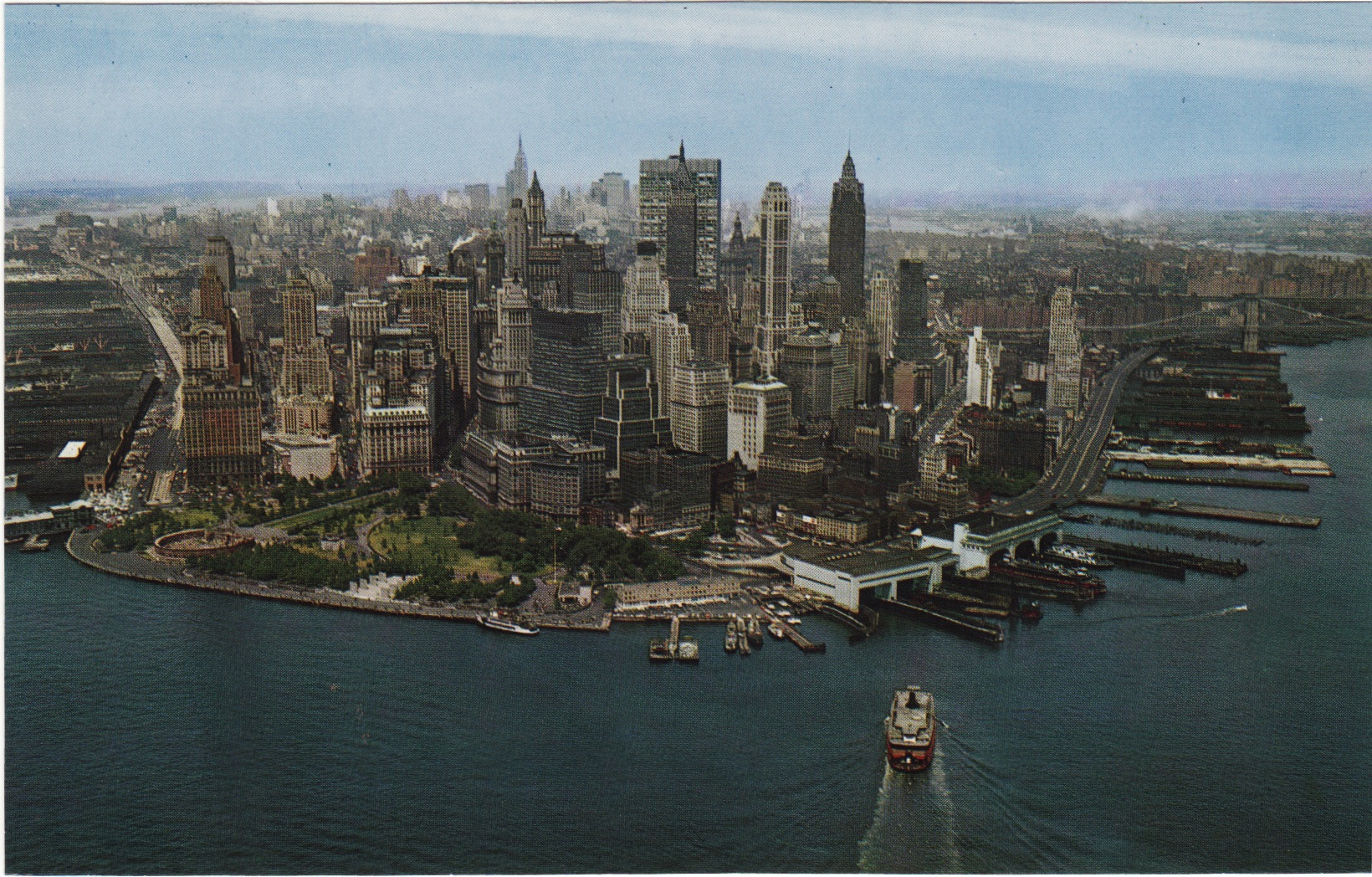
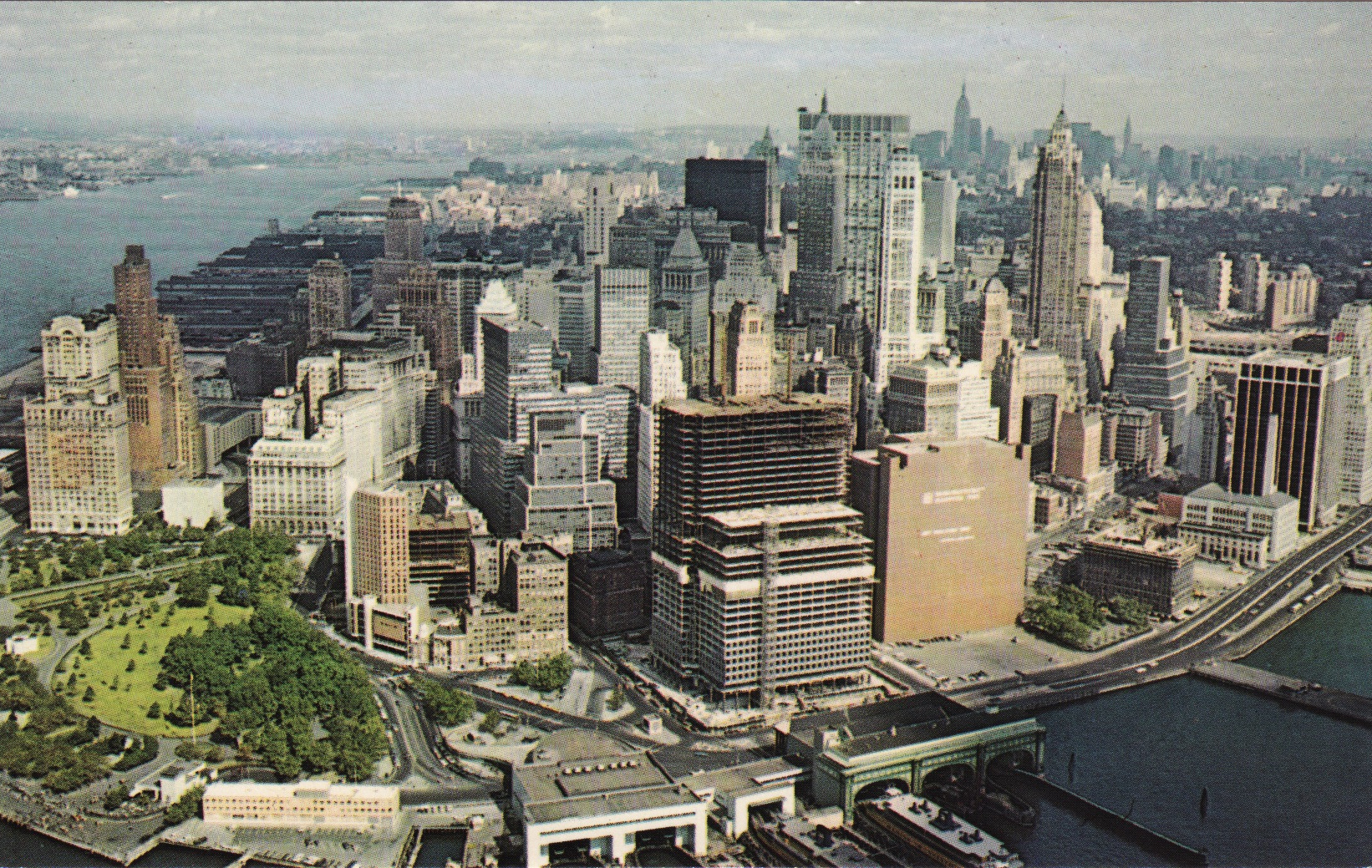
[sps_html tag=”img” src=”https://cdn.theartssection.com/wp-content/uploads/2025/10/color-aerial-postcard-views-of-manhattans-skyline-in-the-1960s-70s-throughout-manhattan-panorama.jpg” alt=”Color Aerial Postcard Views Of Manhattan's Skyline In The 1960S & 70S throughout "Manhattan" Panorama” style=”width: 100%; height: auto;”]
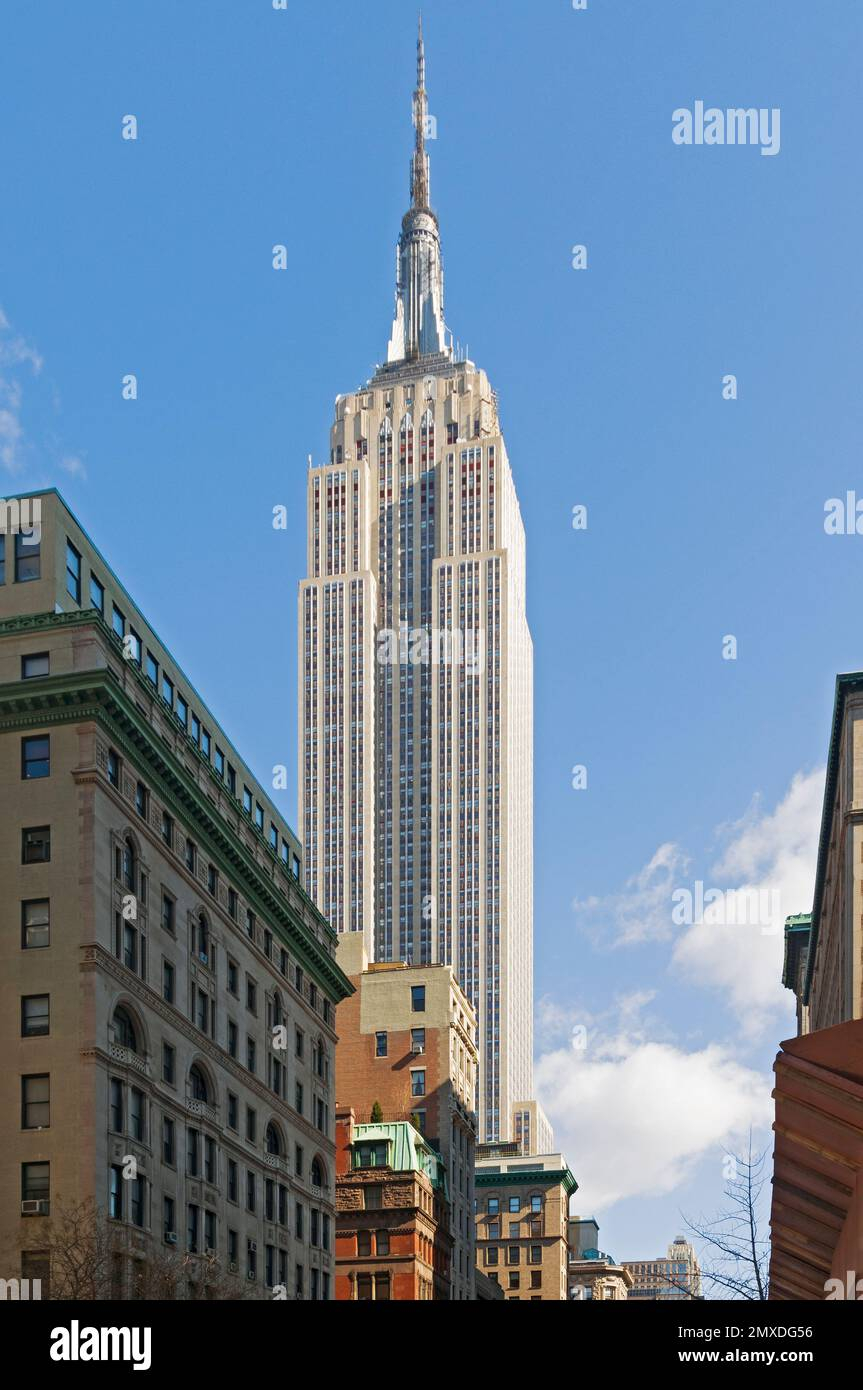
[sps_html tag=”img” src=”https://cdn.theartssection.com/wp-content/uploads/2025/10/capturing-the-iconic-empire-state-buildings-art-deco-crown-against-the-for-manhattan-panorama.jpg” alt=”Capturing The Iconic Empire State Building's Art Deco Crown Against The … for "Manhattan" Panorama” style=”width: 100%; height: auto;”]
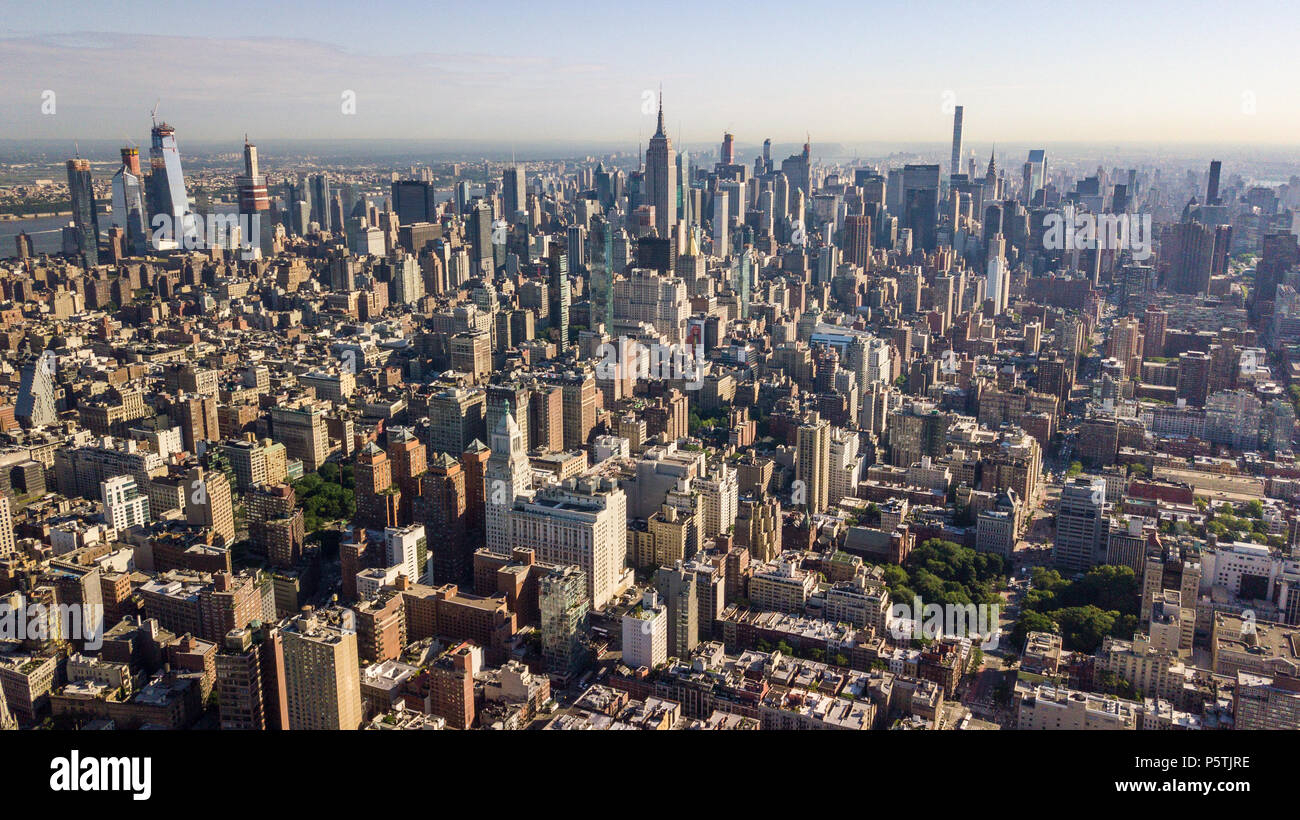
[sps_html tag=”img” src=”https://cdn.theartssection.com/wp-content/uploads/2025/10/manhattan-skyline-in-manhattan-panorama.jpg” alt=”Manhattan Skyline in "Manhattan" Panorama” style=”width: 100%; height: auto;”]
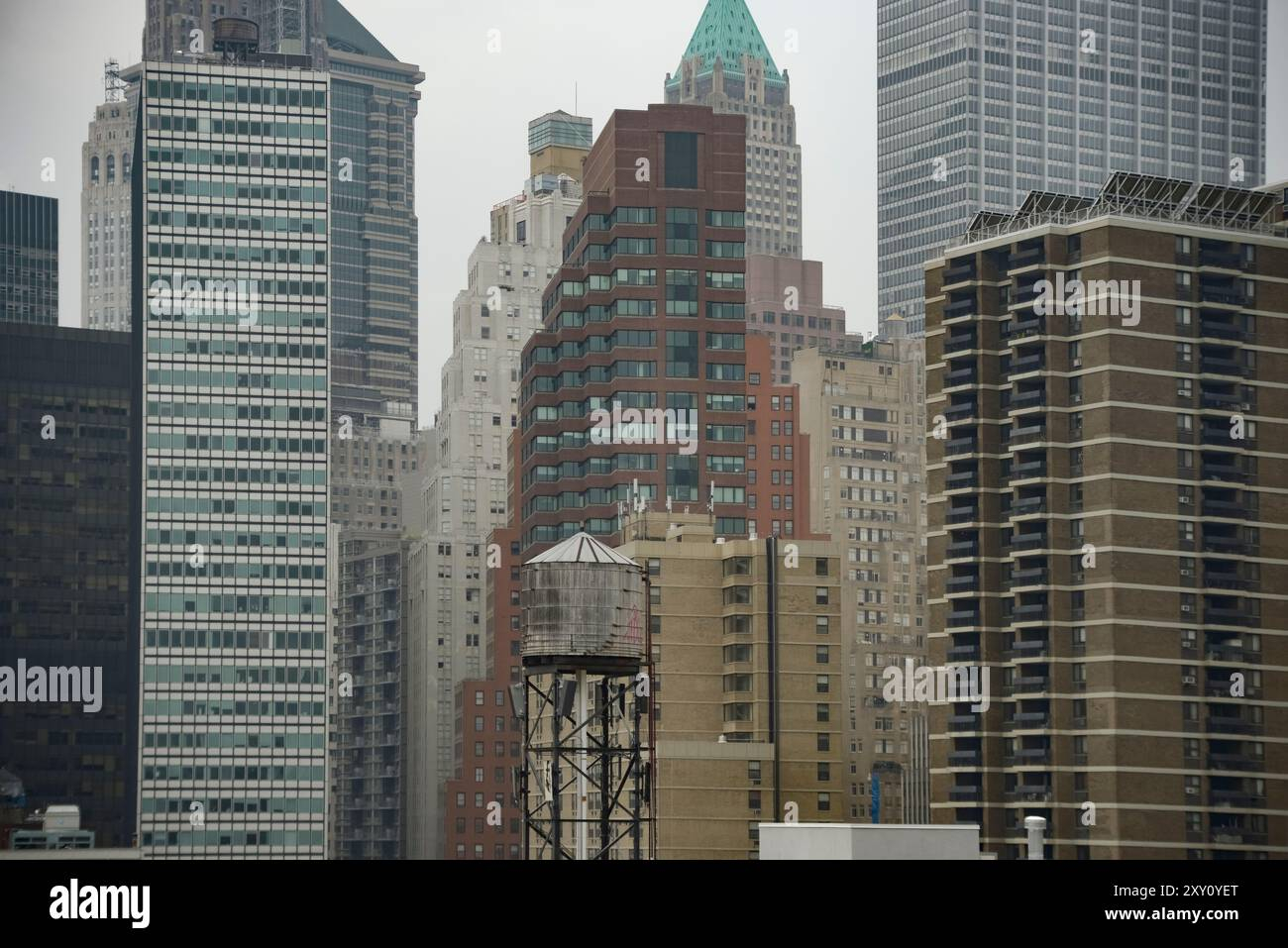
[sps_html tag=”img” src=”https://cdn.theartssection.com/wp-content/uploads/2025/10/a-moody-capture-of-manhattans-skyline-depicting-a-variety-of-with-the-art-and-science-behind-capturing-manhattans-legendary-skyline.jpg” alt=”A Moody Capture Of Manhattan’s Skyline, Depicting A Variety Of … with The Art and Science Behind Capturing Manhattan's Legendary Skyline” style=”width: 100%; height: auto;”]
[sps_html tag=”img” src=”https://cdn.theartssection.com/wp-content/uploads/2025/10/color-aerial-postcard-views-of-manhattans-skyline-in-the-1960s-70s-throughout-the-art-and-science-behind-capturing-manhattans-legendary-skyline.jpeg” alt=”Color Aerial Postcard Views Of Manhattan's Skyline In The 1960S & 70S throughout The Art and Science Behind Capturing Manhattan's Legendary Skyline” style=”width: 100%; height: auto;”]