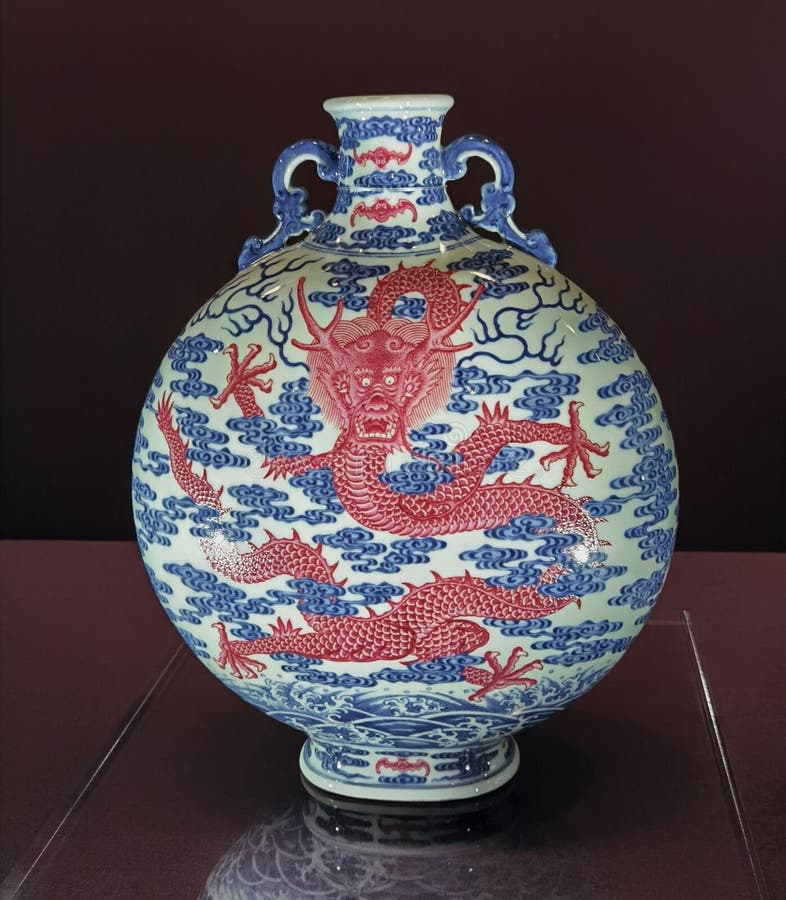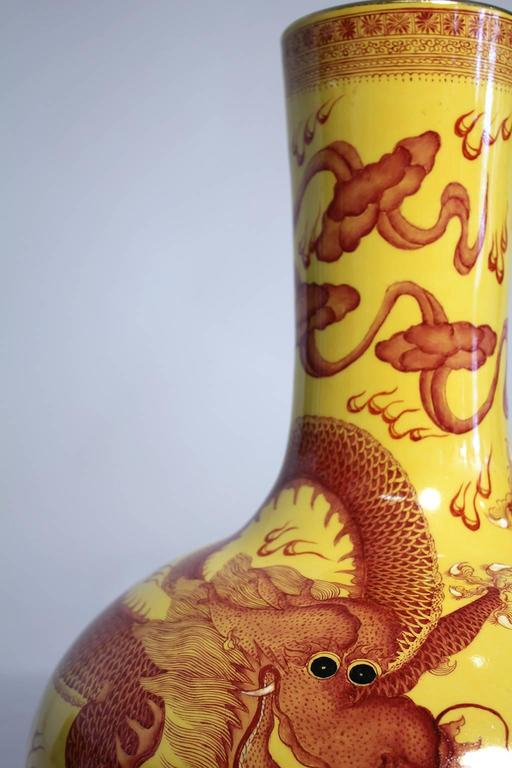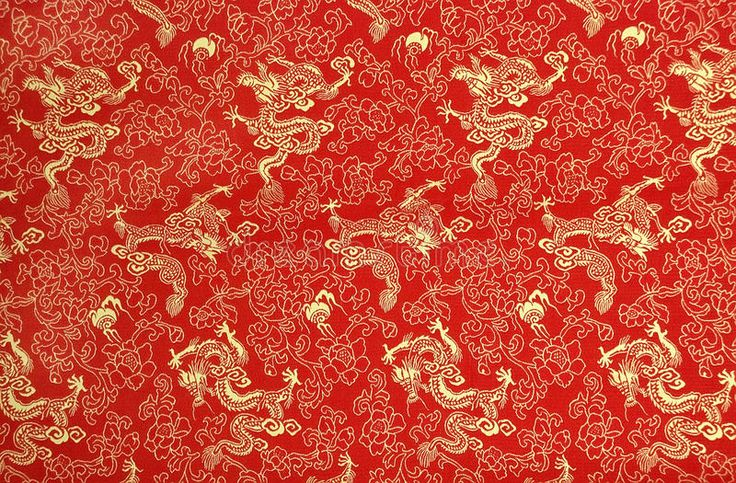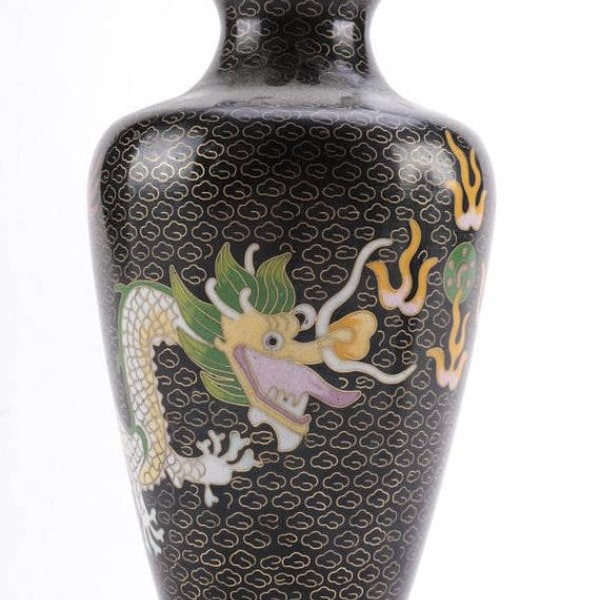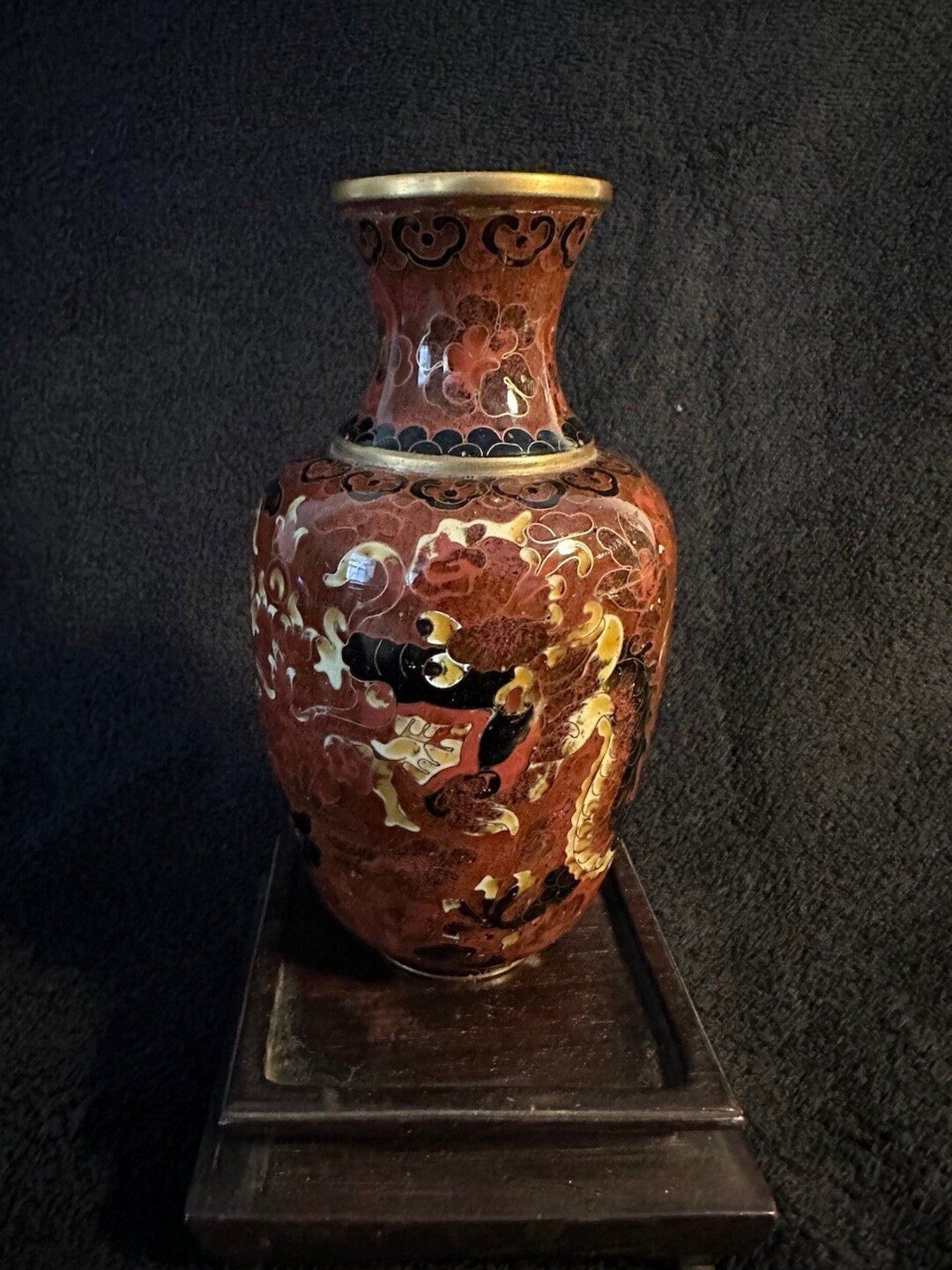
Imagine holding a piece of history in your hands, where every stitch tells a story of imperial grandeur and cultural significance. The Red Imperial Dragon Vase embroidery represents one of China’s most revered textile arts, where artisans have passed down their knowledge through generations. This isn’t just about pretty pictures on fabric – it’s about preserving centuries of craftsmanship, symbolism, and artistic expression.
When you think of Chinese artistry, the image of the red imperial dragon vase might spring to mind immediately. This particular embroidery style isn’t just decorative – it’s a window into ancient Chinese culture, where each thread carries meaning and every pattern reflects power and prosperity. The Red Imperial Dragon Vase technique combines traditional silk weaving with intricate embroidery to create masterpieces that were once reserved exclusively for emperors and nobility. Today, this ancient craft continues to captivate artists and collectors worldwide, offering a tangible connection to China’s rich artistic heritage.
Historical Origins and Cultural Significance
The Red Imperial Dragon Vase embroidery emerged during the Ming and Qing dynasties when silk production reached its peak. These masterpieces weren’t merely ornamental – they represented the very essence of imperial authority. The red color itself held deep symbolic meaning, associated with good fortune, celebration, and divine protection. Dragons in Chinese culture aren’t beasts to fear but symbols of power, strength, and imperial rule. When combined with the vase form, which traditionally represents abundance and fertility, the result was an embroidery style that spoke volumes about wealth, status, and cultural sophistication. Each piece was crafted under strict supervision, often by specialized workshops that served the imperial court directly. The techniques were closely guarded secrets, passed down through families like precious heirlooms. What makes this art form particularly fascinating is how it evolved from purely functional items into highly artistic expressions. Imagine the meticulous planning involved – artisans had to consider how the dragon would flow across the vase, how the colors would interact, and how the overall composition would convey both beauty and power. The process required not just technical skill but also deep understanding of Chinese philosophy and aesthetics.
The Essential Materials and Tools
Working with Red Imperial Dragon Vase embroidery requires more than just talent – it demands the right materials and tools. The foundation is always high-quality silk, preferably mulberry silk which has been used for centuries due to its natural luster and durability. The silk must be carefully prepared, often involving multiple steps of cleaning and stretching to ensure it’s perfectly flat and taut. For the red threads, artisans typically use silk threads dyed with natural pigments or synthetic alternatives that maintain the rich crimson hue. The embroidery floss comes in various weights, allowing for different textures and visual impact. Specialized needles are essential – they must be sharp enough to pierce the silk without splitting the fibers, yet strong enough to handle thick threads. The frame used for embroidery is crucial, as it keeps the silk taut and prevents distortion during the lengthy process. Many artisans also rely on traditional tools like the embroidery hoop, which helps maintain consistent tension. Some practitioners still use hand-carved wooden frames that have been in their families for generations. The quality of these materials directly impacts the final outcome, which is why many masters spend considerable time sourcing the best supplies. It’s not uncommon for experienced artisans to have entire collections of tools and materials, each selected for specific aspects of their work. The investment in proper materials pays off in the longevity and beauty of the finished piece.
Fundamental Techniques and Stitches
The foundation of Red Imperial Dragon Vase embroidery lies in mastering several core stitching techniques. The satin stitch creates smooth, solid areas of color that give the dragon’s scales their characteristic glossy appearance. The stem stitch forms the delicate lines that define the dragon’s body and features. Chain stitch adds texture and dimension to the design elements. The running stitch provides the basic structure and framework for more complex patterns. Each stitch requires patience and practice to execute properly. The satin stitch, for instance, involves carefully placing threads side by side to create a smooth surface, while the stem stitch requires precise control to maintain consistent thickness and direction. Many beginners struggle with the transition between different stitches, but experienced artisans develop a natural rhythm that flows seamlessly from one technique to another. The dragon’s eye, perhaps the most challenging element, requires careful attention to detail and a steady hand. The way the eyes are embroidered can make or break the entire piece’s effectiveness. Learning these techniques often takes years, with students beginning with simple geometric patterns before advancing to complex dragon designs. Some artisans even develop their own variations of traditional stitches, adding personal touches that distinguish their work from others in the field. The process teaches not just technical skills but also patience, precision, and an appreciation for the meditative qualities of slow, deliberate work.
Design Elements and Symbolism
Every aspect of the Red Imperial Dragon Vase embroidery carries symbolic weight, making it more than just decorative art. The dragon itself represents imperial power, wisdom, and protection. Different positions and poses of the dragon can indicate different meanings – sometimes representing the emperor himself, other times symbolizing good fortune or strength. The vase form, with its rounded shape and elegant curves, suggests abundance and prosperity. The colors chosen are never accidental either. Red dominates because it symbolizes joy, success, and good luck in Chinese culture. Gold accents often represent wealth and divine favor. Blue and green elements may represent heaven and earth respectively. The arrangement of elements follows ancient principles of balance and harmony. Sometimes the dragon appears to emerge from or surround the vase, creating a sense of movement and life. The patterns often include clouds, which represent the heavens, and water motifs, symbolizing power and flow. Even the spacing between elements is significant – too much space can make the design feel empty, while too little can create confusion. Understanding these symbolic elements allows the artist to create works that resonate with viewers on multiple levels. The challenge lies in balancing traditional symbolism with contemporary aesthetic sensibilities, ensuring that the ancient meaning remains intact while the piece speaks to modern audiences.
Step-by-Step Creation Process
Creating a Red Imperial Dragon Vase embroidery begins with careful planning and preparation. First, the artist sketches the design on paper, considering proportions and flow. The silk is then stretched onto a frame, ensuring it’s perfectly taut. The outline is transferred to the silk using a light box or tracing method. Starting with the background, the artist applies base colors using the satin stitch technique. This creates the foundation upon which all other elements rest. Next, the main dragon form is developed using a combination of stem and chain stitches. The artist works from the body outward, paying special attention to the head and tail details. The eyes, being the most important part, require the most careful attention and often multiple attempts to get right. After the main dragon is complete, additional elements like clouds, flames, or surrounding motifs are added. Each new element must blend seamlessly with the existing work. The finishing touches involve adding gold or silver threads for highlights and special effects. Throughout the process, the artist constantly checks proportions and makes adjustments. The entire process can take weeks or months, depending on the complexity of the design. Some masterpieces require over 100 hours of work. The final piece is often displayed in special cases or frames to protect the delicate silk and preserve the vibrant colors for future generations.
Modern Applications and Preservation Efforts
While the Red Imperial Dragon Vase embroidery maintains its traditional roots, modern artisans are finding new ways to keep the art form alive and relevant. Contemporary designers incorporate traditional techniques into modern home décor, fashion, and even digital art projects. Some artists create smaller versions suitable for jewelry or accessories, while others focus on museum-quality pieces for collectors. Educational institutions now offer courses specifically dedicated to traditional Chinese embroidery techniques. Workshops are held worldwide where enthusiasts can learn these ancient skills firsthand. Museums play a crucial role in preservation, housing collections that showcase the evolution of the craft over centuries. Digital archiving projects document techniques and patterns, ensuring that knowledge isn’t lost. However, challenges remain – younger generations may find the time-intensive nature of this craft less appealing than faster-paced modern alternatives. The cost of materials and training can also be prohibitive for some aspiring artisans. Despite these obstacles, there’s growing interest among international collectors and art enthusiasts who appreciate the cultural depth and craftsmanship involved. Social media platforms have helped spread awareness about this beautiful art form, connecting traditional artisans with global audiences. Many contemporary masters are also teaching online classes, making the knowledge more accessible. The key to survival lies in adapting without losing the essence of what makes this craft special – the dedication to perfection, respect for tradition, and the passion for creating something truly extraordinary.
The Red Imperial Dragon Vase embroidery stands as a testament to human creativity and dedication, bridging centuries of cultural heritage with contemporary appreciation. Every thread tells a story, every stitch carries meaning, and every completed piece represents years of accumulated wisdom and skill. While the methods and tools may have evolved, the fundamental principles remain unchanged – the desire to create beauty, convey meaning, and connect with something greater than ourselves. Whether you’re a seasoned artisan or simply someone who appreciates fine craftsmanship, this ancient art form offers endless opportunities for learning and inspiration. The journey from novice to master is long, but the rewards are immeasurable. As we continue to preserve and celebrate these traditions, we ensure that future generations will also be able to experience the magic of watching a dragon come alive through the careful application of silk and thread. The legacy lives on, not just in the finished pieces, but in the hearts and hands of those who continue to honor this magnificent craft.
[sps_html tag=”img” src=”https://cdn.theartssection.com/wp-content/uploads/2025/10/chinese-cloisonne-imperial-dragon-vase-6-etsy-with-exploring-the-symbolism-and-beauty-of-chinese-red-imperial-dragon-vase-silk-work.jpg” alt=”Chinese Cloisonné Imperial Dragon Vase 6" - Etsy with Exploring the Symbolism and Beauty of Chinese Red Imperial Dragon Vase Silk Work” style=”width: 100%; height: auto;”]
[sps_html tag=”img” src=”https://cdn.theartssection.com/wp-content/uploads/2025/10/antique-qing-dynasty-dragon-flower-vase-imperial-kingdom-beijing-with-exploring-the-symbolism-and-beauty-of-chinese-red-imperial-dragon-vase-silk-work.jpg” alt=”Antique Qing Dynasty Dragon Flower Vase Imperial Kingdom Beijing … with Exploring the Symbolism and Beauty of Chinese Red Imperial Dragon Vase Silk Work” style=”width: 100%; height: auto;”]
[sps_html tag=”img” src=”https://cdn.theartssection.com/wp-content/uploads/2025/10/chinese-dragon-vase-etsy-in-chinese-silk-embroidery-of-red-imperial-dragon-vase.jpg” alt=”Chinese Dragon Vase' - Etsy in Chinese Silk Embroidery Of Red Imperial Dragon Vase” style=”width: 100%; height: auto;”]
[sps_html tag=”img” src=”https://cdn.theartssection.com/wp-content/uploads/2025/10/texture-of-chinese-silk-fragment-of-red-chinese-silk-with-golden-within-chinese-silk-embroidery-of-red-imperial-dragon-vase.jpg” alt=”Texture Of Chinese Silk. Fragment Of Red Chinese Silk With Golden … within Chinese Silk Embroidery Of Red Imperial Dragon Vase” style=”width: 100%; height: auto;”]
[sps_html tag=”img” src=”https://cdn.theartssection.com/wp-content/uploads/2025/10/vintage-chinese-hand-painted-imperial-dragon-large-porcelain-vase-at-within-exploring-the-symbolism-and-beauty-of-chinese-red-imperial-dragon-vase-silk-work.jpg” alt=”Vintage Chinese Hand-Painted Imperial Dragon Large Porcelain Vase At … within Exploring the Symbolism and Beauty of Chinese Red Imperial Dragon Vase Silk Work” style=”width: 100%; height: auto;”]