There’s something deeply magical about watching autumn transform Crimea’s landscape into a canvas of gold, crimson, and amber. But when you add waterfalls to this already stunning scenery, you get nature’s most dramatic performance. The way sunlight filters through falling water and autumn leaves creates moments that beg to be preserved, shared, and cherished. This isn’t just about taking pictures – it’s about capturing the soul of a season.
Crimea’s autumn waterfalls are like nature’s own theatrical production. As summer fades and autumn arrives, the region’s cascading waters become even more spectacular. The combination of seasonal color changes, dramatic landscapes, and the constant motion of flowing water creates a visual symphony that has inspired countless artists over the decades. Whether you’re a seasoned photographer, a painter seeking inspiration, or simply someone who appreciates natural beauty, documenting these moments requires both technical skill and deep emotional connection. The challenge lies not just in capturing what’s visible, but in conveying the feeling that makes these scenes unforgettable.
The Seasonal Symphony of Color and Flow
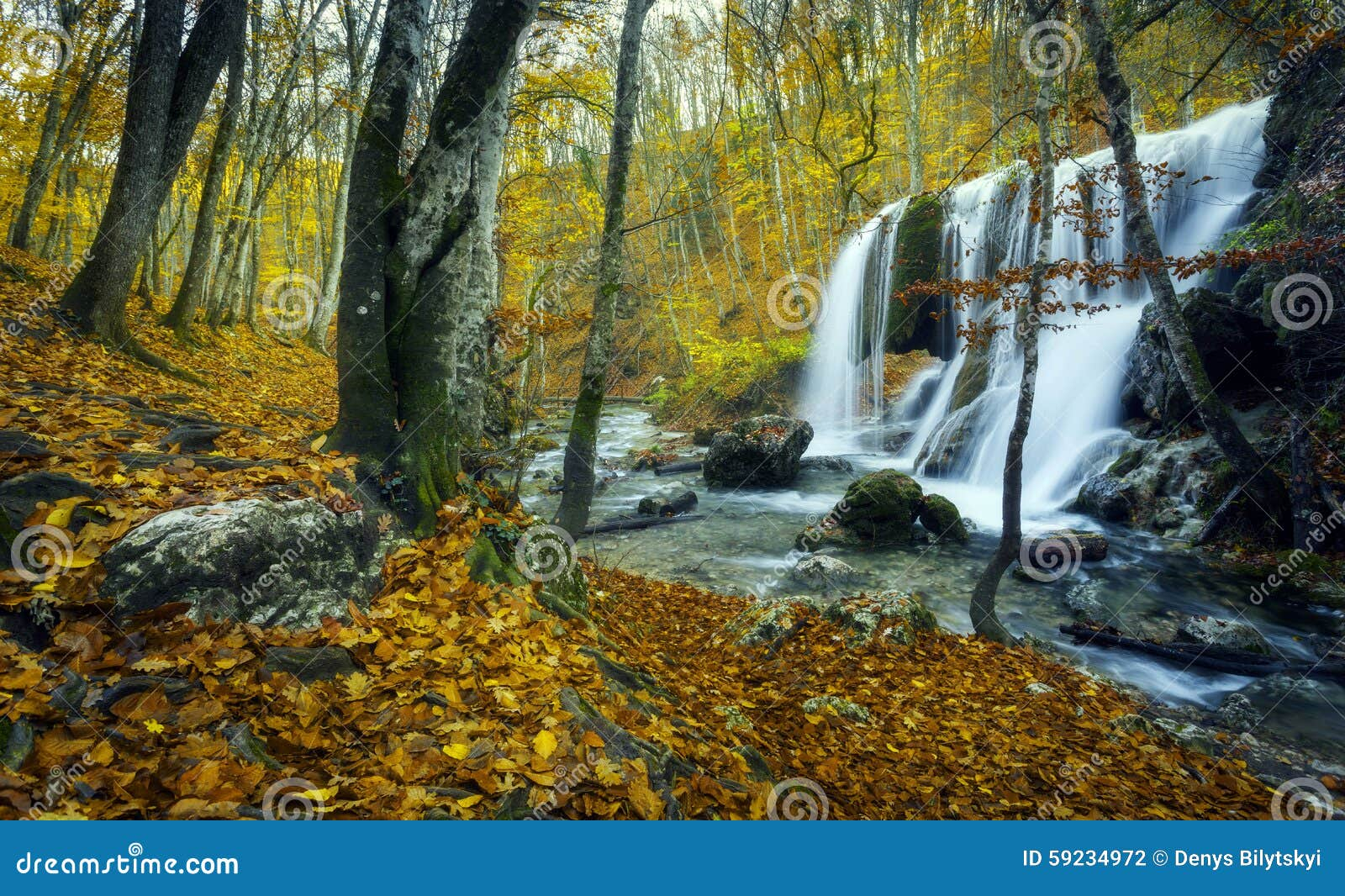
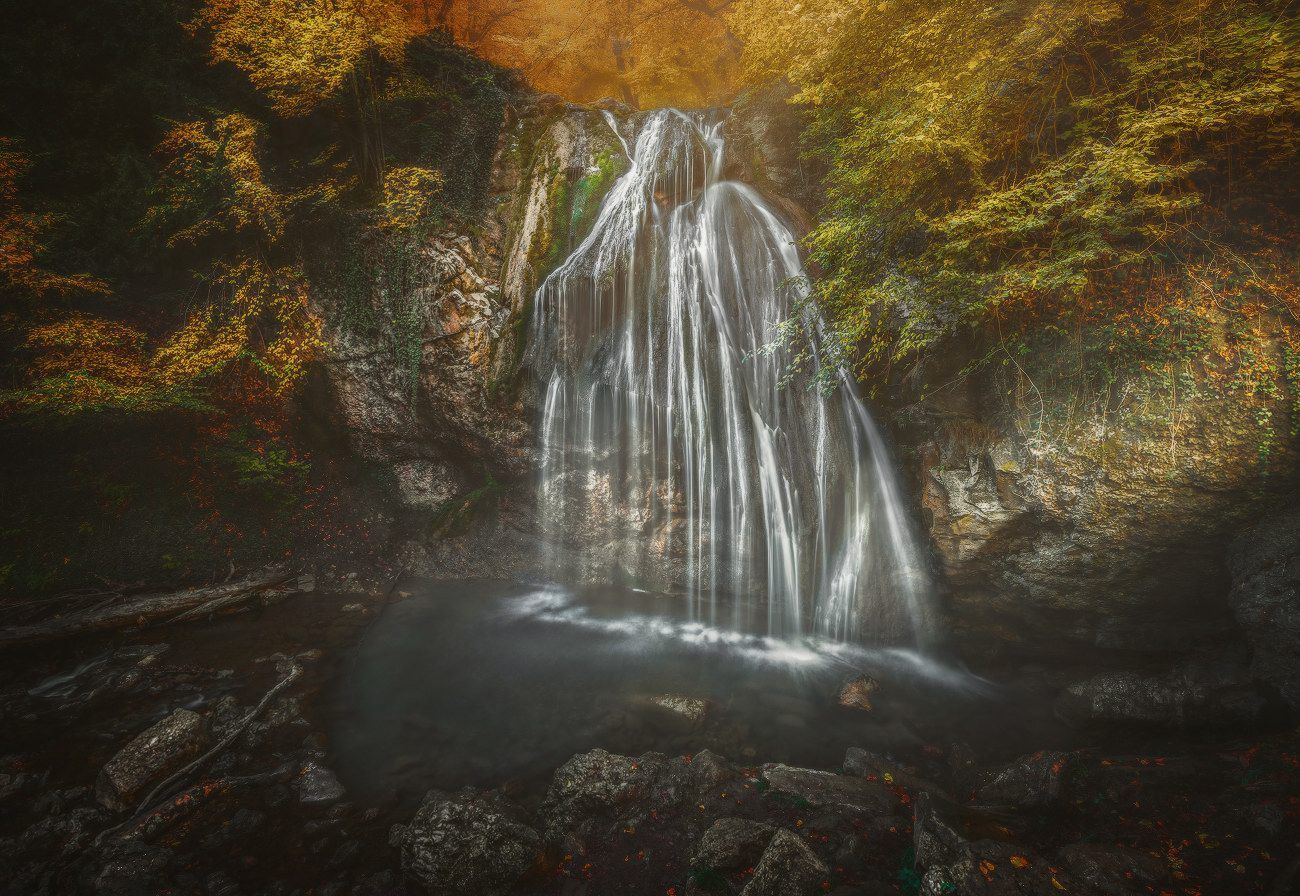
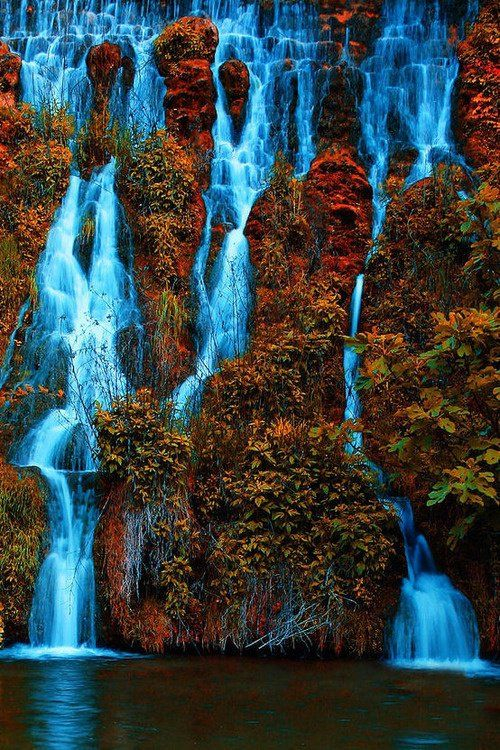
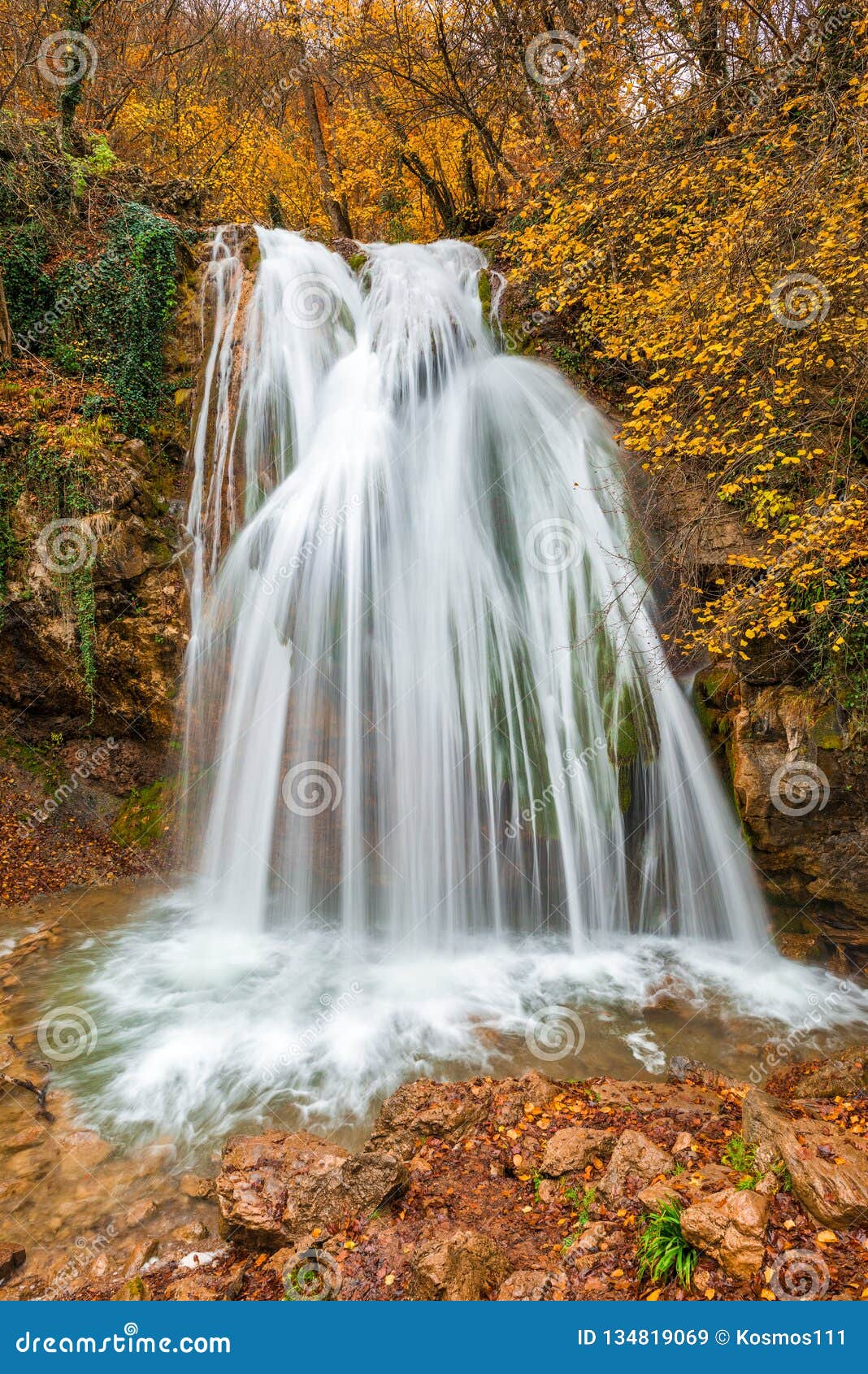
Autumn in Crimea brings a unique palette that transforms waterfalls from simple natural features into works of art. The changing leaves create a living backdrop where oranges, reds, yellows, and browns dance with the white foam of falling water. What makes this particularly special is how the colors interact with light. During those golden hours, the sun’s rays catch the water droplets and reflect off the autumn leaves, creating a kind of natural spotlight effect. This interplay between elements means that every photograph or painting becomes a study in light and color relationships.
Consider the famous Kachkanar waterfall, where the contrast between the deep green of the surrounding forest and the bright autumn foliage creates a striking composition. The water itself becomes a mirror of sorts, reflecting the vibrant colors above while maintaining its own dynamic movement. For artists, this means paying attention to how different seasons change the relationship between water, land, and sky. In spring, waterfalls might appear more dramatic and powerful, while autumn offers a softer, more contemplative quality.
Technical Approaches to Capturing Motion and Light
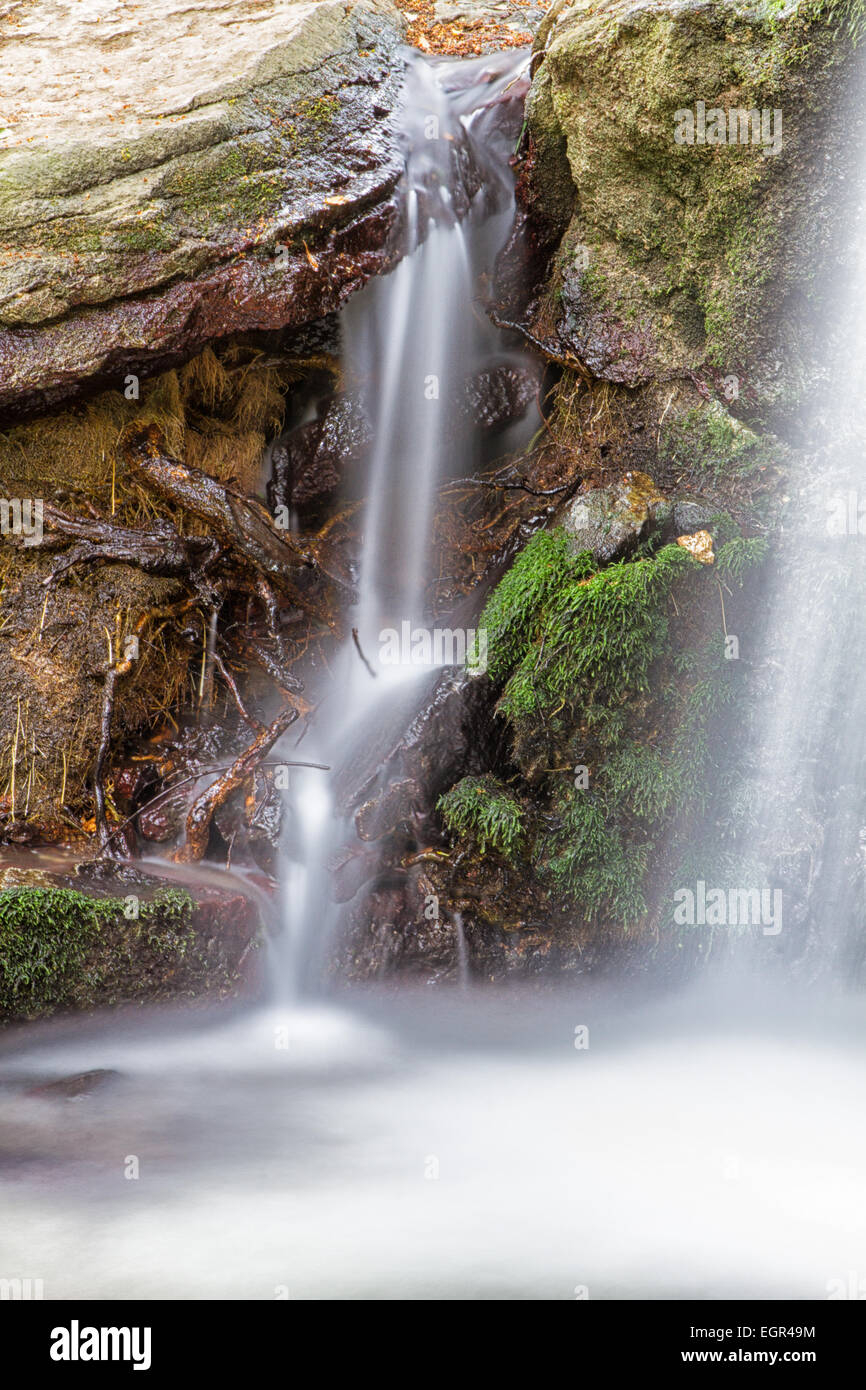
Photographing waterfalls in autumn presents several technical challenges that require specific approaches. The key is understanding how to freeze motion while preserving the sense of flow. Using a slower shutter speed can create a silky, dreamlike effect with the water, but it also requires careful consideration of lighting conditions. During autumn, when daylight is shorter and more variable, photographers often rely on natural light modifiers and sometimes artificial lighting to achieve their desired results.
For painters, the approach differs significantly. Watercolor artists might focus on capturing the mist and spray that rises from the falls, using wet-on-wet techniques to create soft edges and atmospheric effects. Oil painters often work with longer brushstrokes to convey the energy and movement of the water, while also incorporating the rich autumn colors that surround the scene. The key is recognizing that waterfalls aren’t static subjects – they’re constantly changing as water flows, leaves shift, and light moves across the landscape.
Many artists find that shooting during the first few hours after sunrise or just before sunset provides the best opportunities. The low angle of sunlight creates dramatic shadows and highlights that emphasize both the texture of the rocks and the movement of water.
Emotional Resonance in Natural Art
What makes artistic documentation of Crimean waterfalls truly powerful is the emotional impact these scenes have on viewers. There’s something about the combination of flowing water and autumn beauty that speaks to our deepest connections with nature and time. Artists who successfully document these moments do more than record a scene – they capture the feeling of being present in that moment.
Consider how different artists approach the same waterfall. One might focus on the geometric patterns formed by water hitting rocks, another on the way autumn leaves drift down onto the water surface, and yet another on the way mist interacts with sunlight. Each interpretation adds a new layer of meaning to the experience. The emotional resonance comes from understanding that we’re not just looking at water and rocks, but at a moment in time that will never repeat exactly the same way.
This emotional component is why many artists spend considerable time observing a location before attempting to document it. They watch how water behaves under different conditions, how light changes throughout the day, and how weather affects the overall atmosphere. This patience and attention to detail often separates amateur attempts from professional documentation.
Seasonal Timing and Weather Considerations
Timing plays a crucial role in successful documentation of autumn waterfalls. While the season itself provides beautiful conditions, the exact timing of rain, temperature changes, and leaf fall can dramatically alter the final result. Early autumn might offer more vibrant colors but less water flow, while later autumn could provide more dramatic water volumes but fewer bright colors.
Weather patterns also influence how artists approach their work. A sudden rainstorm can dramatically increase water flow, creating more dynamic scenes, but might also make it difficult to capture certain details. Conversely, dry conditions might show more rock textures but reduce the sense of movement and life in the waterfall. Many artists plan their shoots around weather forecasts, knowing that even small changes can affect the outcome.
The best approach often involves flexibility. Some artists schedule multiple visits to the same location, documenting how it changes over time. This allows them to capture not just one moment, but the evolution of the scene throughout the autumn season. It’s not just about finding the perfect shot, but about understanding how nature’s story unfolds.
Different Media and Their Unique Strengths
Each artistic medium offers distinct advantages when documenting Crimean waterfalls. Photography excels at capturing precise details and moments in time, allowing viewers to see exactly what the artist saw. However, the medium’s limitations lie in its ability to convey the full sensory experience of standing near a waterfall.
Painting, on the other hand, allows artists to emphasize certain elements or create idealized versions of reality. A painter might enhance the warmth of autumn colors or exaggerate the sense of movement in water to better convey the emotional impact. This creative freedom can sometimes make painted versions feel more evocative than photographs, though they may sacrifice some accuracy.
Sculpture and mixed media installations bring a tactile dimension to waterfall documentation. These approaches allow artists to represent the physical sensation of water, the weight of autumn leaves, or the sound of rushing water through materials and textures. Some contemporary artists combine photography with sculptural elements to create immersive experiences that go beyond traditional documentation.
Digital media offers exciting new possibilities for documenting waterfalls. Artists can manipulate images to highlight certain aspects or create composite scenes that blend multiple moments together. This technology allows for greater creative control while still maintaining a connection to the original location.
Preserving Cultural and Historical Significance
Crimea’s waterfalls aren’t just natural wonders – they’re part of a cultural landscape that tells stories of people, history, and tradition. Many of these sites have been documented by artists for generations, creating a visual record that connects past and present. When artists document these locations, they’re participating in a larger conversation about conservation and cultural heritage.
Consider how artists might approach documenting a waterfall that’s part of local folklore or historical significance. The way they choose to frame the scene, what details they emphasize, and how they interpret the relationship between human presence and natural beauty all contribute to the ongoing narrative about these places. Some artists focus on the architectural elements that have been added to enhance access to waterfalls, while others emphasize the natural elements that remain unchanged.
Documentation also plays a role in raising awareness about environmental issues. By showcasing the beauty of these locations, artists help build appreciation for conservation efforts. When people see how stunning these waterfalls are, they’re more likely to support protection measures that ensure future generations can enjoy the same views. This responsibility adds depth to the artistic process, making documentation not just about personal expression but about community stewardship.
Documenting Crimea’s autumn waterfalls is more than just recording pretty pictures or paintings. It’s about capturing the essence of a season that transforms the landscape into something extraordinary. Every artist brings their unique perspective to these natural wonders, whether through photography, painting, sculpture, or digital media. The beauty lies not just in what’s seen, but in how that vision is translated into art that others can experience and appreciate.
These waterfalls serve as reminders that nature’s most dramatic moments often happen when we least expect them. The combination of seasonal changes, natural forces, and artistic vision creates something that transcends simple documentation. It becomes a form of storytelling, a way of preserving memories, and a method of connecting with the deeper rhythms of the natural world. Whether you’re an artist yourself or simply someone who appreciates beauty, there’s something profound about witnessing and recording these seasonal transformations. The challenge and joy of this documentation lies in finding ways to share that wonder with others, ensuring that future generations can experience the magic of Crimea’s autumn waterfalls.
[sps_html tag=”img” src=”https://cdn.theartssection.com/wp-content/uploads/2025/10/cascading-waterfall-in-crimea-landscape-park-vorontsov-palace-stock-intended-for-the-artistic-beauty-of-crimeas-waterfall-during-harvest-time.jpg” alt=”Cascading Waterfall In Crimea Landscape Park Vorontsov Palace Stock … intended for The Artistic Beauty of Crimea's Waterfall During Harvest Time” style=”width: 100%; height: auto;”]
[sps_html tag=”img” src=”https://cdn.theartssection.com/wp-content/uploads/2025/10/beautiful-waterfall-in-autumn-forest-in-crimean-mountains-at-sun-stock-for-crimea-waterfall-in-the-fall-photograph-print-5-panels.jpg” alt=”Beautiful Waterfall In Autumn Forest In Crimean Mountains At Sun Stock … for "Crimea Waterfall In The Fall" Photograph Print, 5 Panels” style=”width: 100%; height: auto;”]
[sps_html tag=”img” src=”https://cdn.theartssection.com/wp-content/uploads/2025/10/vertical-photo-of-the-beautiful-waterfall-jur-jur-in-the-crimea-stock-throughout-crimea-waterfall-in-the-fall-photograph-print-5-panels.jpg” alt=”Vertical Photo Of The Beautiful Waterfall Jur-Jur In The Crimea Stock … throughout "Crimea Waterfall In The Fall" Photograph Print, 5 Panels” style=”width: 100%; height: auto;”]
[sps_html tag=”img” src=”https://cdn.theartssection.com/wp-content/uploads/2025/10/djur-djur-the-most-full-flowing-waterfall-in-the-crimea-tuscany-within-crimea-waterfall-in-the-fall-photograph-print-5-panels.jpg” alt=”Djur-Djur - The Most Full-Flowing Waterfall In The Crimea | Tuscany … within "Crimea Waterfall In The Fall" Photograph Print, 5 Panels” style=”width: 100%; height: auto;”]
[sps_html tag=”img” src=”https://cdn.theartssection.com/wp-content/uploads/2025/10/photo-of-nature-waterfall-crimea-ukraine-beautiful-waterfalls-pertaining-to-the-artistic-beauty-of-crimeas-waterfall-during-harvest-time.jpg” alt=”Photo-Of-Nature-Waterfall Crimea, Ukraine | Beautiful Waterfalls … pertaining to The Artistic Beauty of Crimea's Waterfall During Harvest Time” style=”width: 100%; height: auto;”]