Every time you choose a handwoven rug, a carved wooden bowl, or a hand-thrown ceramic vase, you’re making a decision that goes far beyond aesthetics. You’re voting with your wallet for traditions that have been passed down through generations. In our fast-paced world of mass production, these artisanal treasures represent something precious – the human touch that makes homes feel alive and meaningful.
Think about the last time you touched something made by hand. Maybe it was a vintage wooden table that’s seen decades of family dinners, or perhaps a hand-painted ceramic that brings joy to your kitchen counter. These objects aren’t just furniture or decorations – they’re stories wrapped in wood, clay, and thread. Today, we’re facing a crisis of sorts in the world of craftsmanship. While machines can produce things quickly and cheaply, they cannot replicate the soul that lives in handmade items. The question isn’t whether we should embrace modern design, but rather how we can honor both innovation and tradition in our living spaces.
The Crisis of Crafted Things
Industrialization changed everything. What used to take days or weeks to create can now be produced in hours. This shift has led to a dramatic decline in traditional craft skills. When we buy mass-produced items, we’re not just choosing convenience – we’re choosing to disconnect from centuries of accumulated knowledge. Many craftspeople are leaving their trades because there’s little demand for their work. The ripple effect means that entire communities lose their cultural identity, along with the techniques that were once essential to daily life.
Consider the potter who learned their craft from their grandmother, or the woodworker whose grandfather taught them to shape timber by hand. These skills are disappearing faster than we realize. When we choose modern decor over traditional craftsmanship, we’re essentially saying we don’t value the wisdom embedded in these practices. It’s like forgetting how to make bread when you could simply buy it from a store – the knowledge is still there, but it’s slowly fading away.
Why Artisanal Items Matter More Than Ever
Artisanal goods offer something that mass production never could – authenticity. Each piece carries the unique imperfections and characteristics that make it special. A handwoven textile will have slight variations in pattern that tell the story of the weaver’s mood that day, or the way light hit their workshop. These subtle differences are beautiful because they show that someone cared enough to put their heart into creation.
Moreover, these items often last longer than their machine-made counterparts. A well-crafted wooden chair will outlast a plastic one by decades. The materials used are typically of higher quality too, as artisans often prefer the best raw materials for their work. This creates a better experience for the user and reduces environmental impact in the long run. Think about how much better it feels to sit on a chair that was carefully constructed by someone who understood wood grain and balance, rather than one that was assembled by a machine without regard for comfort or durability.
Identifying Authentic Handcrafted Pieces
Not every item labeled ‘handmade’ is truly crafted by hand. Some manufacturers use the term loosely to increase prices, while others genuinely try to honor traditional methods. Here are some ways to spot the real deal:
• Look for small inconsistencies in shape, size, or color – these are hallmarks of human craftsmanship
• Check the materials used – high-quality natural materials like wood, wool, or clay indicate genuine effort
• Research the maker – authentic artisans usually have stories about their process and training
• Examine construction details – handcrafted items often show visible stitching, joins, or finishing techniques
• Feel the weight and texture – real handmade items usually feel substantial and have a particular heft
The key is to pay attention to the details that reveal the human element. A perfectly symmetrical item might be machine-made, while a slightly uneven bowl could be a sign of careful handwork. Sometimes, the imperfections are the most beautiful part.
Supporting Artisans Through Smart Shopping
Making conscious choices about what to buy is one of the most powerful ways to support traditional crafts. Start by shopping at local markets, craft fairs, or online platforms that connect directly with artisans. These venues often provide more transparency about the production process. When you meet the person who made your item, you gain insight into their journey and the skills they’ve developed over years of practice.
Consider building relationships with makers – ask about their background, training, and what inspires them. This personal connection transforms shopping from a transaction into a relationship. You’re not just buying a product; you’re investing in someone’s livelihood and their ability to continue practicing their craft. Many artisans rely on direct sales to make ends meet, so every purchase matters.
Another approach is to prioritize longevity over trends. Instead of buying a trendy item that will become outdated in months, invest in something that will remain beautiful and functional for years. This supports artisans who create quality pieces and helps reduce waste in our consumer culture.
Modern Design That Respects Traditional Methods
Contemporary design doesn’t have to mean abandoning traditional techniques. In fact, many designers today are working to blend old and new methods. They’re creating modern furniture that uses traditional joinery techniques, or designing contemporary spaces that incorporate handwoven textiles and naturally sourced materials.
The beauty lies in finding balance between what works for today’s lifestyle and what honors past traditions. For example, a modern living room might feature sleek lines with a handwoven area rug, or a contemporary kitchen could include cabinets built using traditional woodworking methods. These combinations create spaces that feel both fresh and rooted in history.
Some designers are even creating new interpretations of traditional crafts for modern audiences. They might take ancient weaving patterns and apply them to contemporary textiles, or adapt traditional pottery techniques to make functional modern vessels. This evolution keeps crafts alive while making them relevant to current lifestyles.
The Ripple Effect of Your Decor Choices
When you choose to buy from artisans, you’re creating a chain reaction that benefits everyone involved. The maker gets fair compensation for their skill and time, which allows them to continue their craft and potentially train others. The community benefits from the economic activity and cultural preservation that comes with skilled craftsmanship. Even the environment wins, since artisanal items often use fewer resources and last longer than mass-produced alternatives.
Your choice to support traditional crafts also encourages others to do the same. When people see that there’s demand for handmade items, more artisans may be inspired to pursue their crafts, or existing ones might expand their businesses. This creates a positive feedback loop that strengthens the entire ecosystem of traditional craftsmanship.
Consider how your purchases might influence future generations. If you’re buying items that support artisans, you’re helping ensure that children will grow up learning these skills. You’re preserving knowledge that might otherwise disappear forever, making sure that future homeowners will still be able to appreciate the beauty and quality that only human hands can create.
The decisions we make about home decor are more significant than we often realize. Every time we choose a handcrafted item over a machine-made alternative, we’re participating in something larger than ourselves. We’re helping to preserve skills that have been developed over centuries, supporting individuals who depend on their talents for livelihood, and creating living spaces that reflect deeper values and connections. This isn’t about rejecting modernity or romanticizing the past – it’s about finding ways to honor both progress and tradition. By being mindful consumers and thoughtful curators of our living spaces, we can ensure that the beautiful practices of traditional craftsmanship continue to thrive. The next time you’re looking at a handwoven tapestry or admiring a carved wooden table, remember that you’re not just decorating your home – you’re supporting a way of life that deserves to continue.
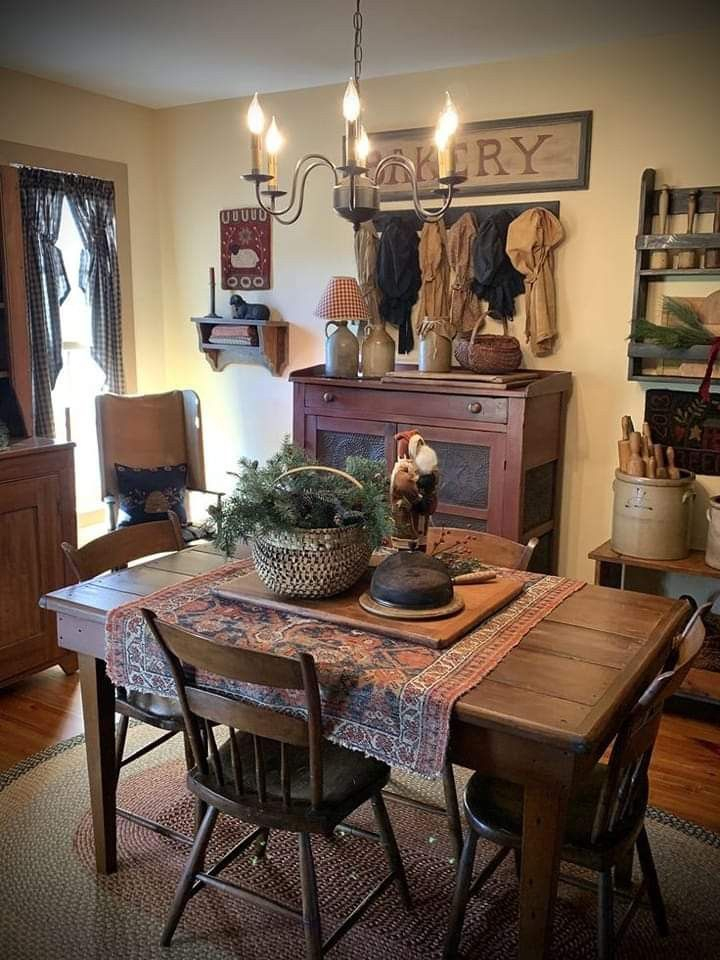
[sps_html tag=”img” src=”https://cdn.theartssection.com/wp-content/uploads/2025/11/pin-on-primitiveand-country-decorating-primitive-dining-rooms-intended-for-how-primitive-home-decors-transforms-traditional-farmhouse-decor.jpg” alt=”Pin On ~ Primitive~And~ Country Decorating ~. | Primitive Dining Rooms … intended for How Primitive Home Decors Transforms Traditional Farmhouse Decor” style=”width: 100%; height: auto;”]
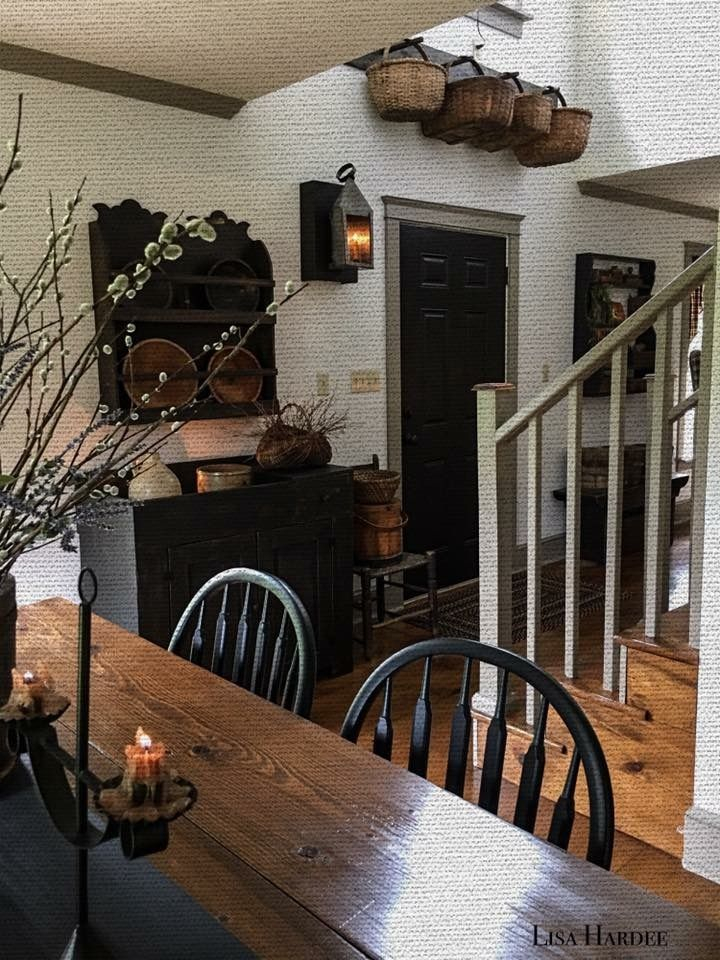
[sps_html tag=”img” src=”https://cdn.theartssection.com/wp-content/uploads/2025/11/primitive-farmhouse-fall-home-tour-artofit-pertaining-to-rustic-red-36-dimensional-barn-star-by-primitive-home-decors.jpg” alt=”Primitive Farmhouse Fall Home Tour – Artofit pertaining to Rustic Red 36" Dimensional Barn Star By Primitive Home Decors” style=”width: 100%; height: auto;”]
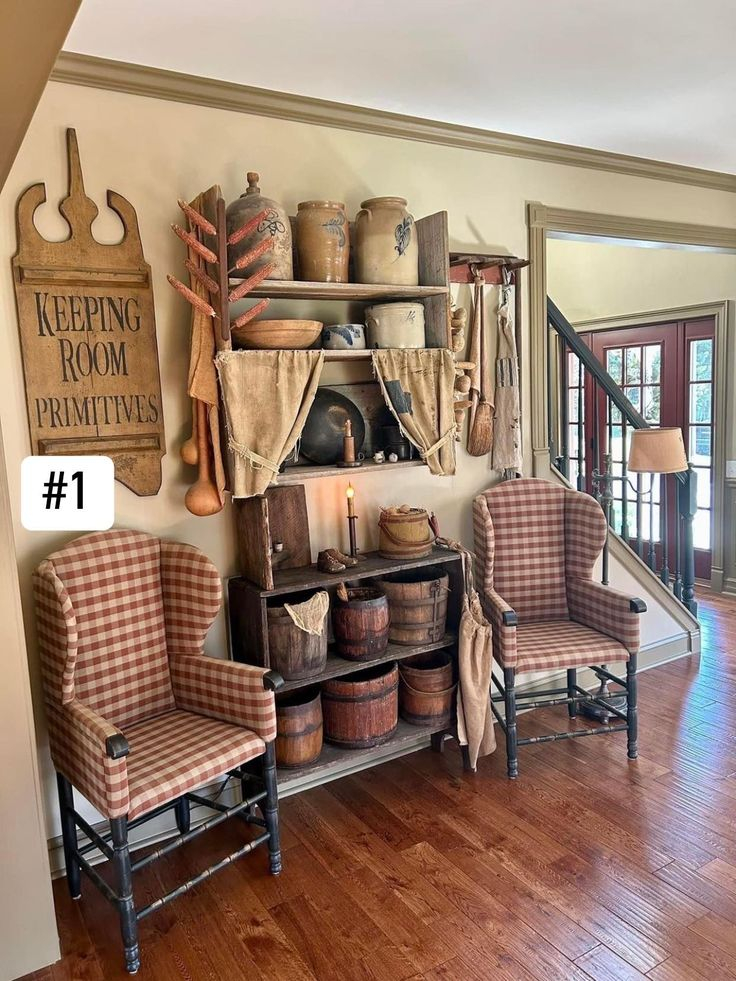
[sps_html tag=”img” src=”https://cdn.theartssection.com/wp-content/uploads/2025/11/1861-best-primitive-homes-decor-images-on-pinterest-primitive-decor-with-rustic-red-36-dimensional-barn-star-by-primitive-home-decors.jpg” alt=”1861 Best Primitive Homes/Decor Images On Pinterest | Primitive Decor … with Rustic Red 36" Dimensional Barn Star By Primitive Home Decors” style=”width: 100%; height: auto;”]
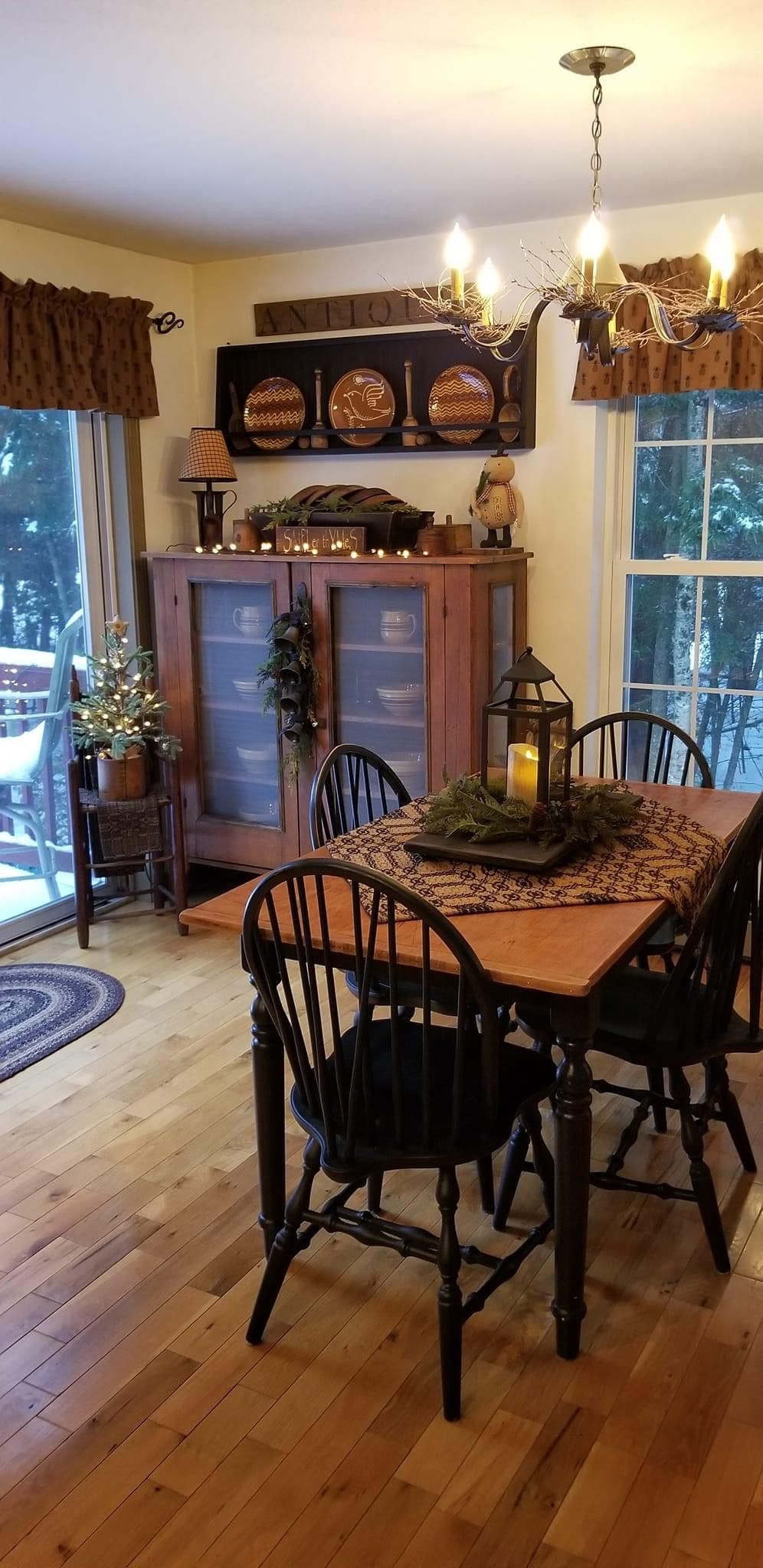
[sps_html tag=”img” src=”https://cdn.theartssection.com/wp-content/uploads/2025/11/pin-by-claudia-foster-on-primitive-decor-primitive-home-decorating-with-regard-to-rustic-red-36-dimensional-barn-star-by-primitive-home-decors.jpg” alt=”Pin By Claudia Foster On Primitive Decor | Primitive Home Decorating … with regard to Rustic Red 36" Dimensional Barn Star By Primitive Home Decors” style=”width: 100%; height: auto;”]
[sps_html tag=”img” src=”https://cdn.theartssection.com/wp-content/uploads/2025/11/my-sweet-home-living-primitive-living-room-primitive-home-decorating-inside-rustic-red-36-dimensional-barn-star-by-primitive-home-decors.jpg” alt=”My Sweet Home Living | Primitive Living Room, Primitive Home Decorating … inside Rustic Red 36" Dimensional Barn Star By Primitive Home Decors” style=”width: 100%; height: auto;”]