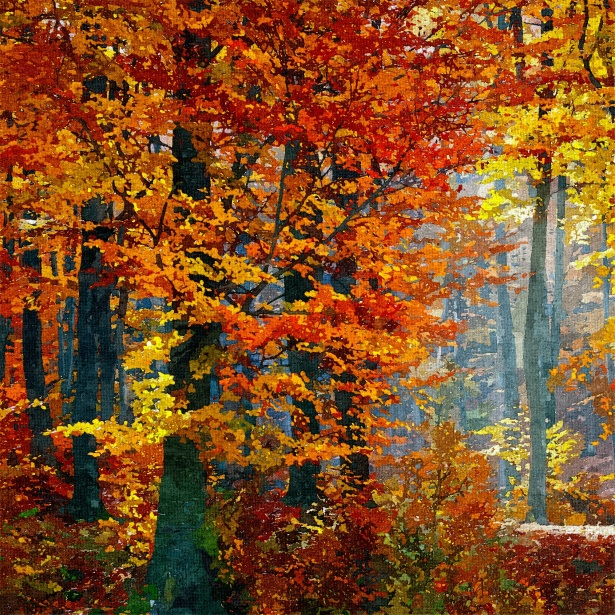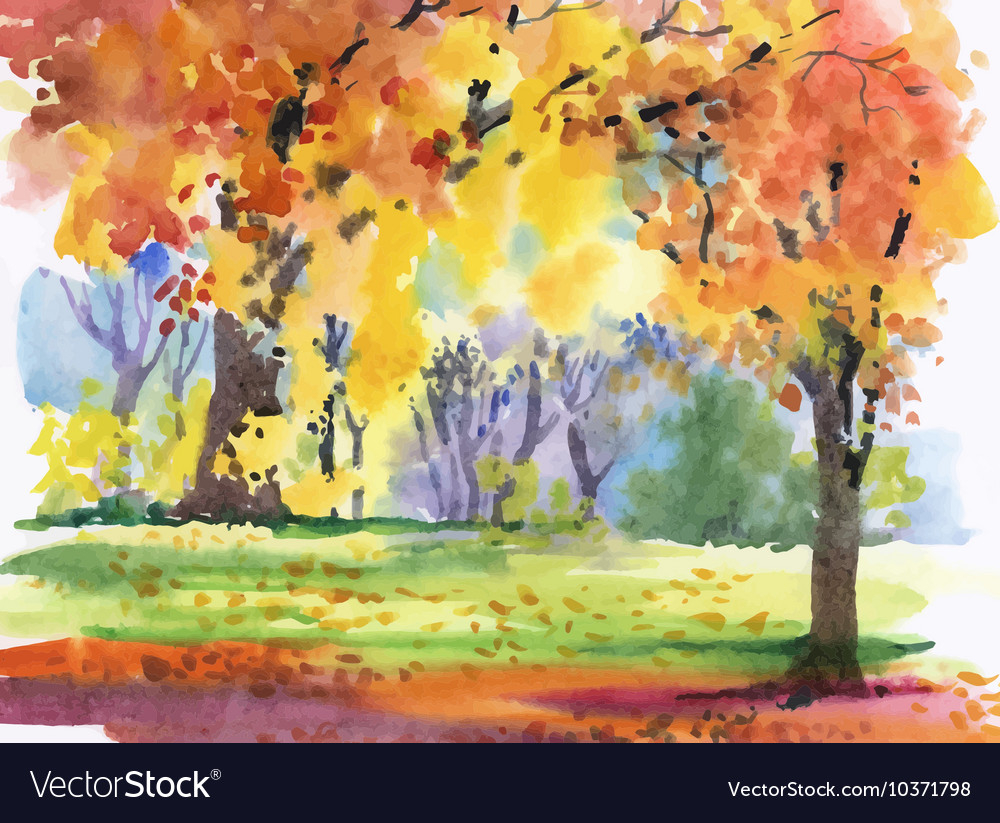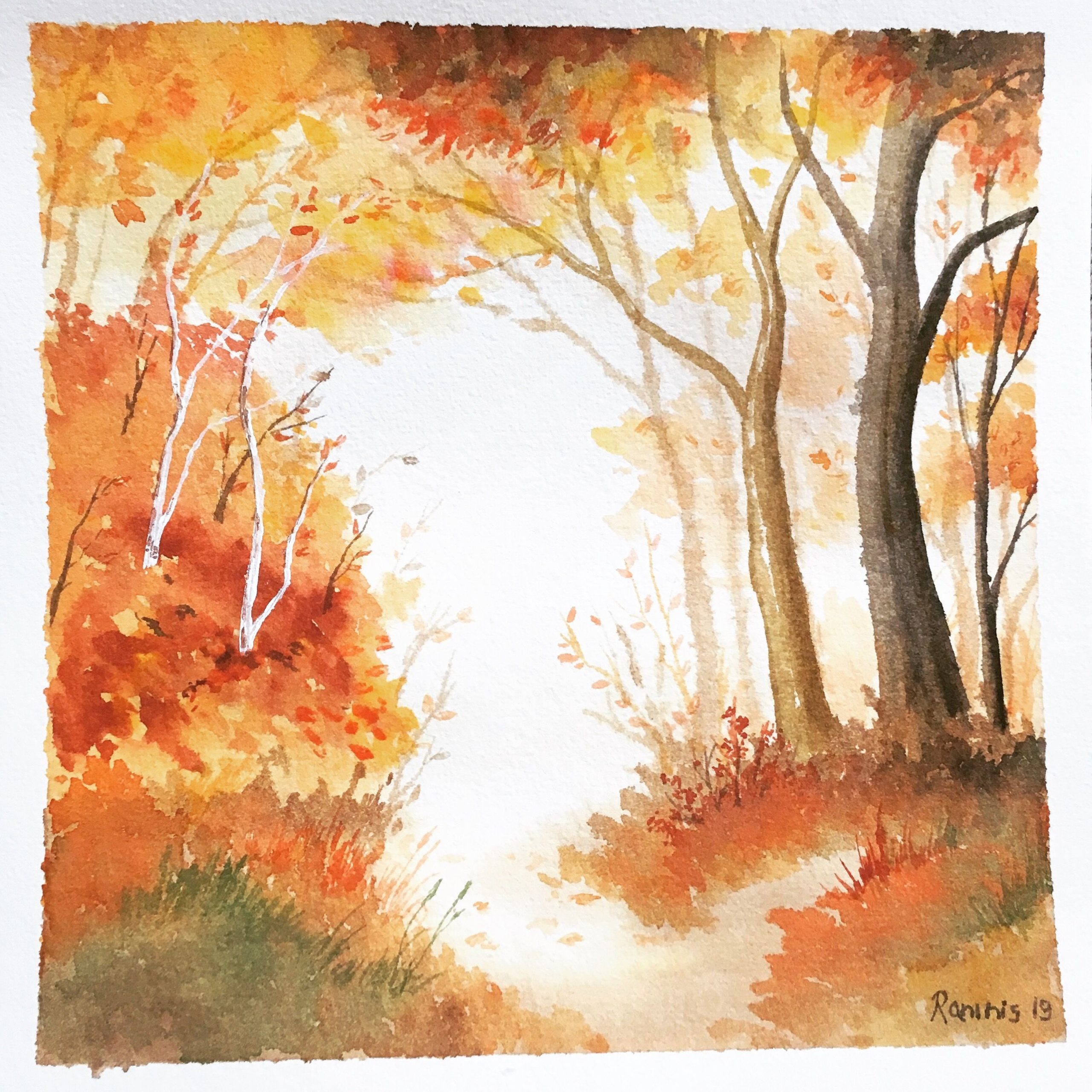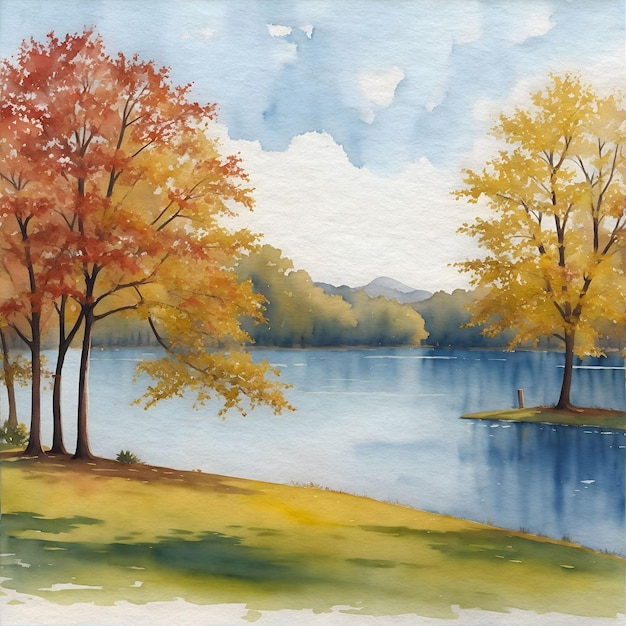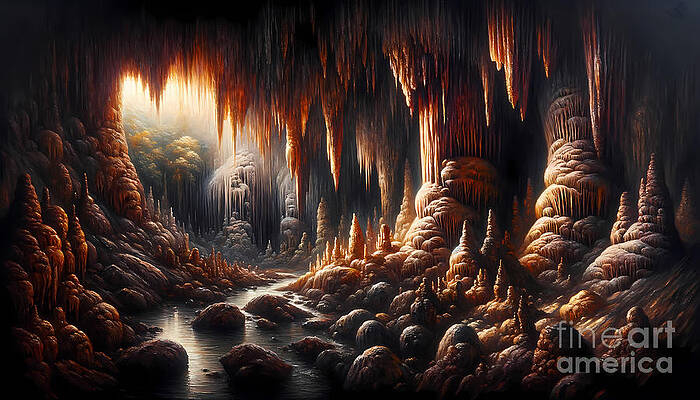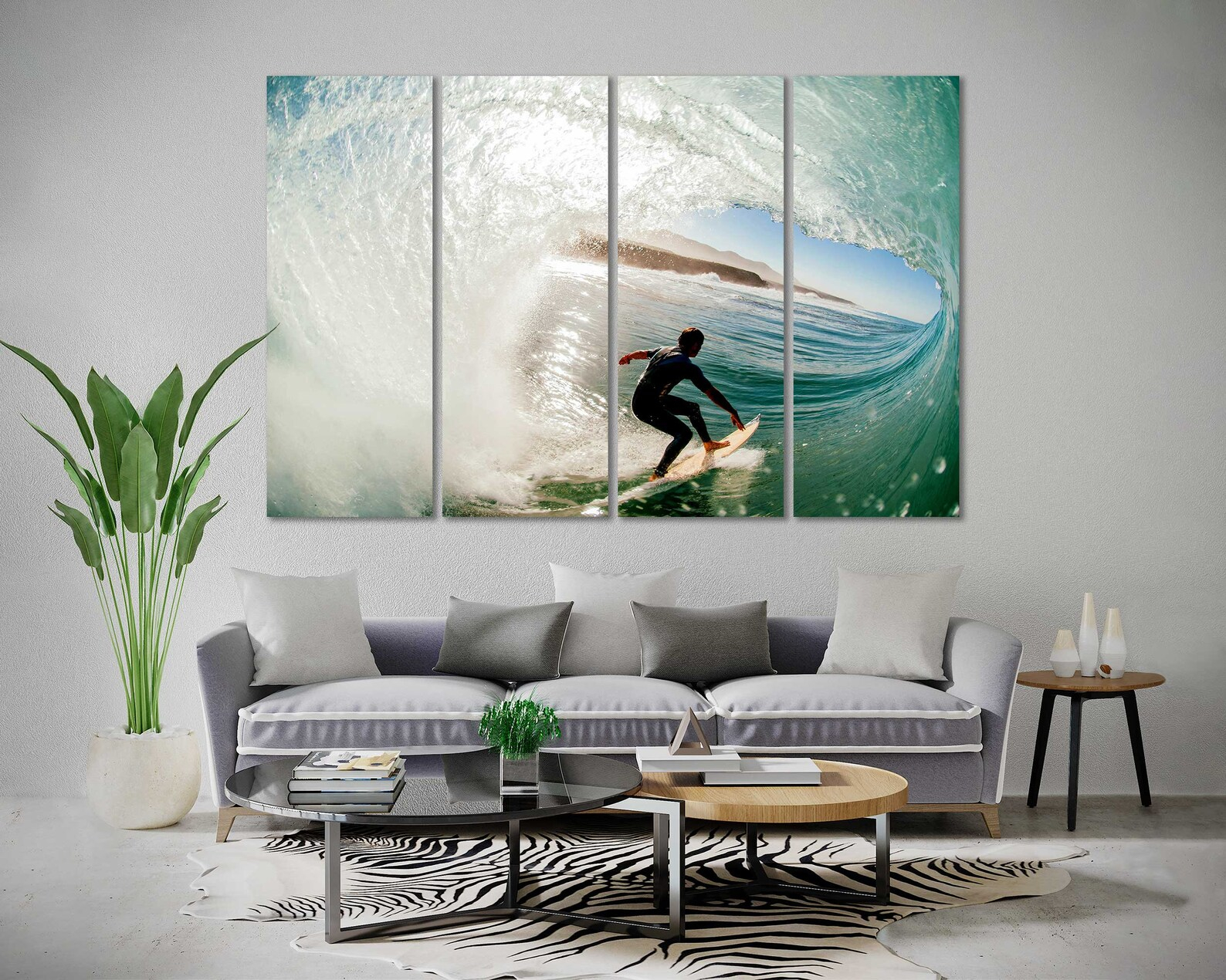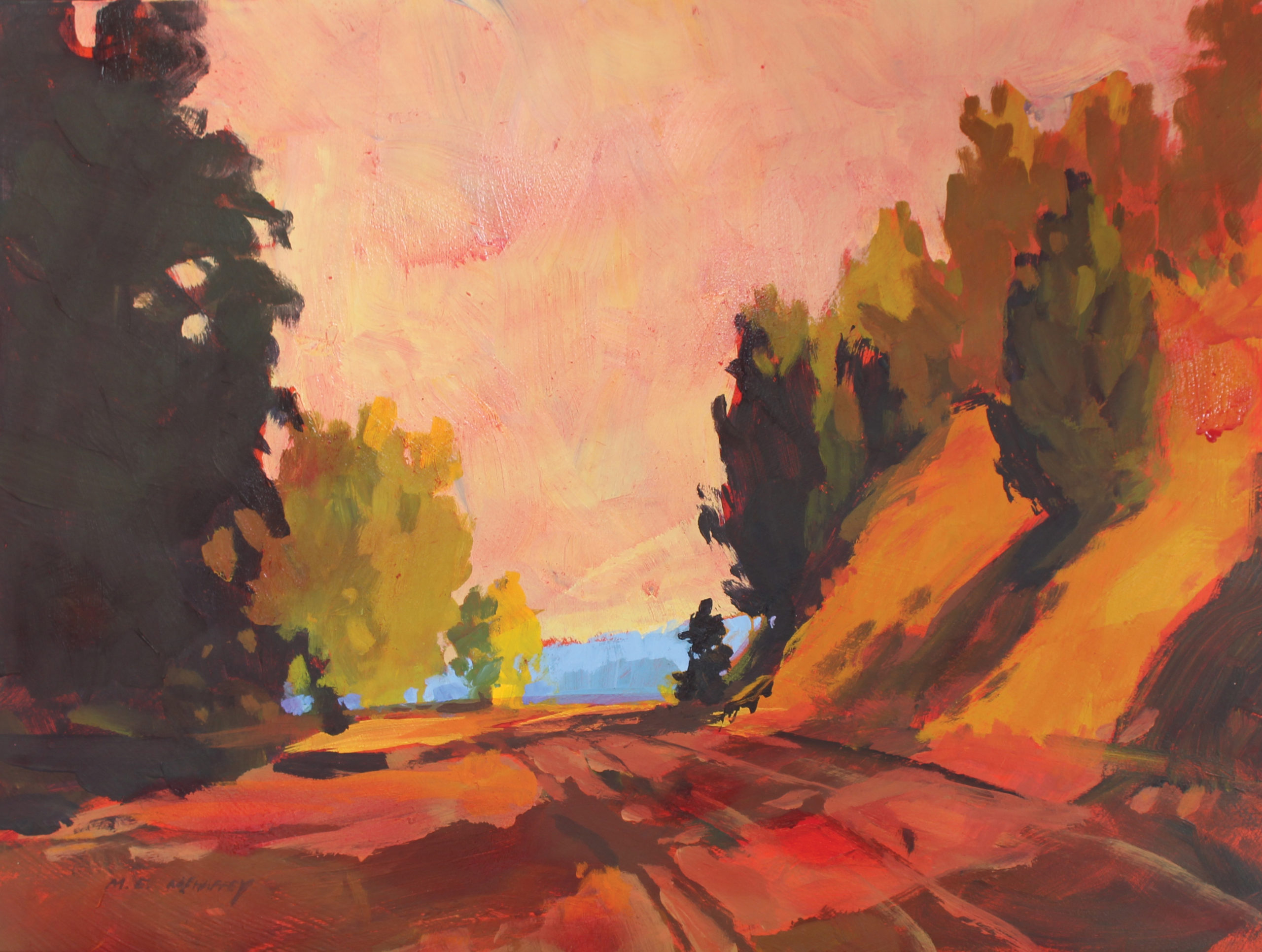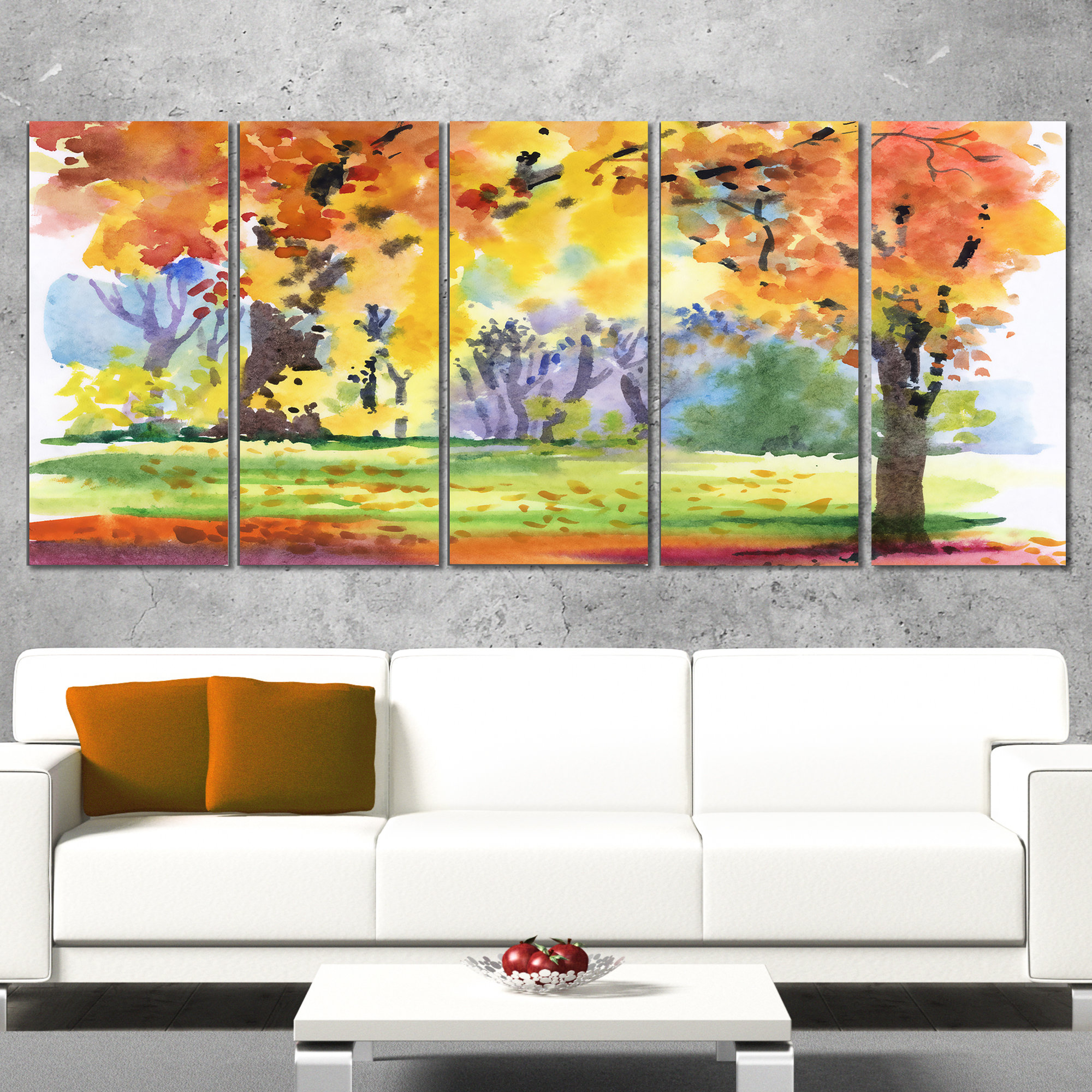
Picture this: you’re standing before a stunning collection of watercolor paintings, each one a window into a different season, time of day, or perspective. These aren’t random splashes of color and brushstrokes. They’re carefully crafted visual symphonies that tell a complete story. The art of creating four-panel landscape watercolor compositions isn’t just about painting four separate scenes. It’s about weaving them together into something greater than the sum of their parts.
Watercolor landscapes have always held a special place in the hearts of artists and viewers alike. When we think of landscape art, we often envision vast vistas, rolling hills, or dramatic mountain ranges. But what happens when we take that expansive beauty and divide it into four distinct yet connected panels? That’s where the real magic begins. Four-panel watercolor landscapes offer artists a unique canvas for storytelling while providing viewers with multiple perspectives of the same scene or theme. This format challenges artists to balance individual panel identity with overall composition harmony. It’s like conducting an orchestra where each instrument plays its part, yet together they create a masterpiece.
Understanding the Foundation of Panel Composition
Before diving into paint and paper, understanding how to structure your four panels is crucial. Think of these panels not as separate works, but as chapters in a visual book. Each panel needs to breathe independently while contributing to the larger narrative. The key lies in establishing a clear relationship between panels. Consider the elements that connect them – perhaps a common tree, a shared horizon line, or similar lighting conditions. This connection creates unity even when the scenes differ significantly. For instance, if you’re depicting a forest scene across four panels, maybe one shows morning light filtering through leaves, another captures the same trees at noon, a third portrays the afternoon shadows, and the fourth reveals the twilight transformation. The viewer recognizes the forest but experiences it through different temporal lenses.
Color Harmony Across Multiple Panels
Color consistency often makes or breaks a successful four-panel series. When working with multiple panels, you’re essentially creating a color palette that flows from one canvas to the next. Start by choosing a primary color scheme that represents your overall theme. Whether it’s earth tones for a rustic countryside, cool blues for a coastal setting, or vibrant oranges for autumn scenes, consistency helps tie everything together. But remember, harmony doesn’t mean uniformity. Allow each panel to have its own color variations while maintaining the overarching palette. For example, a four-panel ocean scene might feature varying shades of blue and green, but each panel introduces subtle differences in hue to prevent monotony. The artist must carefully consider how colors interact with each other across panels, ensuring that transitions feel natural rather than jarring.
Establishing Visual Flow and Continuity
One of the most challenging aspects of four-panel art is maintaining visual continuity. Your viewers shouldn’t feel like they’re looking at unrelated pieces. Instead, they should experience a seamless journey through your chosen landscape. This means thinking about how the eye moves from one panel to the next. A strong compositional element like a winding path, a river, or a distinctive landmark can guide the viewer’s gaze naturally. Sometimes the continuity comes from subtle details – perhaps a recurring bird, a particular type of flower, or a specific rock formation that appears in different panels. These visual threads create a sense of familiarity and connection that makes the entire series feel cohesive.
Mastering Scale and Proportion Techniques
Working with four panels means managing scale relationships across multiple canvases. What looks impressive on one panel might appear insignificant on another, especially when dealing with large landscape elements. The artist must decide whether to maintain consistent proportions or allow for creative variation. In some cases, emphasizing certain elements in specific panels can add dramatic impact. For instance, a distant mountain range might dominate one panel while appearing as a gentle silhouette in another. The key is intentional decision-making. Every element should serve both its individual panel purpose and contribute to the overall composition. Understanding how scale affects perception helps artists create panels that work well individually while maintaining their relationship within the series.
Lighting and Atmospheric Conditions
Lighting provides one of the most powerful unifying elements in four-panel landscapes. Whether you’re showing the same scene at different times of day or representing various weather conditions, consistent lighting helps establish connection between panels. Pay attention to how light affects colors, shadows, and overall mood. A bright sunny morning panel will have different characteristics than a misty dawn scene. However, the underlying light source should remain consistent across all panels to maintain realism. Some artists choose to show the same location during different seasons, allowing atmospheric conditions to vary while keeping the core elements constant. This approach demonstrates how environmental factors transform familiar landscapes into entirely new experiences.
Practical Tips for Execution and Planning
Planning ahead is essential when working with four-panel compositions. Many artists find success in sketching out their concepts first, mapping how each panel relates to the others. Consider creating a master plan that includes:
• Establishing a clear theme or story arc
• Deciding on the relationship between panels
• Planning color schemes and lighting conditions
• Mapping out compositional elements that connect panels
• Determining the appropriate scale for each panel
Start with smaller test panels to experiment with your ideas before committing to full-size works. Don’t forget to leave room for spontaneous discoveries during the actual painting process. Sometimes the most beautiful results come from unexpected interactions between panels. Remember that each panel should stand alone as a complete artwork while serving the greater whole.
Creating visual harmony in four-panel landscape watercolor art is both an art and a science. It requires careful planning, deep understanding of composition principles, and a willingness to embrace the unexpected. The magic happens when each panel contributes to a larger story while maintaining its own unique character. Whether you’re exploring seasonal changes, different times of day, or varying perspectives of the same location, the key lies in thoughtful connection. The most successful four-panel series feel like a conversation between artist and viewer, where each panel adds a new layer of meaning to the overall experience. As you embark on your own four-panel journey, remember that perfection comes from practice, patience, and the courage to let your artistic vision shine through every brushstroke.
[sps_html tag=”img” src=”https://cdn.theartssection.com/wp-content/uploads/2025/12/original-watercolor-painting-autumn-forest-autumnal-scenery-etsy-pertaining-to-exploring-the-artistic-essence-of-autumn-park-yellow-trees-watercolor-landscape-wall-art-scaled.jpg” alt=”Original Watercolor Painting Autumn Forest Autumnal Scenery - Etsy … pertaining to Exploring the Artistic Essence of Autumn Park Yellow Trees Watercolor Landscape Wall Art” style=”width: 100%; height: auto;”]
[sps_html tag=”img” src=”https://cdn.theartssection.com/wp-content/uploads/2025/12/watercolor-autumn-park-yellow-trees-royalty-free-vector-within-autumn-park-yellow-trees-watercolor-landscape-wall-wall-art-4-panels.jpg” alt=”Watercolor Autumn Park Yellow Trees Royalty Free Vector within "Autumn Park Yellow Trees Watercolor" Landscape Wall Wall Art, 4 Panels” style=”width: 100%; height: auto;”]
[sps_html tag=”img” src=”https://cdn.theartssection.com/wp-content/uploads/2025/12/autumn-park-yellow-trees-watercolor-landscape-wall-wall-art-60×28-within-autumn-park-yellow-trees-watercolor-landscape-wall-wall-art-4-panels.jpg” alt=”"Autumn Park Yellow Trees Watercolor" Landscape Wall Wall Art, 60"X28 … within "Autumn Park Yellow Trees Watercolor" Landscape Wall Wall Art, 4 Panels” style=”width: 100%; height: auto;”]
[sps_html tag=”img” src=”https://cdn.theartssection.com/wp-content/uploads/2025/12/premium-photo-fall-park-watercolor-painting-regarding-exploring-the-artistic-essence-of-autumn-park-yellow-trees-watercolor-landscape-wall-art.jpg” alt=”Premium Photo | Fall Park Watercolor Painting regarding Exploring the Artistic Essence of Autumn Park Yellow Trees Watercolor Landscape Wall Art” style=”width: 100%; height: auto;”]
[sps_html tag=”img” src=”https://cdn.theartssection.com/wp-content/uploads/2025/12/watercolor-tree-fall-in-autumn-park-yellow-trees-watercolor-landscape-wall-wall-art-4-panels.jpg” alt=”Watercolor Tree Fall in "Autumn Park Yellow Trees Watercolor" Landscape Wall Wall Art, 4 Panels” style=”width: 100%; height: auto;”]