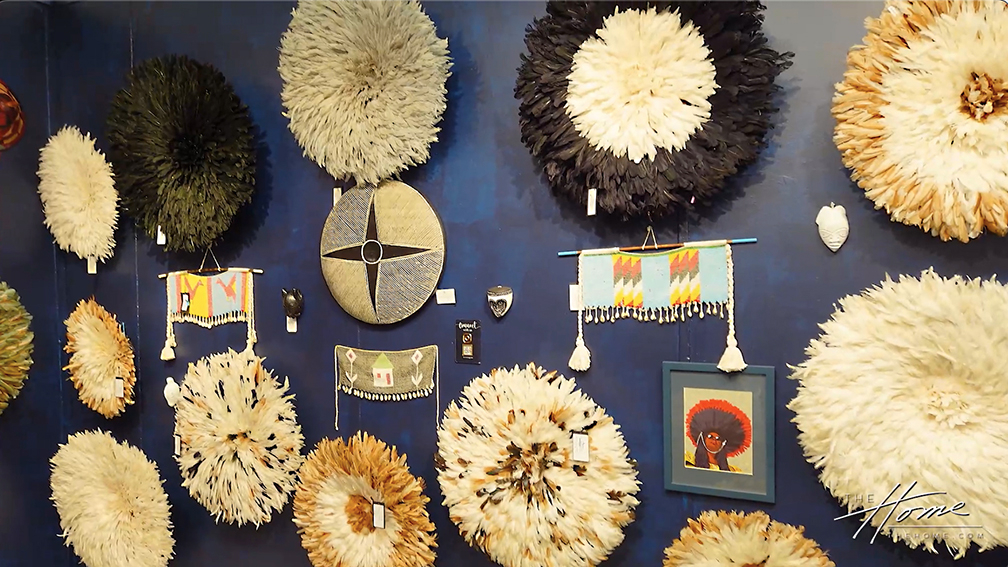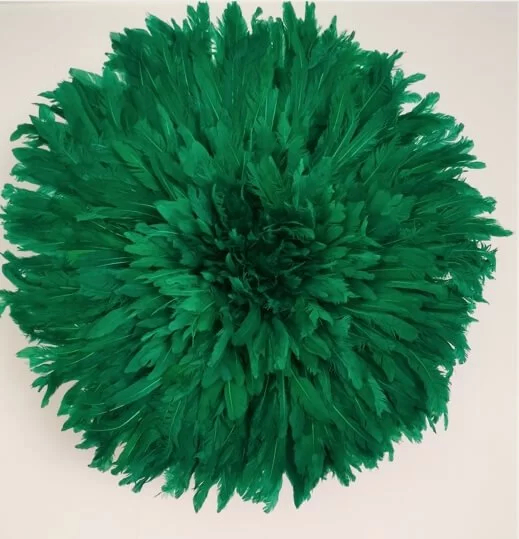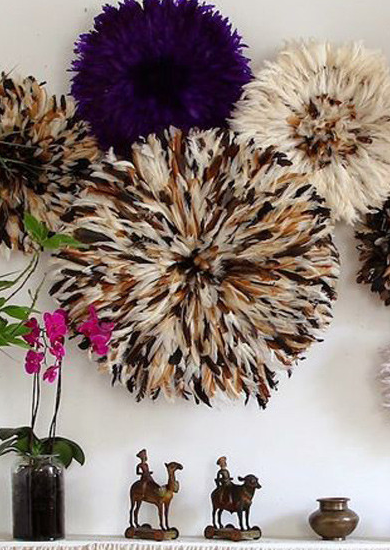
When you look at a traditional juju hat, what do you really see? Is it just colorful fabric and intricate patterns, or does it hold deeper meanings that connect us to ancient traditions and spiritual beliefs? These decorative elements aren’t accidental – they’re deliberate expressions of identity, status, and cultural heritage that have been passed down through generations.
Juju hat decor might seem like simple embellishment at first glance, but peel back the layers and you’ll discover a complex web of symbolism, history, and cultural importance. These ornamental elements tell stories that span centuries, connecting wearers to their ancestors and communities in profound ways. Whether you’re a collector, student of culture, or simply curious about traditional crafts, understanding what these decorations mean opens doors to appreciating the rich heritage behind each piece. The patterns, colors, and motifs aren’t random choices – they’re carefully selected to communicate specific messages about the wearer’s background, social standing, and personal beliefs. This exploration will take you through the fascinating world where fashion meets folklore, where every thread tells a story.
Historical Origins and Evolution
The roots of juju hat decoration stretch back centuries, with evidence pointing to ancient civilizations that valued both aesthetic beauty and symbolic meaning in their headwear. Early forms of these decorative elements emerged from practical needs – protection from weather and sun – but quickly evolved into sophisticated artistic expressions. Archaeological findings show that even primitive versions contained intentional patterns that served social functions. Over time, different regions developed their own distinctive styles, influenced by local materials, climate, and prevailing cultural values. The evolution wasn’t linear though; it involved cross-cultural exchanges, trade relationships, and periods of isolation that shaped unique regional variations. Some designs became so popular that they transcended geographical boundaries, while others remained strictly localized. The historical journey reveals how these decorations adapted to changing times while maintaining their core symbolic functions. Today’s interpretations still carry echoes of their ancient origins, even when the original meanings have been somewhat diluted through modernization.
Symbolism in Color and Pattern
Colors in juju hat decor aren’t chosen randomly – each hue carries specific cultural meanings that vary dramatically across different societies. Red often represents vitality, passion, or spiritual energy, while blue can signify peace, wisdom, or divine connection. Green typically embodies growth, renewal, or harmony with nature. Black may denote strength or mystery, whereas white frequently symbolizes purity or new beginnings. Patterns themselves tell elaborate stories. Geometric shapes might represent stability or cosmic order, while organic motifs like flowers or animals reflect connections to the natural world. Spiral designs could indicate cycles of life or spiritual journeys. Zigzag patterns sometimes suggest movement or protection against negative forces. Many cultures also assign specific meanings to the number of patterns used or their arrangement on the hat. For instance, certain numbers might represent family lineage, spiritual beliefs, or social status. These visual languages allow wearers to communicate complex messages without speaking a word. The combination of color and pattern creates a visual vocabulary that speaks to both the wearer and observer.
Regional Variations and Local Traditions
No two juju hat decorations are exactly alike, even within the same cultural group. Regional differences showcase how local materials, climate, and traditions shape these artistic expressions. In coastal areas, sea-inspired motifs dominate, featuring waves, fish, or shells that reflect the community’s relationship with ocean resources. Mountain regions often incorporate peaks, eagles, or stone patterns that mirror their rugged landscapes. Desert communities might emphasize sand dunes, cacti, or nomadic symbols that speak to their environment. Each region develops its own preferred techniques, materials, and design principles. Some areas favor hand-stitching with specific thread colors, while others prefer weaving or embroidery methods. Local artisans often pass down their techniques through family lines, creating distinct regional signatures that become recognizable identifiers. Festivals and ceremonies further influence seasonal variations in decoration styles, with special occasions calling for more elaborate or ceremonial designs. These regional variations create a diverse landscape of cultural expression that celebrates both unity and diversity within broader cultural groups.
Social Status and Identity Markers
Juju hat decorations function as powerful social signals that communicate the wearer’s position within their community. Different designs might indicate age, marital status, professional roles, or family affiliations. Certain patterns or color combinations are reserved for elders, suggesting respect for experience and wisdom. Others might denote leadership positions, craftsmanship skills, or special achievements within the community. Some decorations specifically mark membership in particular groups or organizations, serving as badges of honor or identification. The complexity and quality of the decoration often reflects economic status, with more elaborate pieces indicating higher social standing or wealth. In some cultures, specific hats are worn only during certain life transitions, such as coming-of-age ceremonies or wedding celebrations. These markers help maintain social order and cohesion while allowing individuals to express their place within the larger community structure. The visible nature of headwear makes it particularly effective for conveying these social messages quickly and clearly.
Spiritual and Religious Connections
Many juju hat decorations incorporate elements that reflect deep spiritual beliefs and religious practices. Sacred symbols, protective figures, or cosmological representations appear frequently in these designs. Religious icons might be subtly incorporated into otherwise secular patterns, showing how spiritual beliefs blend with daily life. Some decorations serve protective purposes, believed to ward off evil spirits or bring good fortune to the wearer. Others might represent connections to ancestral spirits or divine entities that provide guidance and support. The act of creating these decorations often involves ritualistic elements, with artisans performing specific ceremonies before beginning work. Certain colors or patterns are considered sacred and restricted to particular spiritual contexts. The timing of creation, whether during specific lunar phases or seasonal celebrations, adds another layer of spiritual significance. These decorative elements transform the hat from mere clothing into a spiritual tool that bridges the physical and metaphysical worlds. The wearer becomes part of a larger spiritual narrative through their choice of decorated headwear.
Modern Adaptations and Contemporary Relevance
While traditional juju hat decorations maintain their cultural importance, modern adaptations have emerged that blend ancient techniques with contemporary aesthetics. Fashion designers now incorporate traditional patterns into modern clothing lines, bringing these cultural elements to global audiences. Some communities actively preserve traditional methods while adapting designs to suit current tastes and lifestyles. Digital platforms have created new opportunities for showcasing and selling these works, reaching collectors and enthusiasts worldwide. However, this modernization raises important questions about authenticity and cultural appropriation. Many artisans work to balance innovation with respect for traditional meanings, ensuring that contemporary adaptations honor rather than exploit cultural heritage. Educational programs teach young people traditional techniques, helping maintain the craft’s continuity across generations. Social media has become a vital tool for cultural preservation, allowing stories behind each decoration to reach wider audiences. The challenge lies in keeping these traditions alive while allowing them to evolve naturally, ensuring they remain relevant to contemporary communities without losing their essential character.
Juju hat decor represents far more than decorative accessories – they’re windows into complex cultural systems that have endured for centuries. Every color, pattern, and design element carries intentional meaning that connects wearers to their heritage and communities. From their ancient origins to modern adaptations, these decorative elements continue evolving while maintaining their core cultural significance. Understanding their deeper meanings helps us appreciate not just the artistry involved, but also the rich stories these pieces tell about human creativity, spirituality, and social organization. As we navigate an increasingly interconnected world, preserving and respecting these cultural expressions becomes ever more important. Whether worn for ceremony, daily life, or collection, juju hat decorations remind us of our shared humanity and the beautiful diversity that exists within our global community. They demonstrate how tradition and innovation can coexist, creating lasting connections between past and future generations.
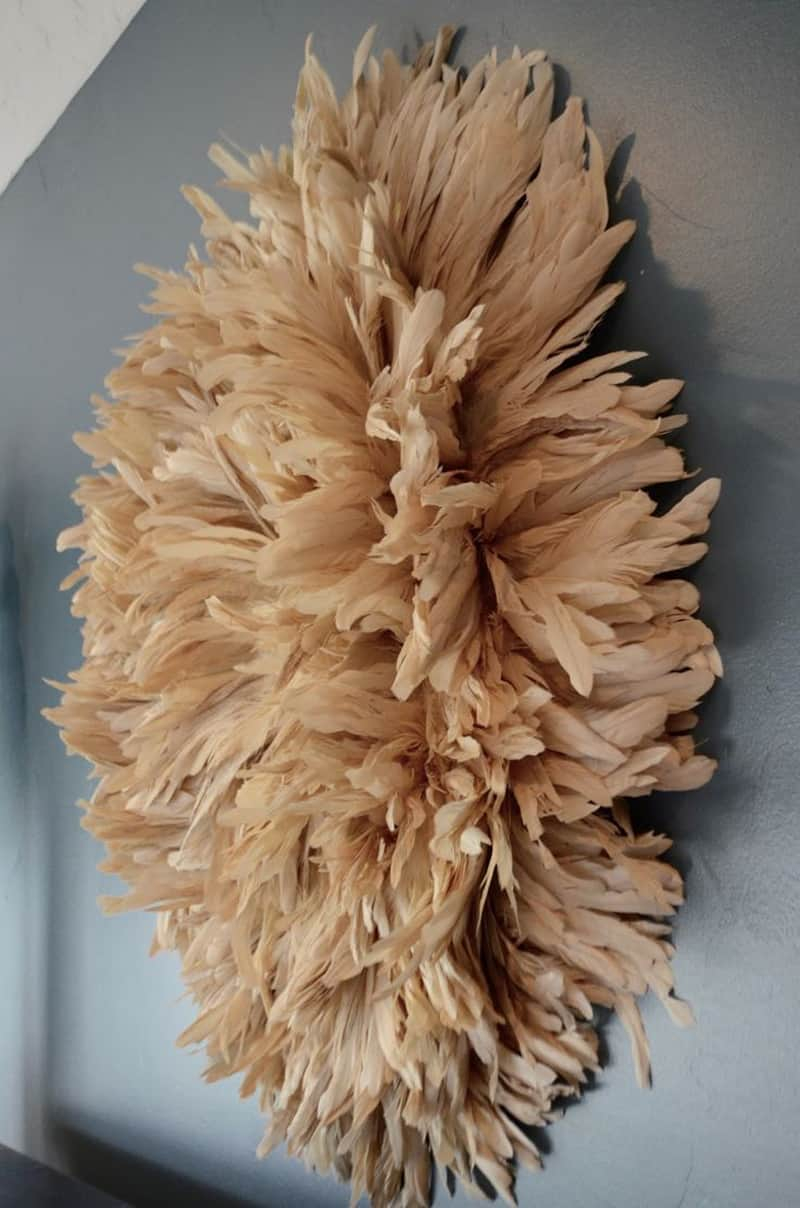
[sps_html tag=”img” src=”https://cdn.theartssection.com/wp-content/uploads/2025/11/zoom-sur-les-juju-hats-chapeau-juju-decoration-ethnique-deco-boheme-with-natural-brown-juju-hat-decor-27.png” alt=”Zoom Sur… Les Juju Hats | Chapeau Juju, Décoration Ethnique, Deco Boheme with Natural Brown Juju Hat Decor, 27″ style=”width: 100%; height: auto;”]
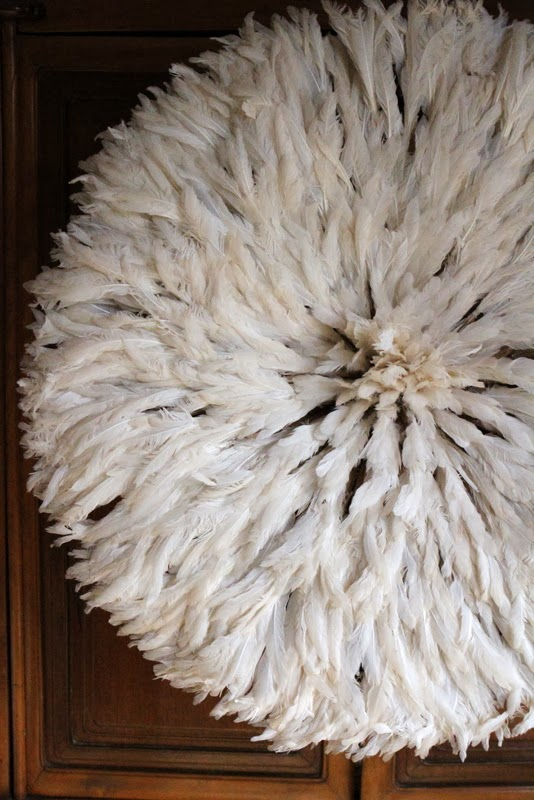
[sps_html tag=”img” src=”https://cdn.theartssection.com/wp-content/uploads/2025/11/juju-hat-an-african-wall-decor-that-will-cozy-up-your-home-in-an-instant-pertaining-to-exploring-traditional-techniques-in-juju-hat-decoration-at-age-27.jpg” alt=”Juju Hat- An African Wall Decor That Will Cozy Up Your Home In An Instant pertaining to Exploring Traditional Techniques in Juju Hat Decoration at Age 27″ style=”width: 100%; height: auto;”]
[sps_html tag=”img” src=”https://cdn.theartssection.com/wp-content/uploads/2025/11/juju-hats-exotic-african-feather-wall-decor-art-with-regard-to-natural-brown-juju-hat-decor-27.jpg” alt=”Juju Hats | Exotic African Feather Wall Décor Art with regard to Natural Brown Juju Hat Decor, 27″ style=”width: 100%; height: auto;”]
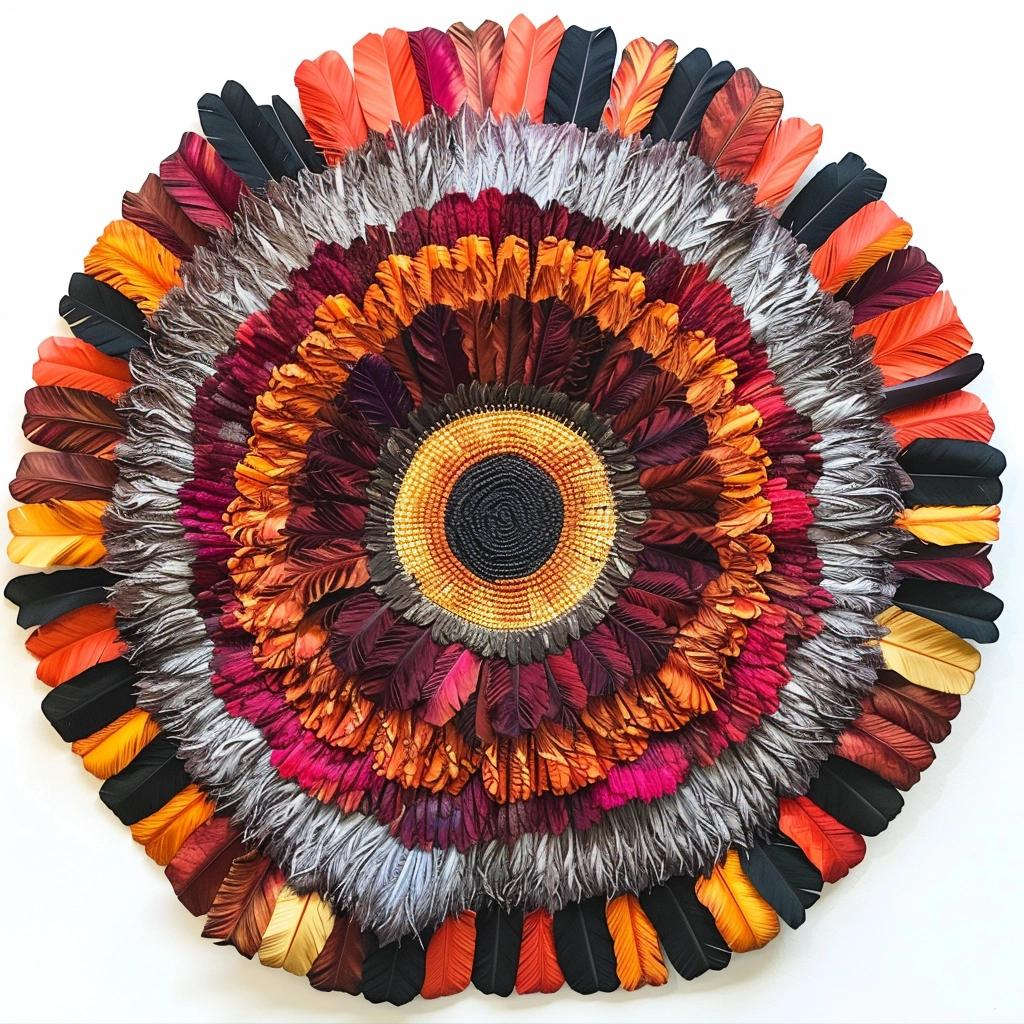
[sps_html tag=”img” src=”https://cdn.theartssection.com/wp-content/uploads/2025/11/unlock-the-enchanting-world-of-juju-hat-wall-decor-discover-the-with-natural-brown-juju-hat-decor-27.jpg” alt=”Unlock The Enchanting World Of Juju Hat Wall Decor: Discover The … with Natural Brown Juju Hat Decor, 27″ style=”width: 100%; height: auto;”]
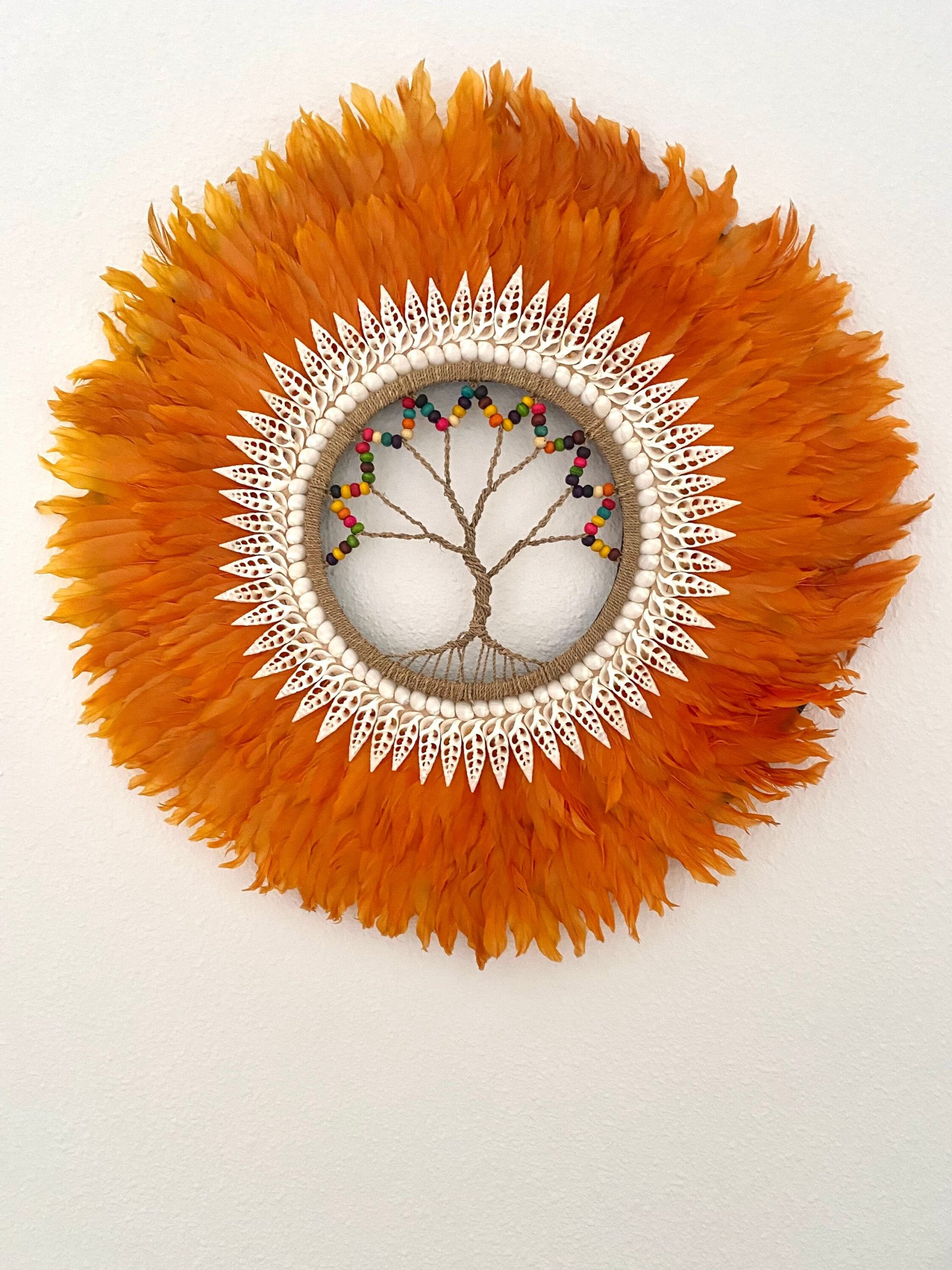
[sps_html tag=”img” src=”https://cdn.theartssection.com/wp-content/uploads/2025/11/juju-hat-juju-tree-of-life-bohemian-decoration-feather-wall-intended-for-natural-brown-juju-hat-decor-27-scaled.jpg” alt=”Juju Hat. Juju Tree Of Life. Bohemian Decoration. Feather Wall … intended for Natural Brown Juju Hat Decor, 27″ style=”width: 100%; height: auto;”]