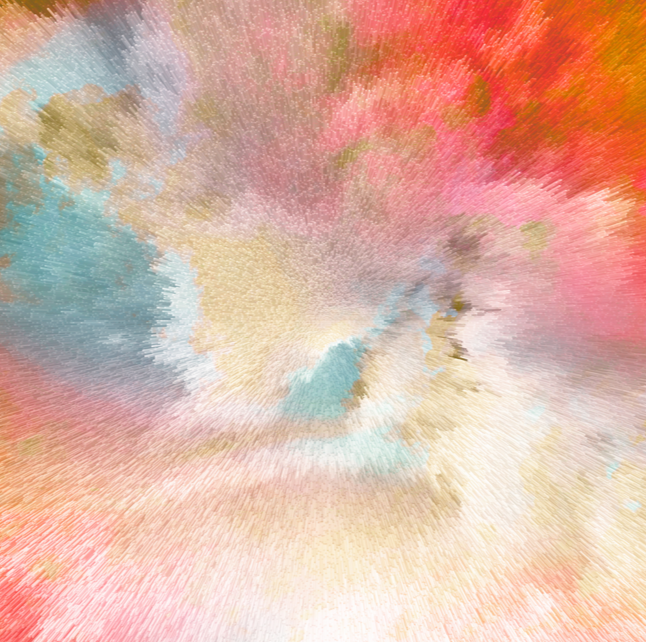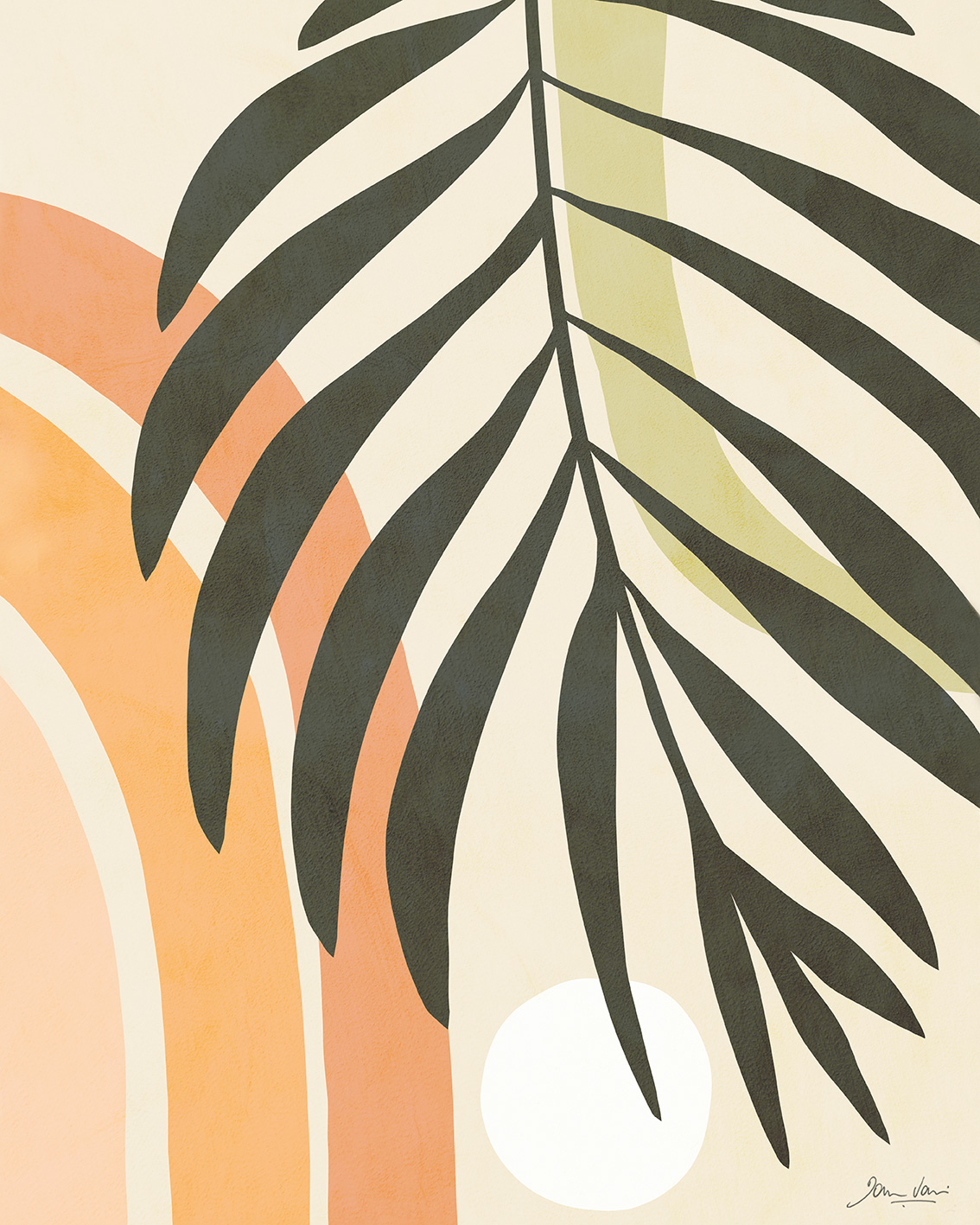
Have you ever stood before a piece of floating acrylic art and felt something shift inside you? That’s not just coincidence. There’s something deeply moving about seeing color and form suspended in space, defying gravity and our expectations. This isn’t just about pretty pictures – it’s about how art can touch us on a fundamental level.
Floating acrylic art has become increasingly popular in galleries, homes, and public spaces around the world. What makes this artistic medium so compelling? It’s not just about the visual appeal or the technical skill involved. There’s something profoundly emotional happening when we witness artwork that seems to exist in its own little world, suspended between reality and imagination. These pieces don’t just hang on walls – they seem to breathe, to pulse with life. They invite us to look closer, to feel differently, to connect with something deeper than surface appearances.
The Physics of Perception
What happens when we see something that shouldn’t be possible? When a piece of art appears to float, our brains immediately start working overtime trying to make sense of it. This creates an interesting tension between what we expect to see and what we actually perceive. The brain’s visual processing centers go into overdrive, trying to figure out how something can be both solid and weightless at the same time. This mental puzzle creates a unique kind of engagement that’s different from looking at traditional framed artwork.
Consider how a floating acrylic piece might have layers that seem to hover above each other. Our eyes naturally want to focus on the edges, trying to determine where one layer ends and another begins. This constant shifting of attention creates a gentle tension that keeps us engaged. The effect is almost hypnotic, drawing us into a meditative state where we’re simultaneously aware of our surroundings and completely absorbed in the moment.
Research suggests that this type of visual ambiguity activates areas of the brain associated with curiosity and wonder. Scientists have found that when we encounter something that challenges our normal understanding of physics, we experience a mild form of cognitive dissonance. This discomfort, rather than being unpleasant, actually enhances our emotional connection to the work.
Color Psychology in Motion
Colors have always had power over human emotions, but when those colors are allowed to float freely, their impact becomes even more intense. In floating acrylic art, the way pigments interact with light changes constantly as the viewer moves around the piece. This creates an almost living quality to the colors themselves.
Think about a red that seems to glow from within, or a blue that shifts from deep ocean to sky. These aren’t just static colors – they’re dynamic experiences. The floating nature of the medium allows for subtle variations in how light hits different surfaces. A small change in angle can make a color appear entirely different. This unpredictability mirrors how our own emotions shift and change throughout the day.
The emotional journey of a viewer often follows the same pattern. They might start by noticing one color, then suddenly become aware of another that wasn’t obvious before. It’s like discovering new layers of meaning in a favorite song. The colors don’t just catch our eye – they guide our mood, our thoughts, our entire emotional state.
The Weight of Lightness
There’s a fascinating paradox in floating acrylic art: the more weightless it appears, the more emotionally heavy it can feel. This contradiction creates a unique psychological experience that many artists and viewers find deeply moving. When something looks like it could drift away, it paradoxically anchors us more firmly in the present moment.
This effect happens because our brains process floating objects differently than grounded ones. We associate weight with stability, permanence, and safety. When we see something that seems to defy these expectations, it triggers a subtle alertness. We become more mindful of our surroundings, more attuned to the present.
Artists often exploit this by creating works that seem to hover just above the viewer’s field of vision. The slight distance between the artwork and the observer creates a sense of intimacy while maintaining a safe distance. It’s like having a conversation with someone who’s standing just out of reach – we’re drawn to them, but we’re also comfortable knowing they won’t intrude.
The emotional resonance grows stronger when we consider how this floating quality reflects our own lives. We all experience moments where things feel suspended – waiting for decisions, caught between possibilities, or simply existing in that liminal space between one moment and the next.
Memory and Movement
One of the most intriguing aspects of floating acrylic art is how it interacts with memory and movement. As we move around the piece, our perception changes dramatically. What seemed like a simple composition suddenly reveals hidden depths and unexpected relationships between elements.
This dynamic quality encourages viewers to return to the same piece multiple times. Each visit offers a slightly different experience, as if the artwork is revealing new secrets. This repetition creates a kind of emotional familiarity that’s rare in our fast-paced world. We begin to develop a relationship with the piece, much like we do with a dear friend who reveals new sides to themselves over time.
The movement aspect also connects to how we remember experiences. Studies show that our memories are often tied to physical movement and spatial awareness. When we walk around a floating acrylic piece, we’re not just viewing it – we’re actively participating in creating its meaning. Our bodies become part of the artistic experience.
Consider how you might remember a particular floating acrylic installation. It’s not just about the visual elements, but about the feeling of walking through the space, the way light changed throughout the day, and how your own movements influenced your perception. These memories become richer and more meaningful because they involve multiple senses and physical experiences.
Cultural and Personal Associations
Every person brings their own history and cultural background to their interpretation of floating acrylic art. What one person sees as freedom, another might interpret as instability. These personal associations add layers of meaning that make each viewing experience unique.
In some cultures, floating imagery is associated with spiritual concepts – clouds, birds, or water that rises. These universal symbols can trigger deep emotional responses that transcend language barriers. Artists often tap into these shared cultural understandings while also adding their own personal interpretations.
The floating quality itself can represent various human experiences: dreams that float just beyond reach, moments of clarity that seem to lift us above our problems, or the sensation of being suspended between different states of being. These universal themes resonate across different backgrounds and experiences.
Personal memories also play a huge role. Someone might see a floating abstract shape and instantly recall a childhood memory of watching kites dance in the wind. Others might connect it to a recent loss or a moment of unexpected joy. The artwork becomes a mirror for our inner lives, reflecting back not just what we see, but what we feel and remember.
The Therapeutic Impact
Many people report feeling calmer, more centered, or even spiritually uplifted after spending time near floating acrylic art. This therapeutic quality isn’t accidental – it’s rooted in the psychological effects of the medium itself. The combination of soft edges, flowing forms, and the illusion of weightlessness creates a visual environment that promotes relaxation and introspection.
The floating quality specifically seems to reduce stress levels. When we see something that appears to defy the laws of physics, it can momentarily shift our perspective away from daily pressures. It’s like stepping into a small pocket of calm where time seems to slow down. This effect is particularly strong when the artwork features organic shapes and flowing lines rather than sharp angles.
Some therapists have begun incorporating floating acrylic art into their practice spaces, noting that clients often feel more open and reflective in environments where such artwork is present. The gentle, non-threatening nature of floating forms seems to create a psychological barrier that helps people feel safer expressing their thoughts and feelings.
The repetitive nature of viewing the artwork also contributes to its calming effect. Unlike more aggressive or confrontational art, floating acrylic pieces invite contemplation rather than reaction. This creates a space for healing and self-reflection that many find deeply restorative.
Floating acrylic art represents more than just a novel artistic technique – it’s a gateway to deeper emotional experiences. Through its unique combination of visual ambiguity, dynamic color interaction, and psychological effects, it creates a bridge between our rational minds and our emotional selves. The medium invites us to slow down, to observe, and to feel in ways that our everyday lives rarely allow.
Whether you’re an artist, a collector, or simply someone who appreciates beautiful things, understanding the emotional resonance behind floating acrylic art can transform how you experience it. It’s not just about seeing – it’s about feeling, connecting, and discovering new aspects of yourself through the quiet magic of suspended beauty. The next time you encounter a floating acrylic piece, take a moment to notice how it affects you. You might be surprised by what you discover about your own emotional landscape.
[sps_html tag=”img” src=”https://cdn.theartssection.com/wp-content/uploads/2025/11/dominique-vari-earthy-tropical-foliage-iii-canvas-print-the-art-group-for-artistic-innovation-through-dominique-varis-floating-acrylic-technique.jpg” alt=”Dominique Vari (Earthy Tropical Foliage Iii) Canvas Print | The Art Group for Artistic Innovation Through Dominique Vari's Floating Acrylic Technique” style=”width: 100%; height: auto;”]
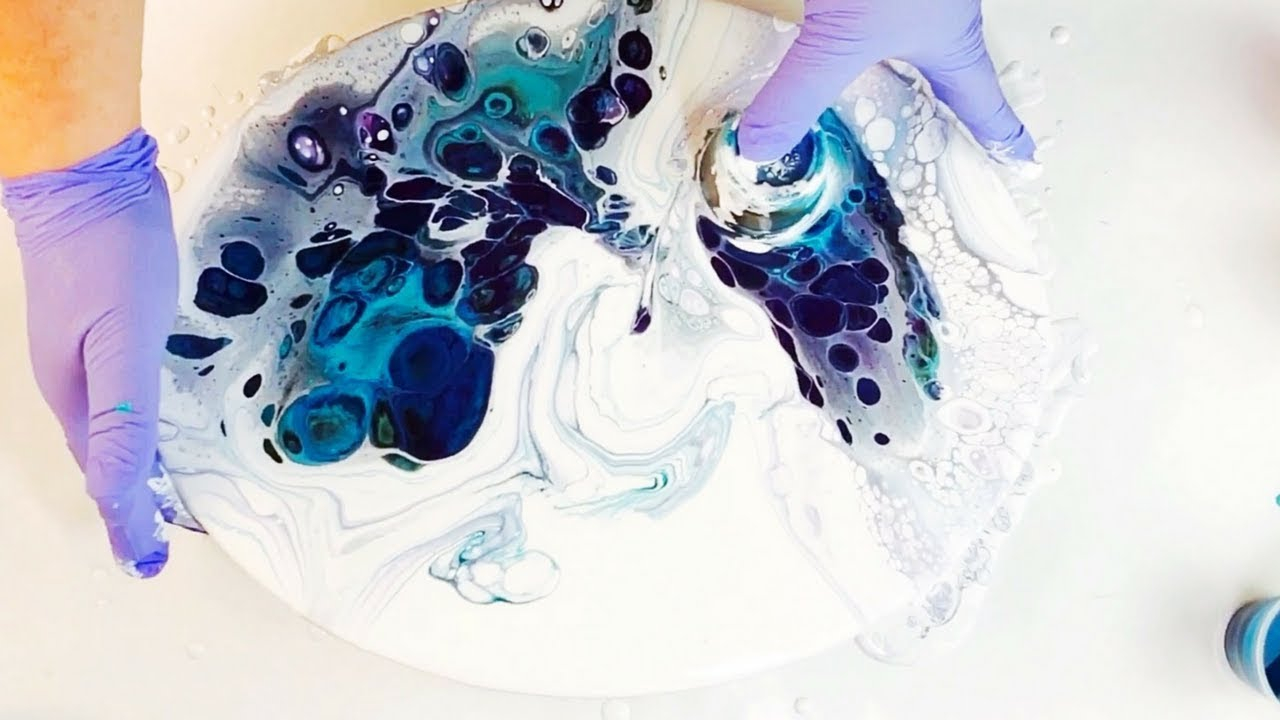
[sps_html tag=”img” src=”https://cdn.theartssection.com/wp-content/uploads/2025/11/magic-floating-cup-fluid-art-technique-with-acrylic-paint-pouring-youtube-regarding-artistic-innovation-through-dominique-varis-floating-acrylic-technique.jpg” alt=”Magic Floating Cup Fluid Art Technique With Acrylic Paint Pouring - Youtube regarding Artistic Innovation Through Dominique Vari's Floating Acrylic Technique” style=”width: 100%; height: auto;”]
[sps_html tag=”img” src=”https://cdn.theartssection.com/wp-content/uploads/2025/11/dominique-vari-explore-meurals-permanent-art-collection-digital-work-with-regard-to-artistic-innovation-through-dominique-varis-floating-acrylic-technique.jpeg” alt=”Dominique Vari | Explore Meural's Permanent Art Collection | Digital Work with regard to Artistic Innovation Through Dominique Vari's Floating Acrylic Technique” style=”width: 100%; height: auto;”]
[sps_html tag=”img” src=”https://cdn.theartssection.com/wp-content/uploads/2025/11/dominique-vari-featured-works-explore-meurals-permanent-art-regarding-happy-retro-mood-floating-acrylic-art-by-dominique-vari-assorted.jpeg” alt=”Dominique Vari: Featured Works | Explore Meural's Permanent Art … regarding Happy Retro Mood Floating Acrylic Art By Dominique Vari, Assorted” style=”width: 100%; height: auto;”]
[sps_html tag=”img” src=”https://cdn.theartssection.com/wp-content/uploads/2025/11/artist-interview-dominique-vari-mengenal-lebih-dekat-dengan-inside-happy-retro-mood-floating-acrylic-art-by-dominique-vari-assorted.png” alt=”[Artist Interview] Dominique Vari : Mengenal Lebih Dekat Dengan … inside Happy Retro Mood Floating Acrylic Art By Dominique Vari, Assorted” style=”width: 100%; height: auto;”]