Imagine walking into a room where nature seems to breathe through the walls themselves. That’s exactly what tillandsia wall art offers – a living connection between indoor spaces and the natural world. These remarkable air plants don’t just decorate your home; they transform it with their unique presence and effortless charm.
In the world of interior design, few elements capture attention quite like living art. Tillandsia wall art represents a beautiful fusion of nature and creativity that has been gaining popularity across homes and offices worldwide. These fascinating air plants bring something truly special to any space – they’re not just decorative pieces, but living organisms that add movement, life, and an undeniable sense of calm to interiors. Whether you’re a seasoned plant enthusiast or someone who simply appreciates beautiful design, tillandsia wall art offers an accessible way to incorporate botanical elegance into your environment. The magic lies not just in their appearance, but in how they interact with light, air, and the very atmosphere of the rooms they inhabit.
What Makes Tillandsia Special
Tillandsia aren’t your typical houseplants. They’re often called air plants because they absorb moisture and nutrients directly from the air around them. This unique characteristic means they don’t require soil, making them incredibly versatile for wall installations. These plants have evolved to live in environments where they receive water and nutrients through their leaves rather than roots. Their distinctive appearance comes from specialized scales on their leaves that help them collect moisture. Some varieties even develop tiny roots purely for attachment purposes, while others rely entirely on their leaves for all necessary functions. This adaptation makes them perfect for creative mounting arrangements where traditional potting isn’t feasible or desired. Their ability to thrive without soil also means less mess and fewer maintenance concerns compared to conventional plants.
The Versatility of Wall Installation
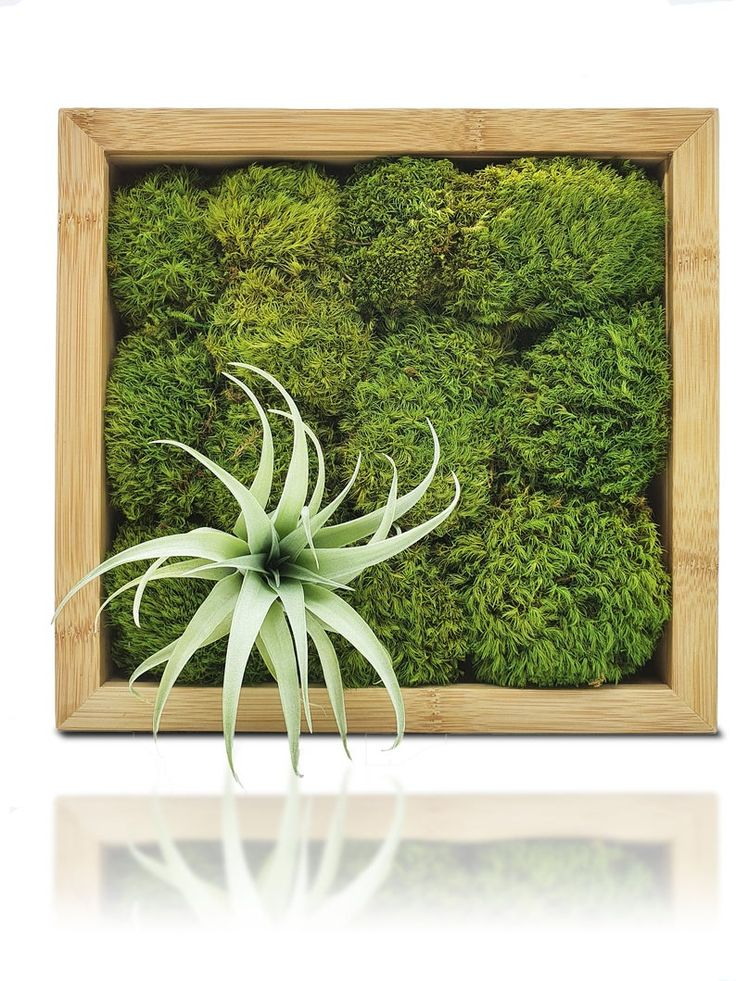
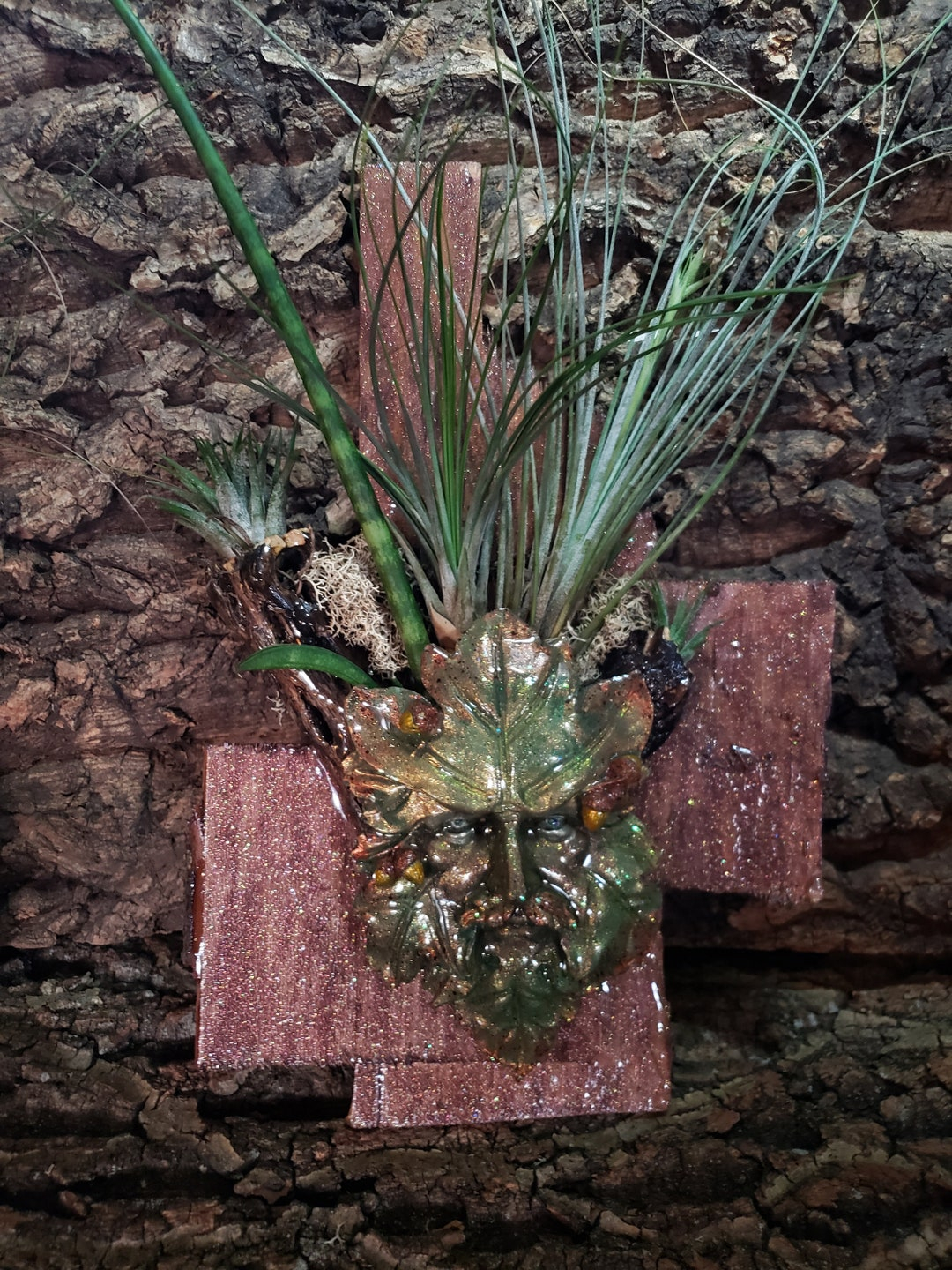
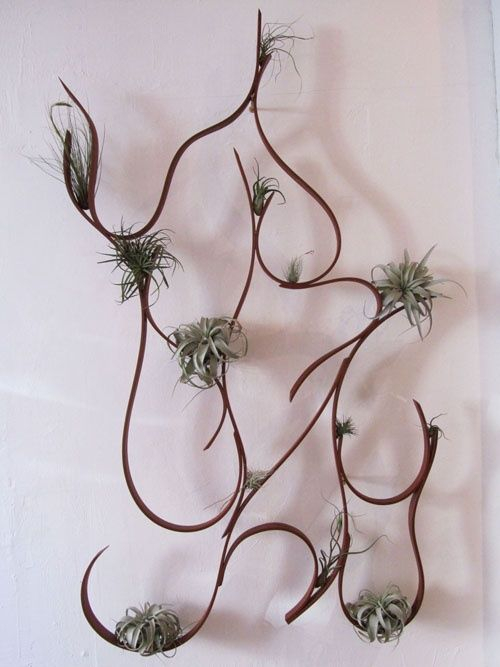
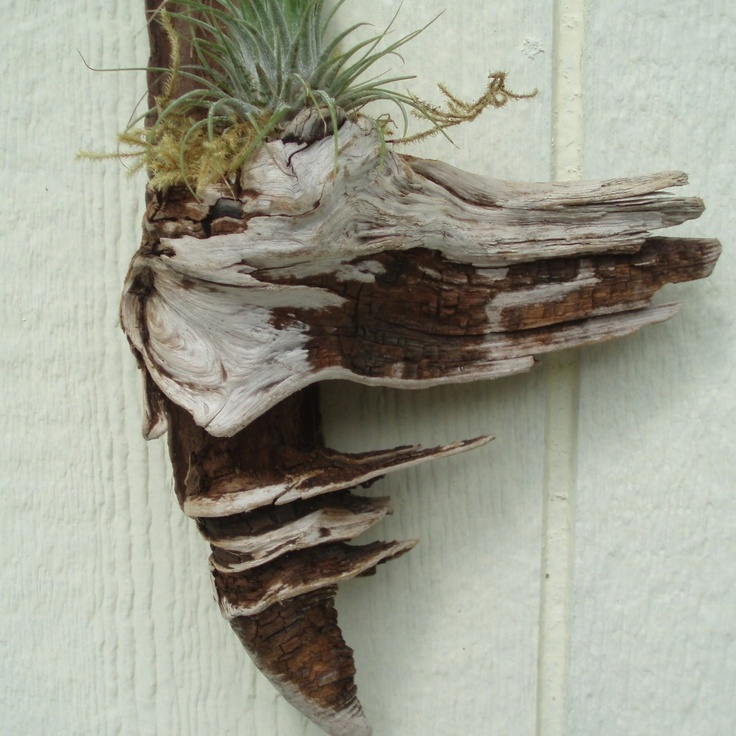
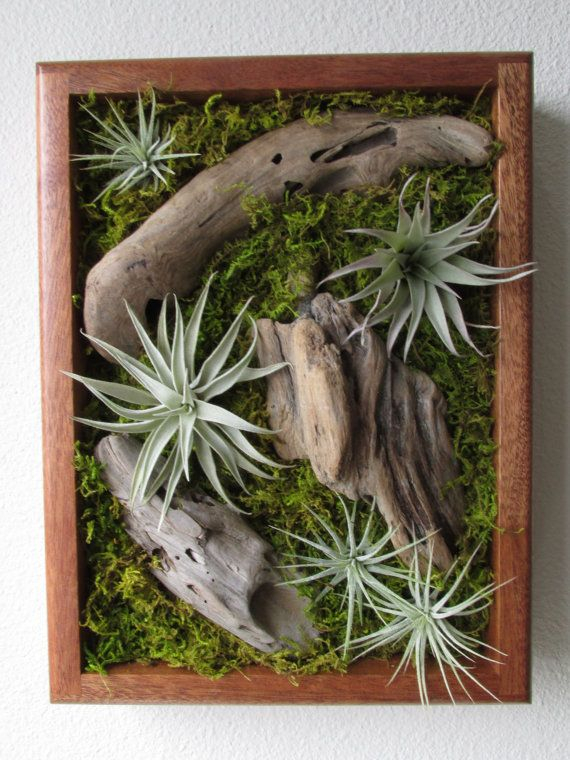
One of the most exciting aspects of tillandsia wall art is how easily they can be mounted. You can create stunning displays using various methods that suit different aesthetic preferences and installation needs. Simple wire mounts work well for single plants, while more elaborate arrangements might use driftwood, metal frames, or even custom-built displays. The key is understanding how to properly secure them without damaging their delicate structure. Many people choose to create themed collections, grouping similar species together or mixing different textures and colors for visual interest. Some artists use these plants in combination with other materials like glass, stone, or natural wood to create layered compositions. The possibilities extend beyond simple mounting – you can create cascading arrangements that flow down walls or build three-dimensional displays that seem to float in space. The flexibility allows for both minimalist approaches and bold, dramatic statements.
Lighting Considerations for Success
Proper lighting plays a crucial role in maintaining healthy tillandsia wall art. These plants need bright, indirect light to photosynthesize effectively. Direct sunlight can be too intense and may cause browning or damage to the leaves. Most indoor locations provide adequate light when placed near windows or under artificial lighting systems designed for plant growth. The ideal setup involves positioning them where they receive filtered light for several hours each day. Some enthusiasts use LED grow lights specifically designed for plants to ensure consistent illumination, especially in darker rooms. It’s worth noting that the light requirements can vary slightly between different tillandsia species. Some varieties prefer more shade while others thrive in brighter conditions. Understanding your specific plants’ needs will help you position them correctly for optimal health and visual appeal. Regular rotation ensures even growth and prevents one side from becoming overly dominant.
Watering and Care Techniques
Caring for tillandsia wall art requires a gentle approach that respects their unique biology. Unlike traditional plants, they don’t need soil-based watering methods. Instead, they absorb water through their leaves, making regular misting or soaking essential. A good rule of thumb is to water them once or twice weekly, depending on humidity levels and environmental conditions. Soaking methods involve placing them in water for 20-30 minutes, then allowing them to dry completely before returning them to their display. Misting works well for regular maintenance and can be done daily if desired. The key is ensuring proper drainage and preventing water from pooling in the center of the plant, which can lead to rot. Some people find success with automated misting systems, particularly for larger installations. Monitoring the plant’s condition regularly helps determine if adjustments are needed in watering frequency or method. Signs of overwatering include soft, brown leaves, while underwatered plants typically appear shriveled and pale.
Design Integration and Styling Tips
When incorporating tillandsia wall art into your space, consider how they complement existing elements. These plants work beautifully alongside modern furniture, vintage decor, or rustic accents. Their clean lines and natural forms create interesting contrasts with various textures and materials. Creating focal points with groups of different sizes and shapes can draw the eye and establish visual hierarchy within a room. Color coordination matters too – some varieties naturally feature blue, silver, or purple tones that can enhance or contrast with surrounding elements. Mixing tillandsia with other elements like crystals, shells, or small sculptures creates dynamic compositions that tell a story. The size and scale of your display should relate to the overall proportions of the space. Smaller installations work well in intimate settings while larger arrangements can serve as statement pieces in open areas. Don’t overlook the importance of negative space – letting some areas remain empty allows the plants to breathe and prevents overwhelming the viewer.
Maintenance and Longevity Factors
With proper care, tillandsia wall art can provide years of enjoyment and beauty. Regular maintenance involves monitoring for pests, checking for signs of stress, and adjusting care routines as needed. Common issues include pest infestations, which can be managed with gentle treatments or by removing affected plants temporarily. Environmental factors like temperature changes, humidity fluctuations, or drafts can impact plant health. Some varieties are more sensitive to extreme conditions than others. Planning for seasonal variations is important – plants may need more frequent watering during drier months or less frequent attention during humid periods. Understanding the natural lifecycle of these plants helps set realistic expectations about their appearance over time. Some species produce flowers that add seasonal interest, while others maintain consistent foliage throughout their lives. Keeping detailed records of care schedules and plant responses helps refine your approach and ensures continued success with future installations.
Tillandsia wall art represents more than just decorative elements – they’re living connections to nature that bring authenticity and tranquility to our indoor environments. The beauty of these plants lies in their simplicity and their ability to transform ordinary spaces into extraordinary ones. Whether you’re creating a small accent piece or a large-scale installation, the principles remain the same: respect their unique needs while celebrating their natural characteristics. The key to success comes from understanding that these aren’t just plants to decorate with, but living organisms that respond to care and attention. As you explore different ways to incorporate tillandsia into your space, remember that the most important element isn’t perfection – it’s the joy and peace that comes from bringing a little bit of the outdoors inside. The journey of creating beautiful tillandsia wall art is as rewarding as the final result itself.
[sps_html tag=”img” src=”https://cdn.theartssection.com/wp-content/uploads/2025/11/tillandsia-living-room-wall-air-plant-display-tillandsia-air-within-tillandsia-illustration-wall-plaque-art.jpg” alt=”Tillandsia - Living Room Wall? | Air Plant Display, Tillandsia, Air … within Tillandsia Illustration Wall Plaque Art” style=”width: 100%; height: auto;”]
[sps_html tag=”img” src=”https://cdn.theartssection.com/wp-content/uploads/2025/11/green-man-wall-planter-with-tillandsias-resin-coated-hang-in-etsy-with-regard-to-creating-living-art-through-tillandsia-wall-plaque-craftsmanship.jpg” alt=”Green Man Wall Planter With Tillandsias. Resin Coated. Hang In - Etsy with regard to Creating living art through Tillandsia wall plaque craftsmanship” style=”width: 100%; height: auto;”]
[sps_html tag=”img” src=”https://cdn.theartssection.com/wp-content/uploads/2025/11/tillandsia-living-wall-art-air-plant-display-air-plants-decor-air-within-tillandsia-illustration-wall-plaque-art.jpg” alt=”Tillandsia Living Wall Art | Air Plant Display, Air Plants Decor, Air … within Tillandsia Illustration Wall Plaque Art” style=”width: 100%; height: auto;”]
[sps_html tag=”img” src=”https://cdn.theartssection.com/wp-content/uploads/2025/11/moss-wall-art-with-tillandsia-air-plant-wall-hanging-planter-for-tillandsia-illustration-wall-plaque-art.jpg” alt=”Moss Wall Art With Tillandsia | Air Plant Wall Hanging Planter for Tillandsia Illustration Wall Plaque Art” style=”width: 100%; height: auto;”]
[sps_html tag=”img” src=”https://cdn.theartssection.com/wp-content/uploads/2025/11/driftwood-art-alien-flight-driftwood-tillandsia-wall-art-by-pertaining-to-creating-living-art-through-tillandsia-wall-plaque-craftsmanship.jpg” alt=”Driftwood Art | Alien Flight Driftwood Tillandsia Wall Art By … pertaining to Creating living art through Tillandsia wall plaque craftsmanship” style=”width: 100%; height: auto;”]