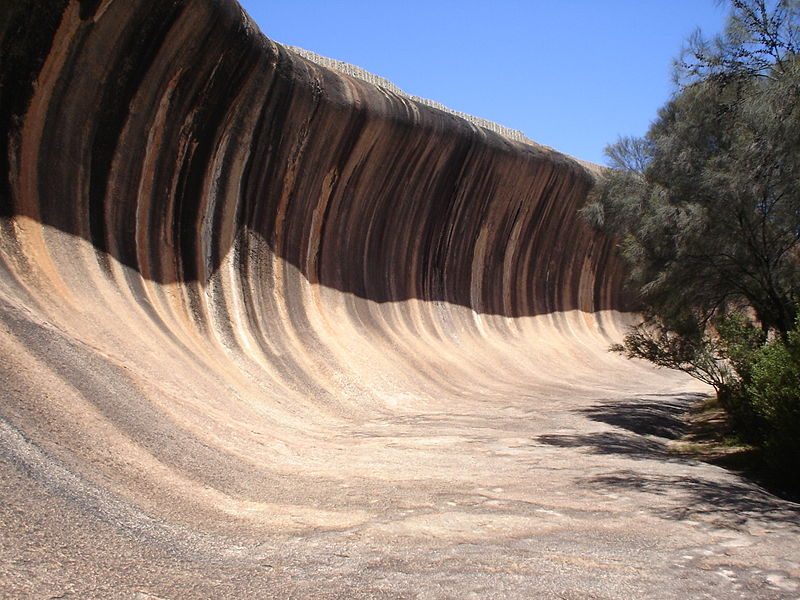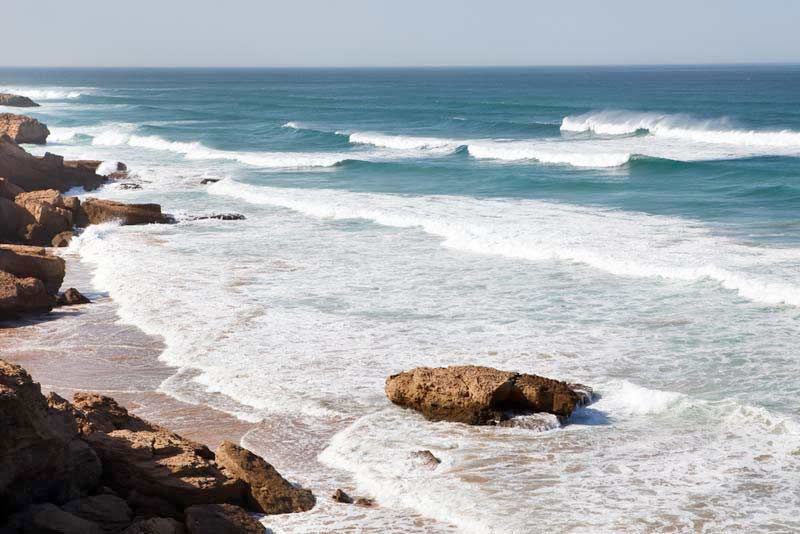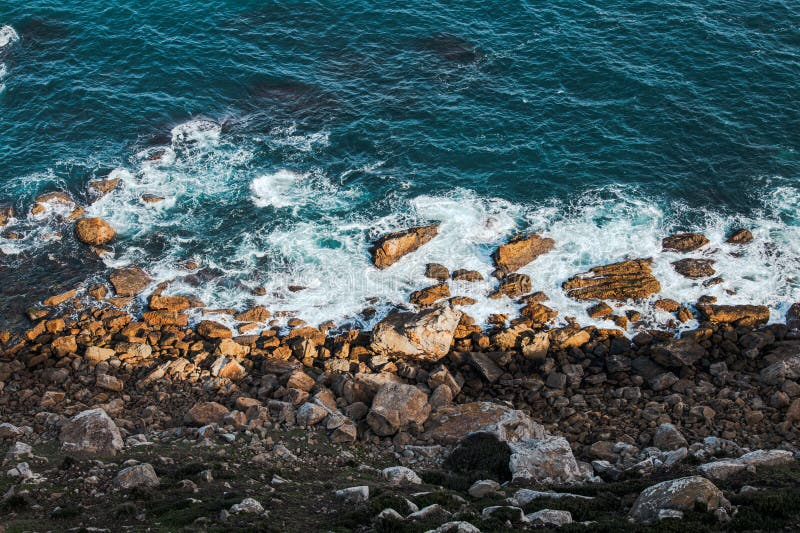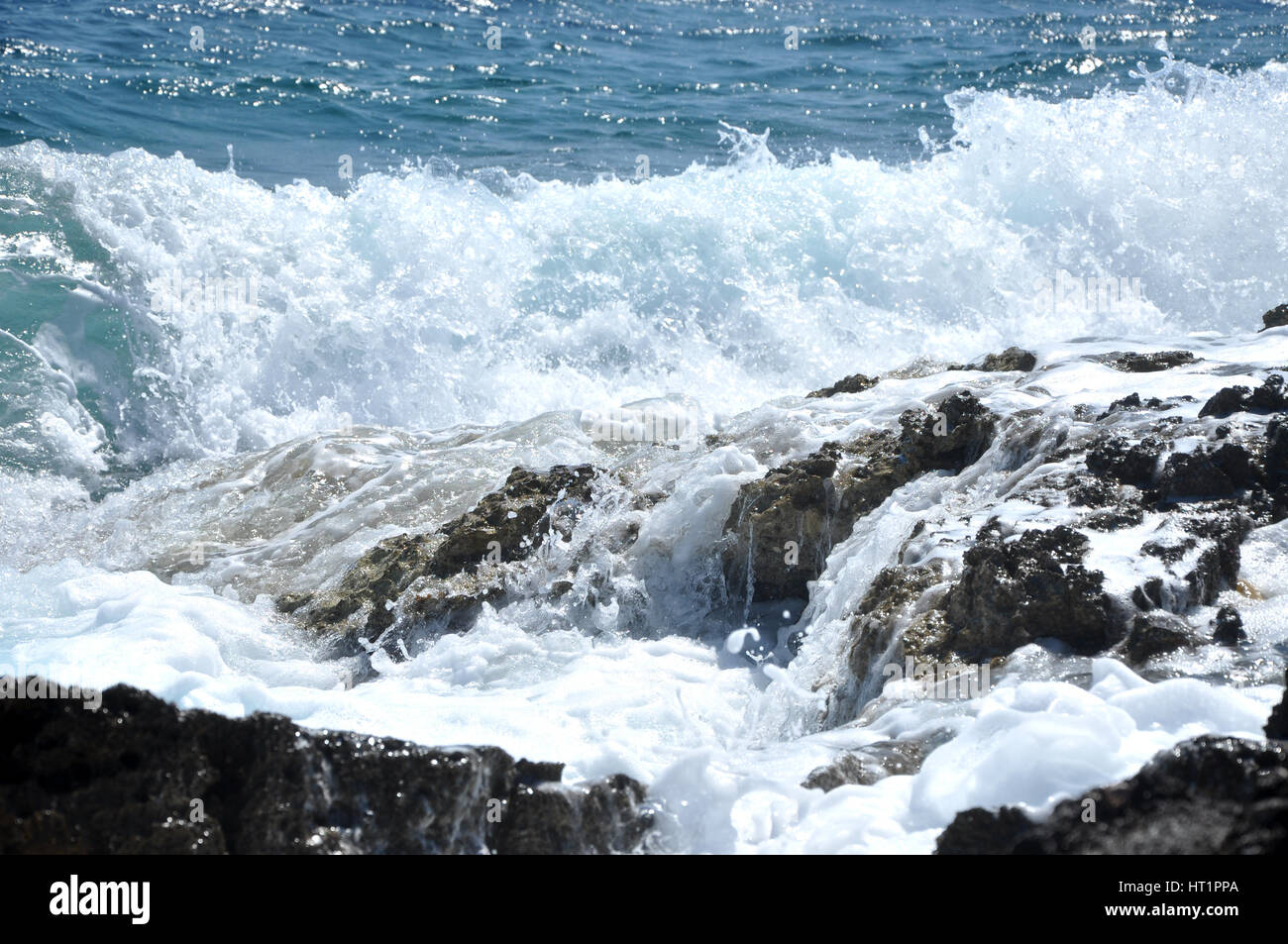
Every day, the mighty Pacific and Indian Oceans work tirelessly to sculpt Australia’s spectacular coastlines. From the rugged cliffs of Western Australia to the soft sands of the Great Barrier Reef, wave action is the master artist that constantly rewrites the story of our beaches. But what exactly happens when those massive ocean forces meet our rocky shores? Let’s take a closer look at this fascinating geological dance.
Australia’s coastline stretches over 35,000 kilometers, making it one of the longest continuous coastlines in the world. That’s a lot of ocean meeting land! But not all coastlines are created equal. The forces that shape them vary dramatically based on location, geology, and seasonal weather patterns. Wave impact stands out as one of the most powerful agents of change, constantly reshaping sand dunes, rock formations, and entire shorelines. Think about it – every single wave that crashes onto our shores carries enough energy to move mountains of sand and stone. It’s like nature’s way of keeping everything fresh and ever-changing.
Understanding Wave Energy and Force
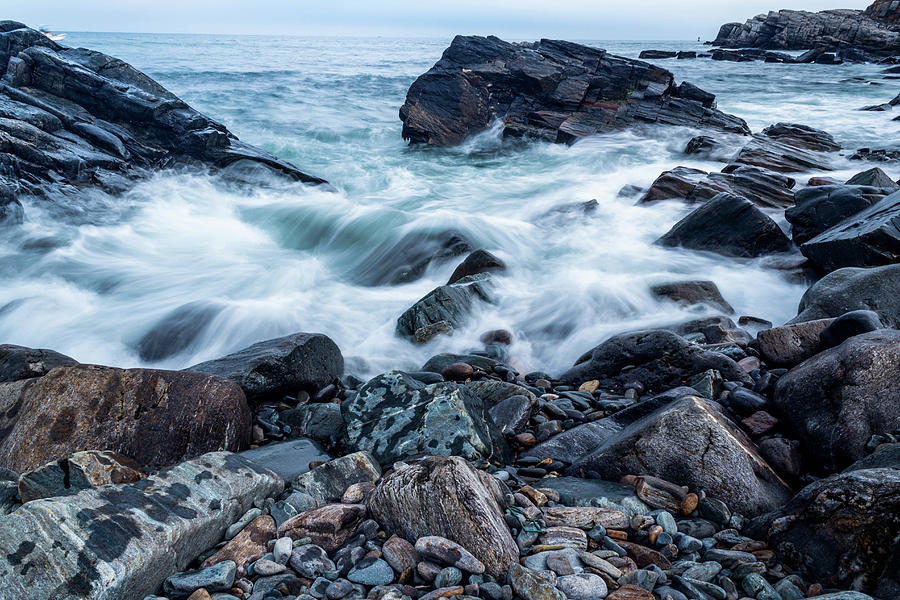
Waves aren’t just pretty things rolling onto beaches – they’re incredibly powerful machines. The energy contained in ocean waves comes from wind blowing across the water surface. This creates a transfer of energy that travels across the ocean, building up wave height and power. In Australia’s coastal waters, waves can reach heights of 4 meters or more during storm seasons. When these massive walls of water hit the shore, they carry enormous force. A single large wave can move several tons of material, including rocks, sand, and even small boulders. The energy is so intense that it can break apart solid rock over time. Imagine standing on a beach during a big swell – you might feel the ground vibrate under your feet. That’s the wave energy transferring from the ocean to the coastline.
Types of Wave Action on Coastal Features
Not all waves behave the same way. There are three main types of wave action that affect Australian coastlines:
• Erosion waves – These are the aggressive forces that wear away rock and sediment. They’re especially powerful during storms and can carve out caves and arches in cliff faces.
• Transport waves – These move materials along the shore, creating features like sandbars and spits.
• Deposition waves – These occur when wave energy decreases, causing sediments to settle out and build up new landforms.
The type of wave action depends on factors like wave height, frequency, and the underlying geology. For instance, the hard limestone cliffs of the Great Barrier Reef experience different wave impacts than the softer sandstone formations found along the South Australian coast. Each coastal area tells its own story through the unique combination of wave forces and rock characteristics.
Rock Formations Under Wave Pressure
Australia’s coastal rocks have been shaped by wave action for millions of years. Different rock types respond differently to constant wave assault. Hard igneous rocks like granite can withstand tremendous pressure, but over time, they develop distinctive features. The famous limestone formations around the Ningaloo Reef showcase how waves can create intricate cave systems and natural arches. These formations develop when waves repeatedly strike weak points in the rock, gradually widening cracks until they form complete openings.
In contrast, softer sedimentary rocks like sandstone erode much faster. You’ll see this clearly along the New South Wales coast, where wave action has carved dramatic cliffs and unique rock formations. The famous Bondi Rocks near Sydney demonstrate how waves can create natural amphitheaters and caves through consistent erosion.
What’s particularly interesting is how wave patterns change seasonally. During winter months, stronger swells and larger waves cause more dramatic changes, while summer waves tend to be gentler and allow for more gradual sculpting.
Sand and Sediment Dynamics
Sand isn’t just sand when it comes to coastal processes. The particles that make up Australia’s beaches tell stories of ancient rivers, distant mountains, and ocean currents. Waves play a crucial role in sorting and moving these materials. Larger grains settle closer to the shore, while finer particles get carried further offshore. This sorting process creates the beautiful gradients we see from shallow water to deeper areas.
During high-energy wave events, sand can be moved hundreds of meters along the coast. This movement creates features like sand bars that shift position regularly. The famous sand dunes of the Great Sandy Desert region show how wave action combined with wind can create some of Australia’s most dynamic landscapes.
Even the color of sand reflects wave influence. Red sand along the Kimberley coast results from iron oxide staining, while white sand beaches like those in the Whitsunday Islands owe their hue to the breakdown of coral and shells. Wave action essentially acts as a natural sieve, separating different materials and creating the diverse palette of coastal sands we enjoy.
Coastal Erosion Patterns Across Australia
Australia’s diverse coastlines experience different erosion patterns based on local conditions. The western coast of Western Australia, for example, sees minimal wave activity due to the protection of the continental shelf. Here, erosion occurs primarily through chemical weathering rather than physical wave action.
On the eastern coast, particularly around the Great Barrier Reef, wave forces are much more dominant. The combination of strong swells and coral reef structures creates unique erosion patterns that have built the famous fringing reefs and atolls.
The south coast of Australia experiences some of the most severe wave erosion due to the powerful southern ocean swells. Places like the Twelve Apostles in Victoria demonstrate how persistent wave action can create spectacular natural arches and stacks.
Even the seemingly stable-looking coastline of the Northern Territory shows evidence of wave impact, though often less dramatic than in other regions. The interplay between wave energy and coastal geology creates a complex web of forces that continuously reshape the landscape.
Human Impact and Natural Adaptation
Humans have been trying to control wave impacts on coastlines for generations. Sea walls, groynes, and breakwaters are common solutions used to protect coastal communities. However, these interventions often have unintended consequences. Sometimes they redirect wave energy elsewhere, creating erosion problems in adjacent areas.
The most successful approaches recognize that wave action is a natural process that cannot be stopped entirely. Instead, they work with the forces rather than against them. For example, the use of living shorelines that incorporate vegetation and natural materials helps stabilize coastlines while maintaining natural wave dynamics.
Many coastal communities have learned to live with wave impacts rather than fight them. Indigenous Australians developed sophisticated techniques for understanding and working with coastal processes long before modern science. Their knowledge of seasonal wave patterns and coastal behaviors remains incredibly valuable today.
Climate change adds another layer of complexity. Rising sea levels and changing wave patterns mean that coastal features will continue to evolve. Understanding these natural processes becomes even more important as we face uncertain future conditions.
Wave action remains Australia’s most powerful coastal sculptor, constantly rewriting the story of our shoreline. From the ancient limestone formations of Western Australia to the modern sand dunes of Queensland, each coastal feature bears witness to millions of years of wave interaction. Understanding these processes helps us appreciate the incredible beauty of our coastlines while preparing for future changes. Whether you’re planning a beach holiday, considering coastal development, or simply enjoying the view from your seaside home, remember that you’re witnessing the ongoing masterpiece created by ocean waves. The next time you hear that familiar crash, take a moment to think about the geological forces at work – waves that have been shaping Australia’s shores since before humans even existed. It’s humbling to realize that we’re all part of this ancient dance between ocean and land.
[sps_html tag=”img” src=”https://cdn.theartssection.com/wp-content/uploads/2025/11/wave-rock-in-western-australia-is-a-natural-rock-formation-shaped-like-intended-for-waves-hitting-rocks-in-australia-coastline-canvas-print20x12.jpg” alt=”Wave Rock In Western Australia Is A Natural Rock Formation Shaped Like … intended for "Waves Hitting Rocks In Australia Coastline" Canvas Print20"X12"” style=”width: 100%; height: auto;”]
[sps_html tag=”img” src=”https://cdn.theartssection.com/wp-content/uploads/2025/11/atlantic-ocean-aerial-view-of-ocean-waves-and-rocky-coast-rocky-shore-in-waves-hitting-rocks-in-australia-coastline-canvas-print20x12.jpg” alt=”Atlantic Ocean. Aerial View Of Ocean Waves And Rocky Coast. Rocky Shore … in "Waves Hitting Rocks In Australia Coastline" Canvas Print20"X12"” style=”width: 100%; height: auto;”]
[sps_html tag=”img” src=”https://cdn.theartssection.com/wp-content/uploads/2025/11/science-of-summer-how-do-ocean-waves-form-live-science-in-waves-hitting-rocks-in-australia-coastline-canvas-print20x12.jpg” alt=”Science Of Summer: How Do Ocean Waves Form? | Live Science in "Waves Hitting Rocks In Australia Coastline" Canvas Print20"X12"” style=”width: 100%; height: auto;”]
[sps_html tag=”img” src=”https://cdn.theartssection.com/wp-content/uploads/2025/11/extreme-ocean-wave-crushing-coast-hi-res-stock-photography-and-images-with-waves-hitting-rocks-in-australia-coastline-canvas-print20x12.jpg” alt=”Extreme Ocean Wave Crushing Coast Hi-Res Stock Photography And Images … with "Waves Hitting Rocks In Australia Coastline" Canvas Print20"X12"” style=”width: 100%; height: auto;”]
[sps_html tag=”img” src=”https://cdn.theartssection.com/wp-content/uploads/2025/11/waves-against-a-rocky-shore-photograph-by-doug-camara-fine-art-america-within-waves-hitting-rocks-in-australia-coastline-canvas-print20x12.jpg” alt=”Waves Against A Rocky Shore Photograph By Doug Camara - Fine Art America within "Waves Hitting Rocks In Australia Coastline" Canvas Print20"X12"” style=”width: 100%; height: auto;”]