In a world full of digital screens and artificial creations, there’s something deeply satisfying about bringing the outdoors inside. As American homes evolve, natural materials are taking center stage, offering a refreshing counterpoint to the sterile, manufactured feel that dominated interiors for decades. It’s not just about aesthetics anymore – it’s about creating spaces that feel alive, grounded, and truly ours.
Think about your last visit to someone’s home. Did you notice the way sunlight danced across a wooden table? Or perhaps the subtle texture of a stone fireplace that made the room feel more substantial? These aren’t just design details – they’re emotional cues that speak to our fundamental need for connection with the natural world. Today, we’re seeing a powerful shift in American interior design, one where natural elements aren’t just decorative accessories but core components of how we want to live. This isn’t just a trend; it’s a movement toward authenticity and sustainability that’s reshaping every room in the house.
What Makes Natural Materials So Appealing?
There’s something inherently comforting about natural materials. They bring warmth to spaces that might otherwise feel cold or clinical. Think about the way a raw wood table feels under your hands, or how a stone wall adds depth and character that painted surfaces simply cannot match. These materials have stories to tell – each grain in wood, each mineral deposit in stone, each fiber in a woven rug tells a tale of earth and time. The appeal goes beyond visual beauty; it touches our senses and emotions in ways that synthetic alternatives struggle to replicate. When we incorporate natural materials, we’re not just decorating – we’re creating environments that nourish our well-being and connect us to the larger world around us.
Wood: The Timeless Foundation
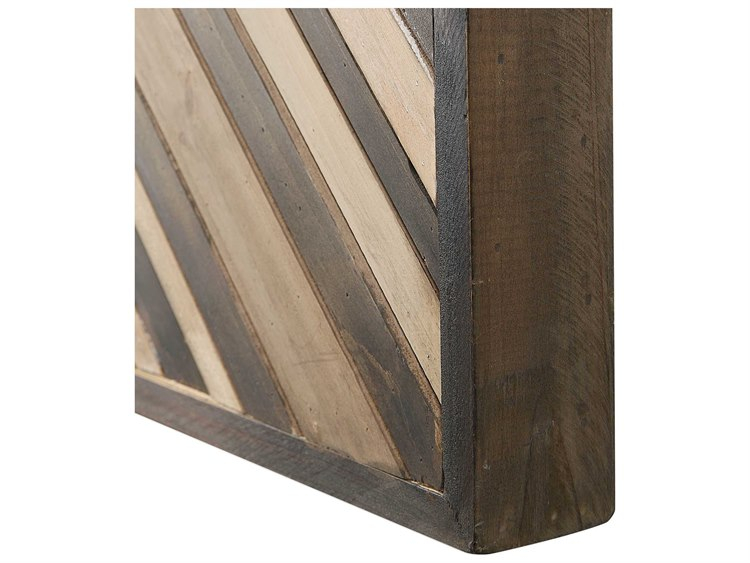
Wood remains the cornerstone of natural interior design. Whether it’s the rich amber tones of oak, the clean lines of maple, or the dramatic veining of walnut, wood brings both strength and elegance to any space. In contemporary American design, we’re seeing a preference for reclaimed wood – pieces that have already lived their first life, adding character and history to modern interiors. You’ll find wood used in everything from flooring and cabinetry to accent walls and furniture pieces. The key is choosing woods that complement your existing style while providing durability. Consider using different wood species strategically – perhaps a light wood for a kitchen to brighten the space, and a darker wood for dining areas to create a sense of permanence and warmth. The beauty of wood lies in its versatility and its ability to age gracefully, developing a patina that speaks to the passage of time and the care given to the space.
Stone: Nature’s Architecture
Stone adds a touch of permanence and sophistication that few other materials can match. From the elegant veins of marble to the rugged textures of granite, stone brings an element of luxury and timelessness to any room. In modern American homes, stone is often used for countertops, flooring, and feature walls. But it’s not just about the dramatic statement – smaller touches like stone accents on shelves or decorative objects can create subtle but powerful focal points. The key to successful stone integration is understanding its various types and their characteristics. For instance, limestone offers a softer, more organic feel, while slate provides a more industrial yet still natural appearance. Stone works particularly well in kitchens and bathrooms where durability matters, but it can also elevate living spaces when used thoughtfully. The material’s inherent variability means no two installations look exactly alike, making each space unique.
Textiles and Natural Fibers
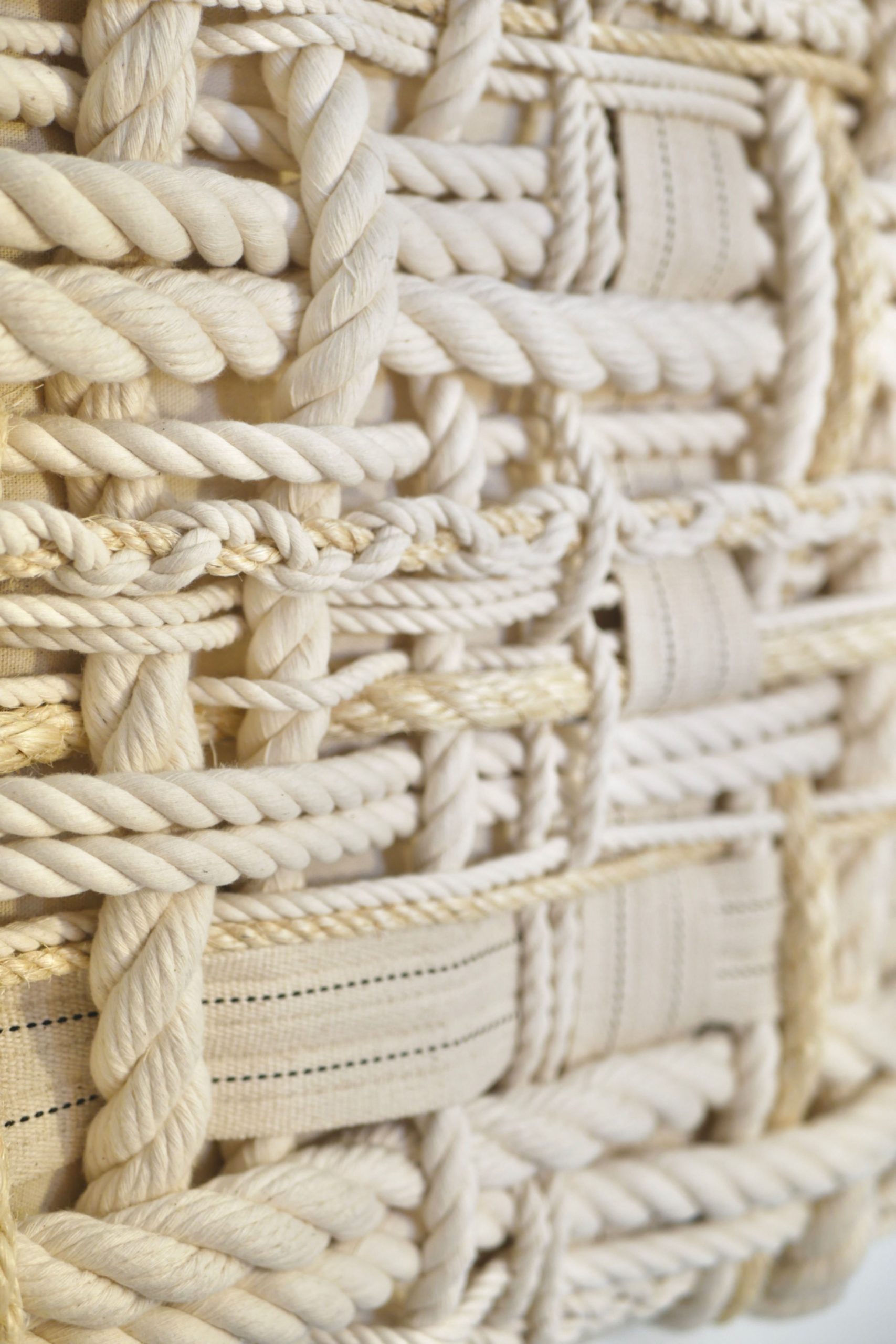
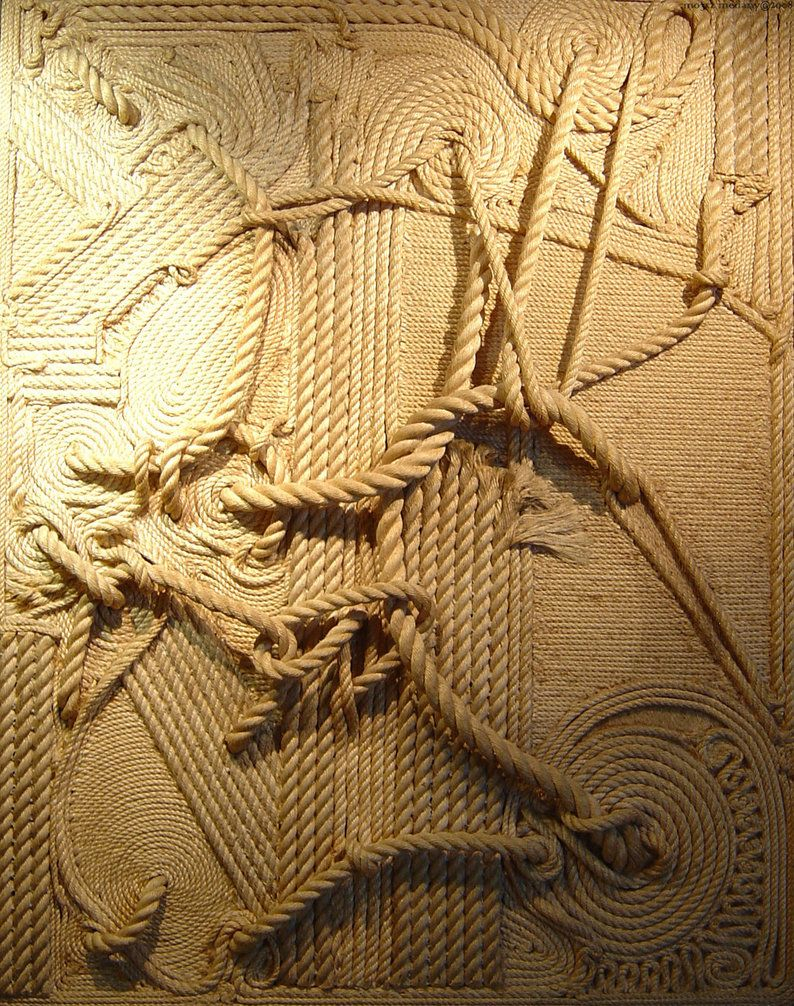
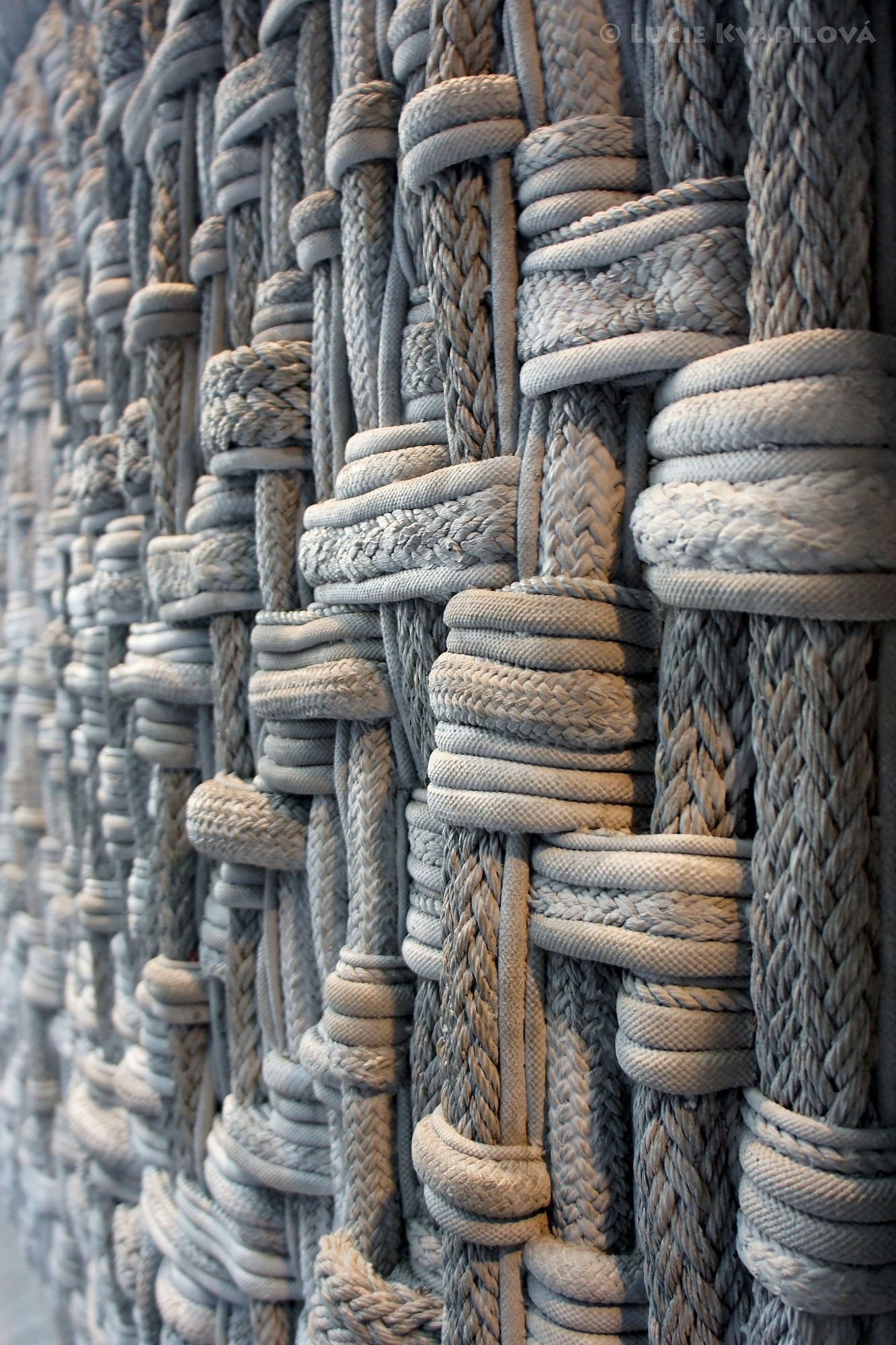
The textile game has evolved dramatically in recent years. We’re moving away from mass-produced fabrics toward natural fibers that offer both beauty and function. Cotton, linen, wool, and jute are making their way into everything from curtains and upholstery to rugs and throws. These materials breathe better than synthetic alternatives, regulate temperature naturally, and develop a beautiful softness over time. Linen, in particular, has become incredibly popular for its natural texture and ability to add casual elegance to modern spaces. It’s not just about looking good – these materials feel good too. A cotton throw on a sofa or a linen curtain that lets in filtered light creates an atmosphere of comfort and ease that’s hard to achieve with artificial alternatives. The challenge lies in balancing the natural look with practical considerations like maintenance and durability.
Plants and Living Elements
Perhaps nowhere is the love for natural materials more evident than in the growing popularity of plants within interior design. Indoor gardens, hanging planters, and large statement foliage pieces are becoming standard features in modern homes. Plants do more than decorate – they purify the air, reduce stress levels, and create a sense of vitality and growth. This isn’t just about greenery for the sake of it; it’s about integrating living elements that respond to their environment and change with time. Consider how a fiddle leaf fig can transform a corner of a room from static to dynamic. The key is selecting plants that suit your lifestyle and space conditions. Some thrive in low light, others need plenty of sun. The right combination can create a living ecosystem that feels both curated and organic.
Sustainability and Ethical Considerations
As consumers become more aware of environmental impact, natural materials are gaining favor not just for their aesthetic qualities but for their ethical sourcing. This includes using reclaimed materials, choosing sustainably harvested wood, and supporting local artisans who work with natural resources. The trend toward sustainability is changing how we think about home improvement projects. Rather than replacing everything every few years, we’re learning to invest in quality pieces that will last. This approach reduces waste and creates more meaningful connections with the materials we choose. When you select natural materials with sustainability in mind, you’re making a statement about your values and your commitment to future generations. It’s about creating spaces that are beautiful now and will continue to be valuable over time, both aesthetically and environmentally.
Natural materials in contemporary American interior design represent more than just a passing fancy – they embody a deeper desire for authenticity, connection, and responsibility. As we continue to navigate an increasingly digital world, these organic elements provide grounding and balance that helps us feel rooted in our homes. The beauty of incorporating natural materials lies not just in their visual appeal, but in how they make us feel – more connected to the earth, to ourselves, and to the people we share our spaces with. Whether you’re starting fresh or updating existing rooms, consider how natural elements can create a more harmonious, sustainable, and genuinely comfortable living environment. The most important thing isn’t perfection – it’s the intention behind the choices you make. After all, a home built with natural materials isn’t just a place to live; it’s a reflection of who we are and what we value.
[sps_html tag=”img” src=”https://cdn.theartssection.com/wp-content/uploads/2025/11/panel-wall-art-wall-panels-art-wall-ceiling-panels-acoustic-design-inside-traditional-techniques-in-contemporary-paper-rope-art-scaled.jpg” alt=”Panel Wall Art, Wall Panels, Art Wall, Ceiling Panels, Acoustic Design … inside Traditional Techniques in Contemporary Paper Rope Art” style=”width: 100%; height: auto;”]
[sps_html tag=”img” src=”https://cdn.theartssection.com/wp-content/uploads/2025/11/rope-art-youtube-intended-for-traditional-techniques-in-contemporary-paper-rope-art.jpg” alt=”Rope Art - Youtube intended for Traditional Techniques in Contemporary Paper Rope Art” style=”width: 100%; height: auto;”]
[sps_html tag=”img” src=”https://cdn.theartssection.com/wp-content/uploads/2025/11/rope-wall-rope-art-texture-materials-and-textures-inside-american-art-decor-woven-paper-rope-wall-decor-set-of-3-natural.jpg” alt=”Rope Wall | Rope Art, Texture, Materials And Textures inside American Art Decor Woven Paper Rope Wall Decor, Set Of 3 - Natural” style=”width: 100%; height: auto;”]
[sps_html tag=”img” src=”https://cdn.theartssection.com/wp-content/uploads/2025/11/wall-rope-art-textile-fiber-art-textile-artists-wall-sculptures-pertaining-to-traditional-techniques-in-contemporary-paper-rope-art.jpg” alt=”Wall Rope Art Textile Fiber Art, Textile Artists, Wall Sculptures … pertaining to Traditional Techniques in Contemporary Paper Rope Art” style=”width: 100%; height: auto;”]
[sps_html tag=”img” src=”https://cdn.theartssection.com/wp-content/uploads/2025/11/rope-wall-art-easy-rope-wall-art-rope-wall-decor-youtube-intended-for-traditional-techniques-in-contemporary-paper-rope-art.jpg” alt=”Rope Wall Art || Easy Rope Wall Art || Rope Wall Decor - Youtube intended for Traditional Techniques in Contemporary Paper Rope Art” style=”width: 100%; height: auto;”]