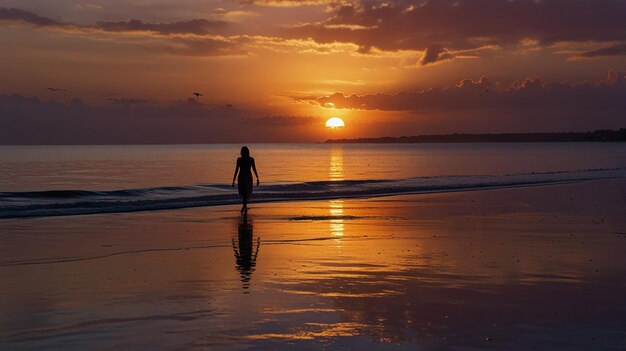
There’s something deeply calming about watching waves roll in against a vast sky. The ocean and sky share a unique dance that photographers yearn to capture. These serene moments happen more often than we think, waiting for someone with the right eye and timing to freeze them forever.
Every morning, countless photographers wake before dawn to catch that magical moment when ocean meets sky. It’s not just about snapping a pretty picture – it’s about capturing the soul of nature itself. The way light hits the water, how clouds reflect on the surface, and the endless horizon that seems to stretch beyond imagination creates scenes that are both humbling and inspiring. This isn’t just about technical skills though. It’s about understanding the rhythm of nature and being patient enough to wait for that perfect second when everything aligns.
Understanding Light and Timing
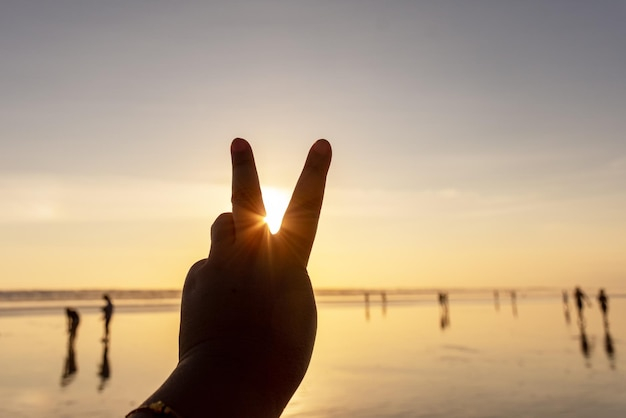
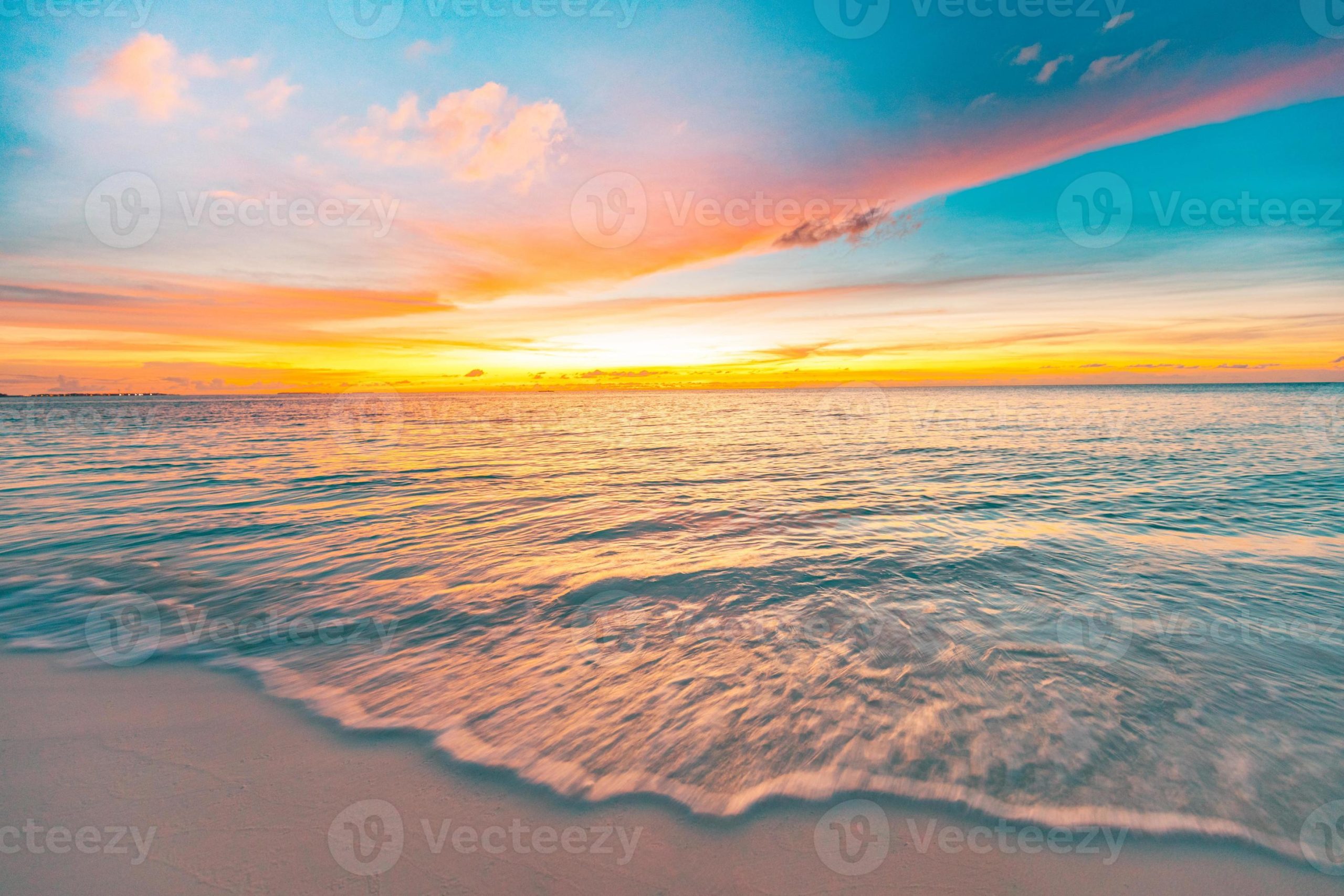
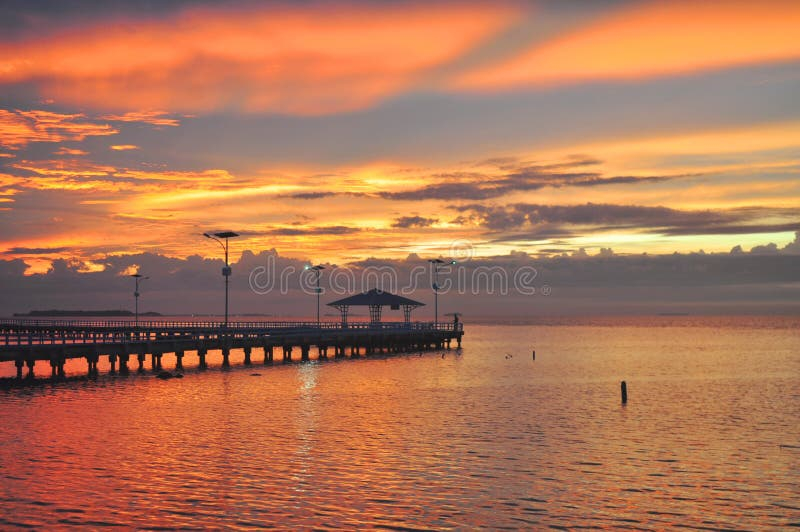
Light is your most powerful tool when photographing ocean-sky moments. Golden hour – that brief time just after sunrise or before sunset – offers the most beautiful colors. During these times, the sun is low, casting long shadows and painting everything in warm oranges and pinks. The water becomes a mirror, reflecting the sky’s colors back up at you.
Blue hour, just before full darkness, provides a different kind of magic. The sky transitions from deep blues to near-black while the ocean remains illuminated by the last hints of daylight. This creates a dreamlike quality that many find incredibly moving.
Try to avoid midday shots when the sun is directly overhead. The harsh light creates unflattering shadows and makes the ocean look flat and boring. Instead, plan your shoots around the golden hour windows, typically one hour after sunrise or one hour before sunset.
Composition Secrets for Ocean-Sky Shots
Great ocean-sky photographs aren’t just about good lighting – they’re about thoughtful composition too. Here are some essential techniques:
• Rule of thirds: Place the horizon line either one-third from the top or bottom of your frame. This creates visual balance instead of centering everything.
• Leading lines: Use waves or shoreline to guide the viewer’s eye toward the horizon.
• Foreground interest: Add rocks, sand, or shells in the foreground to create depth and layers.
• Symmetry: Sometimes the reflection of the sky on calm water creates a perfectly symmetrical image.
• Negative space: Don’t fill the entire frame. Leave room for the sky or ocean to breathe. Sometimes a simple composition works better than a busy one.
Choosing the Right Equipment
You don’t need expensive gear to capture stunning ocean-sky moments, but having the right tools can make your life easier. A wide-angle lens helps capture the vastness of both ocean and sky. A telephoto lens lets you compress the scene and isolate specific elements like distant clouds or birds.
A polarizing filter is invaluable for reducing glare on water surfaces and enhancing cloud contrast. It can make the sky appear deeper blue and increase the drama of clouds. Consider bringing a neutral density filter to control exposure during bright conditions.
Don’t forget a sturdy tripod. It’s essential for long exposures that smooth out wave motion or for capturing sharp images in low-light situations. Even a basic model will serve you well if you’re serious about this type of photography.
Weather and Seasonal Considerations
Weather plays a huge role in creating dramatic ocean-sky scenes. Overcast days might seem dull, but they actually provide soft, even lighting that reduces harsh shadows on the water. Cloudy skies can create interesting reflections and add texture to otherwise flat water.
Stormy weather brings its own excitement. Dark clouds gathering over the ocean create a sense of drama and power. The lightning and rain can produce spectacular reflections and moodier tones.
Seasonal changes affect visibility and light quality. Winter often provides clearer air and more dramatic contrasts, while summer might offer more colorful skies but less clarity due to humidity. Spring and fall tend to offer a happy medium with moderate temperatures and decent atmospheric conditions.
Mastering Exposure Techniques
Exposure can make or break your ocean-sky shot. The dynamic range between sky and water is often extreme, making metering tricky. Here’s how to handle it:
• Spot metering: Meter off the brightest part of the sky or the darkest part of the water separately.
• HDR technique: Take multiple photos at different exposures and blend them together using software.
• Graduated ND filters: These reduce the brightness of the sky while keeping the water properly exposed.
• Bracketing: Take several shots at different exposure levels to ensure you capture details in both highlights and shadows.
The key is to preserve detail in both the sky and ocean. Don’t let the bright sky blow out or the dark ocean become completely black.
Post-Processing for Realistic Results
Post-processing can enhance your ocean-sky images, but it should feel natural rather than artificial. Here’s what to focus on:
• Enhance contrast to make the separation between sky and ocean more defined.
• Adjust white balance to match the lighting conditions or create a specific mood.
• Fine-tune exposure to recover highlights and shadows.
• Add saturation carefully – a little pop can help the colors pop, but too much looks fake.
• Sharpen selectively to bring out details in the water and clouds without creating noise.
Avoid over-processing. The beauty of these scenes lies in their natural quality. A subtle enhancement should make the image more impactful, not change its essence.
Practical Tips for Success
Here are some tried-and-true tips that will help you get better results:
• Arrive early: Beat the crowds and catch the light before it changes.
• Check weather forecasts: Know when conditions will be ideal.
• Bring backup batteries: Ocean environments drain power quickly.
• Protect your gear: Salt spray can damage equipment.
• Practice patience: Some of the best shots come after waiting for hours.
• Shoot in RAW: This gives you more flexibility during editing.
• Study the work of others: Look at photographers who specialize in ocean-sky photography for inspiration.
• Keep a notebook: Record successful settings and compositions for future reference.
Remember, practice makes progress. Every session teaches you something new about light, weather, and what works best for your style.
The Emotional Impact of These Moments
Beyond the technical aspects, there’s something deeply emotional about these ocean-sky encounters. They represent peace, freedom, and the vastness of existence itself. Many photographers describe feeling a sense of awe when they capture these moments.
The repetitive sound of waves, the salt in the air, and the endless horizon all contribute to a meditative experience. When you photograph these scenes, you’re not just taking pictures – you’re preserving a feeling, a memory, a moment of connection with something greater than yourself.
These images often resonate with viewers because they tap into our primal need for beauty and tranquility. In our fast-paced world, such photographs remind us of simpler times and the quiet magic that exists all around us.
Capturing serene moments where ocean meets sky is more than just a photography skill – it’s an art form that connects us to nature’s rhythm. Whether you’re a seasoned photographer or just starting out, these scenes offer endless opportunities to learn and grow. The key is understanding that great ocean-sky photography comes from patience, preparation, and respect for the natural world. Remember, the most beautiful shots often happen when you’re not even looking for them. Sometimes, the best moments are the ones that surprise you when you least expect them. So grab your camera, head to the coast, and start capturing those magical instances where earth and heaven embrace.
[sps_html tag=”img” src=”https://cdn.theartssection.com/wp-content/uploads/2025/11/premium-photo-peace-sign-at-sunset-with-copy-space-in-finding-peace-in-every-hue-sunset-photography-at-the-shore.jpg” alt=”Premium Photo | Peace Sign At Sunset With Copy Space in Finding Peace in Every Hue Sunset Photography at the Shore” style=”width: 100%; height: auto;”]
[sps_html tag=”img” src=”https://cdn.theartssection.com/wp-content/uploads/2025/11/explosively-colorful-beach-sunset-every-hue-shines-premium-ai-for-finding-peace-in-every-hue-sunset-photography-at-the-shore.jpg” alt=”Explosively Colorful Beach Sunset Every Hue Shines | Premium Ai … for Finding Peace in Every Hue Sunset Photography at the Shore” style=”width: 100%; height: auto;”]
[sps_html tag=”img” src=”https://cdn.theartssection.com/wp-content/uploads/2025/11/the-reddish-hue-of-the-sunset-on-a-bridge-on-tidung-island-stock-image-with-finding-peace-in-every-hue-sunset-photography-at-the-shore.jpg” alt=”The Reddish Hue Of The Sunset On A Bridge On Tidung Island Stock Image … with Finding Peace in Every Hue Sunset Photography at the Shore” style=”width: 100%; height: auto;”]
[sps_html tag=”img” src=”https://cdn.theartssection.com/wp-content/uploads/2025/11/20000-free-peace-nature-photos-pixabay-with-calm-and-colorful-sunset-at-beach-photograph-print.jpg” alt=”20,000+ Free Peace & Nature Photos - Pixabay with "Calm And Colorful Sunset At Beach" Photograph Print” style=”width: 100%; height: auto;”]
[sps_html tag=”img” src=”https://cdn.theartssection.com/wp-content/uploads/2025/11/landscape-photography-beach-sunset-throughout-calm-and-colorful-sunset-at-beach-photograph-print-scaled.jpg” alt=”Landscape Photography Beach Sunset throughout "Calm And Colorful Sunset At Beach" Photograph Print” style=”width: 100%; height: auto;”]