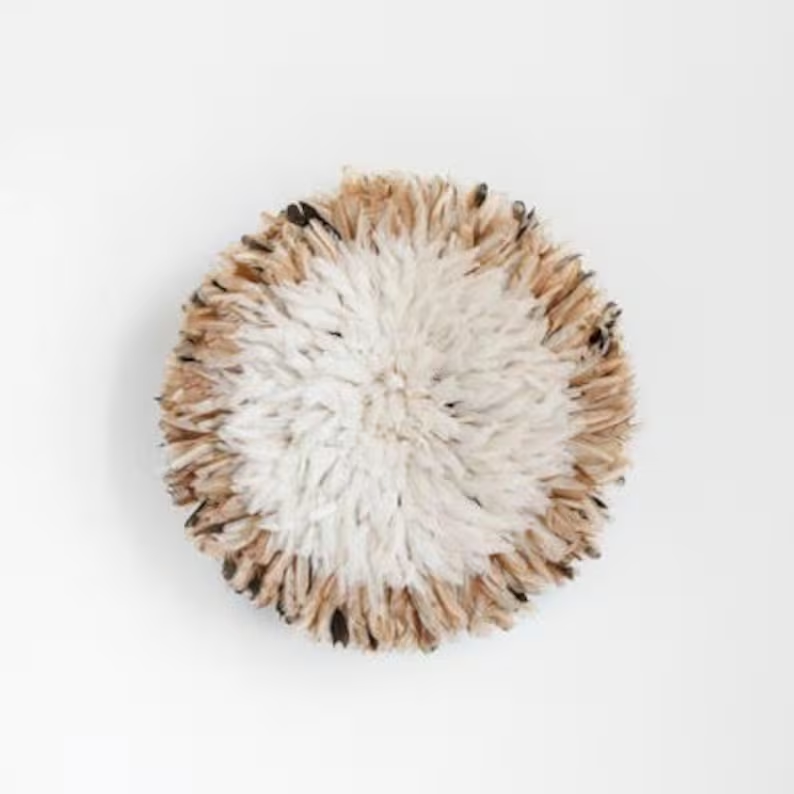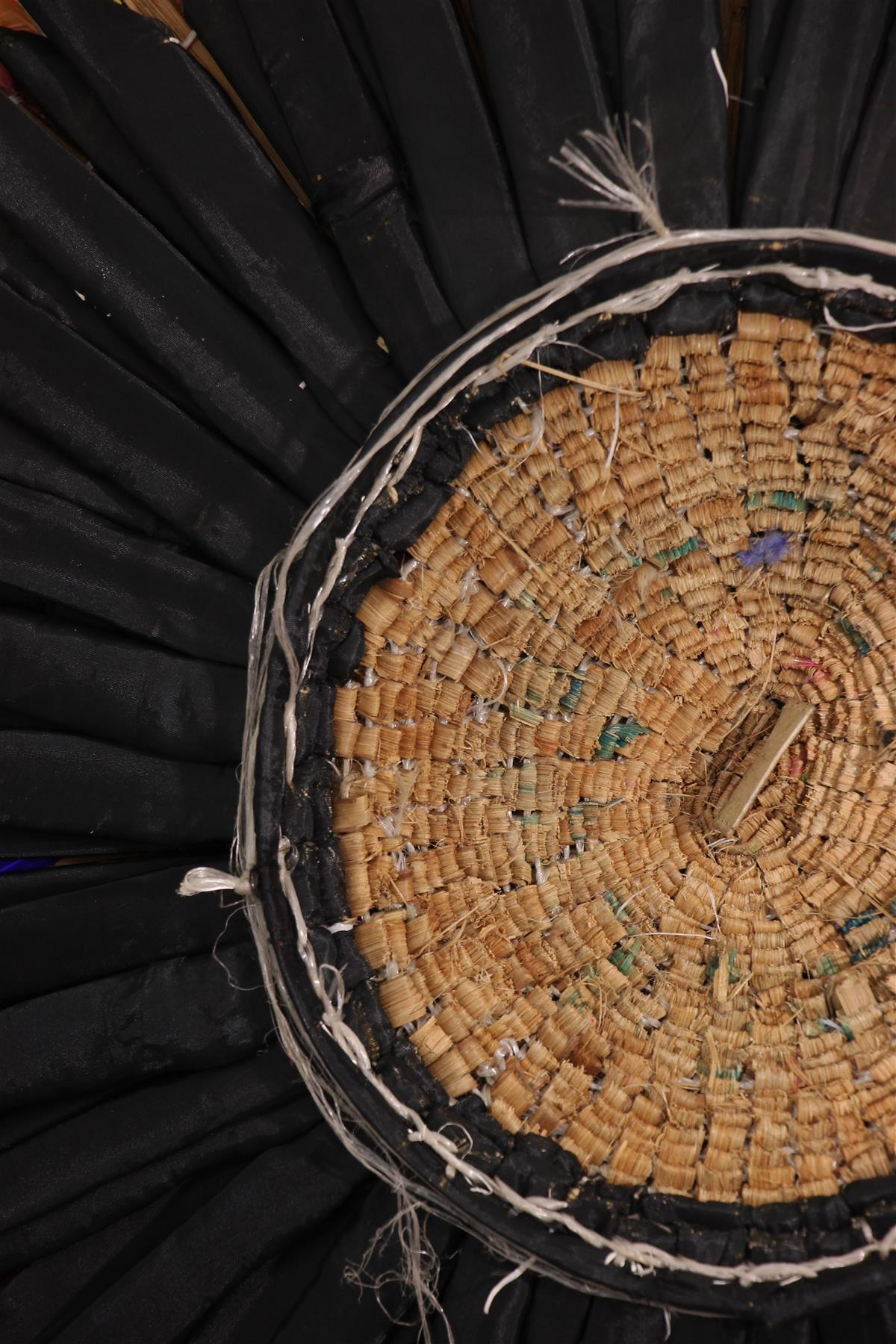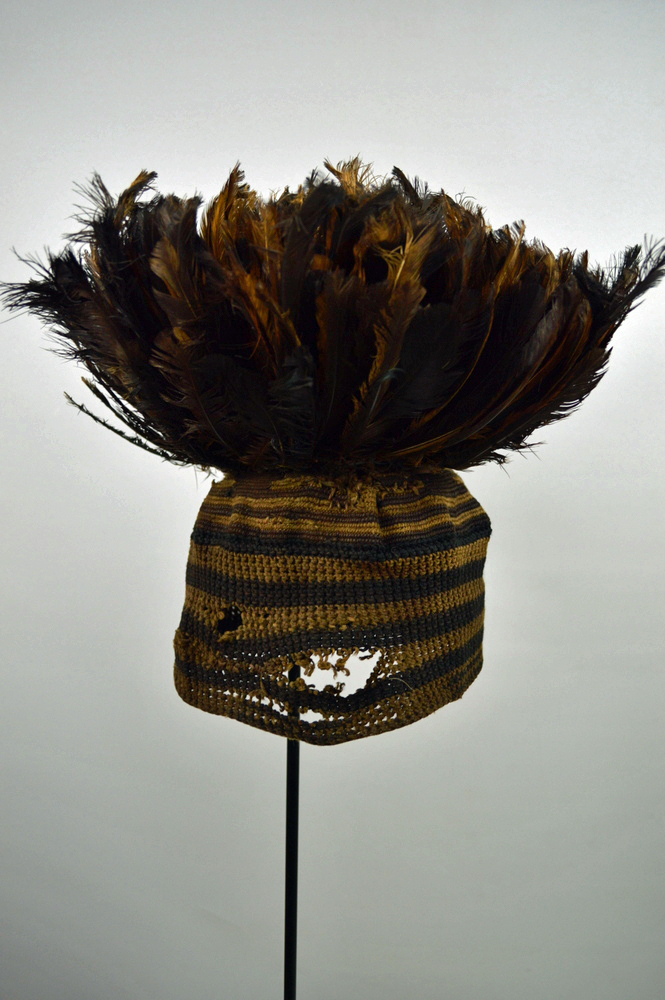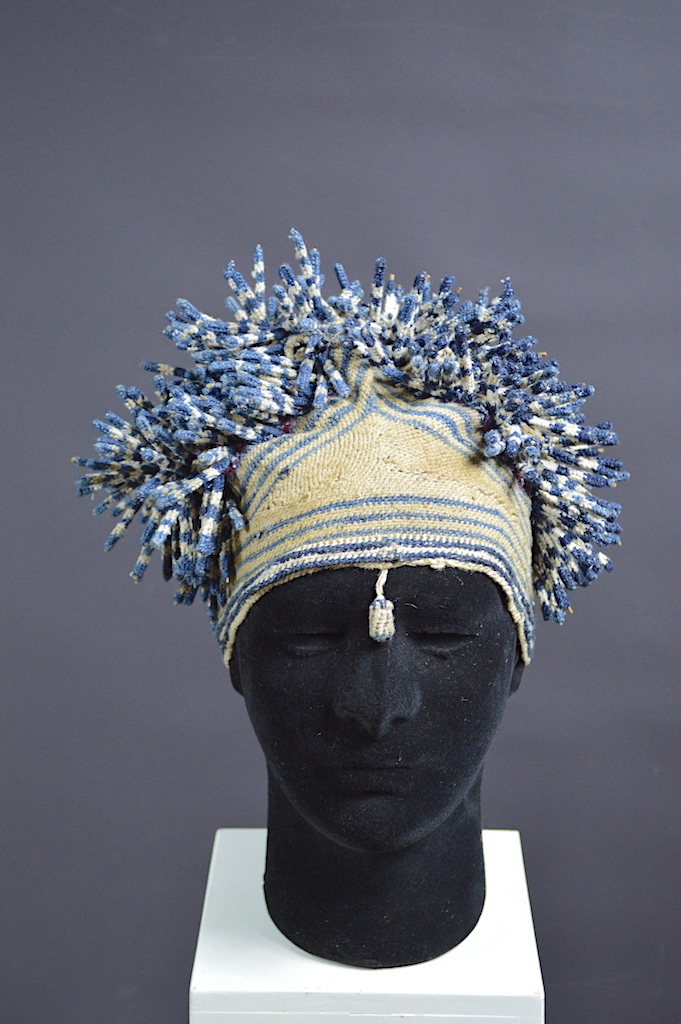
These magnificent headpieces aren’t just fashion statements – they’re powerful symbols that tell stories of heritage, status, and identity. From their ancient origins to modern-day relevance, let’s uncover what makes these hats so special.
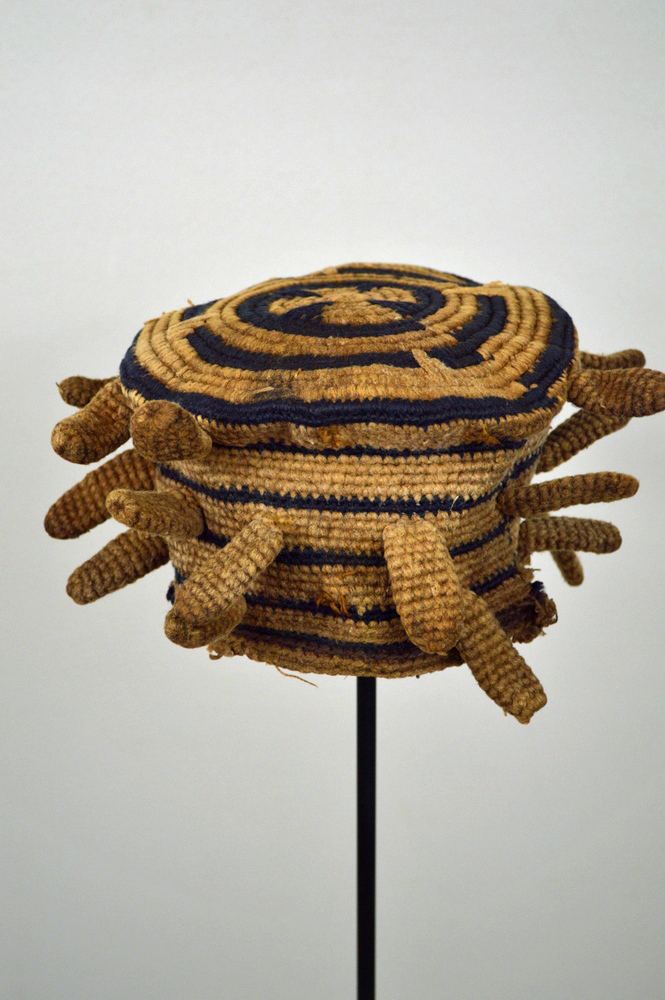
In the heart of Cameroon, where tradition runs deep and cultural pride burns bright, there exists a remarkable artifact that speaks volumes about the Bamileke people’s rich heritage. The large white and brown Bamileke hats are more than mere accessories – they’re living testimonies to centuries of craftsmanship, social hierarchy, and artistic excellence. These impressive headpieces have traveled through time, evolving while maintaining their essential character and meaning. What began as simple functional items has transformed into complex symbols of identity and belonging. Today, when you see someone wearing one of these distinctive hats, you’re witnessing a connection to ancestral wisdom and cultural continuity that spans generations.
Ancient Origins and Cultural Significance
The roots of the Bamileke hat stretch back hundreds of years, possibly even further than we can trace. Archaeological evidence suggests that the people of the Bamileke region were already creating elaborate headwear long before European contact. These early versions were likely simpler in design but carried enormous cultural weight.
The hats served multiple purposes beyond fashion. They represented social standing, with different styles indicating various levels of nobility or achievement. In many cases, only certain members of society could wear specific types of hats, making them powerful markers of identity. The white color often signified purity and elevated status, while brown tones might represent earthiness and connection to the land.
Consider how these hats were used during important ceremonies. When kings and chiefs wore them, they weren’t just dressing up – they were declaring their authority and spiritual connection to their people. The size mattered too; larger hats often meant greater influence or higher rank within the community structure.
Craftsmanship and Materials Through Time
The creation of these hats involves a meticulous process passed down through generations. Traditionally, artisans used locally available materials, primarily grasses and fibers that grew abundantly in the region. The choice of material wasn’t arbitrary – each type had its own properties and symbolic meanings.
White hats were typically made from bleached grasses or plant fibers that had been carefully processed to achieve their characteristic hue. This bleaching process required skill and knowledge passed down through family lines. Brown hats often came from naturally occurring fibers that had been dyed using local plants or minerals.
What’s fascinating is how the techniques have evolved. Early artisans worked with basic tools and natural resources, but over time, they developed sophisticated methods for weaving, braiding, and shaping. The construction process still requires incredible patience and precision – some hats take weeks or even months to complete properly. Each strand must be placed correctly, each layer built carefully to ensure both beauty and durability.
Social Hierarchy and Status Symbols
Perhaps nowhere else do we see such clear visual representations of social organization as in the Bamileke hat system. These hats functioned like a visual constitution, making it immediately obvious who held power and respect within their communities. Different styles, sizes, colors, and decorations all carried specific meanings.
For instance, royal hats were usually the largest and most ornate, sometimes adorned with intricate patterns or additional elements like feathers or metal ornaments. Nobles wore slightly smaller versions with their own distinctive features. Commoners might wear simpler designs, but even these had their place in the overall social fabric.
This system created a visible hierarchy that helped maintain order and respect within communities. It was a way for everyone to know their place while also showing reverence for those above them. The hats didn’t just identify status – they reinforced it, making the social structure more tangible and understandable for everyone involved.
Modern Adaptations and Contemporary Relevance
As the world changed around them, the Bamileke hats didn’t disappear – they adapted. Today, we see variations that blend traditional elements with modern influences. Some artisans now incorporate synthetic materials or new decorative techniques while maintaining the core aesthetic principles.
The hats have found new life in cultural festivals, art exhibitions, and even fashion shows. Younger generations are discovering these traditional pieces and finding ways to incorporate them into contemporary contexts. This isn’t about abandoning tradition – it’s about keeping it alive in new forms.
Consider how these hats appear in modern photography or cultural events. They serve as bridges between past and present, helping younger people connect with their heritage while showing the world the beauty and complexity of African craftsmanship. The hats have become ambassadors of cultural pride and artistic excellence.
Artistic Innovation and Design Evolution
Over the decades, we’ve seen incredible creativity in how these hats are designed and decorated. While the basic structure remains consistent, artisans have experimented with new patterns, textures, and combinations of materials.
Some modern makers have introduced geometric designs that reflect contemporary aesthetics while still honoring traditional symbolism. Others have explored different color palettes, combining white and brown in innovative ways. The decorative elements have expanded too – from simple braiding patterns to elaborate beadwork or even small metal accents.
These innovations don’t diminish the traditional value – instead, they show how living cultures continue to evolve. The hats remain deeply rooted in their historical context while embracing new possibilities for expression. Each designer brings their own interpretation, creating a rich diversity of styles that honor the past while looking toward the future.
Preservation Efforts and Cultural Impact
Recognizing their importance, various organizations and individuals have taken steps to preserve this craft. Museums in Cameroon and elsewhere showcase these hats as important cultural artifacts. Educational programs teach young people about the significance of these pieces and the skills needed to create them.
The challenge lies in ensuring that traditional knowledge doesn’t get lost. As older craftspeople age, their expertise must be transferred to new generations. This requires dedicated effort and resources, but it’s essential for maintaining cultural continuity.
Beyond preservation, these hats contribute significantly to cultural tourism in the region. Visitors come specifically to learn about and purchase authentic pieces, creating economic opportunities for artisans. This financial support helps sustain the practice and encourages continued innovation within the craft.
The story of the large white and brown Bamileke hats is ultimately about human creativity, cultural resilience, and the power of symbols to connect us across time. These remarkable pieces demonstrate how simple materials can be transformed into complex expressions of identity and meaning. They remind us that tradition isn’t static – it’s alive and evolving, constantly adapting to new circumstances while maintaining its essential character.
Whether worn in ceremonial settings or displayed in museums, these hats carry forward the wisdom and artistry of generations past. They represent not just the skill of individual craftspeople but the collective memory and values of an entire culture. In our increasingly globalized world, these traditional objects offer something precious – a tangible link to our shared human heritage and the diverse ways people have expressed themselves throughout history. The legacy of the Bamileke hats continues to grow, inspiring new generations of creators and admirers alike.
[sps_html tag=”img” src=”https://cdn.theartssection.com/wp-content/uploads/2025/11/bamileke-mekan-hat-exquisite-african-art-regarding-traditional-craftsmanship-behind-large-white-and-brown-bamileke-hats.jpg” alt=”Bamileke Mekan Hat | Exquisite African Art regarding Traditional Craftsmanship Behind Large White and Brown Bamileke Hats” style=”width: 100%; height: auto;”]
[sps_html tag=”img” src=”https://cdn.theartssection.com/wp-content/uploads/2025/11/bamileke-hat-14454-headdresses-and-hats-headdresses-bamileke-regarding-large-white-brown-bamileke-juju-hat.jpg” alt=”Bamileke Hat (14454) - Headdresses And Hats, Headdresses Bamileke regarding Large White & Brown Bamileke Juju Hat” style=”width: 100%; height: auto;”]
[sps_html tag=”img” src=”https://cdn.theartssection.com/wp-content/uploads/2025/11/set-of-4-natural-cream-beige-and-natural-brown-bamileke-juju-hats-pertaining-to-traditional-craftsmanship-behind-large-white-and-brown-bamileke-hats.png” alt=”Set Of 4 Natural Cream, Beige, And Natural Brown Bamileke Juju Hats … pertaining to Traditional Craftsmanship Behind Large White and Brown Bamileke Hats” style=”width: 100%; height: auto;”]
[sps_html tag=”img” src=”https://cdn.theartssection.com/wp-content/uploads/2025/11/bamileke-hat-exquisite-african-art-with-traditional-craftsmanship-behind-large-white-and-brown-bamileke-hats.jpg” alt=”Bamileke Hat | Exquisite African Art with Traditional Craftsmanship Behind Large White and Brown Bamileke Hats” style=”width: 100%; height: auto;”]
[sps_html tag=”img” src=”https://cdn.theartssection.com/wp-content/uploads/2025/11/bamileke-feather-hat-exquisite-african-art-within-traditional-craftsmanship-behind-large-white-and-brown-bamileke-hats.jpg” alt=”Bamileke Feather Hat | Exquisite African Art within Traditional Craftsmanship Behind Large White and Brown Bamileke Hats” style=”width: 100%; height: auto;”]