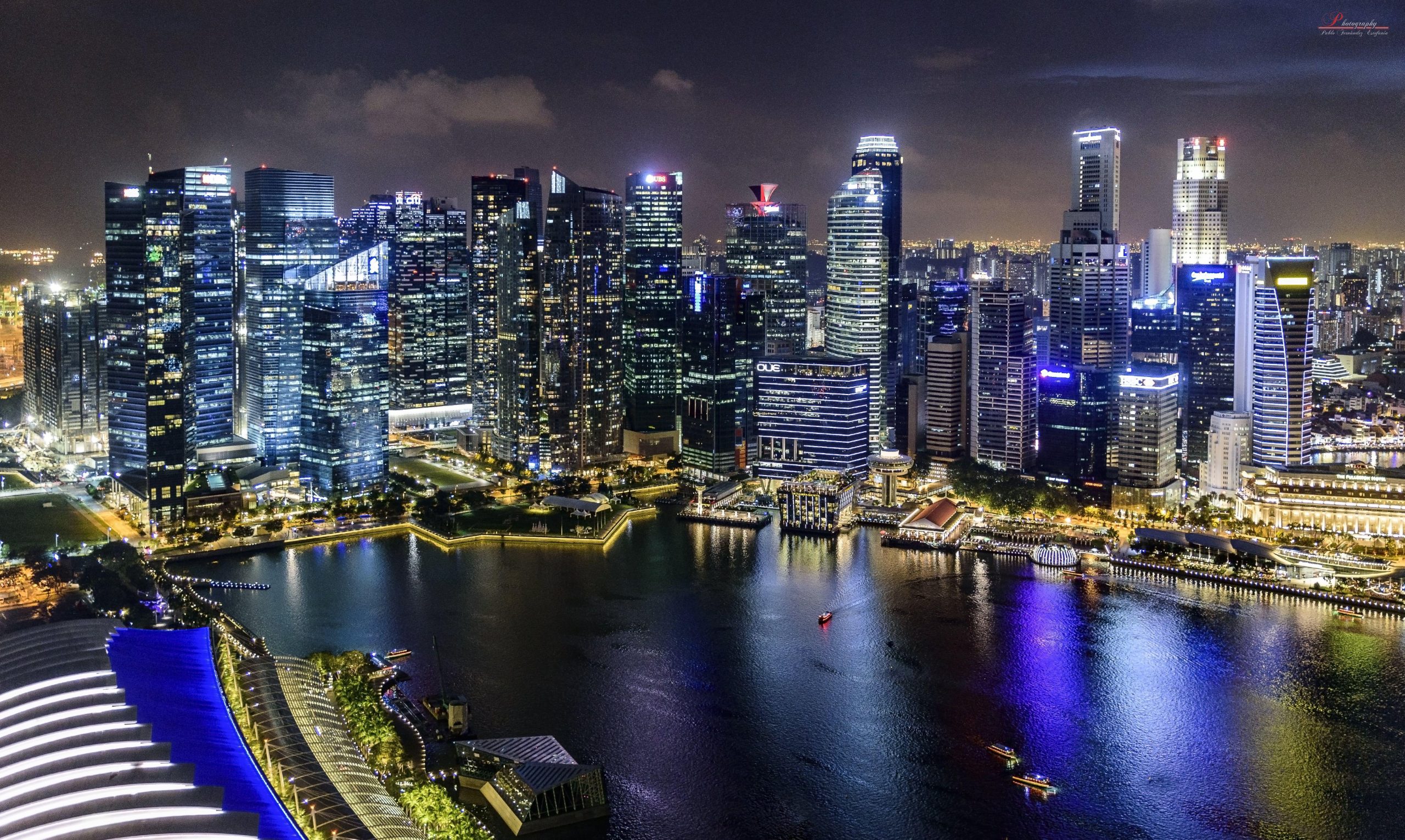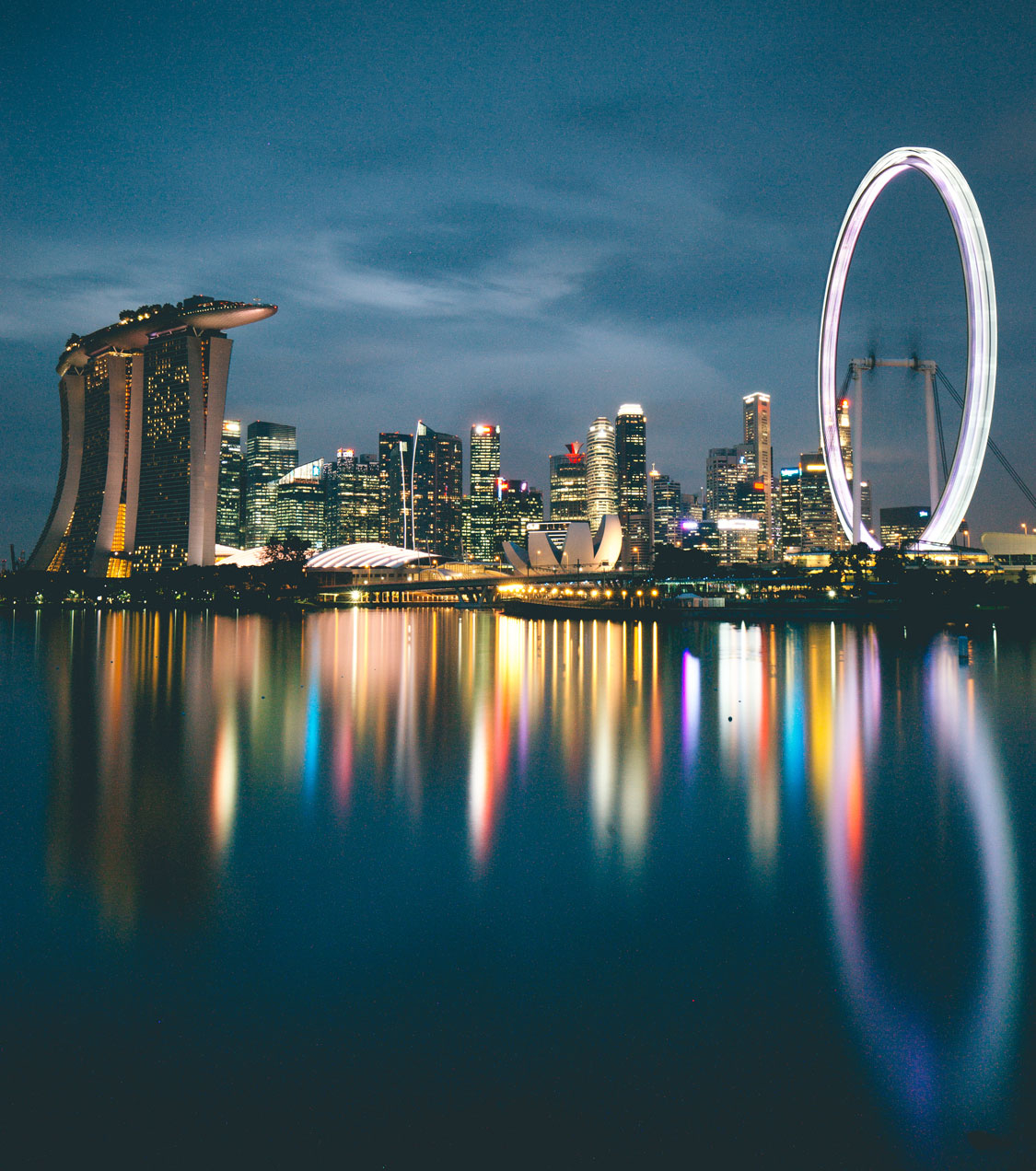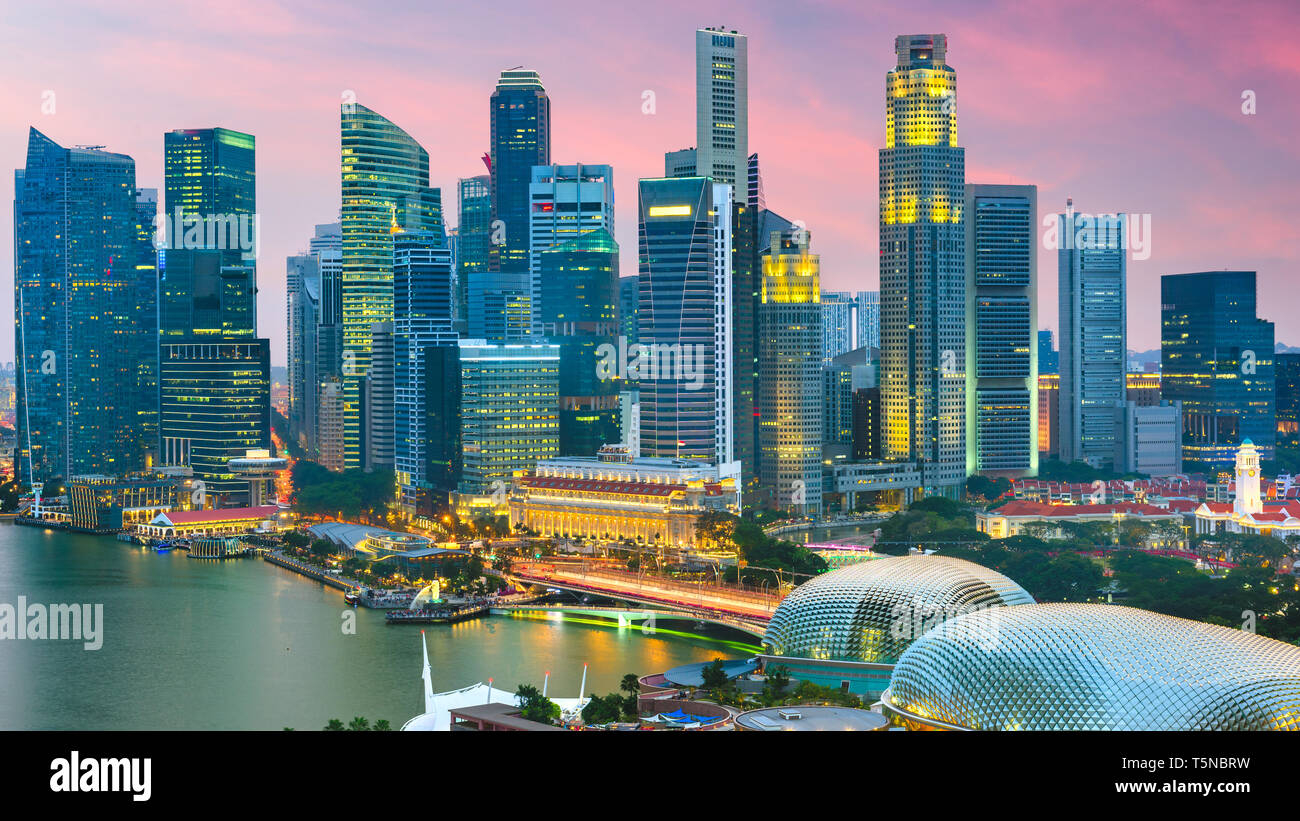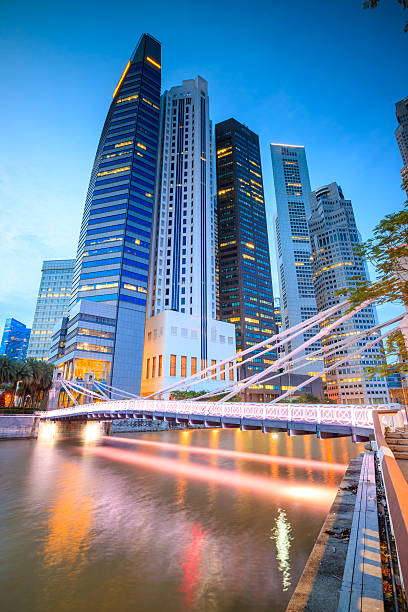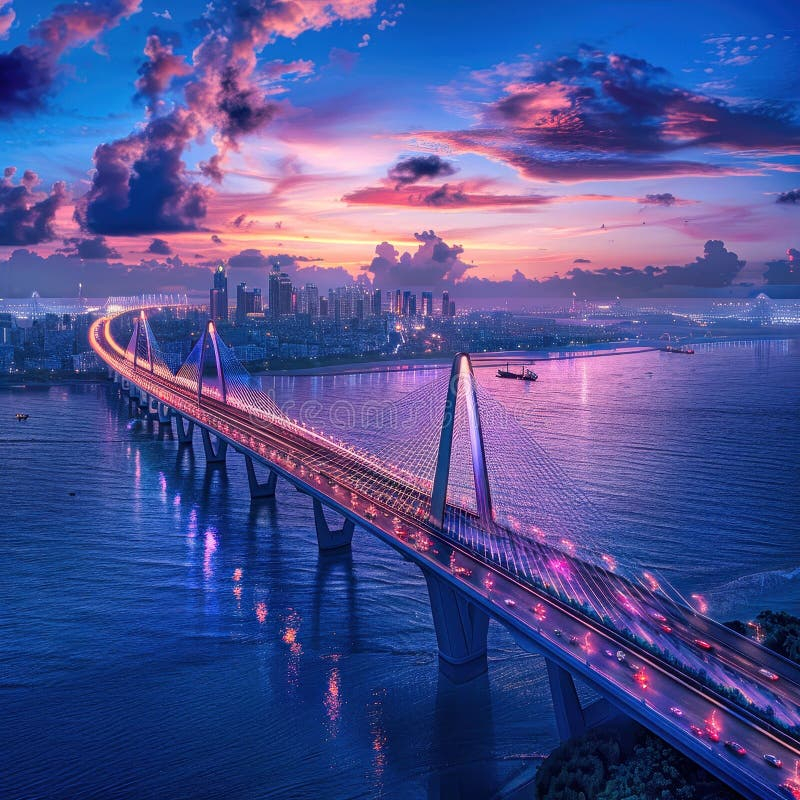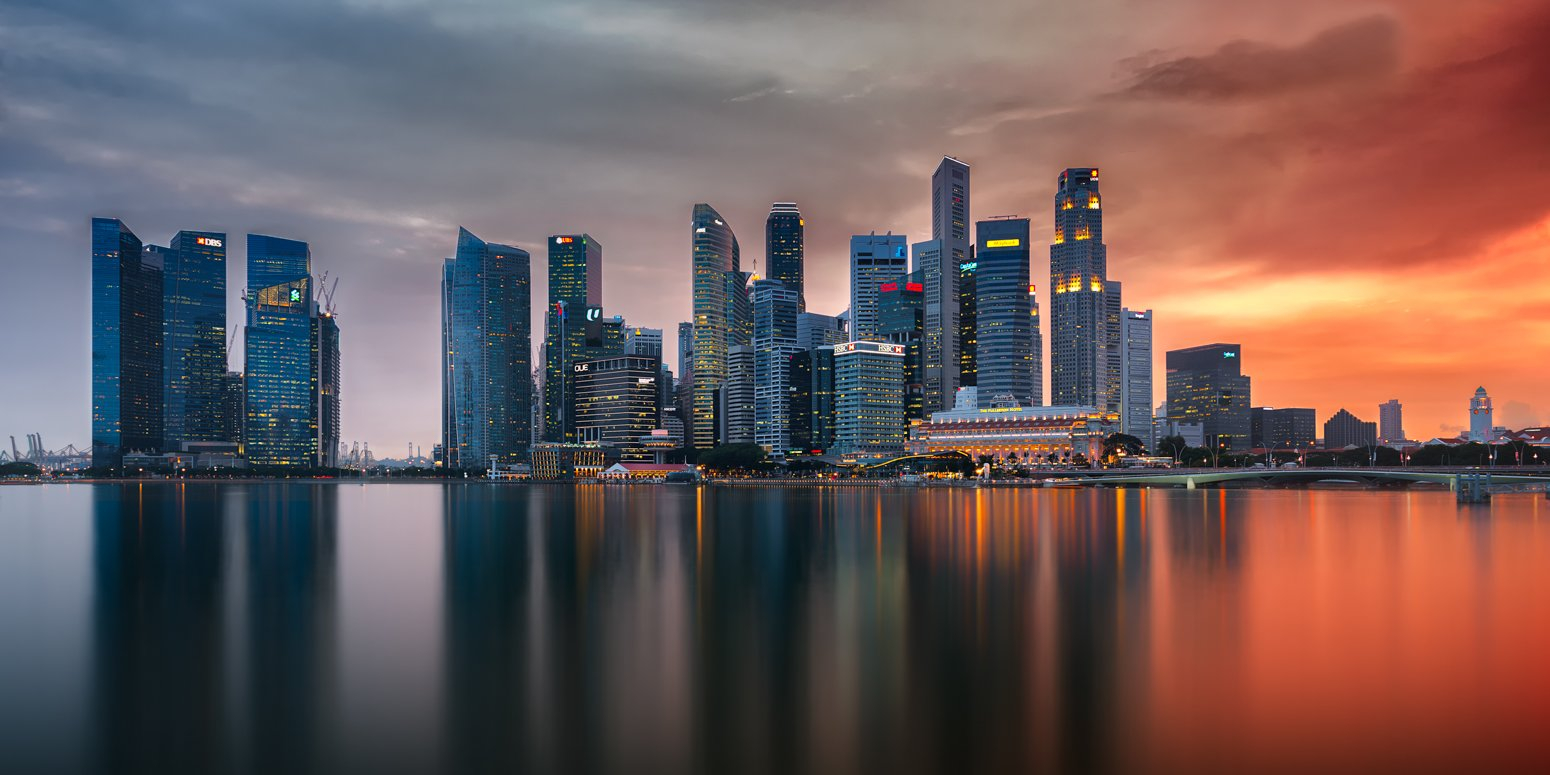
The Singapore skyline isn’t just a collection of glass towers anymore. It’s become a living, breathing testament to how modern architecture can reshape entire cities. From the soaring heights of Marina Bay Sands to the sleek lines of the Shard, these buildings aren’t just impressive sights—they’re fundamentally altering how people live, work, and move through the city-state.
Singapore’s skyline has undergone a dramatic transformation over the past few decades. What started as a relatively flat cityscape has evolved into one of the most vertically ambitious urban environments in Asia. This isn’t just about building taller buildings—it’s about creating new ways of thinking about space, community, and urban living. The impact goes far beyond aesthetics, touching everything from traffic patterns to social dynamics. These towering structures have become symbols of Singapore’s economic prowess and its commitment to innovation. But they’ve also raised important questions about what makes a city truly livable when so much of it stretches skyward.
The Rise of Vertical Living
Singapore’s approach to urban planning has always been about maximizing limited space. With only 728 square kilometers of land, the city-state has had to get creative about how it uses every inch. This has led to some truly remarkable developments.
The concept of vertical living wasn’t just about stacking buildings—it was about creating entire ecosystems within towers. Think about how the Parkroyal on Pickering integrates lush gardens into its design, or how the Oasia Hotel features cascading plants that make it look like a living wall. These aren’t just pretty facades. They represent a fundamental shift in how we think about urban environments.
Consider the case of the One Raffles Place tower. When it was completed, it wasn’t just another skyscraper. It became a hub for businesses, a gathering place for residents, and a landmark that redefined what a modern office building could be. The building houses over 400,000 square feet of commercial space and includes amenities like a rooftop garden and a fitness center. This kind of integrated approach shows how skyscrapers can serve multiple functions beyond just providing office space.
What’s particularly interesting is how these developments have influenced residential living. The SkyPark apartments in the Pinnacle@Duxton complex offer residents direct access to outdoor spaces while being suspended high above the ground. It’s not just about having a better view—it’s about creating a completely different relationship with the urban environment.
Transportation and Mobility Changes
As buildings have grown taller, the way people move around the city has had to adapt. This isn’t just about getting to the top floor faster—it’s about how entire transportation networks have evolved.
The MRT system has had to evolve dramatically to accommodate these changes. New stations have been built specifically to serve major skyscraper districts. For instance, the Marina Bay Sands station was designed with massive underground spaces to handle the volume of people that the complex attracts. The station itself is a marvel of engineering, with its distinctive triple-podium design matching the building above.
But it’s not just about moving people efficiently. The way these towers interact with public transit creates entirely new patterns of movement. People now have options to walk between buildings, take sky bridges, or even use elevators that connect directly to other developments. The concept of a ‘building as a city’ has become more than just a buzzword.
Traffic patterns have also shifted significantly. Rather than trying to move everyone through ground-level roads, the focus has been on vertical movement. The underground parking systems in newer developments often connect to the buildings themselves, creating a seamless transition from street level to the upper floors. This approach has reduced surface-level congestion and created more pedestrian-friendly zones.
The impact on cycling infrastructure has been equally significant. Many new developments include dedicated bike lanes that run through and around buildings, sometimes even using the buildings themselves as part of the route. This integration has made cycling more appealing and practical for people living and working in these areas.
Environmental Considerations and Sustainability
One of the most impressive aspects of Singapore’s skyscraper development is how environmental concerns have been woven into the fabric of these projects. The city-state’s commitment to sustainability means that even the tallest buildings must meet rigorous standards.
Green building certifications like the Green Mark scheme have become mandatory for most new developments. The Marina Bay Sands, for example, incorporates numerous sustainable features including solar panels, rainwater harvesting systems, and energy-efficient lighting. The building’s design actually helps reduce the urban heat island effect by incorporating extensive greenery and reflective surfaces.
The concept of biophilic design has become central to many projects. Buildings like the CapitaSpring feature extensive plantings that improve air quality while providing natural cooling. These elements aren’t just decorative—they’re functional parts of the building’s environmental strategy.
Water management has also taken on new importance. Singapore’s approach to managing stormwater runoff has been particularly innovative. Many buildings now incorporate systems that collect and filter rainwater, which then feeds into the city’s broader water management network. The Gardens by the Bay structures demonstrate how this approach can create both environmental benefits and spectacular visual experiences.
Energy efficiency has been another focus area. The new generation of skyscrapers uses smart building technologies that automatically adjust lighting, heating, and cooling based on occupancy and weather conditions. These systems can reduce energy consumption by up to 30% compared to traditional buildings.
Economic Impacts on the Local Community
The economic influence of these towering structures extends far beyond their immediate tenants. They’ve created ripple effects throughout the local economy that touch nearly every aspect of business.
The job market has shifted significantly. While traditional office workers still exist, there’s now a growing demand for specialized roles in building management, facility services, and technology maintenance. The complexity of these buildings requires skilled professionals who understand everything from HVAC systems to security protocols.
Local businesses have had to adapt to serve the needs of a more affluent, mobile workforce. Restaurants, cafes, and retail shops have emerged around these developments, often offering premium services that cater to the high-income residents and visitors. The Shangri-La Hotel at Marina Bay, for example, has created a dining and entertainment district that serves both hotel guests and the broader community.
Real estate values in surrounding areas have increased dramatically. The presence of a major skyscraper often acts as a catalyst for further development. Areas that were once considered peripheral to the city center now attract investment because of their proximity to these landmarks. Property prices in neighborhoods like Orchard Road have risen substantially due to the clustering of high-end developments.
The tax revenue generated by these developments has been substantial. Corporate taxes, property taxes, and indirect economic contributions have helped fund infrastructure improvements and public services. This additional revenue has allowed the government to invest in things like education, healthcare, and cultural programs that benefit all residents.
Social Dynamics and Community Building
Perhaps one of the most fascinating impacts of these skyscrapers is how they’ve changed social interactions and community formation. The vertical nature of these buildings creates unique opportunities—and challenges—for people to connect.
Shared spaces within buildings have become vital community hubs. The rooftop gardens of the Marina Bay Sands aren’t just pretty spots—they’re places where people from different backgrounds come together. These areas host everything from yoga classes to art exhibitions, creating informal communities that might not otherwise exist.
The concept of ‘vertical neighborhoods’ has emerged, where residents of the same building or complex form tight-knit communities. The Pinnacle@Duxton project created something unique—a residential complex where people live in different levels but share common spaces. This has led to unexpected friendships and social connections that transcend traditional neighborhood boundaries.
However, these developments have also created some tensions. The high cost of living in these areas has made them less accessible to lower-income residents, potentially contributing to gentrification. Some communities have formed to advocate for more affordable housing options within these developments.
Public art installations have become another way these buildings foster community. The famous ‘Gardens by the Bay’ structures feature interactive digital displays that engage passersby. These installations transform the urban environment from a purely functional space into something more culturally rich and engaging.
Future Trends and Innovation
Looking ahead, the next wave of skyscraper development promises even more radical changes. Technology integration will likely become even more sophisticated, with buildings that can adapt to changing needs in real time.
Smart building technologies are evolving rapidly. Future developments may include self-healing materials that repair small cracks automatically, or buildings that can adjust their shape based on weather conditions. The idea of buildings that respond to their environment rather than just existing in it is becoming more feasible.
The concept of mixed-use developments will continue to expand. We’re seeing more buildings that combine residential, commercial, and recreational spaces in ways that were unimaginable just a decade ago. The trend toward creating ‘lifestyle centers’ within towers suggests that future developments will be more than just places to work or live—they’ll be complete urban ecosystems.
Sustainability will remain at the forefront. New innovations in renewable energy, waste management, and environmental control systems will push these buildings to even higher standards. The goal isn’t just to be tall, but to be smart, efficient, and environmentally responsible.
There’s also potential for even greater integration with the surrounding urban environment. Future developments might include underground connections to other buildings, or even elevated walkways that create new ways of moving through the city. The emphasis on creating seamless urban experiences rather than isolated structures seems to be the direction forward.
Singapore’s skyscrapers represent more than just architectural achievements—they’re proof of how thoughtful urban planning can address the challenges of limited space while creating vibrant, sustainable communities. These buildings have reshaped not just the physical landscape but the very way people think about urban living. From how we move through the city to how we interact with our neighbors, the influence of these towers is profound and lasting. As Singapore continues to evolve, these structures will undoubtedly continue to push boundaries and set new standards for what urban development can achieve. The question isn’t whether these buildings will change the city further, but how quickly they’ll adapt to new challenges and opportunities. The story of Singapore’s skyscrapers is still being written, and it’s one that continues to inspire cities around the world.
[sps_html tag=”img” src=”https://cdn.theartssection.com/wp-content/uploads/2025/10/night-skyline-of-singapore-hi-res-stock-photography-and-images-alamy-for-singapore-skyscrapers-panorama-cityscape-canvas-print40x20.jpg” alt=”Night Skyline Of Singapore Hi-Res Stock Photography And Images - Alamy for "Singapore Skyscrapers" Panorama Cityscape Canvas Print40"X20"” style=”width: 100%; height: auto;”]
[sps_html tag=”img” src=”https://cdn.theartssection.com/wp-content/uploads/2025/10/skyline-marina-bay-singapore-fine-art-photography-by-nico-trinkhaus-with-exploring-singapores-vertical-skyline-through-artistic-urban-photography.jpg” alt=”Skyline | Marina Bay, Singapore - Fine Art Photography By Nico Trinkhaus with Exploring Singapore's Vertical Skyline Through Artistic Urban Photography” style=”width: 100%; height: auto;”]
[sps_html tag=”img” src=”https://cdn.theartssection.com/wp-content/uploads/2025/10/singapore-skyline-vertical-stock-photos-pictures-royalty-free-images-within-exploring-singapores-vertical-skyline-through-artistic-urban-photography.jpg” alt=”Singapore Skyline Vertical Stock Photos, Pictures & Royalty-Free Images … within Exploring Singapore's Vertical Skyline Through Artistic Urban Photography” style=”width: 100%; height: auto;”]
[sps_html tag=”img” src=”https://cdn.theartssection.com/wp-content/uploads/2025/10/singapore-skyline-wallpapers-top-free-singapore-skyline-backgrounds-regarding-singapore-skyscrapers-panorama-cityscape-canvas-print40x20-scaled.jpg” alt=”Singapore Skyline Wallpapers - Top Free Singapore Skyline Backgrounds … regarding "Singapore Skyscrapers" Panorama Cityscape Canvas Print40"X20"” style=”width: 100%; height: auto;”]
[sps_html tag=”img” src=”https://cdn.theartssection.com/wp-content/uploads/2025/10/bay-east-view-of-singapore-skyline-explorest-in-exploring-singapores-vertical-skyline-through-artistic-urban-photography.jpg” alt=”Bay East View Of Singapore Skyline | Explorest in Exploring Singapore's Vertical Skyline Through Artistic Urban Photography” style=”width: 100%; height: auto;”]