When you hear the sharp, crisp sound of a wooden block, you’re hearing more than just percussion. You’re witnessing the rhythmic foundation that has guided drummers for centuries. These simple yet powerful tools carry deep musical traditions and offer insights into how rhythm shapes our understanding of music itself.
Picture this: a drummer sits quietly, holding two wooden blocks in their hands. The room is still, waiting. Then comes that distinctive tap – sharp, clean, and precise. That single sound carries centuries of tradition, cultural significance, and musical wisdom. Wooden blocks aren’t just instruments; they’re vessels of rhythm that have helped shape musical expression across continents. What makes them so fundamental? It’s not just about the sound they make, but how they connect us to something deeper – the very heartbeat of music itself. Whether you’re a seasoned musician or someone curious about rhythm, understanding wooden block techniques opens a window into how we organize time, space, and movement through sound.
The Basic Mechanics of Wooden Blocks
At first glance, wooden blocks might seem simple – just two pieces of wood struck together. But there’s more to them than meets the eye. The way you hold them, the angle at which you strike, even the slight variations in how hard you hit can dramatically change the sound produced. When you grip a wooden block correctly, your fingers should provide enough control while allowing the natural resonance of the wood to shine through. The blocks themselves are usually made from hardwoods like rosewood or ebony, chosen specifically for their ability to produce a clear, focused tone. The size matters too – larger blocks typically produce lower tones, while smaller ones create higher pitches. Understanding these basic mechanics isn’t just about getting the right sound; it’s about learning how to communicate with your instrument in the most effective way possible. Think about how different guitar strings produce different notes – wooden blocks work on similar principles, just with more emphasis on percussive clarity.
Cultural Roots and Traditional Uses
Wooden blocks aren’t just found in drum kits or practice rooms. They’ve been central to musical traditions worldwide, each culture adding its own flavor to how these instruments are used. In West African music, for example, wooden blocks called ‘talking drums’ were used to mimic speech patterns and convey messages across villages. The Portuguese brought their own variations to the Americas, where they evolved into what we now recognize as claves. In Latin American genres like salsa and rumba, these blocks serve as essential rhythmic anchors. Even in European folk traditions, wooden blocks were used to mark time during communal activities. What’s fascinating is how each region adapted these simple tools to fit their musical needs. The rhythmic patterns they create often reflect the social structures and daily rhythms of their communities. You might notice that the way a Cuban percussionist uses blocks differs from how a Brazilian samba group employs them. Both are valid expressions of the same basic technique, but each carries the unique character of its cultural origins.
Rhythmic Patterns and Mathematical Relationships
Here’s where things get interesting. Wooden blocks excel at creating mathematical relationships between beats. A simple pattern like 1-2-3-4 becomes more than just counting – it transforms into a structured conversation between musicians. When you play a wooden block, you’re essentially creating a bridge between silence and sound, between expectation and surprise. This relationship works on multiple levels. First, there’s the basic beat – the steady pulse that keeps everyone moving together. Then there are the subdivisions – how you break that beat into smaller parts creates complexity and interest. The timing between strikes, whether they’re perfectly even or slightly varied, can make all the difference in how the rhythm feels. Some musicians prefer strict timing, while others embrace subtle imperfections that make the rhythm feel more human. The beauty lies in how these mathematical relationships translate into emotional experiences. A 4/4 pattern might feel stable and secure, while a 7/8 pattern can create tension and release that keeps listeners engaged.
The Art of Timing and Precision
Precision in wooden block playing isn’t just about hitting the right moment – it’s about understanding when to be exact and when to be flexible. The human ear is remarkably good at detecting small timing variations, and skilled drummers learn to use this to their advantage. Sometimes, a slightly delayed strike can add character and warmth to a rhythm. Other times, perfect timing creates a sense of urgency or clarity. The key is knowing when to apply each approach. Beginners often struggle with this balance because they focus so much on accuracy that they lose the organic feel of the music. Think of it like speaking – you want to maintain the natural flow of conversation, not sound robotic. Practice playing along with recordings, paying attention to how the timing shifts between different sections. Notice how the lead singer might slightly anticipate or lag behind the beat, and try to incorporate those subtle timing changes into your own playing. The more you listen, the better you’ll become at making these decisions intuitively.
Building Rhythmic Complexity Step by Step
Starting with simple patterns is crucial, but the real magic happens when you begin layering elements. Imagine you’re building a house – you need a solid foundation before adding the fancy details. Begin with basic single-note patterns, then gradually introduce variations. Try adding a second block to create syncopated rhythms, or experiment with different striking angles to vary the tone. The beauty of wooden blocks is that they allow for quick experimentation. Unlike some instruments that require extensive setup, you can immediately explore new combinations. Start with one hand playing a steady pattern while the other introduces variations. Or try playing the same pattern with both blocks simultaneously, creating a fuller sound. As you progress, consider how your blocks interact with other instruments in your ensemble. The goal isn’t just to play complicated patterns, but to contribute meaningfully to the overall musical conversation. Sometimes the most powerful rhythms come from simplicity rather than complexity.
Practical Applications and Modern Integration
Today’s musicians find wooden blocks useful in many contexts beyond traditional settings. Electronic musicians incorporate them into their setups to add organic texture to digital sounds. Jazz musicians use them to create subtle accents that enhance improvisation. Even in contemporary pop music, wooden blocks can provide that essential rhythmic foundation that ties everything together. The versatility comes from understanding how to integrate them naturally into existing musical frameworks. For instance, a producer might use a wooden block sample to add authenticity to a track that otherwise sounds too synthetic. Musicians working in world fusion genres often combine traditional wooden block techniques with modern electronic elements. The key is maintaining respect for the instrument’s origins while embracing its potential for innovation. Whether you’re recording in a studio or performing live, wooden blocks offer a unique way to connect with audiences through rhythm. Their distinct sound cuts through modern production without overwhelming it, making them invaluable tools for any musician seeking to add character to their work.
The rhythmic foundation of wooden block techniques goes far beyond simply striking two pieces of wood together. These instruments represent centuries of musical evolution, cultural exchange, and artistic expression. They teach us about timing, precision, and the mathematical relationships that govern rhythm. More importantly, they remind us that music is fundamentally about communication – connecting with others through shared experience. Whether you’re using them in a traditional setting or incorporating them into modern compositions, wooden blocks offer a pathway to understanding how rhythm shapes our world. The journey from simple tapping to complex rhythmic expression is one that anyone can undertake, regardless of musical background. The key is to start with the basics, stay curious, and remember that every master drummer once began with just two blocks in their hands. The rhythm lives not just in the sound, but in the connection between the player and the music itself. So next time you hear that familiar tap, think about all the stories, traditions, and human connections that have shaped that sound over countless generations.
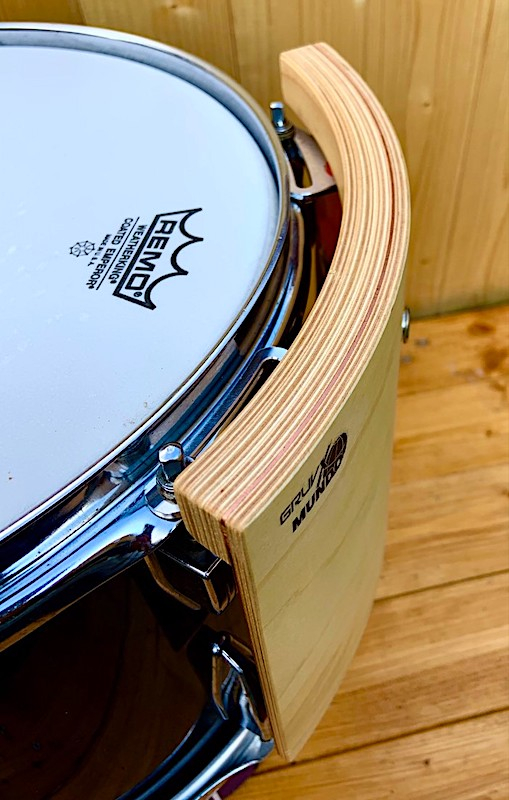
[sps_html tag=”img” src=”https://cdn.theartssection.com/wp-content/uploads/2025/11/snare-drum-wood-block-at-norman-eich-blog-throughout-drummer-wooden-block.jpg” alt=”Snare Drum Wood Block At Norman Eich Blog throughout Drummer Wooden Block” style=”width: 100%; height: auto;”]
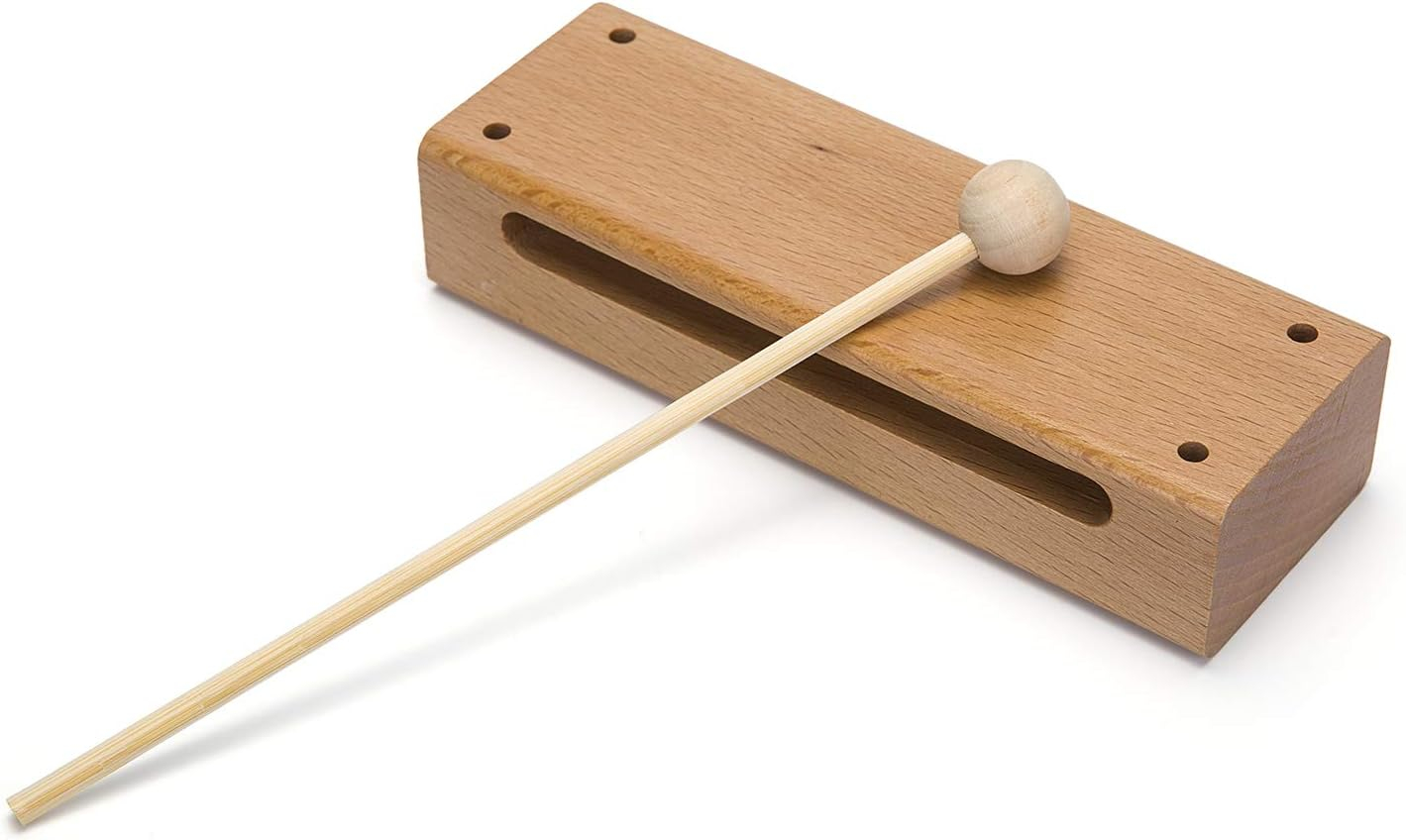
[sps_html tag=”img” src=”https://cdn.theartssection.com/wp-content/uploads/2025/11/wood-block-musical-instrument-with-mallet-solid-hardwood-percussion-pertaining-to-the-science-behind-drummer-wooden-block-percussion-impact.jpg” alt=”Wood Block Musical Instrument With Mallet Solid Hardwood Percussion … pertaining to The Science Behind Drummer Wooden Block Percussion Impact” style=”width: 100%; height: auto;”]
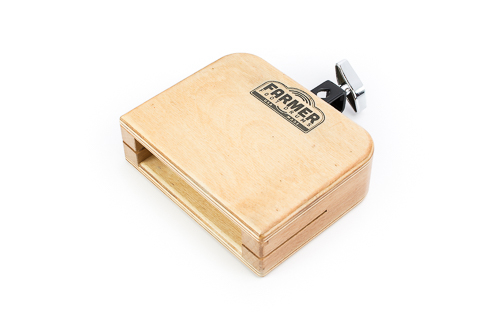
[sps_html tag=”img” src=”https://cdn.theartssection.com/wp-content/uploads/2025/11/farmer-wood-block-low-pitch-farmer-foot-drums-for-drummer-wooden-block.jpg” alt=”Farmer Wood Block - Low Pitch - Farmer Foot Drums for Drummer Wooden Block” style=”width: 100%; height: auto;”]
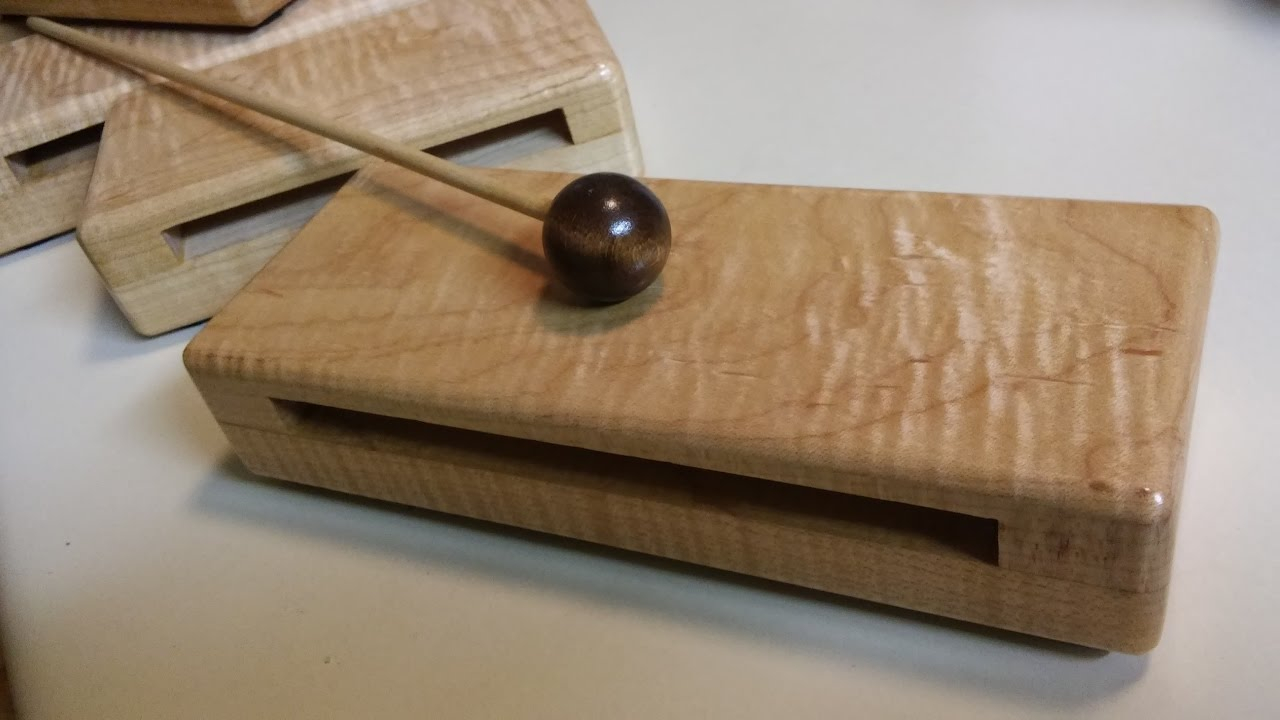
[sps_html tag=”img” src=”https://cdn.theartssection.com/wp-content/uploads/2025/11/wood-block-percussion-youtube-for-drummer-wooden-block.jpg” alt=”Wood Block Percussion - Youtube for Drummer Wooden Block” style=”width: 100%; height: auto;”]
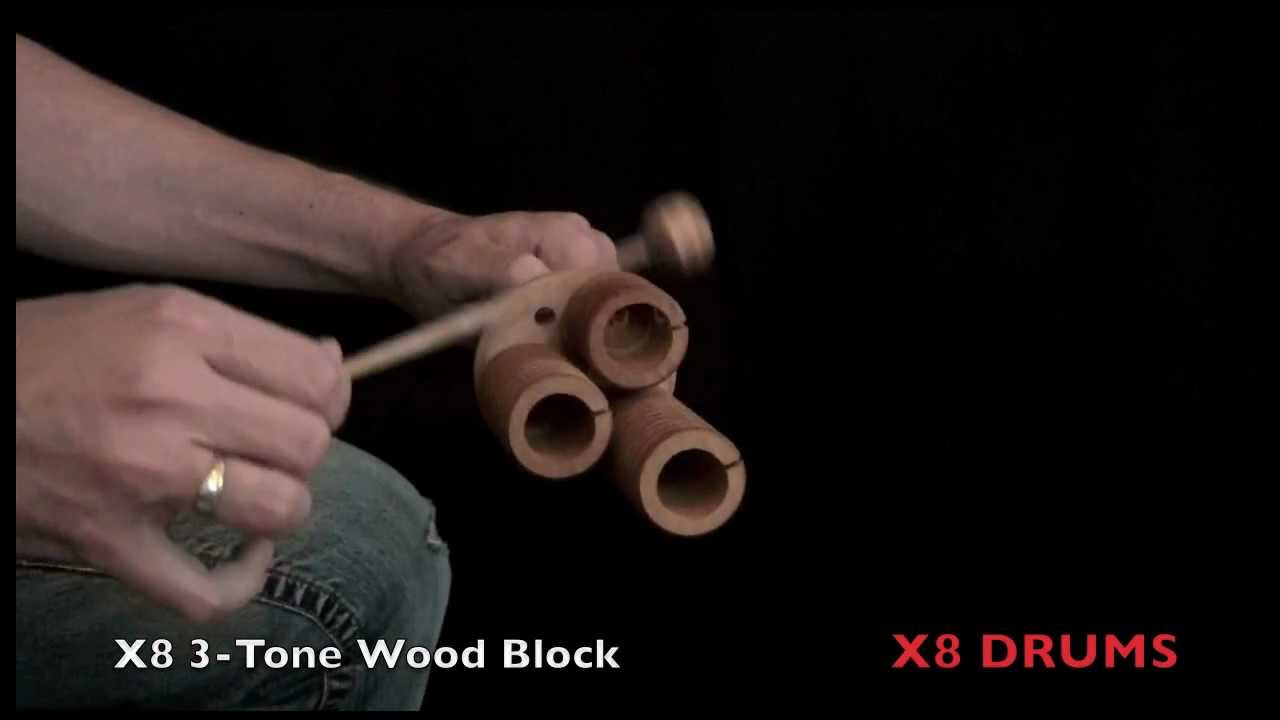
[sps_html tag=”img” src=”https://cdn.theartssection.com/wp-content/uploads/2025/11/3-tone-wood-block-x8-drums-youtube-intended-for-drummer-wooden-block.jpg” alt=”3-Tone Wood Block - X8 Drums - Youtube intended for Drummer Wooden Block” style=”width: 100%; height: auto;”]